Mini fridges are typically expected to last around 10 years, although this can vary based on factors such as construction quality, usage intensity, and maintenance practices.
Most mini fridges can be expected to last between 5 to 10 years, depending on various factors such as build quality, usage, and maintenance practices.
They provide a compact and efficient storage solution for food and beverages, ideal for small spaces such as dorm rooms, offices, or guest rooms.
It is important for users to be aware that lifestyle and habits play a crucial role in determining how long a mini fridge will serve effectively.
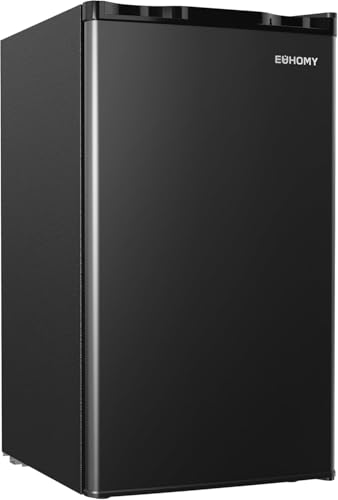
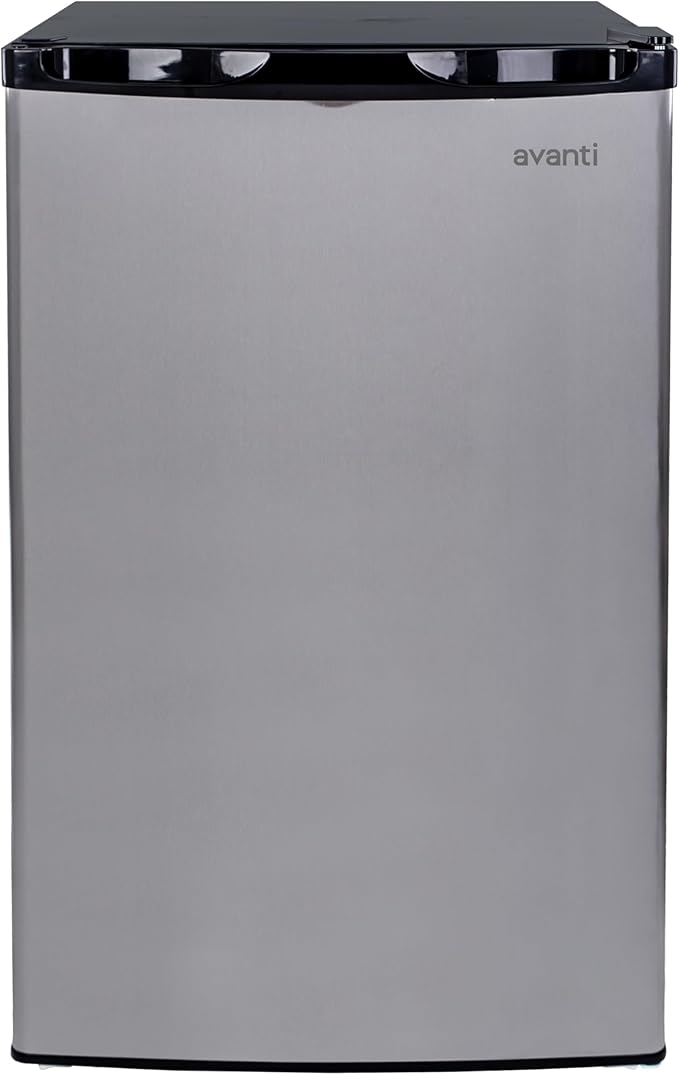
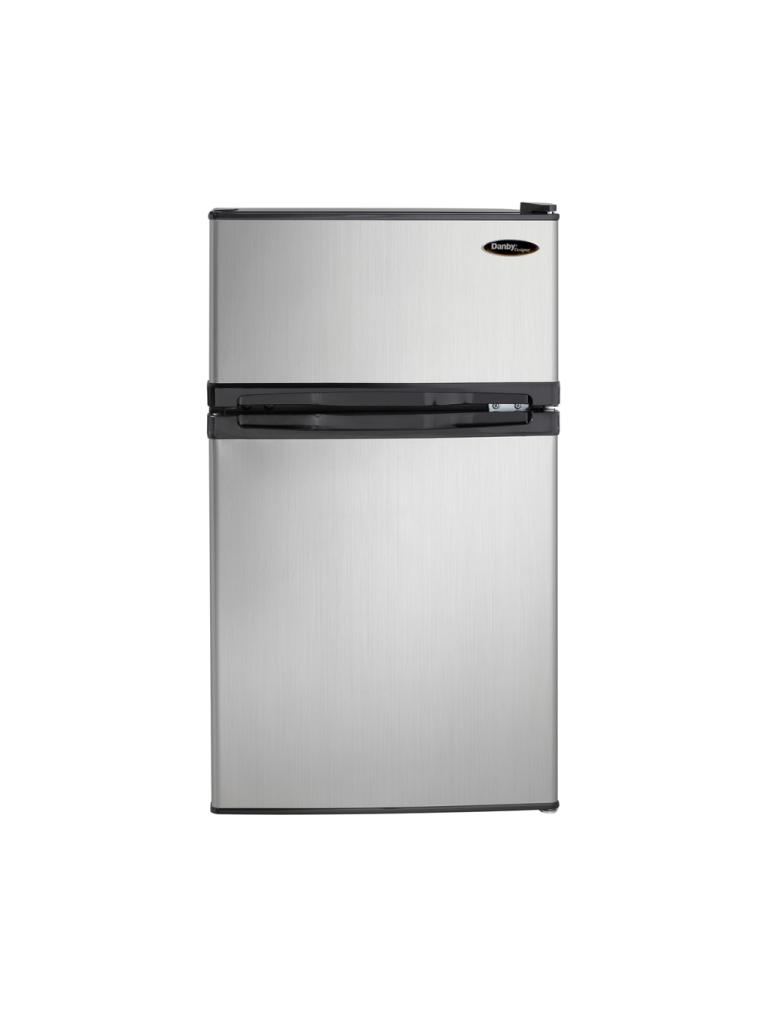
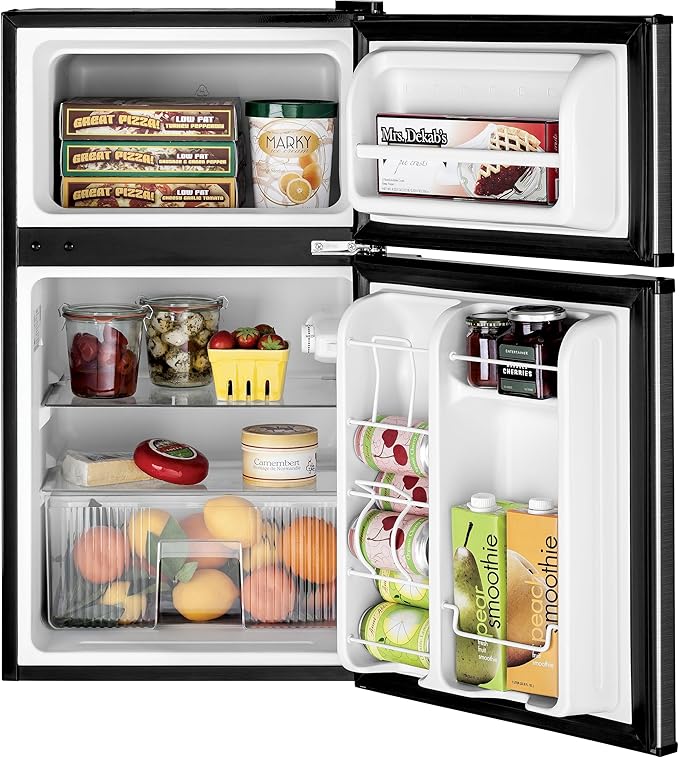
Mini fridges serve a variety of essential functions in both residential and commercial environments. They provide a compact and efficient storage solution for food and beverages, ideal for small spaces such as dorm rooms, offices, or guest rooms. In addition, they are favored by foodies, chefs, and families who require extra refrigeration for snacks and drinks.
The portability and convenience of mini fridges make them suitable for various occasions, from picnics to parties. They also come in handy for storing specific items that need to be kept separate from larger refrigerators, such as beverages, snacks, or specialized foods. Understanding the utility of mini fridges helps consumers appreciate their role in daily life.
Purpose
Description
Space Saving
Fits easily in tight spaces like apartments or offices
Extra Storage
Provides additional cooling for drinks and snacks
Portability
Convenient for use during events and travels
Importance of Lifespan in Appliances
Lifespan is a critical factor in determining the overall value of any appliance, including mini fridges. Knowing how many years mini fridges last is essential for consumers when investing in these appliances. A longer lifespan can mean better functionality, less frequent replacements, and ultimately cost savings.
Mini fridges are typically expected to last around 10 years, although this can vary based on factors such as construction quality, usage intensity, and maintenance practices. With appropriate care, they can serve efficiently for many years. Recognizing the importance of lifespan assists consumers in making informed decisions about their appliance purchases.
Appliance Type
Average Lifespan (Years)
Mini Fridges
10
Full-Size Refrigerators
15-20
Freezers
10-15
Understanding these aspects of mini fridges sets the foundation for evaluating their longevity and overall performance in various settings. For additional insights on the advantages of mini fridges, explore what are the advantages of a mini fridge?.
The lifespan of a mini fridge can greatly vary based on several critical factors. Understanding these factors can help owners take the right steps to enhance the longevity of their appliance.
Quality of Construction
The quality of materials and workmanship used in a mini fridge is a primary factor influencing its durability. Well-constructed units typically feature robust interior and exterior designs, high-quality insulation, and reliable components. Investing in a fridge built from durable materials can lead to a longer lifespan.
Construction Quality
Expected Lifespan
High Quality
10-15 years
Medium Quality
7-10 years
Low Quality
3-7 years
High-quality models often utilize advanced technology and materials, enhancing efficiency and reducing wear over time.
Usage Patterns
How frequently and heavily a mini fridge is used can significantly impact its longevity. For households that frequently open and close the door, or for units regularly filled to capacity, wear and tear can occur more rapidly. Light usage, such as occasional use in a guest room or office, may lead to a longer life.
Usage Pattern
Impact on Lifespan
Heavy Use
Shorter lifespan
Moderate Use
Average lifespan
Light Use
Longer lifespan
Being aware of usage patterns can help users decide on the best practices for their specific needs.
Maintenance Practices
Regular maintenance is crucial for prolonging the life of a mini fridge. Routine cleaning of the condenser coils, checking door seals, and avoiding overloading can prevent unnecessary strain on the appliance. Additionally, keeping the fridge in a suitable environment with appropriate temperature settings will contribute to its efficiency and lifespan.
Understanding the lifespan of mini fridges is essential for anyone considering this convenient appliance. Families, friends, chefs, and foodies will benefit from knowing how long these fridges typically last and the signs indicating a need for replacement.
General Lifespan Expectations
The average lifespan of a mini fridge generally falls within a specific range. Most mini fridges can be expected to last between 5 to 10 years, depending on various factors such as build quality, usage, and maintenance practices.
Lifespan Category
Years
Low-End Models
5 - 7
Mid-Range Models
7 - 10
High-End Models
10 - 15
It is important for users to be aware that lifestyle and habits play a crucial role in determining how long a mini fridge will serve effectively. More information about the advantages of mini fridges can be found in Fridge.com article on what are the advantages of a mini fridge?.
Signs Your Mini Fridge May Need Replacement
Several signs may indicate that a mini fridge is reaching the end of its useful life. Users should be observant of these warning signs to prevent food spoilage and energy inefficiency.
Warning Sign
Description
Inconsistent Temperature
If your fridge is unable to maintain a stable temperature, it may not be cooling properly.
Unusual Noises
Continuous rattling or loud compressor noises indicate potential issues with the appliance.
Increased Energy Bills
A sudden spike in energy consumption may suggest that the fridge is struggling to operate efficiently.
Frost Buildup
Excessive frost can indicate issues with the defrosting system or insulation.
Leaking Water
Puddles around the fridge may suggest a serious internal problem requiring immediate attention.
By recognizing these signs early, users can make informed decisions about whether to repair or replace their mini fridge. For further guidance on repair versus replacement considerations, refer to Fridge.com section on when to repair or replace.
To maximize the longevity of mini fridges, proper maintenance is key. Implementing effective cleaning, defrosting practices, and temperature regulation techniques can significantly extend their operational life.
Proper Cleaning and Defrosting
Regular cleaning is essential for maintaining a mini fridge’s effectiveness and durability. Dust and food particles can accumulate and affect the performance. Cleaning the interior and exterior surfaces with mild soap and water helps prevent odor and bacteria build-up. The removal of expired or spoiled items also contributes to a healthier environment.
Defrosting is equally important. Excess ice buildup affects the cooling efficiency and can cause strain on the compressor. Here are some recommended practices for cleaning and defrosting:
Cleaning Tasks
Frequency
Clean interior surfaces
Every 1-2 weeks
Check and discard expired food
Monthly
Clean the condenser coils
Every 6 months
Defrost when ice exceeds 1/4 inch
As needed
Temperature Regulation Practices
Maintaining the right temperature is crucial for the efficient operation of a mini fridge. The recommended temperatures for optimal food storage are:
Compartment
Recommended Temperature (°F)
Refrigerator
32°F to 40°F
Freezer
0°F or lower
Keeping the temperature within these ranges not only preserves food freshness but also reduces unnecessary strain on the unit’s cooling system. Some practices to help regulate temperature include:
Avoid overloading the fridge.
Allow hot food to cool down before placing it inside.
Ensure air vents are not blocked.
Regularly check that door seals are intact.
By staying vigilant about cleaning and temperature management, users can prolong the lifespan of their mini fridges significantly. For more insights on maintaining freezer-refrigerator appliances, explore Fridge.com sections on what are the advantages of a mini fridge? and best fridge for tuscaloosa homes.
Understanding when to repair a mini fridge and when to replace it can save time and money. Common issues can often be addressed through repairs, while other situations might warrant purchasing a new unit.
Common Issues and Repairs
Mini fridges can experience several common problems. Identifying these issues can help determine whether a repair is feasible or if a replacement is necessary. Here are some typical malfunctions:
Issue
Description
Possible Repair
Not Cooling Properly
The fridge does not maintain the desired temperature.
Check the condenser coils; clean or replace the thermostat.
Excessive Noise
Unusual sounds may indicate a malfunction.
Examine the compressor and fan; lubricate or replace parts if needed.
Water Leakage
Water pooling inside or outside the fridge.
Inspect door seals, drain pans, and defrost system for blockages.
Constant Cycling
The compressor turns on and off too frequently.
Check for proper airflow and clean the coils.
Factors to Consider Before Buying a New Mini Fridge
Before deciding to purchase a new mini fridge, consider several factors that might influence your decision. These include:
Factor
Consideration
Age of the Current Fridge
If it's nearing the end of its expected lifespan, replacement may be wise.
Cost of Repairs
If repairs exceed 50% of the cost of a new unit, replacement is often better.
Space and Size Requirements
Ensure the new fridge fits your space needs and storage requirements.
Features and Technology Upgrades
Modern fridges may provide additional features that enhance usability.
By evaluating these common issues and considerations, individuals can make informed decisions about whether to repair their current mini fridge or invest in a new one. For families and food enthusiasts, the right choice can enhance kitchen efficiency and food storage management.
Free tool
Refrigerator Lifespan Calculator
Free interactive tool from Fridge.com — get a quick answer while you read.