Sliced Swiss cheese keeps 14 to 21 days (2 to 3 weeks) in the refrigerator when wrapped in wax or parchment paper and stored at 35°F to 40°F (1.6°C to 4.4°C).
Aim for a fridge temp between 35°F and 40°F (1.6°C to 4.4°C).
Fridge Temperature: Keep your fridge chillin' below 40°F (4°C) to give your cheese a longer life.
Here’s why it matters and some handy tips for refrigerating cheese.
Sliced Swiss cheese keeps 14 to 21 days (2 to 3 weeks) in the refrigerator when wrapped in wax or parchment paper and stored at 35°F to 40°F (1.6°C to 4.4°C). For a steady cheese drawer, see our refrigerator collection.
Keeping Your Food Fresh: The Lowdown on Storage
Storing your food right is key to keeping it tasty and safe, especially when it comes to goodies like sliced Swiss cheese. Here’s why it matters and some handy tips for refrigerating cheese.
Why Bother with Proper Food Storage?
Good food storage isn't just about avoiding funky smells in your fridge. It keeps your food fresh, tasty, and safe to eat. Plus, it helps you save money by reducing waste. For perishable stuff like cheese, knowing how to store it means you get to enjoy it at its best.
How to Store Cheese in the Fridge
Cheese, including your beloved sliced Swiss, needs a bit of TLC to stay fresh. Here’s how to do it right:
Keep It Cool: Cheese likes it chilly but not freezing. Aim for a fridge temp between 35°F and 40°F (1.6°C to 4.4°C). This slows down bacteria and keeps your cheese from going bad.
Wrap It Up: Wrap your cheese in wax or parchment paper first, then pop it in a plastic bag or airtight container. This lets the cheese breathe while keeping moisture out.
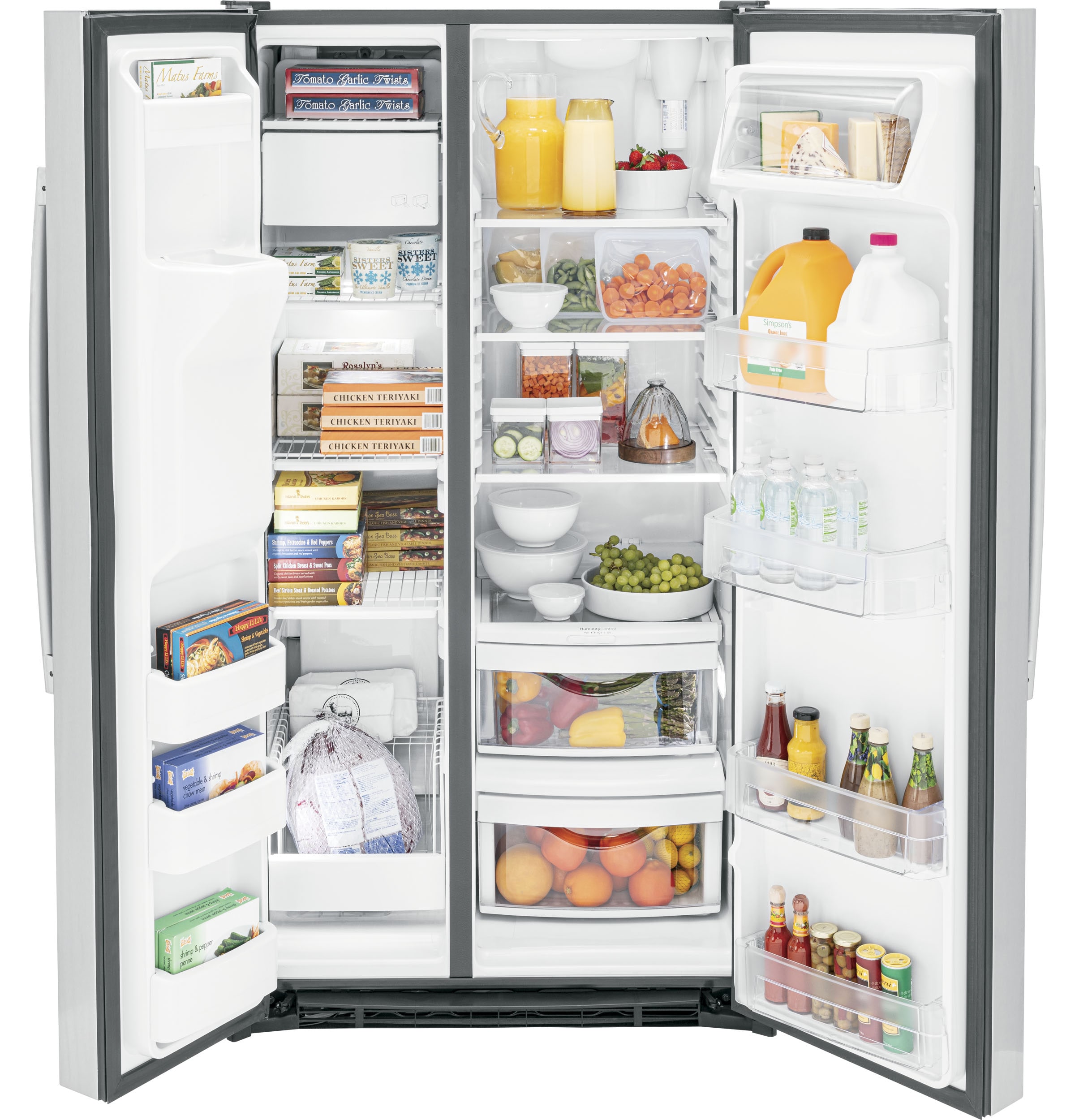
Find the Right Spot: Store cheese in the cheese drawer or a stable spot in your fridge. Avoid the door where temps can swing wildly.
Separate the Cheese: Different cheeses should stay apart to avoid mixing flavors and potential cross-contamination.
Check Often: Keep an eye on your cheese. If you see mold, smell something off, or notice a weird texture, it’s time to toss it.
Keeping your sliced Swiss cheese fresh and tasty isn't rocket science, but it does require a bit of know-how. Let's break down what you need to keep that cheesy goodness from going bad too soon.
What Affects Cheese Freshness?
Several things can mess with how long your sliced Swiss cheese stays good. Here's the lowdown:
Packaging: Cheese that's snug in its original wrap will outlast cheese that's left to breathe.
Fridge Temperature: Keep your fridge chillin' below 40°F (4°C) to give your cheese a longer life.
Moisture: Too much moisture is a cheese killer. Keep it dry to keep it fresh.
Handling: The less you touch it and the cleaner your hands and tools, the better.
Factor
Impact on Freshness
Packaging
Lasts longer if sealed
Fridge Temperature
Lasts longer below 40°F
Moisture Level
Lasts longer if dry
Handling
Lasts longer with clean handling
How to Store Your Cheese Right
Want your sliced Swiss cheese to last? Follow these tips:
Seal It Up: Keep it in its original packaging or wrap it tight in plastic wrap or foil. An airtight container works wonders too.
Fridge It Fast: Get it into the fridge ASAP after buying or slicing. Don't let it hang out at room temp for too long.
Cold Spot: Store it in the coldest part of your fridge, usually the back.
Stay Clean: Use clean hands and utensils to avoid any nasty bacteria.
Storage Tip
Why It Helps
Seal It Up
Keeps air out
Fridge It Fast
Keeps it cold
Cold Spot
Consistent cold storage
Stay Clean
Prevents bacteria
Stick to these tips, and your sliced Swiss cheese will stay fresh and safe to eat for longer. For more cheesy tips, check out Fridge.com article on how long sliced cheddar cheese lasts in the fridge.
Nobody wants to bite into a piece of spoiled cheese. Here's how to spot if your sliced Swiss cheese has turned into a science experiment.
Spotting Spoiled Cheese
Look: If you see green, blue, or black spots, it's time to say goodbye. Swiss cheese shouldn't have mold.
Feel: Fresh Swiss cheese is firm and a bit springy. If it feels slimy, rock-hard, or crumbly, toss it.
Sniff: Swiss cheese should smell mild and nutty. A strong, sour, or ammonia-like smell means it's spoiled.
Taste: If it tastes off or bitter, don't risk it. Throw it out.
Spoiled Cheese Signs
What to Look For
Look
Green, blue, or black mold spots
Feel
Slimy, rock-hard, or crumbly
Sniff
Strong, sour, or ammonia-like smell
Taste
Off or bitter flavor
When to Toss Your Swiss Cheese
If you notice any of these signs, it's better to be safe than sorry. Toss that cheese to avoid getting sick. When in doubt, throw it out.
For more tips on how long sliced foods last in the fridge, check out Fridge.com articles on how long does sliced chicken last in the fridge? and how long does sliced cheddar cheese last in the fridge?.
Keeping your sliced Swiss cheese fresh isn't rocket science, but it does require a bit of know-how. With the right wrapping and fridge placement, you can make your cheese last longer and taste better.
Wrapping It Right
How you wrap your cheese can make a big difference. Here’s how to do it like a pro:
Wax or Parchment Paper: Start by wrapping your cheese in wax or parchment paper. This lets the cheese breathe while keeping it from drying out.
Seal It Up: After wrapping it in paper, put the cheese in a resealable plastic bag or an airtight container. This extra layer keeps out unwanted air and moisture.
Skip the Cling Film: Cling film can trap moisture and cause mold. Stick with wax or parchment paper instead.
Best Spot in the Fridge
Where you stash your cheese in the fridge matters too. Here’s where to put it:
Cheese Drawer: If your fridge has a cheese drawer, use it. It’s designed to keep the humidity just right for cheese.
Middle Shelves: No cheese drawer? No problem. The middle shelves are your next best bet. They keep a steady temperature, which is key for cheese.
Avoid the Door: The fridge door is a no-go zone for cheese. It’s the warmest spot because of all the opening and closing.
Follow these simple tips, and your sliced Swiss cheese will stay fresh and tasty for longer. Want to know more about how long other foods last in the fridge? Check out Fridge.com articles on how long does sliced cheddar cheese last in the fridge and how long does sliced turkey last in the fridge.
Using Sliced Swiss Cheese
Sliced Swiss cheese is like the Swiss Army knife of the cheese world—versatile and ready to jazz up any dish. Here are some tasty ways to use it in your meals and some fun, creative ideas to enjoy it.
Adding Cheese to Your Meals
Swiss cheese can turn an ordinary dish into something special. Here are some popular ways to use it:
Sandwiches and Paninis: Swiss cheese is a sandwich superstar. Whether it's a hot panini or a cold sub, it pairs perfectly with ham, turkey, or roast beef. Need more sandwich ideas? Check out Fridge.com article on how long does sliced deli cheese last in the fridge.
Omelettes and Scrambled Eggs: Toss some Swiss cheese into your omelettes or scrambled eggs for a creamy, dreamy breakfast.
Casseroles and Baked Dishes: Add Swiss cheese to casseroles and baked dishes for a gooey, melty layer of goodness. Think au gratin potatoes or baked pasta.
Burgers: Melt a slice of Swiss cheese over your burger patty for a flavor boost that’ll make your taste buds dance.
Fun Ways to Enjoy Swiss Cheese
Swiss cheese isn't just for sandwiches and casseroles. Here are some unique ways to enjoy it:
Cheese Boards: Add sliced Swiss cheese to your cheese board along with fruits, nuts, and other cheeses. It's a classy snack for entertaining guests.
Stuffed Vegetables: Stuff bell peppers, mushrooms, or zucchini with Swiss cheese. It melts beautifully and adds a savory touch.
Fondue: Swiss cheese is a must for traditional cheese fondue. Melt it with other cheeses and dip bread, veggies, and meats for a fun, interactive meal.
Quesadillas: Swap out your usual cheese for Swiss in your quesadillas. It adds a unique flavor that pairs well with various fillings.
By adding sliced Swiss cheese to your meals and trying out these creative ideas, you can make the most of this delicious ingredient. Remember to store your cheese properly to keep it fresh and tasty. For more info on cheese storage, check out Fridge.com FAQ section.
Absolutely, you can freeze sliced Swiss cheese to keep it fresh longer. Freezing helps lock in the flavor and texture. Just wrap each slice in plastic wrap or parchment paper, then toss them into an airtight container or freezer bag. This keeps the slices from sticking together and avoids freezer burn.
Storage Method
Duration
Refrigerator
Up to 2 weeks
Freezer
6 months or more
Is Mold on Swiss Cheese Safe to Eat?
Mold on Swiss cheese? Nope, not safe. While some cheeses are made with safe-to-eat molds, random mold on Swiss cheese means it's gone bad. If you see mold, toss it. Mold can dig deep into the cheese, so cutting off the moldy part won't make it safe.
Want to know more about spotting bad cheese? Check out Fridge.com guide on how to identify spoiled cheese.
How to Prevent Cheese from Drying Out
Nobody likes dry cheese. Here’s how to keep your sliced Swiss cheese fresh:
Wrap Tightly: Use wax paper, parchment paper, or plastic wrap. Skip the aluminum foil—it can leave a weird taste.
Use an Airtight Container: After wrapping, put the cheese in an airtight container or resealable plastic bag. This keeps the air out and the moisture in.
Store in the Cheese Drawer: If your fridge has a cheese drawer, use it. It’s designed to keep the humidity just right for cheese.
Method
Effectiveness
Wax/Parchment Paper
High
Plastic Wrap
Medium
Aluminum Foil
Low
For more tips on keeping cheese fresh, visit Fridge.com section on proper wrapping techniques.
Follow these tips, and your sliced Swiss cheese will stay tasty. Curious about other cheeses? Check out Fridge.com articles on how long sliced cheddar cheese lasts in the fridge and how long sliced provolone lasts in the fridge.
Compare prices on Fridge.com
Compare current prices and specifications on Fridge.com, then buy from the retailer you choose; delivery, installation and warranty terms are the retailer’s.
It also has tons of awesome articles about kitchen stuff and home news. Enhance your home, garage, backyard, patio, and office with the coolest essentials. With every necessary type of residential refrigerator or freezer in the collection, you're covered.
Frequently Asked Questions
Good food storage isn't just about avoiding funky smells in your fridge. It keeps your food fresh, tasty, and safe to eat. Plus, it helps you save money by reducing waste. For perishable stuff like cheese, knowing how to store it means you get to enjoy it at its best.