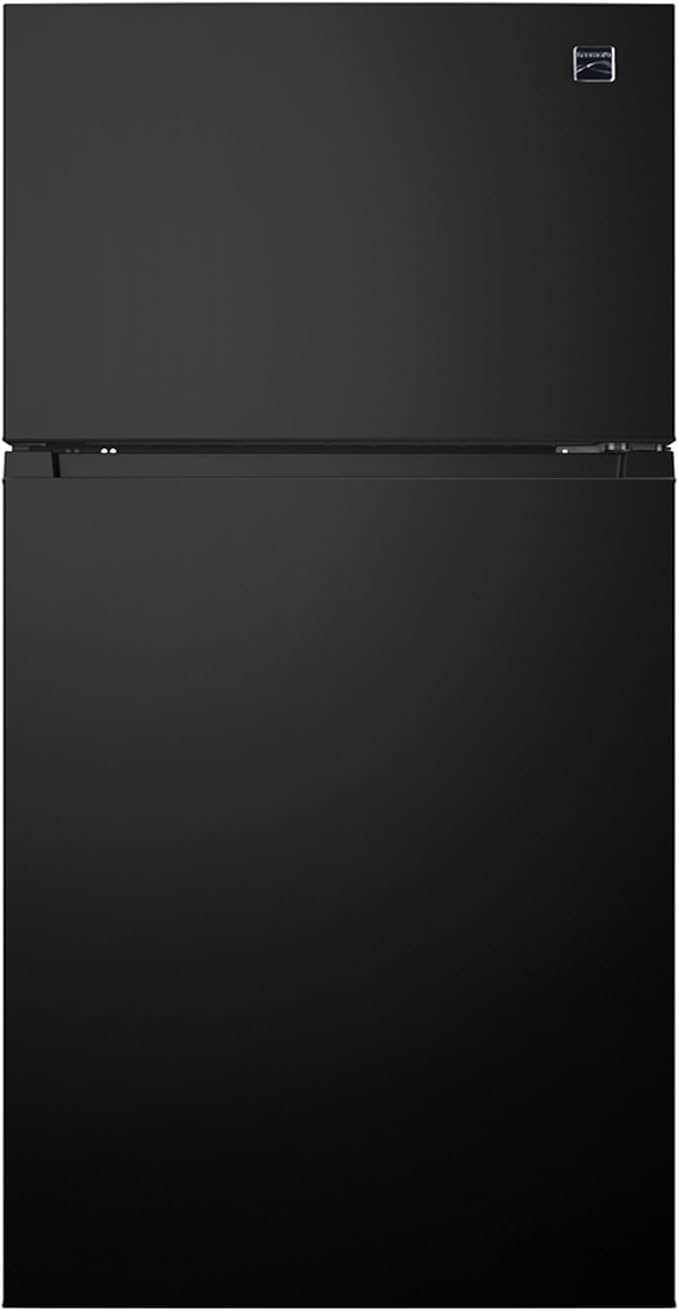
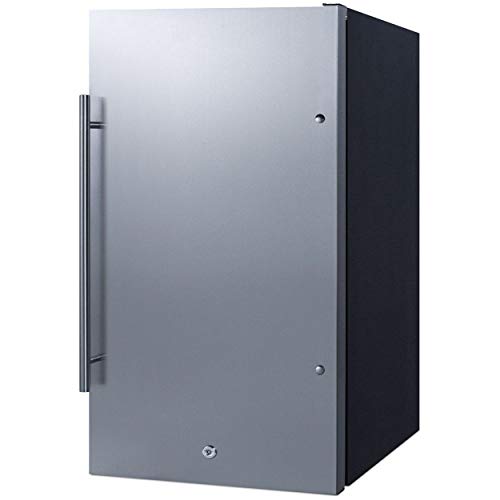
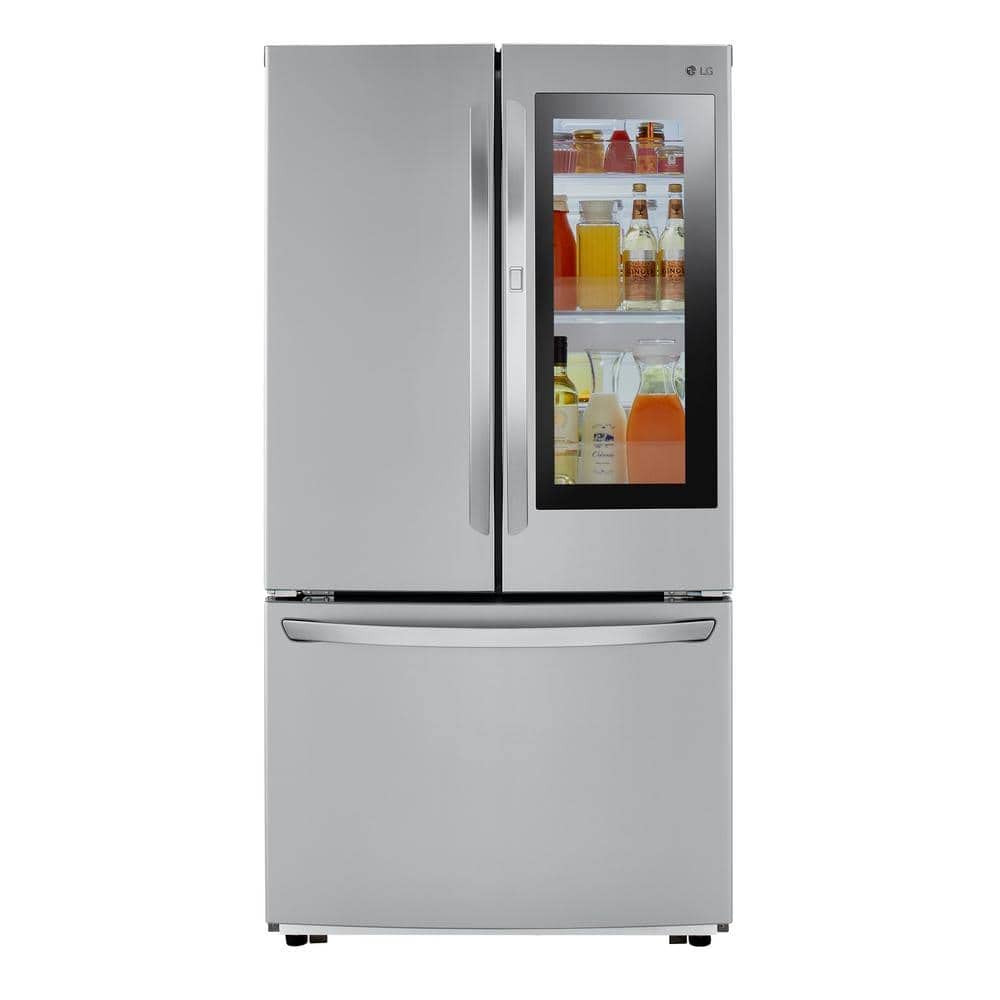
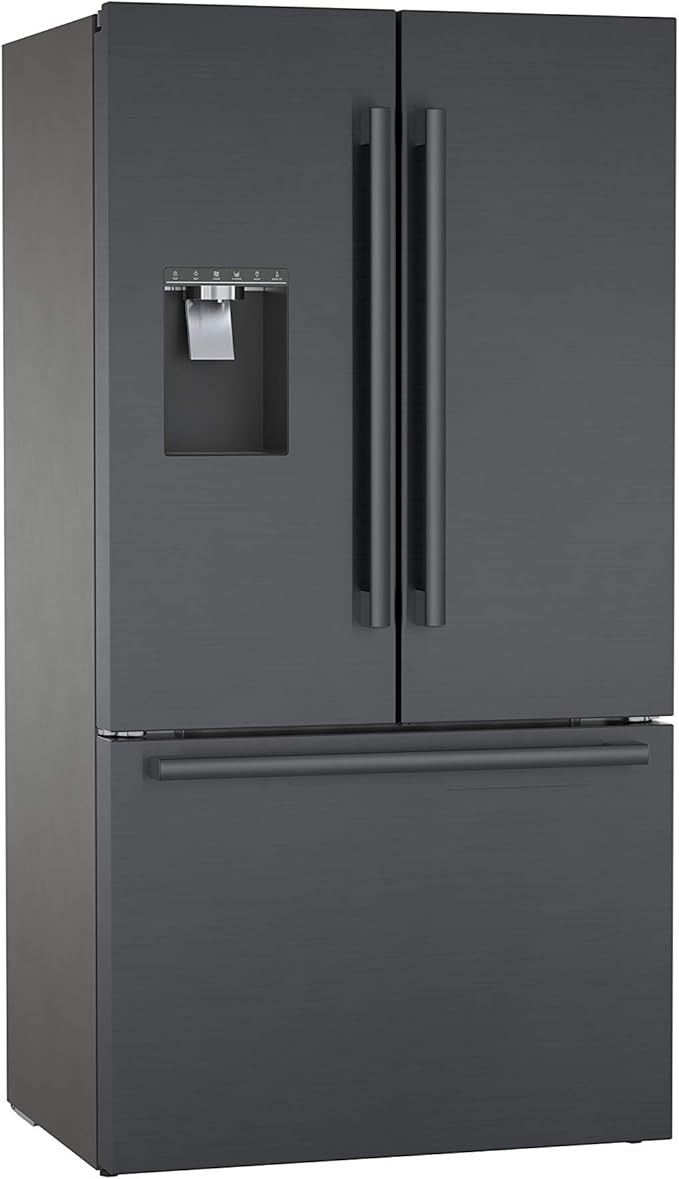
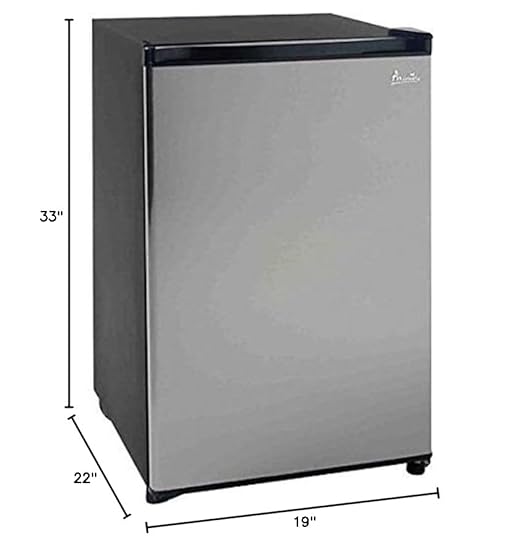
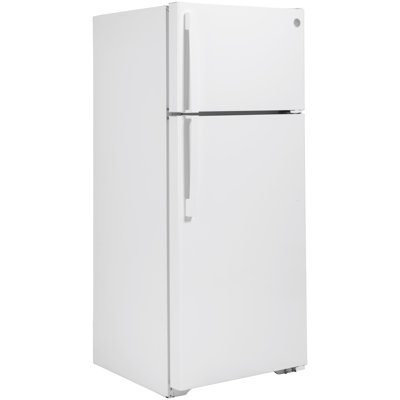
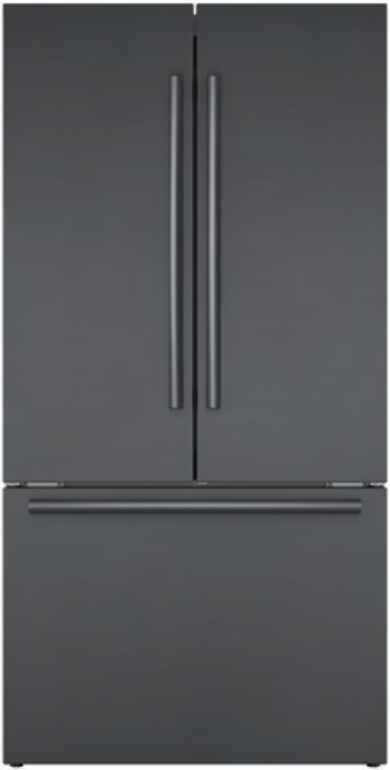
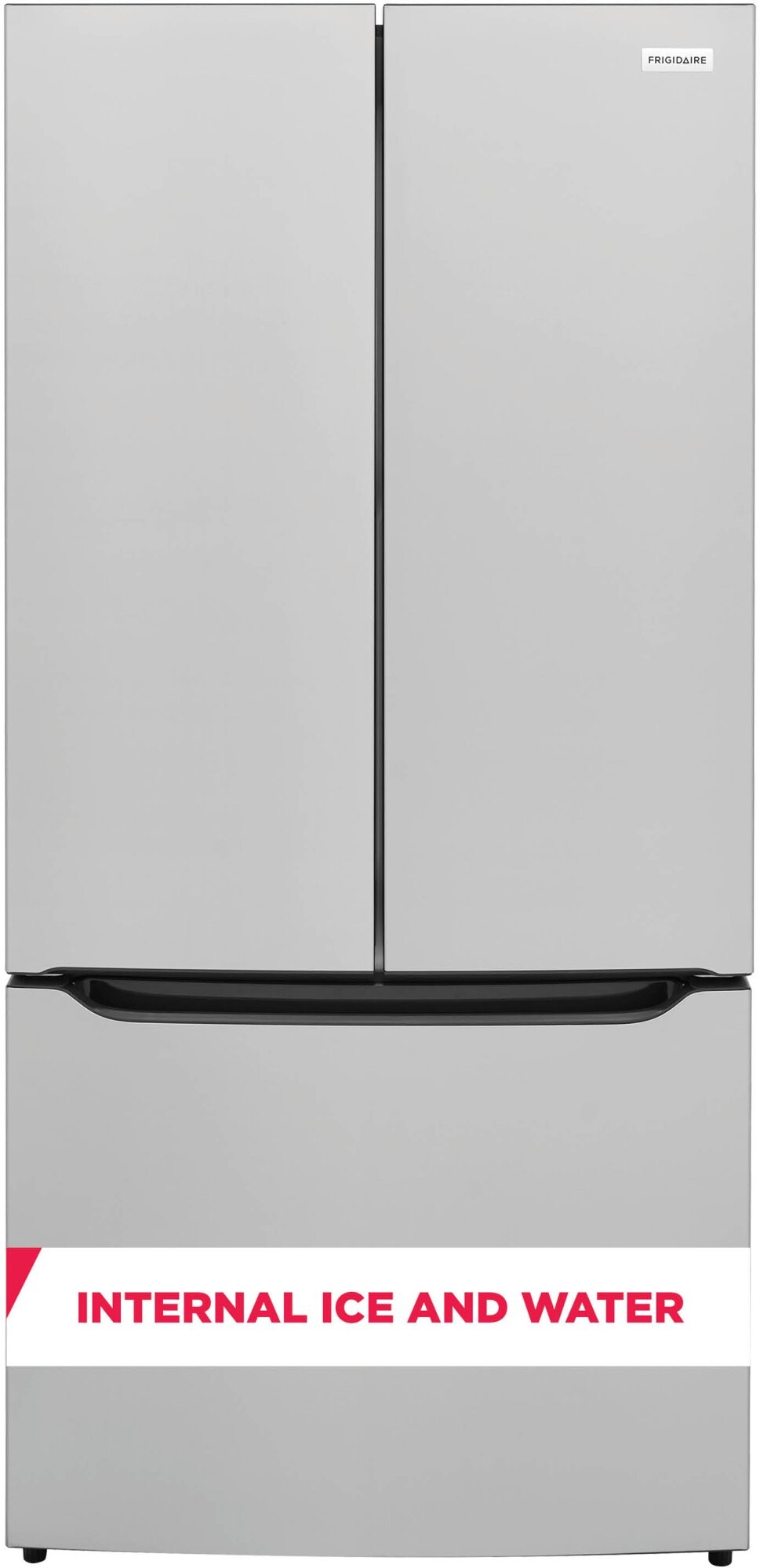
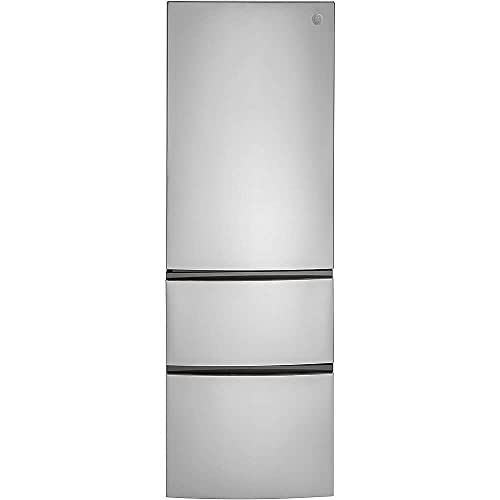
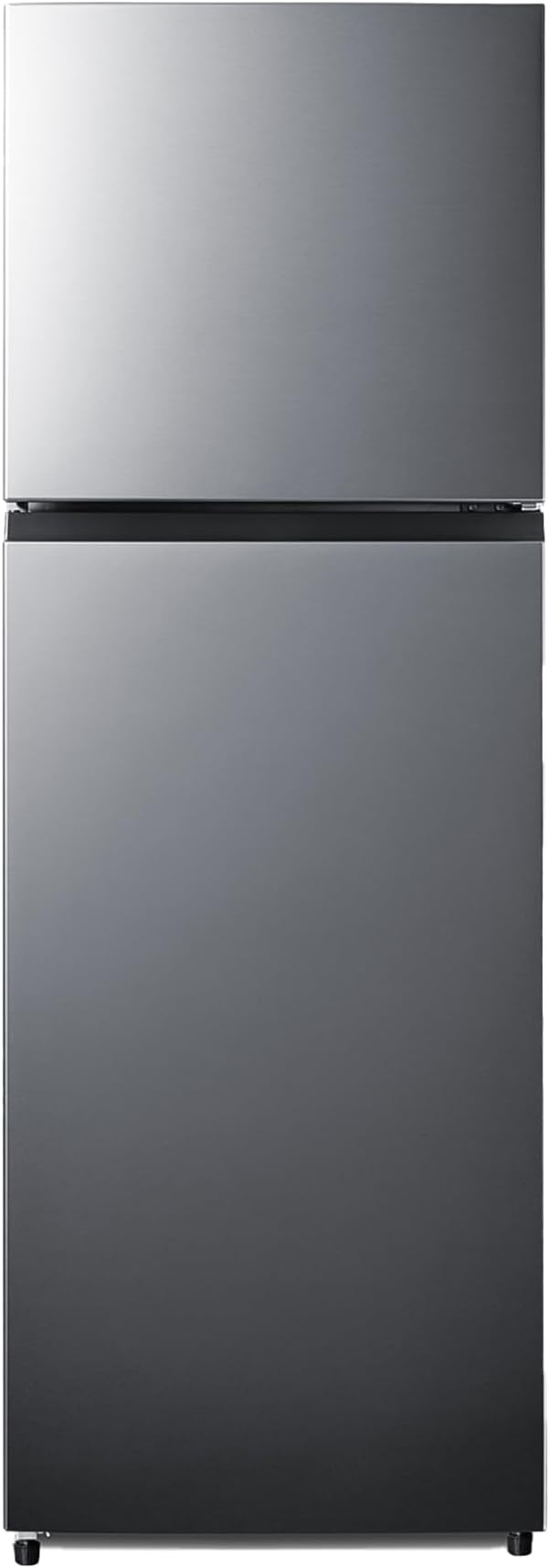
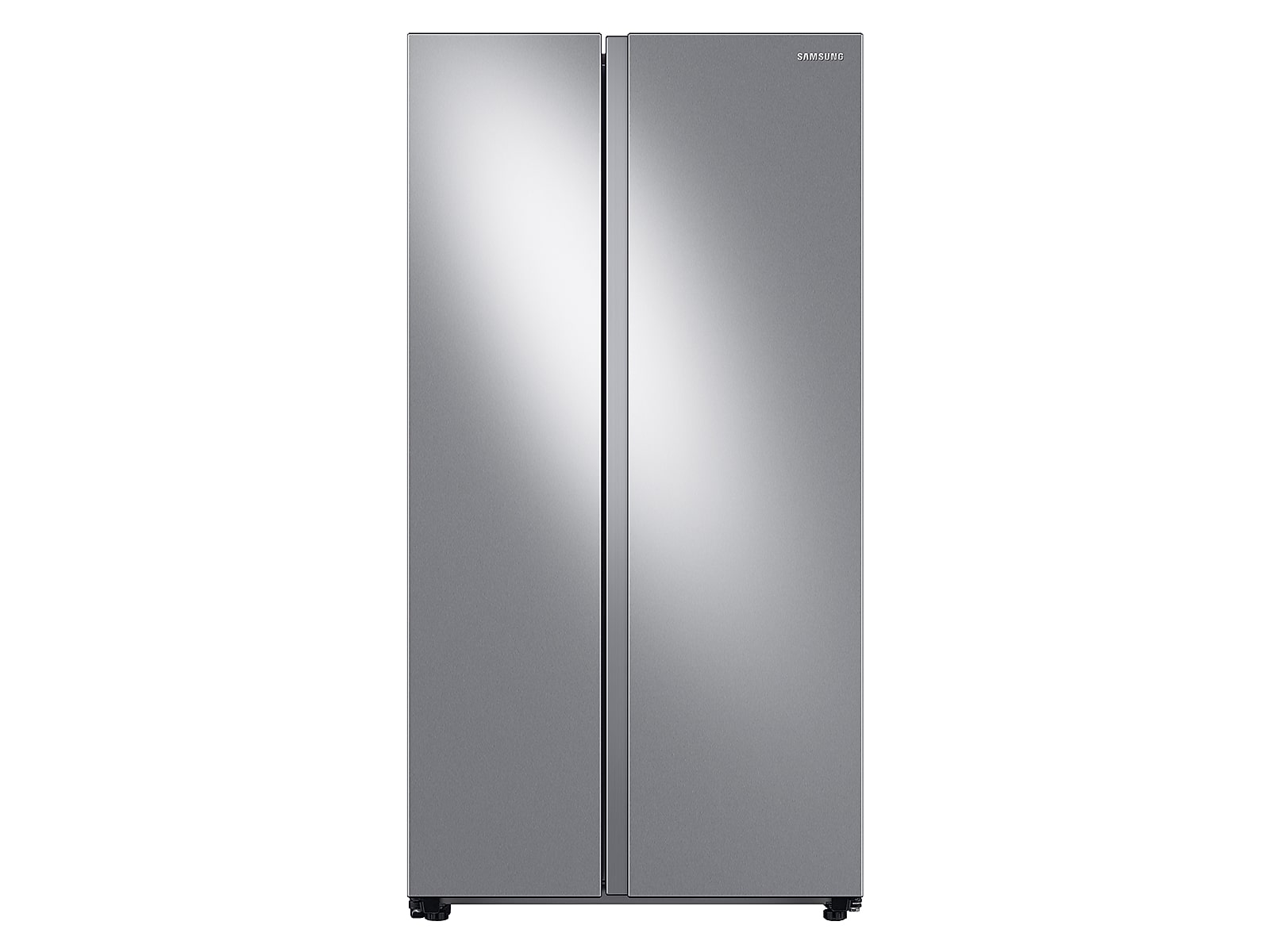
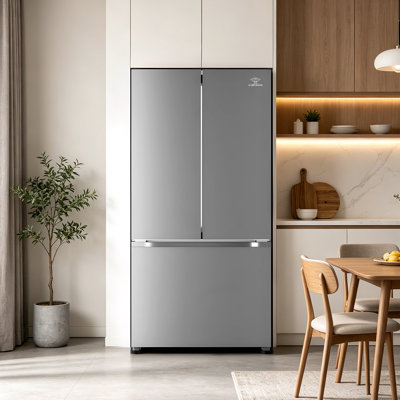
A counter depth fridge is engineered to snugly fit with the norm of kitchen countertops, usually clocking in at about 24 to 25 inches deep. This style aims to give your kitchen a sleek, polished touch. Unlike many traditional fridges that jut out awkwardly, these models are crafted to sit flush against your counters, creating a tidier look.
Although these fridges are on the shallower side, they’re still spacious enough to stockpile a good amount of food. Perfect for smaller or narrower kitchens, their design combines practicality with style, without forcing you to play Tetris with your groceries.
Importance of Depth in Refrigerators
When it comes to fridges, the depth isn't just about looks—it's about how your kitchen works, too. A fridge sticking out like a sore thumb can make your space feel cramped and tricky to move around in. Let’s break down the depth basics here:
Depth Type
Typical Depth (inches)
Pros
Cons
Standard Depth
30 - 36
More room for your goodies
Bulks up the kitchen, blocking paths
Counter Depth
24 - 25
Blends nicely with counters
Holds less than standard types
A counter depth fridge subtly complements your kitchen’s layout and contributes to that streamlined appeal many folks crave. But don’t forget—while these fridges look great, it’s key to check if the reduced capacity meets your family’s storage demands.
Picking a fridge? Keep these depth factors in the mix to make the best choice for you and your kitchen space.
Thinking about getting a new fridge? It's super helpful to know the difference between standard depth and counter depth models. This info is key to picking out the right fridge for your kitchen and what you need day-to-day.
Key Differences Between Standard and Counter Depth Fridges
The main ways standard depth and counter depth fridges differ are in their size and design. Here's a quick comparison:
Feature
Standard Depth Fridge
Counter Depth Fridge
Depth
Usually 30 to 36 inches
Around 24 to 30 inches
Fit
Sticks out past the counter
Sits flush with countertops
Volume
More room for your stuff
Less storage space
Aesthetic
Bulky look
Neat and fits-in look
Standard depth fridges have more room inside, perfect for stocking up on groceries and drinks. On the other hand, counter depth fridges blend in nicely with your kitchen’s cabinets, offering a sleek vibe.
Pros and Cons of Counter Depth Fridges
Counter depth fridges have their own set of perks and drawbacks worth mulling over.
Pros:
Looks: They give your kitchen a smooth built-in appearance.
Ideal for Small Kitchens: Their snug fit is perfect for spaces where every inch counts.
Ease of Use: You can grab what you need more easily since there's no awkward reaching over.
Cons:
Less Space Inside: They generally don't hold as much as standard fridges.
More Expensive: These might cost a bit more than the bigger standard ones.
Limited Sophisticated Features: Some might lack the bells and whistles found in standard items.
Choosing between a standard depth and counter depth fridge comes down to what you like, how much space you've got, and how much stuff you need to store. Curious about other kitchen gadgets? Check out Fridge.com articles on kegerator accessories or mini countertop water dispensers to see what else could work well with your kitchen setup.
Dimensions of Counter Depth Fridges
Grasping the size of counter depth fridges is pretty crucial if I'm figuring out how it'll fit into my kitchen setup. The whole point of these fridges is that they line up nice and flush with the countertops, giving off that polished look.
Typical Depth Range for Counter Depth Fridges
Counter depth fridges aren't as deep as the old-school types. Here's the usual breakdown:
Refrigerator Type
Depth (inches)
Counter Depth
24 - 30
Standard Depth
30 - 36
Most of these fridges range from 24 to 30 inches deep. This way, they snug up against the kitchen cabinets without sticking out like a sore thumb.
Variations in Depth Based on Brands and Models
Even though there's a common range, the actual depth can change a lot depending on the brand and model. It's a good idea to double-check those specs. Some might tweak the size a bit to fit certain kitchen styles or squeeze into tighter spots.
Brand/Model Type
Depth Range (inches)
Brand A
24 - 26
Brand B
28 - 30
Brand C
25 - 29
While hunting for my fridge, I've gotta pay attention to those depth details to make sure it fits just right. Measuring the width and height is also key, especially if I'm swapping out an old fridge for a new one.
Counter depth fridges have their own little bag of tricks, especially when you’re dealing with tight spaces and trying to keep things looking sharp in the kitchen. Here’s a little tour of why they might just become my new best friend in the kitchen.
Aesthetic Appeal and Seamless Integration
One of my favorite things about a counter depth fridge is how slick it looks. It hugs the line of your countertops so perfectly that it makes the kitchen look like it was all born on the same day. This sleek integration doesn’t just please the eyes—it gives my kitchen an open, airy vibe, which is a big win if space is at a premium. With these models, I can turn my kitchen into a chic, modern oasis without breaking a sweat.
Space Optimization in the Kitchen
Let’s talk space. Counter depth fridges won't hog your kitchen like a hungry hippo. With their reduced depth, maneuvering around is a breeze, especially if you’ve got a more compact kitchen layout. Think about it—my cabinets and countertops stay within easy reach, keeping the hub of the home running smoothly and efficiently. And with the right gadgets and a bit of organizational magic, these fridges don’t skimp on storage either. Everything finds its place without feeling like I’m trying to cram socks into a drawer that’s already busting.
Feature
Standard Depth Fridge
Counter Depth Fridge
Depth
Around 30-36 inches
Around 24-30 inches
Space Usage
Sticks out like my uncle’s belly
Snug as a bug with the counters
Movement
Cramped maneuverability
Quick and nimble
Energy Efficiency Considerations
Counter depth fridges come with a saving grace—they’re kinder on the energy bill. Many of these models are built with snazzy power-saving tech, meaning less electricity used up in keeping my groceries cool. Plus, it helps me be a bit friendlier to Mother Nature, reducing that carbon footprint. They’re not just good at chilling my sodas—they keep my conscience a little cooler too. Look for models that flaunt high energy ratings, and I might just notice those bill spikes mellow out over time while my greens stay crisp and happy.
So, all in all, picking a counter depth fridge boosts my kitchen’s style mojo, works wonders with space, and shows some eco-love with energy efficiency. To get the most out of one, I’d look into smart ways to measure my space and line up with what I really need for storage. My kitchen’s heart will beat a little stronger for it!
So, I'm hunting for a counter depth fridge, and it's not just about picking a shiny gadget for the kitchen. I'm putting on my thinking cap to figure out what'll fit like a glove. I need to eyeball my kitchen's space, how those fridge doors swing open, whether air can dance around it, and how much room I need to stash my grub. This ain't rocket science, but it sure takes some savvy planning.
Measuring Your Space
I got my tape measure ready 'cause I need the lowdown on where this new fridge will chill. Counter depth fridges are snug, usually between 24 to 30 inches deep, blending smoothly with kitchen counters like peanut butter and jelly. Let me drop some numbers about standard kitchen stuff:
Measurement
Standard Size (inches)
Counter Height
36
Counter Depth
24
Kitchen Aisle Width
36 - 42
Now, it ain't just about the depth and height. I gotta think about breathing room for the fridge. Like giving your buddy some elbow room at a crowded table.
Checking Door Clearance and Ventilation Needs
Before I splurge, I gotta make sure those fridge doors won't be slamming into walls like a bad day at the skate park. Fridge doors need a bit of free space to swing open smoothly—2 to 3 inches, to be exact. Plus, I gotta let the air flow all cool and breezy around it. A good rule of thumb is keeping about an inch of space on every side for that.
Clearance Requirement
Minimum Space (inches)
Left Side Clearance
1 - 2
Right Side Clearance
1 - 2
Top Clearance
1 - 2
Back Clearance
1 - 2
Giving the fridge room to breathe keeps it running like a champ and makes it last longer.
Understanding Your Storage Requirements
Alright, now let's chat about how much I hoard in my fridge. Depending on whether I cook for just myself, a gaggle of kids, or everyone in between, that dictates how much space I need inside. These counter depth babies tend to be tighter on space, so I gotta size up my needs right.
Storage Type
Recommended Capacity (cu ft)
Just Me
10 - 15
Me and A Buddy
15 - 20
Family Foursome
20 - 25
My Own Brady Bunch (5+)
25+
Figuring this out avoids that game of refrigerator Tetris and ensures my UFO leftovers have a home. If I feel like nerding out on the science of fridge stocking, I might peek at articles about how long cooked rice hangs out in the fridge or how chilling cold cuts do in there for more storage smarts.
When I ponder these thoughts, deciding on my new counter depth fridge is a piece of cake—or pie, if that’s more my thing.
Frequently Asked Questions
A counter depth fridge is engineered to snugly fit with the norm of kitchen countertops, usually clocking in at about 24 to 25 inches deep. This style aims to give your kitchen a sleek, polished touch. Unlike many traditional fridges that jut out awkwardly, these models are crafted to sit flush against your counters, creating a tidier look. Although these fridges are on the shallower side, they’re still spacious enough to stockpile a good amount of food. Perfect for smaller or narrower kitchens, their design combines practicality with style, without forcing you to play Tetris with your groceries.