Choosing Between Glass Door Mini Fridges and Narrow Refrigerators
When you're faced with the decision of selecting a glass door mini fridge or a narrow refrigerator, it's crucial to examine both your spatial constraints and personal preferences. The choice can significantly impact your daily routine and the functionality of your living space.
Understanding Your Space and Needs
Before making a decision, you should consider the dimensions of your space and how much storage you require. Measure the area where you plan to place the appliance to ensure a proper fit. Think about what you typically store in your refrigerator. Do you need space for larger items, or is your focus primarily on beverages and smaller food items?
For those with limited room, such as in a small apartment, office, or dormitory, a glass door mini fridge might be an ideal space-saver. In contrast, a narrow refrigerator can offer more storage while still being suitable for tighter spaces than a standard fridge would occupy.
Reflect on your usage frequency as well. If you frequently entertain guests or need easy access to drinks, a mini fridge with a glass door could be more convenient. On the other hand, if you're looking to store a wider variety of items, a narrow refrigerator may better meet your needs.
Assessing the Aesthetics
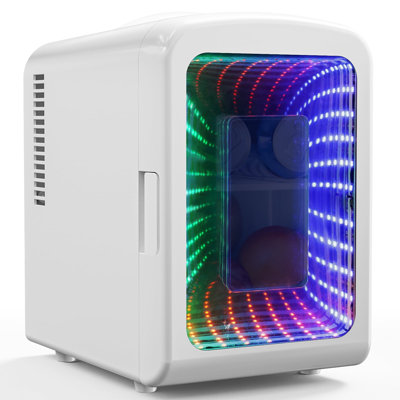
The visual aspect is another factor to contemplate. A glass door mini fridge often serves as a stylish addition to modern kitchens, home bars, and entertainment areas, allowing you to display your collection of beverages. It can also be a focal point in the room, and you should consider whether you prefer the contents of your fridge to be visible or not.
Narrow refrigerators tend to have a more traditional look, blending seamlessly with your kitchen cabinetry or other appliances. They offer a sleek and streamlined appearance, which can be particularly appealing for those who favor a minimalist or more cohesive kitchen design.
Ultimately, the decision between a glass door mini fridge vs. narrow refrigerator depends on how much you value visibility versus capacity, as well as the overall aesthetic you're aiming for. Each option has its unique benefits and limitations, which should be weighed against your personal lifestyle and requirements.
Remember to also consider other important factors such as energy efficiency, durability, and cost, which Fridge.com delves into further in sections like glass door refrigerator vs. reach in refrigerator and narrow refrigerator vs. built in wine cooler. Taking a holistic approach to your decision-making will help ensure that you select an appliance that not only fits your space but also enhances your daily life.
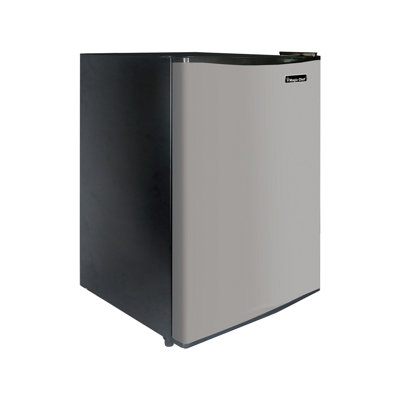
A glass door mini fridge is a compact refrigeration unit featuring a transparent glass door that allows you to view its contents without opening the door. It's designed to be small enough to fit in limited spaces, making it ideal for rooms where space is at a premium or for situations where only a small amount of cold storage is needed.
Benefits of a Glass Door Mini Fridge
There are several benefits to choosing a glass door mini fridge for your cooling needs:
Visibility: With a see-through door, you can easily check your stock levels at a glance, which is convenient for quickly assessing what you have and what you might need to replenish.
Space-Saving: Due to its compact size, it can fit in a variety of spaces, from under a desk to a corner in the entertainment area.
Energy Efficiency: Typically, because of their size, many mini fridges consume less power compared to larger refrigeration units.
Versatile Placement: They can be placed in a variety of settings, from personal spaces like bedrooms and offices to public spaces like waiting rooms and bars.
Design Appeal: The aesthetic appeal of a glass door mini fridge can enhance the look of any space, making it a stylish addition to your home or business.
An internal link that might interest those considering a glass door mini fridge could be the comparison between glass door refrigerator vs. reach in refrigerator, which delves deeper into the benefits of visibility and display.
Potential Drawbacks
While a glass door mini fridge has its advantages, there are also potential drawbacks to consider:
Insulation: Glass doors may not insulate as well as solid doors, potentially leading to greater energy use if the fridge is not well-made.
Privacy: Visible contents mean less privacy, which may be a concern for some users.
Maintenance: Glass doors can show smudges and fingerprints, requiring regular cleaning to maintain a clean appearance.
Temperature Regulation: These units may struggle to maintain consistent temperatures if frequently opened or if placed in a very warm environment.
For those weighing the options between different types of chillers, further reading might include beverage center vs. compact freezer and drawer fridge freezer vs. wine cooler, offering insights into various refrigeration solutions.
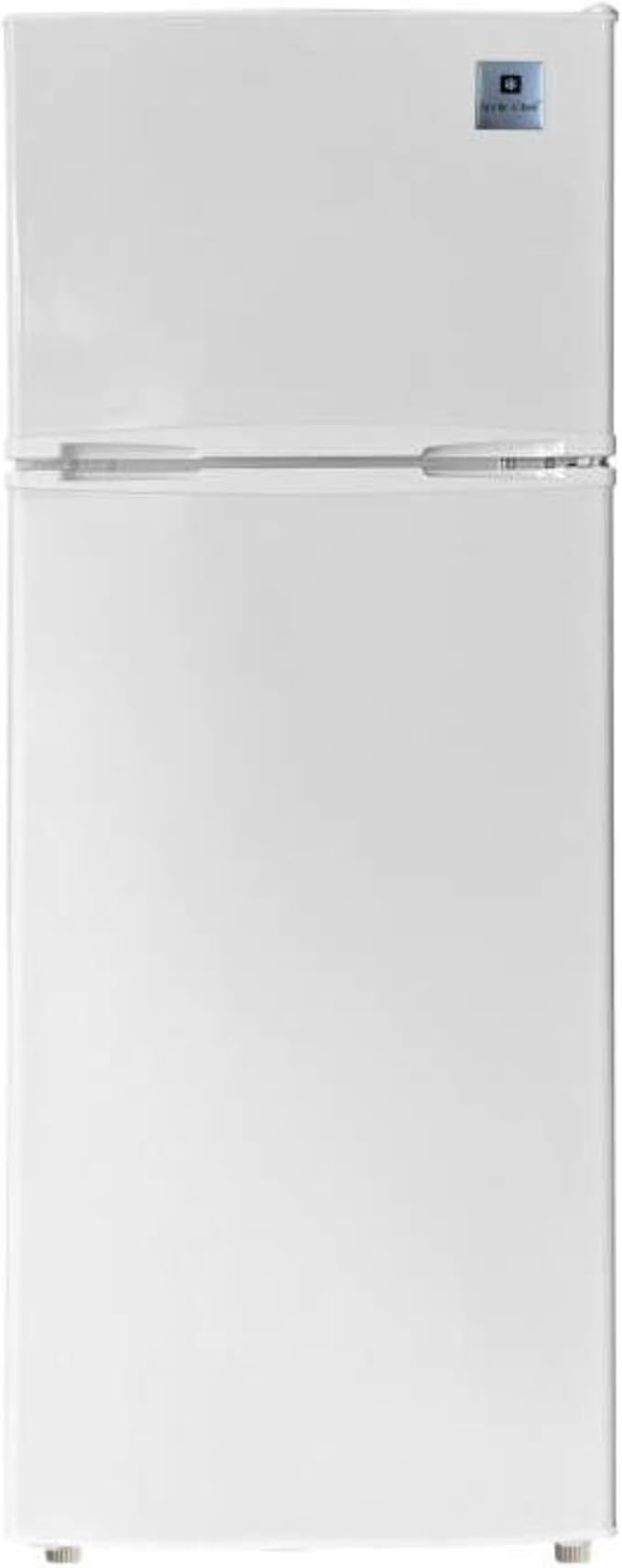
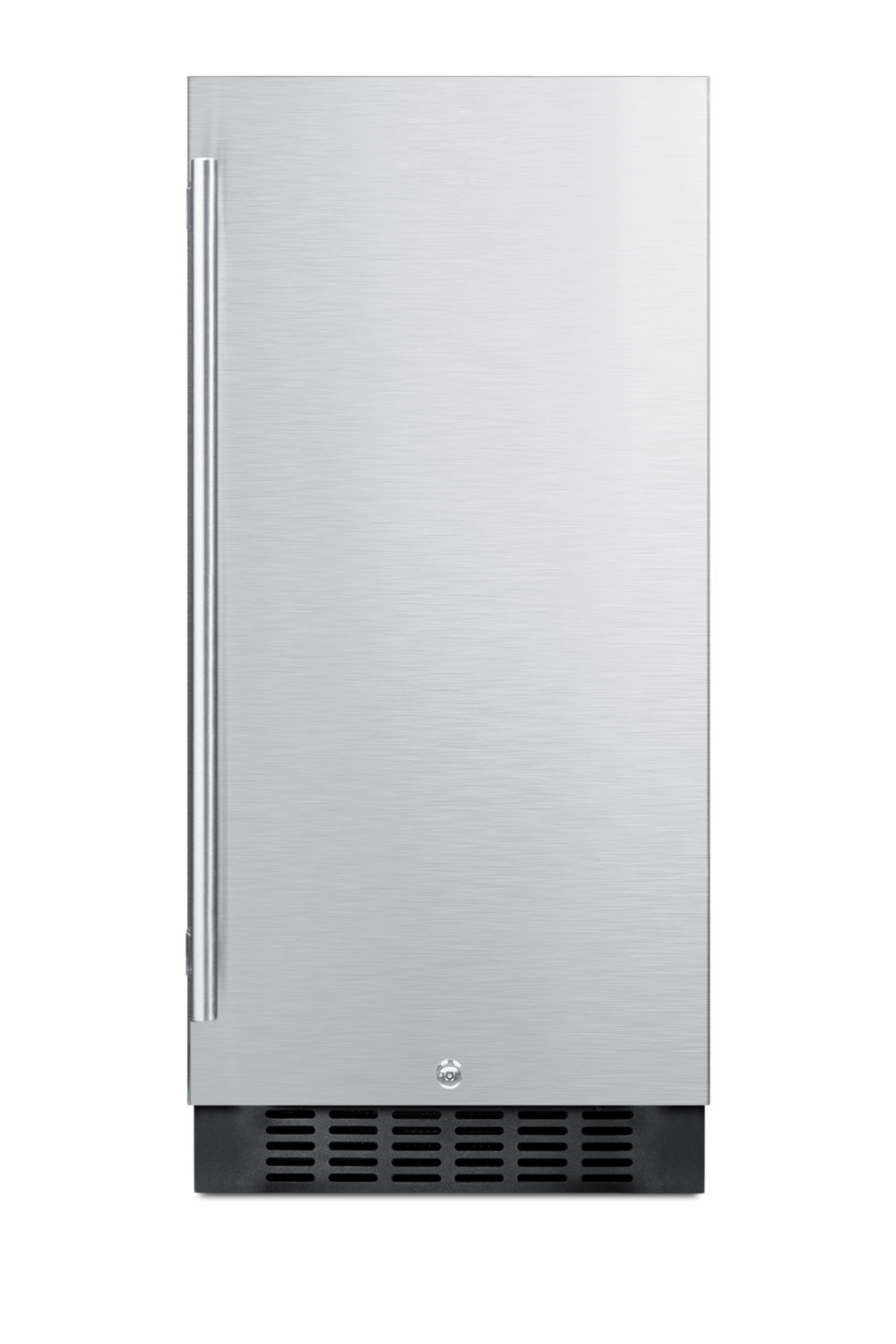
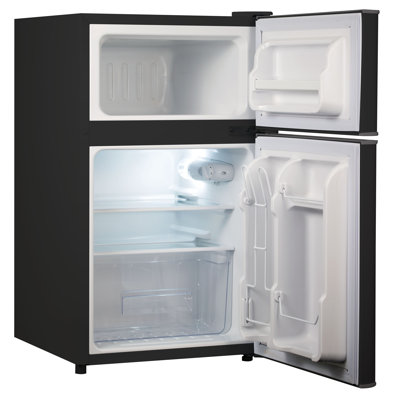
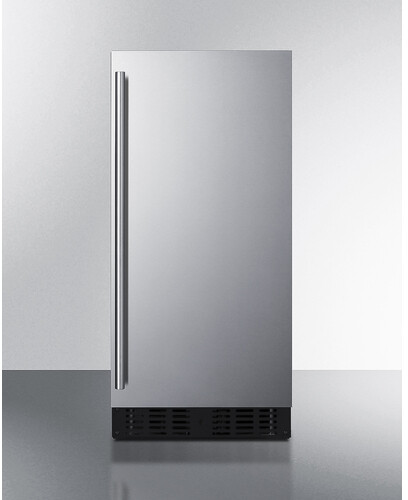
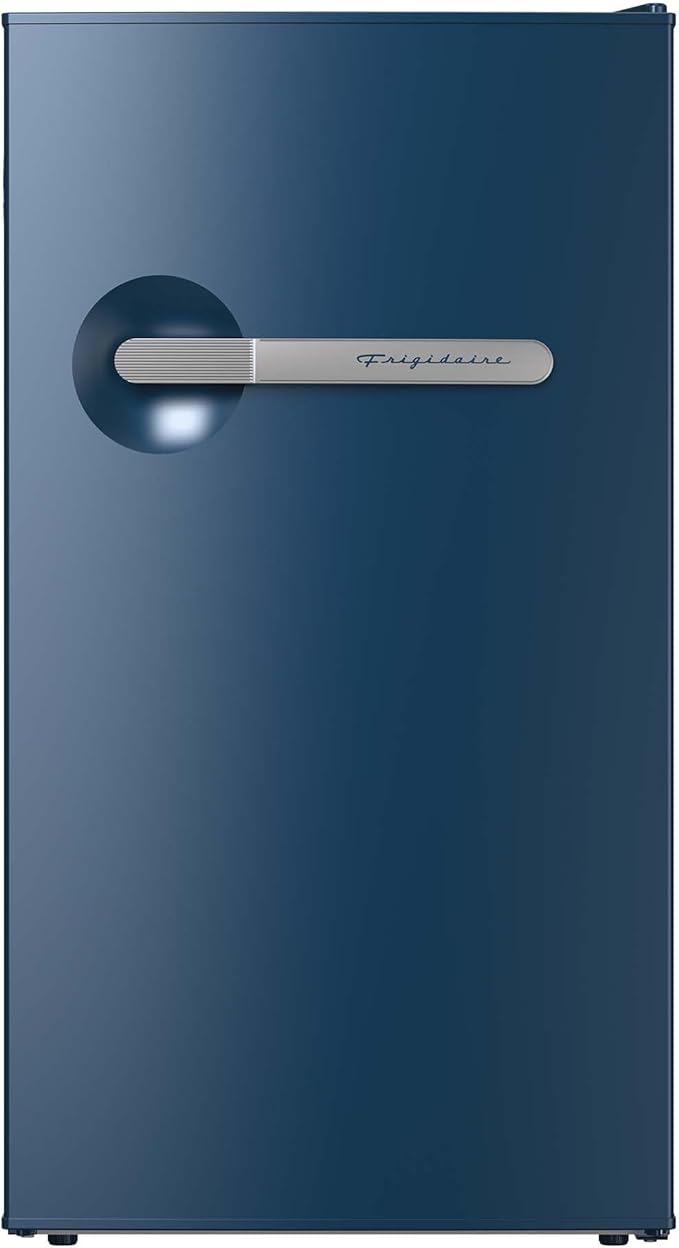
A narrow refrigerator is a slim appliance designed to fit into tight spaces without sacrificing the functionality of a full-sized fridge. These models are perfect for smaller kitchens, such as those in apartments, townhouses, or any living arrangement where space is at a premium. Their slender design is tailored to merge into narrow alcoves, complementing the overall layout and design of your living space.
Benefits of a Narrow Refrigerator
Owning a narrow refrigerator comes with several advantages. Their slim profile allows them to be seamlessly integrated into kitchen designs with limited space, making them ideal for compact living environments.
Benefit
Description
Space Efficiency
Maximizes kitchen space without compromising on storage capacity.
Design
Offers a sleek and modern look that can enhance the aesthetic of your kitchen.
These refrigerators typically come with many of the same features as their larger counterparts, including adjustable shelving, crispers for fruits and vegetables, and in some cases, advanced cooling technology. This makes them not only space-savvy but also functionally competitive.
For those interested in a comparison between narrow refrigerators and other compact options, consider exploring articles like drawer fridge freezer vs. wine cooler or built in wine cooler vs. shallow depth refrigerator.
Potential Drawbacks
While narrow refrigerators offer many benefits, there are potential drawbacks to consider as well.
Drawback
Description
Storage Limitations
May not accommodate larger items or bulk purchases as easily as full-sized models.
Cost
Can be more expensive than standard refrigerators due to specialized design.
Variety
Fewer model options and features compared to wider refrigerators.
The storage limitations can be a significant consideration if you have a larger household or require more space for food storage. Additionally, these models might come with fewer bells and whistles compared to their broader counterparts. For those with specific appliance feature preferences, comparing different refrigerator styles, such as glass door mini fridge vs. narrow refrigerator, may be beneficial.
When deciding between a glass door mini fridge and a narrow refrigerator, there are several key differences you should consider. These distinctions can impact your choice based on the space available, energy consumption, visibility of contents, and where the appliance will be placed.
Size and Capacity
The size and capacity of these refrigeration options vary significantly. A glass door mini fridge is designed to be compact, providing enough space for beverages and small food items. Conversely, a narrow refrigerator offers more storage while still being space-efficient compared to standard-sized fridges.
Feature
Glass Door Mini Fridge
Narrow Refrigerator
Height
20-34 inches
55-77 inches
Width
17-24 inches
21-30 inches
Capacity
1.7-4.5 cu ft
7-15 cu ft
Energy Efficiency
Energy efficiency is a critical factor in the long-term cost and environmental impact of an appliance. Generally, smaller refrigerators like glass door mini fridges consume less power, but advancements in technology have made narrow refrigerators surprisingly energy-efficient for their size.
Visibility and Display
A glass door mini fridge offers the advantage of visibility without opening the door, allowing you to quickly see and access your items, which is ideal for entertaining or commercial use. Narrow refrigerators typically have solid doors, which means you have to open them to view the contents, potentially leading to higher energy use due to loss of cold air.
Placement Flexibility
Placement flexibility is where glass door mini fridges shine. Due to their compact size, they can fit in a variety of locations, including under counters in a home bar, office, or even a bedroom. Narrow refrigerators require more vertical space and are often used in small kitchens, apartments, or areas where a full-sized refrigerator is unnecessary or won't fit.
When making your decision, consider how these factors align with your specific requirements and preferences. Think about how much you need to store, your priorities in terms of energy consumption, whether product visibility is essential, and where the appliance will best fit within your space. For a more in-depth comparison of different cooling appliances, explore articles such as glass door refrigerator vs. reach in refrigerator or beverage center vs. compact freezer.
Making Your Decision
When you're faced with the choice between a glass door mini fridge and a narrow refrigerator, several factors come into play that can influence your decision. Below are considerations that can help you determine the best fit for your space, lifestyle, and budget.
Considering the Location
The location where you plan to place your refrigerator significantly affects your choice. Take into account the layout of the space, the proximity to power outlets, and the ambient temperature.
For example, if you're looking for a refrigerator for a common area where visibility of contents is desired, such as an office or entertainment space, a glass door mini fridge might be the ideal option. Alternatively, if you're dealing with a narrow kitchen in an apartment or a townhouse, a slender refrigerator may be more practical.
Consider the flow of traffic in the area and whether the appliance's doors will obstruct pathways when open. The dimensions of both refrigerators are different, and one may offer more convenience in certain spaces over the other.
Evaluating Usage Habits
Understanding your usage habits is crucial in selecting the right type of refrigerator. Ask yourself what you'll be storing in it most frequently and how often you'll need to access it.
If you frequently host gatherings and need easy access to beverages and snacks, a glass door mini fridge might be the best for your social lifestyle.
On the other hand, if you're looking for a primary refrigerator that can hold a variety of groceries in a compact urban space, a narrow refrigerator may offer the versatility you need.
It's also essential to consider your habits when it comes to shopping and stocking up. A narrow refrigerator typically has more space to accommodate larger grocery hauls compared to a mini fridge.
Budget Considerations
Budget is always a key factor in any purchasing decision. The cost difference between a glass door mini fridge and a narrow refrigerator can be significant, and it's important to find a balance between what you can afford and what will meet your needs.
Appliance Type
Average Cost Range
Glass Door Mini Fridge
$150 - $600
Narrow Refrigerator
$400 - $1000
Remember, the initial purchase price is not the only cost to consider. Think about the long-term expenses such as energy consumption, which can vary between models. A more energy-efficient model could save you money over time, even if it's more expensive upfront.
Before making a final decision, it's advisable to explore various models and compare their features against the cost. For more insights on choosing a refrigerator that fits your needs and budget, you might find Fridge.com comparisons, such as glass door refrigerator vs. reach in refrigerator and narrow refrigerator vs. apartment size refrigerator, useful.
In conclusion, when selecting between a glass door mini fridge and a narrow refrigerator, consider how the appliance will fit into your space, align with your usage habits, and impact your budget. Taking the time to assess these factors will ensure you make an informed decision that you'll be satisfied with for years to come.
To ensure the longevity and optimal performance of your refrigerator, proper care and maintenance are key. Whether you own a glass door mini fridge or a narrow refrigerator, adhering to routine upkeep can help maintain efficiency, appearance, and functionality over time.
Tips for Glass Door Mini Fridge
A glass door mini fridge not only serves the practical purpose of refrigeration but also adds aesthetic value to your space. Here are some tips to keep it looking and working its best:
Regular Cleaning: The glass door should be cleaned regularly with a suitable glass cleaner to remove fingerprints and smudges, ensuring clear visibility and an attractive display.
Interior Maintenance: Remove any expired or spoiled items promptly. Wipe down the interior surfaces and shelves with a mild detergent and warm water to prevent odors and maintain hygiene.
Door Seal Inspection: Check the door seals (gaskets) for any signs of wear or damage. A tight seal is crucial in maintaining the internal temperature and energy efficiency.
Defrosting: If your glass door mini fridge is not auto-defrost, schedule regular defrosting to prevent ice buildup that can impair cooling performance.
Ventilation: Ensure that the fridge has adequate ventilation space around it to prevent overheating and to allow the cooling system to work efficiently.
Coil Cleaning: Clean the condenser coils at the back or beneath the fridge at least twice a year to remove dust and debris that can hinder heat exchange.
For additional insights on dealing with specific models or comparing features, you might find Fridge.com comparison articles helpful, such as glass door refrigerator vs. reach in refrigerator and beverage center vs. compact freezer.
Tips for Narrow Refrigerator
Narrow refrigerators are perfect for space-saving while offering substantial storage. Here's how to maintain your narrow refrigerator effectively:
Interior Cleaning: Conduct a monthly cleaning by removing all items and wiping down the interior with a mix of baking soda and water to neutralize odors and clean surfaces.
Organization: Use bins and dividers to organize items for easy access and to prevent overcrowding, which can impact cooling distribution.
Door Seals: Regularly inspect and clean the door seals to ensure they are debris-free and not loose to keep the cold air inside.
Temperature Settings: Monitor and adjust temperature settings as needed to keep your food fresh and to conserve energy.
Coil Maintenance: Access and gently clean the coils with a coil brush or vacuum attachment to keep the refrigerator running efficiently.
Leveling: Check that your fridge is level, as an uneven refrigerator can cause door alignment issues and affect performance.
Remember, whether you're considering a new purchase or looking to compare different refrigeration solutions, articles like drawer fridge freezer vs. wine cooler and built in wine cooler vs. shallow depth refrigerator can offer valuable guidance.
By implementing these care and maintenance tips for your glass door mini fridge or narrow refrigerator, you can enjoy a well-functioning appliance that complements your lifestyle and living space. Regular upkeep not only extends the life of your refrigerator but also ensures that it remains a reliable and efficient part of your home or office.
Compare prices on Fridge.com
Compare current prices and specifications on Fridge.com, then buy from the retailer you choose; delivery, installation and warranty terms are the retailer’s.
It also has tons of awesome articles about kitchen stuff and home news. Enhance your home, garage, backyard, patio, and office with the coolest essentials. With every necessary type of residential refrigerator or freezer in the collection, you're covered.
Frequently Asked Questions
A glass door mini fridge is a compact refrigeration unit featuring a transparent glass door that allows you to view its contents without opening the door. It's designed to be small enough to fit in limited spaces, making it ideal for rooms where space is at a premium or for situations where only a small amount of cold storage is needed.