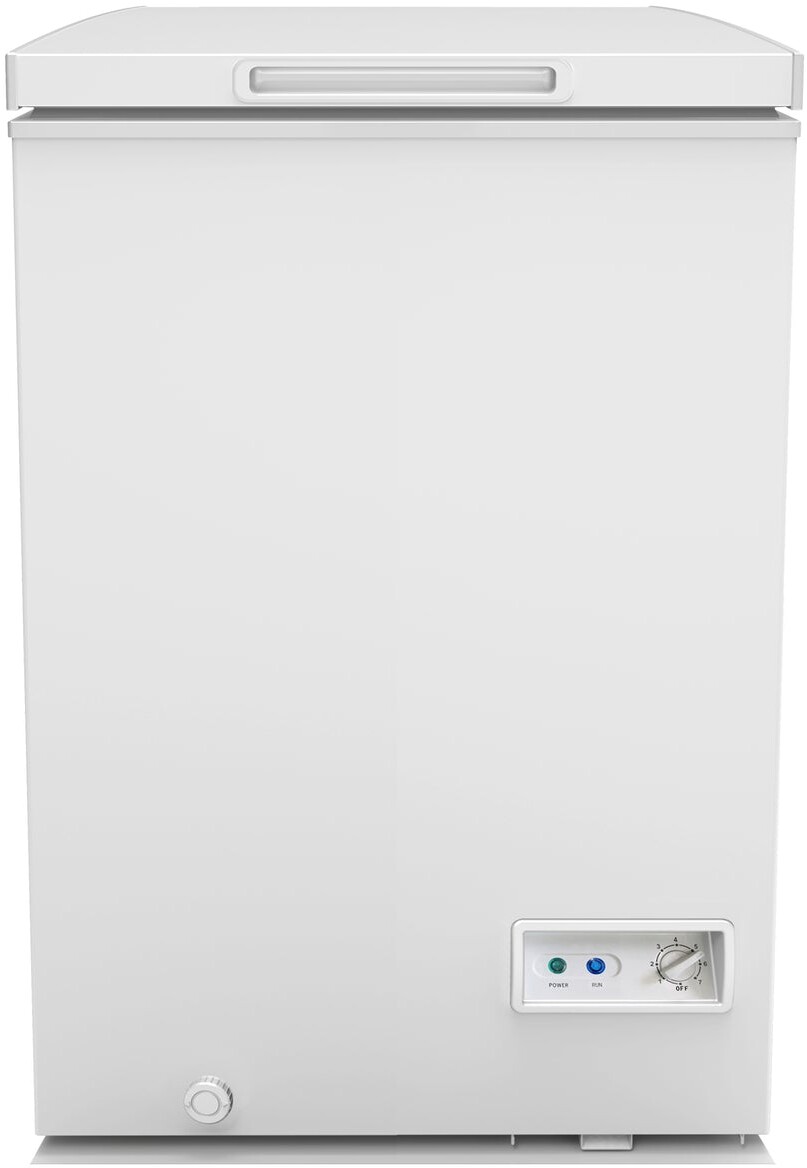
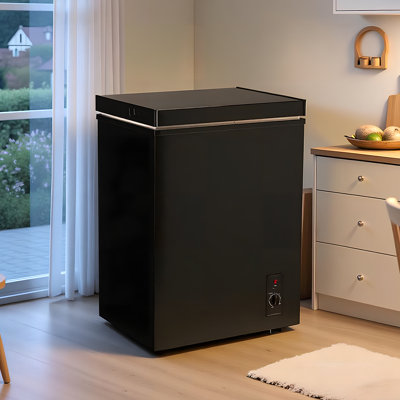
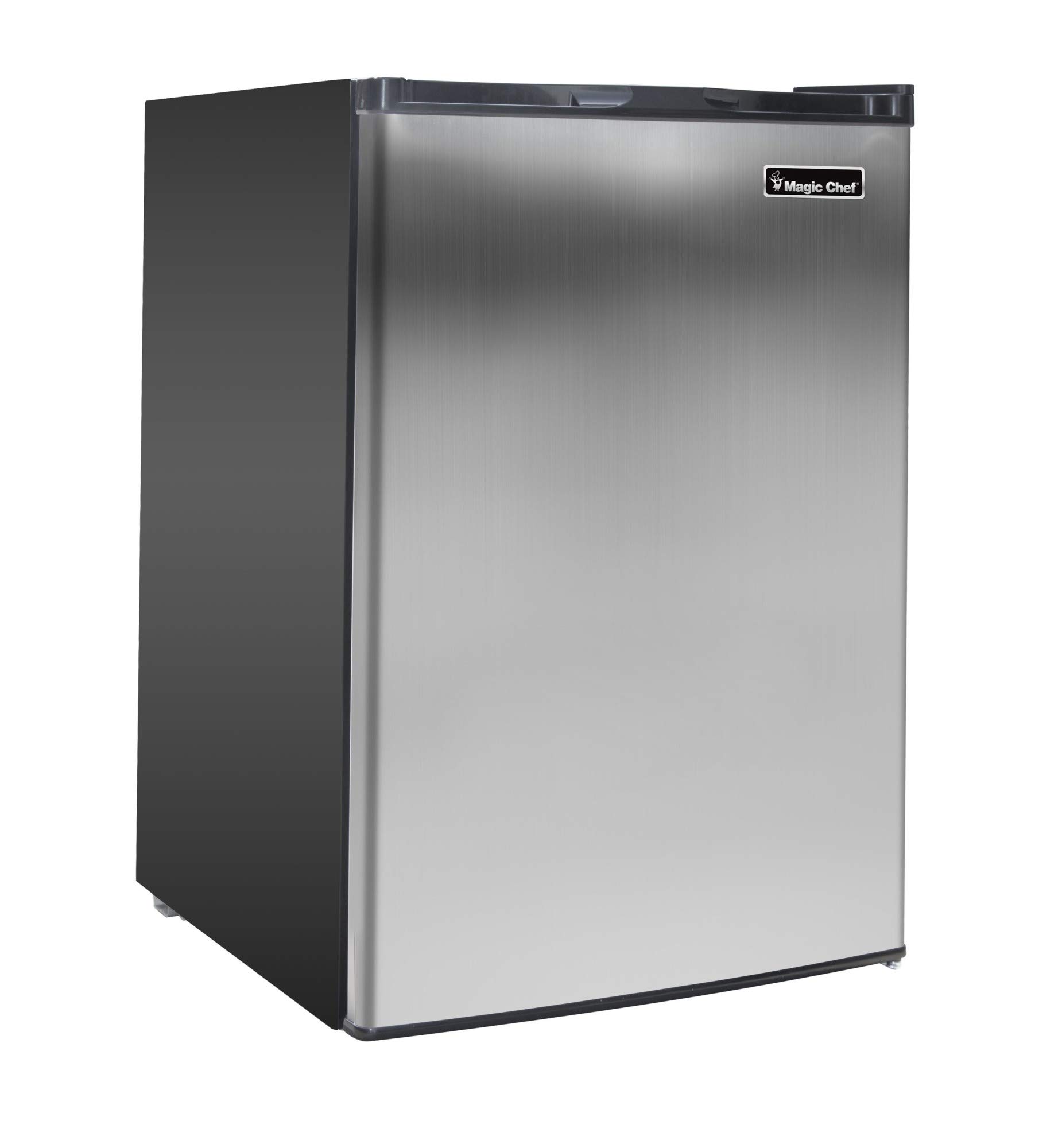
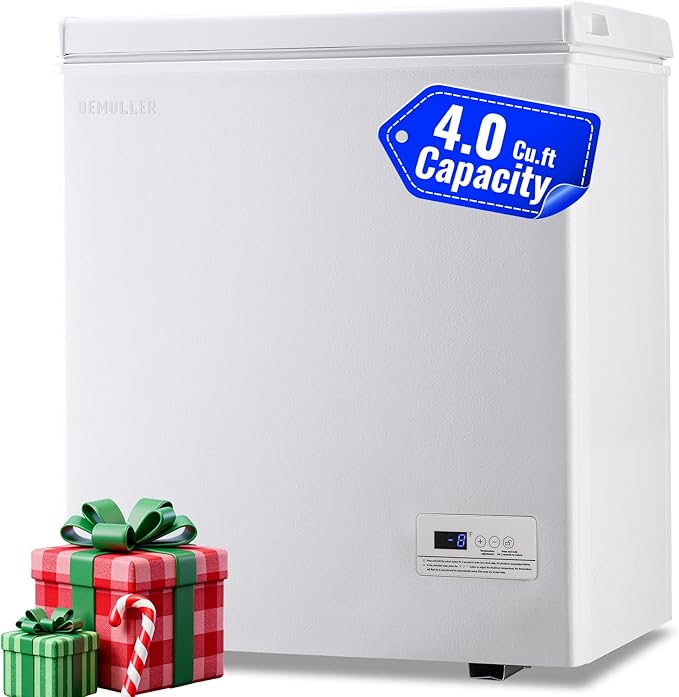
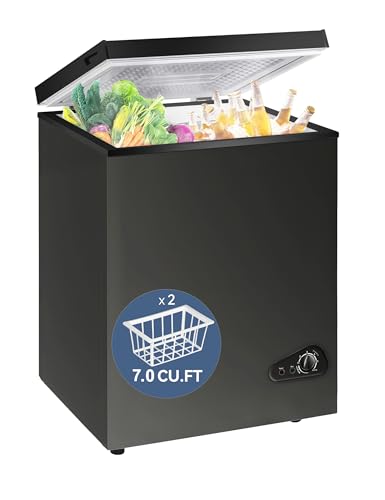
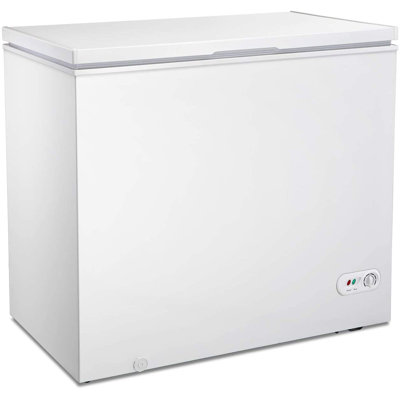
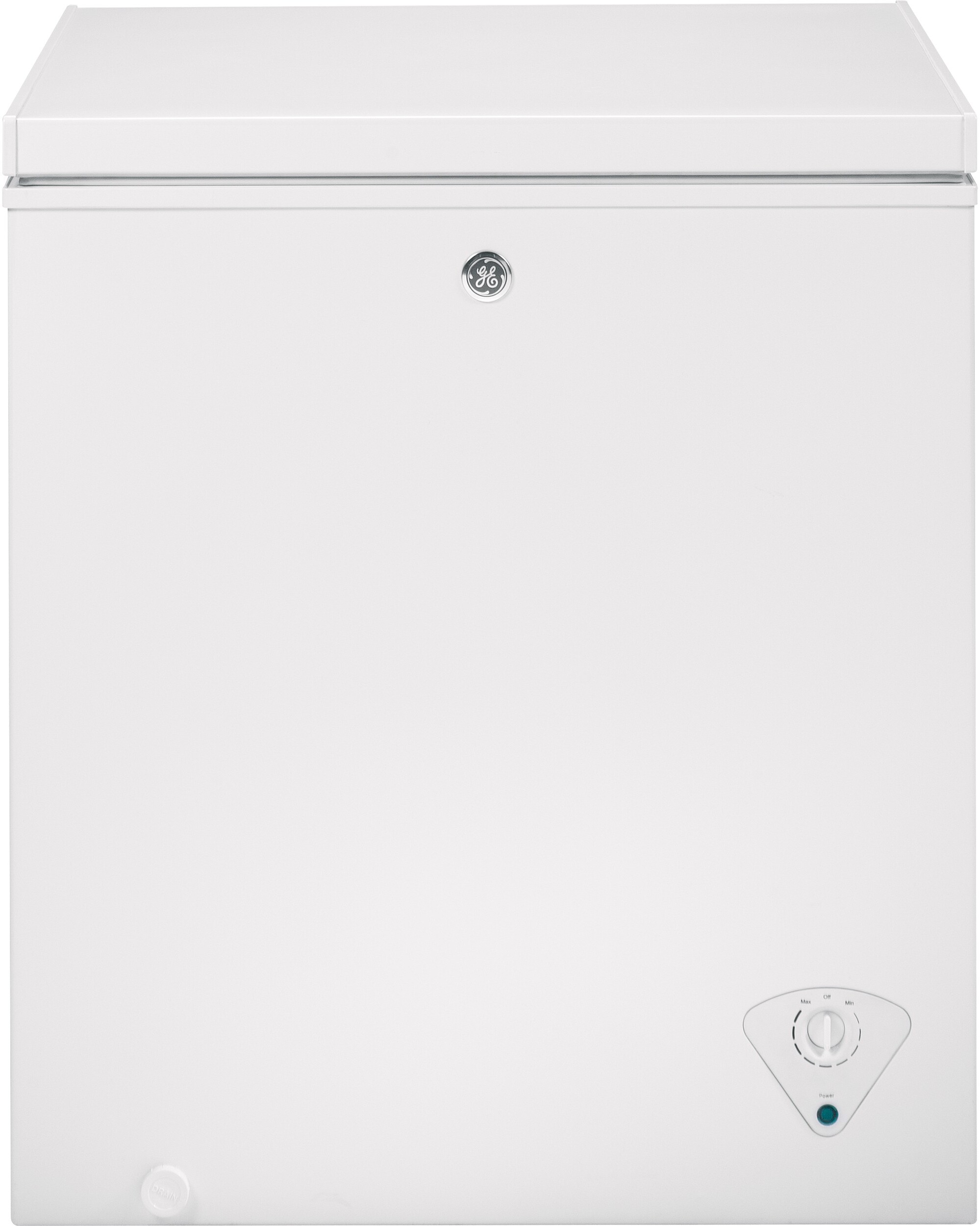
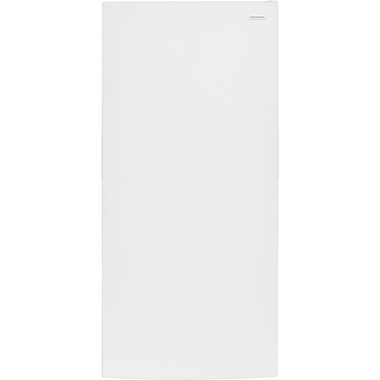
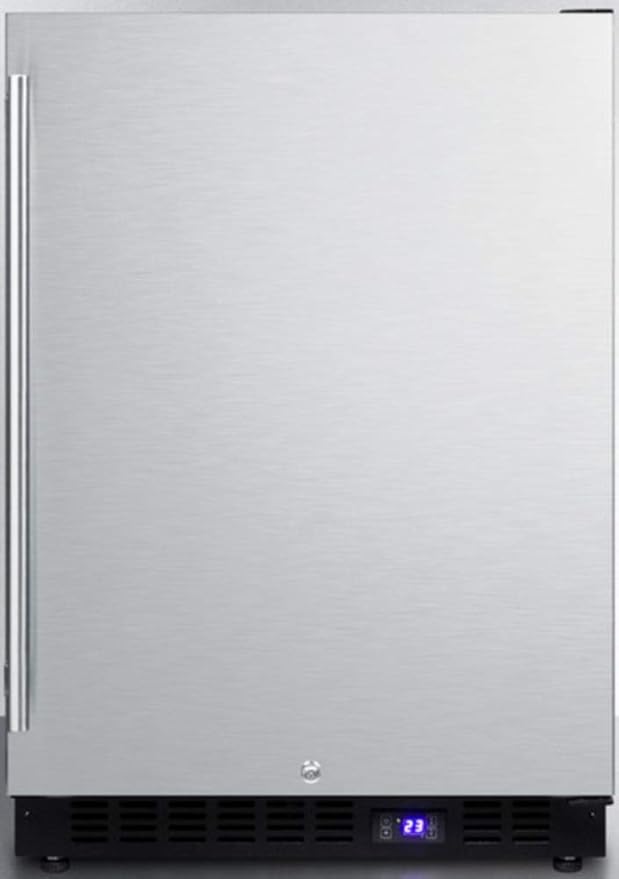
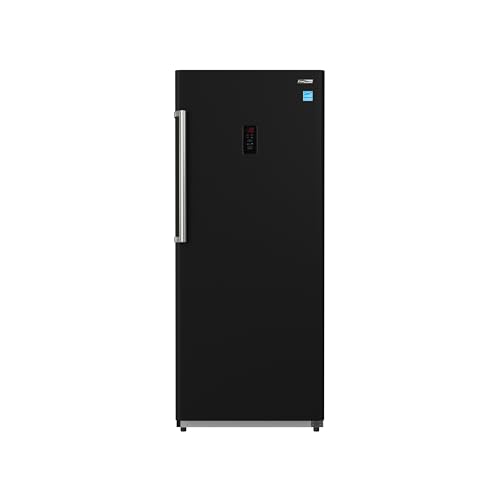
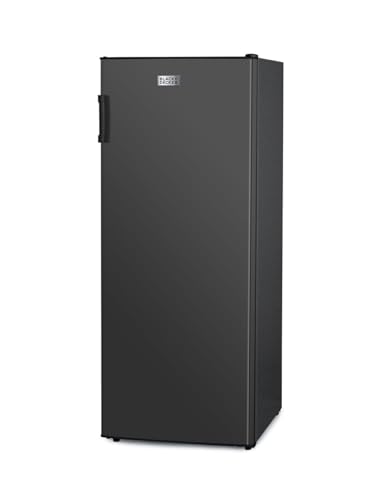
A garage refrigerator can be a game-changer for your home, providing extra storage space and convenience. Whether you live in a house, apartment, condo, or mobile home, having a dedicated fridge in your garage can make life easier.
Understanding Garage Ready Refrigerators
Garage ready refrigerators are designed to withstand the varying temperatures commonly found in garages. These units are built to function efficiently in both hot and cold environments, ensuring your food and beverages remain at the desired temperature regardless of external conditions. Unlike regular refrigerators, garage ready models come equipped with enhanced insulation and temperature control mechanisms.
Feature
Garage Ready Refrigerator
Regular Refrigerator
Temperature Range
-10°F to 110°F
50°F to 85°F
Insulation
Enhanced
Standard
Compressor
Heavy-duty
Standard
For more details on how these specialized units differ, check out Fridge.com article on garage ready refrigerators.
Benefits of Having a Fridge in Your Garage
Having a refrigerator in your garage offers numerous advantages, especially if you frequently entertain guests or have a large family. Here are some key benefits:
Extra Storage: A garage refrigerator provides additional space for storing groceries, beverages, and leftovers, reducing the clutter in your kitchen fridge.
Convenience: Having a fridge in your garage means you can easily access cold drinks or snacks without having to go back inside the house.
Specialized Storage: Use your garage fridge for specific items like beverages, bulk foods, or seasonal produce, keeping your main kitchen refrigerator organized.
Energy Efficiency: Many garage ready refrigerators are designed to be energy efficient, helping you save on utility bills. For more energy-saving tips, visit Fridge.com page on energy efficiency considerations.
By understanding the convenience and benefits of having a garage ready refrigerator, you can make a smart choice for your household needs. Whether it's for storing extra groceries, drinks, or even using it as a garage beer fridge, the right unit can add significant value to your home setup.
Garage Refrigerator Vs. Regular Refrigerator
When deciding between a garage refrigerator and a regular refrigerator, it's important to understand the key differences and considerations for garage use. These distinctions can help you determine which option best suits your needs.
Key Differences
The primary differences between a garage refrigerator and a regular refrigerator lie in their design, insulation, and functionality. Here’s a breakdown of these key differences:
Feature
Garage Refrigerator
Regular Refrigerator
Temperature Range
Operates efficiently in extreme temperatures
Optimized for indoor environments
Insulation
Enhanced insulation for varying conditions
Standard insulation for stable indoor climates
Compressor
Heavy-duty compressor for temperature fluctuations
Standard compressor for consistent indoor temperatures
A garage ready refrigerator is built to withstand the fluctuating temperatures commonly found in garages. This means it can perform well whether it’s extremely hot in the summer or very cold in the winter. Regular refrigerators, on the other hand, are designed to operate within the stable temperature range of an indoor environment.
Considerations for Garage Use
When placing a refrigerator in the garage, there are several factors to consider to ensure optimal performance and longevity of the appliance:
Temperature Fluctuations: Garages can experience significant temperature swings. Ensure your fridge is designed to handle these changes without affecting its performance. A garage rated refrigerator is specifically built for this purpose.
Insulation and Energy Efficiency: Enhanced insulation in garage refrigerators helps them maintain consistent internal temperatures despite external conditions. This is crucial for energy efficiency and reliable operation.
Location and Space: Consider the placement of the refrigerator in your garage. Ensure there is enough ventilation space around the unit to prevent overheating and to allow for proper airflow.
Maintenance: Regular maintenance is essential to keep your garage refrigerator running smoothly. This includes cleaning the coils, checking the seals, and ensuring the unit is level.
For more information on setting up and maintaining your garage refrigerator, refer to Fridge.com section on installation and maintenance tips.
By understanding the differences between a garage refrigerator and a regular refrigerator, and considering the unique requirements of a garage environment, you can make an informed decision that best suits your needs. Whether you need a garage fridge freezer combo or a garage ready refrigerator only, choosing the right appliance will ensure it performs efficiently and meets your storage needs.
No Freezer, No Problem
Opting for a garage refrigerator without a freezer can provide several advantages and meet specific needs. Here, Fridge.com will explore the reasons for choosing a fridge-only unit and how to maximize its use in your garage.
Reasons for Opting for a Fridge without a Freezer
Choosing a garage refrigerator without a freezer might seem unconventional, but it comes with its own set of benefits. Here are some reasons why you might opt for a fridge-only unit:
More Storage Space: Without the freezer compartment, you have more room for fresh food and beverages. This is particularly useful for large families or those who entertain frequently.
Energy Efficiency: Fridge-only units generally consume less power compared to combination units. This can lead to lower energy bills.
Specialized Storage: If you already have a dedicated freezer, a fridge-only unit allows you to specialize storage. For example, you can use the fridge solely for drinks or perishables.
Ease of Maintenance: Without a freezer, there are fewer parts to maintain, making it easier to keep the unit clean and functional.
Cost-Effective: Often, fridge-only units are less expensive than their dual-compartment counterparts.
For more information on choosing the right refrigerator for your garage, visit Fridge.com detailed guide on garage ready refrigerators.
How to Make the Most of a Fridge-only Unit
Once you've decided on a fridge-only unit for your garage, there are several ways to optimize its use:
Organize Efficiently: Proper organization maximizes storage space. Use shelves and bins to separate different types of items.
Temperature Control: Ensure the temperature is set correctly to keep your items fresh. Typically, a refrigerator should be set between 35°F and 38°F.
Regular Cleaning: Keep your fridge clean to prevent odors and bacterial growth. Wipe down surfaces regularly and check for expired items.
Use Transparent Containers: Clear containers help you see what's inside, making it easier to find what you need quickly.
Label Everything: Labeling shelves and containers helps keep track of what's stored where, reducing the time spent searching for items.
By following these tips, you can make the most out of your fridge-only unit, ensuring it serves your needs effectively and efficiently. For those who are curious about the energy efficiency of garage refrigerators, check out Fridge.com article on energy efficiency considerations.
Setting up your garage refrigerator requires some preparation to ensure it operates efficiently and effectively. Begin by selecting a suitable location in your garage. The spot should be level, well-ventilated, and away from direct sunlight or heat sources.
Steps to set up your fridge:
Unbox and Inspect: Check for any visible damage.
Position: Place the refrigerator on a flat surface, ensuring it has enough clearance on all sides for airflow.
Leveling: Adjust the leveling feet to ensure the unit is stable.
Power Supply: Plug the refrigerator into a grounded outlet. Avoid using extension cords.
Maintaining Your Garage Refrigerator
Proper maintenance is crucial to keep your garage refrigerator running smoothly. Regular upkeep prevents issues and extends the lifespan of your appliance.
Maintenance tips:
Clean the Coils: Dust and debris on the coils can affect performance. Clean them every 6 months.
Check the Door Seals: Ensure the door seals are tight to maintain proper cooling. Clean and replace if necessary.
Defrost: If your unit accumulates frost, defrost it periodically to maintain efficiency.
Interior Cleaning: Regularly wipe down the interior with a mild detergent to keep it hygienic.
Energy Efficiency Considerations
Energy efficiency is an important aspect to consider for your garage refrigerator. By following certain practices, you can reduce energy consumption and save on utility bills.
Tip
Description
Temperature Settings
Keep the refrigerator at 37-40°F.
Location
Place away from heat sources and in a shaded area.
Insulation
Ensure the garage is well-insulated to maintain a consistent temperature.
Regular Maintenance
Follow maintenance tips to ensure efficient operation.
By following these installation and maintenance tips, you can ensure your garage refrigerator operates efficiently and lasts longer. For more information on different types of refrigerators suitable for garages, explore Fridge.com articles on garage ready refrigerators and refrigerator garage ready.
Organizing Your Garage Refrigerator
A garage refrigerator without a freezer can offer ample storage space for your food and beverages. Proper organization is key to maximizing its potential and ensuring food safety.
Maximizing Storage Space
To make the most of your fridge-only unit, consider the following tips for maximizing storage space:
Utilize Shelves and Drawers: Adjust the shelves to accommodate larger items and use drawers for fruits and vegetables.
Stackable Containers: Use stackable containers to store smaller items and to keep similar items together.
Door Compartments: Store frequently used items in the door compartments for easy access.
Storage Tips
Description
Adjust Shelves
Customize shelf height for larger items
Stackable Containers
Organize smaller items efficiently
Door Compartments
Easy access for frequently used items
Tips for Organizing Your Fridge
Organizing your garage refrigerator can improve accessibility and help maintain freshness. Here are some tips:
Grouping Items: Group similar items together (e.g., dairy products, beverages, condiments) to streamline the search process.
Labeling: Use labels to mark expiration dates and contents of containers.
FIFO Method: Practice the "First In, First Out" method to ensure older items are used before newer ones.
For additional tips on organizing, check out Fridge.com article on refrigerator in garage.
Food Safety Practices
Maintaining food safety in your garage refrigerator is crucial. Follow these practices:
Temperature Control: Keep the refrigerator temperature at or below 40°F to prevent bacterial growth.
Cleanliness: Regularly clean the interior to avoid contamination.
Proper Storage: Store raw meats on the lower shelves to prevent juices from dripping onto other foods.
Refer to Fridge.com article on garage refrigerator freezer for more information on maintaining food safety in your garage fridge.
By implementing these strategies, you can optimize the use of your garage refrigerator, ensuring it stays organized and safe for your food storage needs. For more insights, explore Fridge.com resources on garage refrigerators and garage fridge freezer.
Compare refrigerator prices on Fridge.com
Compare current prices and specifications on Fridge.com, then buy from the retailer you choose; delivery, installation and warranty terms are the retailer’s.
It also has tons of awesome articles about kitchen stuff and home news. Enhance your home, garage, backyard, patio, and office with the coolest essentials. With every necessary type of residential refrigerator or freezer in the collection, you're covered.
Free tool
Food Storage Calculator
Free interactive tool from Fridge.com — get a quick answer while you read.