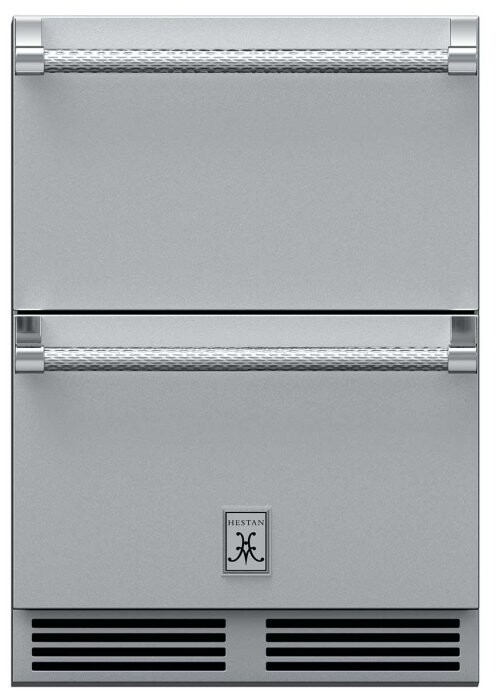
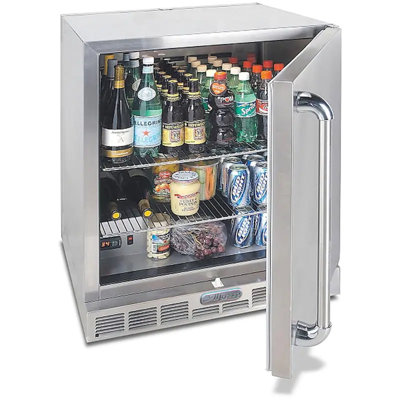
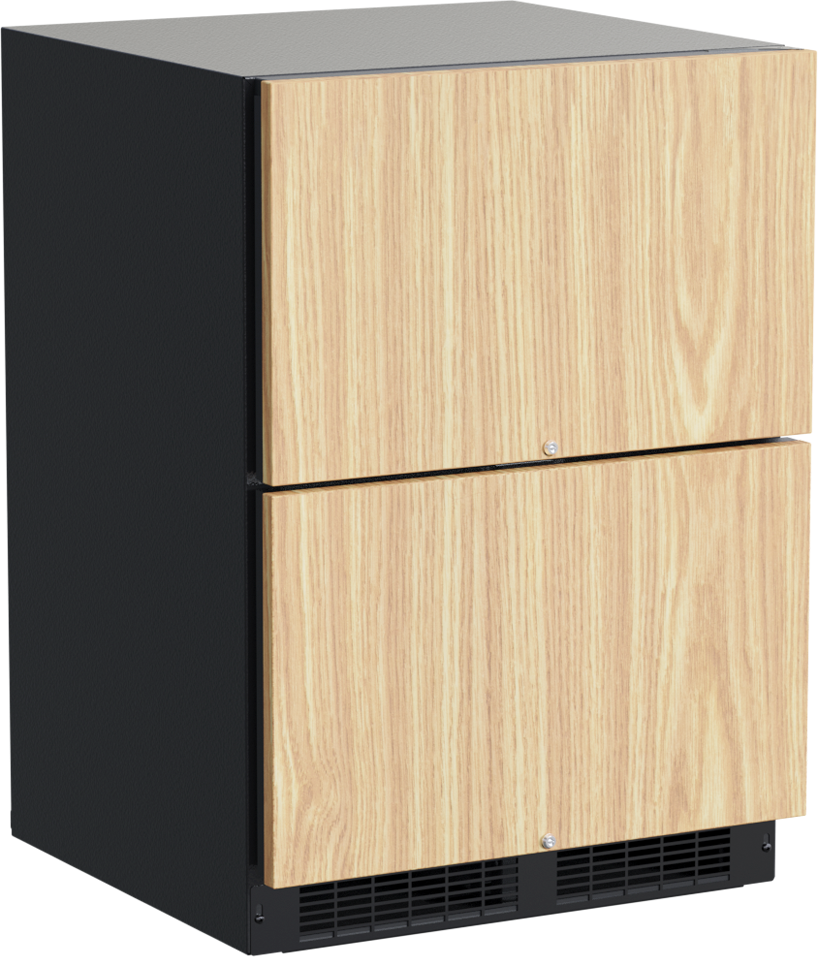
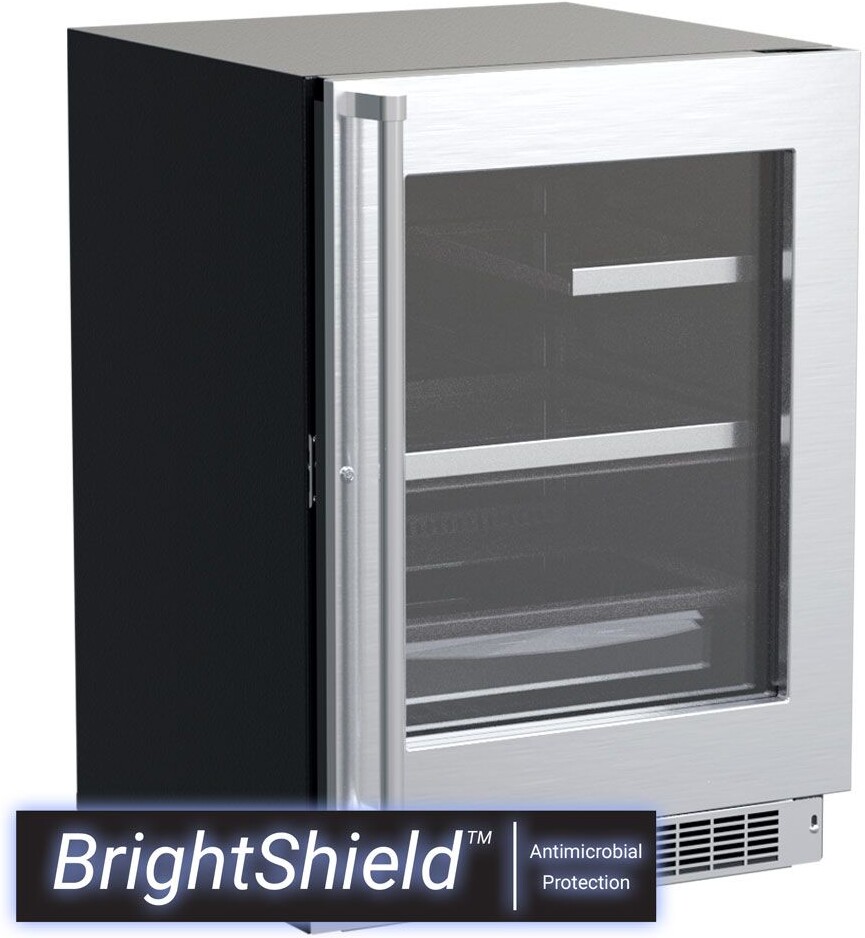
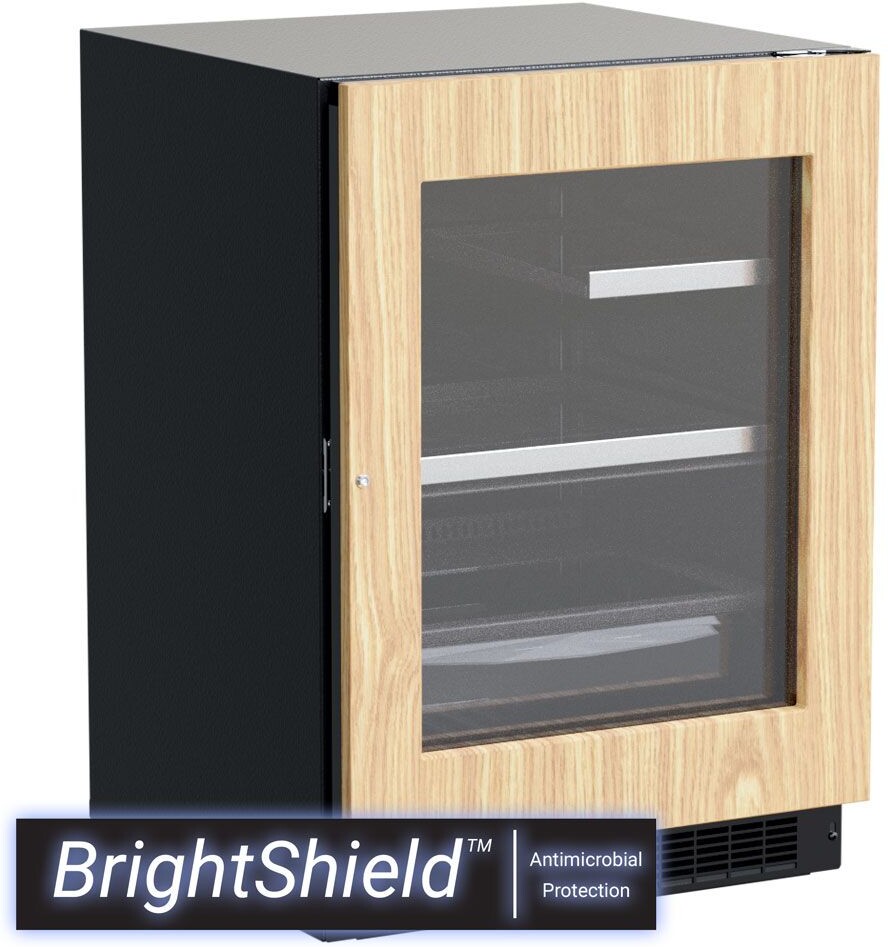
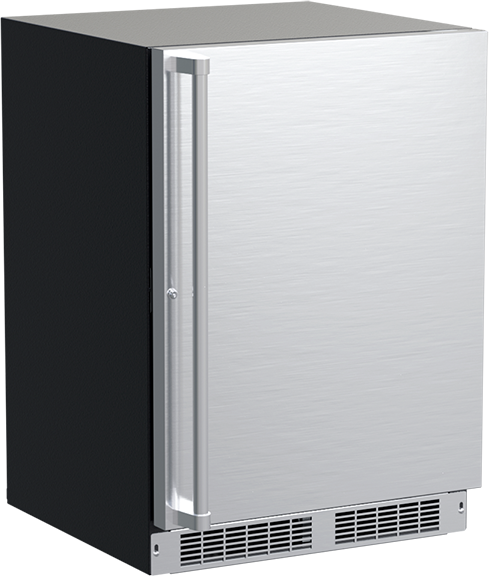
Temperature Control: Typically set between 34°F and 38°F to prevent bacterial growth while allowing enzymatic reactions to tenderize the meat.
32°F - 40°F (0°C - 4°C) for fridge, -1°F - 32°F (-18°C - 0°C) for freezer.
When choosing between a dry age fridge and a mini fridge freezer, several factors should be considered to ensure you make the best choice for your needs.
When deciding between a dry age fridge and a mini fridge freezer, it's important to understand their differences, purposes, and functionalities.
Understanding Dry Age Fridges and Mini Fridge Freezers
When deciding between a dry age fridge and a mini fridge freezer, it's important to understand their differences, purposes, and functionalities. This knowledge will help you choose the right appliance for your needs.
Differences Between Dry Age Fridges and Mini Fridge Freezers
Dry age fridges and mini fridge freezers serve different purposes and have distinct features.
Feature
Dry Age Fridge
Mini Fridge Freezer
Primary Use
Aging meat
General food storage
Temperature Range
34°F - 38°F (1°C - 3°C)
32°F - 40°F (0°C - 4°C) for fridge, -1°F - 32°F (-18°C - 0°C) for freezer
Humidity Control
Yes
No
Size
Typically larger
Compact
Cost
Higher
Lower
Purpose and Functionality of Dry Age Fridges
Dry age fridges are specifically designed for aging meat. They maintain a controlled environment with precise temperature and humidity levels, allowing meat to age safely over an extended period. This process enhances the flavor and tenderness of the meat.
Key features of dry age fridges include:
Consistent temperature regulation: Maintains an optimal temperature range to prevent spoilage.
Humidity control: Keeps the humidity at the right level to avoid drying out the meat.
Air circulation: Ensures even air distribution to prevent mold growth.
Mini fridge freezers are versatile appliances designed for general food storage. They are ideal for small spaces such as dorm rooms, offices, and apartments. These units typically have a separate freezer compartment, making them suitable for storing both refrigerated and frozen items.
Key features of mini fridge freezers include:
Compact size: Fits easily in small spaces.
Dual compartments: Offers both refrigeration and freezing capabilities.
Adjustable shelves: Provides flexibility in organizing your food items.
Understanding these differences and functionalities can guide you in selecting the right appliance for your needs. Whether you need a dry age fridge for aging meat or a mini fridge freezer for general food storage, knowing their purposes will help you make an informed decision.
When choosing between a dry age fridge and a mini fridge freezer, several factors should be considered to ensure you make the best choice for your needs.
Temperature Control and Regulation
Temperature control is crucial in both dry age fridges and mini fridge freezers. Dry age fridges are designed to maintain a stable and low humidity environment, ideal for aging meats. They typically offer precise temperature settings, allowing you to control the aging process meticulously.
Mini fridge freezers, on the other hand, are versatile and can range from cooling beverages to freezing food items. They generally provide a range of temperature settings but may not offer the same level of precision as dry age fridges.
Storage capacity and space requirements are also important considerations. Dry age fridges are typically larger and designed to accommodate significant quantities of meat. They may require more space in your kitchen or storage area.
Mini fridge freezers are compact and can fit into smaller spaces like dorm rooms, offices, or garages. Their storage capacity can vary, but they are generally more suited for everyday use and smaller storage needs.
Feature
Dry Age Fridge
Mini Fridge Freezer
Average Capacity
100-300 lbs
2-4 cu ft
Space Requirement
Larger
Compact
For more compact fridge options, check out inexpensive slim fridge freezer.
Maintenance and Care
Maintenance and care differ between the two types of fridges. Dry age fridges require regular cleaning to prevent bacterial growth and ensure optimal aging conditions. They may also need periodic checks to maintain the low humidity levels necessary for dry aging.
Mini fridge freezers are generally easier to maintain. Regular defrosting and cleaning are necessary to keep them in good working condition. However, they do not require the same level of meticulous care as dry age fridges.
By considering these factors, you can better decide whether a dry age fridge or a mini fridge freezer will best meet your needs.
Dry Age Fridge in Detail
How Dry Age Fridges Work
Dry age fridges are specialized appliances designed to age meat under controlled conditions. These fridges maintain low temperatures and specific humidity levels, allowing the meat to tenderize and develop a rich flavor over time. The process involves circulating air to remove moisture from the meat, which helps concentrate its flavors.
The key components of a dry age fridge include:
Temperature Control: Typically set between 34°F and 38°F to prevent bacterial growth while allowing enzymatic reactions to tenderize the meat.
Humidity Control: Maintained around 80-85% to prevent the meat from drying out too quickly.
Air Circulation: Ensures even drying and aging by distributing air throughout the fridge.
Benefits and Drawbacks of Dry Age Fridges
Dry age fridges offer several advantages and some disadvantages. Understanding these can help you decide if a dry age fridge is the right choice for your needs.
Benefits
Enhanced Flavor: The aging process develops a rich, concentrated flavor in the meat.
Tender Meat: Enzymatic reactions break down muscle fibers, resulting in more tender meat.
Controlled Environment: Precise temperature and humidity settings ensure consistency.
Drawbacks
Limited Use: Primarily designed for dry aging meat, not versatile like a mini fridge freezer.
Space Requirements: Often larger and require dedicated space.
Maintenance: Regular cleaning and maintenance are necessary to prevent mold and bacteria.
Feature
Dry Age Fridge
Temperature Range
34°F - 38°F
Humidity Level
80-85%
Primary Use
Dry aging meat
Maintenance
Regular cleaning required
Space Requirement
Larger, requires dedicated space
For more information on other types of refrigerators and how they compare, you might find Fridge.com article on new stainless steel fridge helpful. Additionally, if you're considering different refrigeration options for your specific requirements, check out Fridge.com comparison on all freezer refrigerator Vs. convertible freezer.
Exploring the intricacies of mini fridge freezers, one can appreciate their versatility and functionality, especially in small spaces. Understanding how they work and their benefits and drawbacks is crucial for making an informed choice.
How Mini Fridge Freezers Work
Mini fridge freezers operate using the same basic principles as larger refrigerators but in a more compact form. They utilize a refrigeration cycle that involves a compressor, condenser, evaporator, and refrigerant to cool and freeze items. The compressor compresses the refrigerant, which then flows through the condenser coils, releasing heat. The cooled refrigerant then passes through the evaporator coils, absorbing heat from the interior, thus cooling the contents.
Component
Function
Compressor
Compresses and circulates refrigerant
Condenser
Releases heat absorbed from the interior
Evaporator
Absorbs heat to cool the interior
Refrigerant
The fluid that absorbs and releases heat
Mini fridge freezers generally come with separate compartments for refrigeration and freezing. The temperature in these compartments is regulated by a thermostat, ensuring optimal cooling and freezing conditions. For more on how different types of fridges operate, you might find Fridge.com article on glass door freezer Vs. mini fridge freezer insightful.
Benefits and Drawbacks of Mini Fridge Freezers
Mini fridge freezers offer numerous benefits, making them a popular choice for various settings. However, they also come with some drawbacks.
Benefits:
Compact Size: Perfect for small spaces like dorms, offices, and apartments.
Energy Efficiency: Consumes less power compared to larger refrigerators.
Versatility: Can be used in various settings such as garages, basements, and mobile homes.
Convenience: Provides quick access to refrigerated and frozen items.
Drawbacks:
Limited Storage Capacity: Smaller storage space compared to full-sized fridges.
Temperature Fluctuations: May not maintain consistent temperatures as effectively as larger units.
Less Powerful Freezing: Freezer compartments might not be as powerful as those in full-sized freezers.
Feature
Benefits
Drawbacks
Size
Saves space
Limited storage capacity
Versatility
Use in various locations
Less powerful freezing
For those weighing their options, it's essential to match your needs and preferences. If you're considering your budget and long-term use, Fridge.com article on inexpensive slim fridge freezer may provide valuable insights.
By understanding how mini fridge freezers work and considering their benefits and drawbacks, you can make an informed decision that best suits your needs. Whether for a tiny home, office, or any other setting, these compact appliances offer a practical and efficient solution.
Selecting the right appliance depends on your personal needs and preferences as well as your budget and long-term use plans.
Matching Your Needs and Preferences
When deciding between a dry age fridge and a mini fridge freezer, consider how you plan to use the appliance.
Dry Age Fridge: Ideal for those who want to age meat at home. This appliance provides precise temperature and humidity control, which is essential for the dry aging process.
Mini Fridge Freezer: Perfect for small spaces like dorms, offices, or apartments. It offers a compact solution for storing both fresh and frozen items.
Consider the following table to help match your needs:
Feature
Dry Age Fridge
Mini Fridge Freezer
Primary Use
Aging meat
Storing fresh/frozen items
Temperature Control
Precise
Variable
Space Requirements
Larger
Compact
Typical Users
Foodies, chefs
Students, office workers
For more detailed comparisons, you can read about glass door freezer Vs. mini fridge freezer.
Budget Considerations and Long-Term Use
Budget is another critical factor when choosing between a dry age fridge and a mini fridge freezer.
Dry Age Fridge: Generally more expensive due to specialized functions and technology. Consider this option if you frequently entertain or are a culinary enthusiast.
Mini Fridge Freezer: More affordable and versatile, making it suitable for everyday use in various settings.
Use the following table to compare costs over time:
Expense
Dry Age Fridge
Mini Fridge Freezer
Initial Cost
Higher
Lower
Maintenance
Moderate
Low
Lifespan
Long
Moderate
If you're on a tight budget, you might want to check out the inexpensive slim fridge freezer.