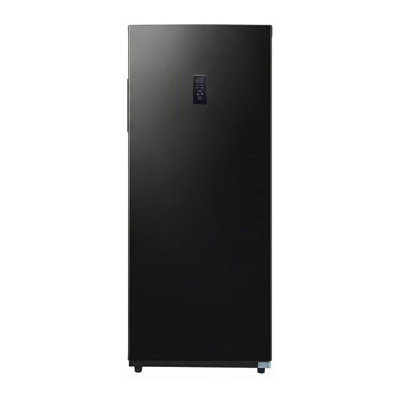
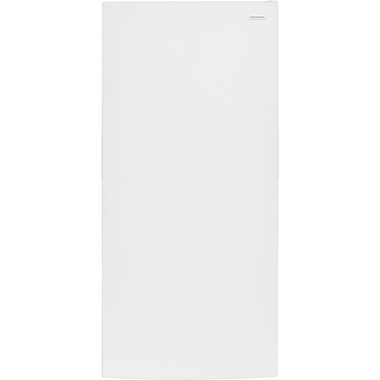
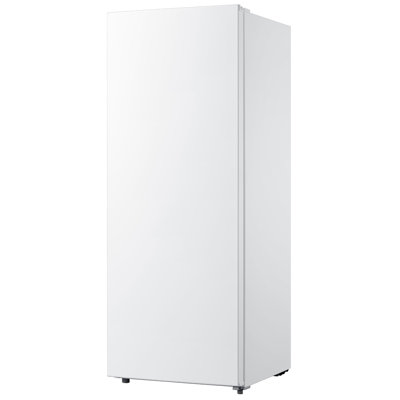
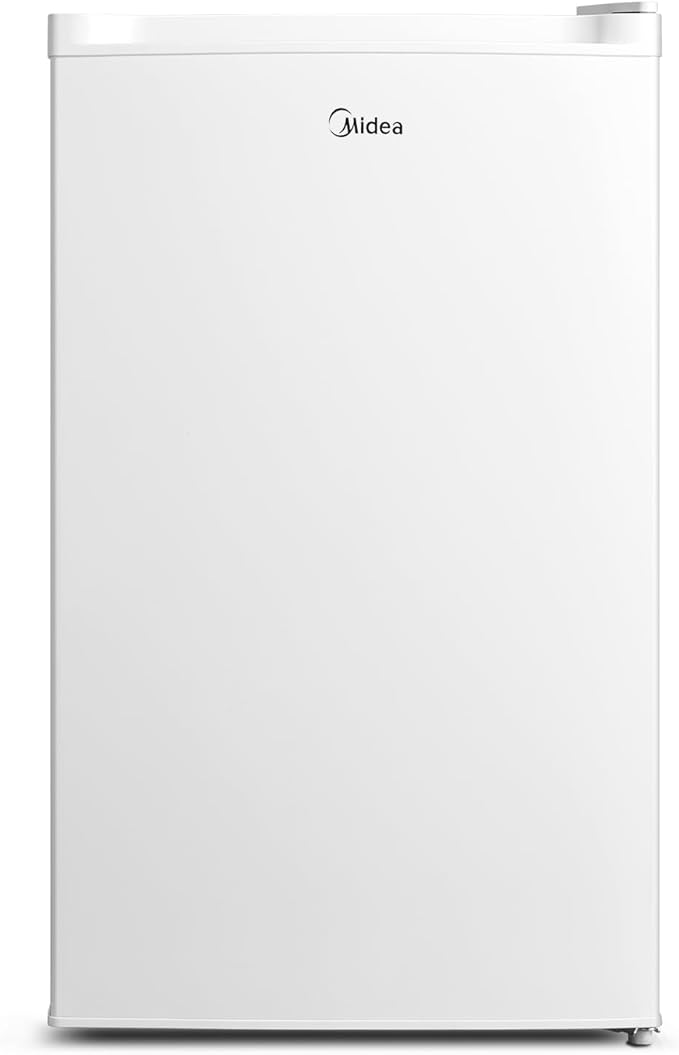
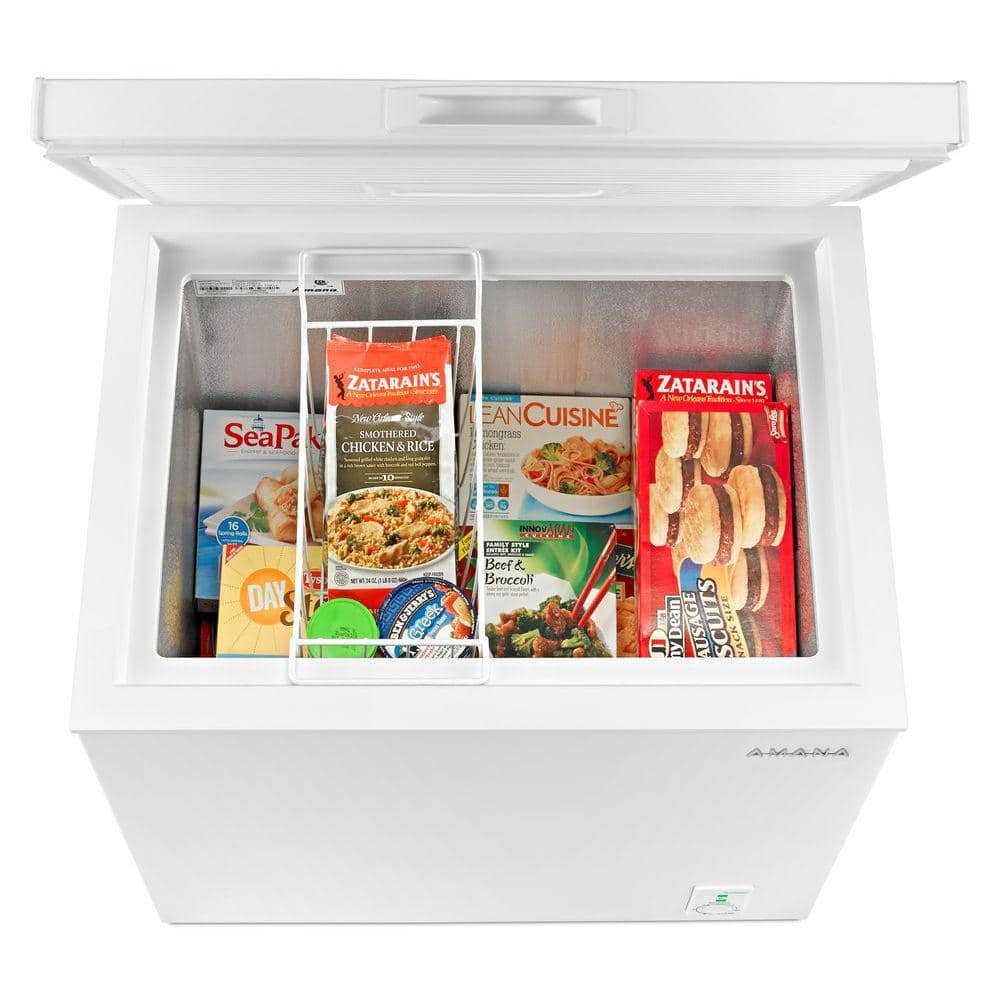
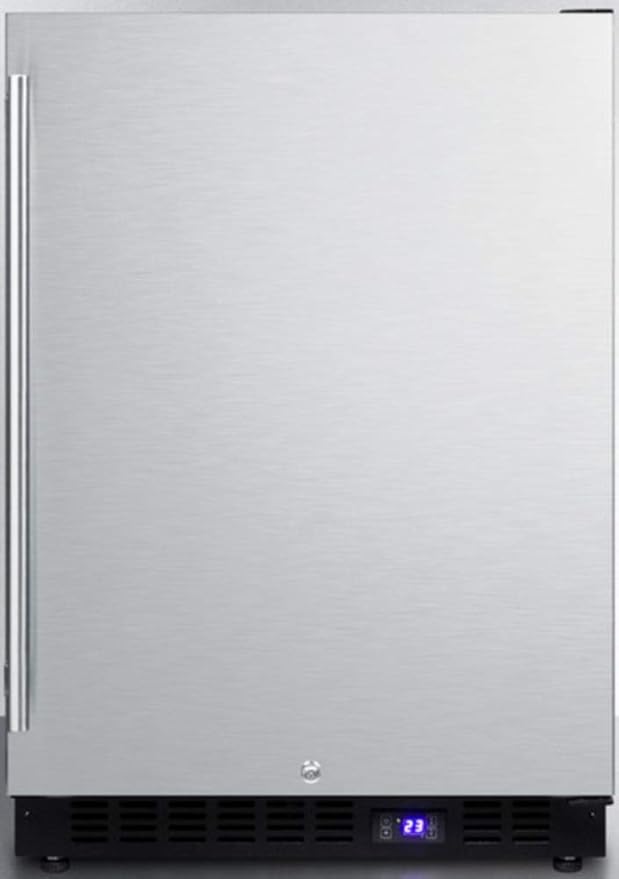
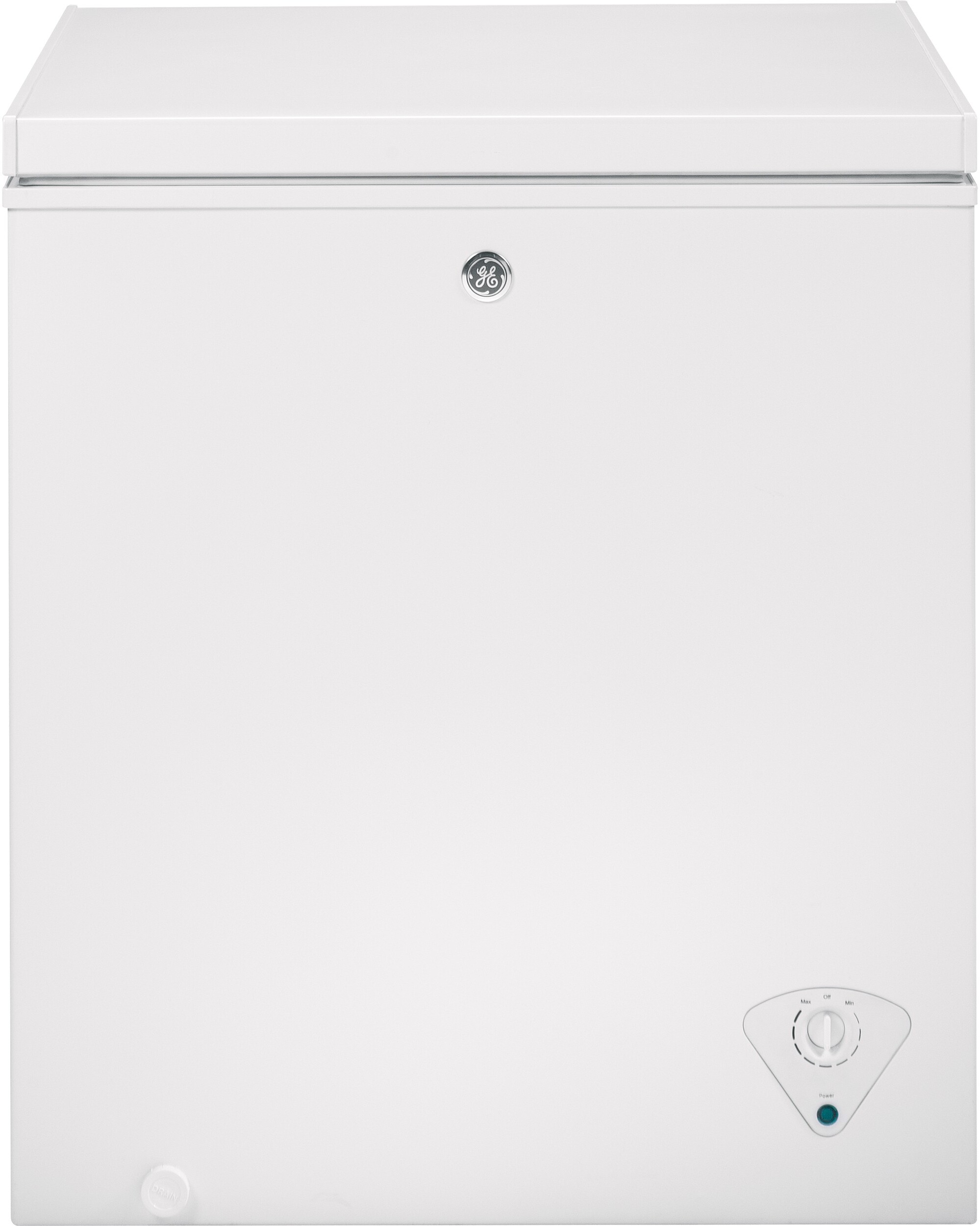
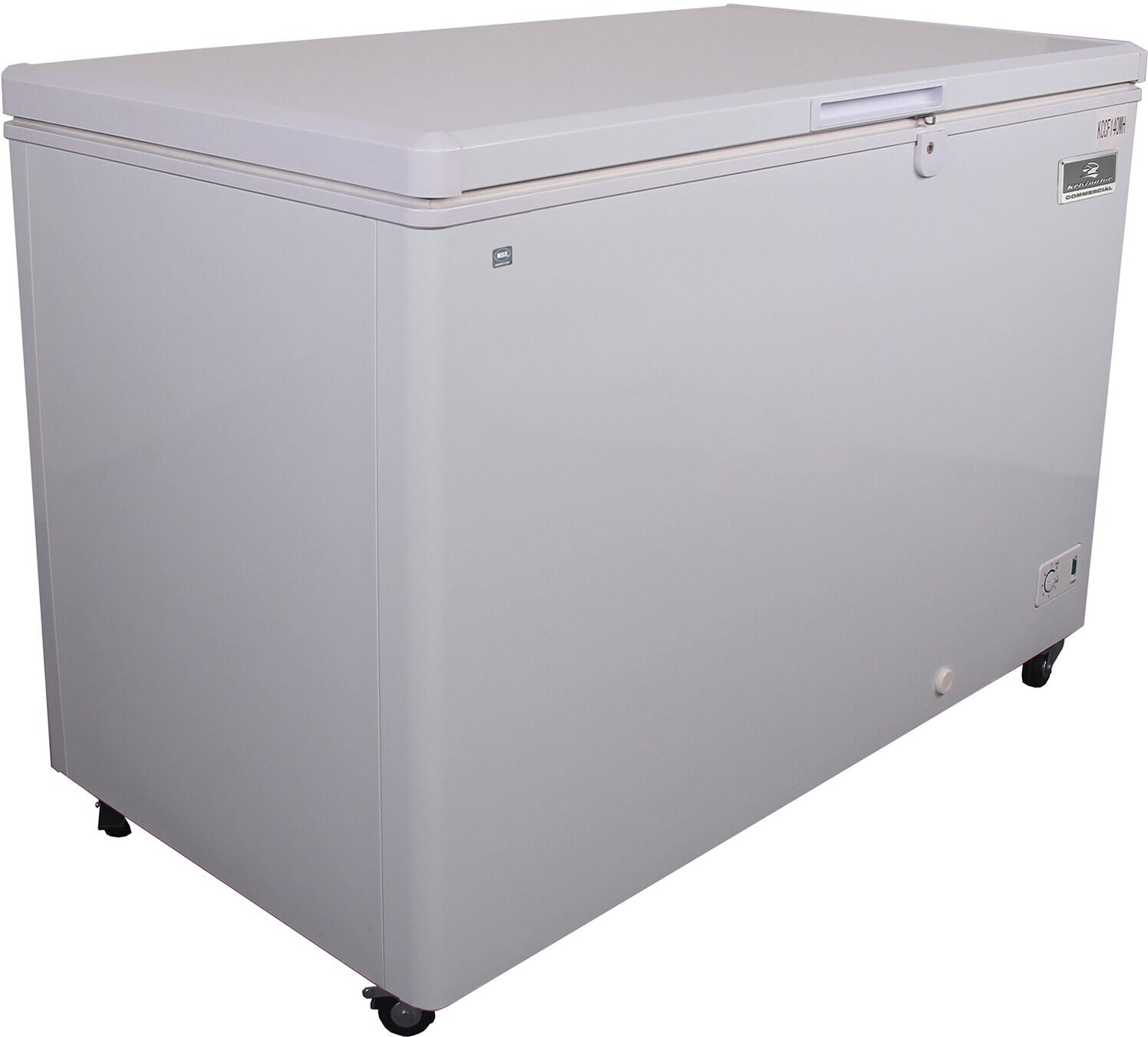
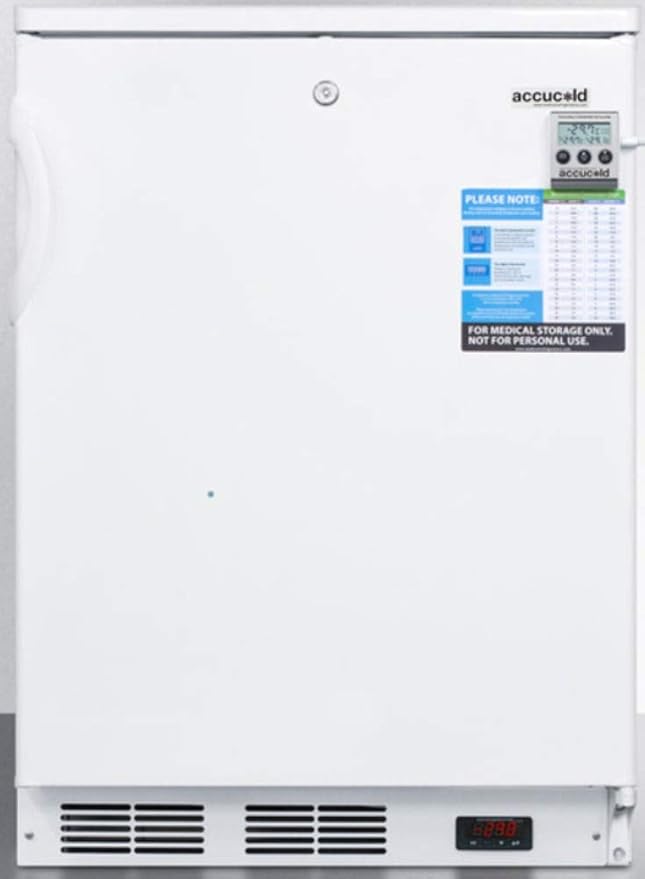
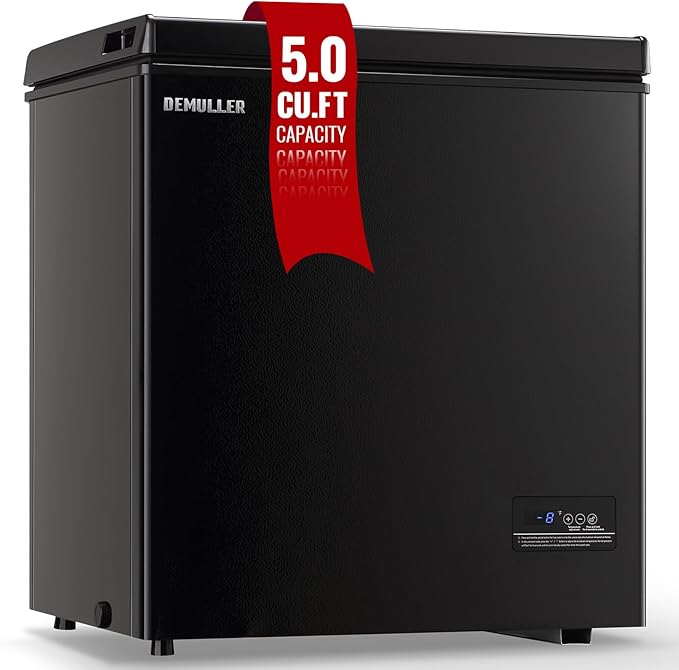
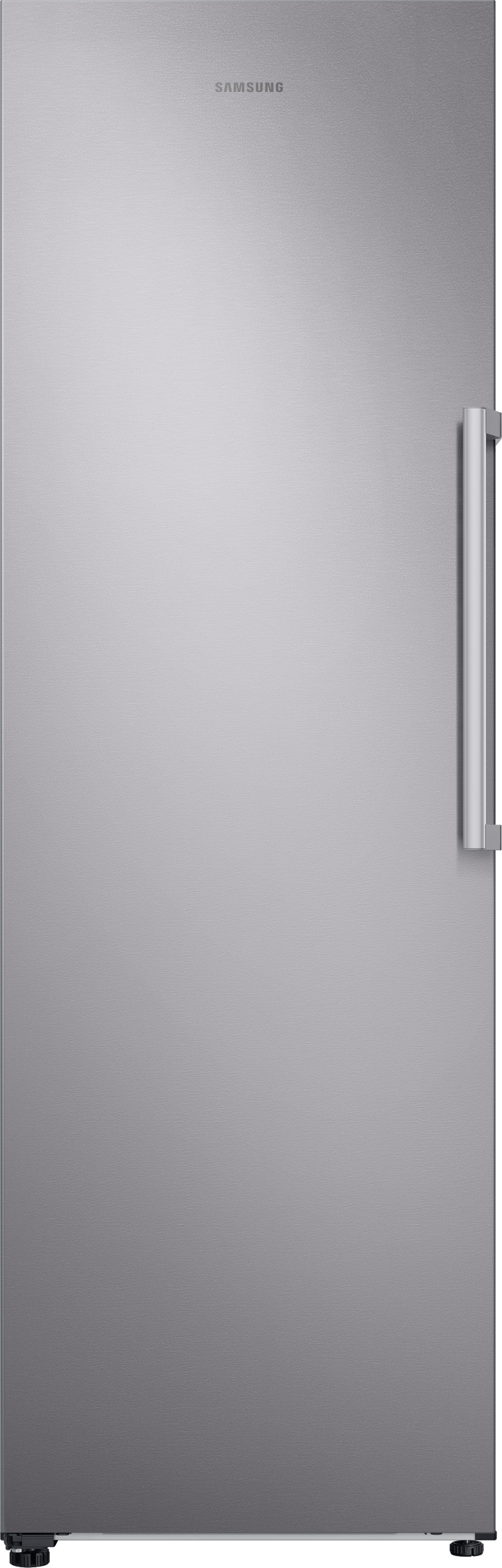
With a multitude of refrigerator options available, selecting the right one can be overwhelming. This section delves into the general types of refrigerators and the specific purposes of drawer fridge freezers and panel ready refrigerators.
Types of Refrigerators
Refrigerators come in various styles, each designed to meet specific needs and preferences. Here are some common types:
Top Freezer Refrigerator: Traditional design with a freezer compartment above the refrigerator.
Bottom Freezer Refrigerator: Freezer compartment located below the refrigerator for easier access to fresh foods.
Side-by-Side Refrigerator: Fridge and freezer compartments are side by side, offering equal access.
French Door Refrigerator: Combines a bottom freezer with double fridge doors on top.
Compact Refrigerator: Smaller units, ideal for dorms, offices, or tight spaces.
Built-In Refrigerator: Seamlessly integrates into cabinetry for a custom look.
Drawer fridge freezers offer a unique design and functionality that set them apart from traditional refrigerators. These appliances feature pull-out drawers rather than standard doors, making it easier to access and organize your food. The drawers are often divided into separate compartments that can be used for refrigeration or freezing, providing flexibility based on your storage needs.
Feature
Description
Design
Pull-out drawers for easy access
Compartments
Separate sections for fridge and freezer
Flexibility
Convertible compartments for refrigeration or freezing
Accessibility
Ergonomic design for better reach
Pros of Drawer Fridge Freezers
Drawer fridge freezers come with several advantages that make them a popular choice among homeowners and chefs alike.
Accessibility: The pull-out drawer design allows for easy access to stored items, reducing the need to bend or stretch.
Organization: Multiple compartments help in organizing food items more efficiently.
Flexibility: Convertible compartments offer the option to switch between refrigeration and freezing based on your needs.
Space-Saving: Ideal for small kitchens, apartments, or even as an additional fridge in larger homes.
Cons of Drawer Fridge Freezers
Despite their benefits, drawer fridge freezers have some drawbacks that you should consider.
Limited Capacity: The drawer design can limit the overall storage capacity compared to traditional refrigerators.
Cost: These units can be more expensive due to their specialized design and functionality.
Installation: Requires precise measurements for installation, which can be a hassle in some kitchen layouts.
Maintenance: Cleaning might be more challenging due to the multiple compartments and drawer mechanisms.
By thoroughly understanding the features, pros, and cons, you can make an informed decision on whether a drawer fridge freezer is the right fit for your home. If you're still undecided, check out Fridge.com comparisons with other refrigerator types like side by side refrigerator Vs. wine cooler or beverage cooler Vs. wine refrigerator.
Panel Ready Refrigerator Explained
Features and Functionality
Panel ready refrigerators are designed to seamlessly integrate with your kitchen cabinetry. These appliances allow you to attach custom panels that match the rest of your kitchen, providing a cohesive and streamlined look. They come in various configurations, including French door, bottom freezer, and side-by-side models.
Key features often include advanced temperature controls, humidity regulation, and specialized compartments for different types of food. Additionally, many panel ready refrigerators offer high-tech options like smart connectivity, adjustable shelving, and energy-efficient compressors.
Pros of Panel Ready Refrigerators
Panel ready refrigerators offer several advantages that make them an attractive option for homeowners:
Aesthetic Appeal: They provide a custom, built-in look that blends seamlessly with your kitchen design.
Flexibility: You can choose panels that match your cabinetry, allowing for a personalized touch.
Variety of Configurations: Available in multiple layouts, fitting various kitchen designs and needs.
Advanced Features: Often come with state-of-the-art technology for optimal food preservation.
Feature
Benefit
Custom Panels
Seamless integration with kitchen design
Advanced Temperature Control
Better food preservation
Multiple Configurations
Flexibility in design and function
Smart Connectivity
Enhanced convenience and functionality
Cons of Panel Ready Refrigerators
Despite their many benefits, panel ready refrigerators also have some drawbacks:
Higher Initial Cost: Typically more expensive than standard refrigerators due to customization options.
Complex Installation: Professional installation is often required, adding to the overall cost.
Maintenance: Keeping the custom panels clean and well-maintained can be time-consuming.
Limited Availability: Fewer models to choose from compared to traditional refrigerators.
Drawback
Impact
Higher Initial Cost
Increased financial investment
Complex Installation
Additional installation expenses
Maintenance
Time-consuming upkeep
Limited Availability
Fewer choices in models and features
For more details on comparing refrigerators, you might find Fridge.com articles on beer keg cooler Vs. black slate refrigerator and freezer drawer Vs. platinum refrigerator helpful. Understanding these pros and cons can guide you in making an informed decision when choosing between a drawer fridge freezer and a panel ready refrigerator.
When considering the aesthetics of a refrigerator, both drawer fridge freezers and panel ready refrigerators offer unique advantages. Drawer fridge freezers are designed to blend seamlessly into your kitchen cabinetry. They provide a modern and streamlined look, enhancing the overall visual appeal of your kitchen space.
Panel ready refrigerators, on the other hand, are built to accommodate custom panels that match your kitchen cabinets. This allows for a completely integrated look, making the refrigerator virtually disappear into the surrounding cabinetry. This design choice is perfect for those who prefer a cohesive and minimalist kitchen design.
Customization Options
Customization options vary between drawer fridge freezers and panel ready refrigerators. Drawer fridge freezers typically offer limited customization, focusing primarily on the exterior design. You can choose from various finishes and handle styles to match your kitchen decor.
Panel ready refrigerators offer extensive customization opportunities. You have the freedom to select custom panels that match your kitchen cabinets perfectly, creating a unified look. Additionally, you can choose different handle styles, finishes, and even interior layouts to suit your specific needs.
Feature
Drawer Fridge Freezers
Panel Ready Refrigerators
Exterior Finish Options
Limited
Extensive
Handle Styles
Various
Various
Custom Panels
No
Yes
Interior Layout
Standard
Customizable
For those who value a tailored kitchen design, panel ready refrigerators provide the ultimate level of customization. However, if you prefer a sleek and modern look with minimal effort, drawer fridge freezers can be an excellent choice.
For additional insights on different refrigerator options, you might find Fridge.com articles on beer keg cooler Vs. black slate refrigerator and freezer drawer Vs. platinum refrigerator helpful.
Installation and Maintenance
Installation Considerations
When it comes to installing a drawer fridge freezer or a panel ready refrigerator, there are several factors to keep in mind. Each type has its own unique requirements and considerations to ensure a smooth installation process.
Drawer Fridge Freezer Installation:
Space Requirements: Drawer fridge freezers need adequate space for the drawers to fully extend. Measure the available space in your kitchen to ensure a proper fit.
Electrical Connection: Ensure there is a suitable power outlet nearby. Most drawer fridge freezers require a standard 110V outlet.
Ventilation: Proper ventilation is essential to prevent overheating. Check the manufacturer's guidelines for ventilation space.
Panel Ready Refrigerator Installation:
Custom Panels: Panel ready refrigerators are designed to blend seamlessly with your kitchen cabinetry. You'll need custom panels made to match your existing cabinets.
Door Clearance: Consider the door swing and ensure there is enough clearance for the refrigerator doors to open fully.
Plumbing Connection: Many panel ready refrigerators come with built-in ice makers or water dispensers, requiring a water line connection.
Factor
Drawer Fridge Freezer
Panel Ready Refrigerator
Space Requirements
Adequate for drawers
Adequate for doors
Electrical Connection
110V outlet
110V outlet
Ventilation
Essential
Essential
Custom Panels
Not required
Required
Plumbing Connection
Not typically needed
Often needed
Cleaning and Maintenance Tips
Proper cleaning and maintenance are crucial for the longevity and efficiency of your refrigerator, whether it's a drawer fridge freezer or a panel ready refrigerator.
Drawer Fridge Freezer Maintenance:
Regular Cleaning: Wipe down the interior and exterior surfaces with a mild detergent and water solution. Avoid using abrasive cleaners.
Defrosting: Some models may require manual defrosting. Check the user manual for specific instructions.
Seal Inspection: Regularly inspect the door seals for any signs of wear and replace them if necessary to maintain energy efficiency.
Vent Cleaning: Ensure the ventilation areas are free from dust and debris to prevent overheating.
Panel Ready Refrigerator Maintenance:
Panel Care: Clean the custom panels with a gentle cleaner that is safe for the material of your cabinetry. Avoid harsh chemicals that may damage the finish.
Water Filter Replacement: If your refrigerator has a built-in water dispenser, replace the water filter as recommended by the manufacturer.
Condenser Coil Cleaning: Clean the condenser coils regularly to ensure efficient cooling. This can often be done with a vacuum or a coil brush.
Ice Maker Maintenance: If equipped with an ice maker, regularly check and clean the ice bin to prevent ice buildup and maintain hygiene.
Maintenance Task
Drawer Fridge Freezer
Panel Ready Refrigerator
Regular Cleaning
Mild detergent
Gentle cleaner
Defrosting
Manual (if required)
Automatic/Manual
Seal Inspection
Regularly
Regularly
Vent Cleaning
Regularly
Regularly
Water Filter Replacement
N/A
As recommended
Condenser Coil Cleaning
Regularly
Regularly
Ice Maker Maintenance
N/A
Regularly
For more in-depth information on different types of refrigerators, you can explore Fridge.com article on beer keg cooler Vs. black slate refrigerator or freezer drawer Vs. platinum refrigerator.
Energy Efficiency
When considering the energy efficiency of drawer fridge freezers and panel ready refrigerators, it's important to examine both energy consumption and environmental impact.
Energy Consumption
Energy consumption is a critical factor for many homeowners looking to manage utility costs and reduce their carbon footprint. Understanding the energy usage of these appliances can help you make an informed decision. Below is a table comparing the average energy consumption of drawer fridge freezers and panel ready refrigerators:
Appliance Type
Average Energy Consumption (kWh/Year)
Drawer Fridge Freezer
400 - 600
Panel Ready Refrigerator
300 - 500
Drawer fridge freezers typically consume more energy due to their dual functionalities and frequent usage of both fridge and freezer compartments. Panel ready refrigerators, on the other hand, tend to have lower energy consumption, especially if they are integrated into cabinetry that helps maintain a stable temperature.
Environmental Impact
The environmental impact of your refrigerator choice goes beyond just energy consumption. It also encompasses factors like the materials used, manufacturing processes, and the appliance's lifespan.
Both drawer fridge freezers and panel ready refrigerators have their own set of environmental impacts. Drawer fridge freezers often come with more advanced features, which might increase their energy usage but can also offer better food preservation, reducing food waste. Panel ready refrigerators, integrated seamlessly into your kitchen design, might have a lower energy footprint and contribute to a more sustainable home environment.
For more insights on how different types of refrigerators compare in terms of energy efficiency and environmental impact, you can explore Fridge.com articles on freezer drawer Vs. platinum refrigerator and convertible refrigerator Vs. slate refrigerator.
By considering both energy consumption and environmental impact, you can choose the appliance that aligns best with your sustainability goals and household needs.
When deciding between a drawer fridge freezer and a panel ready refrigerator, it's essential to consider both the initial investment and the long-term expenses. This helps you evaluate which option is more cost-effective over time.
Initial Investment
The initial investment for both types of refrigerators can vary based on several factors, including brand, size, and features. Generally, drawer fridge freezers are often more affordable upfront compared to panel ready refrigerators, which are designed for seamless integration into your kitchen cabinetry.
Refrigerator Type
Price Range ($)
Drawer Fridge Freezer
1,000 - 3,000
Panel Ready Refrigerator
3,000 - 7,000
Long-Term Expenses
Long-term expenses include energy consumption, maintenance, and potential repair costs. It's crucial to evaluate these factors to understand the total cost of ownership.
Energy Consumption: Both types of refrigerators can vary in energy efficiency. Drawer fridge freezers tend to consume less energy due to their smaller size, while panel ready refrigerators may have higher energy usage due to their larger capacity.
Maintenance: Maintenance costs can also differ. Drawer fridge freezers may require less maintenance due to their simpler design. However, panel ready refrigerators, with their custom panels and built-in features, might incur higher maintenance costs.
Repairs: Repair costs depend on the complexity of the appliance. Drawer fridge freezers might be easier and cheaper to repair, while panel ready refrigerators could involve more complex fixes due to their integrated design.
For more information on energy efficiency, check out Fridge.com article on energy-efficient refrigerators.
Expense Category
Drawer Fridge Freezer
Panel Ready Refrigerator
Maintenance ($/year)
50 - 100
100 - 200
Repairs ($/year)
50 - 150
100 - 300
Evaluating these costs helps you make an informed decision between a drawer fridge freezer and a panel ready refrigerator. For more comparisons, check out Fridge.com articles on freezer drawer Vs. platinum refrigerator and glass door refrigerator Vs. tall refrigerator.
Compare prices on Fridge.com
Compare current prices and specifications on Fridge.com, then buy from the retailer you choose; delivery, installation and warranty terms are the retailer’s.
It also has tons of awesome articles about kitchen stuff and home news. Enhance your home, garage, backyard, patio, and office with the coolest essentials. With every necessary type of residential refrigerator or freezer in the collection, you're covered.
Free tool
Food Storage Calculator
Free interactive tool from Fridge.com — get a quick answer while you read.