Understanding Dorm Fridges and Undercounter Freezers
Introduction to Dorm Fridges and Undercounter Freezers
When it comes to choosing the right appliance for your food storage needs, understanding the differences between dorm fridges and undercounter freezers is vital. These compact appliances serve distinct purposes and can greatly enhance your kitchen or living space.
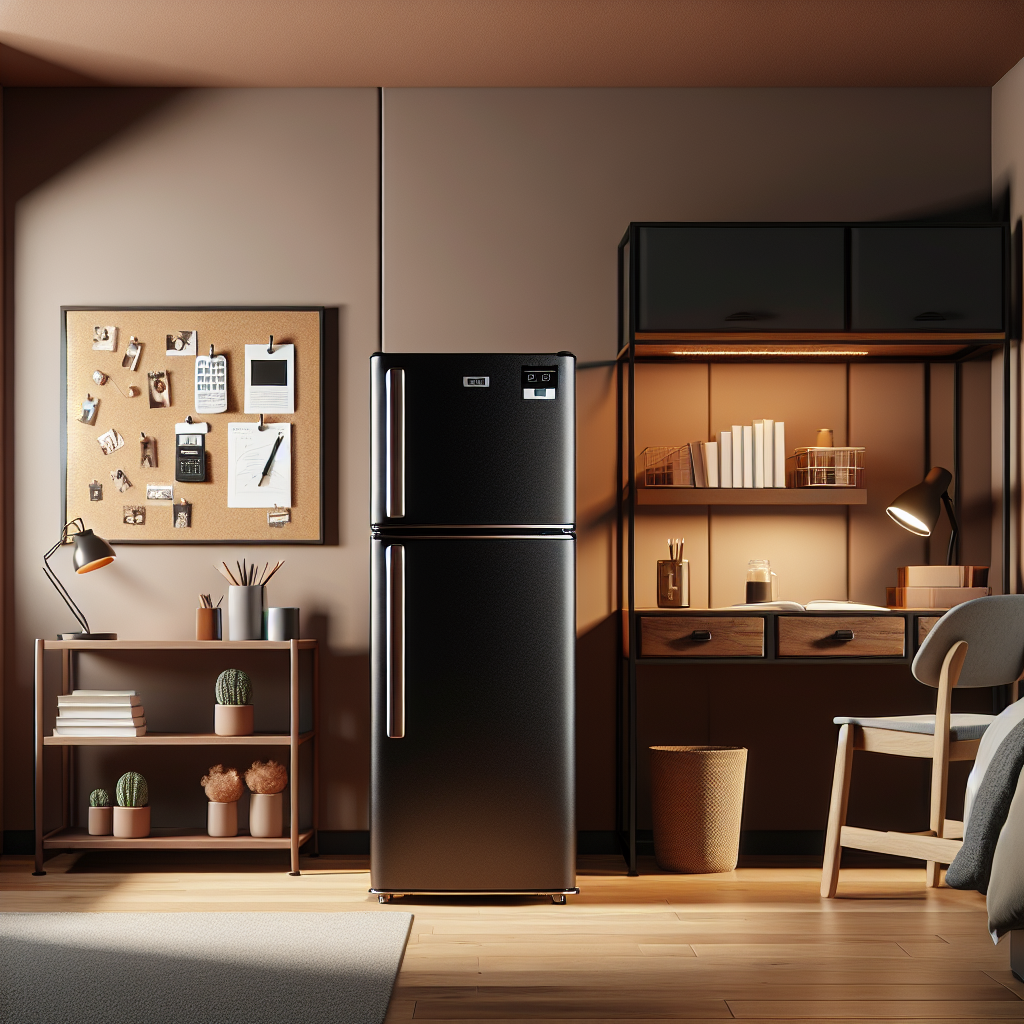
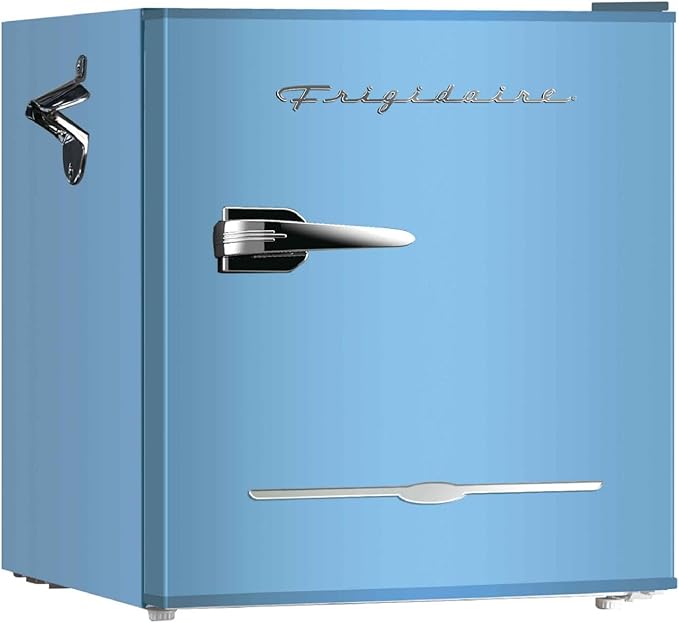
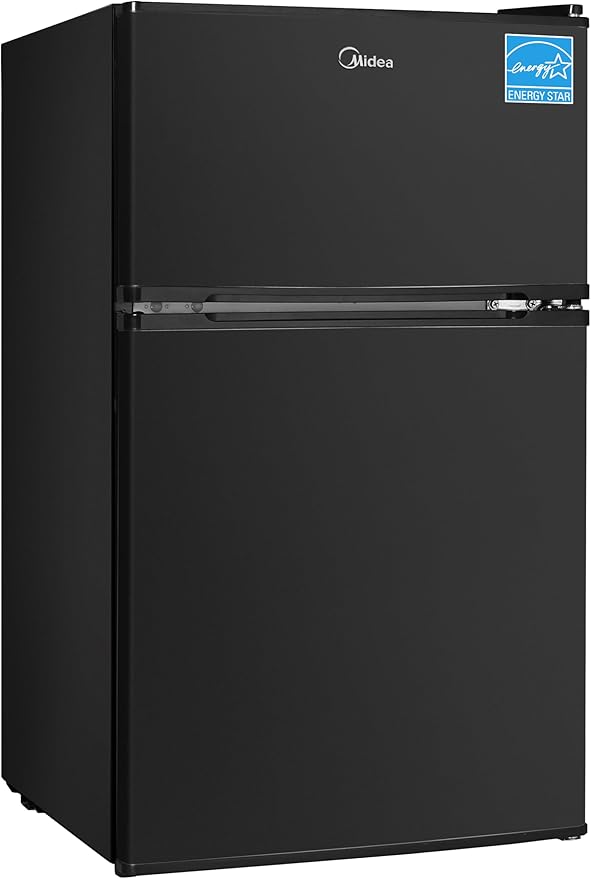
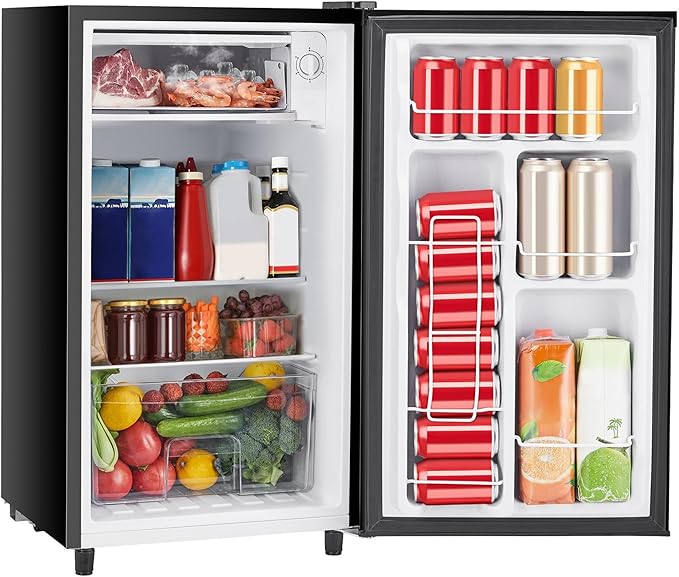
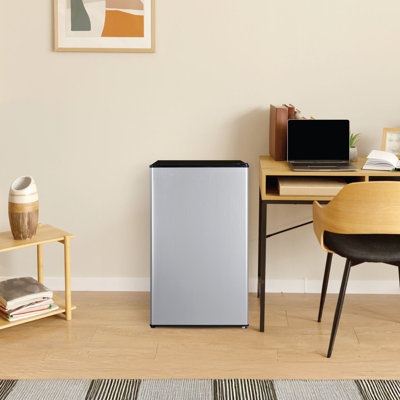
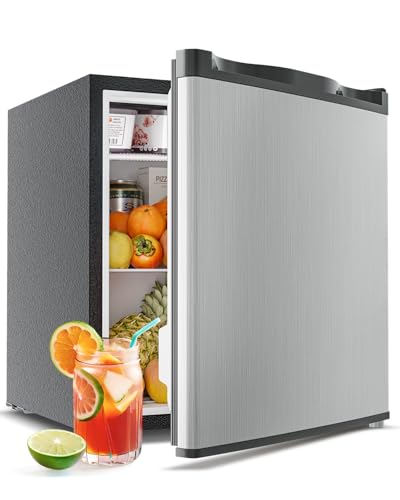
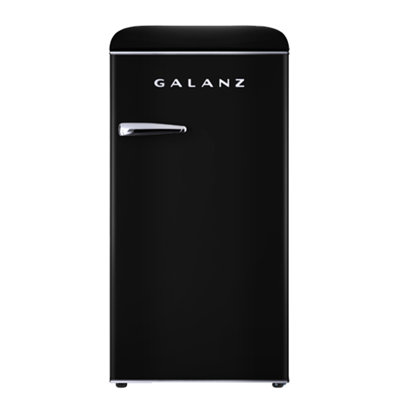
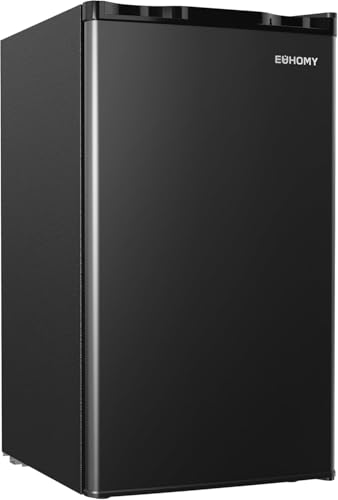
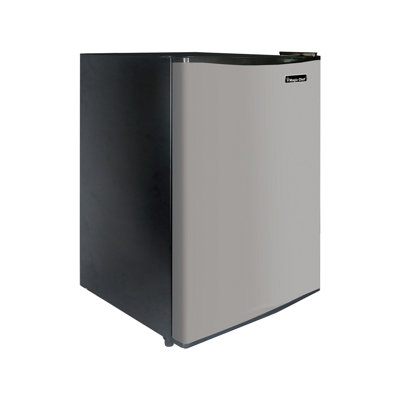
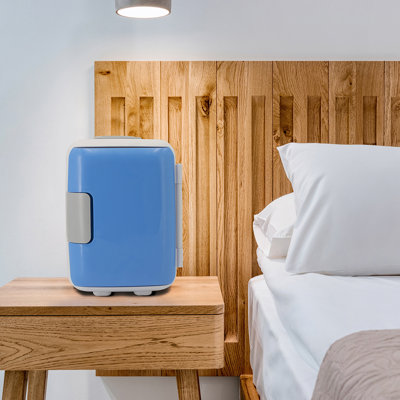
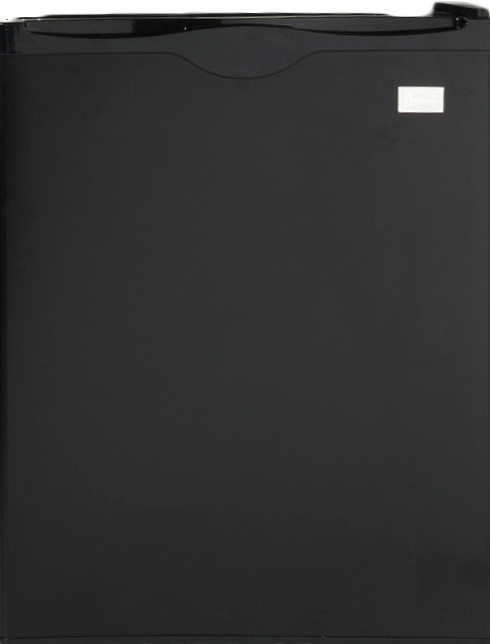
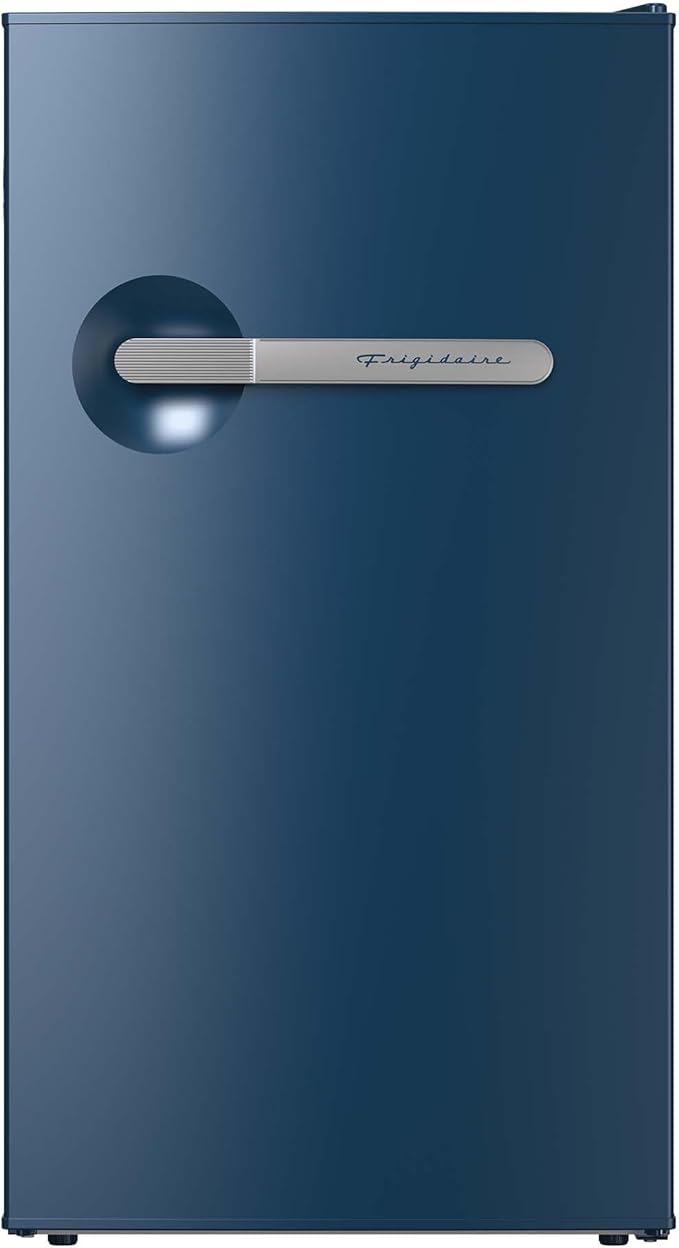
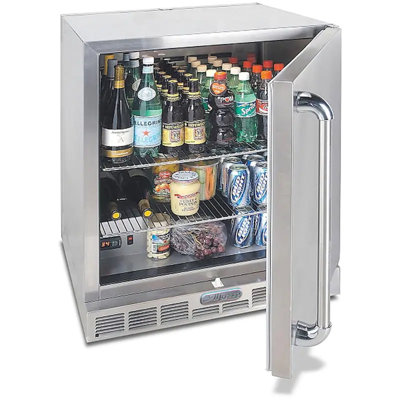
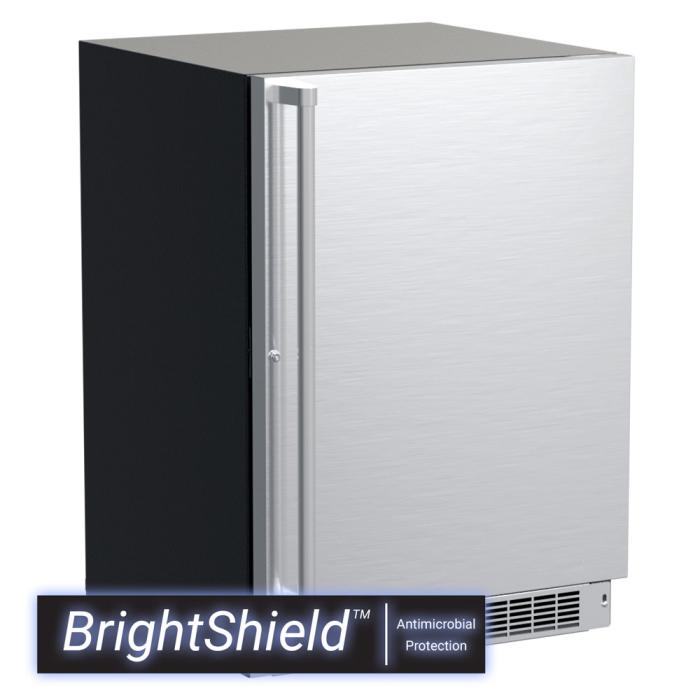
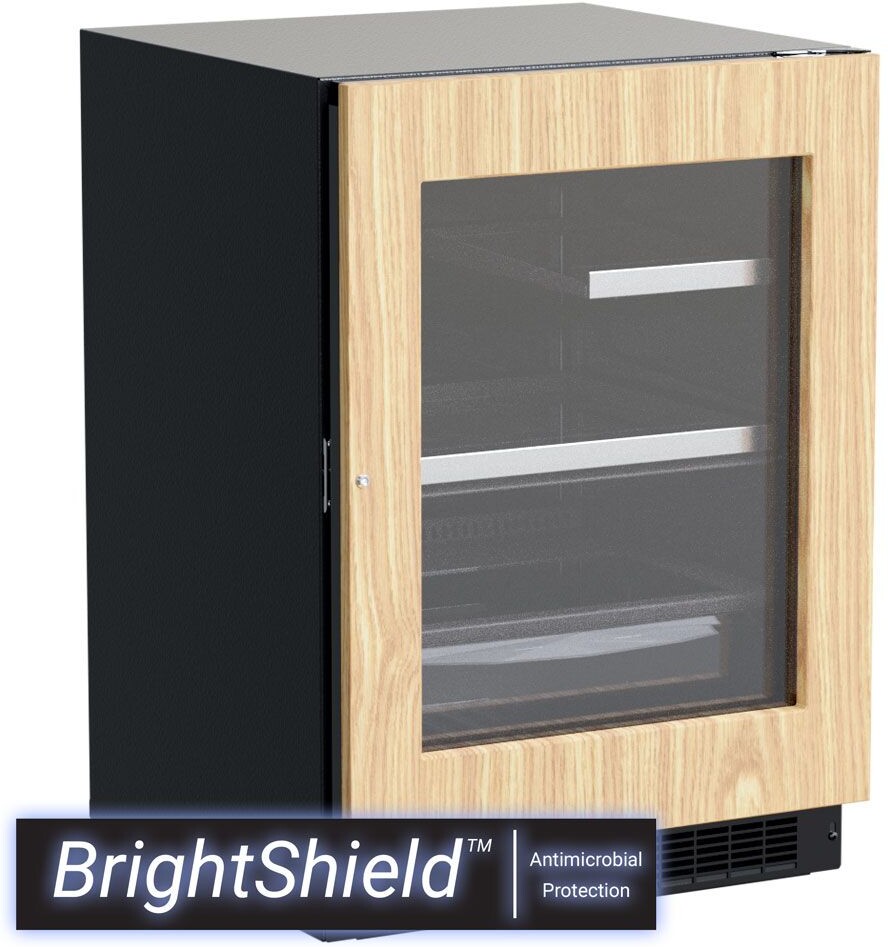
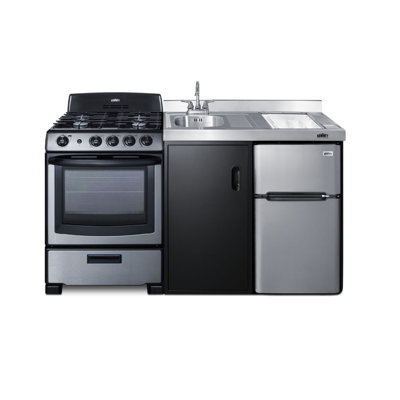
A dorm fridge is typically a small refrigerator designed for limited spaces like dorm rooms, offices, or small apartments. It provides basic refrigeration to keep food and drinks cold without taking up much room.
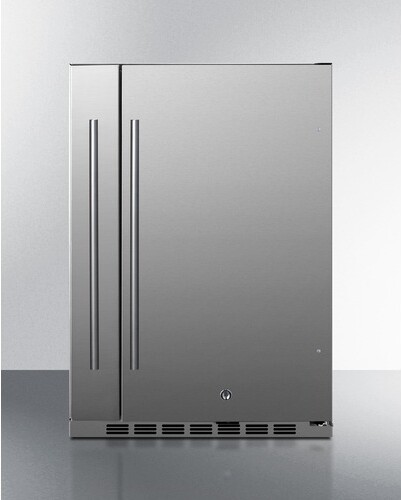
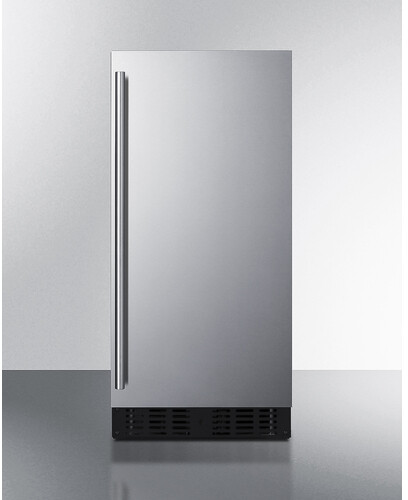
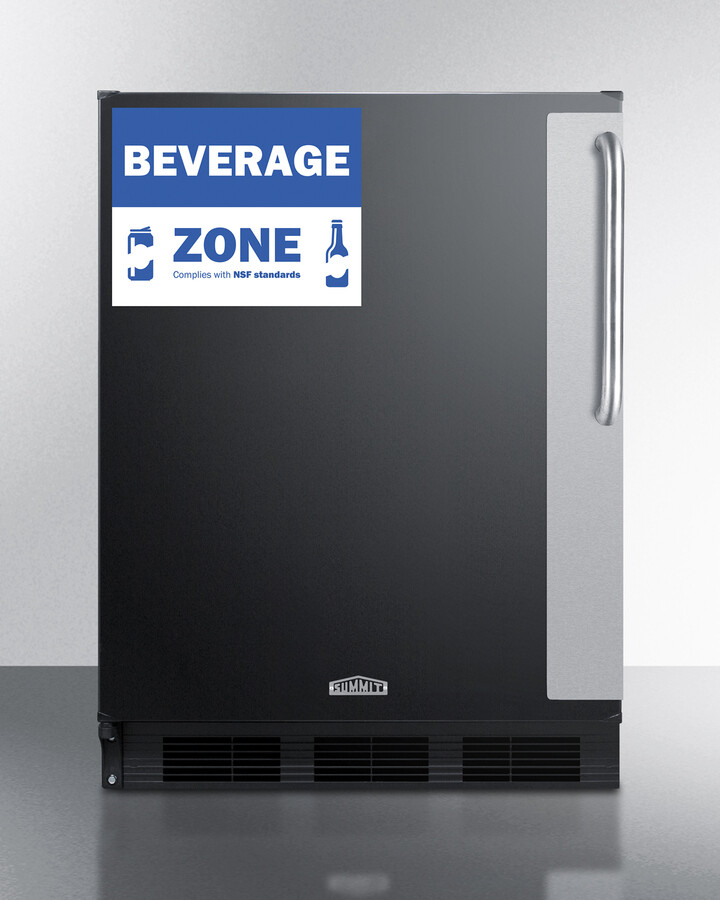
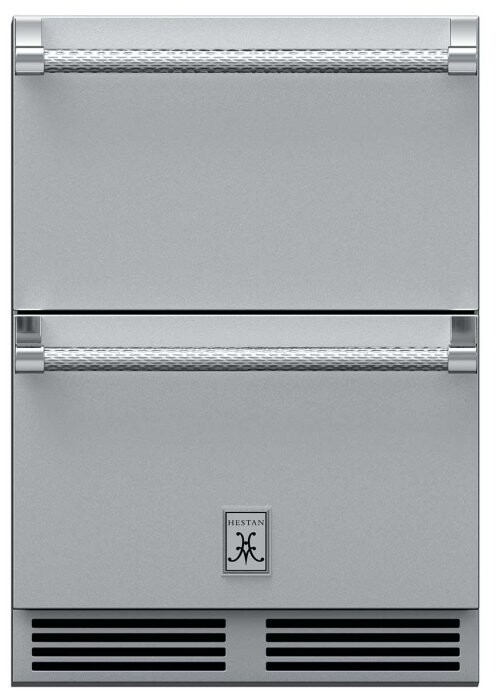
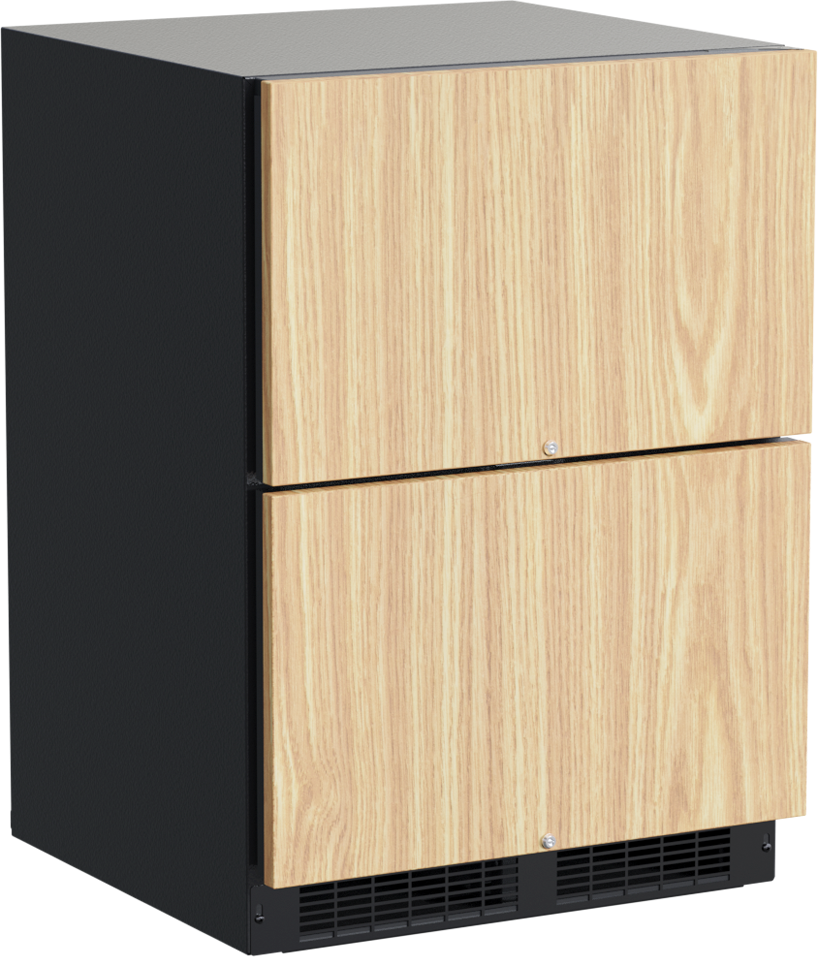
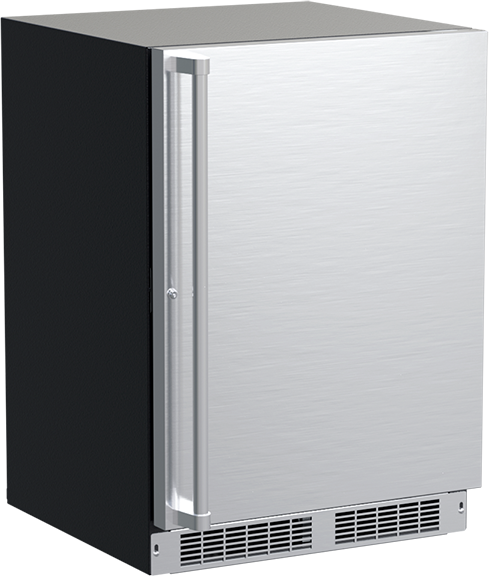
An undercounter freezer is a compact freezer designed to fit under counters or in tight spaces. It offers additional freezing capacity while keeping your food easily accessible.
Purpose and Functionality of Each Appliance
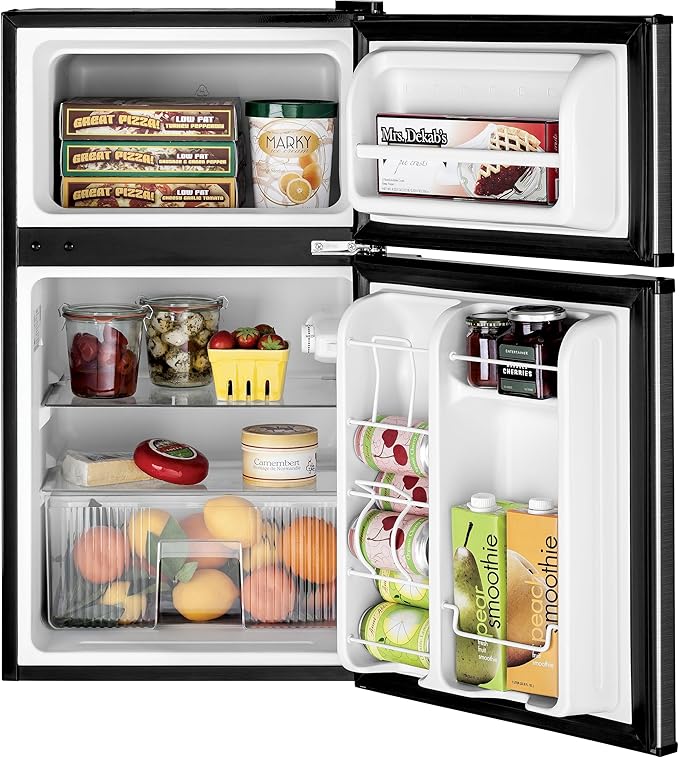
The primary purpose of a dorm fridge is to keep perishable items fresh and beverages chilled. It is often equipped with a freezer compartment, though its freezing capabilities are limited compared to traditional freezers. Here’s a closer look at the functionality of each appliance:
Appliance Type
Primary Function
Typical Features
Dorm Fridge
Refrigeration of food and drinks
Small size, basic cooling, limited freezing compartment
Undercounter Freezer
Freezing food and long-term storage
Dedicated freezing space, adjustable shelves, may include temperature controls
Dorm fridges are ideal for short-term food storage. They suit students or those living in small spaces and often come in various colors and designs to match personal aesthetics.
Undercounter freezers, on the other hand, are more versatile for food storage needs. They are suitable for larger households, entertaining, or anyone needing extra freezing space. They can accommodate bulk purchases or meal preps, making them a great addition to kitchens or outdoor areas.
When considering a dorm fridge, understanding its features can help you make an informed decision. Here are the key aspects to consider.
Size and Capacity
Dorm fridges are designed to fit in compact spaces, making them ideal for small rooms or apartments. Their size typically ranges from 1.7 to 4.5 cubic feet, allowing you to store essentials without occupying too much floor space. The table below outlines common sizes and corresponding capacities.
Size (Cubic Feet)
Dimensions (inches)
Ideal Use
1.7
18.5 x 20.5 x 21.5
Single user, limited storage
3.2
19 x 22 x 33
Shared room, moderate storage
4.5
20 x 24 x 33
Small family, more groceries
Cooling Mechanism
Dorm fridges utilize either compressor or thermoelectric cooling systems.
Compressor Cooling: This method is more common and provides consistent cooling, making it suitable for various food items. It operates similarly to a full-sized refrigerator and is generally more efficient in maintaining low temperatures.
Thermoelectric Cooling: This system is quieter and lighter but may struggle with extreme temperatures, making it less effective in hot environments. It is ideal for basic storage needs.
Additional Functions and Features
Many dorm fridges come equipped with extra features that enhance their functionality. Here are some common functions you might find:
Adjustable Shelves: Allows you to customize the interior layout based on your storage needs.
Reversible Doors: Offers flexibility in placement, making it easier to fit in tight spaces.
Freezer Compartment: Some models include a small freezer section for ice cubes or frozen meals.
Energy Efficiency: Look for models with an Energy Star rating to save on electricity bills.
Understanding the features of dorm fridges can help you select the right appliance for your needs, especially when comparing options like the dorm fridge Vs. undercounter freezer. Be sure to consider how these features will fit into your lifestyle and storage requirements.
Undercounter Freezer Features
Undercounter freezers are designed to fit seamlessly into your kitchen or entertainment space, providing extra freezing capacity without taking up too much room. Understanding the features of these appliances can help you make an informed decision.
Size and Capacity
Undercounter freezers typically come in a variety of sizes to accommodate different needs. Most models are designed to fit beneath standard countertops, making them ideal for kitchens, bars, and outdoor areas. Here’s a quick look at common size and capacity options:
Size Category
Dimensions (inches)
Capacity (cubic feet)
Compact
24" W x 24" D x 34" H
3 - 5
Standard
30" W x 24" D x 34" H
5 - 7
Large
36" W x 24" D x 34" H
7 - 12
Freezing Mechanism
The freezing mechanism in undercounter freezers can vary. Most utilize a compressor-based system to provide consistent and efficient freezing. Some models may feature:
Manual Defrost: Requires periodic defrosting but may be more affordable.
Understanding the freezing mechanism is crucial as it impacts the unit’s performance and your maintenance routine.
Additional Functions and Features
Undercounter freezers often come equipped with various features that enhance usability and convenience. Some common features include:
Adjustable Shelving: Allows you to customize storage space based on your needs.
Temperature Controls: Digital controls for precise temperature settings.
Interior Lighting: LED lights for better visibility of stored items.
Lockable Door: Security feature to keep contents safe.
Energy Efficiency: Many models are designed to be energy-efficient, helping you save on utility bills.
By considering these features, you can select an undercounter freezer that best fits your lifestyle and storage requirements. If you’re also considering other food storage options, check out the comparison of beverage cellar Vs. upright freezer for further insights.
When deciding between a dorm fridge and an undercounter freezer, it's essential to weigh the advantages and disadvantages of each option. This will help you make an informed choice that best suits your needs.
Dorm Fridge Pros and Cons
Pros
Cons
Compact Size: Fits well in small spaces like dorm rooms, offices, or apartments.
Limited Freezing Capability: Often lacks a dedicated freezer compartment, which limits your ability to store frozen foods.
Affordable: Generally less expensive than undercounter freezers, making them budget-friendly.
Smaller Capacity: Less storage space for perishables compared to larger options.
Lightweight: Easy to move, making it convenient for students or those who frequently relocate.
Basic Cooling Functions: May not have advanced cooling features, leading to less efficient temperature management.
Variety of Colors and Styles: Available in various designs to match personal preferences.
Shorter Lifespan: Typically less durable than larger freezers, which may require replacement sooner.
Undercounter Freezer Pros and Cons
Pros
Cons
Freezing Capability: Provides ample space for frozen foods, ideal for those who need to store a variety of items.
Higher Cost: Generally more expensive than dorm fridges, which may not fit everyone's budget.
Larger Capacity: Offers more storage space, making it suitable for families or those who entertain frequently.
Installation Requirements: May require professional installation or specific space considerations.
Advanced Features: Often includes better temperature control and energy efficiency features.
Less Portable: Heavier and more permanent, making it difficult to relocate.
Versatile Use: Can be placed in various locations such as kitchens, basements, or outdoor entertaining areas.
Size Constraints: May not fit well in very small spaces or dorm-style living arrangements.
Understanding the pros and cons of each appliance will help you determine which option aligns best with your lifestyle and storage needs. For additional insights on maximizing your food storage, consider exploring articles on keeping a fridge outside or best ways to store kukuri melon seeds in the fridge.
Considerations for Choosing between a Dorm Fridge and Undercounter Freezer
Selecting the right appliance for your needs involves several important factors. When deciding between a dorm fridge and an undercounter freezer, consider space availability, usage and storage requirements, as well as energy efficiency and maintenance.
Space Availability and Layout
Space is often a primary consideration in choosing between a dorm fridge and an undercounter freezer.
Appliance Type
Typical Dimensions (inches)
Ideal Placement
Dorm Fridge
18-24 W x 20-36 H x 18-24 D
Bedroom, office, small kitchen
Undercounter Freezer
24-36 W x 32-36 H x 24-30 D
Kitchen, bar, outdoor space
Dorm fridges are compact and designed to fit easily in small spaces, making them ideal for dorm rooms or small apartments. Undercounter freezers require more space but offer additional freezing capabilities, fitting neatly under countertops.
Usage and Storage Needs
Your intended usage will greatly influence your choice.
Appliance Type
Storage Capacity (cubic feet)
Recommended Use
Dorm Fridge
1.5-4.5
Snacks, beverages, leftovers
Undercounter Freezer
3-5
Frozen meals, bulk storage
If you primarily need to store drinks and snacks, a dorm fridge may suffice. For those who require more extensive frozen storage for meal prep or bulk items, an undercounter freezer is a better option.
Energy Efficiency and Maintenance
Energy efficiency is another crucial aspect to consider for long-term cost savings.
Appliance Type
Energy Consumption (kWh/year)
Maintenance Needs
Dorm Fridge
100-250
Low, occasional cleaning
Undercounter Freezer
200-400
Moderate, regular defrosting
Dorm fridges typically consume less energy than undercounter freezers, making them a more economical choice for short-term use. However, undercounter freezers often have features that improve energy efficiency. Regular maintenance is essential for both appliances to ensure optimal performance.
By assessing these considerations, you can make an informed decision between a dorm fridge and an undercounter freezer that best suits your lifestyle and needs. For more details on specific features and benefits, explore Fridge.com articles on beverage cellar Vs. upright freezer and best counter depth refrigerator.
Compare prices on Fridge.com
Compare current prices and specifications on Fridge.com, then buy from the retailer you choose; delivery, installation and warranty terms are the retailer’s.
It also has tons of awesome articles about kitchen stuff and home news. Enhance your home, garage, backyard, patio, and office with the coolest essentials. With every necessary type of residential refrigerator or freezer in the collection, you're covered.
From Fridge.com research
Figures below come from data Fridge.com builds and maintains. Each links to the record behind it.
Fridge.com Energy Index, built on U.S. EPA and DOE ENERGY STAR records
Across 1,728 ENERGY STAR certified compact refrigerator models, median use is 246 kWh per year — 11% better than the federal standard.