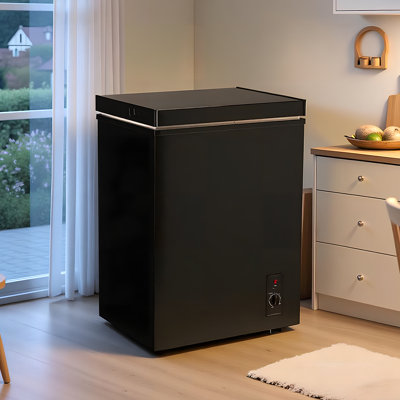
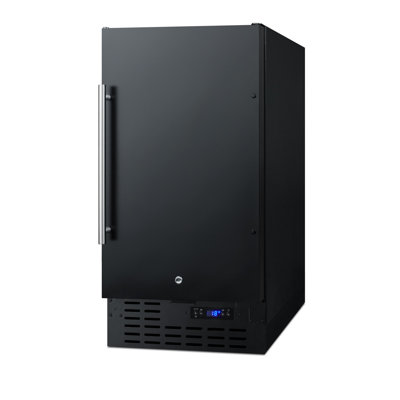
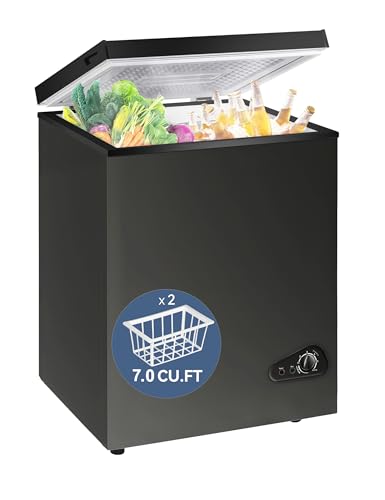
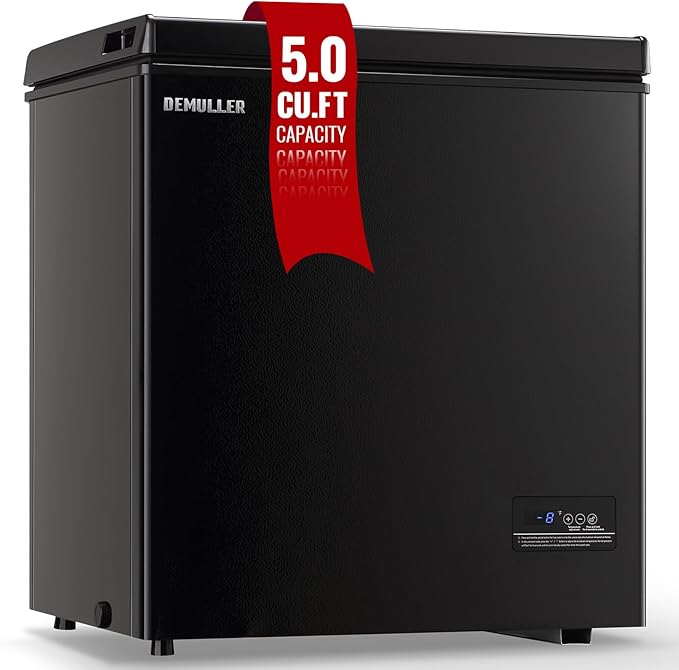
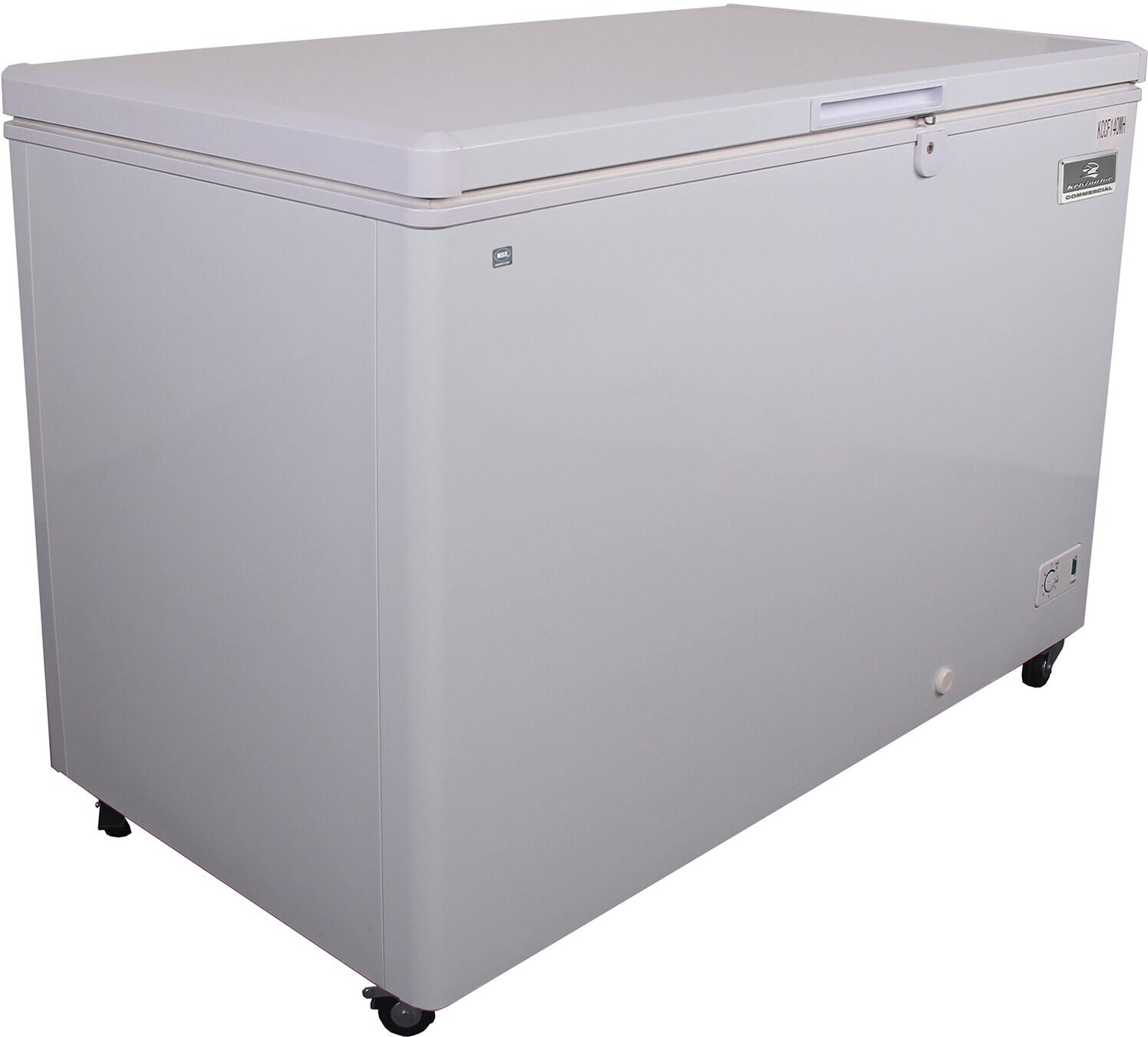
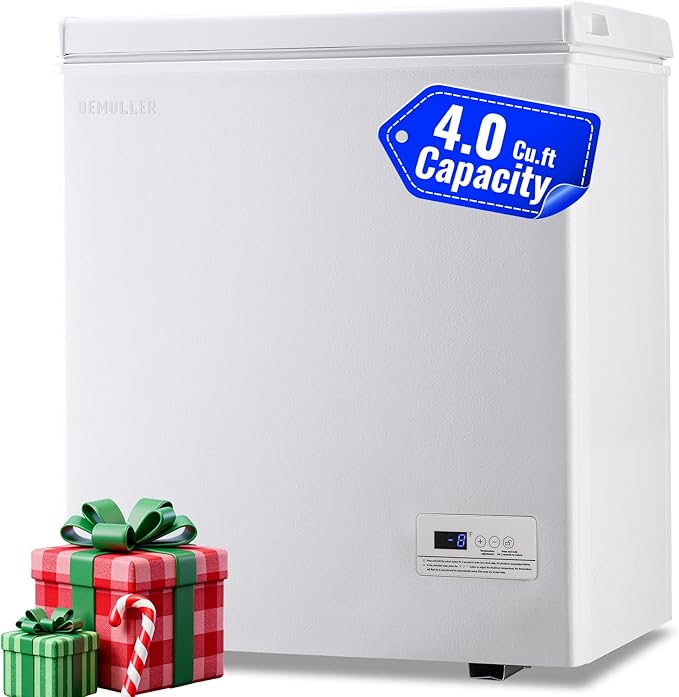
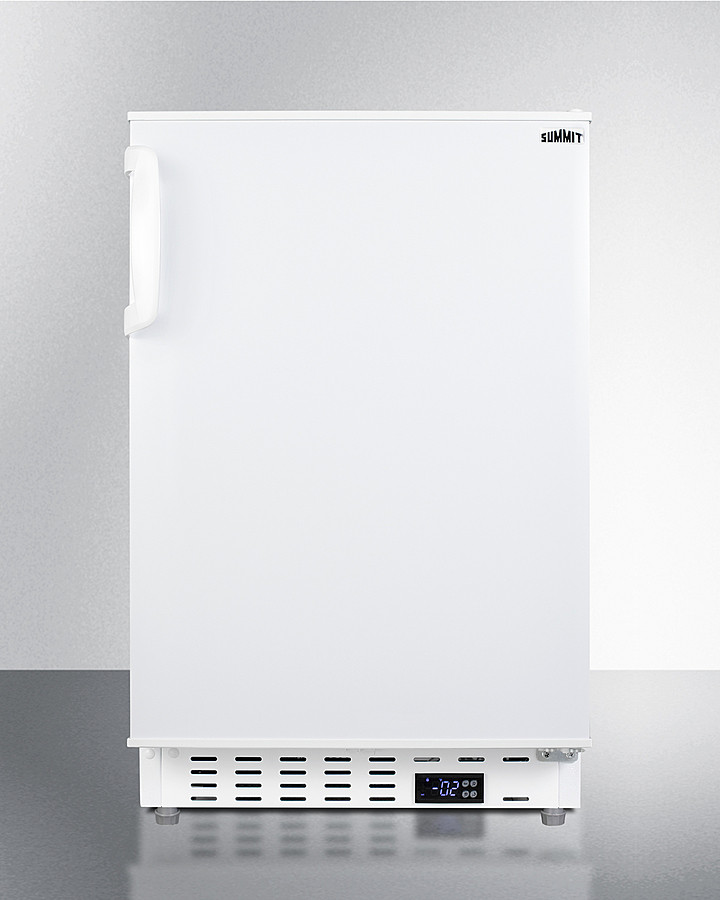
Portable compressor freezers are compatible with multiple power sources, including 12V and 24V DC from your vehicle's battery, as well as 110V AC from a mains power source.
12V DC: Ideal for vehicles and RVs.
Make sure there is at least 2-3 inches of space around the sides and back of the freezer for proper airflow.
Defrosting should be done when frost buildup reaches about 0.25 inches.
A camper freezer is an essential addition to your travel setup, ensuring that you have a reliable way to store perishable food items while on the road. Having a camper freezer allows you to keep your meals fresh and safe, reducing the need for frequent grocery stops. Whether you are camping in remote areas or embarking on a long road trip, a camper freezer provides the convenience of having your favorite foods and beverages readily available.
Benefits of Having a Camper Freezer while Traveling
The benefits of having a camper freezer while traveling are numerous. Here are some key advantages:
Extended Food Storage: A camper freezer allows you to store a variety of perishable goods, such as meat, dairy, and frozen vegetables, for extended periods. This is particularly useful for longer trips where access to fresh food may be limited.
Meal Planning and Preparation: With a camper freezer, you can plan and prepare meals in advance. This can save you time and effort during your travels, allowing you to focus on enjoying your trip.
Cost Savings: By storing and preparing your own meals, you can save money that would otherwise be spent on dining out. A camper freezer enables you to buy groceries in bulk and take advantage of discounts.
Food Safety: Keeping food at the correct temperature is crucial for preventing spoilage and foodborne illnesses. A camper freezer ensures that your food remains at a safe temperature, reducing the risk of contamination.
Convenience: Having a camper freezer means you can bring along your favorite frozen treats, such as ice cream or frozen fruits. This adds an extra level of comfort and enjoyment to your travels.
By understanding the importance and benefits of a camper freezer, you can make an informed decision when selecting the best option for your needs. Consider factors like size, power source, and energy efficiency to ensure you choose a freezer that fits your travel lifestyle. For more information on different types of freezers, visit Fridge.com article on best fridge for national grilling month.
When choosing a camper freezer, it's important to understand the different types available. Each type has its own unique features and benefits, making some more suitable for certain needs than others. This section explores three main types of camper freezers: portable compressor freezers, thermoelectric coolers, and absorption refrigerators.
Portable Compressor Freezers
Portable compressor freezers are a popular choice for campers due to their efficiency and versatility. These freezers use a compressor to cool the interior and can achieve very low temperatures, making them ideal for long trips where you need to keep food frozen for extended periods.
Feature
Description
Cooling Ability
-20°C to +10°C
Power Source
12V DC, 24V DC, 110V AC
Efficiency
High
Portable compressor freezers are compatible with multiple power sources, including 12V and 24V DC from your vehicle's battery, as well as 110V AC from a mains power source. This makes them highly versatile for various camping setups.
Thermoelectric Coolers
Thermoelectric coolers are another option for campers, known for their lightweight and compact design. These coolers use a thermoelectric plate to transfer heat away from the interior, making them suitable for shorter trips or for keeping drinks and snacks cool.
Feature
Description
Cooling Ability
Up to 20°C below ambient temperature
Power Source
12V DC, 110V AC
Efficiency
Moderate
While thermoelectric coolers are not as powerful as compressor freezers, they are quieter and require less maintenance. They are ideal for keeping perishable items cool for a short duration.
Absorption Refrigerators
Absorption refrigerators use a heat source to provide cooling, making them a unique option for campers. These units can run on propane, 12V DC, or 110V AC, providing flexibility in terms of power sources.
Feature
Description
Cooling Ability
Up to 30°C below ambient temperature
Power Source
Propane, 12V DC, 110V AC
Efficiency
Variable
Absorption refrigerators are especially useful in off-grid situations where you might not have access to electric power but have a propane supply. They are quieter than compressor units but may take longer to reach the desired temperature.
By understanding the different types of camper freezers, you can choose the one that best fits your specific needs. Whether you prefer the powerful cooling of a portable compressor freezer, the compact convenience of a thermoelectric cooler, or the off-grid capabilities of an absorption refrigerator, each type offers unique benefits for your camping adventures. For more tips on organizing your camper freezer, check out Fridge.com guide on how to freeze strawberries to make jam later.
Factors to Consider When Choosing a Camper Freezer
Selecting the right camper freezer can significantly enhance your outdoor experience. Here are some key factors to consider when making your choice.
Size and Capacity
The size and capacity of your camper freezer are critical. You need a freezer that fits comfortably in your camper while providing ample storage for your needs. Consider the number of people you are traveling with and the duration of your trips.
Camper Size
Freezer Capacity (Liters)
Small Camper (1-2 people)
10 - 20
Medium Camper (3-4 people)
21 - 40
Large Camper (5+ people)
41+
Power Source Options
Camper freezers can be powered by various sources. Understanding the available power options ensures your freezer operates efficiently during your travels.
Common Power Source Options:
12V DC: Ideal for vehicles and RVs.
110V AC: Suitable for campgrounds with electrical hookups.
Solar: Eco-friendly option, ideal for off-grid camping.
Energy Efficiency
Energy efficiency is a crucial factor for extended trips. An energy-efficient freezer will consume less power, preserving your camper's battery life and reducing fuel consumption.
Freezer Type
Energy Consumption (Watts)
Portable Compressor Freezers
30 - 60
Thermoelectric Coolers
40 - 80
Absorption Refrigerators
90 - 150
To learn more about maximizing your camper freezer's efficiency, check out Fridge.com article on how long can you freeze bacon in the freezer.
By considering these factors, you can choose the best camper freezer that suits your needs and enhances your outdoor adventures. For more tips on camper freezers, visit Fridge.com articles on how to freeze strawberries to make jam later and best small chest freezer for an airplane bungalow.
Installation and Maintenance Tips
Proper Placement in Your Camper
Proper installation of your camper freezer is crucial for optimal performance. Ensure your freezer is placed on a stable and level surface to prevent any vibrations or tilting that could affect its functionality. Adequate ventilation around the unit is essential to allow for efficient cooling and to prevent overheating. Make sure there is at least 2-3 inches of space around the sides and back of the freezer for proper airflow.
Aspect
Recommendation
Surface
Stable and level
Ventilation
2-3 inches of space around the unit
Cleaning and Defrosting Guidelines
Regular cleaning and defrosting of your camper freezer will extend its lifespan and maintain its efficiency. Unplug the freezer before cleaning. Use a mild detergent and a soft cloth to clean the interior and exterior surfaces. Avoid using abrasive cleaners or sharp objects that could damage the interior lining.
Defrosting should be done when frost buildup reaches about 0.25 inches. Remove all contents and place them in a cooler. Let the freezer defrost naturally or use a container of warm water to speed up the process. Once defrosted, wipe down the interior with a dry cloth before plugging it back in.
Troubleshooting Common Issues
Understanding common issues and their solutions can help you maintain your camper freezer effectively. Here are some typical problems and troubleshooting tips:
Issue
Possible Cause
Solution
Freezer not cooling
Power source issue
Check connections and power supply
Excessive frost buildup
Frequent door opening
Limit door opening, check door seal
Unusual noises
Uneven placement
Ensure unit is on a stable, level surface
Water leakage
Blocked drain hole
Clear the drain hole to prevent blockage
For more detailed information on maintaining your camper freezer, check out articles on best fridge for national grilling month and best fridge for national cashew day. These resources provide additional insights into keeping your freezer in top condition, regardless of where you are on your adventures.
Ensuring that you get the most out of your camper freezer involves understanding how to organize your food, manage temperature settings, and store various types of goods effectively.
Organizing Your Food Items
Proper organization of food items in your camper freezer is essential to maximize space and maintain efficiency. Here are some tips to consider:
Label Containers: Clearly label all food containers with the contents and date of freezing.
Use Bins and Dividers: Utilize bins and dividers to separate types of food, making it easier to find items.
FIFO Method: Follow the "First In, First Out" method to ensure older items are used before newer ones.
Temperature Control and Settings
Maintaining the correct temperature in your camper freezer is crucial for preserving food quality and safety. Most camper freezers come with adjustable temperature settings. Here's a guideline for optimal temperature ranges:
Food Type
Optimal Freezer Temperature (°F)
General Freezing
0
Ice Cream and Frozen Desserts
-10
Meat and Poultry
0 to -5
Vegetables and Fruits
0
Regularly check and adjust the temperature settings to match the type of food stored. For more information on specific temperature settings for different foods, refer to Fridge.com article on what temperature should wine be stored?.
Storing Perishable and Non-Perishable Goods
Storing both perishable and non-perishable goods efficiently in your camper freezer can extend their shelf life and ensure you have a well-stocked supply while traveling.
Perishables: Store perishables like meat, dairy, and vegetables in airtight containers to prevent freezer burn.
Non-Perishables: For items like frozen bread or pre-cooked meals, use vacuum-sealed bags to save space and maintain freshness.
Food Type
Storage Tips
Meat and Poultry
Use vacuum-sealed bags; store at 0°F
Vegetables
Blanch before freezing; store in airtight containers
Dairy Products
Store in original packaging or airtight containers
Pre-cooked Meals
Portion into meal-sized servings; use airtight containers
By following these guidelines, you can efficiently use your camper freezer to keep your food items organized, maintain optimal temperatures, and store both perishable and non-perishable goods effectively.
Compare freezer prices on Fridge.com
Compare current prices and specifications on Fridge.com, then buy from the retailer you choose; delivery, installation and warranty terms are the retailer’s.
It also has tons of awesome articles about kitchen stuff and home news. Enhance your home, garage, backyard, patio, and office with the coolest essentials. With every necessary type of residential refrigerator or freezer in the collection, you're covered.
Free tool
Food Storage Calculator
Free interactive tool from Fridge.com — get a quick answer while you read.