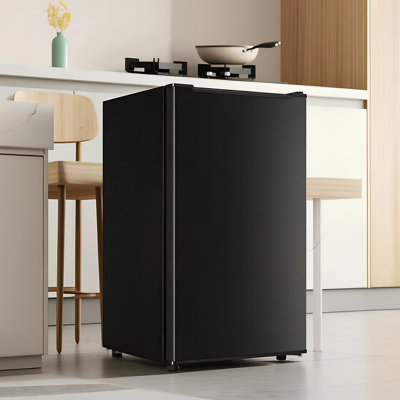
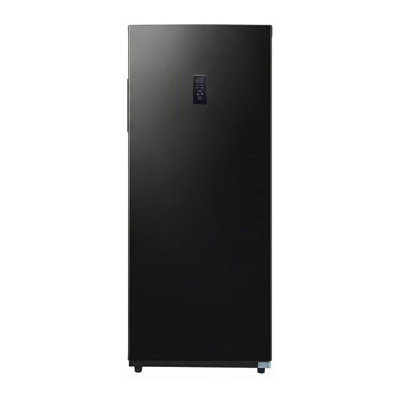
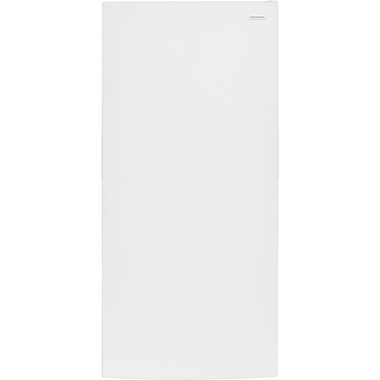
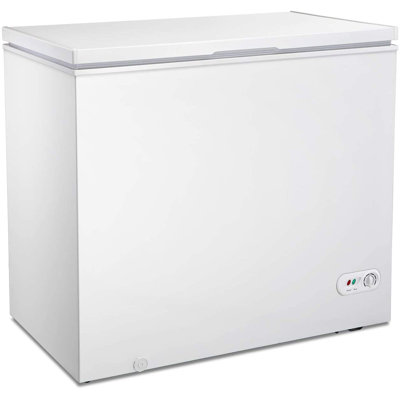
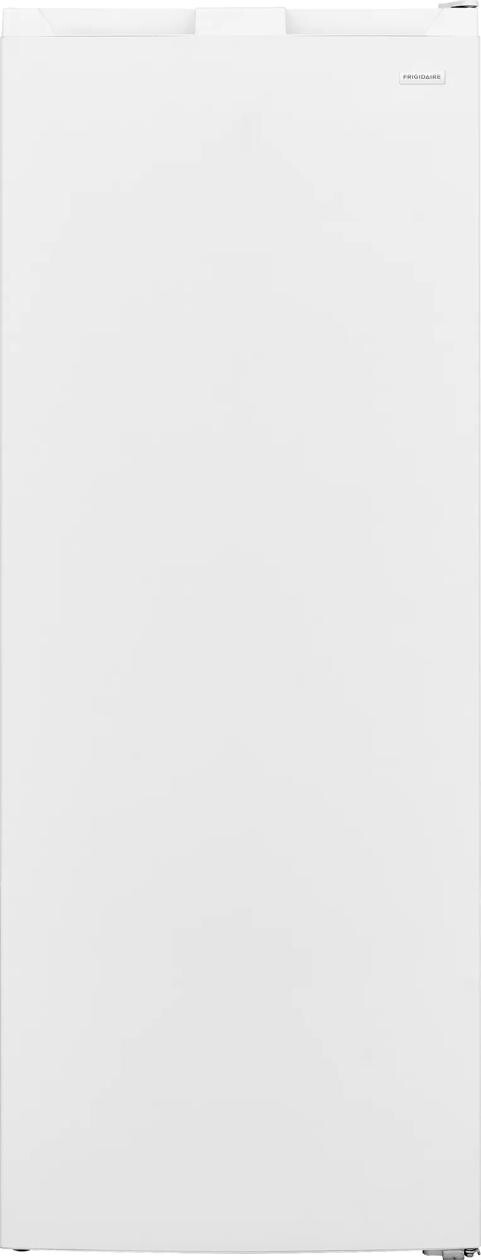
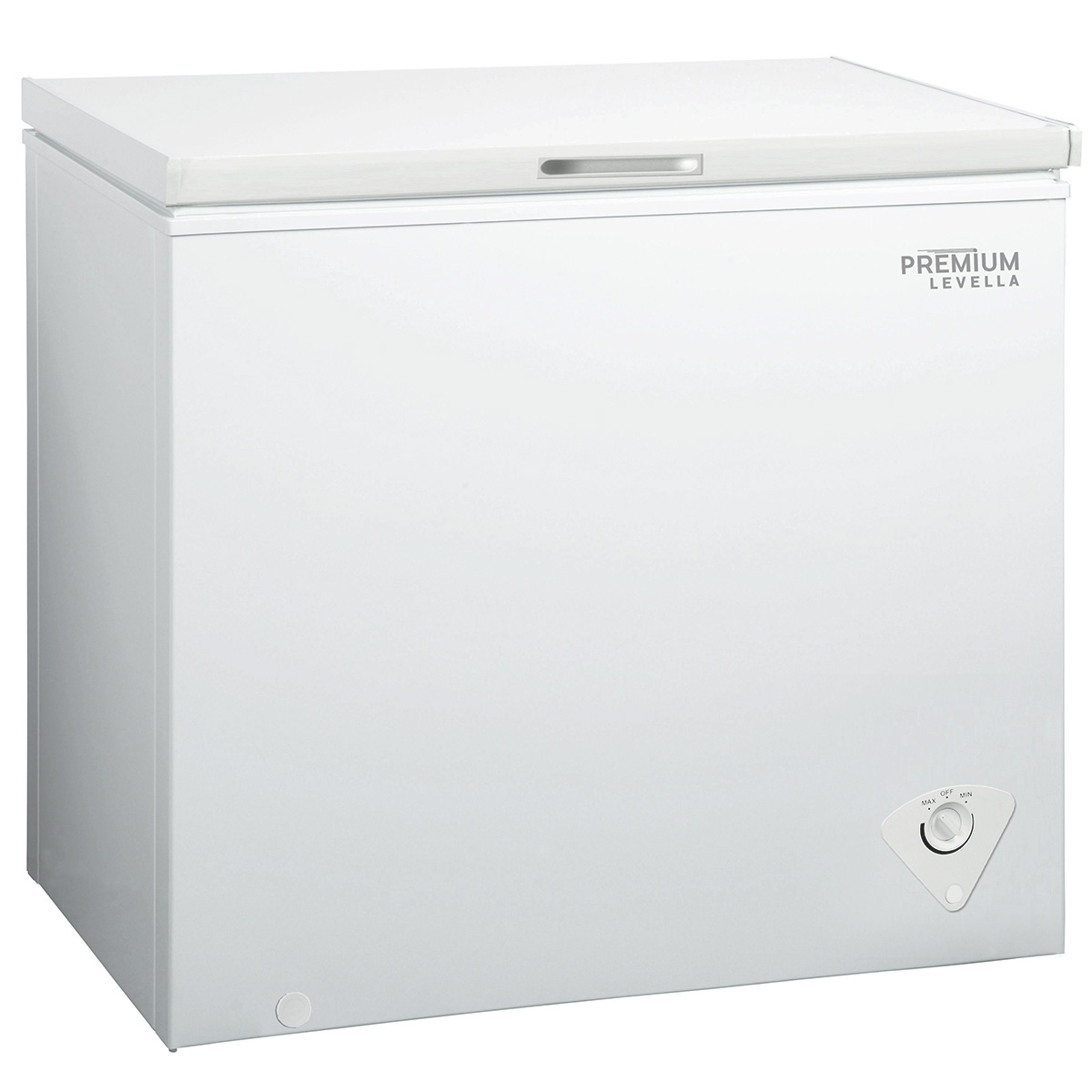
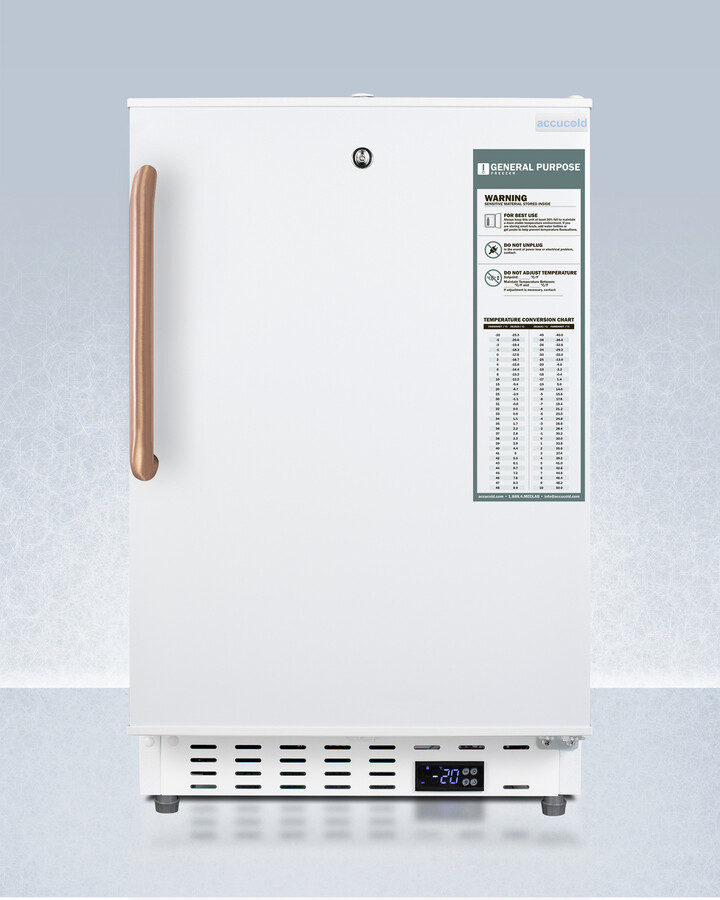
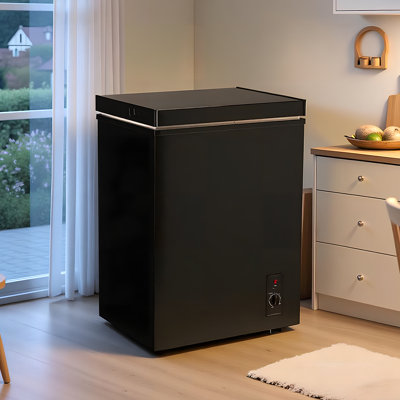
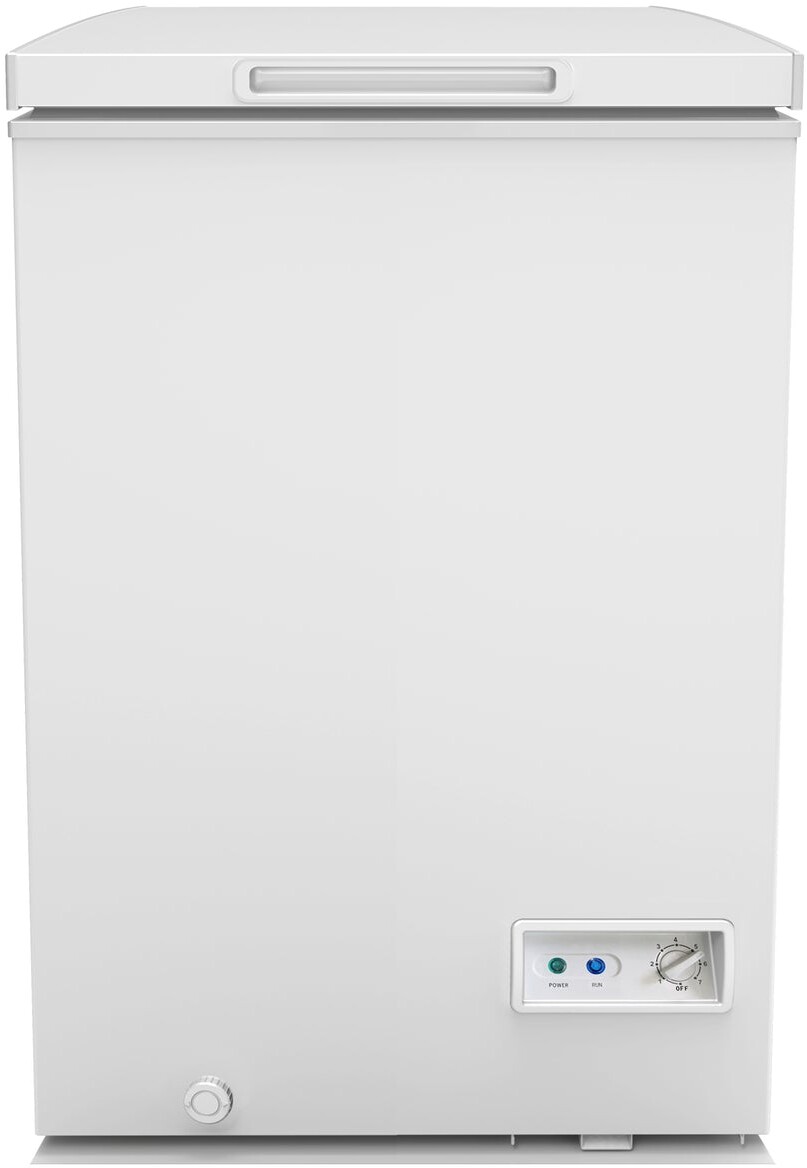
Storage Options: These refrigerators usually feature multiple shelves, drawers, and door bins to accommodate a variety of items, from beverages to fresh produce.
It is ideal for keeping fresh produce, dairy, and beverages at optimal temperatures.
Professional Installation: Given the complexity of installation, it's recommended to hire a professional to ensure proper fitting and alignment with your cabinetry.
Large Capacity: These freezers often provide more storage space compared to indoor models, making them ideal for bulk storage of frozen foods.
When deciding between a built-in refrigerator and an outdoor freezer, it's essential to understand the key differences that make each suitable for various needs and environments. This comparison will help you make an informed decision based on your specific requirements.
Feature
Built-In Refrigerator
Outdoor Freezer
Primary Use
Food storage and preservation
Long-term freezing of food
Installation
Integrated into kitchen cabinetry
Freestanding, often placed in garages or outdoor areas
Temperature Range
35°F to 40°F
0°F or lower
Space Requirements
Requires a designated space within the kitchen
Requires a protected area outdoors or in a garage
Cost
Higher initial cost due to integration
Generally lower cost, but varies with size and features
Maintenance
Regular cleaning and maintenance required
Durable but requires protection from weather elements
A built-in refrigerator is designed to blend seamlessly with your kitchen cabinetry, providing an integrated look. It is ideal for keeping fresh produce, dairy, and beverages at optimal temperatures. These refrigerators offer a range of features, such as adjustable shelving, humidity control, and energy-saving modes. For more considerations, you might find Fridge.com article on best fridge for national tropical fruit day insightful.
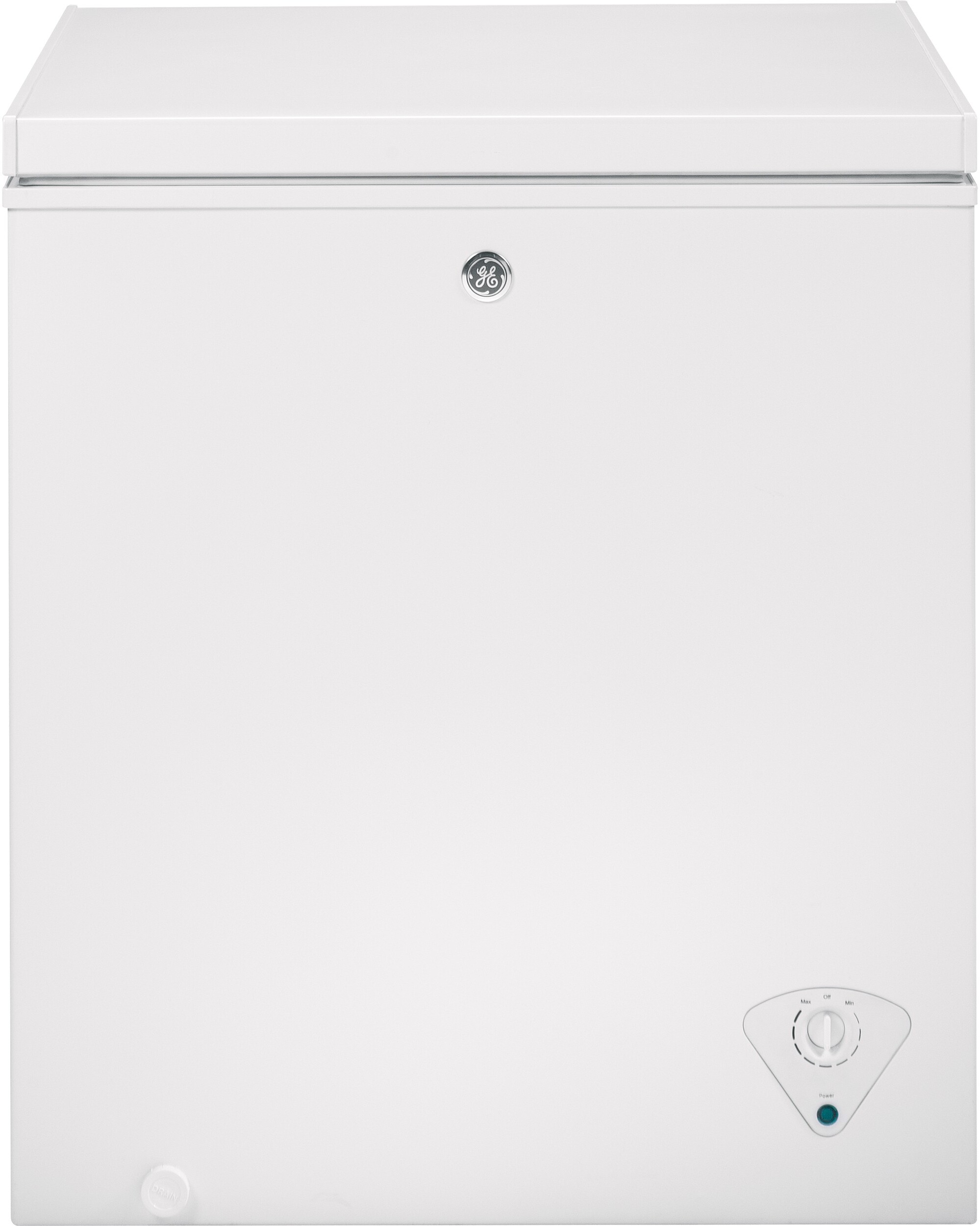
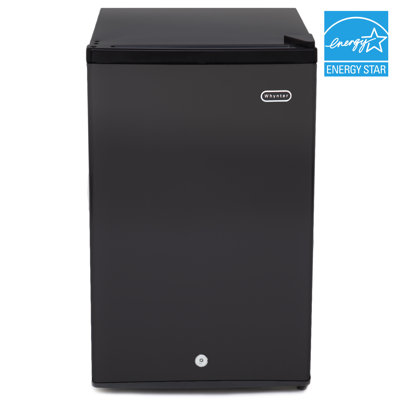
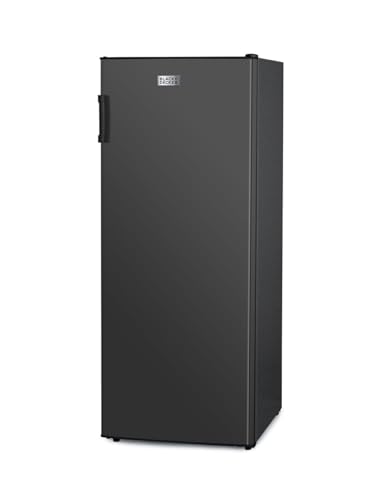
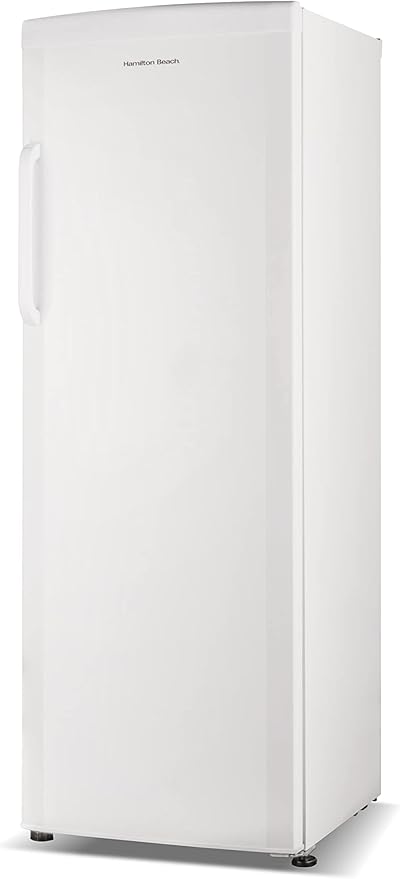
On the other hand, an outdoor freezer is perfect for those who need additional freezing space, particularly when storing bulk foods or preparing for long-term storage. Outdoor freezers are built to withstand varying temperatures and weather conditions, making them suitable for garages, basements, or even outdoor sheds. To ensure durability, these freezers are often constructed with robust materials and insulated for energy efficiency. Check out Fridge.com detailed guide on exterior deep freezer for more information.
When choosing between these two options, consider your specific needs, available space, and the environment where the appliance will be placed. Whether you're looking to preserve fresh ingredients or need extra freezing capacity, understanding these differences will help you decide the best appliance for your home. For further insights, explore auto defrost freezer Vs. small upright freezer.
Built-In Refrigerator
Built-in refrigerators offer a seamless and integrated look that blends perfectly with your kitchen cabinetry. They provide a range of features and benefits, making them a popular choice for many homeowners.
Features and Benefits
Built-in refrigerators come with a variety of features that cater to different needs and preferences. Some of the key benefits include:
Integrated Design: These refrigerators are designed to fit flush with your kitchen cabinets, creating a streamlined and cohesive look.
Customizable Panels: Many built-in models allow you to customize the front panels to match your cabinetry, enhancing the overall aesthetic of your kitchen.
Variety of Sizes: Built-in refrigerators come in various sizes, allowing you to choose one that fits your kitchen space perfectly.
Advanced Cooling Technology: Many models feature advanced cooling technologies that ensure consistent temperatures and optimal food preservation.
Energy Efficiency: Built-in refrigerators are often more energy-efficient compared to freestanding models.
Storage Options: They offer flexible storage options, including adjustable shelves, door bins, and specialized compartments for different types of food.
For those interested in finding the best refrigerator for specific occasions, such as National Tropical Fruit Day or National Choose Your Chocolate Day, built-in refrigerators can be an excellent choice.
Installation Considerations
Installing a built-in refrigerator requires careful planning and consideration. Here are some key factors to keep in mind:
Space and Dimensions: Measure the space where you plan to install the refrigerator to ensure it fits perfectly. Consider the height, width, and depth, including any allowances for ventilation.
Electrical Requirements: Ensure that the location has the necessary electrical outlets and that the circuit can handle the refrigerator's power requirements.
Plumbing Needs: Some built-in refrigerators come with water and ice dispensers, which require a water line connection. Plan for plumbing needs accordingly.
Professional Installation: Given the complexity of installation, it's recommended to hire a professional to ensure proper fitting and alignment with your cabinetry.
Ventilation: Built-in refrigerators need adequate ventilation to function efficiently. Ensure there is enough space for air circulation around the unit.
Budget: Built-in refrigerators can be more expensive than freestanding models, so budget accordingly for both the appliance and the installation.
Outdoor freezers offer a range of features that make them suitable for various environments, from backyards to garages. They are designed to withstand different weather conditions while providing ample storage for frozen goods.
Features and Benefits
Outdoor freezers come equipped with features that cater to the needs of homeowners and food enthusiasts. Here are some key benefits:
Temperature Control: Outdoor freezers are built to maintain consistent temperatures even in fluctuating outdoor conditions. This ensures your food stays frozen and safe to consume.
Large Capacity: These freezers often provide more storage space compared to indoor models, making them ideal for bulk storage of frozen foods.
Energy Efficiency: Many outdoor freezers are designed to be energy-efficient, reducing power consumption and saving on electricity bills.
Versatile Placement: They can be placed in various outdoor settings, including garages, patios, and backyards, offering flexibility in storage solutions.
Feature
Benefit
Temperature Control
Maintains consistent temperatures
Large Capacity
Accommodates bulk storage
Versatile Placement
Flexible storage solutions
Durability and Weather Resistance
Outdoor freezers are specifically designed to endure harsh weather conditions, ensuring long-lasting performance. Here are some aspects of their durability:
Weatherproof Construction: These freezers are built with weather-resistant materials that protect against rain, snow, and extreme temperatures.
Rugged Exterior: The exterior is often made from durable materials like stainless steel or coated metal, which resist rust and corrosion.
Insulation: High-quality insulation helps maintain the internal temperature, protecting the contents from external weather changes.
Sealed Gaskets: Sealed gaskets prevent moisture and pests from entering the freezer, maintaining the integrity of the stored items.
Durability Feature
Benefit
Weatherproof Construction
Protects against elements
Rugged Exterior
Resists rust and corrosion
Insulation
Maintains internal temperature
Sealed Gaskets
Keeps out moisture and pests
For more information on outdoor freezers, including specific models and placement tips, you can visit Fridge.com articles on exterior deep freezer and best deep freezer for a duplex.
Understanding these features and benefits can help you make an informed decision when comparing a built-in refrigerator Vs. outdoor freezer. Keep in mind the specific needs and conditions of your living space to choose the best option for your requirements.
When deciding between a built-in refrigerator and an outdoor freezer, one must consider the most suitable placement. The location of the appliance can significantly impact its performance and your overall convenience.
Indoor Placement
For those considering an indoor placement, built-in refrigerators are often the preferred choice. These units are designed to seamlessly blend with your kitchen cabinetry, providing a sleek and integrated look. Here are some factors to consider:
Space Requirements: Built-in refrigerators come in various sizes, so measure your available space carefully. Ensure there's adequate ventilation to prevent overheating.
Aesthetic Appeal: Built-in units offer a customized look that complements your kitchen design. This is ideal for those who value a cohesive kitchen aesthetic.
Accessibility: Placing the refrigerator indoors allows for easy access to food and beverages, making it convenient for everyday use.
For more information on selecting the right refrigerator for your indoor space, check out Fridge.com article on best fridge for national tropical fruit day.
Outdoor Placement
Outdoor freezers are designed to withstand the elements, making them suitable for placement in garages, basements, or even backyards. Here are key considerations for outdoor placement:
Durability: Outdoor freezers are built to endure varying weather conditions. Look for models with robust construction and weather-resistant features.
Temperature Tolerance: These units are equipped to handle temperature fluctuations, ensuring consistent performance regardless of the weather.
Convenience: Placing a freezer outdoors can free up indoor space and provide extra storage for bulk items. This is particularly useful for those who entertain frequently or have large families.
Placement Type
Key Considerations
Ideal For
Indoor (Built-In Refrigerator)
Space requirements, aesthetic appeal, accessibility
Daily convenience, cohesive kitchen design
Outdoor (Outdoor Freezer)
Durability, temperature tolerance, convenience
Extra storage, outdoor entertaining
For further details on outdoor freezers, refer to Fridge.com article on exterior deep freezer and 3.5 cu ft chest freezer black.
Understanding the differences between indoor and outdoor placements can help you make an informed decision based on your specific needs and lifestyle. Whether you choose a built-in refrigerator for its seamless integration or an outdoor freezer for its durability and extra storage, each option offers unique benefits.
Usage and Functionality
Understanding the usage and functionality of built-in refrigerators and outdoor freezers is essential when deciding which appliance best suits your needs. Below, Fridge.com explores the distinct functionalities of each.
Refrigerator Functionality
A built-in refrigerator is designed to provide easy access to fresh food and beverages. It offers various functionalities tailored to maintain optimal conditions for different types of food items.
Key Functionalities:
Temperature Control: Built-in refrigerators often come with adjustable temperature settings to keep your food at a good temp. For more details, check out Fridge.com article on good temp for fridge.
Storage Options: These refrigerators usually feature multiple shelves, drawers, and door bins to accommodate a variety of items, from beverages to fresh produce.
Humidity Control: Some models include humidity-controlled crisper drawers, which help to extend the shelf life of fruits and vegetables.
Special Compartments: Built-in refrigerators may have specialized compartments for specific food items, such as a deli drawer for meats and cheeses.
An outdoor freezer is designed to store frozen foods for extended periods, making it an ideal choice for bulk storage and preserving items that require long-term freezing.
Key Functionalities:
Temperature Control: Outdoor freezers come with adjustable temperature settings to ensure your food remains frozen. For detailed information, read Fridge.com article on how long can you keep frozen soup in the freezer?.
Storage Capacity: These freezers offer ample space to store large quantities of food, with various models providing different capacities.
Durability: Outdoor freezers are built to withstand various weather conditions, ensuring they function efficiently even in extreme temperatures.
Energy Efficiency: Many outdoor freezers are designed to be energy-efficient, helping to reduce electricity consumption and costs.
Example Table for Freezer Functionality:
Feature
Description
Temperature Range
-10°F - 0°F
Storage Capacity
15 - 20 cu ft
Weather Resistance
High
For more insights into different types of freezers, visit Fridge.com article on best deep freezer for a duplex.
By understanding the distinct functionalities of built-in refrigerators and outdoor freezers, you can make an informed decision based on your specific storage and usage needs. Whether you prioritize fresh food storage or long-term freezing capabilities, each appliance offers unique benefits to suit various lifestyles and preferences.
Proper maintenance and care of your built-in refrigerator and outdoor freezer are essential to ensure their longevity and optimal performance. This section provides useful tips for cleaning and maintaining these appliances, along with factors that influence their durability.
Cleaning and Maintenance Tips
Regular cleaning and maintenance can help you keep your built-in refrigerator and outdoor freezer in good working condition. Here are some tips to follow:
Interior Cleaning: Clean the interior of your refrigerator and freezer regularly using a mixture of mild detergent and warm water. Avoid abrasive cleaning agents that can damage surfaces.
Defrosting: If your freezer does not have an automatic defrost function, defrost it manually when ice buildup becomes noticeable. For guidance, see Fridge.com article on auto defrost freezer Vs. small upright freezer.
Gasket Maintenance: Check and clean the door gaskets to ensure a proper seal. Replace them if they are worn out to prevent cold air from escaping.
Condenser Coils: Clean the condenser coils at least twice a year to remove dust and debris. This helps in maintaining efficient cooling performance.
Temperature Settings: Use recommended temperature settings to ensure efficient operation. For more details, refer to good temp for fridge.
Longevity and Performance Factors
Several factors can influence the longevity and performance of your built-in refrigerator and outdoor freezer. Paying attention to these aspects can help extend the life of your appliances.
Factor
Built-In Refrigerator
Outdoor Freezer
Location
Should be installed in a well-ventilated area
Needs to be placed in a weather-resistant area
Frequency of Use
Frequent opening can affect cooling efficiency
Less frequent use helps maintain temperature
Power Supply
Stable power supply is crucial
Surge protectors recommended in outdoor settings
Environmental Factors
Indoor humidity and temperature
Outdoor temperature fluctuations
Maintenance Routine
Regular cleaning and servicing
Regular checks for weather damage
Regular maintenance and care play a significant role in ensuring the optimal performance and longevity of your built-in refrigerator and outdoor freezer. For more tips and details on maintaining your appliances, explore Fridge.com related articles such as how to make fridge smell better and best fridge for national tropical fruit day.
Compare prices on Fridge.com
Compare current prices and specifications on Fridge.com, then buy from the retailer you choose; delivery, installation and warranty terms are the retailer’s.
It also has tons of awesome articles about kitchen stuff and home news. Enhance your home, garage, backyard, patio, and office with the coolest essentials. With every necessary type of residential refrigerator or freezer in the collection, you're covered.
Free tool
Food Storage Calculator
Free interactive tool from Fridge.com — get a quick answer while you read.