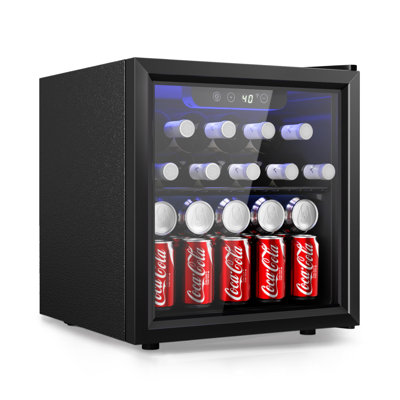
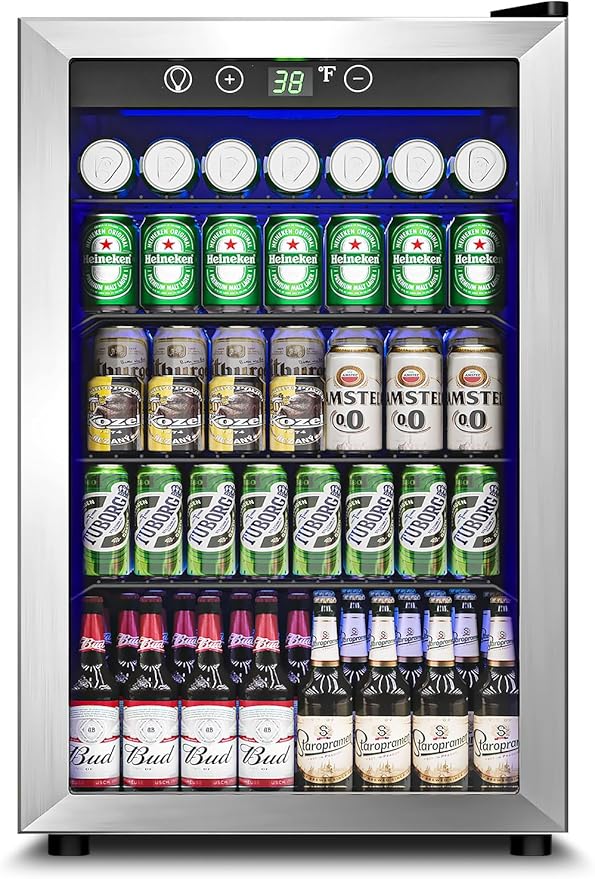
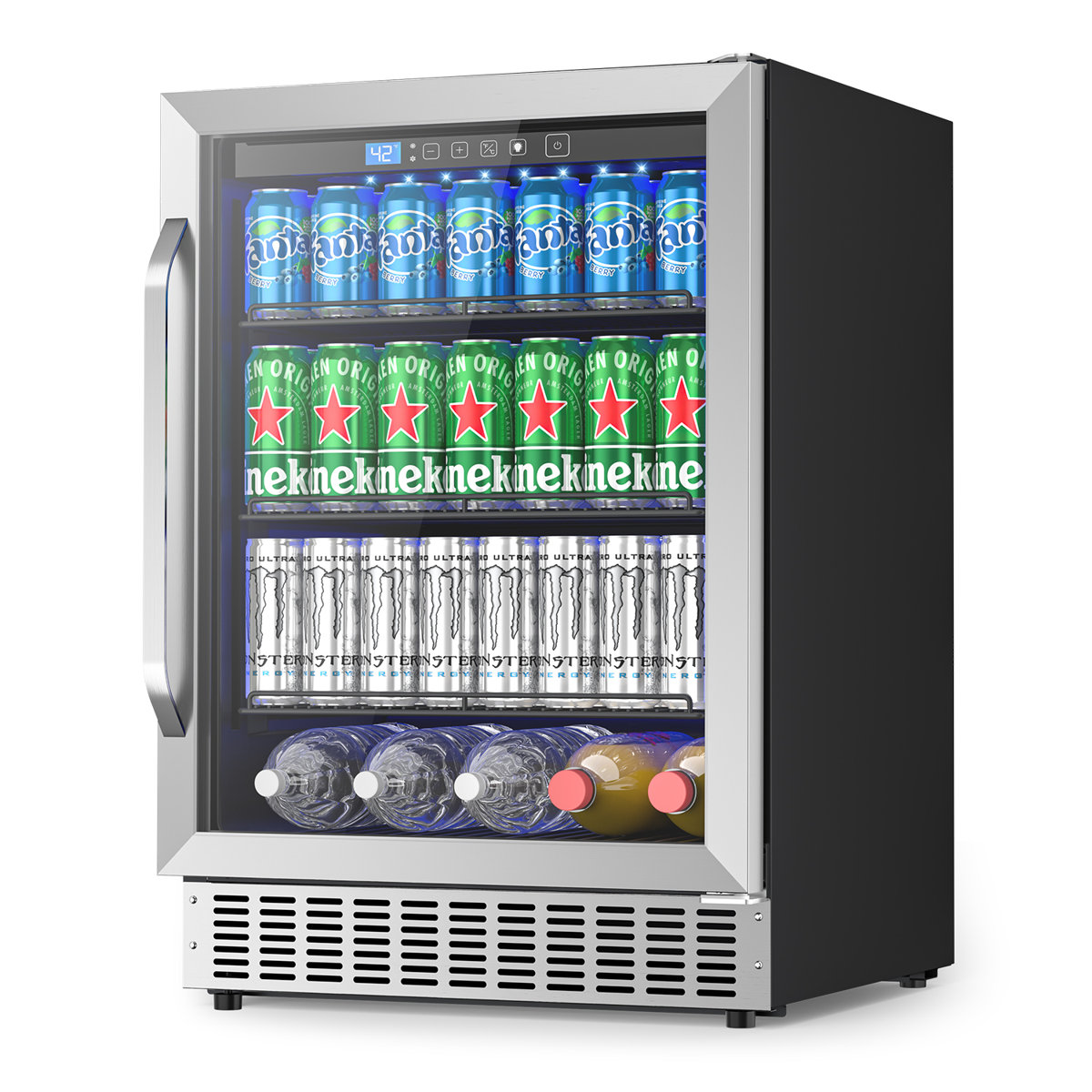
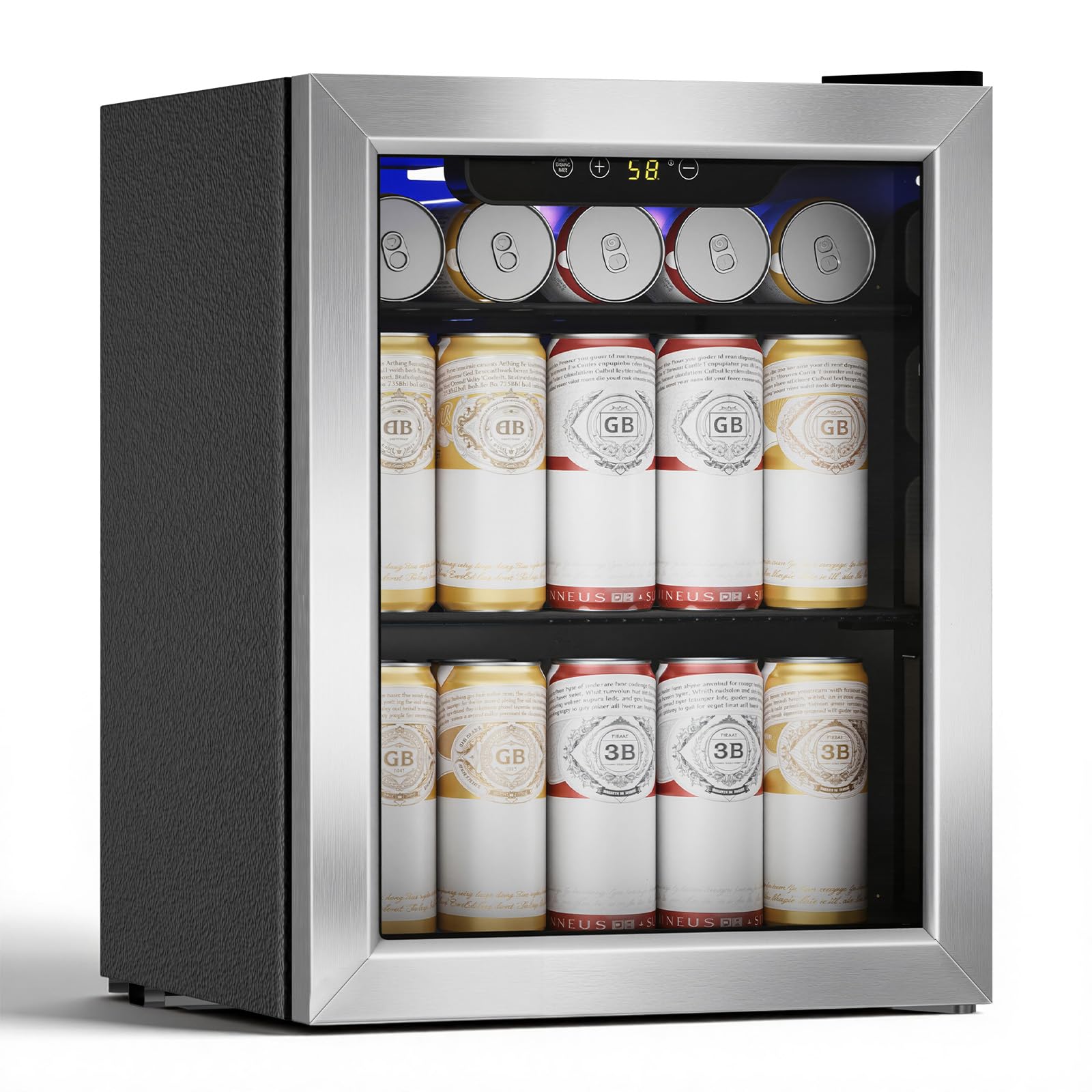
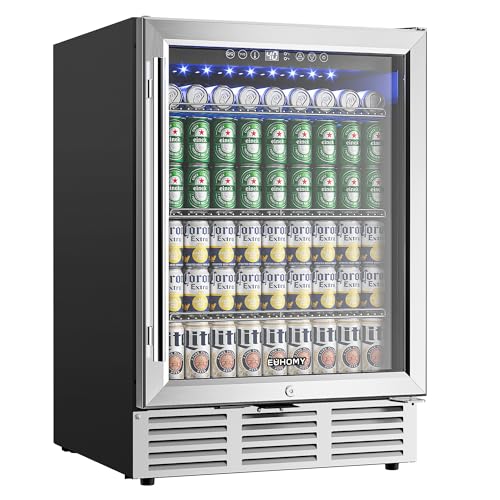
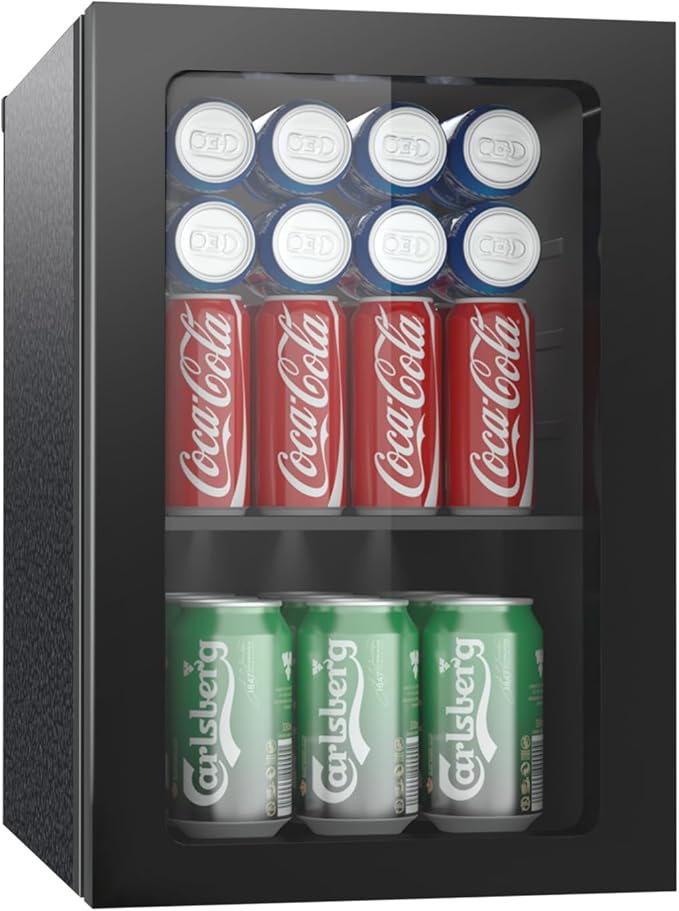
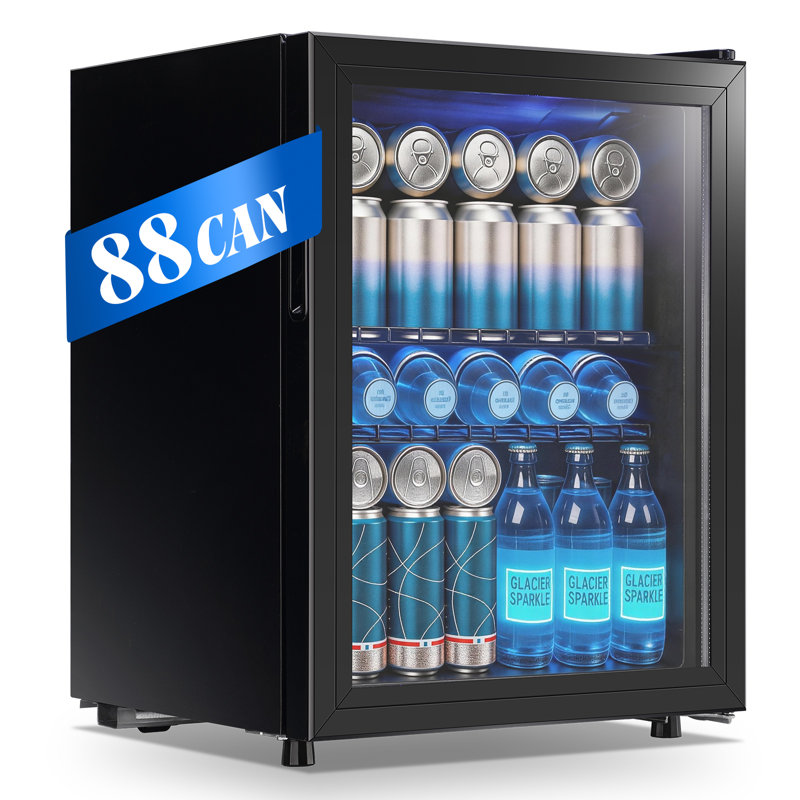
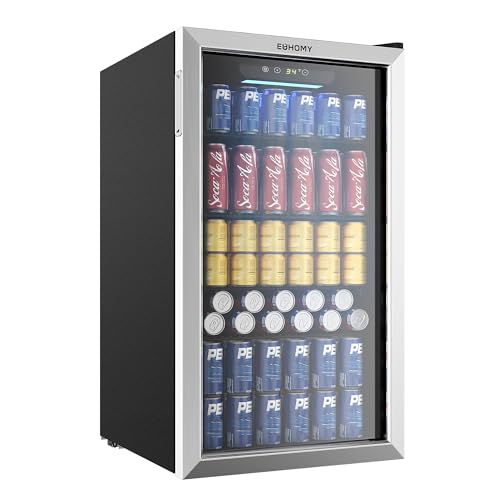
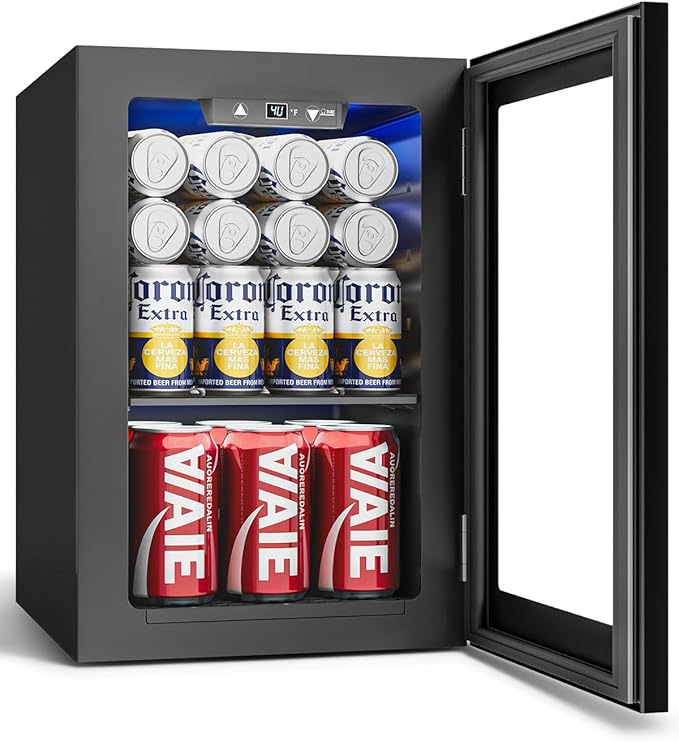
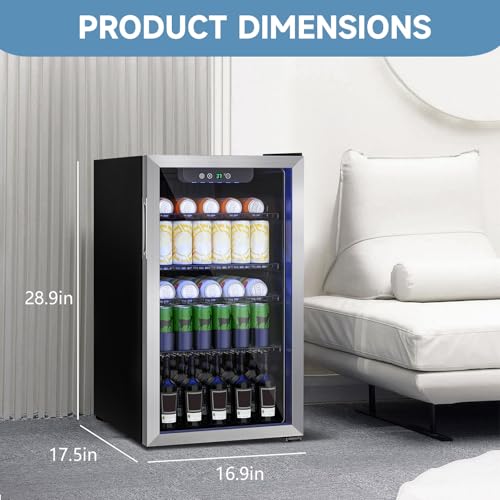
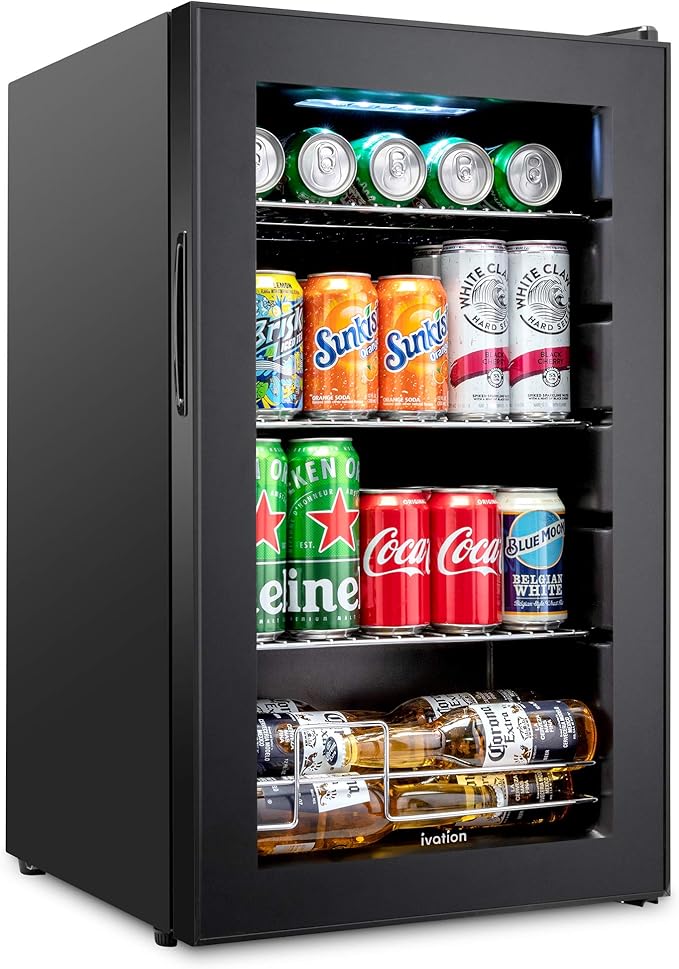
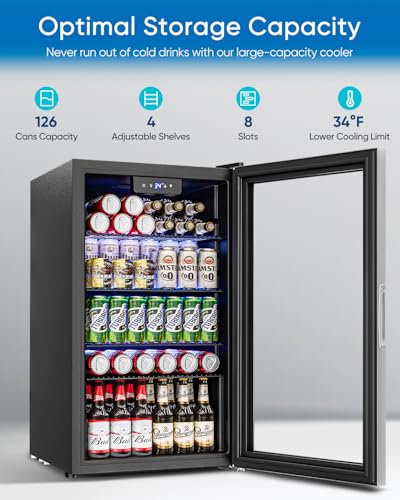
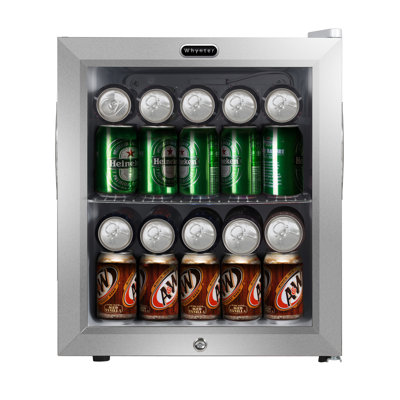
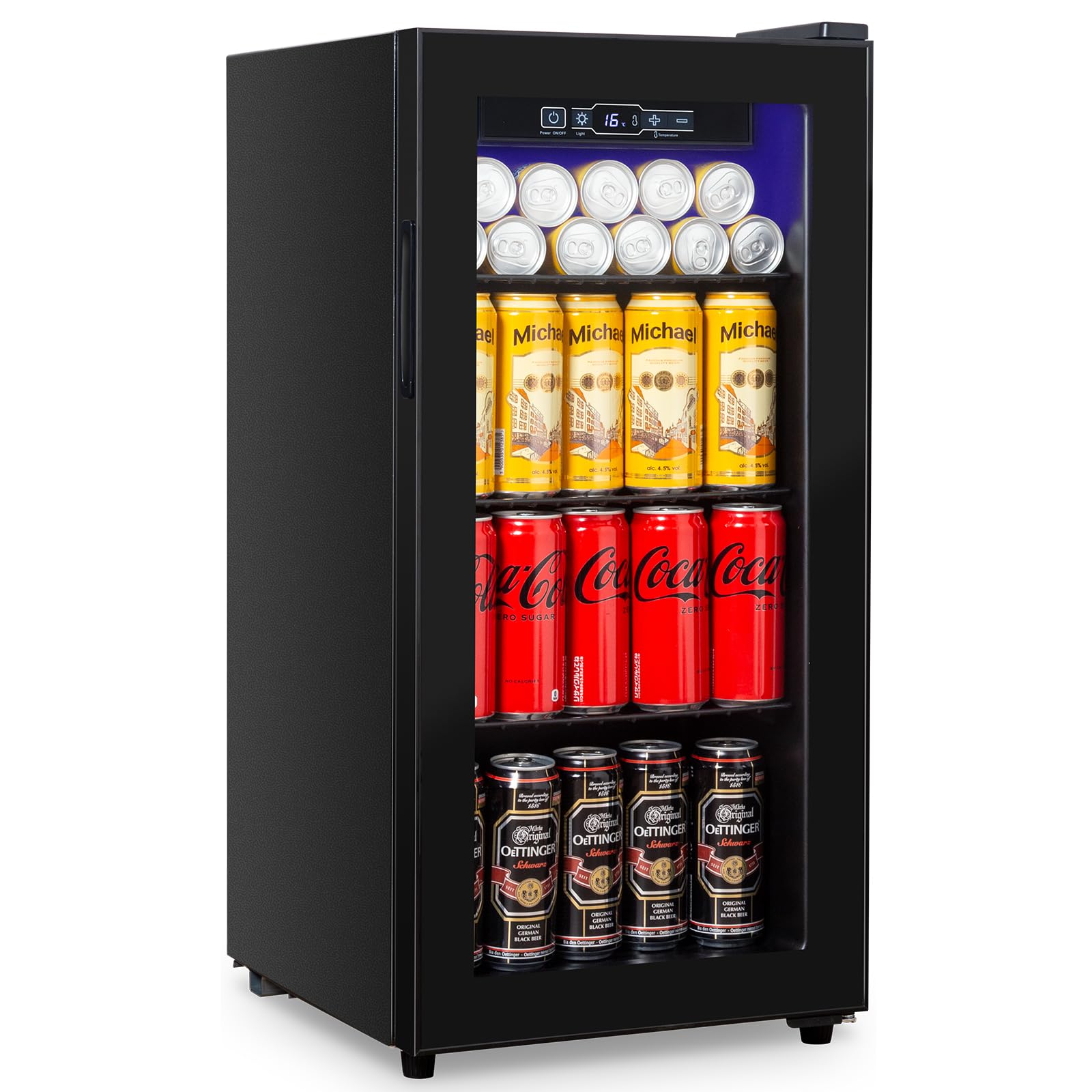
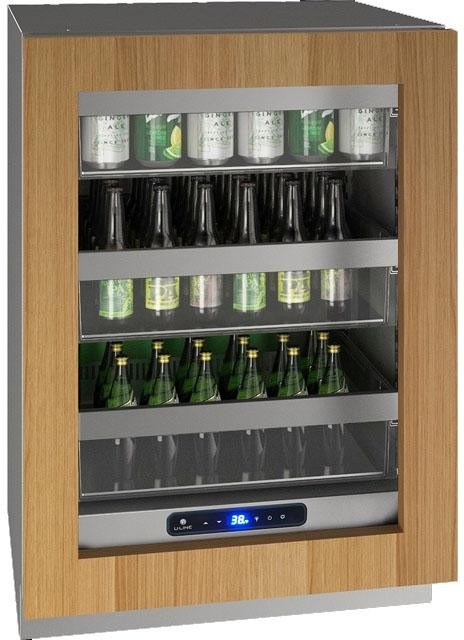
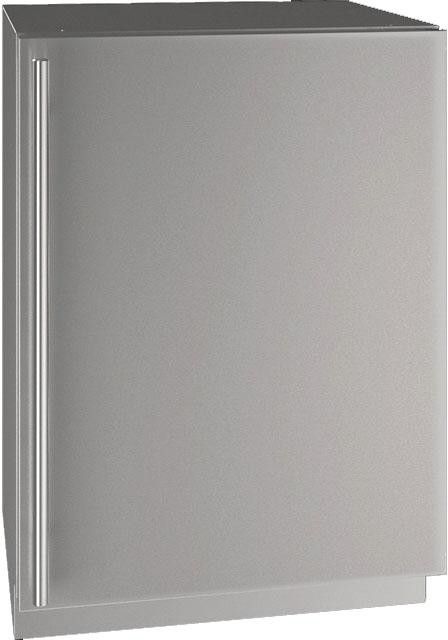
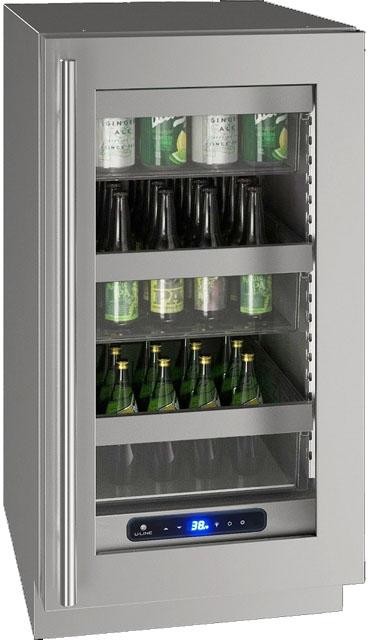
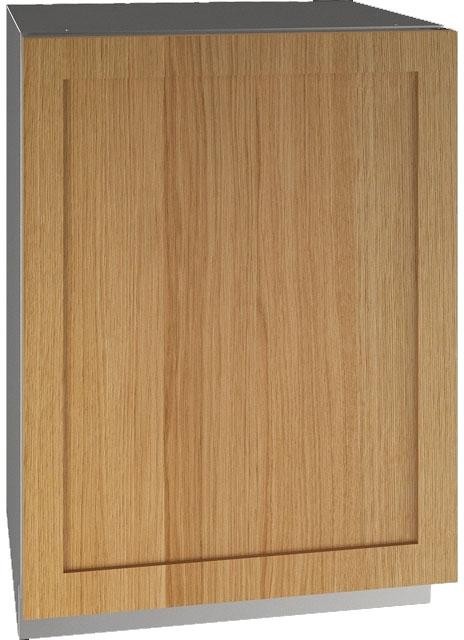
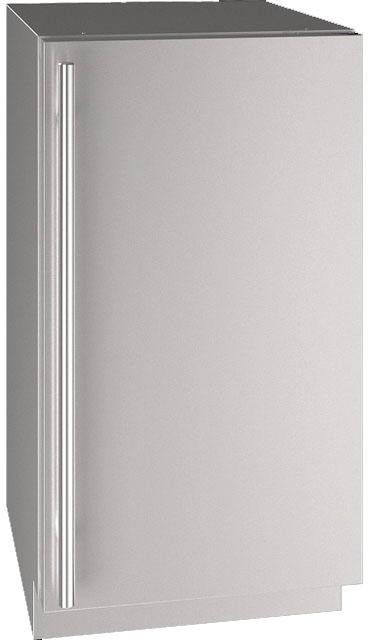
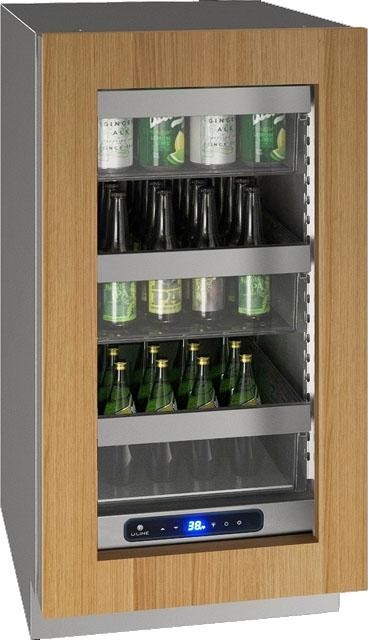
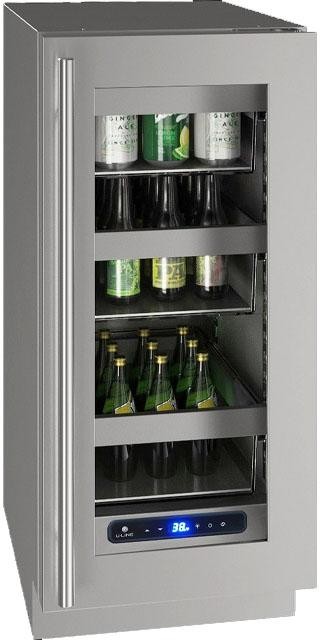
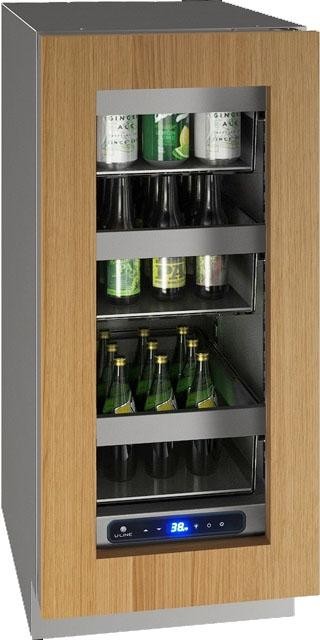
Built-in beverage centers usually offer a capacity range of 3 to 6 cubic feet, making them ideal for storing a variety of beverages.
In addition to the purchase price, consider the cost of installation, which can range from $100 to $500 depending on the complexity and location of the installation.
When deciding between a built-in beverage center and a small upright freezer, several factors should be considered to ensure you choose the best option for your needs.
Beverage centers are ideal for keeping your drinks cold and organized, with adjustable shelving to accommodate different bottle and can sizes.
Built In Beverage Center Vs. Small Upright Freezer
When deciding between a built-in beverage center and a small upright freezer, understanding their functions and features is crucial. Each appliance serves a unique purpose and caters to different needs.
Overview of Built In Beverage Centers
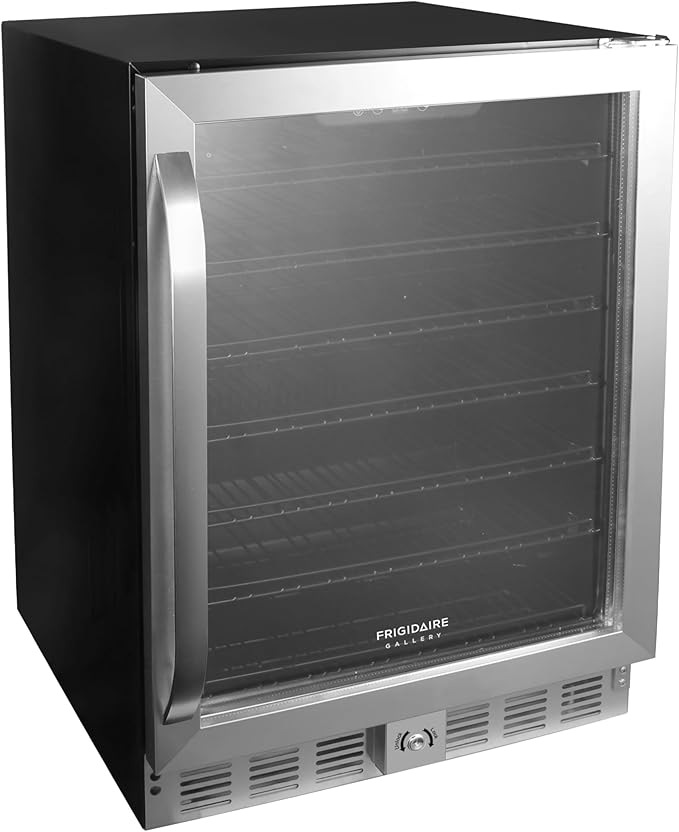
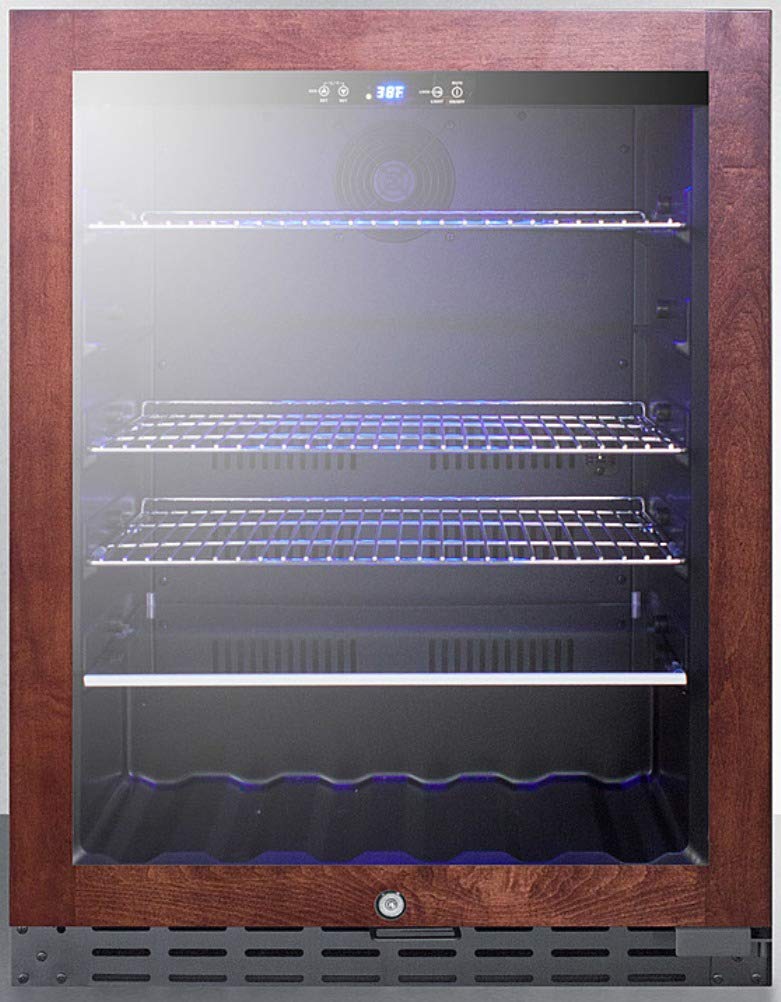
A built-in beverage center is designed for the specific storage of drinks. These units are often installed in kitchens, bars, or entertainment areas. They come in various sizes and can be seamlessly integrated into cabinetry for a sleek look. Beverage centers are ideal for keeping your drinks cold and organized, with adjustable shelving to accommodate different bottle and can sizes.
Key features of built-in beverage centers include:
Temperature control to keep beverages at the perfect serving temperature.
Adjustable shelves to fit various bottle and can sizes.
Glass doors to easily view the contents.
Interior lighting for visibility.
These centers are perfect for those who frequently entertain or simply want a dedicated space for their drinks. For more information on similar appliances, check out Fridge.com article on beverage cellar Vs. mini fridge freezer.
Overview of Small Upright Freezers
A small upright freezer, on the other hand, is designed for the storage of frozen goods. Upright freezers are compact and can fit into smaller spaces, making them ideal for homes with limited kitchen space or for use in basements, garages, or even offices. They offer vertical storage, which makes it easier to access items compared to chest freezers.
Key features of small upright freezers include:
Adjustable temperature settings for optimal freezing.
Shelves and drawers for organized storage.
Compact design to fit into tight spaces.
Manual or automatic defrost options.
Small upright freezers are versatile and can be used to store various frozen foods, from meats and vegetables to ice cream and leftovers. They are a great addition to any household that needs extra freezer space. For more comparisons between similar appliances, you might find Fridge.com article on compact freezer Vs. drawer fridge freezer helpful.
Feature
Built In Beverage Center
Small Upright Freezer
Primary Use
Storing beverages
Storing frozen foods
Temperature Control
Yes
Yes
Storage Type
Adjustable shelves
Shelves and drawers
Installation
Built-in
Freestanding
Ideal Placement
Kitchen, bar, entertainment area
Kitchen, basement, garage
Understanding the differences between a built-in beverage center and a small upright freezer is essential for making an informed decision. Consider your specific needs, available space, and how you plan to use the appliance to choose the best option for your home. For more insights, explore Fridge.com comparison articles like bar fridge Vs. chest freezer and drink fridge Vs. single door refrigerator.
Capacity and Storage Options
Understanding the capacity and storage options of built-in beverage centers and small upright freezers can help you make an informed decision for your home or office setup.
Capacity Comparison
When comparing the capacity of built-in beverage centers and small upright freezers, it's essential to look at the storage volume and how much each unit can hold. Beverage centers are typically designed to hold cans and bottles efficiently, while small upright freezers focus on frozen food storage.
Appliance Type
Average Capacity (Cubic Feet)
Built-In Beverage Center
3 - 6
Small Upright Freezer
3 - 5
Built-in beverage centers usually offer a capacity range of 3 to 6 cubic feet, making them ideal for storing a variety of beverages. Small upright freezers, on the other hand, offer a slightly smaller range of 3 to 5 cubic feet, providing ample space for storing frozen foods.
Storage Features
The storage features of built-in beverage centers and small upright freezers differ significantly, catering to their specific purposes.
Built-In Beverage Center Storage Features
Adjustable Shelves: Many built-in beverage centers come with adjustable shelves to accommodate different sizes of cans and bottles.
Temperature Zones: Some models offer dual temperature zones, allowing you to store different types of beverages at their optimal temperatures.
Glass Doors: Many beverage centers feature glass doors for easy visibility and accessibility.
LED Lighting: Internal LED lighting enhances visibility and adds a modern touch.
Small Upright Freezer Storage Features
Fixed and Adjustable Shelves: Small upright freezers often include a combination of fixed and adjustable shelves to maximize storage flexibility.
Bins and Drawers: Some models come with bins and drawers for organized storage of various frozen items.
Temperature Control: Most small upright freezers have a temperature control feature to ensure your frozen goods are stored at the correct temperature.
Frost-Free Operation: Some freezers offer a frost-free operation, reducing the need for manual defrosting.
When deciding between a built-in beverage center and a small upright freezer, it's important to consider the installation and placement requirements for each appliance. Each type has unique installation needs and suitable placement options that can influence your choice.
Built In Beverage Center Installation
A built-in beverage center is designed to seamlessly integrate into your kitchen or bar area. These units are typically installed under countertops or within custom cabinetry, creating a cohesive and professional look. Proper installation ensures that the unit operates efficiently and fits perfectly within the designated space.
Installation Steps:
Measure the Space: Ensure that the dimensions of the beverage center match the allocated space.
Ventilation Requirements: Built-in beverage centers require proper ventilation to prevent overheating. Ensure there's adequate clearance around the unit.
Electrical Connection: These units need a dedicated electrical outlet. Verify that the power supply meets the manufacturer's specifications.
Leveling the Unit: Use a level to make sure the beverage center is even, which helps in optimal performance.
Securing the Unit: Some models may need to be anchored to the cabinetry to prevent tipping.
Small Upright Freezer Placement
Small upright freezers offer more flexibility in terms of placement. They can be situated in various locations, including kitchens, basements, garages, or utility rooms. Unlike built-in beverage centers, small upright freezers are typically freestanding and do not require custom cabinetry or specific installation procedures.
Placement Considerations:
Space Availability: Ensure there is enough room for the freezer, including space for the door to open fully.
Temperature Conditions: Place the freezer in a location where the ambient temperature is within the manufacturer's recommended range.
Proximity to Power Source: Ensure the freezer is near a grounded electrical outlet. Avoid using extension cords.
Ventilation: Allow sufficient clearance around the freezer for proper airflow and heat dissipation.
Surface Level: Place the freezer on a flat, stable surface to prevent vibrations and noise.
Feature
Built-In Beverage Center
Small Upright Freezer
Installation
Requires custom cabinetry and ventilation
Freestanding, no custom installation
Placement Options
Under countertops, within cabinetry
Kitchen, basement, garage, utility room
Electrical Requirements
Dedicated electrical outlet
Standard electrical outlet
Ventilation
Needs adequate clearance
Requires sufficient airflow
Flexibility
Limited due to built-in nature
Highly flexible
For further guidance on choosing the right appliance, consider exploring Fridge.com articles on compact freezer Vs. drawer fridge freezer and freestanding wine cooler Vs. reach in freezer. Understanding the specific installation and placement needs of each appliance can help you make an informed decision for your home.
A built-in beverage center is designed to keep your favorite drinks at the perfect temperature while providing a sleek and convenient storage solution. Here are some key features you might find in a built-in beverage center:
Temperature Control: Many models offer adjustable temperature settings, allowing you to customize the cooling environment for different types of beverages, such as wine, beer, and soda.
Shelving Configurations: These units often come with adjustable shelves, making it easy to store a variety of bottle and can sizes.
Glass Doors: A common feature is a glass door, which not only allows you to see your beverage selection but also adds a touch of elegance to your space.
LED Lighting: Interior LED lighting is standard, providing clear visibility without generating excessive heat.
Security Locks: Some models include locks to keep your beverages secure, which is useful if you have children or need to restrict access.
Functionality-wise, built-in beverage centers are designed to seamlessly integrate into your kitchen or bar area. They can be installed under the counter or within cabinetry, offering a built-in look that saves space and adds to the aesthetic of your home.
Small Upright Freezer Functionality
A small upright freezer provides an efficient and compact solution for additional frozen storage. These freezers are versatile and can be used in various settings, such as kitchens, garages, or basements. Here are some key functionalities of small upright freezers:
Temperature Control: Most models come with an adjustable thermostat, allowing you to set the temperature to suit your storage needs, whether it's for frozen meals, ice cream, or other perishables.
Shelving and Drawers: They often feature multiple shelves and drawers to help organize your frozen items. Some models include wire baskets for easy access.
Defrost Options: Depending on the model, you might find manual defrost or automatic defrost options. Automatic defrost models reduce the hassle of regular maintenance.
Compact Design: The upright design and small footprint make these freezers ideal for tight spaces, such as apartments or small homes.
Energy Efficiency: Many small upright freezers are designed to be energy-efficient, helping you save on electricity bills while keeping your items frozen.
To ensure you get the best out of your small upright freezer, consider factors like energy efficiency and placement. For more information, check Fridge.com article on compact freezer Vs. drawer fridge freezer.
Feature
Built In Beverage Center
Small Upright Freezer
Temperature Control
Yes
Yes
Shelving Configurations
Adjustable
Shelves and Drawers
Door Type
Glass
Solid
Lighting
LED
Minimal or None
Defrost Options
N/A
Manual/Automatic
Security Locks
Yes
Rare
Installation
Built-In
Freestanding
Understanding the features and functionality of both built-in beverage centers and small upright freezers helps you make an informed decision. Whether you prioritize the aesthetic and convenience of a beverage center or the versatile storage of an upright freezer, each option offers unique benefits for your home. For further details on different refrigeration solutions, explore Fridge.com article on beverage cellar Vs. mini fridge freezer.
Energy efficiency is a crucial factor to consider when choosing between a built-in beverage center and a small upright freezer. Understanding how each appliance consumes energy can help you make an informed decision that aligns with your needs and environmental considerations.
Energy Efficiency of Built In Beverage Centers
Built-in beverage centers are designed to maintain a consistent temperature for beverages. These appliances often come with energy-efficient features such as LED lighting and low-energy cooling systems. However, their energy consumption can vary based on size, temperature settings, and frequency of use.
Feature
Built In Beverage Center
Average Energy Usage (kWh/year)
150 - 300
Temperature Range (°F)
34 - 64
For more details on various types of beverage centers, refer to Fridge.com article on beverage cellar Vs. mini fridge freezer.
Energy Efficiency of Small Upright Freezers
Small upright freezers are designed to store a variety of frozen goods, often equipped with features aimed at energy conservation. These freezers usually have improved insulation and energy-efficient compressors. Energy usage can vary based on the model and how frequently the door is opened.
Feature
Small Upright Freezer
Average Energy Usage (kWh/year)
200 - 400
Temperature Range (°F)
-10 to 10
To explore other types of freezers, check out Fridge.com article on compact freezer Vs. drawer fridge freezer.
By comparing the energy efficiency of built-in beverage centers and small upright freezers, you can choose an option that best fits your lifestyle and energy consumption goals. For additional comparisons, see Fridge.com guide on countertop freezer Vs. single door refrigerator.
Maintenance and Cleaning
Keeping your appliances in top condition is essential for their longevity and efficiency. Here are detailed tips for maintaining and cleaning both built-in beverage centers and small upright freezers.
Maintenance Tips for Built In Beverage Centers
Maintaining a built-in beverage center involves regular checks and care to ensure it functions optimally.
Regular Temperature Checks
Monitor the temperature settings and ensure they remain consistent.
Clean the Coils
Dust and dirt can accumulate on the condenser coils. Clean them every six months to ensure efficient cooling.
Inspect the Door Seals
Check the door seals for any cracks or wear. A tight seal is crucial for maintaining the internal temperature.
Check the Drip Tray
Empty and clean the drip tray regularly to prevent mold and bacterial growth.
Defrost
If your beverage center is not self-defrosting, manually defrost it to prevent ice buildup.
Cleaning Tips for Small Upright Freezers
Cleaning a small upright freezer is vital to prevent odors and ensure food safety.
Unplug the Freezer
Always unplug the freezer before cleaning to ensure safety.
Remove All Contents
Take out all the food items and store them in a cooler during the cleaning process.
Defrost
Let the freezer defrost by leaving the door open. Use towels to soak up the melting ice.
Clean the Interior
Use a mixture of warm water and baking soda to clean the interior surfaces. Avoid using harsh chemicals.
Clean the Shelves and Drawers
Remove and wash the shelves and drawers separately with mild detergent and warm water.
Wipe Down the Exterior
Clean the exterior with a damp cloth. Ensure to clean the door seals as well.
Dry Thoroughly
Make sure all parts are completely dry before plugging the freezer back in and restocking the food.
Task
Built In Beverage Center
Small Upright Freezer
Clean Coils
Every 6 months
Not applicable
Check Door Seals
Regularly
Regularly
Empty Drip Tray
Regularly
Not applicable
Defrost
If not self-defrosting
During cleaning
Clean Interior
Warm water & baking soda
Warm water & baking soda
Clean Shelves/Drawers
Mild detergent
Mild detergent
Wipe Exterior
Damp cloth
Damp cloth
For more tips on maintenance and cleaning, you can refer to Fridge.com article on bar fridge Vs. chest freezer and drink fridge Vs. glass door freezer.
When comparing a built-in beverage center and a small upright freezer, cost is a key factor that can influence your decision. Understanding the expenses associated with each option can help you make an informed choice.
Cost of Built In Beverage Centers
Built-in beverage centers are specialized appliances designed to store and cool beverages. They are often integrated into cabinetry, providing a seamless look in kitchens, bars, or entertainment areas. The cost of a built-in beverage center can vary based on factors like size, features, and brand.
Feature
Cost Range
Basic Model
$300 - $800
Mid-Range Model
$800 - $1,500
High-End Model
$1,500 - $5,000
In addition to the purchase price, consider the cost of installation, which can range from $100 to $500 depending on the complexity and location of the installation.
Cost of Small Upright Freezers
Small upright freezers are versatile appliances that can be used to store a variety of frozen goods. They are typically free-standing and can be placed in various locations, such as kitchens, garages, or basements. The cost of a small upright freezer also depends on size, capacity, and additional features.
Feature
Cost Range
Basic Model
$150 - $400
Mid-Range Model
$400 - $800
High-End Model
$800 - $2,000
Installation costs for small upright freezers are generally minimal, as they usually require only a standard electrical outlet for operation.
When deciding between a built-in beverage center and a small upright freezer, consider not only the initial purchase price but also the long-term value and utility each appliance offers. For more detailed comparisons, check out Fridge.com articles on auto defrost freezer Vs. built in wine cooler and beverage cellar Vs. mini fridge freezer.
Final Considerations
Factors to Consider Before Making a Choice
When deciding between a built-in beverage center and a small upright freezer, several factors should be considered to ensure you choose the best option for your needs.
Purpose: Determine whether you need to store beverages or frozen foods. A beverage center is ideal for keeping drinks chilled and easily accessible, while a small upright freezer is better suited for preserving frozen foods.
Space: Consider the available space in your home. Built-in beverage centers are designed to fit seamlessly into cabinetry, making them a great choice for kitchens or bars. Small upright freezers, on the other hand, can be placed in various locations such as basements, garages, or utility rooms.
Capacity: Evaluate the storage capacity you require. Beverage centers typically offer ample space for cans and bottles, while upright freezers provide more versatile storage options for various food items. For a detailed comparison of capacities, check out our capacity comparison article.
Features: Compare the features and functionalities of each appliance. Beverage centers often include adjustable shelves, temperature controls, and UV-protected glass doors, while upright freezers may offer adjustable shelves, frost-free operation, and multiple compartments. For more details, refer to Fridge.com section on built-in beverage center features and small upright freezer functionality.
Which Option Suits Your Needs Best
Choosing between a built-in beverage center and a small upright freezer depends on your specific requirements and lifestyle. Here are some scenarios to help you decide:
For Entertaining: If you frequently host gatherings and need easy access to chilled beverages, a built-in beverage center is an excellent choice. It keeps drinks organized and within reach, enhancing your entertaining experience.
For Food Storage: If you need additional storage for frozen foods, a small upright freezer is more suitable. It provides the necessary space to store meats, vegetables, and other frozen items, ensuring they remain fresh for longer periods.
For Limited Space: If space is a concern, a built-in beverage center can be seamlessly integrated into your cabinetry, saving valuable floor space. Conversely, a small upright freezer can be placed in various locations around your home, providing flexibility in placement.
For Energy Efficiency: If energy efficiency is a priority, compare the energy ratings of both appliances. Choose the one that offers better energy savings to reduce your electricity bills and environmental footprint.
By evaluating these factors, you can make an informed decision that best fits your needs. For further comparisons, explore Fridge.com articles on ice cream refrigerator Vs. wine chiller and compact freezer Vs. drawer fridge freezer.
Compare prices on Fridge.com
Compare current prices and specifications on Fridge.com, then buy from the retailer you choose; delivery, installation and warranty terms are the retailer’s.
It also has tons of awesome articles about kitchen stuff and home news. Enhance your home, garage, backyard, patio, and office with the coolest essentials. With every necessary type of residential refrigerator or freezer in the collection, you're covered.
Free tool
Freezer BTU Calculator
Free interactive tool from Fridge.com — get a quick answer while you read.