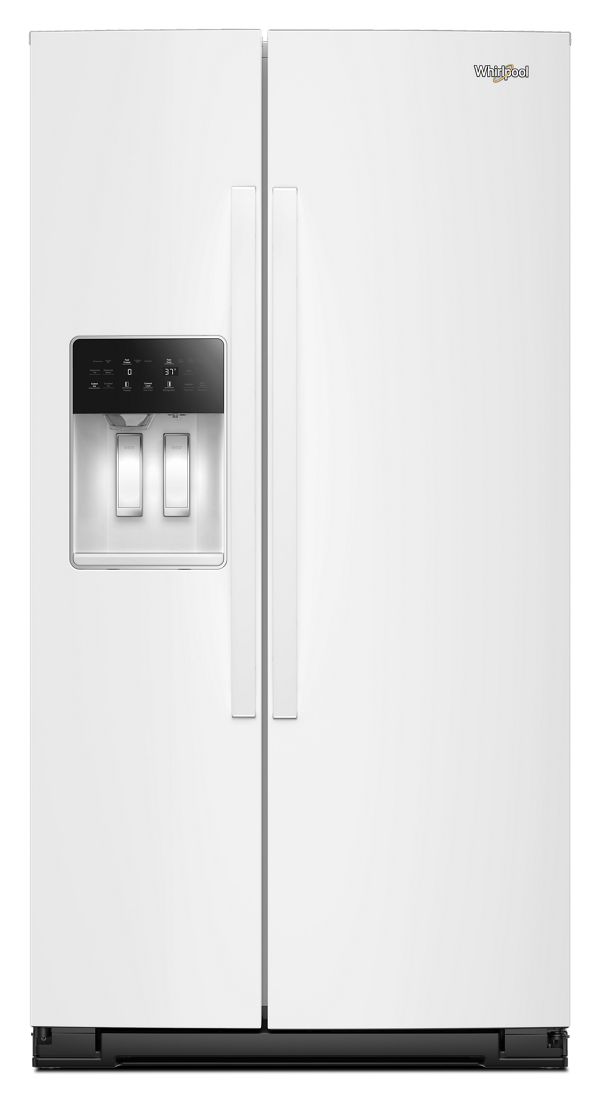
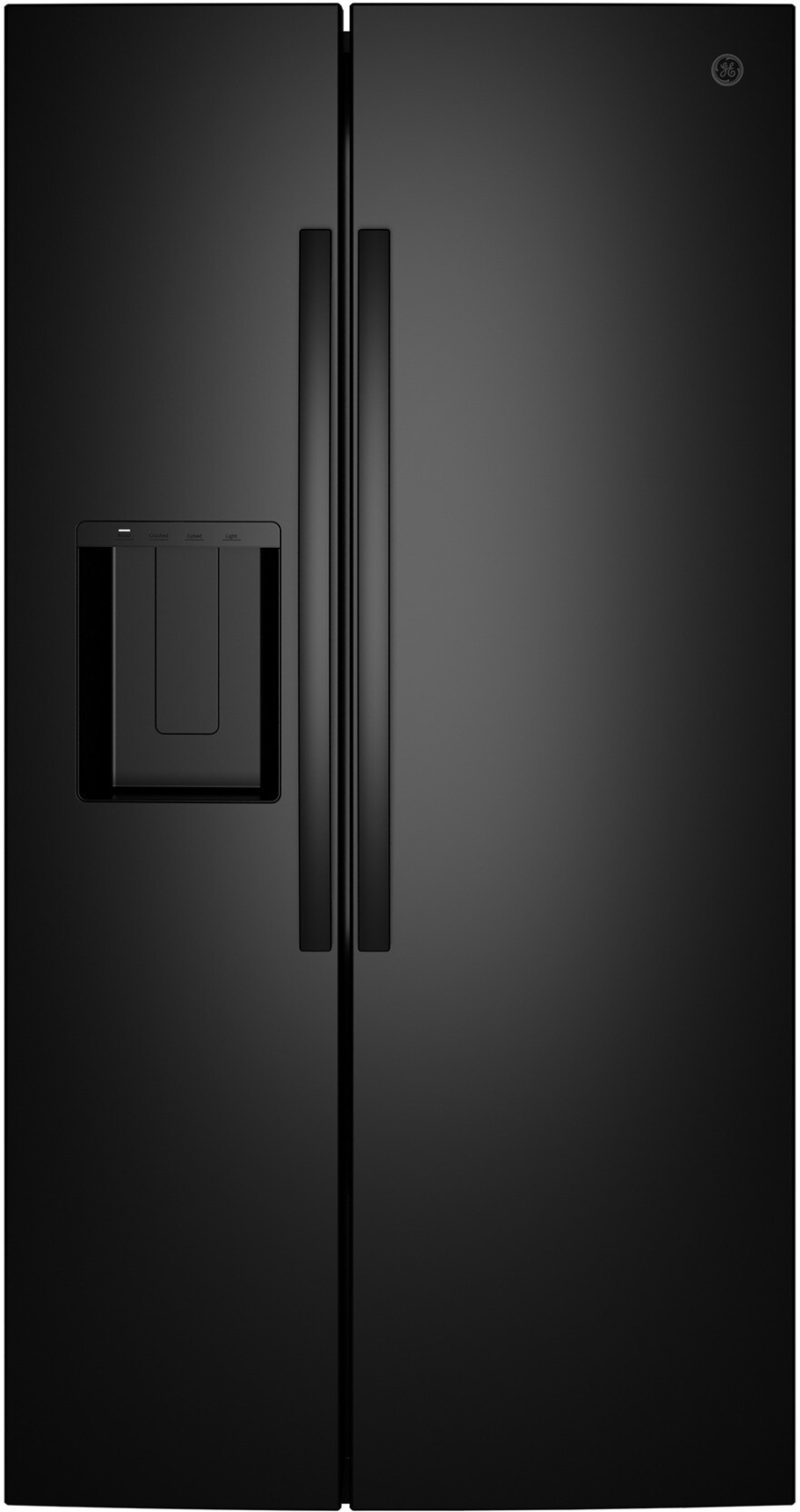
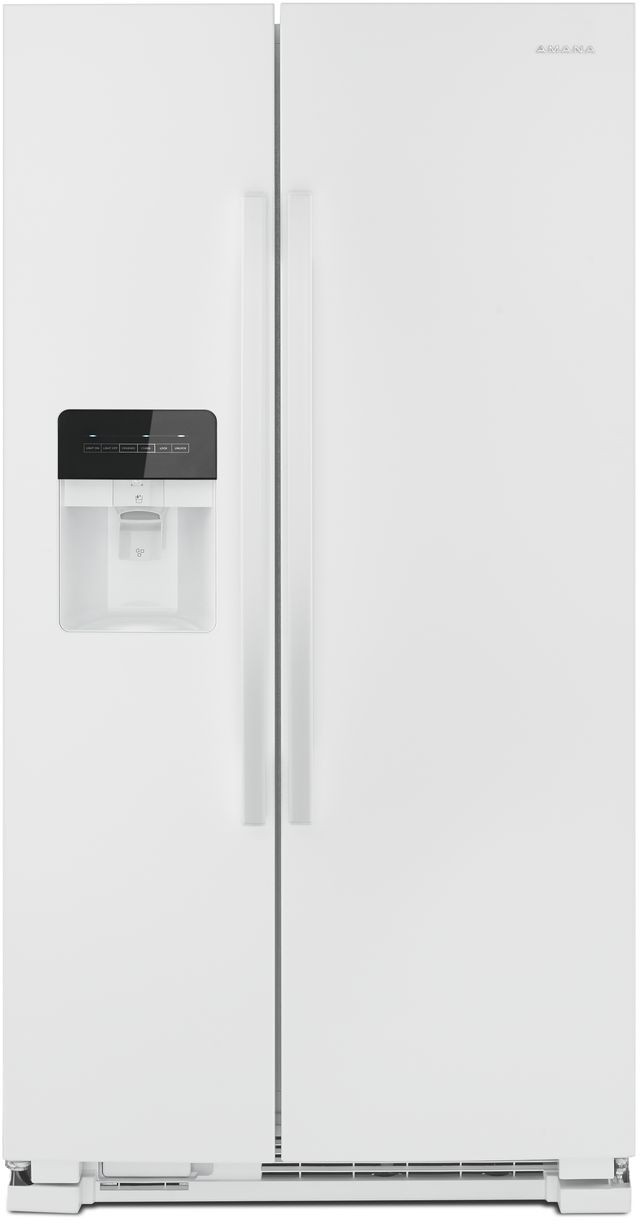
Retro blue models from Smeg ($1,800 to $2,500), Big Chill ($3,000 to $5,000), and Unique ($800 to $1,500) are the most prominent options.
Silver side-by-side refrigerators from major brands carry Energy Star certification and use 400 to 650 kWh annually.
Modern compressor technology and insulation keep operating costs at $50 to $85 per year.
Others use older-style technology with higher energy consumption — 350 to 550 kWh for a 10 to 12 cubic foot retro model, which is high relative to the capacity.
A blue refrigerator and a silver side-by-side refrigerator represent two different dimensions of the appliance decision — color finish and door configuration. A blue fridge is a color choice available across multiple configurations (French door, top freezer, retro single door). A silver side-by-side is a configuration choice (two full-height doors splitting the fridge and freezer vertically) in the most common metallic finish. Comparing them means evaluating design boldness against universal practicality across finish, layout, and kitchen compatibility.
The Blue Refrigerator
Blue refrigerators are statement appliances. Available in shades from powder blue to navy, cobalt to teal, they inject personality into kitchens that standard stainless, black, and white finishes cannot. The blue refrigerator category includes retro-styled models (Smeg, Big Chill, Unique) with rounded corners and chrome handles, modern custom-color models from brands that offer bespoke finishes, and bold accent pieces designed to serve as the visual centerpiece of the kitchen.
Blue fridges range from compact retro units (7 to 12 cubic feet) to full-size models (18 to 22 cubic feet). The configuration varies — single door, bottom freezer, and French door layouts are all available in blue from different manufacturers. Retro single-door models in blue are the most common and recognizable.
The Silver Side-by-Side Refrigerator
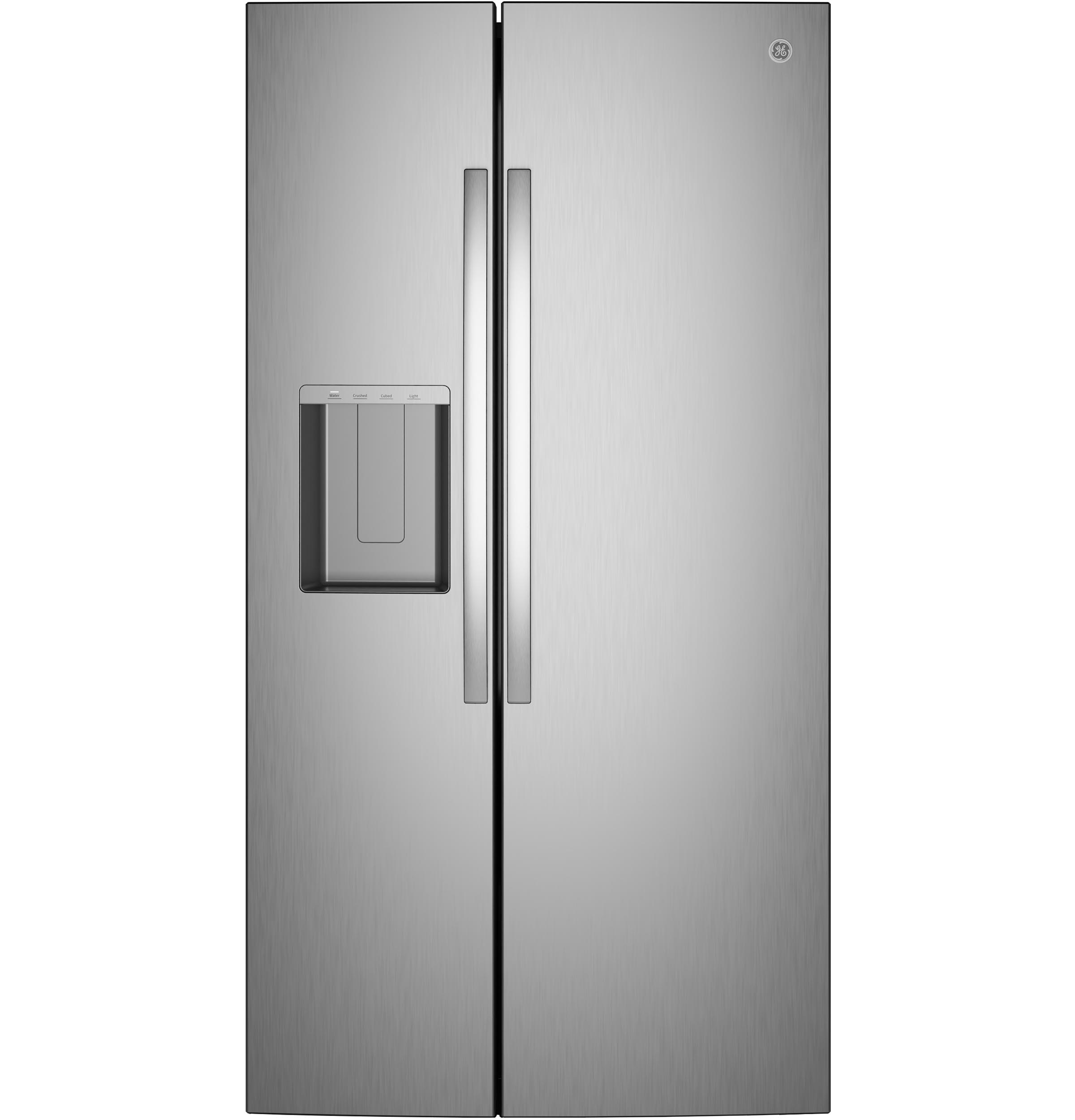
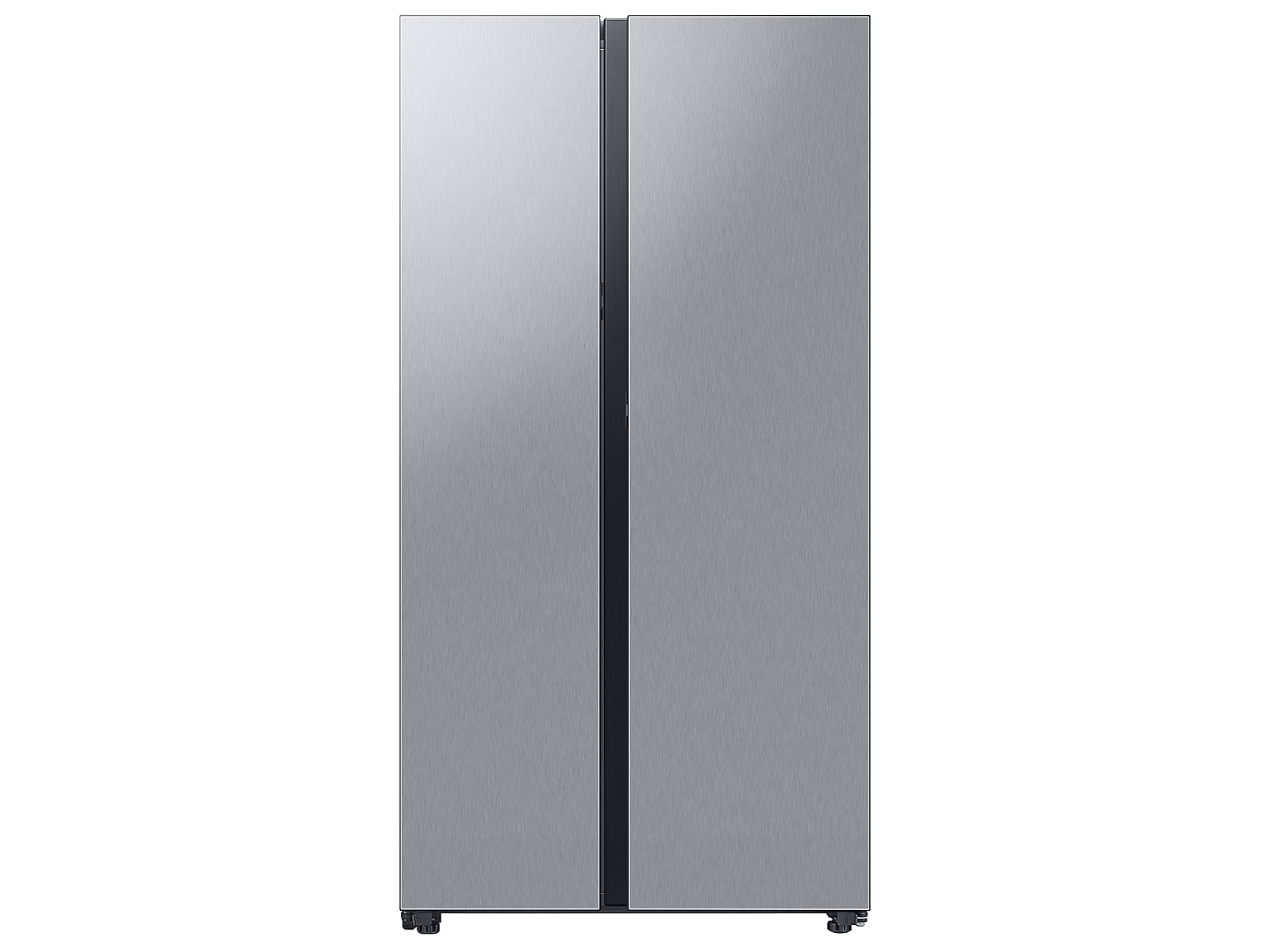
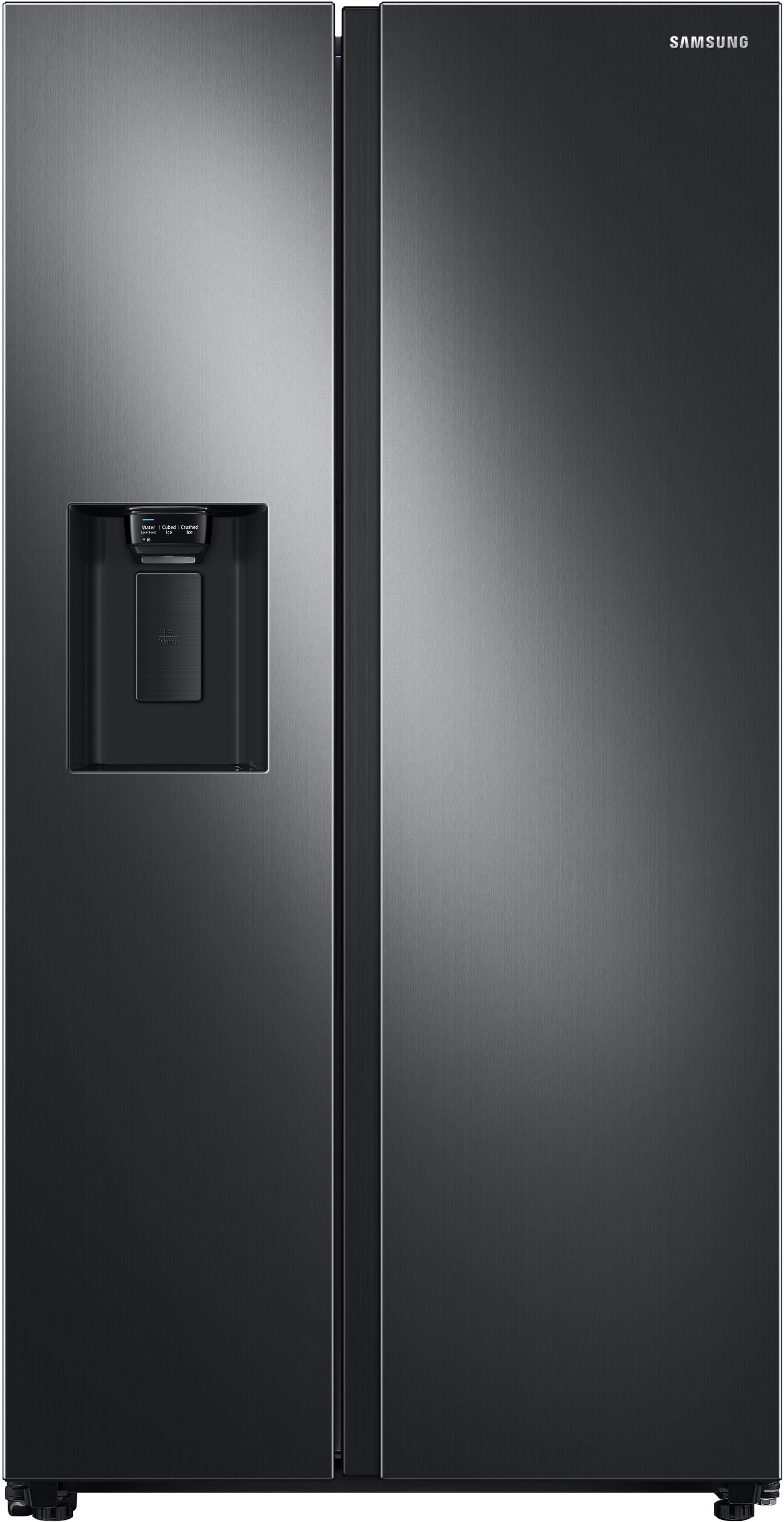
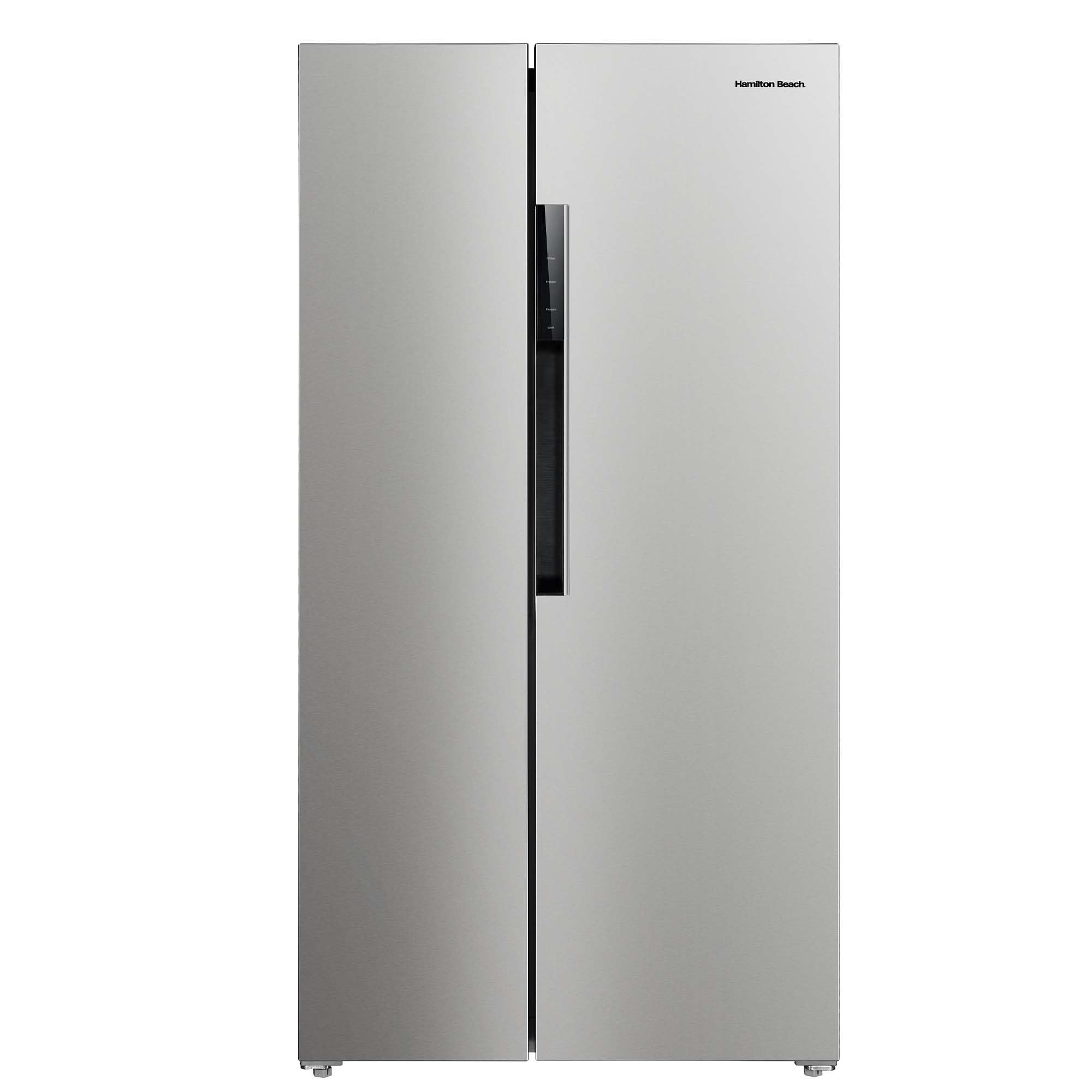
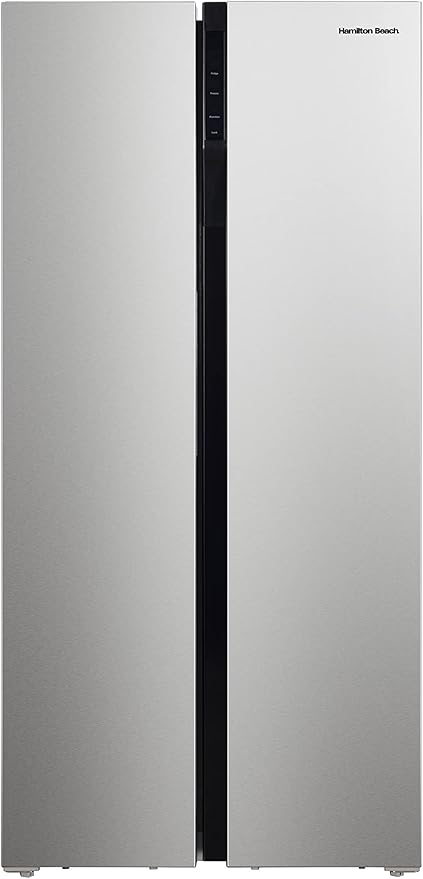
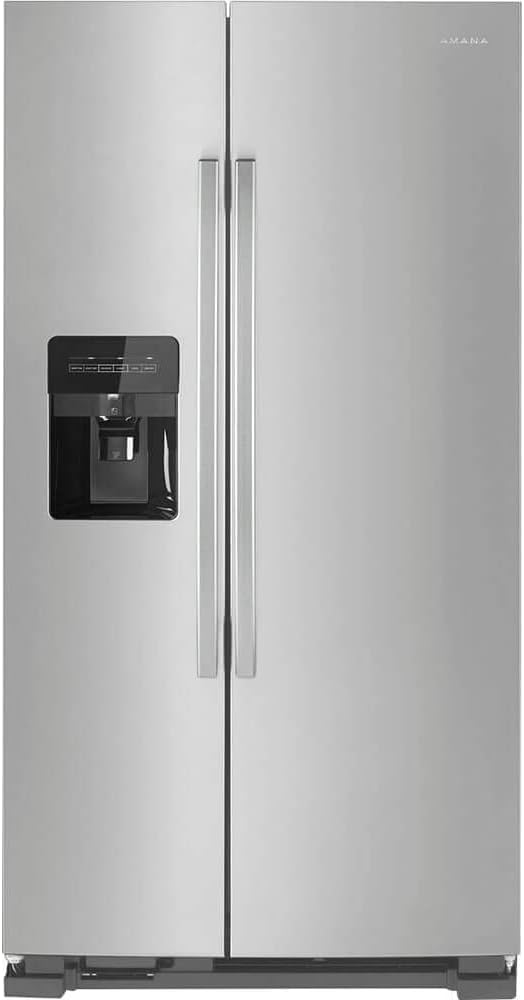
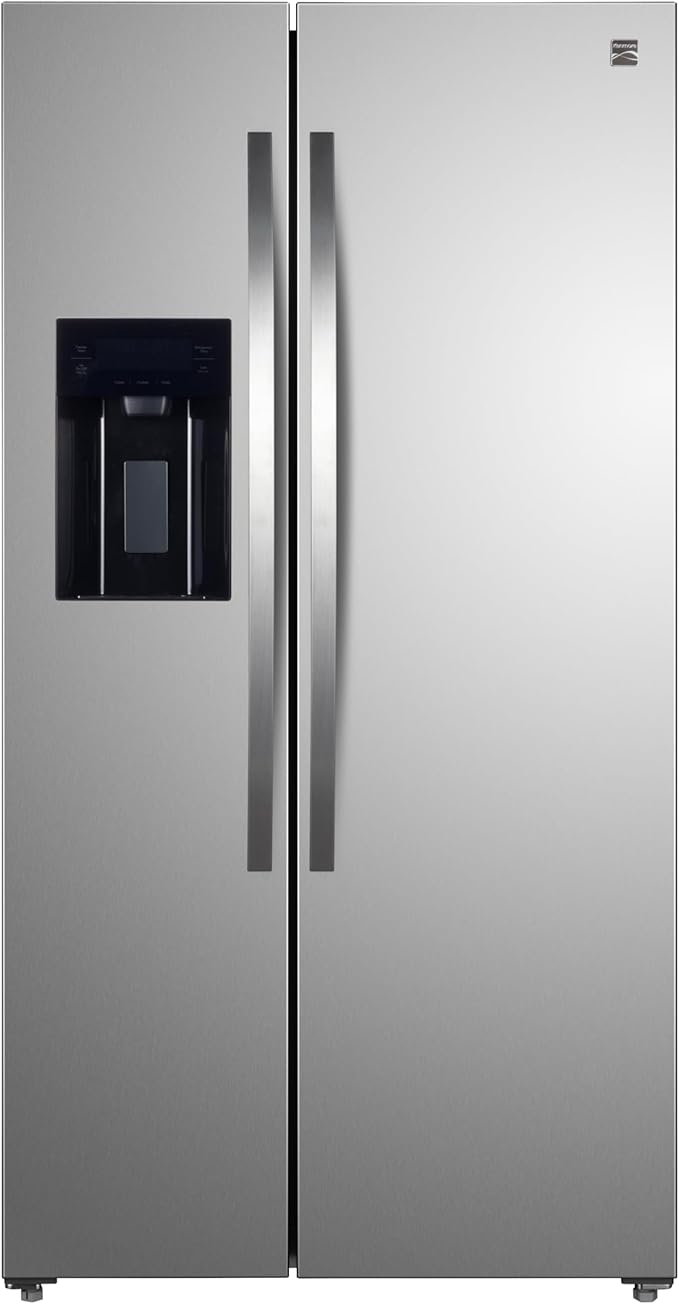
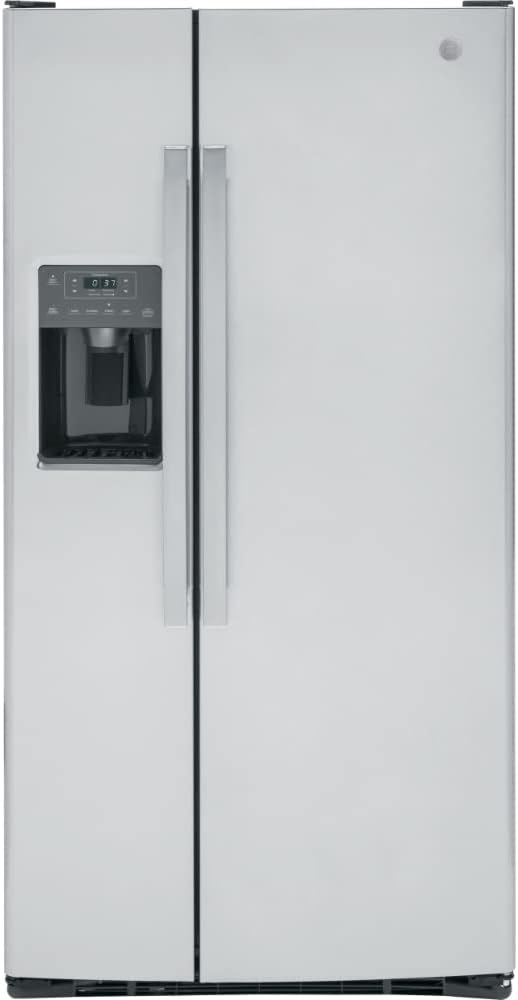
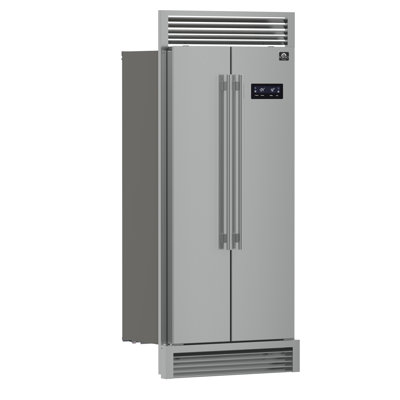
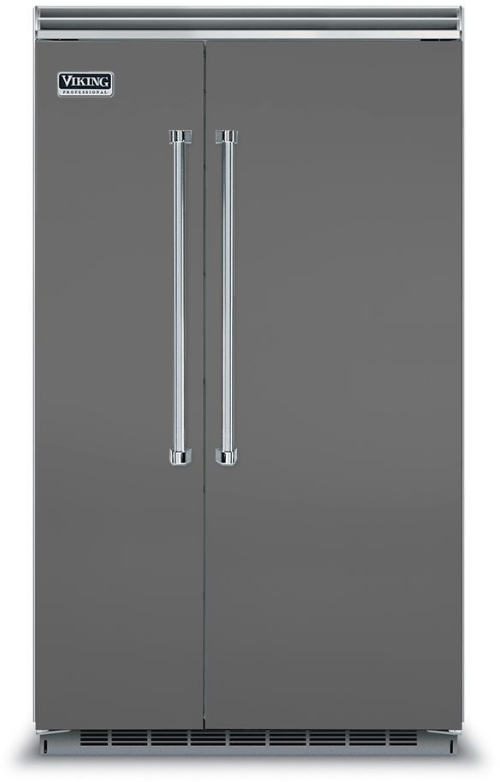
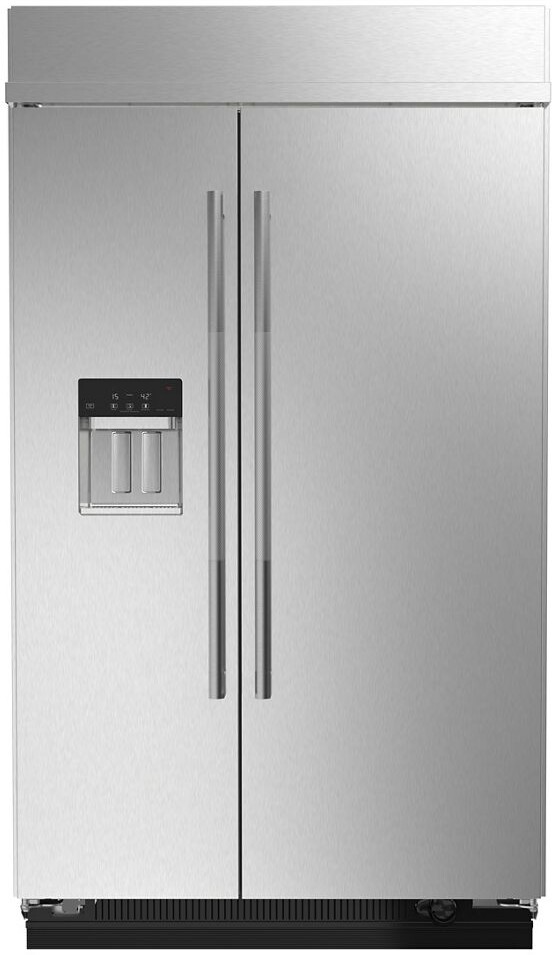
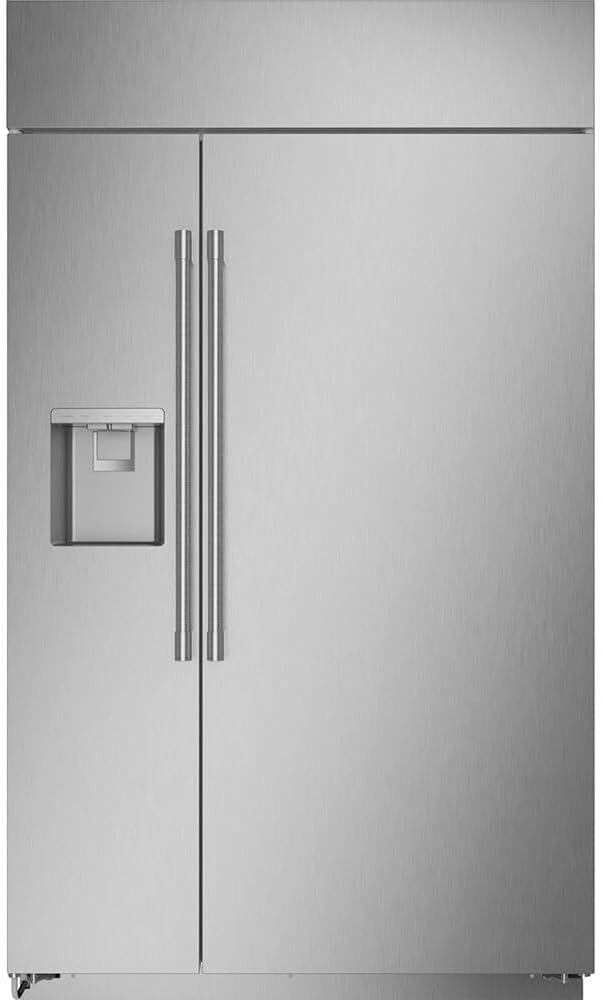
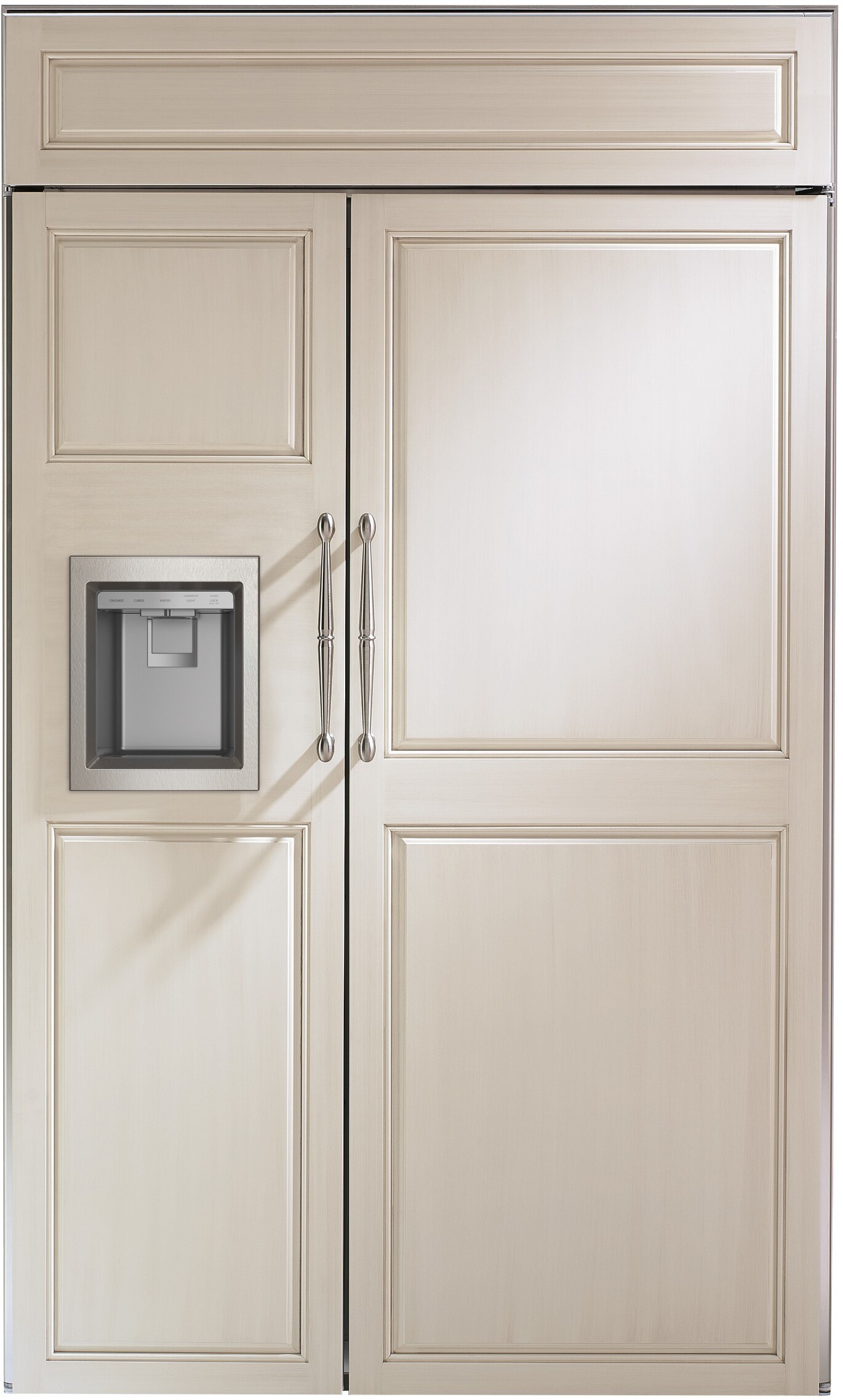
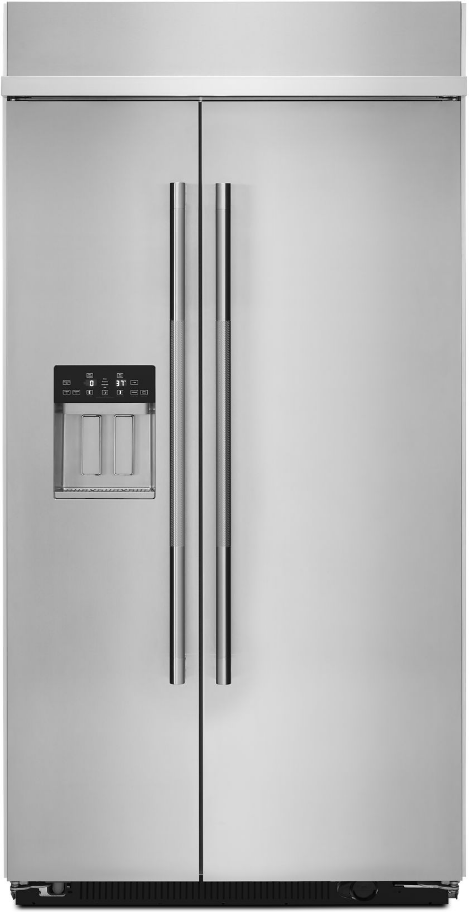
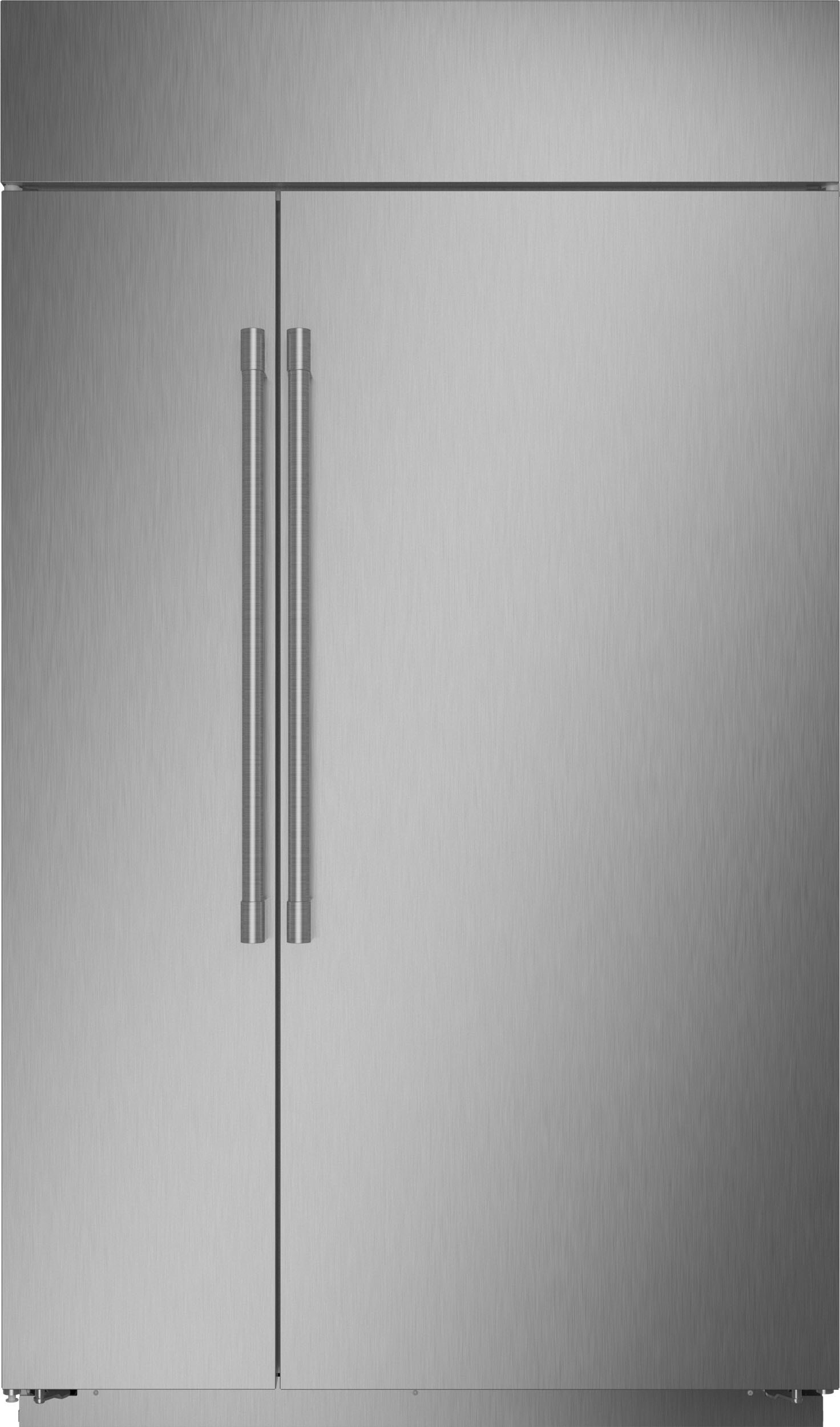
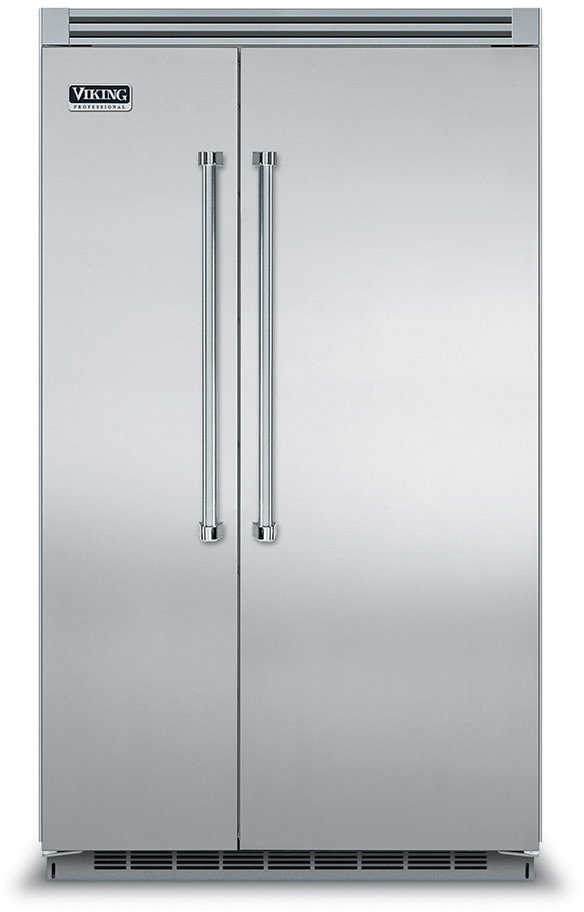
A silver side-by-side refrigerator is a full-size fridge with two vertical doors — fridge on the right, freezer on the left, both running the full height of the unit. Silver refers to the standard stainless steel or silver metallic finish that accounts for the majority of refrigerator sales. Capacity ranges from 20 to 27 cubic feet. Every major brand — Samsung, LG, GE, Whirlpool, Frigidaire, KitchenAid — offers multiple side-by-side models in silver/stainless finishes.
The side-by-side layout provides equal access to fridge and freezer sections at eye level. Narrow doors need less clearance to open, making this configuration ideal for kitchens with limited swing space. The freezer section is accessible without bending — a practical advantage for households that access frozen items frequently.
A blue refrigerator transforms a kitchen. It becomes the conversation piece, the Instagram backdrop, the design element that guests notice and remember. In white, neutral, or wood-toned kitchens, a blue fridge provides a pop of color that elevates the space from functional to curated. Design-forward homeowners, vintage enthusiasts, and anyone building a kitchen around a specific color palette gravitate toward blue.
A silver side-by-side blends in. It matches everything, offends nothing, and coordinates with any countertop, cabinet, and hardware combination. It is the appliance equivalent of a well-tailored neutral suit — never wrong, always appropriate, never the center of attention. For kitchens where the architecture, cabinetry, or view is the star, a silver fridge stays in the supporting role.
The side-by-side's narrow shelves are its biggest limitation. A frozen pizza, large platter, or sheet pan may not fit flat in either section. The vertical split creates two tall, narrow columns that work well for bottles, cans, and standard containers but struggle with wide items. Blue retro fridges with full-width single doors accommodate wider items but offer less total capacity.
Silver side-by-side refrigerators are available from every major manufacturer at every price point. Dozens of models offer different feature sets, capacities, and technology levels. The selection is vast.
Blue refrigerators are a niche category. Retro blue models from Smeg ($1,800 to $2,500), Big Chill ($3,000 to $5,000), and Unique ($800 to $1,500) are the most prominent options. Full-size blue refrigerators from mainstream brands are rare — most standard manufacturers do not offer blue as a finish option. Custom color programs exist at the premium end but add significant cost and lead time.
Pricing
Type
Budget
Mid-Range
Premium
Blue Refrigerator (retro compact)
$300 - $800
$800 - $1,500
$1,500 - $2,500
Blue Refrigerator (full-size/custom)
N/A
$2,000 - $3,500
$3,500 - $6,000+
Silver Side-by-Side
$800 - $1,400
$1,400 - $2,200
$2,200 - $3,500
Silver side-by-side refrigerators offer the best value per cubic foot of storage. Blue retro models command a premium for the design factor and niche manufacturing. Full-size custom blue refrigerators are luxury purchases that reflect the cost of bespoke finishes and limited production runs.
Silver side-by-side refrigerators from mainstream brands include ice makers, water dispensers, digital controls, adjustable shelving, door alarms, LED lighting, and smart connectivity on premium models. The feature set matches or exceeds what is available in any other refrigerator configuration.
Blue refrigerators — especially retro models — are feature-light. Most retro blue fridges use mechanical temperature dials, basic wire shelving, and minimal automation. The design prioritizes aesthetic appeal over technology. If you need an ice maker, water dispenser, or Wi-Fi connectivity, the silver side-by-side delivers these features at a lower price point than finding a blue model that includes them.
Silver side-by-side refrigerators from major brands carry Energy Star certification and use 400 to 650 kWh annually. Modern compressor technology and insulation keep operating costs at $50 to $85 per year.
Blue retro refrigerators vary widely. Some use modern compressor systems with good efficiency. Others use older-style technology with higher energy consumption — 350 to 550 kWh for a 10 to 12 cubic foot retro model, which is high relative to the capacity. Check the Energy Guide label on any retro model before purchasing — the vintage look does not always come with modern efficiency.
A silver side-by-side refrigerator is the safest resale choice. It appeals to the broadest range of buyers and does not impose a color preference on the next homeowner. A blue refrigerator is a personal taste investment — buyers who love it will pay a premium, but buyers who do not may see it as something that needs to be replaced. In homes designed around the blue fridge as a centerpiece, the full design context sells the package. As a standalone appliance in a generic kitchen, blue can feel incongruent.
Silver stainless steel requires regular wiping to maintain its appearance — fingerprints and smudges are the ongoing maintenance reality. Fingerprint-resistant stainless reduces this burden.
Blue finishes depend on the type. Painted enamel (common on retro models) is durable and easy to clean with a damp cloth. It resists fingerprints well. Scratches on painted surfaces require touch-up paint rather than buffing. Blue appliances from premium brands like Smeg use high-quality automotive-grade paint that maintains its color and gloss for decades with basic care.
Who Should Choose Which
Choose a blue refrigerator if you are designing a kitchen with intentional color, if vintage or retro aesthetics appeal to you, or if the fridge will serve as the room's visual anchor. You are buying a design piece that happens to refrigerate — the color is the point.
Choose a silver side-by-side if you want reliable full-size storage with maximum features at the best value, in a finish that coordinates with everything and appeals to everyone. You are buying an appliance that serves the kitchen efficiently without demanding attention.
Browse blue and retro refrigerators and silver side-by-side refrigerators. Filter by color, configuration, capacity, and price to find the fridge that matches your kitchen vision.
Frequently Asked Questions
Blue refrigerators are available from Smeg, Big Chill, Unique, Galanz, and other retro and boutique appliance brands. Full-size blue options from mainstream brands are limited. Fridge.com carries retro and colored refrigerators from multiple manufacturers.
From Fridge.com research
Figures below come from data Fridge.com builds and maintains. Each links to the record behind it.
Fridge.com Energy Index, built on U.S. EPA and DOE ENERGY STAR records
Across 123 ENERGY STAR certified side-by-side models, median use is 640 kWh per year — 10% better than the federal standard.