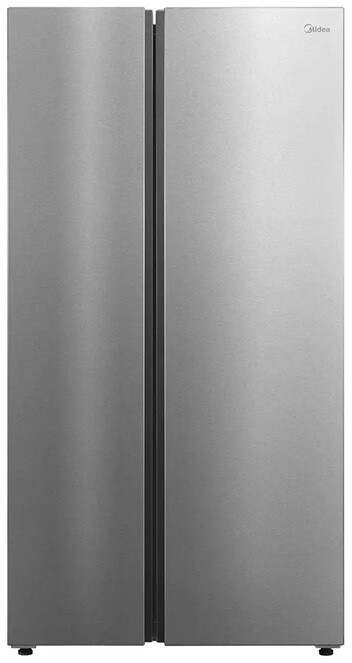
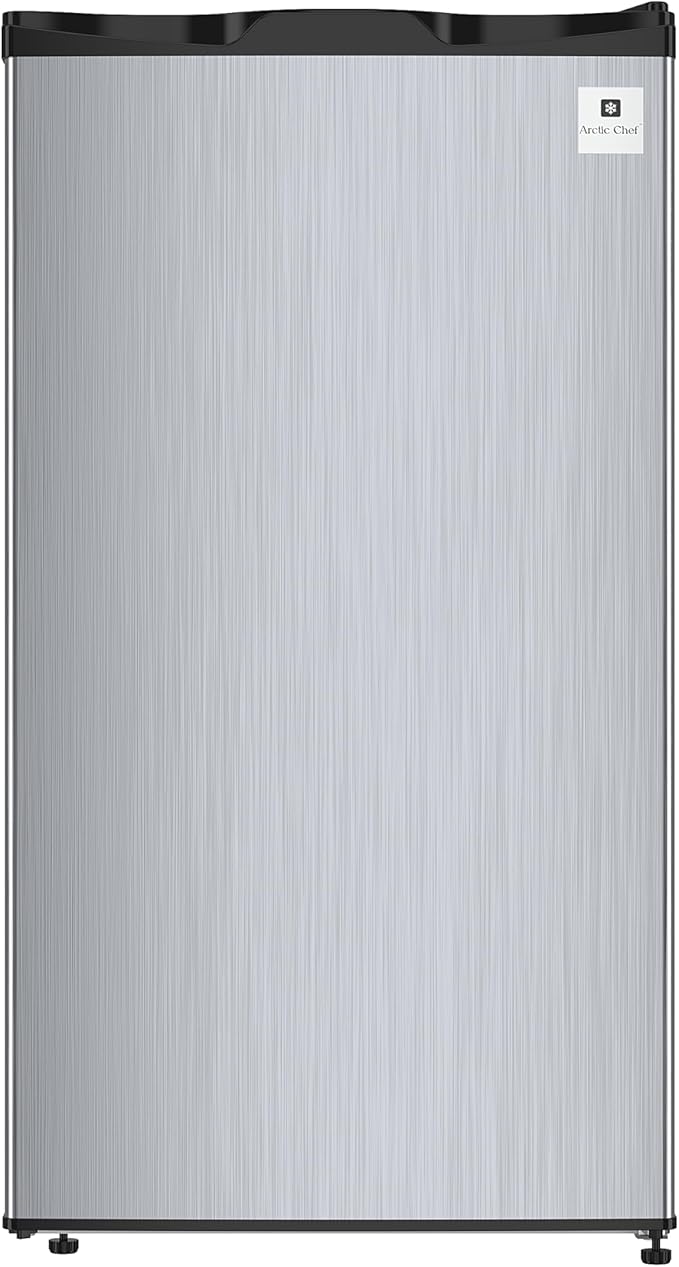
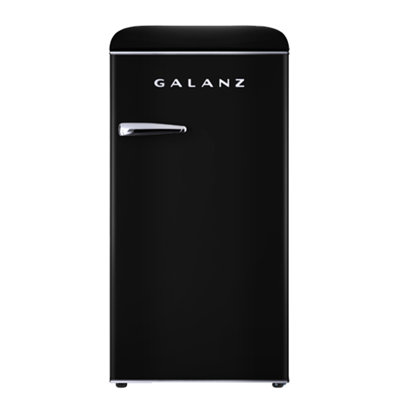
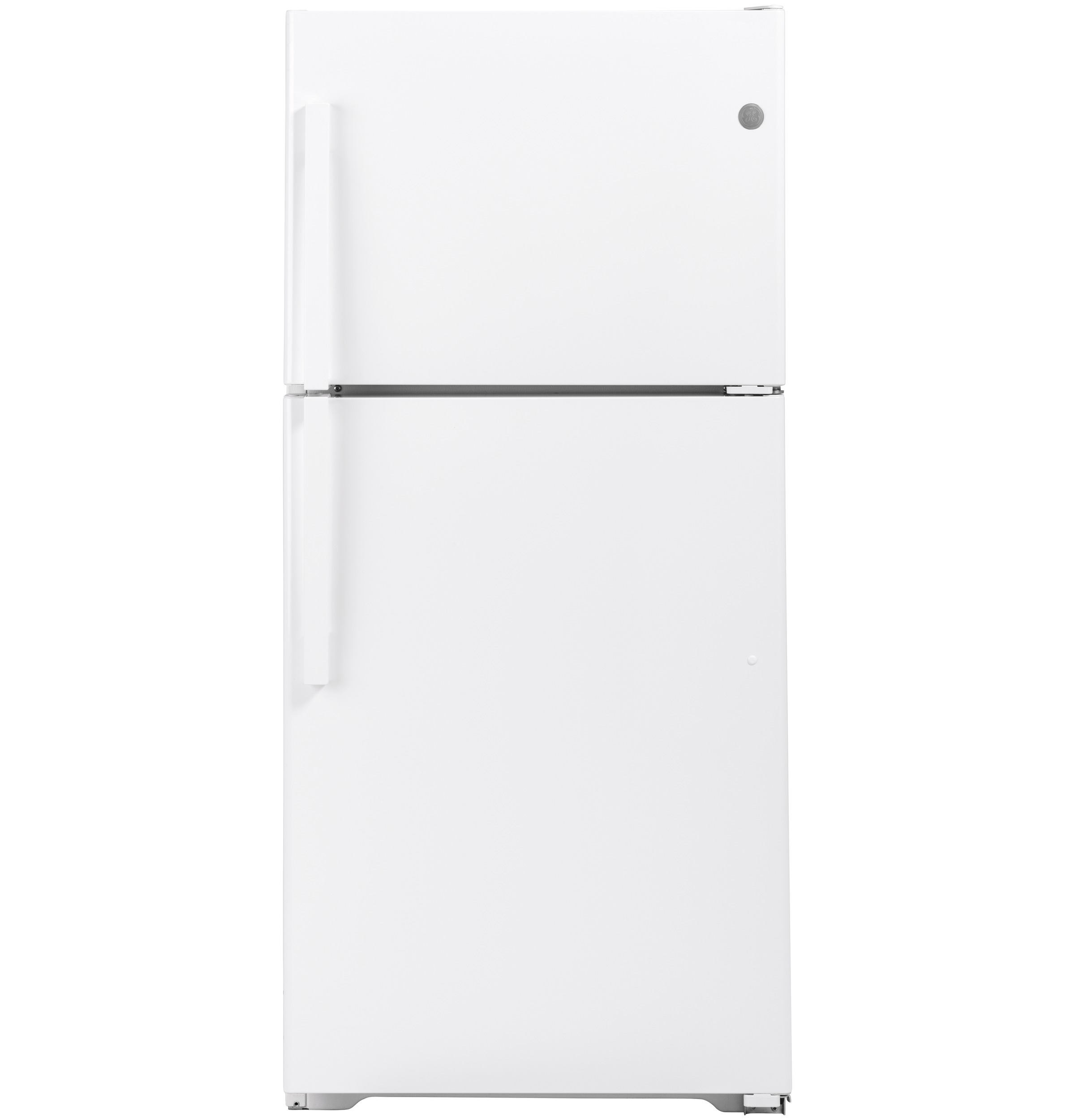
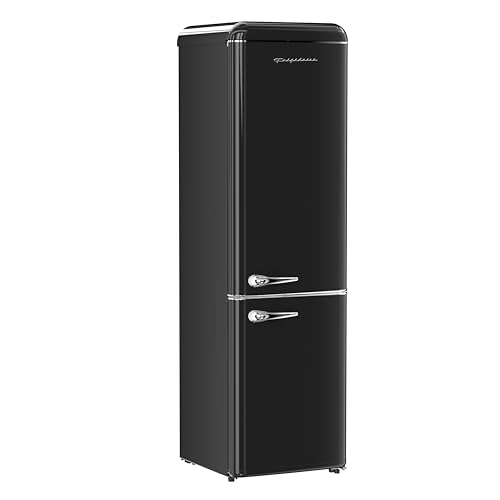
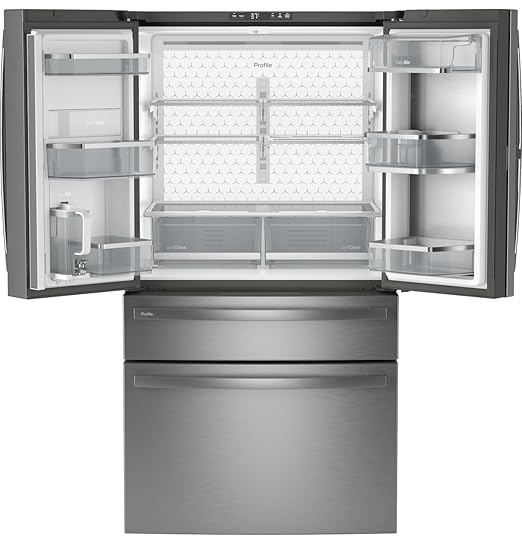
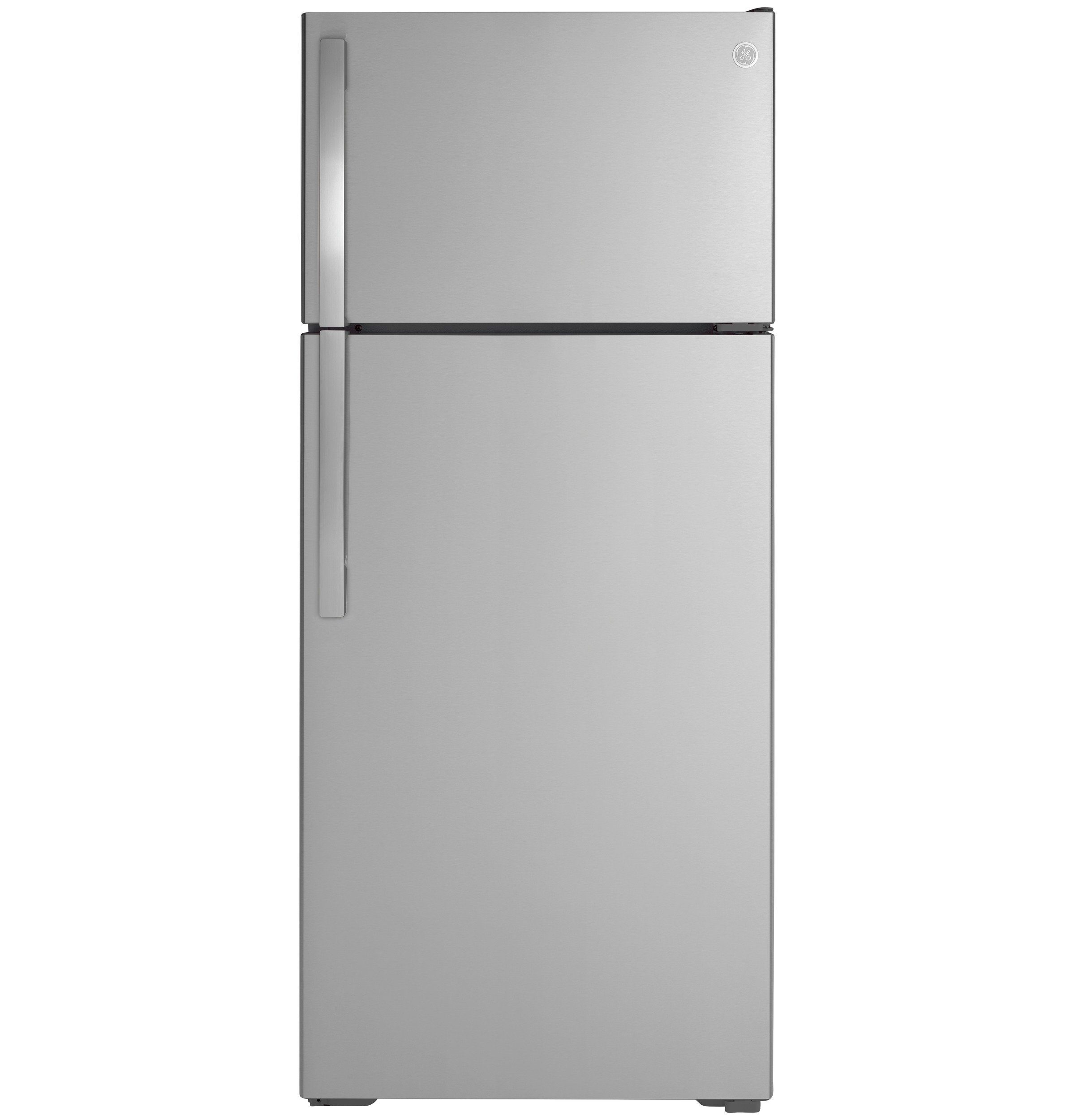
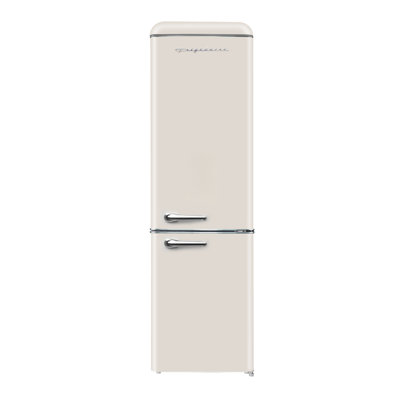
A black stainless refrigerator and a shallow depth (counter-depth) refrigerator address two different kitchen design concerns. Black stainless is a finish choice — the color and texture of the exterior. Counter-depth is a dimensional choice — how far the refrigerator protrudes from the counter line. These two features are not mutually exclusive — many refrigerators come in black stainless AND counter-depth configurations — but comparing them clarifies what each brings to a kitchen renovation decision.
What Each Term Means
A black stainless refrigerator is any fridge finished in dark-coated brushed stainless steel. The black stainless surface features a deep graphite or charcoal tone over a traditional stainless steel base. It comes in every configuration — French door, side-by-side, top freezer, bottom freezer — and in standard depth or counter depth. Black stainless is about how the fridge looks, not how it fits.
A shallow depth (counter-depth) refrigerator is any fridge built at 24 to 27 inches deep to sit flush with standard 24-inch kitchen countertops. Standard-depth refrigerators measure 30 to 35 inches deep and protrude 5 to 8 inches past the counter edge. Counter-depth is about how the fridge fits in the kitchen, not how it looks from the front. Counter-depth models come in every finish — stainless, black stainless, white, black, and slate.
The Overlap
Here is the key insight: you do not have to choose between these features. Samsung, LG, KitchenAid, and GE all offer refrigerators that are both black stainless AND counter-depth. A black stainless counter-depth French door refrigerator gives you the dark finish and the flush profile in a single unit. The comparison only applies when a specific model is available in one feature but not the other, or when budget forces a choice between a standard-depth black stainless model and a counter-depth model in a different finish.
Black Stainless: The Finish Advantage
Black stainless brings a modern, warm, dark aesthetic to the kitchen. It shows fewer fingerprints than traditional stainless steel — the dark coating masks oils and water spots that are highly visible on bright stainless. The tone coordinates with dark cabinetry, matte hardware, and contemporary kitchen palettes that have moved beyond the all-silver stainless era.
The trade-off is scratch vulnerability. Scratches on black stainless cut through the dark coating and expose the bright silver stainless steel underneath. This two-tone scratch is more visible than a scratch on plain stainless, where the same metal shows through. In kitchens with children, pets, or heavy traffic around the fridge, this is worth considering.
Counter-Depth: The Dimensional Advantage
Counter-depth refrigerators transform kitchen aesthetics by eliminating the protruding box that standard-depth fridges create. A flush refrigerator front aligns with the countertop edge and cabinetry faces, creating a clean sight line across the kitchen. This built-in look was previously available only with expensive true built-in units ($6,000 to $20,000). Counter-depth models deliver a similar visual at mainstream prices ($1,500 to $4,000).
The trade-off is reduced interior capacity. Cutting 4 to 8 inches of depth removes 3 to 5 cubic feet of usable storage. A standard-depth French door might hold 27 cubic feet; its counter-depth equivalent holds 22 to 23 cubic feet. For large families or heavy grocery shoppers, that lost volume matters.
Capacity Comparison
| Configuration | Depth | Typical Capacity |
|---|---|---|
| Black Stainless (standard depth) | 30 - 35 inches | 24 - 28 cu ft |
| Counter-Depth (any finish) | 24 - 27 inches | 18 - 23 cu ft |
| Black Stainless Counter-Depth | 24 - 27 inches | 18 - 23 cu ft |
Choosing standard depth gives you more storage regardless of finish. Choosing counter-depth gives you a flush profile regardless of finish. The capacity difference is the primary functional trade-off in this comparison.
Kitchen Design Impact
Black stainless changes the color story of the kitchen. It shifts the visual weight from bright and reflective (traditional stainless) to warm and grounding (dark tones). The finish works as a design statement that coordinates with trending kitchen elements — dark islands, matte black faucets, warm wood tones, and stone countertops.
Counter-depth changes the spatial story of the kitchen. It opens up floor space in front of the fridge, creates cleaner sight lines in open-concept layouts, and gives the kitchen a custom-designed quality. In galley kitchens and narrow walkways, the shallower depth can mean the difference between a comfortable flow and a cramped passage.
Both improvements are independent and additive. A counter-depth black stainless refrigerator delivers both benefits simultaneously.
Pricing
| Configuration | Budget | Mid-Range | Premium |
|---|---|---|---|
| Standard Depth (stainless) | $800 - $1,500 | $1,500 - $2,500 | $2,500 - $4,000 |
| Standard Depth (black stainless) | $900 - $1,600 | $1,600 - $2,700 | $2,700 - $4,200 |
| Counter-Depth (stainless) | $1,500 - $2,200 | $2,200 - $3,500 | $3,500 - $5,000 |
| Counter-Depth (black stainless) | $1,600 - $2,400 | $2,400 - $3,700 | $3,700 - $5,200 |
Counter-depth commands a larger price premium than black stainless finish. Going from standard depth to counter-depth typically adds $500 to $1,000. Going from stainless to black stainless adds $50 to $200. If budget forces a priority, the counter-depth upgrade has a bigger visual and spatial impact on the kitchen than the finish change.
Maintenance
Black stainless requires careful cleaning to avoid scratching the coating. Use soft cloths and mild cleaners. Avoid abrasives. The fingerprint resistance means less frequent cleaning than standard stainless.
Counter-depth models require the same maintenance as standard-depth models of the same brand and construction. The depth difference does not affect cleaning, coil maintenance, or filter replacement schedules.
Appliance Suite Coordination
Black stainless suites are available from Samsung, LG, KitchenAid, and others. Matching the range, dishwasher, and microwave in the same black stainless tone creates a cohesive dark appliance package. Cross-brand matching is tricky — Samsung's black stainless tone differs subtly from LG's — so staying within one brand produces the best color match.
Counter-depth is a fridge-specific feature. Ranges, dishwashers, and microwaves do not have depth options — they are already designed to sit flush with cabinetry. The counter-depth choice applies only to the refrigerator and does not affect suite coordination.
Energy Efficiency
Counter-depth models may use slightly less energy than standard-depth equivalents because they cool a smaller interior volume. The difference is modest — $5 to $15 per year. The finish (black stainless vs stainless vs white) has no measurable effect on energy consumption.
Who Should Choose What
If you are choosing between a standard-depth black stainless fridge and a counter-depth stainless fridge at the same price, prioritize the dimension that matters more to your kitchen. In kitchens with narrow walkways or open-concept layouts, counter-depth improves the space more than any finish change. In kitchens with ample space where the visual style is the primary upgrade, black stainless makes a stronger design statement.
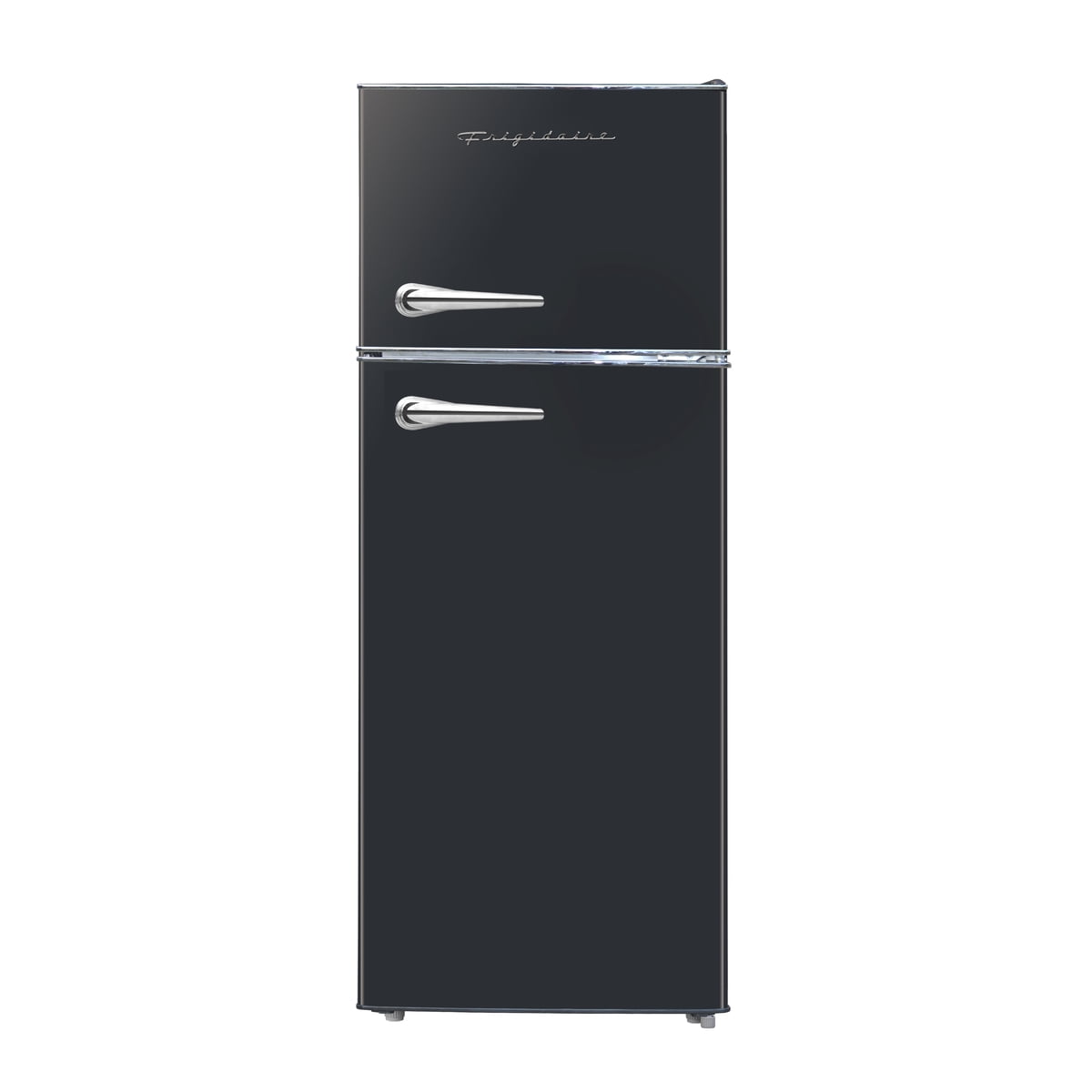
If budget allows, get both — a counter-depth black stainless model delivers the flush profile and the dark finish in one appliance.
Shop at Fridge.com
Compare black stainless refrigerators and counter-depth refrigerators at Fridge.com. Filter by finish, depth, configuration, and price to find the combination that fits your kitchen design.