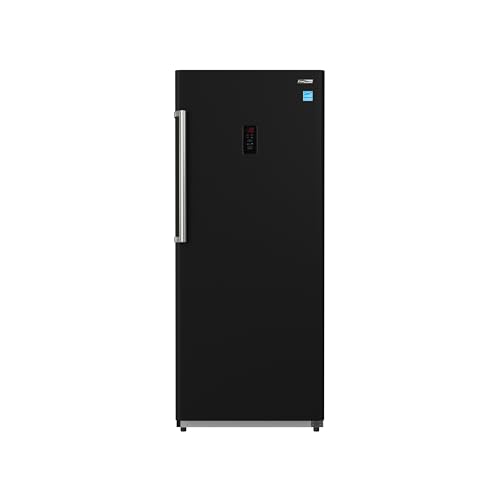
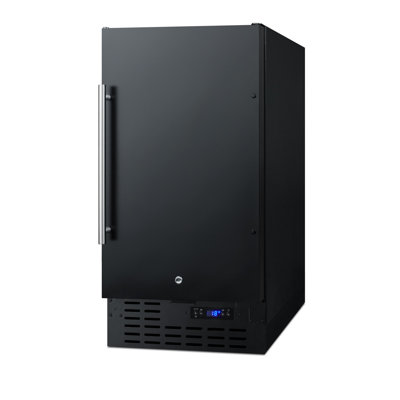
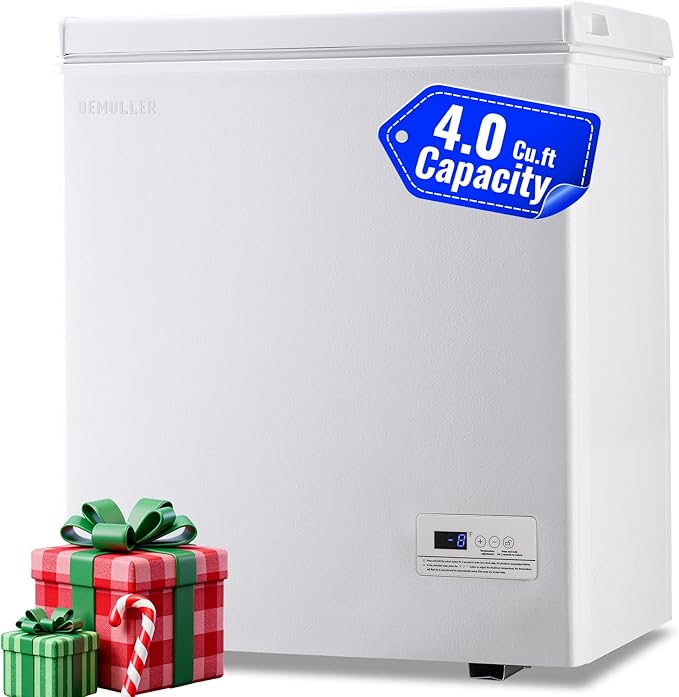
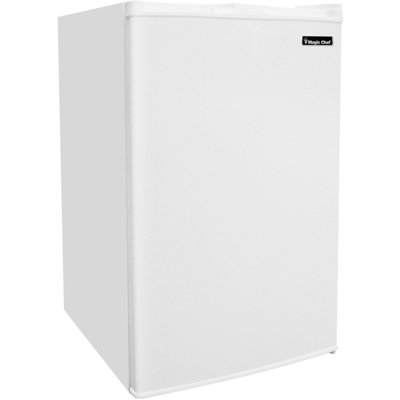
A 120-can bottle refrigerator uses roughly 200 to 350 kWh per year ($25 to $45).
A 14 cubic foot convertible freezer uses about 350 to 550 kWh per year in freezer mode ($45 to $70) and 250 to 400 kWh in fridge mode ($32 to $50).
In fridge mode, the convertible typically cannot reach the 50-degree zone useful for red wine, but it can handle everything from frozen food at 0°F to cold beverages at 34°F.
Bottle refrigerators are usually designed to maintain a stable temperature ideal for storing beverages.
A bottle refrigerator keeps drinks at 35°F to 50°F behind a glass display door, while a convertible freezer switches between a true freezer mode (-10°F to 0°F) and a refrigerator mode (34°F to 42°F) at the push of a button. The bottle refrigerator is a single-purpose drink cooler sized for wine bottles and cans; the convertible freezer is a dual-mode utility appliance that can hold 5 to 21 cubic feet of frozen or fresh food. This guide compares temperature range, capacity, interior layout, energy use, pricing, noise, and placement so you can pick the right one.
Differences Between Bottle Refrigerators and Convertible Freezers
Bottle Refrigerator
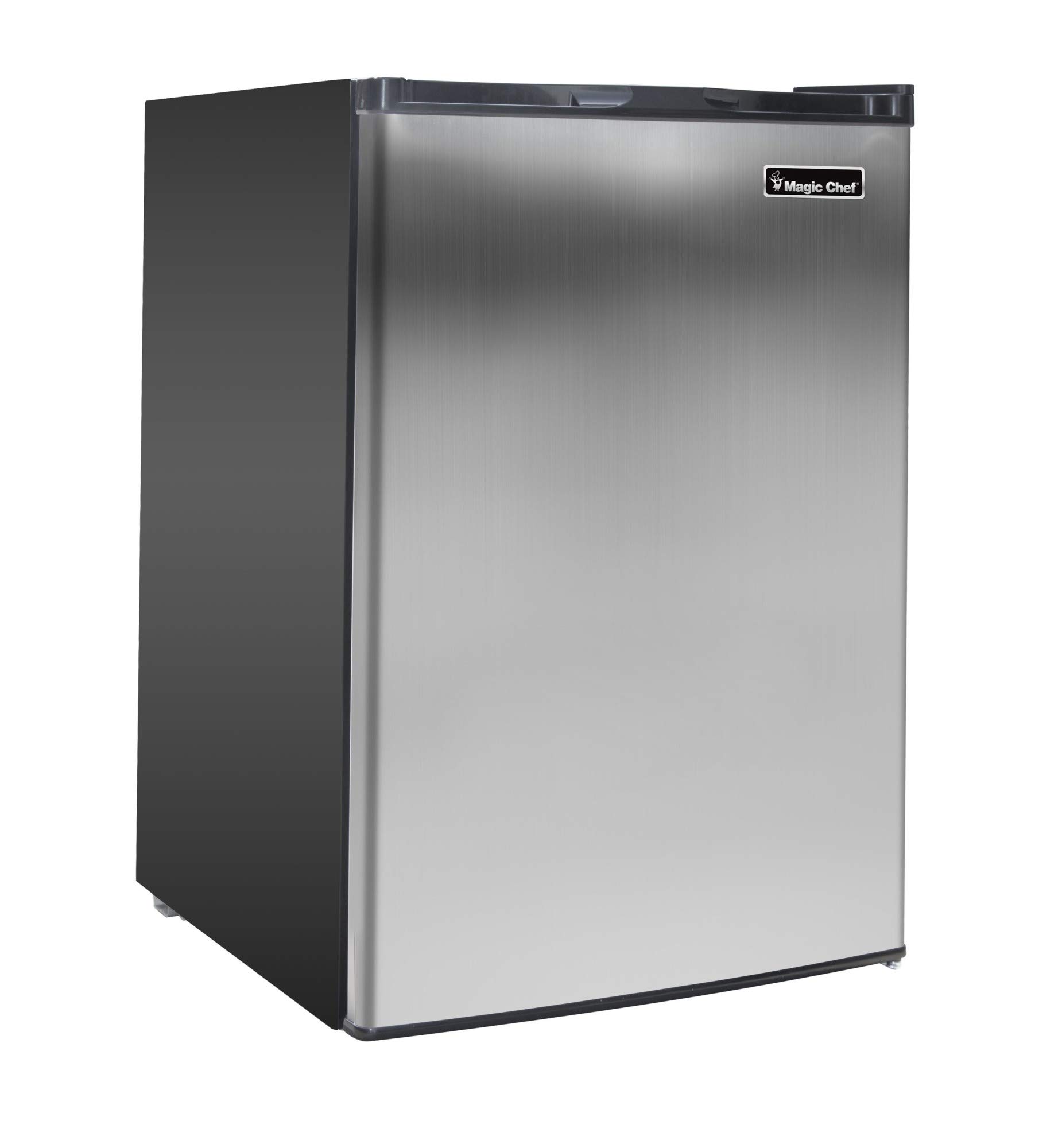
A bottle refrigerator (also called a bottle cooler or beverage refrigerator) is designed specifically for storing beverages at serving temperature. It typically features adjustable shelves, a clear glass door, interior lighting, and precise temperature control. It is optimized for drink containers — wide enough for wine bottles, tall enough for 750ml bottles, and racked for standard 12-ounce cans.
Feature
Bottle Refrigerator
Primary Use
Beverage storage
Temperature Range
35°F - 50°F
Storage Options
Adjustable shelves
Visibility
Clear glass doors
Convertible Freezer
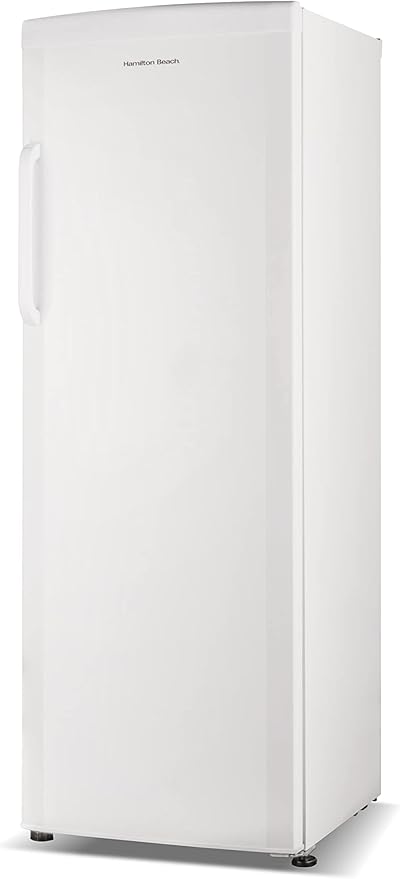
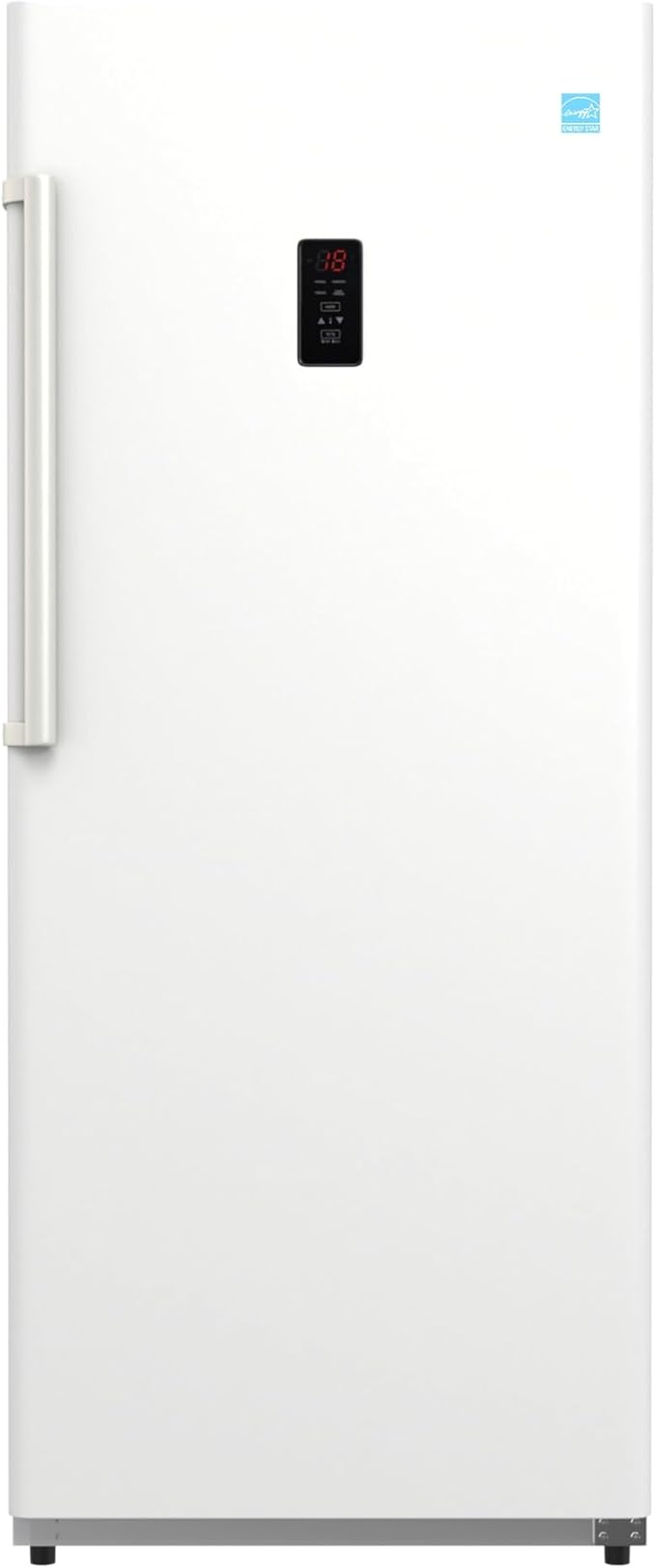
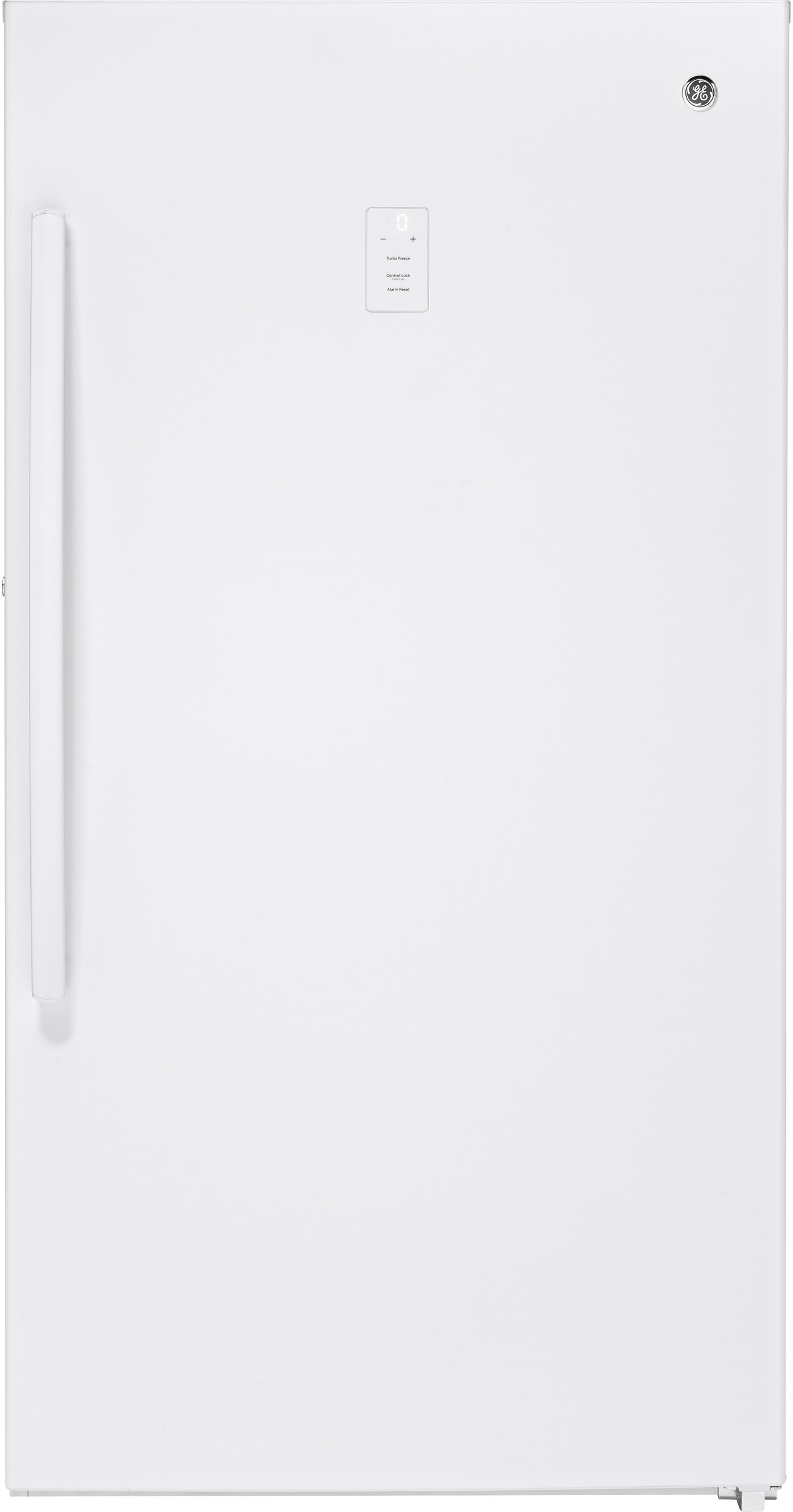
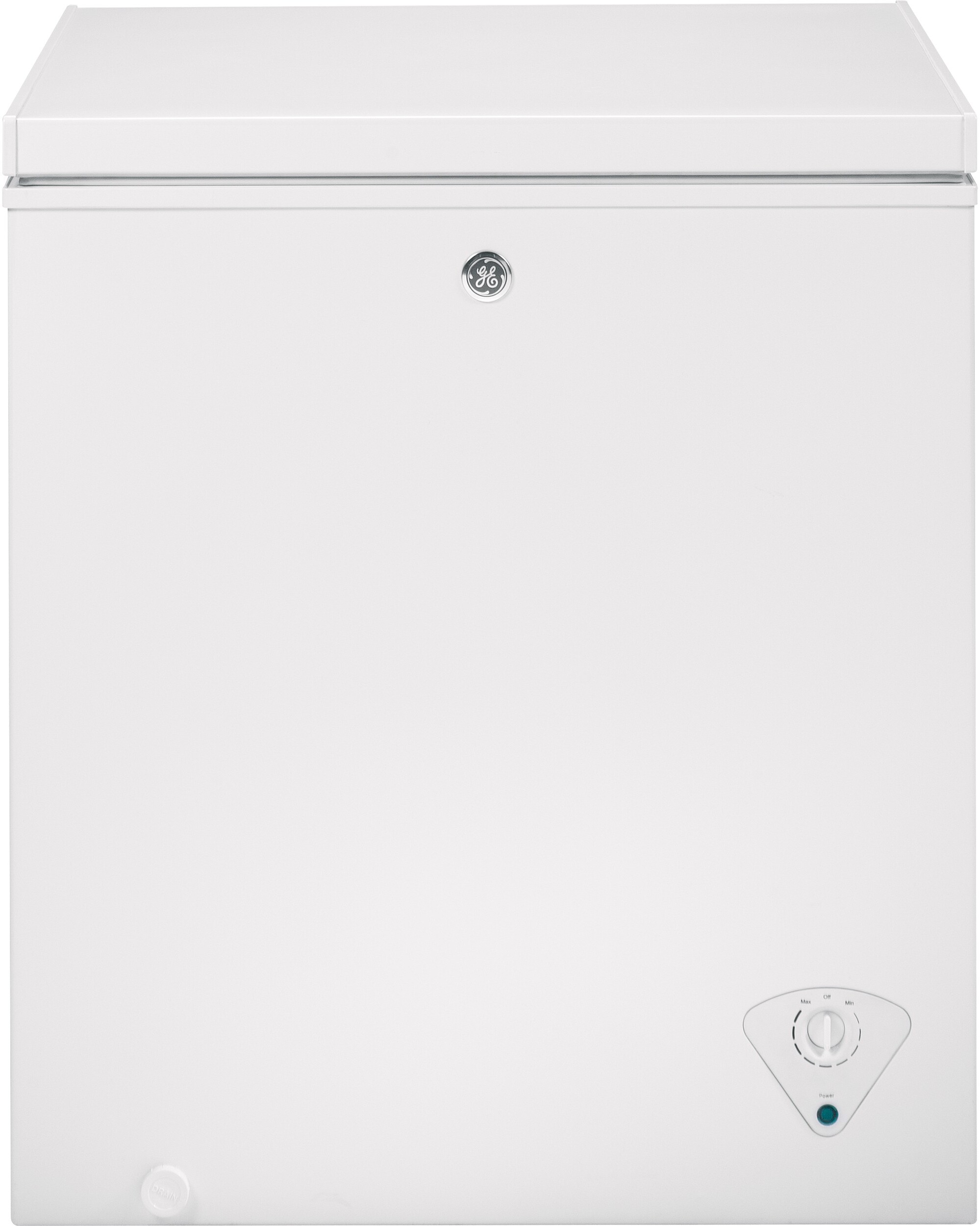
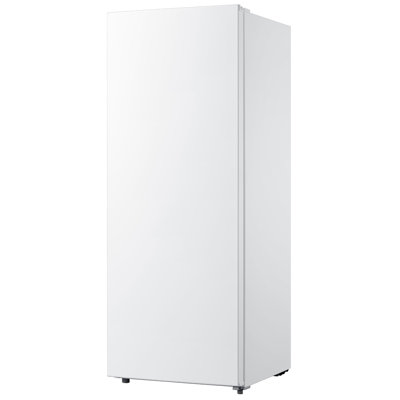
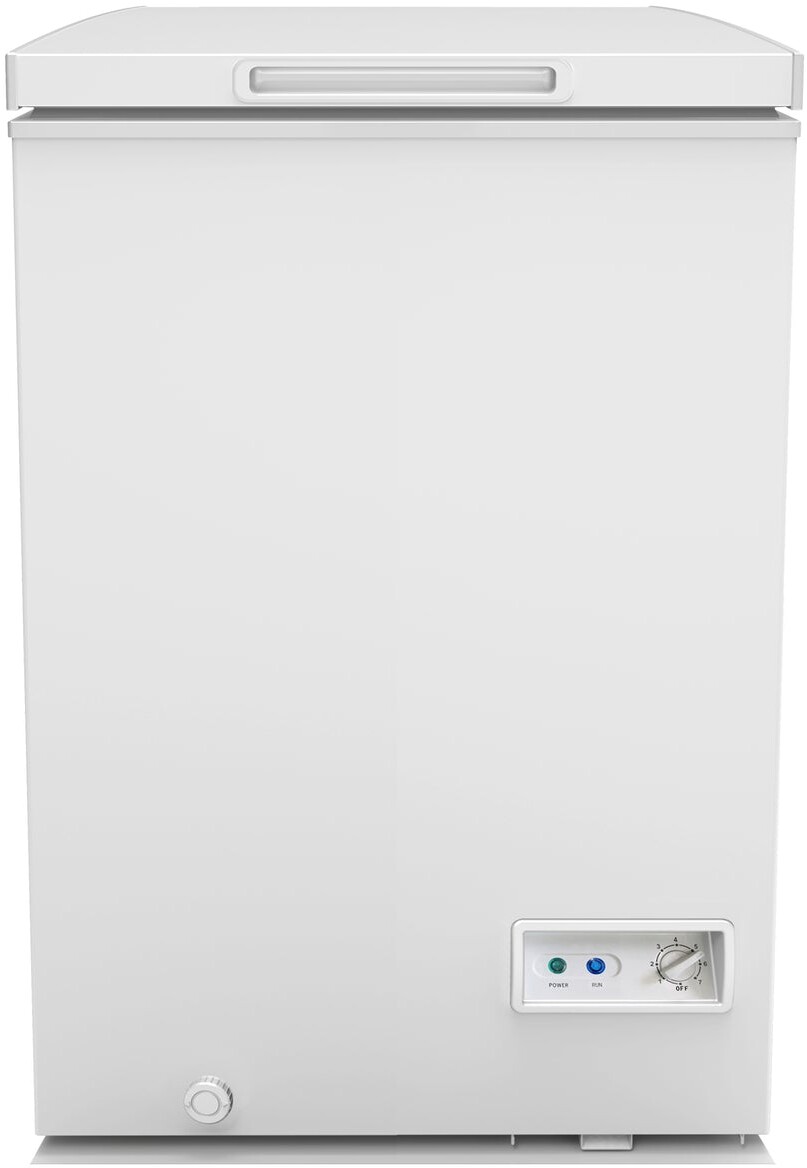
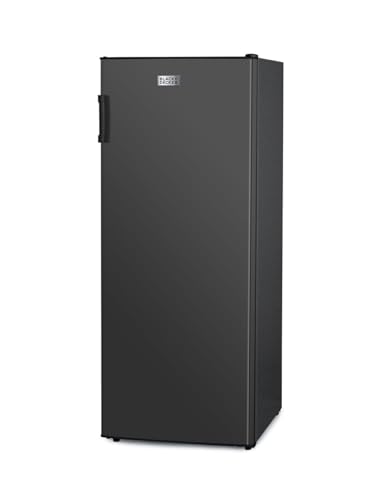
A convertible freezer offers flexibility by allowing you to switch between freezer and refrigerator modes with a button or dial. In freezer mode it stores frozen meats, vegetables, ice cream, and prepared meals; in fridge mode it stores fresh food, beverages, and overflow groceries. That mode switch means one appliance handles seasonal storage shifts, party overflow, or household changes without buying a second unit.
Temperature Flexibility: Which Covers More Ground?
Appliance
Modes
Temperature Range
Bottle Refrigerator
Fridge only
35 - 50°F
Convertible Freezer (freezer mode)
Freezer
-10 to 0°F
Convertible Freezer (fridge mode)
Refrigerator
34 - 42°F
The bottle refrigerator operates in a narrow window optimized for drink service. The convertible freezer covers the full spectrum from deep freeze to fresh food storage. In fridge mode, the convertible typically cannot reach the 50-degree zone useful for red wine, but it can handle everything from frozen food at 0°F to cold beverages at 34°F.
Bottle Refrigerators Explained
Features and Functionality
Bottle refrigerators are designed to cater to the specific need for chilling beverages. These appliances come with features that make them ideal for storing bottles of various shapes and sizes. The key attributes include:
Adjustable Shelves: Many bottle refrigerators have adjustable shelving, allowing you to customize the interior to fit different bottle heights.
Temperature Control: These refrigerators often come with precise temperature control settings to keep your beverages at the ideal serving temperature.
LED Lighting: Internal LED lighting helps you easily locate your desired beverage without opening the door for too long, thus conserving energy.
Compact Design: Bottle refrigerators are often designed to be compact, making them suitable for various settings like apartments, condos, offices, and even outdoor spaces.
Feature
Description
Adjustable Shelves
Customizable to fit different bottle sizes
Temperature Control
Precise settings for ideal beverage temperature
LED Lighting
Energy-efficient internal lighting
Compact Design
Suitable for small spaces
Ideal Uses for Bottle Refrigerators
Bottle refrigerators are versatile and can be used in many different environments. Here are some ideal uses:
Home Bars: Perfect for keeping a variety of drinks chilled and ready for entertaining guests.
Offices: Ideal for providing employees with cold beverages throughout the day.
Outdoor Spaces: Great for backyard gatherings or poolside parties, keeping your drinks cold and refreshing.
Small Apartments and Condos: Their compact size makes them a perfect fit for smaller living spaces where a full-sized refrigerator may not be practical.
Basements and Garages: Useful for additional beverage storage, freeing up space in your primary refrigerator.
By understanding the features and ideal uses of bottle refrigerators, you can make an informed decision when choosing between a bottle refrigerator and a convertible freezer for your specific needs.
Convertible freezers offer a versatile solution for your cooling needs. These appliances are designed to switch between freezer and refrigerator modes, providing flexibility based on your storage requirements.
Features and Functionality
Convertible freezers are equipped with advanced technology that allows you to adjust the temperature settings to either freeze or refrigerate. This feature makes them ideal for those who need extra storage space that can adapt to different needs throughout the year.
Key features of convertible freezers include:
Dual Modes: Easily switch between freezer and refrigerator modes.
Temperature Control: Precise temperature settings to suit various types of food storage.
Energy Efficiency: Designed to consume less power while maintaining optimal performance.
Feature
Description
Dual Modes
Switch between freezer and refrigerator settings
Temperature Control
Adjustable settings for precise cooling
Ideal Uses for Convertible Freezers
Convertible freezers are perfect for various scenarios, offering the flexibility to meet your changing needs. Here are some ideal uses:
Seasonal Storage: Run it as a freezer in fall and winter to store holiday turkeys, bulk meat purchases, and frozen meal prep; switch to fridge mode in summer for extra beverage and fresh produce storage.
Entertaining: Use as a freezer for bulk ice and frozen treats or as a refrigerator for beverages and party platters.
Backup Storage: Provides extra storage space for overflow from your main refrigerator or freezer — including holiday gatherings and canning season.
Bulk Purchases: Convert it to a freezer when you buy a quarter cow from a local farm or stock up on bulk meat.
Garage or Workshop Fridge: Use it in fridge mode for drinks and snacks in a garage workshop.
Specialty Storage: Ideal for storing specialty items that require specific temperature settings, such as wine or delicate desserts.
Understanding the features and ideal uses of convertible freezers can help you make an informed decision when choosing between a bottle refrigerator and a convertible freezer for your home.
Interior Layout: Drink Racks Vs. General Shelving
Bottle refrigerator interiors are built for drink containers. Wine bottle cradles, can dispensing racks, adjustable chrome shelving, and door bins hold every standard beverage size. The shelving angles and dimensions are calculated for 750ml wine bottles, 12-ounce cans, and 12-ounce to 22-ounce beer bottles. The glass door makes everything visible.
Convertible freezer interiors use adjustable wire or glass shelving and pull-out baskets or drawers. The layout handles both frozen packages (flat boxes, bags, wrapped meats) and fresh food containers. The generic shelving works for everything but is not optimized for any specific item type. In fridge mode, the lack of a crisper drawer means produce does not get the humidity control available in a dedicated refrigerator.
Choosing between a bottle refrigerator and a convertible freezer depends on several factors. Here are three main considerations to keep in mind: storage capacity, temperature control and versatility, and energy efficiency.
Storage Capacity
Storage capacity is crucial when deciding between a bottle refrigerator and a convertible freezer. Bottle refrigerators are typically designed to store beverages, and their capacity is often measured in terms of the number of bottles or cans they can hold. Convertible freezers, on the other hand, offer more flexibility and can be used to store a variety of items, from frozen foods to beverages.
Appliance Type
Average Capacity (cubic feet)
Bottle Refrigerator
3 - 5
Convertible Freezer
5 - 20
In terms of physical size and real-world capacity, the two categories break down as follows:
Type
Typical Sizes
Capacity
Bottle Refrigerator
15 - 24 inches wide
60 - 180 cans or 20 - 60 bottles
Convertible Freezer (upright)
21 - 32 inches wide
5 - 21 cu ft
Convertible Freezer (chest)
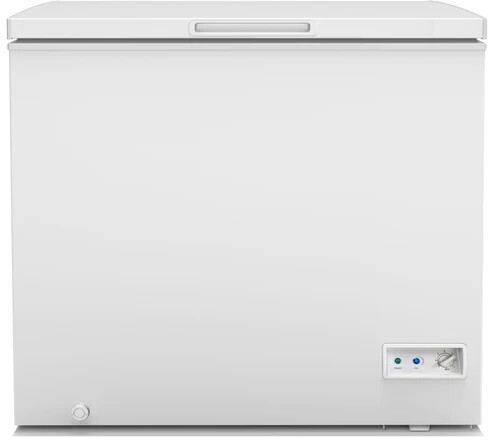
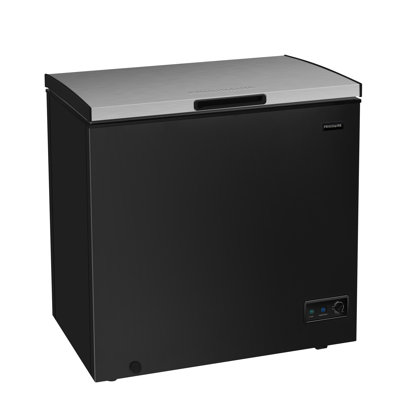
28 - 48 inches wide
5 - 15 cu ft
A 14 cubic foot convertible upright provides 3 to 4 times the capacity of a large bottle refrigerator. The extra space makes the convertible practical as genuine overflow storage, while the bottle refrigerator serves a focused drink-display role. If you primarily need to store beverages, a bottle refrigerator may be sufficient. For more information on different fridge types, check out Fridge.com comparison of mini fridge Vs. small upright freezer.
Temperature Control and Versatility
Bottle refrigerators are usually designed to maintain a stable temperature ideal for storing beverages. They may offer adjustable temperature settings but are generally less versatile compared to convertible freezers.
Convertible freezers provide greater flexibility, allowing you to switch between refrigeration and freezing modes. This versatility makes them suitable for storing a wider range of items, from fresh produce to frozen goods. Additionally, convertible freezers often come with more precise temperature control settings, enabling you to customize the storage environment based on your needs.
For those who need an appliance that can adapt to different storage requirements, a convertible freezer is a more versatile option. Explore Fridge.com article on built in freezer Vs. portable refrigerator for further insights.
Energy Efficiency
Energy efficiency is an important consideration, especially for those looking to minimize their environmental impact and reduce energy costs. Bottle refrigerators and convertible freezers vary in their energy consumption depending on their size, features, and usage patterns.
Appliance Type
Average Energy Consumption (kWh/year)
Bottle Refrigerator
150 - 300
Convertible Freezer
300 - 500
The convertible freezer's energy use depends heavily on which mode it is running. Approximate annual running costs break down as follows:
Type
Annual kWh
Annual Cost
Bottle Refrigerator (120-can)
200 - 350 kWh
$25 - $45
Convertible Freezer (14 cu ft, freezer mode)
350 - 550 kWh
$45 - $70
Convertible Freezer (14 cu ft, fridge mode)
250 - 400 kWh
$32 - $50
In fridge mode, the convertible freezer uses energy comparable to the bottle refrigerator. In freezer mode, energy consumption increases because maintaining 0°F requires more compressor work than maintaining 37°F. The dual-mode flexibility does not add energy cost — the unit uses only the energy required for whichever mode is active. Many modern appliances come with energy-efficient features, so check the energy rating before making a decision.
Bottle refrigerators run at 35 to 45 decibels, and thermoelectric models are quieter at 25 to 35 decibels — suitable for living spaces.
Convertible freezers run at 38 to 46 decibels, comparable to a standard fridge. In freezer mode, the compressor may run more aggressively, producing slightly more noise. They are best suited for garages and basements where noise is not a concern.
Installation and Placement Tips
Proper installation and placement of your bottle refrigerator or convertible freezer are crucial for optimal performance and longevity. Here are some essential tips to ensure you get the most out of your appliance.
Where to Install Your Appliance
Selecting the right location for your appliance is vital. Whether you choose a bottle refrigerator or a convertible freezer, consider the following:
Accessibility: Place the appliance in an area that is easy to access, especially if it will be used frequently.
Level Surface: Ensure the surface is level to prevent vibrations, which can affect the appliance's efficiency.
Proximity to Power Source: Make sure the location is near an electrical outlet to avoid the use of extension cords.
Bottle refrigerators fit under counters, inside kitchen islands, in home bars, and in entertainment areas — built-in models use front ventilation for flush cabinetry installation. Convertible freezers are typically freestanding units placed in garages, basements, utility rooms, and large pantries; some upright convertible models have a clean enough appearance for a kitchen, but they lack the glass door and display lighting of a bottle refrigerator.
Proper Ventilation Requirements
Proper ventilation is critical for both bottle refrigerators and convertible freezers to function efficiently. Poor ventilation can lead to overheating and reduced performance. Here are some guidelines:
Space Around the Appliance: Leave at least 2 inches of space on all sides of the appliance to allow for adequate airflow.
Ventilation Grills: Ensure that the ventilation grills are not obstructed by walls or other objects.
Temperature Range: Place the appliance in a location where the ambient temperature is within the manufacturer's recommended range.
Maintenance and Cleaning Guidelines
Regular maintenance and cleaning can extend the lifespan of your appliance. Follow these steps:
Cleaning the Exterior: Wipe down the exterior with a damp cloth and mild detergent. Avoid abrasive cleaners that can damage the finish.
Cleaning the Interior: Remove all contents and shelves, then clean with a mixture of water and baking soda. Rinse thoroughly and dry before replacing the shelves.
Defrosting: If your appliance is not frost-free, manually defrost it regularly to maintain efficiency.
Checking Seals: Inspect door seals periodically to ensure they are intact and clean. Damaged seals can lead to energy loss.
Buy a bottle refrigerator if you need a dedicated, attractive drink display for a bar, entertainment area, or kitchen supplement. The glass door and drink-specific shelving create the best beverage service experience.
Buy a convertible freezer if you need flexible cold storage that adapts to changing needs — freezer for bulk meat in winter, fridge for party overflow in summer. The mode-switching capability makes it the most versatile single appliance in the standalone cooling category.
Frequently Asked Questions
Can a convertible freezer work as a beverage fridge?
Yes, in fridge mode a convertible freezer holds 34°F to 42°F, which keeps beverages cold. However, it lacks the glass door, display lighting, and bottle-specific racks of a bottle refrigerator, and it typically cannot reach the warmer 50°F zone useful for red wine.
What temperature does a bottle refrigerator run at?
A bottle refrigerator typically operates between 35°F and 50°F — a narrow window optimized for serving drinks at the right temperature, from cold beer and soda at the low end to red wine at the high end.
How much more does a convertible freezer hold than a bottle refrigerator?
A large bottle refrigerator holds roughly 60 to 180 cans or 20 to 60 bottles (about 3 to 5 cubic feet). Upright convertible freezers range from 5 to 21 cubic feet — a 14 cubic foot convertible provides 3 to 4 times the capacity of a large bottle refrigerator.
Which uses more energy?
A 120-can bottle refrigerator uses roughly 200 to 350 kWh per year ($25 to $45). A 14 cubic foot convertible freezer uses about 350 to 550 kWh per year in freezer mode ($45 to $70) and 250 to 400 kWh in fridge mode ($32 to $50). In fridge mode, the two are comparable.
Which is quieter?
Bottle refrigerators run at 35 to 45 decibels, and thermoelectric models drop to 25 to 35 decibels. Convertible freezers run at 38 to 46 decibels and can be slightly louder in freezer mode, so they are better suited to garages and basements.
Can I store fresh produce in a convertible freezer in fridge mode?
Yes, but convertible freezers lack a crisper drawer, so produce does not get the humidity control available in a dedicated refrigerator. For short-term overflow storage during holidays or canning season it works well.
How much does each appliance cost?
Bottle refrigerators range from $150 at the budget end to $2,000 for premium models. Upright convertible freezers run $400 to $1,800, and chest convertibles run $250 to $1,200.
Compare prices on Fridge.com
Compare current prices and specifications on Fridge.com, then buy from the retailer you choose; delivery, installation and warranty terms are the retailer’s.
It also has tons of awesome articles about kitchen stuff and home news. Enhance your home, garage, backyard, patio, and office with the coolest essentials. With every necessary type of residential refrigerator or freezer in the collection, you're covered.
Frequently Asked Questions
Buy a bottle refrigerator if you need a dedicated, attractive drink display for a bar, entertainment area, or kitchen supplement. The glass door and drink-specific shelving create the best beverage service experience. Buy a convertible freezer if you need flexible cold storage that adapts to changing needs — freezer for bulk meat in winter, fridge for party overflow in summer. The mode-switching capability makes it the most versatile single appliance in the standalone cooling category.