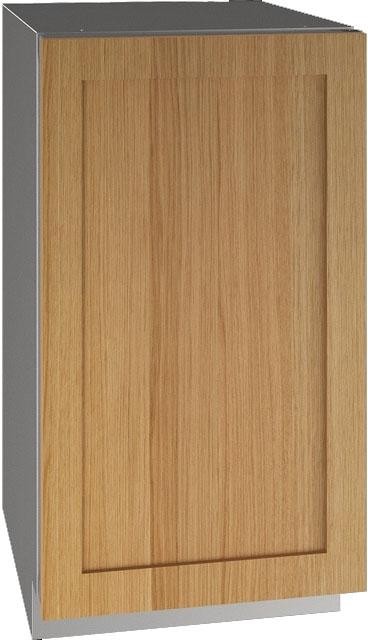
Introduction to Beverage Coolers and Column Freezers
When deciding between a beverage cooler and a column freezer, it's important to understand their key differences and functionalities. Both appliances serve unique purposes and cater to specific needs, making it essential to choose the right one for your lifestyle.
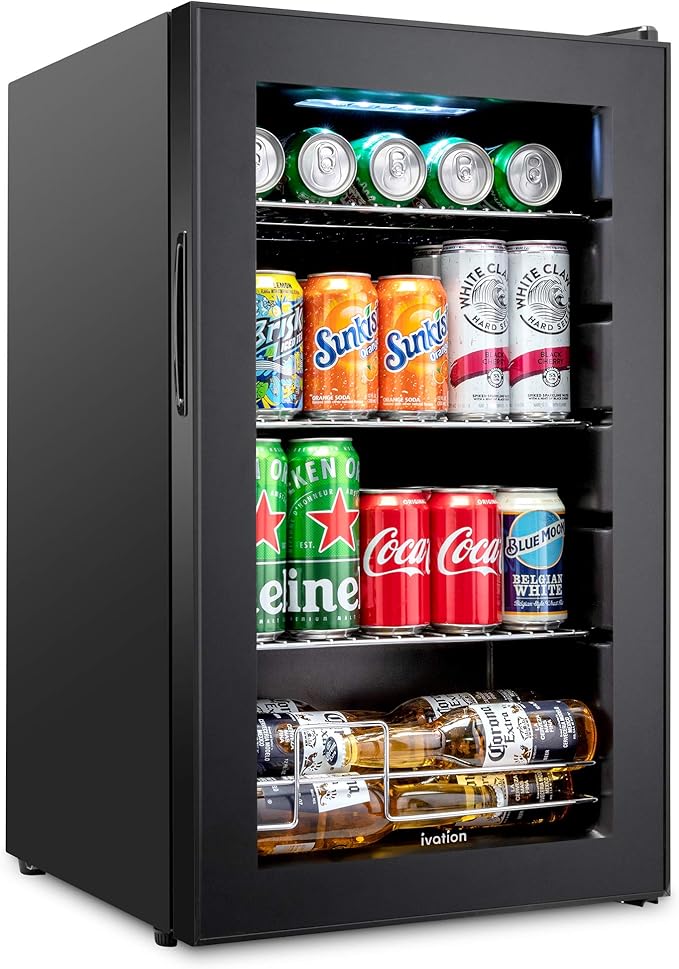
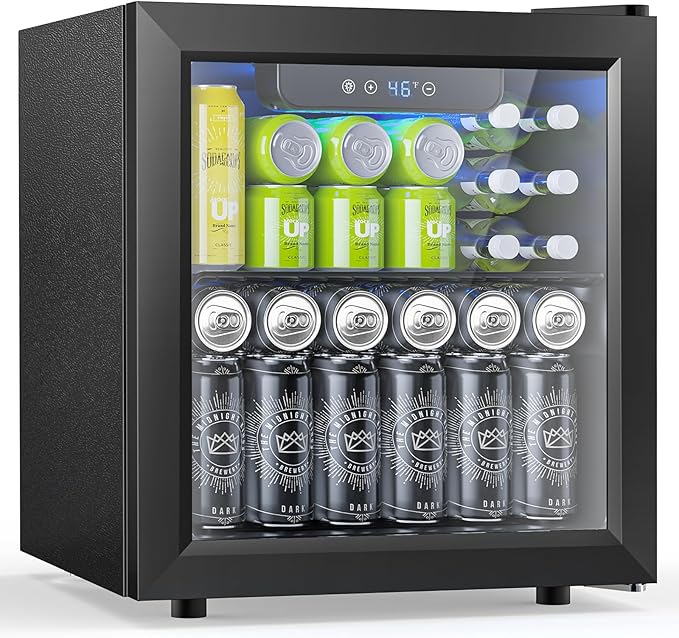
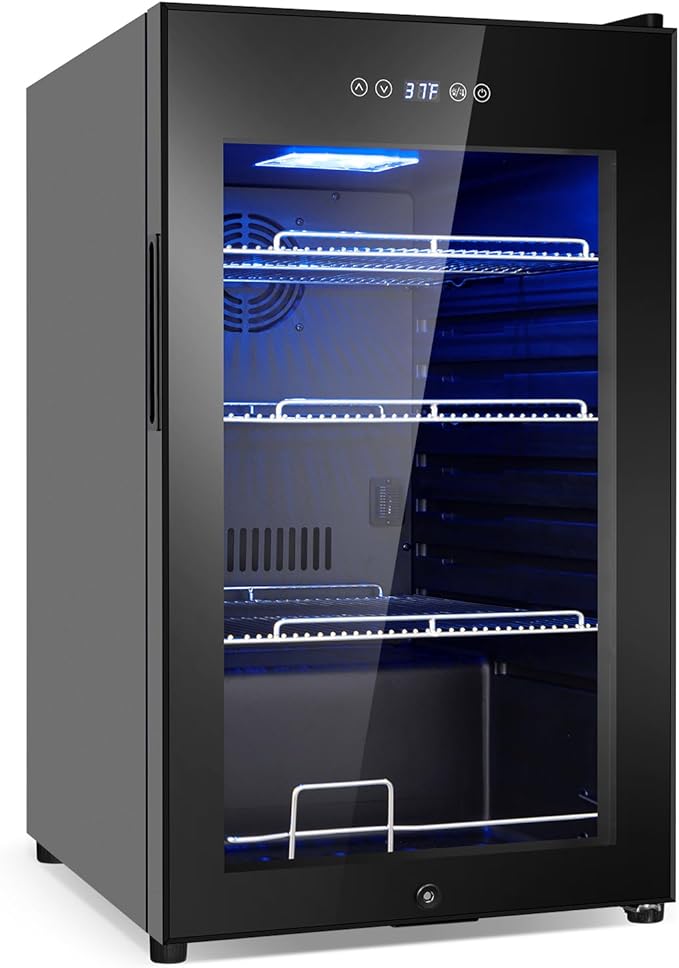
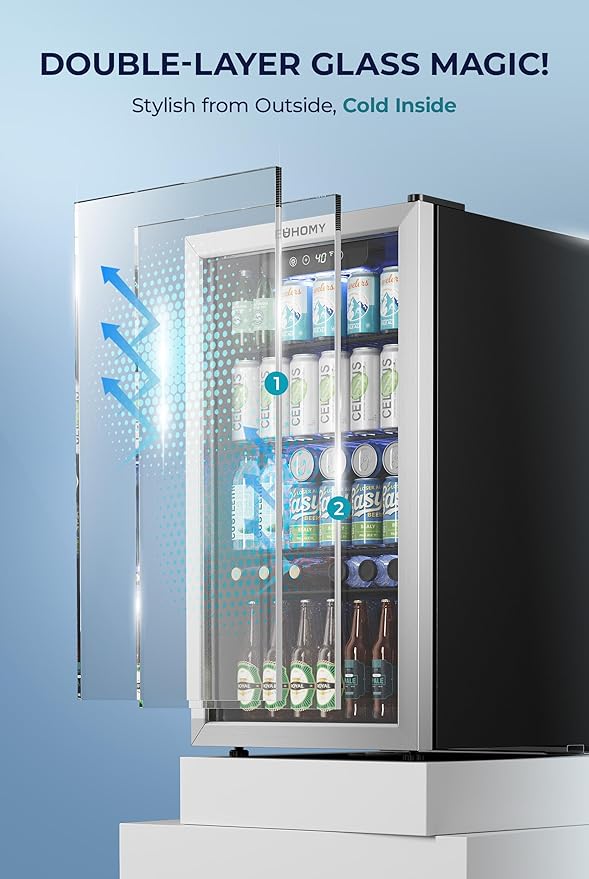
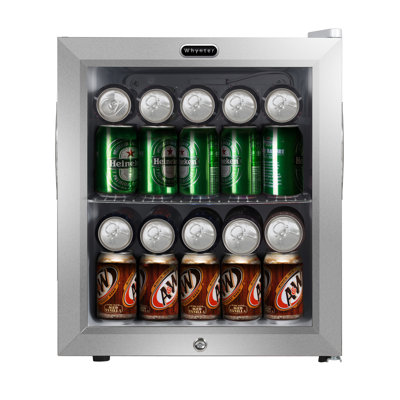
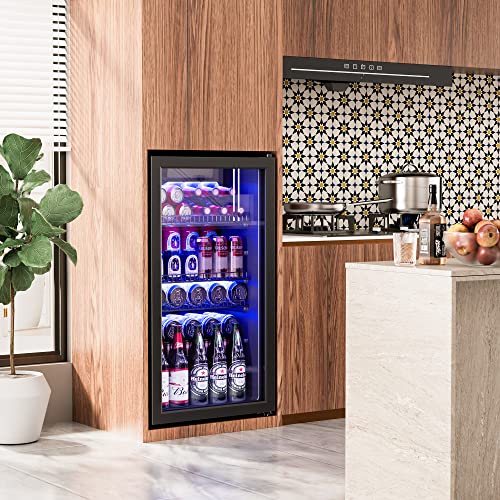
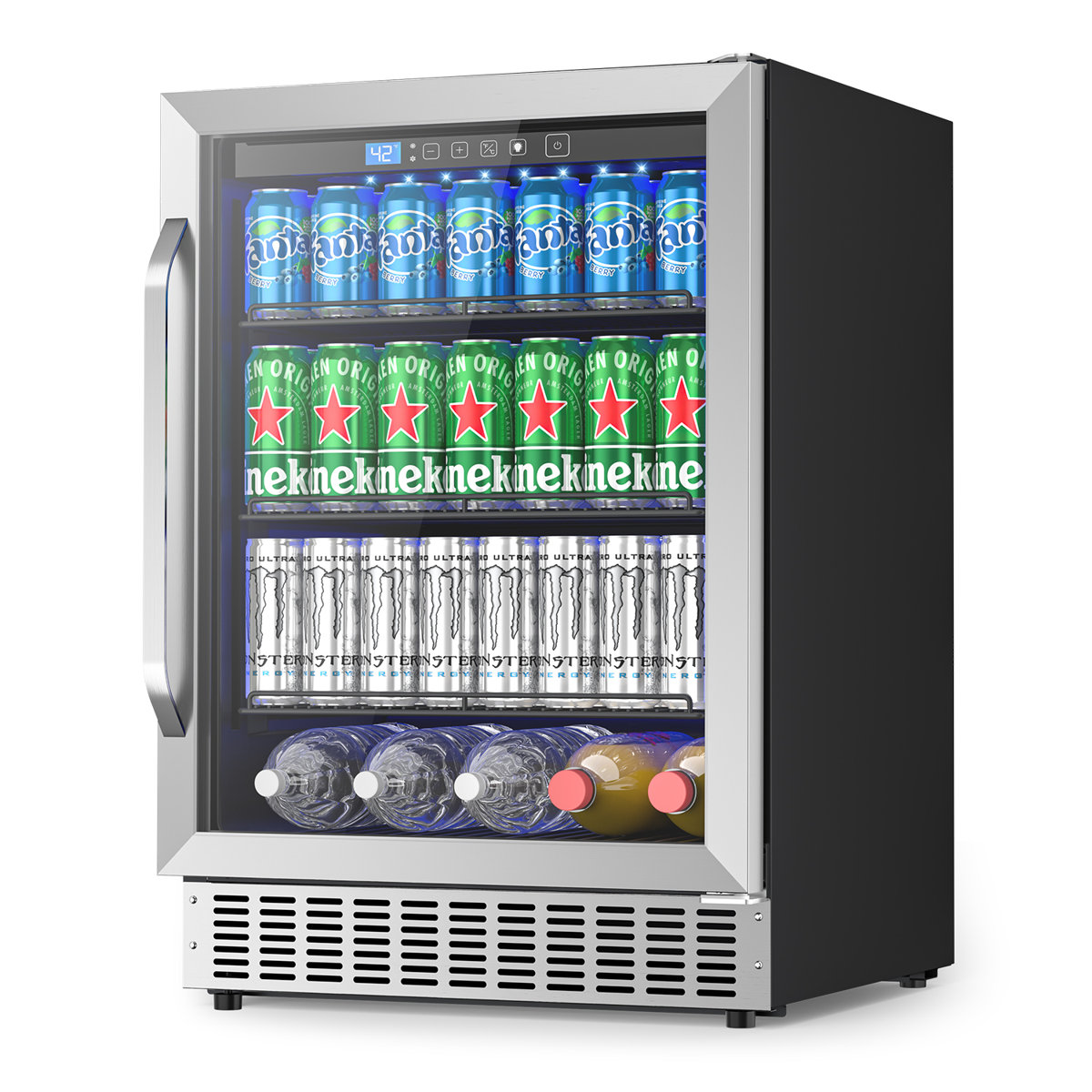
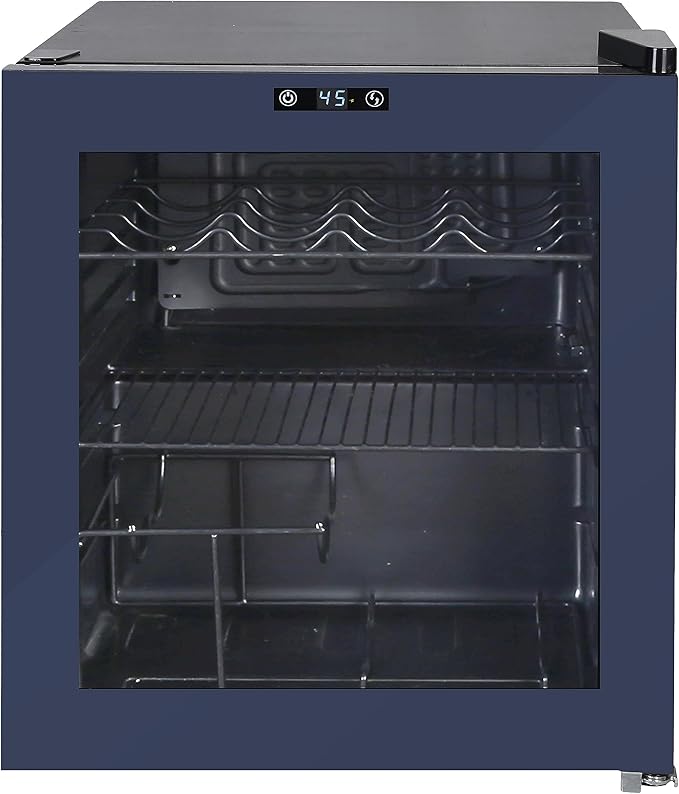
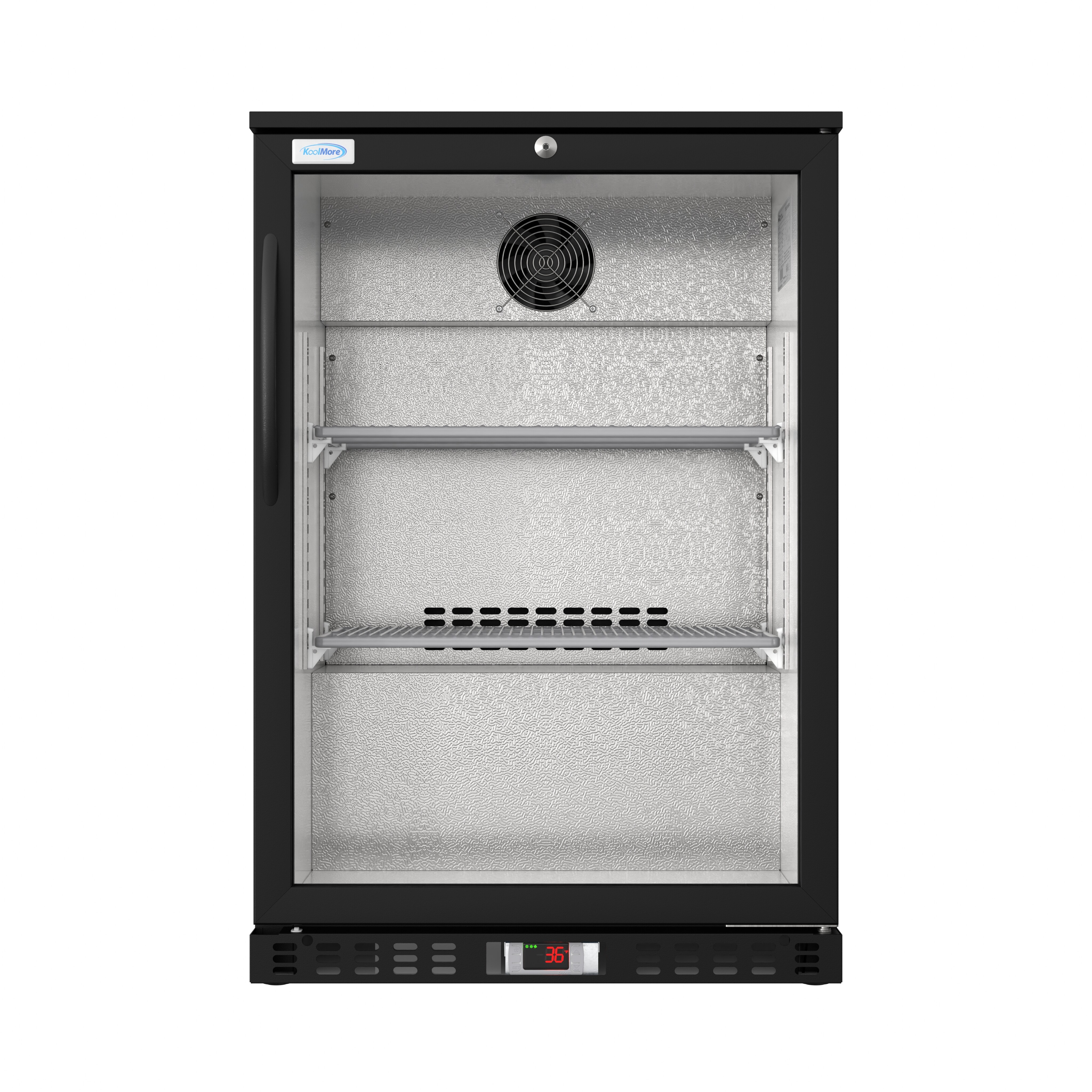
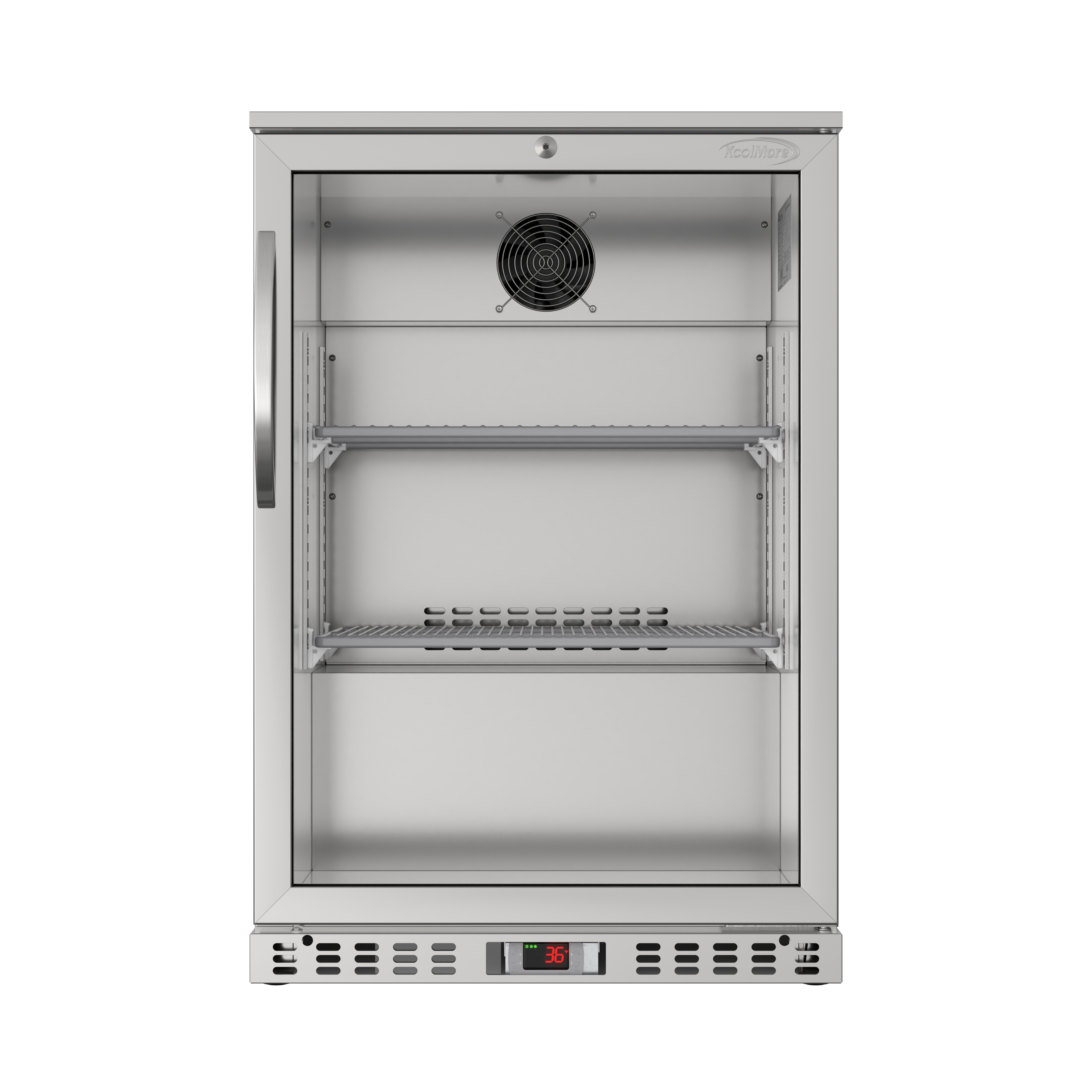
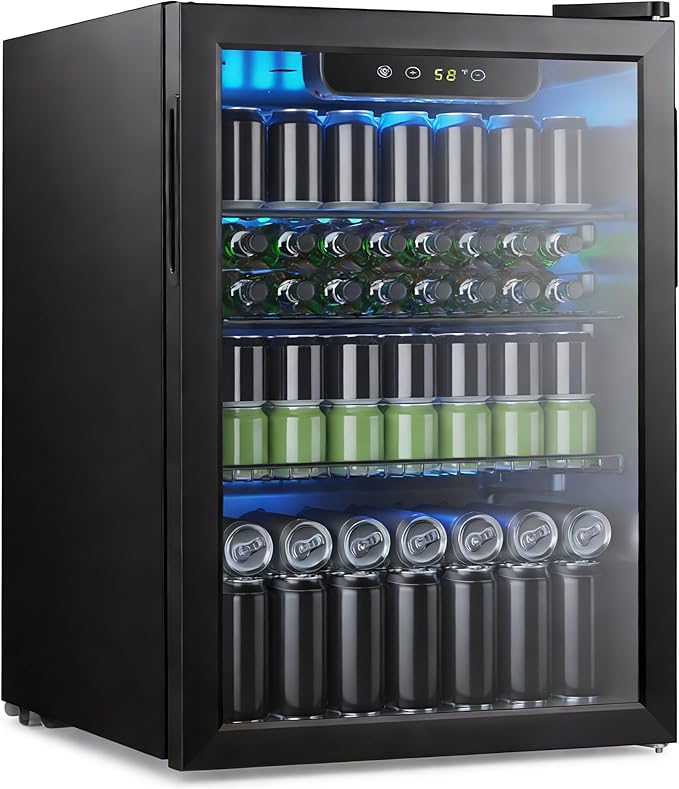
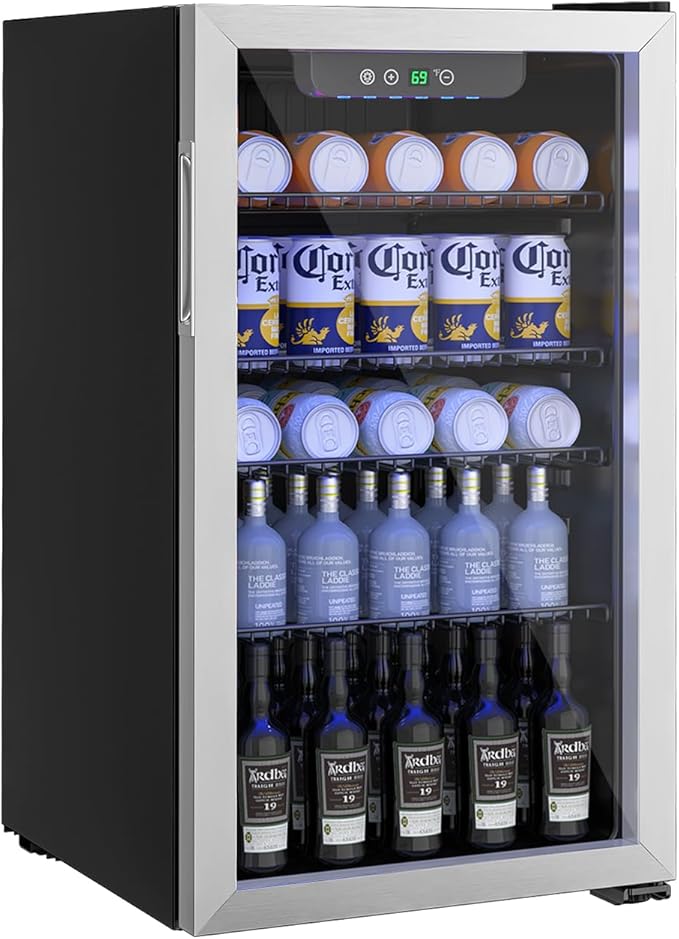
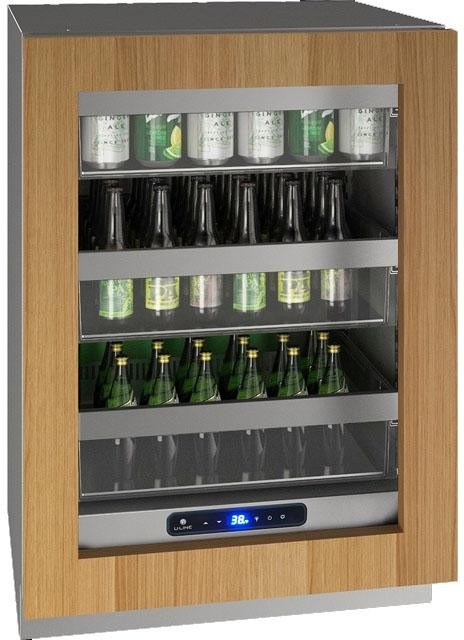
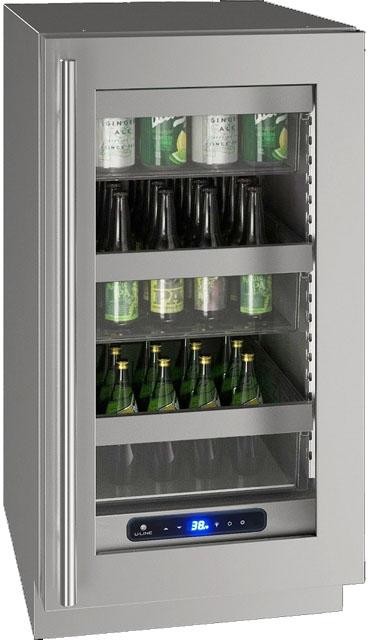
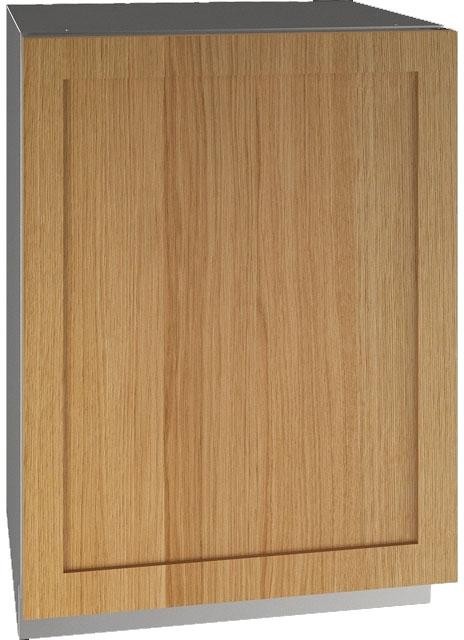
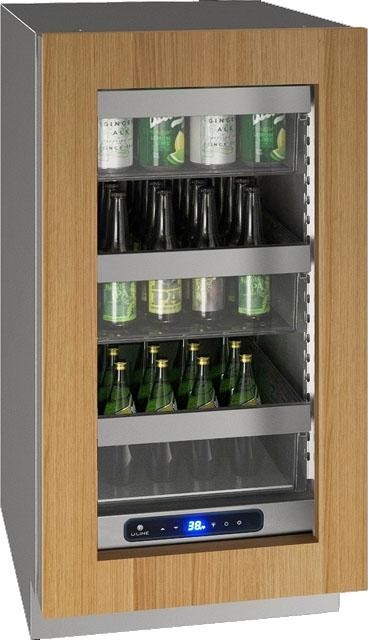
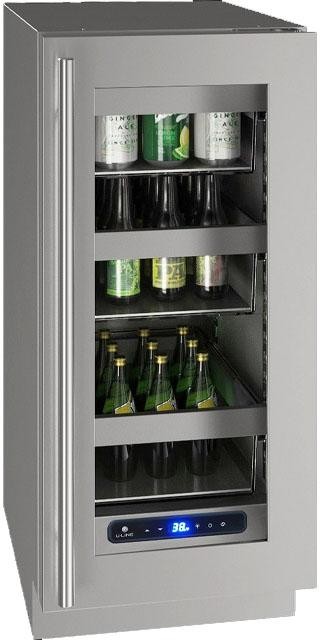
Beverage coolers are designed specifically to chill drinks, making them a popular choice for home bars, kitchens, and entertainment spaces. They offer precise temperature control, ensuring that your beverages are stored at the ideal temperature for maximum enjoyment. Whether you prefer soda, wine, or craft beer, a beverage cooler keeps your drinks perfectly chilled and ready to serve.
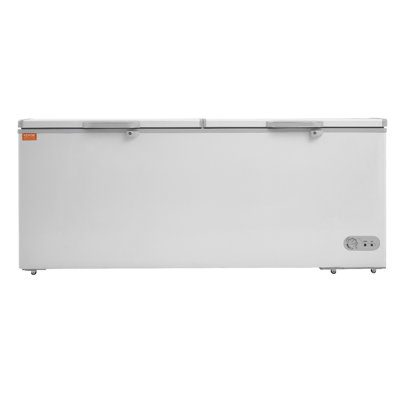
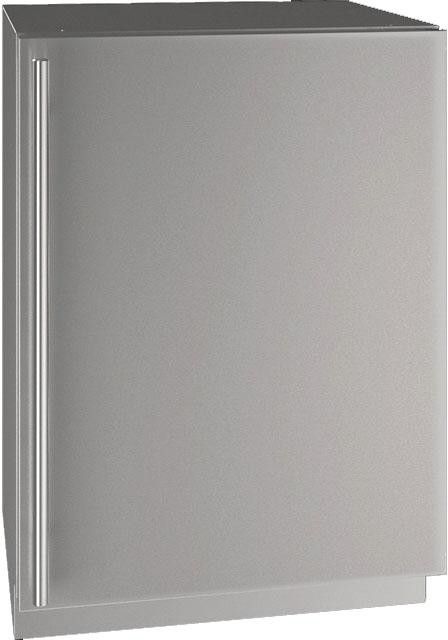
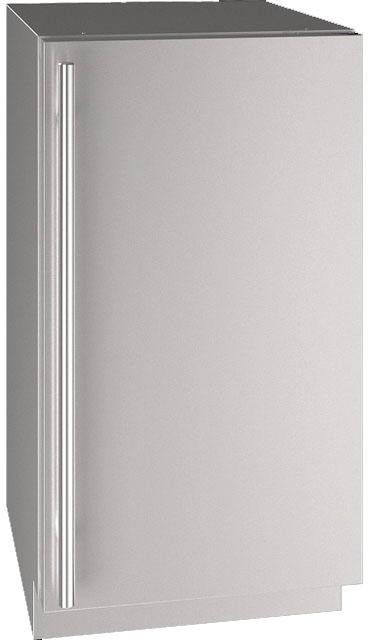
Column freezers, on the other hand, are intended for long-term storage of frozen foods. They are essential for preserving perishable items, providing ample storage space for everything from ice cream to frozen vegetables. Column freezers are known for their powerful freezing capabilities, ensuring that your food stays fresh and safe for extended periods.
To help you better understand the differences, here's a basic comparison:
Feature
Beverage Cooler
Column Freezer
Purpose
Chilling beverages
Long-term storage of frozen foods
Temperature Range
Typically between 34°F and 64°F
Typically between -10°F and 0°F
Ideal For
Home bars, kitchens, entertainment spaces
Kitchens, basements, garages, utility rooms
Understanding these basic differences helps in making an informed decision. For more detailed features and functionalities, explore Fridge.com sections on Beverage Cooler Features and Column Freezer Features. For other comparisons, check out articles like glass door mini fridge Vs. reach in freezer and built in kegerator Vs. pink fridge.
Beverage Cooler Features
Purpose and Functionality
A beverage cooler is designed to keep your drinks at the optimal temperature for enjoyment. These coolers are ideal for spaces like home bars, kitchens, offices, and entertainment areas. They offer convenience by providing chilled beverages at your fingertips, without taking up space in your primary refrigerator.
Temperature Control
Temperature control is a crucial feature of beverage coolers. Most models offer adjustable temperature settings, allowing you to set the perfect chilling range for different types of beverages. Whether you're storing wine, soda, or beer, you can customize the temperature to suit your preferences.
Beverage Type
Ideal Temperature (°F)
Wine
45-65
Beer
35-50
Soda
35-38
Storage Capacity
Beverage coolers come in various sizes, offering different storage capacities to meet your needs. Whether you need a compact unit for a few cans or a larger model for a variety of drinks, there are options available to fit any space.
Cooler Size
Storage Capacity (Cans)
Small
30-60
Medium
60-120
Large
120+
For more information on how beverage coolers compare to other refrigeration options, check out Fridge.com comparison articles such as glass door mini fridge Vs. reach in freezer and built in kegerator Vs. pink fridge.
Column Freezer Features
Purpose and Functionality
A column freezer is designed to provide ample frozen storage, making it a valuable asset in both residential and commercial settings. Its primary function is to keep food items frozen and preserved over extended periods. Column freezers are ideal for storing meats, vegetables, prepared meals, and other perishable items that require freezing. They are often used in kitchens, garages, basements, and other areas where long-term food storage is necessary.
Temperature Control
Column freezers offer precise temperature control, which is essential for maintaining the quality and safety of frozen goods. Most models come equipped with adjustable thermostats, allowing you to set the temperature to the optimal level for your specific needs. Some advanced units feature digital controls and temperature displays, providing easy monitoring and adjustment.
Feature
Description
Temperature Range
-10°F to 0°F
Control Type
Digital/Manual
Temperature Display
Yes/No
Accurate temperature control ensures that your food remains frozen at the desired level, preventing freezer burn and preserving flavor and texture. For more information on different types of freezers and their temperature settings, refer to Fridge.com comparison on glass door mini fridge Vs. reach in freezer.
Storage Capacity
Column freezers come in a variety of sizes, offering different storage capacities to suit your needs. They are designed with multiple shelves and compartments, allowing for organized storage of various food items. The vertical design of column freezers maximizes storage space while minimizing the footprint, making them a space-efficient option.
Model
Storage Capacity (cu. ft.)
Shelves/Drawers
Small
10 - 15
4 - 5
Medium
15 - 20
5 - 6
Large
20 - 25
6 - 8
The storage capacity of a column freezer is a critical factor to consider when choosing the right model for your needs. Whether you are a home chef, a foodie, or someone who loves to entertain, ensuring you have enough space to store your frozen essentials is key. For a detailed comparison of different freezer sizes, you can also explore Fridge.com article on small upright freezer Vs. standard refrigerator size.
Column freezers are a versatile and efficient solution for frozen food storage, offering precise temperature control and ample storage capacity. By understanding their features, you can make an informed decision on whether a column freezer is the right choice for your home or business.
When comparing a beverage cooler to a column freezer, understanding their design and installation options can help you decide which one suits your needs best.
Size and Dimensions
Beverage coolers and column freezers come in various sizes and dimensions to fit different spaces and requirements. Here is a table summarizing typical dimensions:
Feature
Beverage Cooler
Column Freezer
Height
24-72 inches
24-84 inches
Width
15-24 inches
24-36 inches
Depth
18-24 inches
24-30 inches
Beverage coolers tend to be more compact, making them ideal for smaller spaces like apartments, offices, or entertainment areas. Column freezers are generally larger, offering more storage capacity, which is beneficial for homes or places requiring substantial freezing space.
Built-In Vs. Freestanding Options
Both beverage coolers and column freezers are available in built-in and freestanding models. Each type has its own benefits depending on your installation needs.
Built-In Options
Built-in models are designed to be integrated into cabinetry, providing a seamless look. These are ideal for kitchens or spaces where aesthetics and a streamlined appearance are important. Built-in beverage coolers and column freezers often feature front-venting systems to allow for proper ventilation when installed within cabinetry.
Freestanding Options
Freestanding models are more versatile as they can be placed anywhere with an electrical outlet. These units are easier to move and relocate, making them suitable for renters or those who frequently change their living arrangements. Freestanding beverage coolers and column freezers typically have ventilation systems at the back or sides, requiring some clearance for airflow.
Choosing between a beverage cooler and a column freezer depends on your specific needs and preferences. Consider the available space, the desired storage capacity, and the importance of aesthetics in your decision-making process. For further guidance, explore Fridge.com comparisons on glass door mini fridge Vs. reach in freezer and counter depth refrigerator Vs. kegerator.
When comparing the energy efficiency of a beverage cooler and a column freezer, it's essential to consider both energy consumption and eco-friendly features. These factors not only impact your electricity bills but also your environmental footprint.
Energy Consumption
Energy consumption can vary significantly between a beverage cooler and a column freezer. Understanding the typical energy usage of each appliance can help you make a more informed decision.
Appliance
Average Energy Consumption (kWh/Year)
Beverage Cooler
200 - 400
Column Freezer
300 - 600
Beverage coolers generally consume less energy compared to column freezers, primarily due to their smaller size and lower cooling requirements. However, the actual energy usage can vary depending on factors like the model, size, and usage patterns. For more information on comparing different types of appliances, check Fridge.com article on glass door mini fridge Vs. reach in freezer.
Eco-Friendly Features
Both beverage coolers and column freezers can come with eco-friendly features designed to reduce their environmental impact. These features often include energy-saving modes, eco-friendly refrigerants, and improved insulation.
Energy-Saving Modes: Some models are equipped with energy-saving settings that optimize temperature control and reduce energy usage during periods of low demand.
Eco-Friendly Refrigerants: Modern appliances often use refrigerants that have a lower global warming potential (GWP), which helps reduce greenhouse gas emissions.
Improved Insulation: Enhanced insulation can minimize the escape of cold air, thereby improving energy efficiency and reducing the workload on the compressor.
When selecting between a beverage cooler and a column freezer, consider these eco-friendly features to ensure you're making a choice that aligns with your environmental values. For further details on energy-efficient options, visit Fridge.com article on energy efficient refrigerator Vs. platinum refrigerator.
By understanding the energy consumption and eco-friendly features of beverage coolers and column freezers, you can make a more informed decision that suits both your needs and your commitment to sustainability. For additional guidance on selecting the right appliance, explore Fridge.com article on beverage cooler Vs. built in wine cellar.
Maintenance and Care
Proper maintenance and care of your beverage cooler and column freezer are essential for ensuring their longevity and optimal performance. This section provides insights into cleaning, defrosting, and troubleshooting common issues.
Cleaning and Defrosting
Regular cleaning and defrosting are crucial for maintaining the efficiency and hygiene of your appliances.
Beverage Cooler
Cleaning:
Unplug the cooler.
Remove all beverages and detachable shelves.
Wipe down the interior with a solution of mild soap and water.
Dry thoroughly before replacing shelves and beverages.
Clean the exterior with a damp cloth.
Defrosting:
Modern beverage coolers typically have an auto-defrost feature.
If manual defrosting is needed, turn off the cooler and let the ice melt.
Use a towel to absorb the water, then clean and dry the interior.
Column Freezer
Cleaning:
Unplug the freezer.
Empty the contents and remove any detachable parts.
Clean the interior with a mixture of baking soda and water.
Rinse with a damp cloth and dry thoroughly.
Clean the exterior with a mild detergent and water.
Defrosting:
Turn off the freezer and remove all contents.
Allow the ice to melt naturally.
Use towels to soak up the water.
Clean and dry the interior before turning the freezer back on.
Troubleshooting Common Issues
Identifying and addressing common issues can save you time and prevent costly repairs.
Beverage Cooler
Not Cooling:
Check if the cooler is plugged in and switched on.
Ensure the thermostat is set to the correct temperature.
Clean the condenser coils if dirty.
Unusual Noises:
Ensure the cooler is level on the floor.
Check for loose parts or obstructions.
Frost Build-Up:
Verify the door seals are intact and closing properly.
Avoid frequent opening of the cooler door.
Column Freezer
Not Freezing:
Ensure the freezer is plugged in and the thermostat is set correctly.
Check for ice build-up on the evaporator coils.
Clean the condenser coils.
Excessive Frost:
Check the door seals for any damage.
Ensure the door is not left open frequently.
Water Leaks:
Ensure the drain hole is not blocked.
Check for defrost drain issues.
By following these maintenance and care tips, you can ensure that your beverage cooler and column freezer remain in excellent condition. For more comparisons and maintenance tips, visit Fridge.com articles on glass door mini fridge Vs. reach in freezer and auto defrost freezer Vs. dorm fridge.
When deciding between a beverage cooler and a column freezer, it's essential to consider both the initial investment and the long-term operating costs. This section will help you understand the financial aspects of each option.
Initial Investment
The upfront cost is a significant factor when choosing between a beverage cooler and a column freezer. Beverage coolers are typically less expensive than column freezers due to their smaller size and simpler technology. However, prices can vary based on the brand, features, and capacity.
Appliance Type
Average Cost (USD)
Beverage Cooler
$150 - $1,000
Column Freezer
$500 - $3,000
For a more detailed comparison of other similar appliances, you might find Fridge.com articles on glass door mini fridge Vs. reach in freezer and counter depth refrigerator Vs. kegerator useful.
Long-Term Operating Costs
Beyond the initial purchase, it's important to consider the long-term operating costs of each appliance. This includes energy consumption, maintenance, and potential repairs.
Beverage coolers generally consume less energy compared to column freezers due to their smaller size and lower cooling requirements. However, energy efficiency can vary depending on the model and usage patterns.
Appliance Type
Average Annual Energy Cost (USD)
Beverage Cooler
$20 - $50
Column Freezer
$40 - $100
Energy-efficient models can help reduce these costs, so be sure to look for appliances with eco-friendly features. For more information on energy-efficient appliances, check out Fridge.com comparison article on energy efficient refrigerator Vs. platinum refrigerator.
Another aspect to consider is the cost of maintenance and potential repairs. Beverage coolers typically require less maintenance and have fewer components that could fail compared to column freezers, potentially leading to lower long-term costs.
By understanding the initial investment and long-term operating costs, you can make a more informed decision when choosing between a beverage cooler and a column freezer. For additional insights on similar comparisons, visit Fridge.com articles on beverage cooler Vs. built in wine cellar and drink fridge Vs. garage freezer.
Choosing the Right Option
Selecting between a beverage cooler and a column freezer can be challenging. To make an informed decision, consider several factors and assess how each option matches your needs and preferences.
Factors to Consider
When choosing between a beverage cooler and a column freezer, there are various factors to evaluate:
Purpose: Determine the primary use. Are you looking to store beverages or freeze food items?
Storage Needs: Evaluate the amount of storage space required. Do you need a large capacity for drinks or ample space for frozen goods?
Temperature Requirements: Consider the temperature control options. Beverage coolers often have adjustable settings for different types of drinks, while freezers need to maintain consistently low temperatures.
Energy Efficiency: Assess the energy consumption of each option. It's important to consider both initial energy use and long-term operating costs.
Space Availability: Measure the available space in your home. Beverage coolers and column freezers come in various sizes and dimensions.
Design Preferences: Think about the aesthetic appeal and how it fits into your home décor. Built-in and freestanding options offer different design possibilities.
Maintenance: Consider the ease of maintenance and cleaning. Some models may require more frequent upkeep than others.
Matching Your Needs and Preferences
Matching your needs and preferences to the features of a beverage cooler or column freezer can help you make the best choice.
Feature
Beverage Cooler
Column Freezer
Purpose
Ideal for storing drinks at optimal temperatures.
Best for preserving frozen foods.
Temperature Control
Adjustable settings for various beverages.
Consistent low temperatures for freezing.
Storage Capacity
Limited to drinks; may have adjustable shelves.
Larger capacity for a variety of frozen items.
Space Requirements
Typically smaller and more compact.
Larger footprint, requires more space.
Design Options
Available in various styles, including built-in and freestanding.
Often designed to match kitchen appliances.
Maintenance
Easy to clean, less frequent defrosting needed.
Regular defrosting and cleaning required.
For more detailed comparisons, you can explore Fridge.com articles on glass door mini fridge Vs. reach in freezer and counter depth refrigerator Vs. kegerator.
Ultimately, your choice will depend on your specific needs, the available space, and your personal preferences. Whether you opt for a beverage cooler or a column freezer, both options offer unique benefits that can enhance your home and lifestyle. Consider your priorities and select the appliance that best aligns with your requirements.
Compare prices on Fridge.com
Compare current prices and specifications on Fridge.com, then buy from the retailer you choose; delivery, installation and warranty terms are the retailer’s.
It also has tons of awesome articles about kitchen stuff and home news. Enhance your home, garage, backyard, patio, and office with the coolest essentials. With every necessary type of residential refrigerator or freezer in the collection, you're covered.
Free tool
Beverage Cooler Size Calculator
Free interactive tool from Fridge.com — get a quick answer while you read.