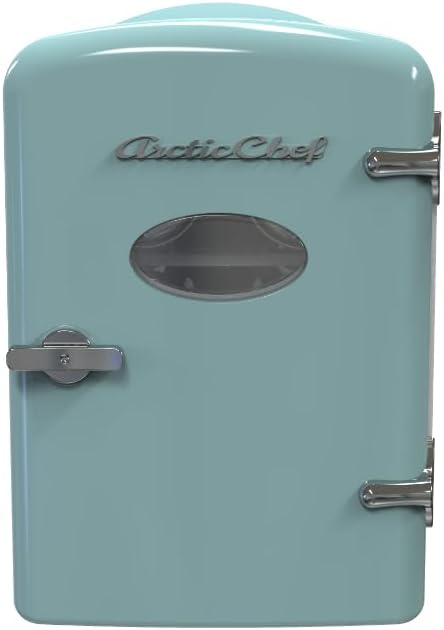
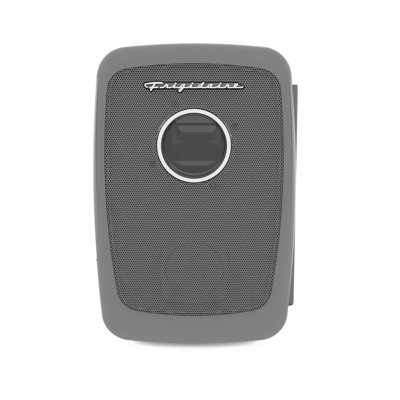
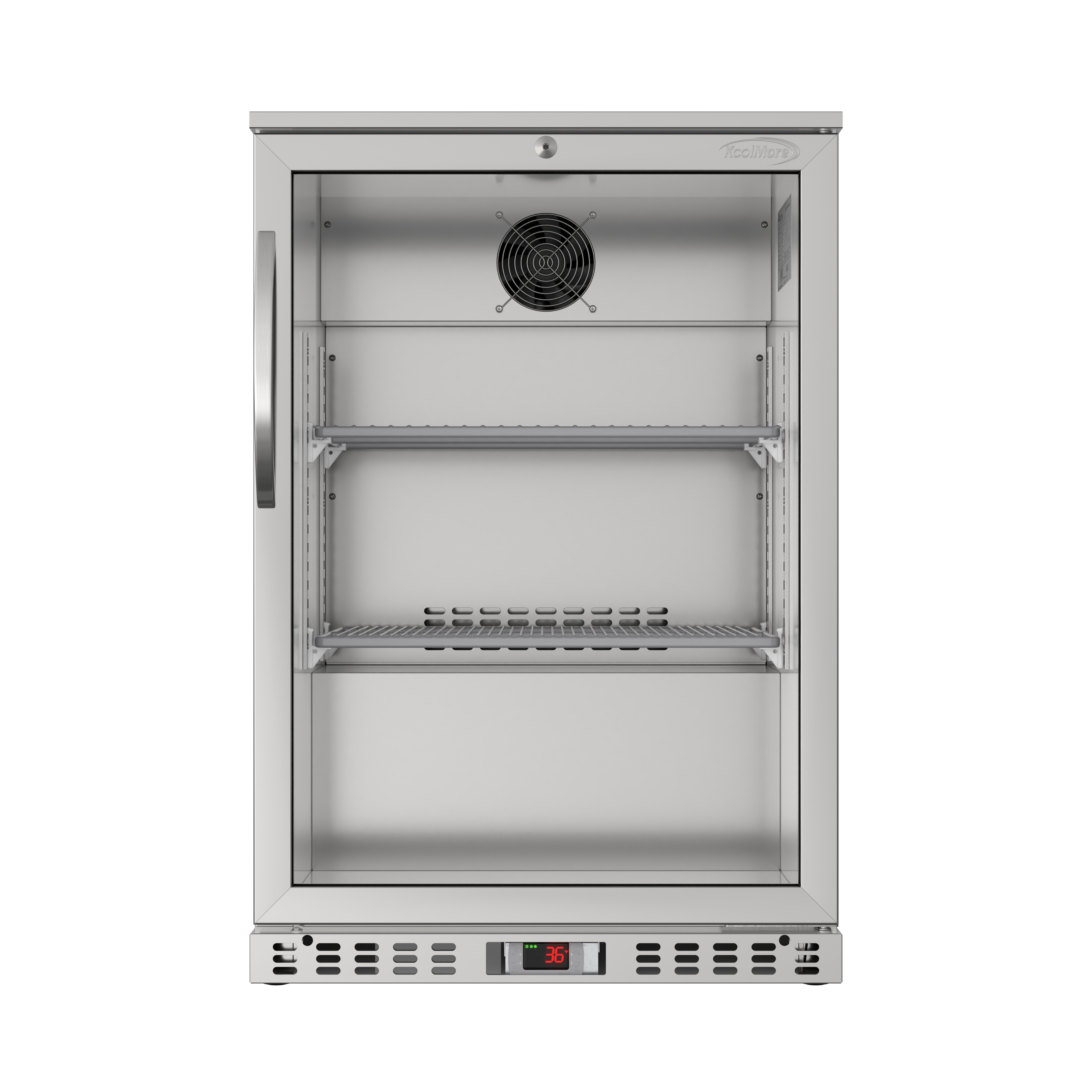
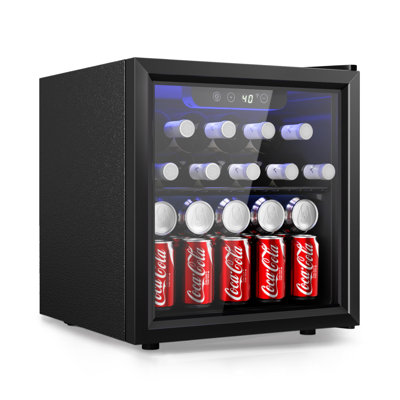
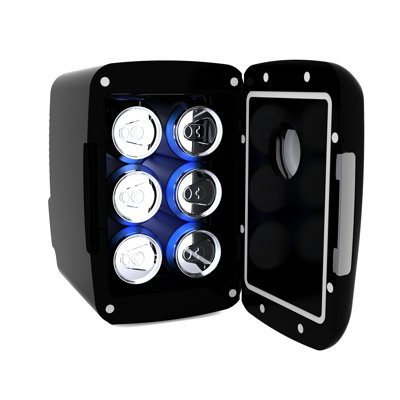
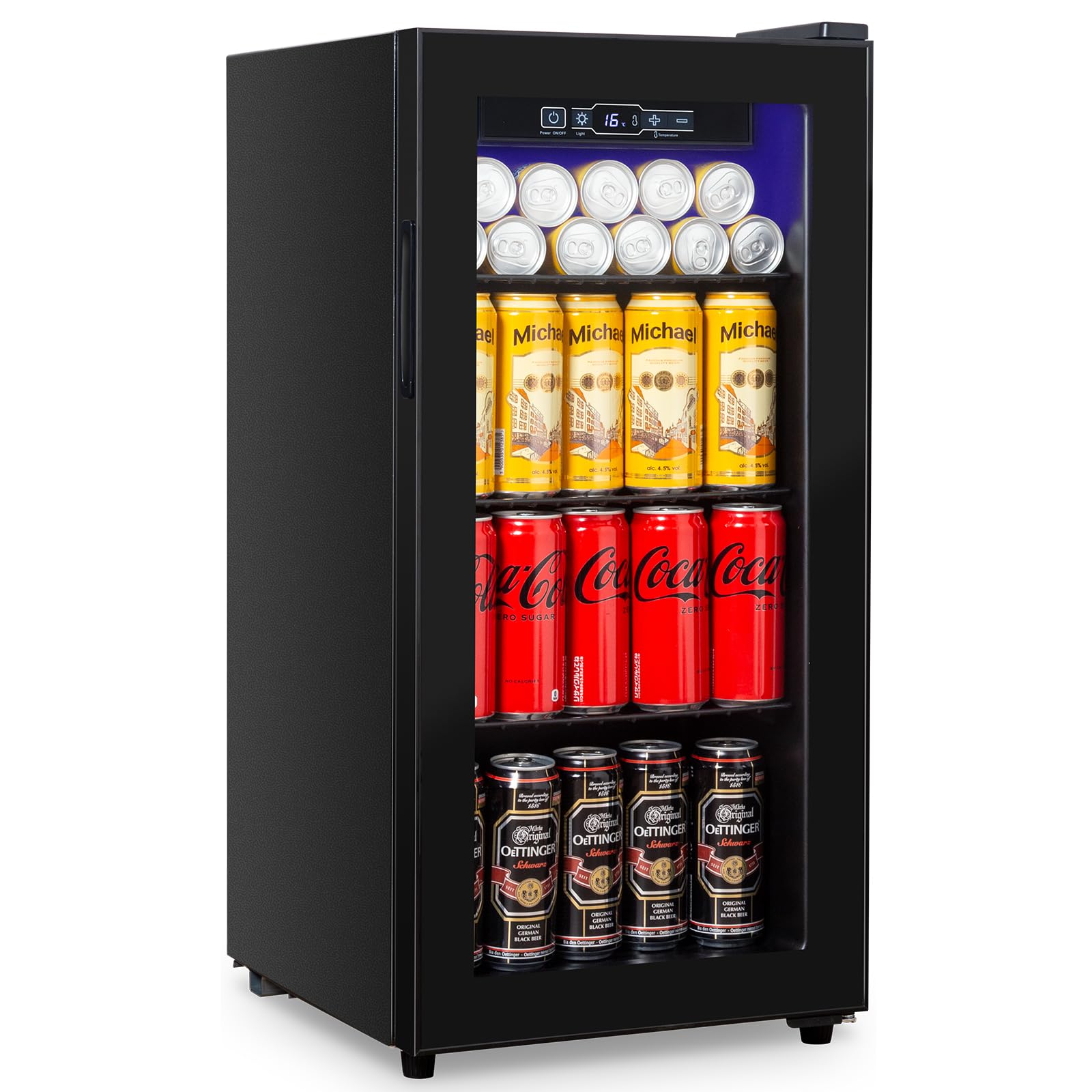
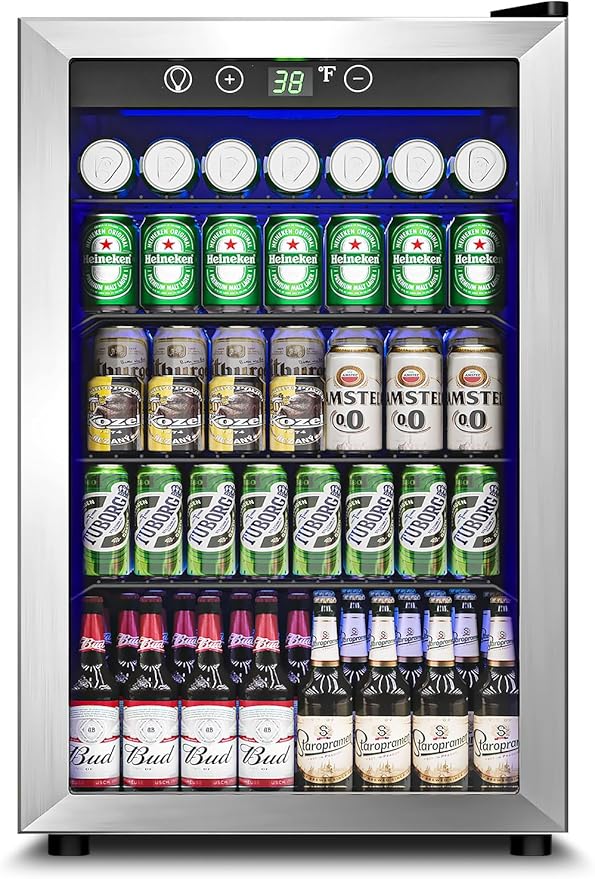
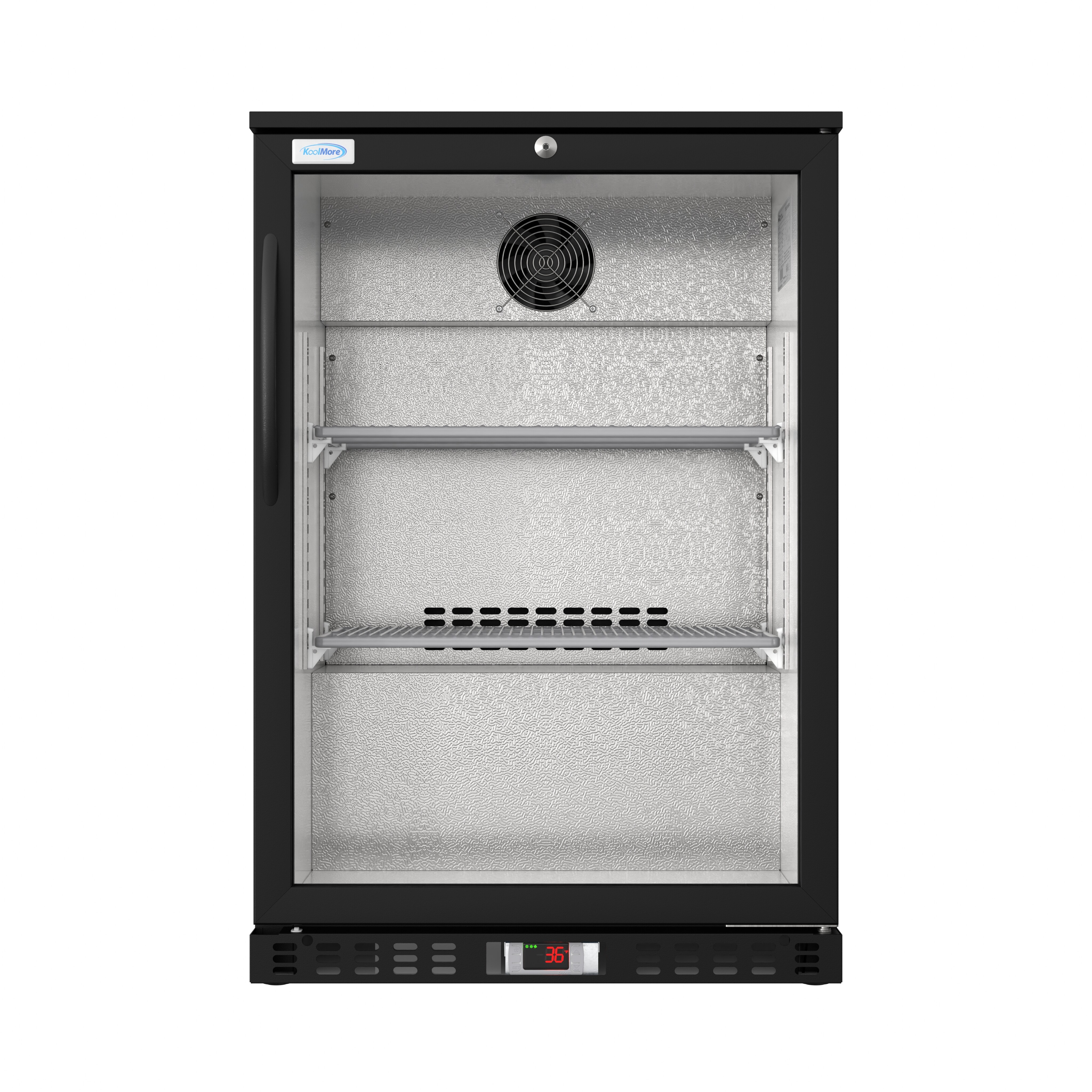
They are typically compact and designed for mobility, making them ideal for outdoor activities and small spaces.
When considering a cooling solution for your home, it's important to understand the differences between a beverage center and a portable freezer.
Beverage centers are ideal for entertaining guests, organizing your favorite drinks, or simply keeping beverages within easy reach in your living space or kitchen.
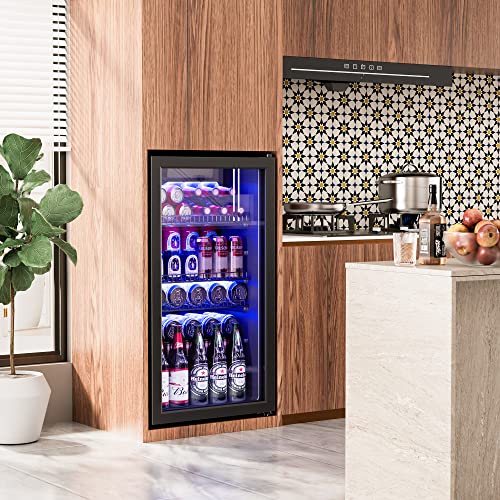
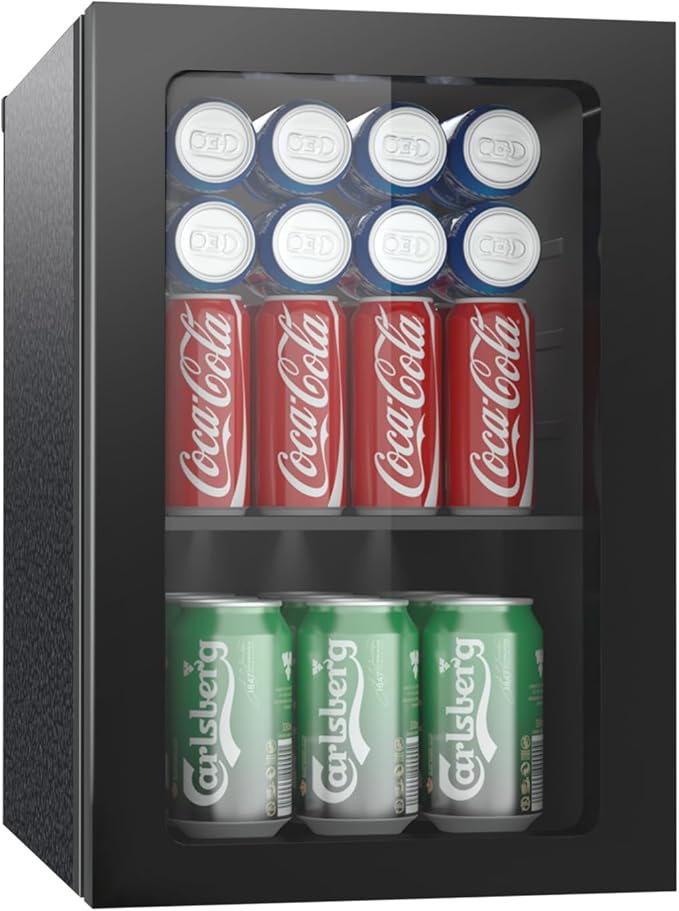
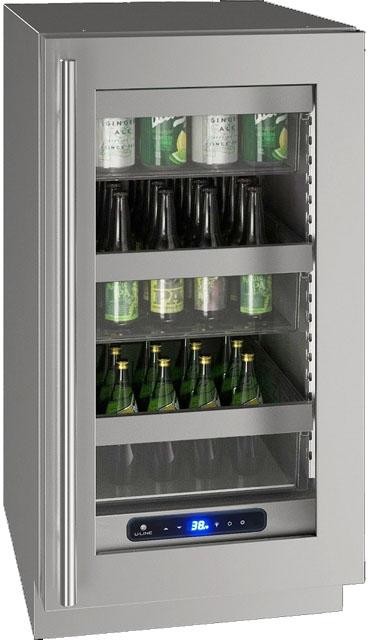
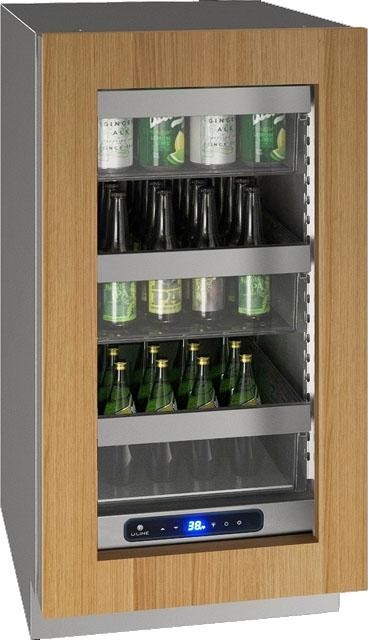
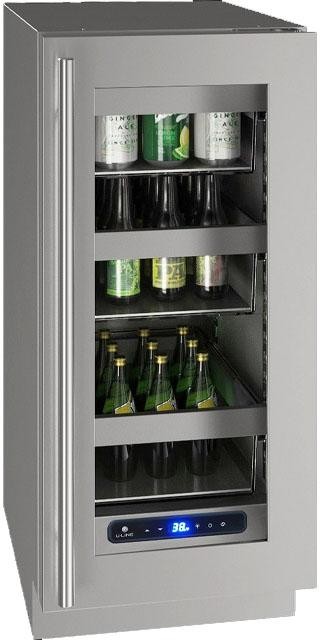
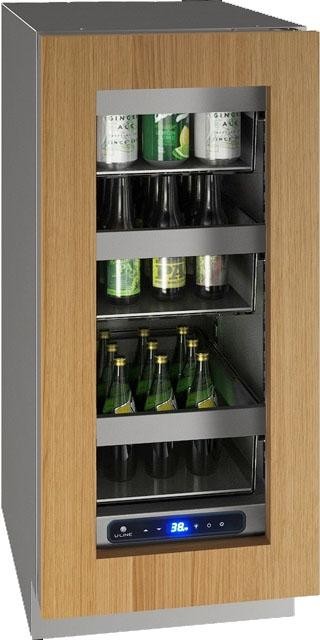
Beverage centers are designed to store and cool a variety of beverages, offering specialized features that make them ideal for this purpose.
Exploring Different Cooling Solutions for Your Needs
When considering a cooling solution for your home, it's important to understand the differences between a beverage center and a portable freezer. Both appliances offer unique benefits and are suited for different needs.
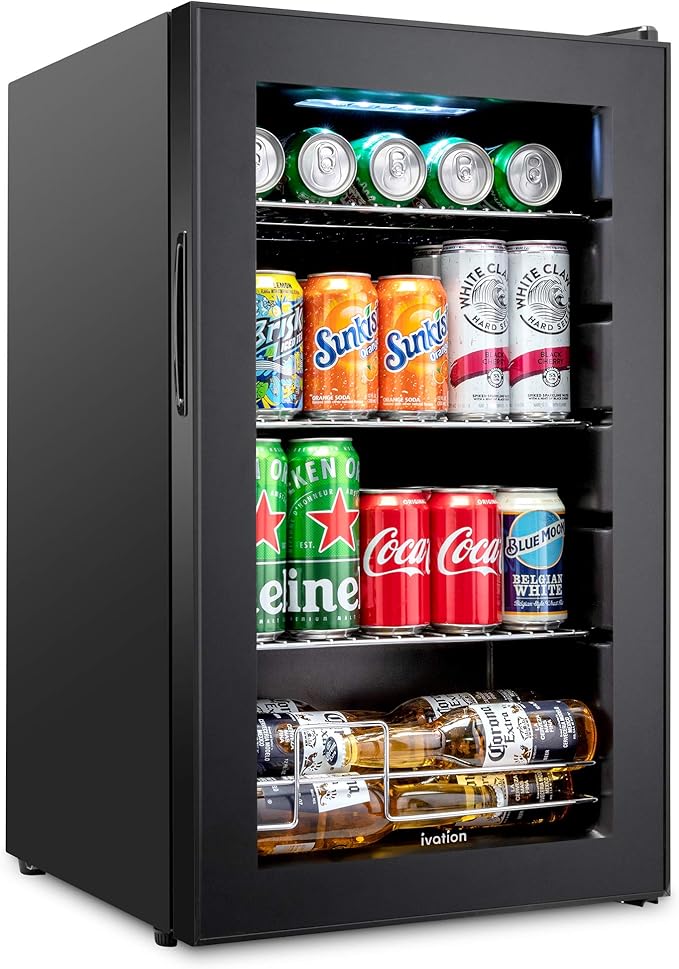
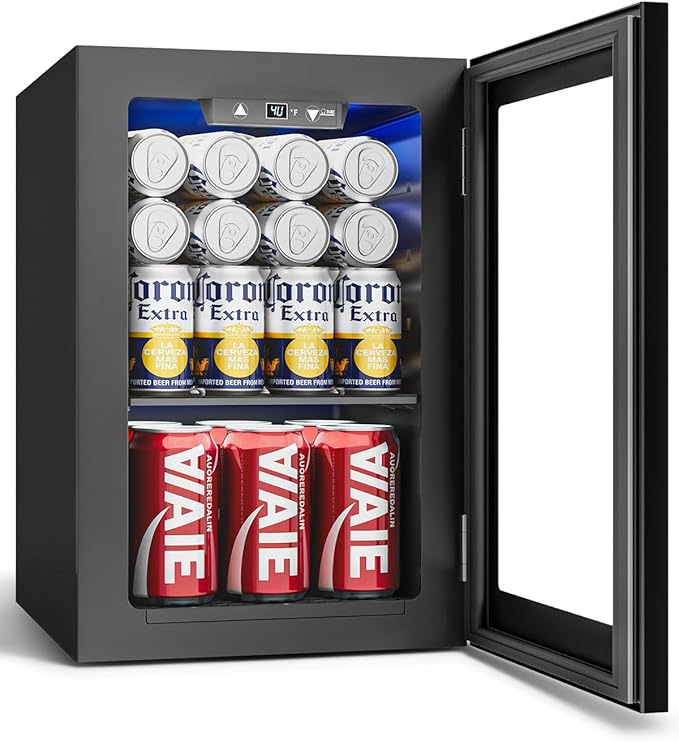
A beverage center is designed specifically for storing drinks at optimal temperatures. These appliances often come with adjustable shelves and temperature control features to accommodate various types of beverages, from wine to soda. Beverage centers are ideal for entertaining guests, organizing your favorite drinks, or simply keeping beverages within easy reach in your living space or kitchen.
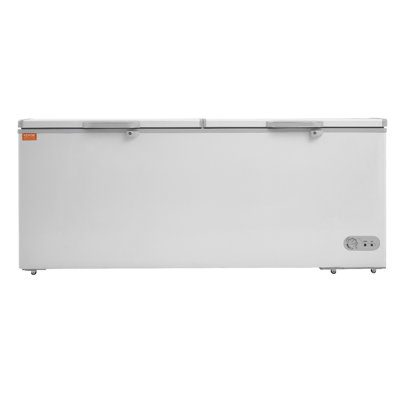
A portable freezer, on the other hand, offers more versatility. These units can freeze a variety of items, from food to beverages, making them perfect for camping trips, road trips, or additional freezer space in your home. Portable freezers often come with dual temperature zones, allowing you to use part of the freezer for refrigeration and the other part for freezing.
Here’s a quick comparison to help you decide which appliance suits your needs better:
Feature
Beverage Center
Portable Freezer
Primary Use
Storing beverages
Freezing food and beverages
Temperature Range
Typically 34°F - 64°F
-4°F to 68°F
Size
Compact, fits under counters
Varies, often larger and bulkier
Portability
Stationary
Portable, can be used in various locations
Ideal For
Home bars, kitchens, entertaining
Camping, road trips, extra freezer space
When making your decision, consider the specific needs of your household or lifestyle. If your primary goal is to keep a variety of drinks chilled and easily accessible, a beverage center might be the better choice. However, if you need a flexible solution that can freeze and refrigerate on-the-go, a portable freezer is likely the way to go.
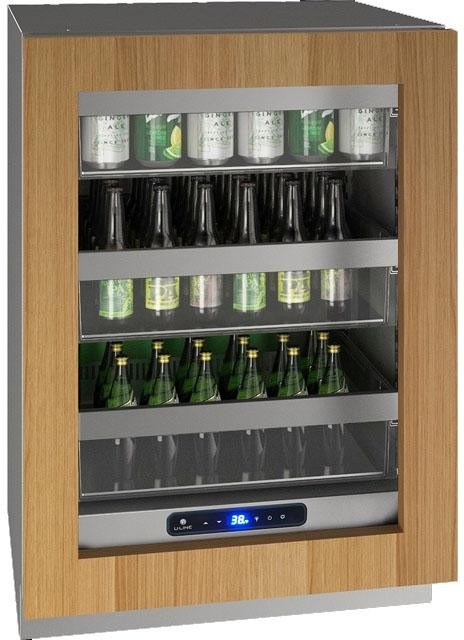
Beverage centers are designed to store and cool a variety of beverages, offering specialized features that make them ideal for this purpose. Key features typically include adjustable shelving, temperature control, and glass doors. These features allow you to store different types of drinks at their optimal temperatures and provide easy access and visibility.
Feature
Description
Adjustable Shelves
Allows customization for different bottle and can sizes
Temperature Control
Enables precise cooling to suit various beverages
Glass Doors
Offers visibility and a sleek look
LED Lighting
Provides illumination without generating heat
Locking Mechanisms
Ensures the safety and security of stored beverages
Ideal Uses for Beverage Centers
Beverage centers are versatile and can be used in various settings to meet different needs. They are perfect for homeowners who entertain frequently, offering a dedicated space to keep drinks cool and accessible. Whether in a kitchen, living room, or home bar, a beverage center can enhance your entertaining experience by keeping drinks at the perfect temperature.
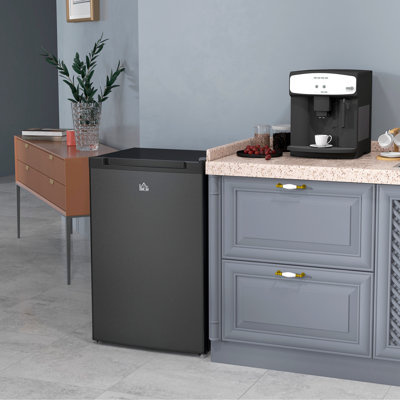
For offices, beverage centers provide a convenient way to offer employees and clients chilled beverages. In outdoor spaces like patios or near pools, they eliminate the need to go indoors for a cold drink. They are also ideal for small spaces like apartments, condos, and mobile homes where a full-sized refrigerator might not be practical.
For more information on how beverage centers compare to other cooling solutions, check out Fridge.com articles on beverage cooler Vs. wine refrigerator and beverage cellar Vs. beverage refrigerator.
Exploring Portable Freezers
Portable freezers are versatile and convenient cooling solutions that can be used in a variety of settings. Whether you're planning a camping trip, need extra freezer space in your home, or want to keep beverages cold for an outdoor gathering, portable freezers offer flexibility and functionality.
Features and Functions of Portable Freezers
Portable freezers come equipped with various features that enhance their usability and efficiency. Some key features to consider include:
Compact Design: Portable freezers are designed to be lightweight and easy to transport, making them ideal for on-the-go use.
Adjustable Temperature Control: Many portable freezers offer adjustable temperature settings, allowing you to customize the cooling level based on your needs.
Dual Zones: Some models feature dual zones, enabling you to use one section as a freezer and the other as a refrigerator.
Power Options: Portable freezers often support multiple power sources, including AC, DC, and solar power, providing flexibility for different environments.
Energy Efficiency: Many portable freezers are designed to be energy-efficient, reducing power consumption while maintaining optimal cooling performance.
Feature
Description
Compact Design
Lightweight and easy to transport
Adjustable Temperature Control
Customizable cooling levels
Dual Zones
Separate freezer and refrigerator sections
Power Options
AC, DC, and solar power compatibility
Ideal Uses for Portable Freezers
Portable freezers are incredibly versatile and can be used in a variety of scenarios. Here are some ideal uses for portable freezers:
Camping and Outdoor Adventures: Keep your food and drinks cold while enjoying the great outdoors.
Road Trips: Store snacks and beverages for long drives without worrying about spoilage.
Home Use: Use as extra freezer space for bulk purchases or during holiday seasons.
Boating and Fishing: Preserve your catch and keep refreshments cold on the water.
Tailgating and Picnics: Ensure your food and drinks stay fresh and cool during outdoor events.
For more information on comparing different cooling solutions, check out Fridge.com article on beverage center Vs. outdoor freezer.
Understanding the features and ideal uses of portable freezers can help you make an informed decision when choosing the right cooling solution for your needs. For further comparisons, you may also be interested in Fridge.com articles on beer keg cooler Vs. black slate refrigerator and drawer fridge freezer Vs. panel ready refrigerator.
When deciding between a beverage center and a portable freezer, it's essential to consider their capacity and storage options. Both appliances offer unique benefits depending on your needs.
Beverage Center Capacity and Storage
Beverage centers are designed specifically for storing drinks. They typically have shelves and racks to accommodate various bottle and can sizes. The storage capacity can vary based on the model and design.
Beverage Center Type
Capacity (Cans)
Shelves/Racks
Small Beverage Center
60 - 80
3 - 4
Medium Beverage Center
100 - 150
4 - 5
Large Beverage Center
160 - 200+
5 - 6
Beverage centers often have adjustable shelves, allowing you to customize the interior layout to fit your specific storage needs. Some models also feature specialized racks for wine bottles, making them versatile for various beverages. For more on beverage storage options, see Fridge.com article on beverage cooler Vs. wine refrigerator.
Portable Freezer Capacity and Storage
Portable freezers are versatile appliances that can store a wide range of items, from frozen food to ice packs. They are typically compact and designed for mobility, making them ideal for outdoor activities and small spaces.
Portable Freezer Type
Capacity (Quarts)
Storage Compartments
Small Portable Freezer
20 - 30
1 - 2
Medium Portable Freezer
40 - 50
2 - 3
Large Portable Freezer
60 - 80+
3 - 4
Portable freezers often come with removable baskets or dividers, providing flexibility in organizing the interior space. Some models also offer dual-zone features, allowing separate compartments for freezing and refrigeration. To explore more about freezer options, visit Fridge.com article on portable freezer Vs. refrigerator drawer.
In summary, the choice between a beverage center and a portable freezer largely depends on your storage needs and intended use. For dedicated beverage storage, beverage centers offer specialized shelving and large capacities. For a more versatile option that can store a variety of items, portable freezers provide flexible storage solutions.
When comparing a beverage center and a portable freezer, design and placement play a crucial role in determining which option suits your needs best. This section will explore the aesthetics, design features, and placement considerations for both cooling solutions.
Aesthetics and Design Features
Beverage centers and portable freezers are designed with different aesthetic and functional features to cater to various needs.
Beverage Centers:
Sleek and modern design with glass doors for easy viewing of contents.
Interior LED lighting to enhance visibility and presentation.
Adjustable shelves to accommodate various beverage sizes.
Often built-in or freestanding, blending seamlessly with kitchen or bar decor.
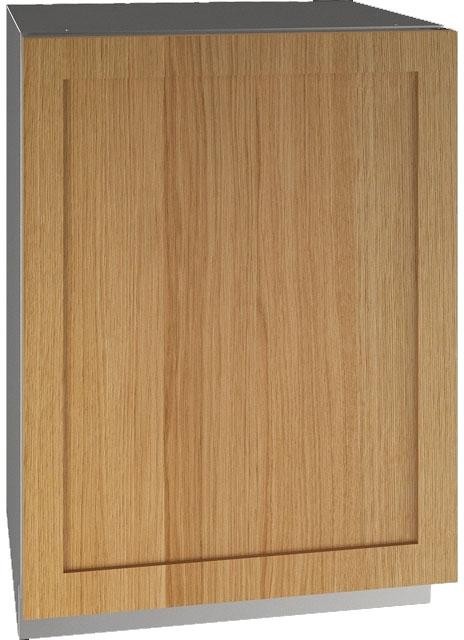
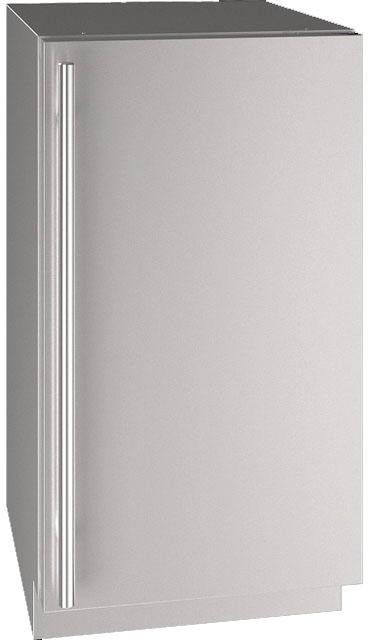
Available in various finishes to match other appliances.
Portable Freezers:
Compact and lightweight for easy portability.
Robust and durable design to withstand outdoor conditions.
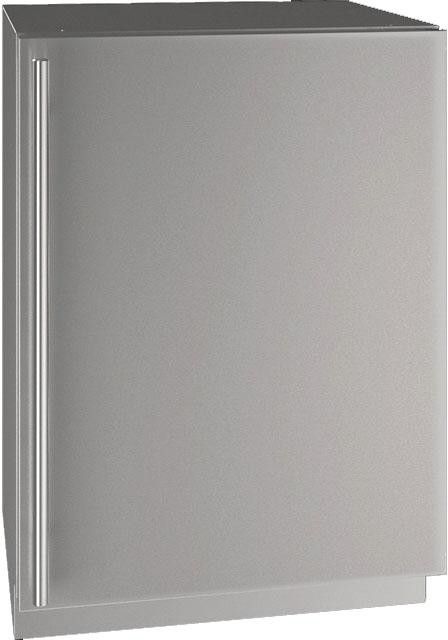
Typically feature solid doors to retain cold air and improve energy efficiency.
Different compartments or baskets for organized storage.
Available in neutral colors to fit different environments.
Placement Considerations for Beverage Centers and Portable Freezers
The placement of a beverage center or portable freezer can significantly impact its functionality and convenience.
Beverage Centers:
Designed for indoor use, ideal for kitchens, home bars, and entertainment areas.
Can be built into cabinetry or placed as a freestanding unit.
Requires adequate ventilation to ensure optimal performance.
Should be placed near a power source and away from direct sunlight.
Ideal for near home pool areas, basements, and entertainment zones.
Portable Freezers:
Versatile placement options, suitable for both indoor and outdoor use.
Perfect for garages, cabins, mobile homes, and outdoor events.
Can be easily moved and placed wherever needed.
Requires a flat, stable surface to operate efficiently.
Ideal for camping trips, backyard gatherings, and road trips.
Feature/Placement
Beverage Center
Portable Freezer
Design
Sleek, glass doors, interior lighting
Compact, solid doors, durable
Placement
Indoor, built-in or freestanding
Indoor/outdoor, portable
Ventilation
Requires adequate ventilation
Stable surface, minimal ventilation
Ideal Locations
Kitchens, bars, entertainment areas
Garages, cabins, outdoors
By understanding the design and placement considerations of beverage centers and portable freezers, you can make an informed decision based on your specific needs and preferences. For further comparisons, explore Fridge.com articles on beer keg cooler Vs. black slate refrigerator and freezer drawer Vs. platinum refrigerator.
Energy Efficiency
Comparing Energy Consumption
When comparing the energy consumption of a beverage center and a portable freezer, it's important to consider their operational requirements and usage patterns. Generally, both appliances have different energy needs based on their design and functionality.
Appliance
Average Annual Energy Consumption (kWh)
Beverage Center
150 - 300
Portable Freezer
200 - 400
Beverage centers are designed to maintain a consistent temperature for beverages, which often results in lower energy consumption compared to portable freezers. Portable freezers, on the other hand, need to reach and sustain much lower temperatures to keep food frozen, leading to higher energy usage.
Tips for Maximizing Energy Efficiency
To optimize the energy efficiency of your beverage center or portable freezer, consider the following tips:
Proper Placement: Ensure that your appliance is placed in a well-ventilated area, away from direct sunlight and heat sources. This helps to reduce the workload on the cooling system.
Regular Maintenance: Clean the coils and vents regularly to maintain efficient airflow. This can improve the energy efficiency of both beverage centers and portable freezers.
Optimal Temperature Settings: Set the temperature to the manufacturer's recommended levels. Avoid setting the temperature too low, as it can lead to unnecessary energy consumption.
Efficient Loading: Avoid overloading your appliance. Proper organization allows for better air circulation and more efficient cooling.
Energy-Saving Features: Utilize any energy-saving modes or features available on your device. Some models offer eco-friendly settings that can reduce power consumption.
Door Seals: Check the door seals periodically to ensure they are airtight. Faulty seals can cause cold air to escape, leading to increased energy use.
For more detailed comparisons and additional tips on different types of refrigerators and freezers, you can explore articles like beer keg cooler Vs. black slate refrigerator and dorm fridge Vs. upright refrigerator.
By following these guidelines, you can enhance the energy efficiency of your beverage center or portable freezer, ultimately saving on energy costs and contributing to a more sustainable environment.
When comparing a beverage center to a portable freezer, understanding their temperature control and settings is crucial. Both appliances offer unique features designed to meet specific needs.
Temperature Range and Control Features
Beverage centers are designed to keep drinks at an optimal serving temperature. They typically offer a wide range of temperature settings to accommodate various types of beverages, from wines to sodas. Some advanced beverage centers even feature dual-zone cooling, allowing you to set different temperatures for different sections.
Portable freezers, on the other hand, are built to freeze and preserve perishable items. These units often have a broader temperature range, capable of reaching sub-zero temperatures. This makes them versatile for both refrigeration and freezing needs.
Appliance
Temperature Range (°F)
Control Features
Beverage Center
35 - 65
Digital thermostat, Dual-zone cooling
Portable Freezer
-4 - 50
Digital control, Adjustable thermostat
Customization Options for Temperature Settings
Customization options for temperature settings provide you with flexibility and control over your appliance. Beverage centers often come with digital thermostats and touch controls, making it easy to set and monitor the temperature. Some models also offer pre-set modes for specific types of drinks, ensuring optimal storage conditions.
Portable freezers typically feature adjustable thermostats that allow you to switch between refrigeration and freezing modes. Many models come with user-friendly digital displays, enabling precise temperature adjustments. Some portable freezers also include eco modes, which help in reducing energy consumption while maintaining the desired temperature.
For more information on different refrigeration and freezing options, check out Fridge.com articles on beer keg cooler Vs. black slate refrigerator and portable freezer Vs. refrigerator drawer. If you need insights on how to maximize energy efficiency, Fridge.com tips for drawer fridge freezer Vs. panel ready refrigerator will be helpful.
Understanding these features can help you choose the best appliance for your specific needs, whether you are looking to store beverages or preserve perishable items.
Maintenance and Cleaning
Keeping your beverage center and portable freezer in optimal condition requires regular maintenance and proper cleaning. Here are some tips and guidelines to help you ensure your cooling appliances function efficiently.
Tips for Maintaining Beverage Centers and Portable Freezers
Regular Defrosting: For portable freezers, defrost regularly to prevent ice buildup, which can affect performance.
Check Seals: Inspect door seals on both beverage centers and portable freezers for cracks or wear. Replace if necessary to maintain proper insulation.
Clean Condenser Coils: Dust and dirt can accumulate on the condenser coils, reducing efficiency. Clean these coils every six months.
Monitor Temperature: Regularly check temperature settings to ensure they are within the optimal range for your needs.
Ventilation: Ensure adequate ventilation around the appliance. Avoid placing it in confined spaces to prevent overheating.
Cleaning Guidelines for Optimal Performance
Unplug and Empty: Always unplug the appliance and remove all contents before cleaning.
Use Mild Detergent: Clean interior surfaces with a solution of mild detergent and warm water. Avoid abrasive cleaners that can damage surfaces.
Wipe Down Exterior: Use a damp cloth to clean the exterior, paying attention to control panels and handles.
Sanitize Shelves and Drawers: Remove and wash shelves and drawers separately. Use a mild disinfectant to sanitize these parts.
Dry Thoroughly: After cleaning, dry all surfaces thoroughly before plugging the appliance back in and restocking.
Task
Frequency
Tools Needed
Defrosting
Every 3-6 months
Towels, container for water
Checking Seals
Monthly
Inspection, replacement if needed
Cleaning Condenser Coils
Every 6 months
Vacuum or brush
Interior Cleaning
Monthly
Mild detergent, warm water
Exterior Cleaning
Weekly
Damp cloth
Proper maintenance and cleaning ensure that both your beverage center and portable freezer operate efficiently and have a longer lifespan. For more on comparing cooling solutions, visit beverage cooler Vs. wine refrigerator and beer keg cooler Vs. black slate refrigerator.
Compare prices on Fridge.com
Compare current prices and specifications on Fridge.com, then buy from the retailer you choose; delivery, installation and warranty terms are the retailer’s.
It also has tons of awesome articles about kitchen stuff and home news. Enhance your home, garage, backyard, patio, and office with the coolest essentials. With every necessary type of residential refrigerator or freezer in the collection, you're covered.
Free tool
Food Storage Calculator
Free interactive tool from Fridge.com — get a quick answer while you read.