All Freezer Refrigerator Vs. French Door Refrigerator
When choosing between an all-freezer refrigerator and a French door refrigerator, it's important to understand the differences to make an informed decision.
Understanding the Differences
An all-freezer refrigerator is designed to provide maximum freezing capacity. It typically has a single compartment dedicated solely to freezing, which is ideal for those who need to store large quantities of frozen goods. This type of appliance is often used in garages, basements, or as an additional freezer to complement your main refrigerator.
Feature
All Freezer Refrigerator
French Door Refrigerator
Main Purpose
Freezing
Refrigeration and Freezing
Compartments
Single (Freezer)
Dual (Refrigerator + Freezer)
Storage Capacity
High Freezing Capacity
Balanced Storage
Accessibility
Single Door
Dual Doors with Bottom Freezer Drawer
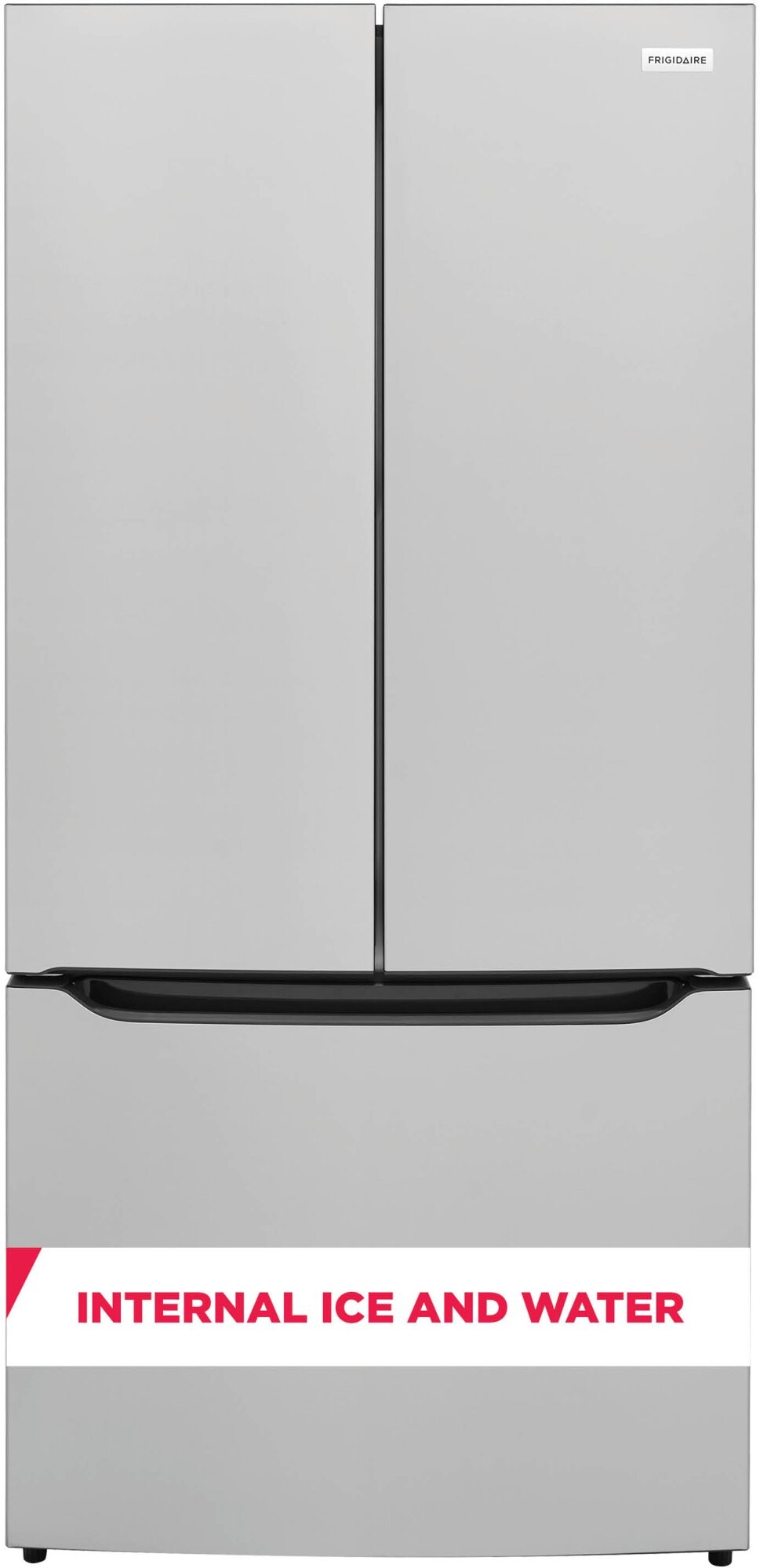
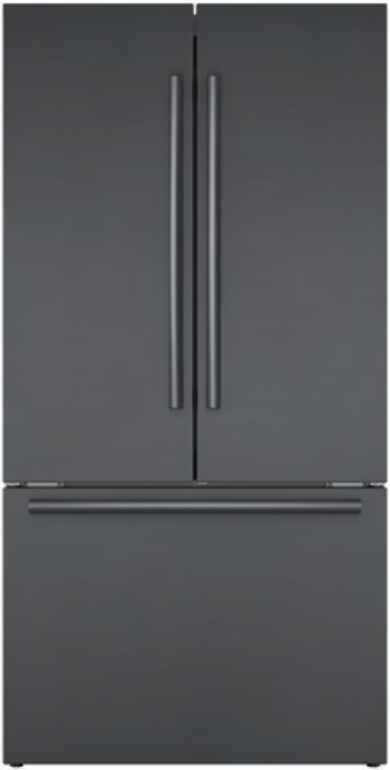
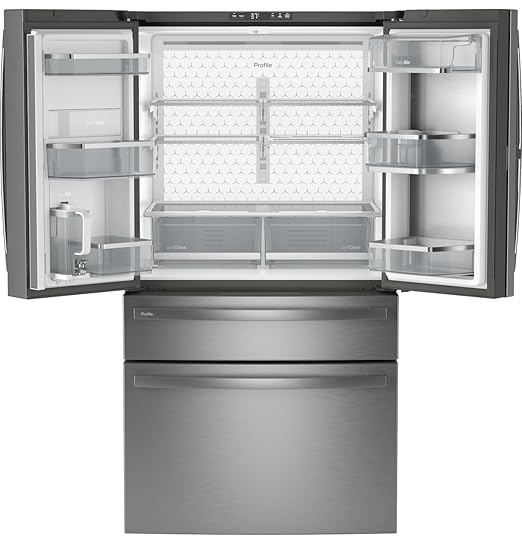
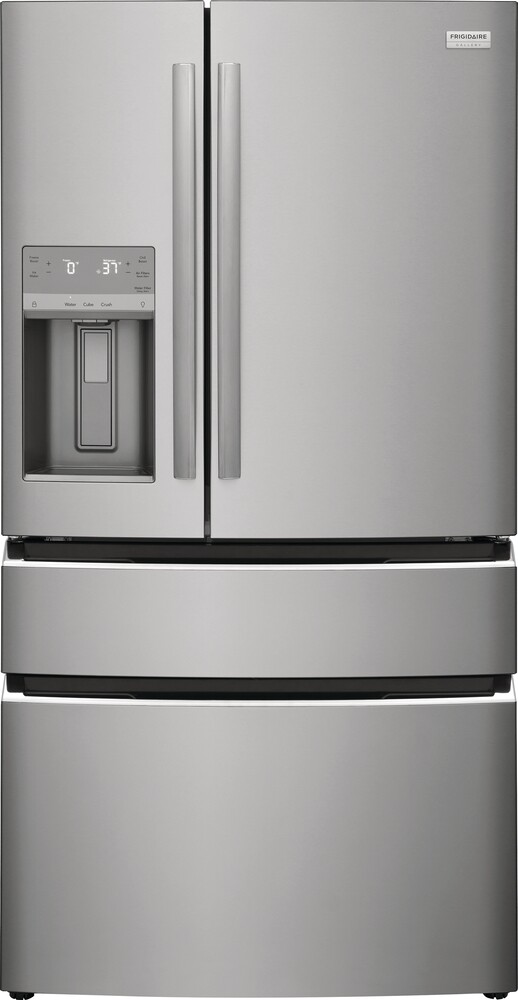
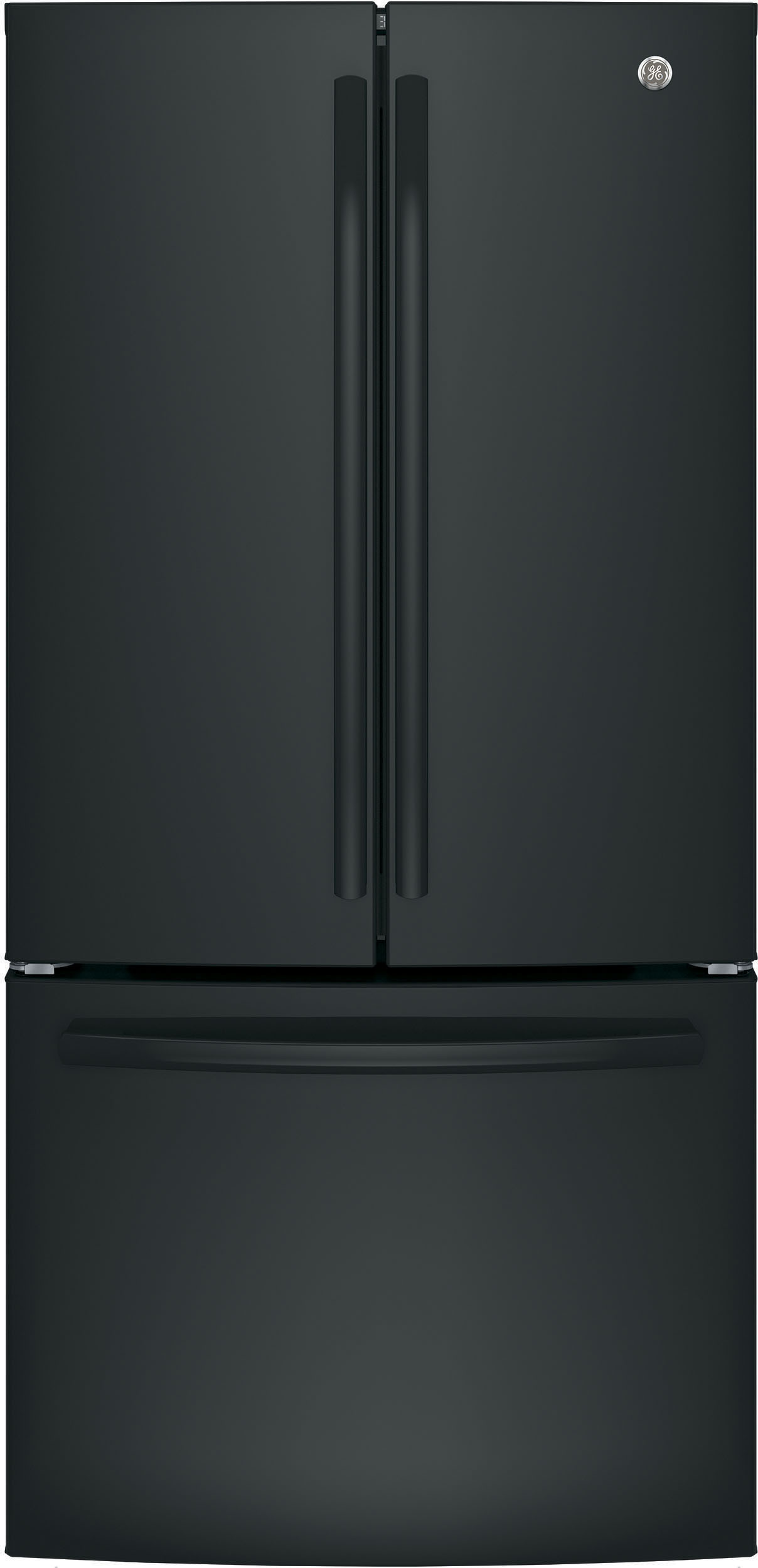
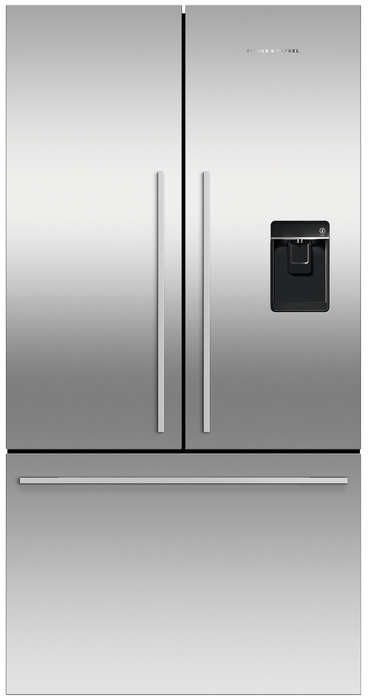
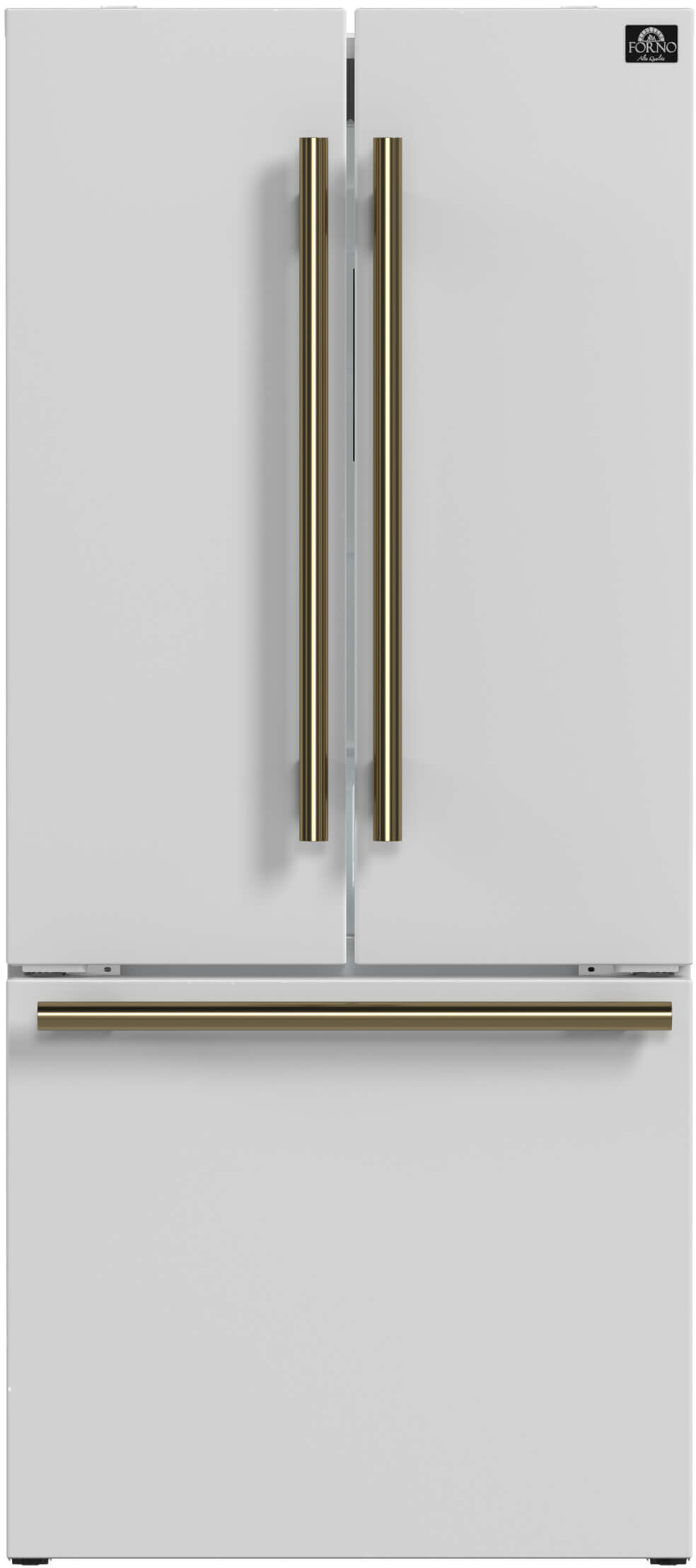
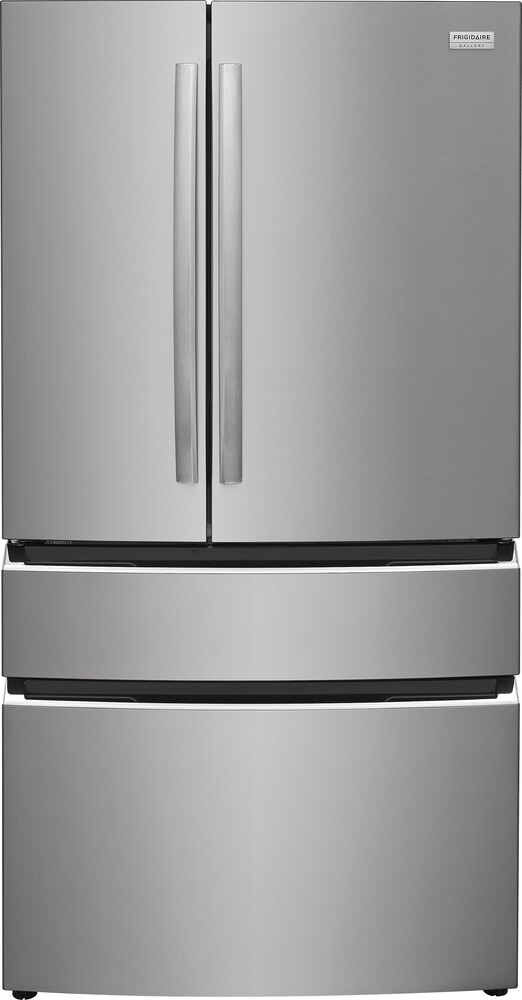
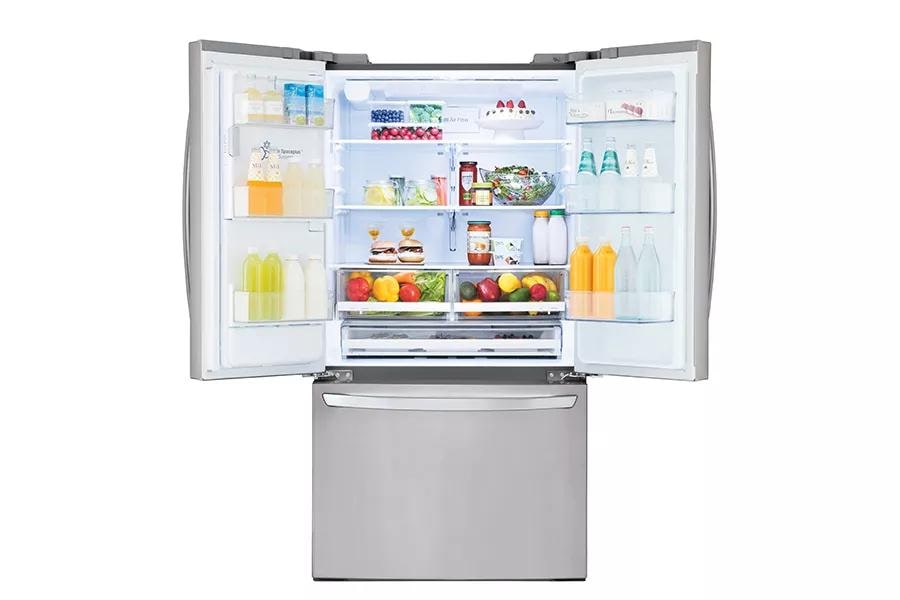
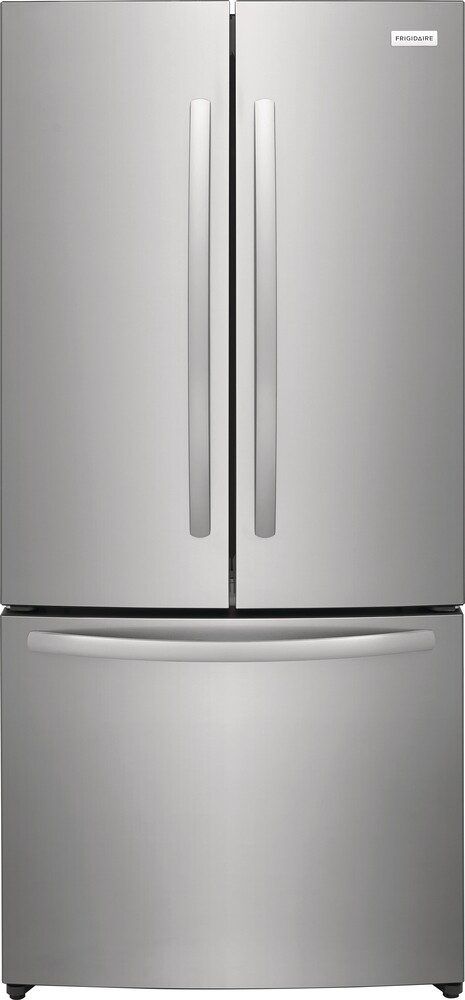
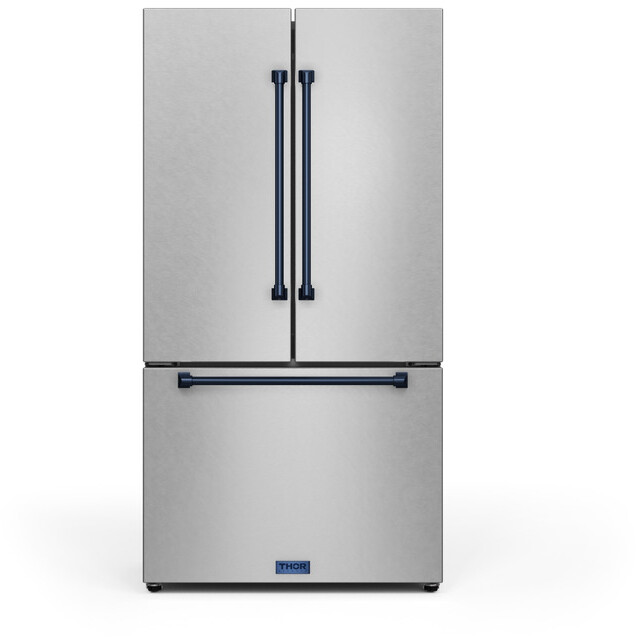
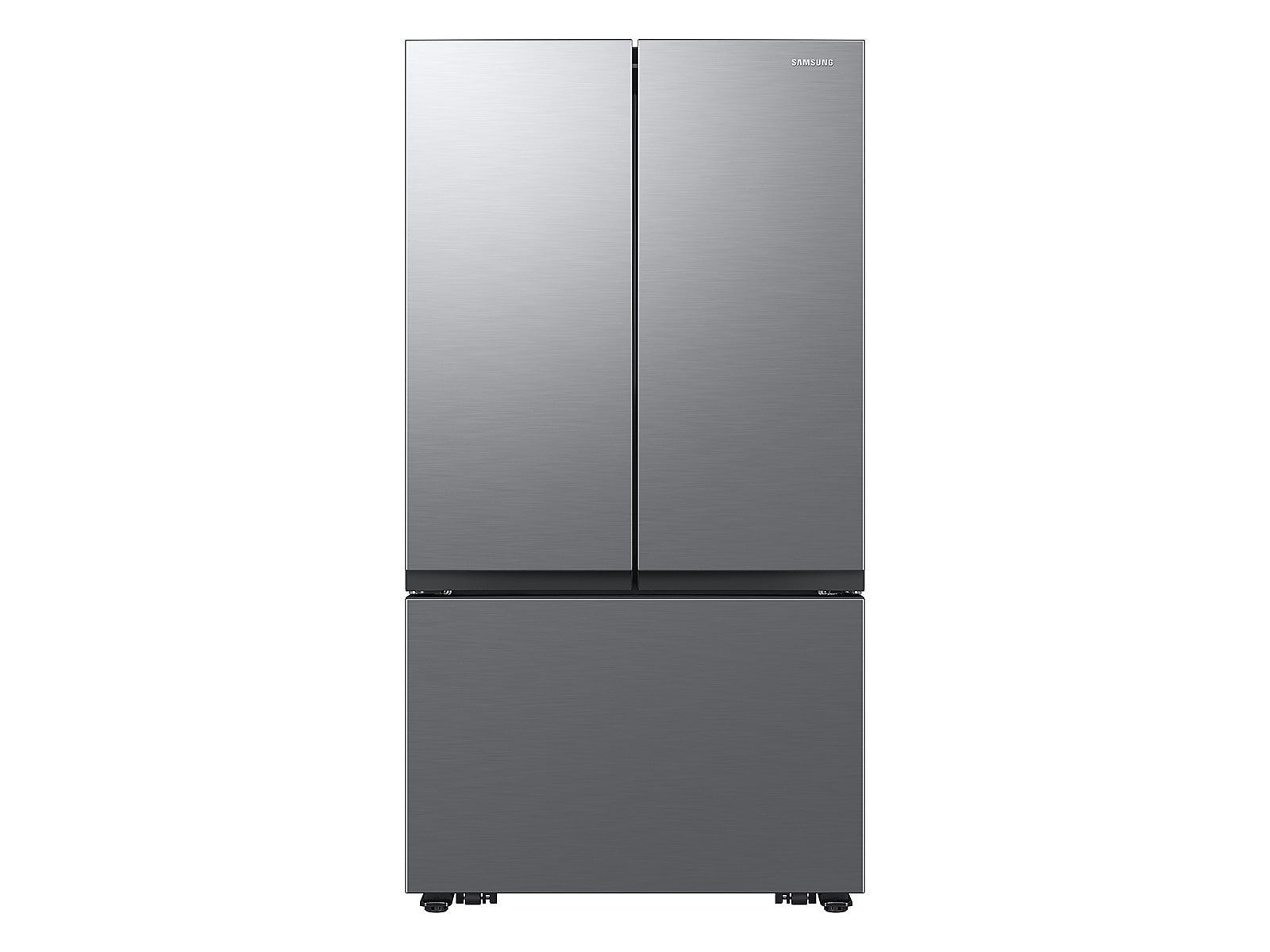
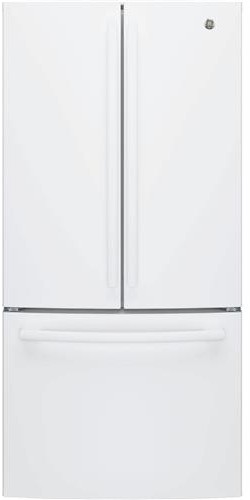
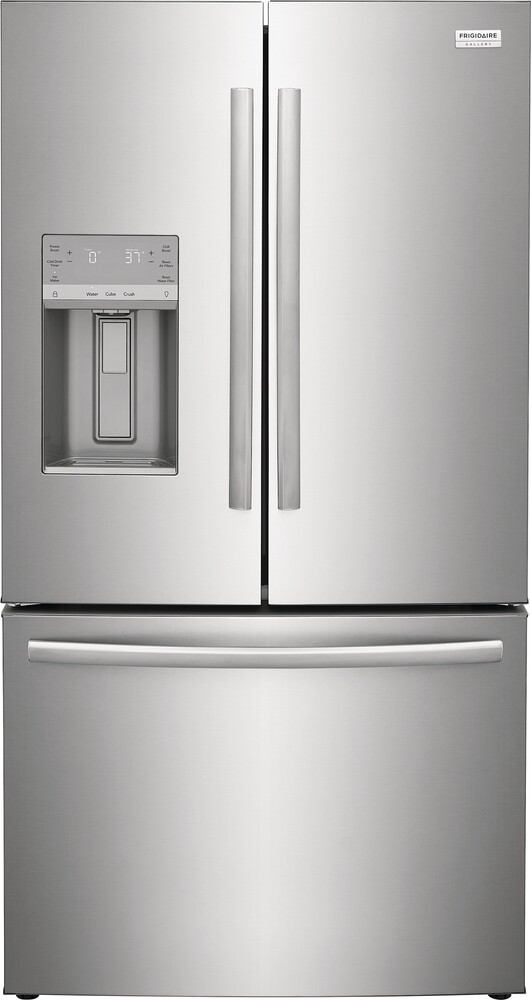
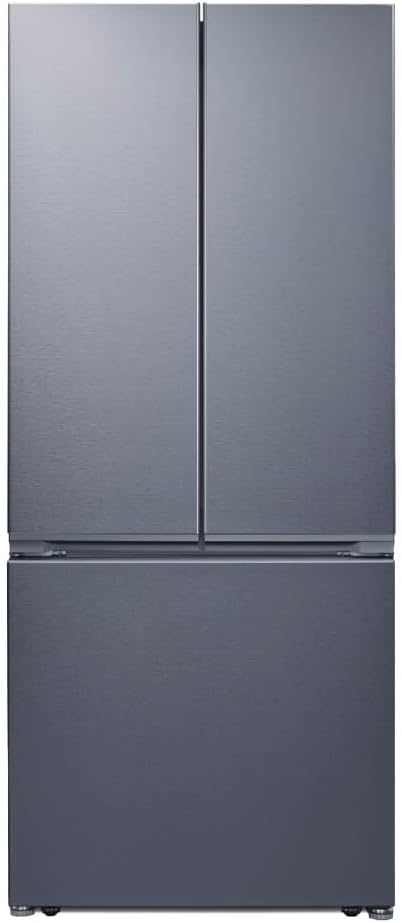
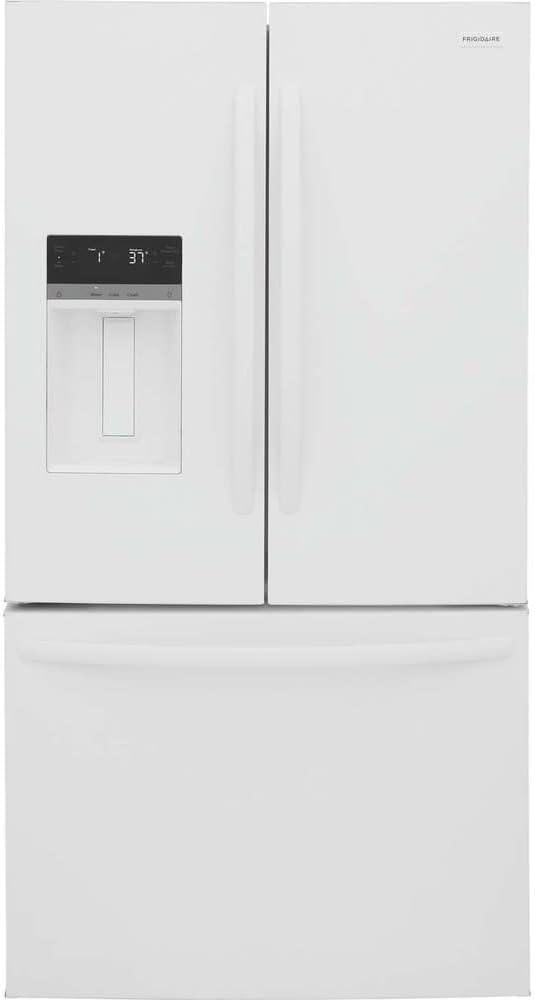
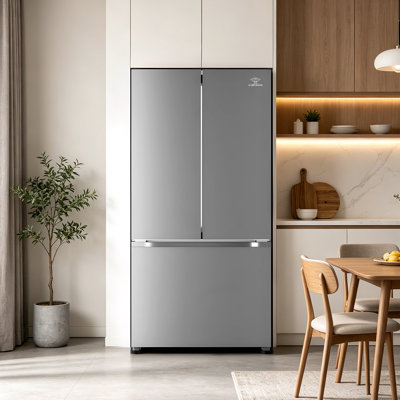
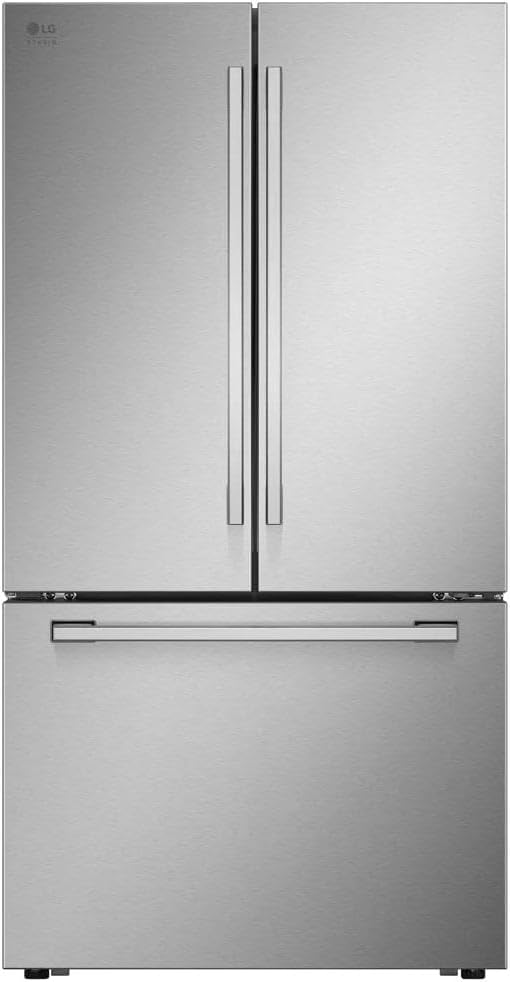
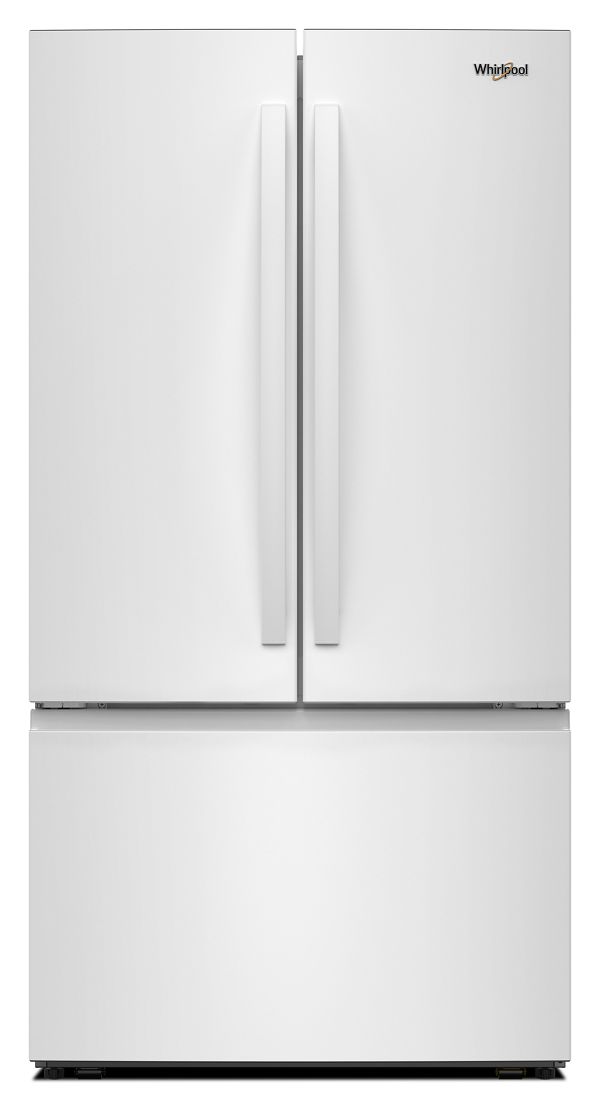
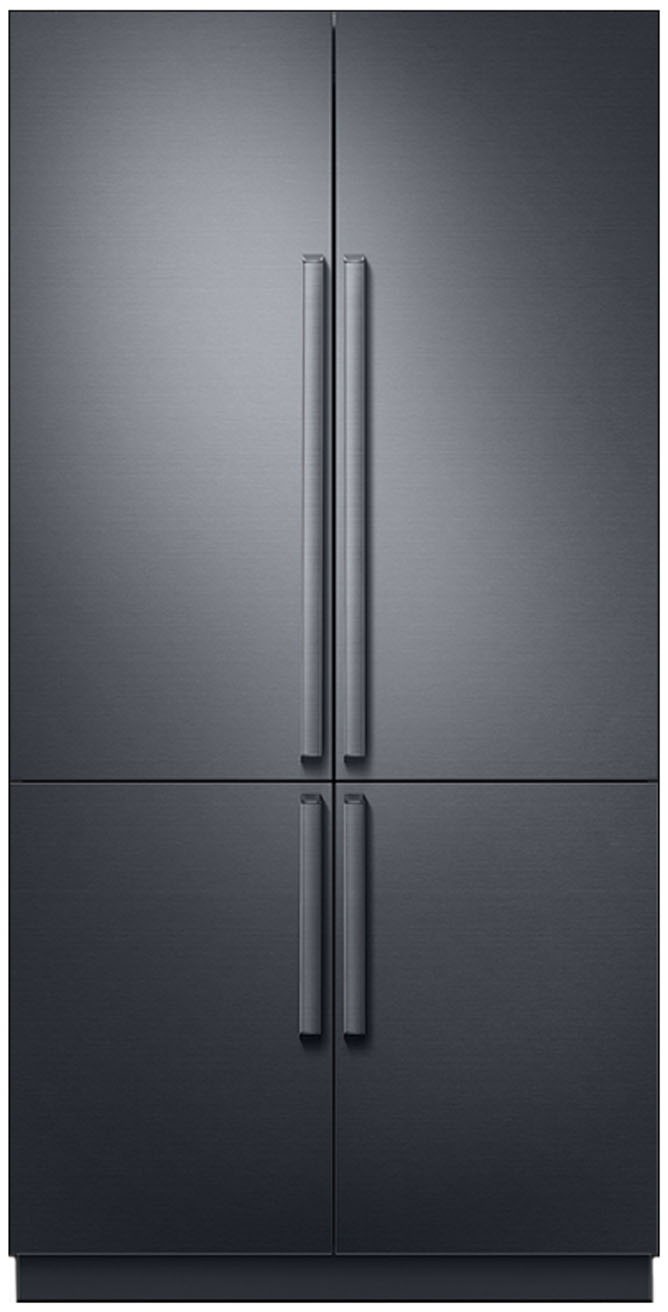
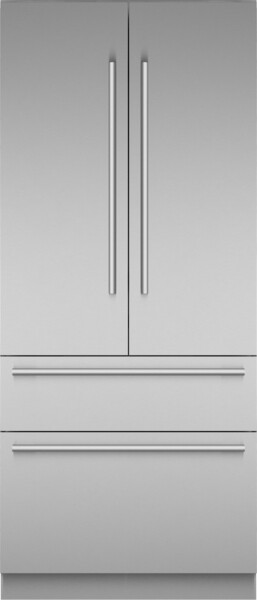
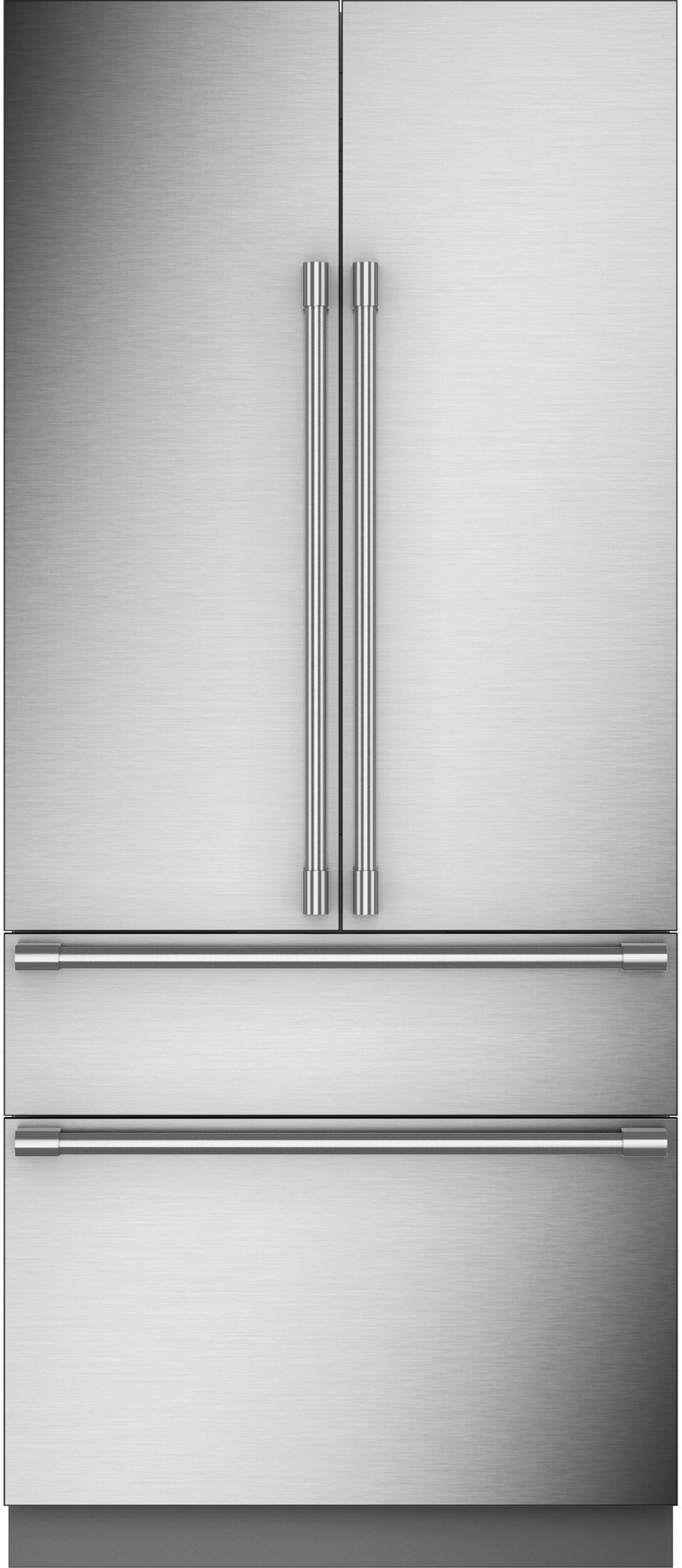
A French door refrigerator, on the other hand, combines both refrigeration and freezing capabilities. It features two doors that open to the refrigerator compartment at the top, and a bottom drawer for the freezer. This design is popular for its aesthetic appeal and convenience, providing easy access to fresh food items while keeping frozen items organized below.
When deciding which option is best for you, consider factors such as your storage needs, kitchen layout, and preferences for accessibility. For example, if you primarily need extra freezer space, an all-freezer refrigerator might be the better choice. On the other hand, if you want a versatile appliance that offers both refrigeration and freezing in a stylish design, a French door refrigerator could be the way to go.
An all freezer refrigerator is designed to provide ample frozen storage space. It does not have a separate refrigerator compartment. This type of appliance is perfect for those who need to freeze large quantities of food, making it a popular choice for families, chefs, and food enthusiasts.
Feature
Detail
Storage Capacity
Large, exclusively for frozen items
Temperature Range
Typically maintains temperatures between -10°F and 0°F
Shelving
Adjustable shelves and bins for organizing frozen goods
Door Type
Single or double door options
Additional Features
Some models include automatic defrost and temperature alarms
Pros of an All Freezer Refrigerator
Ample Storage Space: Offers extensive freezer space for bulk storage, ideal for large families or those who buy in bulk.
Efficient Organization: Adjustable shelves and bins make it easy to organize frozen items.
Stable Temperature: Maintains consistent freezing temperatures, which helps in preserving food quality.
Specialized Use: Perfect for those who require dedicated freezing space, such as hunters, gardeners, or anyone preserving large quantities of food.
Cons of an All Freezer Refrigerator
Lacks Versatility: Exclusively dedicated to freezing, it lacks a refrigerator compartment for fresh food storage.
Space Requirements: Requires significant floor space, which may not be suitable for smaller homes or apartments.
Energy Consumption: Can consume more energy compared to a combination refrigerator-freezer unit, especially if it's large.
Initial Cost: Generally, the initial purchase price can be higher due to its specialized nature.
For more comparisons on different types of refrigeration units, check out Fridge.com articles on medium size refrigerator Vs. slate refrigerator and counter depth refrigerator Vs. office refrigerator. Additionally, if you're considering other dedicated freezing options, you might find Fridge.com article on built in freezer Vs. small chest freezer helpful.
A French door refrigerator is known for its modern design and functionality. It typically has two doors that open outwards from the center, revealing the fridge compartment. Below the fridge compartment, there is a pull-out freezer drawer. This layout offers both style and convenience, making it popular among homeowners.
Key features of a French door refrigerator include:
Double-door design: Provides easy access to the fridge section.
Bottom freezer: Offers ample space and easy organization.
Adjustable shelves: Customizable to accommodate various food items.
Door bins: Useful for storing smaller items and condiments.
Wide shelves: Ideal for large platters and wide containers.
Pros of a French Door Refrigerator
French door refrigerators come with several advantages that make them appealing:
Ample storage space: The wide shelves and deep door bins provide plenty of space for groceries.
Easy access: The double-door design allows you to see and reach items more easily.
Energy efficiency: Opening one door at a time reduces the amount of cold air that escapes.
Modern aesthetic: The sleek, contemporary look suits many kitchen styles.
Enhanced organization: Adjustable shelves and compartments help keep food organized.
Cons of a French Door Refrigerator
Despite their benefits, French door refrigerators also have some drawbacks:
Higher cost: Generally more expensive than other types of refrigerators.
Large size: Requires more kitchen space, which may not be suitable for smaller homes or apartments.
Maintenance: The bottom freezer drawer can be harder to clean.
Potential for uneven cooling: The top fridge and bottom freezer may have different temperature zones.
When comparing an all freezer refrigerator Vs. French door refrigerator, it's important to consider these pros and cons to determine which type best suits your needs. For more comparisons, you can explore Fridge.com articles on medium size refrigerator Vs. slate refrigerator and counter depth refrigerator Vs. office refrigerator.
When it comes to choosing between an all freezer refrigerator and a French door refrigerator, their design and layout play a significant role in your decision-making process. The interior space organization and accessibility of each type can impact your daily use and convenience.
Interior Space Organization
The interior space organization of an all freezer refrigerator versus a French door refrigerator varies significantly. Understanding how each type utilizes space can help you decide which one fits your lifestyle and storage needs.
All Freezer Refrigerator
Typically designed with multiple shelves and compartments dedicated solely to freezing.
Larger compartments for bulk storage.
Lack of fresh food storage sections.
Often includes adjustable shelves and bins for flexible organization.
French Door Refrigerator
Features a combination of a refrigerator and freezer.
Upper compartment for fresh food storage with adjustable shelves.
Lower freezer drawer for frozen items.
Additional door bins and crisper drawers for better organization.
Feature
All Freezer Refrigerator
French Door Refrigerator
Shelving
Multiple freezer shelves
Adjustable fresh food shelves
Compartments
Bulk storage compartments
Separate fridge and freezer sections
Door Bins
Limited or none
Multiple bins for small items
Crisper Drawers
None
Included for fresh produce
Accessibility and Convenience
The accessibility and convenience of each refrigerator type can affect how easily you can retrieve and store items. Consider how each design impacts your daily use.
All Freezer Refrigerator
Easy access to all frozen items.
Typically requires opening a single door to access contents.
Ideal for those who store large quantities of frozen goods.
French Door Refrigerator
Convenient access to fresh food at eye level.
Freezer drawer may require bending to access items.
Split doors reduce the amount of cold air loss when opening the fridge section.
Often features advanced technologies for easier access and organization.
Choosing between an all freezer refrigerator and a French door refrigerator involves assessing how each design fits into your kitchen layout and meets your storage needs. Whether you prioritize the dedicated freezer space of an all freezer refrigerator or the combination storage of a French door refrigerator, understanding these aspects will guide you toward the best choice for your home.
Energy Efficiency and Maintenance
When choosing between an all freezer refrigerator and a French door refrigerator, factoring in energy efficiency and maintenance is crucial. Both options have their own set of characteristics that affect their energy consumption and upkeep.
Energy Consumption
Energy consumption is a significant aspect to consider for any appliance. The efficiency of a refrigerator can impact your electricity bills and environmental footprint.
Refrigerator Type
Average Annual Energy Use (kWh)
Energy Star Certified
All Freezer Refrigerator
500 - 700
Often
French Door Refrigerator
400 - 600
Commonly
All freezer refrigerators typically have a higher energy consumption due to their larger freezer capacity, which requires more energy to maintain lower temperatures. However, many models are Energy Star certified, which means they are designed to be more energy-efficient.
French door refrigerators generally consume less energy compared to all freezer refrigerators. They benefit from having a separate freezer compartment that isn't frequently opened, reducing the loss of cold air and thus conserving energy.
For more details on energy-efficient options, you can refer to Fridge.com article on medium size refrigerator Vs. slate refrigerator.
Cleaning and Maintenance
Maintenance is another important factor when comparing all freezer refrigerators and French door refrigerators. Keeping your appliance clean and well-maintained ensures optimal performance and longevity.
All freezer refrigerators require regular defrosting, especially if they are manual defrost models. Ice buildup can reduce efficiency and storage space. Cleaning the interior and exterior surfaces, as well as the door seals, is essential to maintain cleanliness and prevent odors.
French door refrigerators often come with auto-defrost features, making them easier to maintain. However, they have more compartments and shelves that need to be cleaned regularly. It's also important to check the door seals and clean the condenser coils to ensure efficient operation.
Maintenance Task
All Freezer Refrigerator
French Door Refrigerator
Defrosting
Manual/Auto
Auto
Cleaning Shelves and Drawers
Moderate
High
Checking Door Seals
Regular
Regular
Cleaning Condenser Coils
Regular
Regular
For more maintenance tips, you can explore Fridge.com article on counter depth refrigerator Vs. office refrigerator.
By considering the energy consumption and maintenance needs of each refrigerator type, you can make an informed decision that best suits your lifestyle and requirements. For further comparisons, check out Fridge.com articles on built in freezer Vs. small chest freezer and glass door refrigerator Vs. portable refrigerator.
When comparing an all freezer refrigerator to a French door refrigerator, one of the most important aspects to consider is the cost. This includes both the initial purchase price and the long-term value derived from each appliance.
Initial Cost
The initial cost of a refrigerator can vary significantly based on features, size, and brand. Generally, all freezer refrigerators tend to be less expensive than French door refrigerators. This is primarily due to the simpler design and fewer features associated with all freezer models.
Refrigerator Type
Average Initial Cost ($)
All Freezer Refrigerator
500 - 1,500
French Door Refrigerator
1,500 - 3,500
The price range for all freezer refrigerators typically falls between $500 and $1,500, making them a more budget-friendly option. On the other hand, French door refrigerators, known for their advanced features and stylish design, usually range from $1,500 to $3,500.
Long-Term Value
While the initial cost is an important factor, it's also crucial to consider the long-term value of each type of refrigerator. Long-term value encompasses factors such as energy efficiency, maintenance costs, and overall durability.
French door refrigerators often come with energy-efficient features, which can lead to lower utility bills over time. They also tend to have more advanced cooling technologies that can help preserve food for longer periods, reducing food waste. However, these advanced features might require more maintenance and repair costs.
All freezer refrigerators, while more basic, can offer excellent long-term value for those who require significant freezer space. They generally have fewer components that can break down, potentially resulting in lower maintenance costs. For more information on energy-efficient options, check out Fridge.com comparison of counter depth refrigerator Vs. office refrigerator.
Refrigerator Type
Estimated Annual Energy Cost ($)
Maintenance Frequency
All Freezer Refrigerator
50 - 100
Low
French Door Refrigerator
60 - 120
Moderate
When examining the long-term value, it's important to weigh your specific needs against the potential costs. If you require a large amount of freezer space with minimal maintenance, an all freezer refrigerator might be the best choice. Conversely, if you prefer advanced features and energy efficiency, a French door refrigerator could offer greater long-term value.
Compare current prices and specifications on Fridge.com, then buy from the retailer you choose; delivery, installation and warranty terms are the retailer’s.
It also has tons of awesome articles about kitchen stuff and home news. Enhance your home, garage, backyard, patio, and office with the coolest essentials. With every necessary type of residential refrigerator or freezer in the collection, you're covered.
From Fridge.com research
Figures below come from data Fridge.com builds and maintains. Each links to the record behind it.
Fridge.com Energy Index, built on U.S. EPA and DOE ENERGY STAR records
Across 1,658 ENERGY STAR certified bottom freezer models, median use is 556 kWh per year — 10% better than the federal standard.