To make an informed choice between a 3-door refrigerator and a built-in wine cooler, it's essential to understand the different refrigeration options available and their significance in modern homes.
Importance of Refrigeration in Modern Homes
Refrigeration plays a critical role in today's households, ensuring that food and beverages are stored safely and conveniently. Proper refrigeration helps maintain the quality and freshness of perishable items, prevents spoilage, and reduces waste. Whether it's preserving groceries, cooling drinks, or storing specific items like wine, having the right refrigeration solution is vital.
Types of Refrigerators and Coolers
There are various types of refrigerators and coolers, each designed to meet specific needs and preferences. Here's an overview of some common options:
Type
Description
Common Uses
3-Door Refrigerator
Features three compartments: fridge, freezer, and a flexible third door.
Ideal for families needing versatile storage.
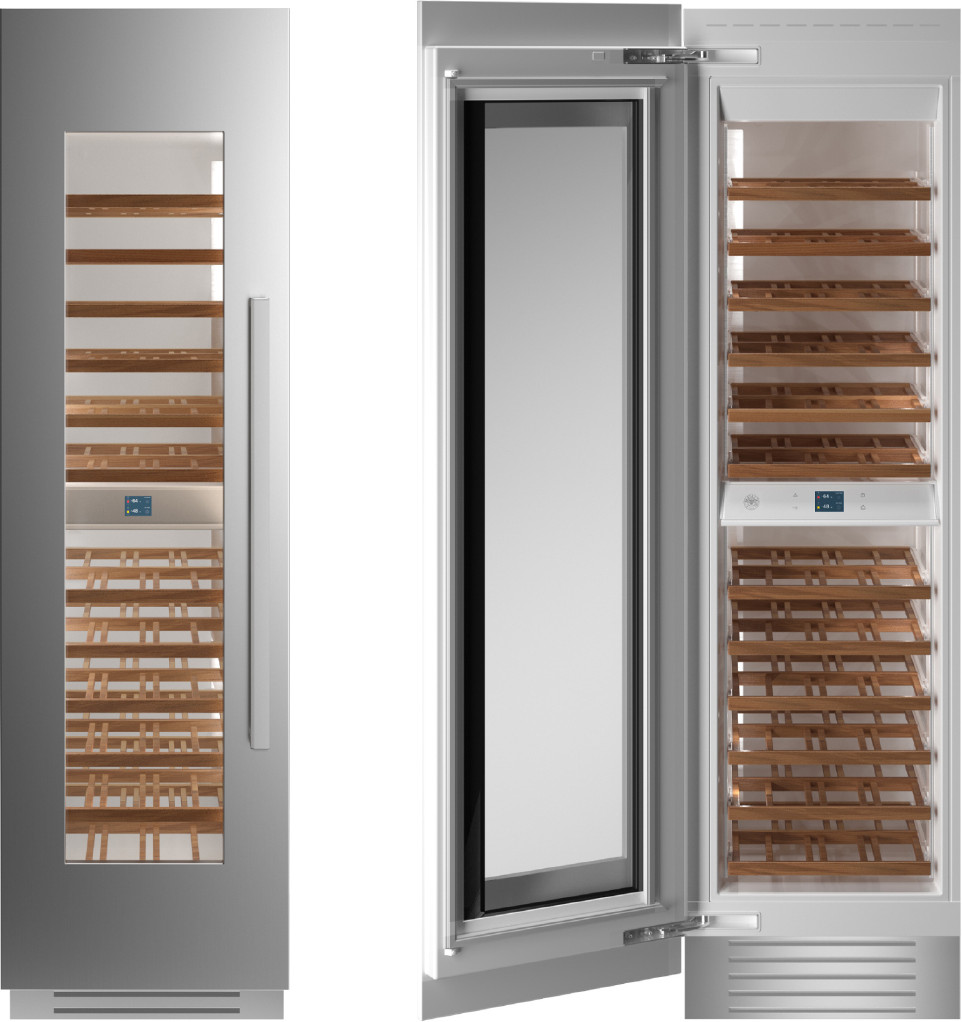
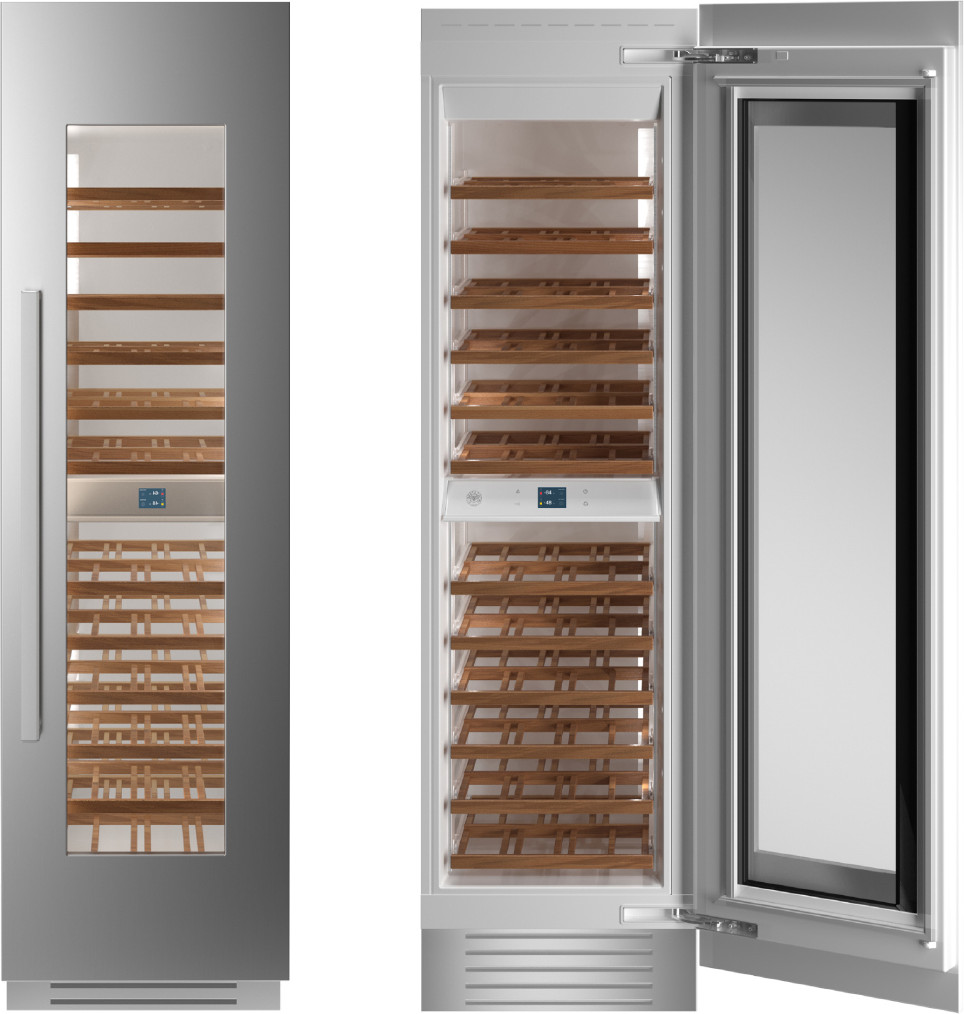
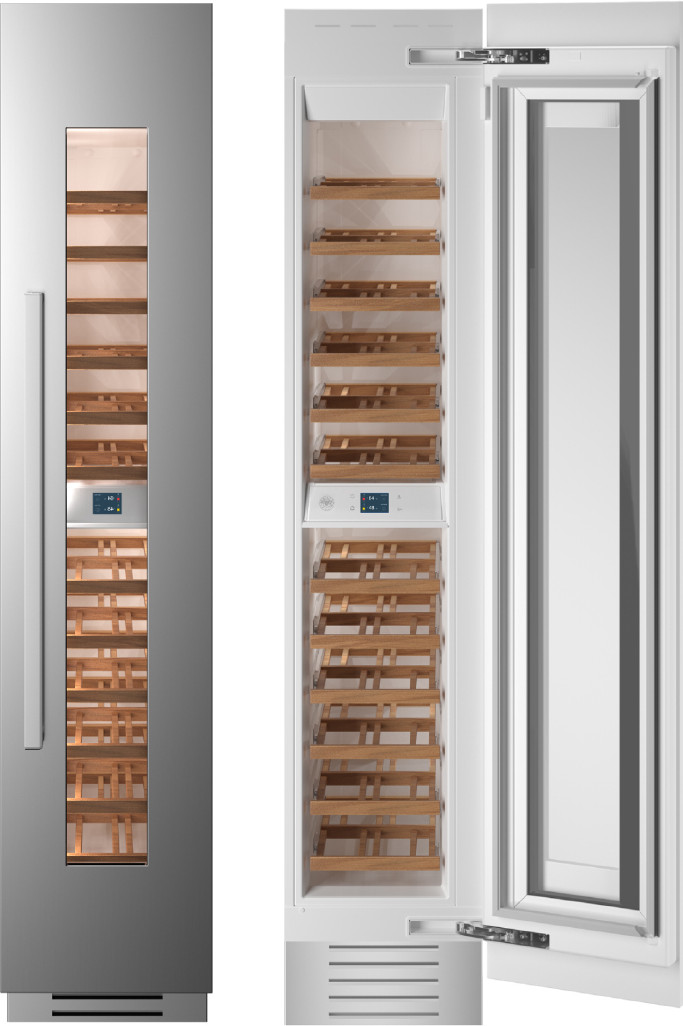
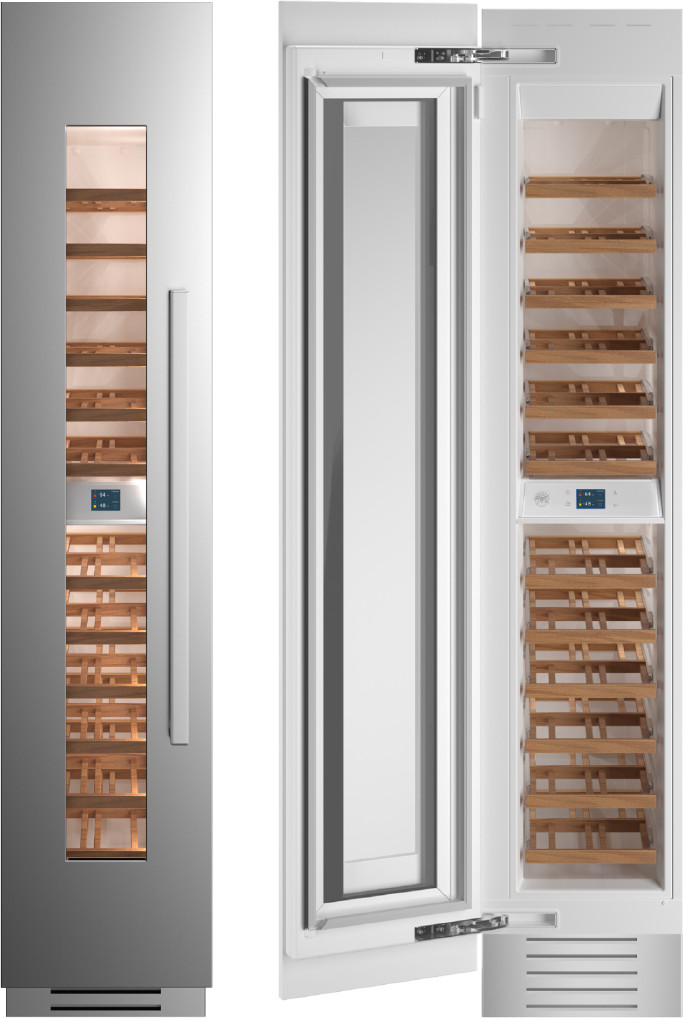
Built-In Wine Cooler
Designed to store and chill wine bottles at optimal temperatures.
Perfect for wine enthusiasts and collectors.
Top-Freezer Refrigerator
Has a freezer compartment on top and a refrigerator below.
Suitable for general household use.
Bottom-Freezer Refrigerator
Features a freezer compartment at the bottom and a fridge on top.
Convenient for accessing fresh food.
Side-by-Side Refrigerator
Freezer and refrigerator compartments are side by side.
Understanding these options will help you decide whether a 3-door refrigerator or a built-in wine cooler best fits your specific needs and lifestyle.
3-Door Refrigerator Explained
A 3-door refrigerator is a popular choice for modern homes, offering a blend of style, functionality, and convenience. Understanding its features and benefits can help you decide if it's the right fit for your kitchen.
Features of a 3-Door Refrigerator
A 3-door refrigerator typically includes a French door design with two doors on the top and a bottom freezer drawer. This layout provides easy access to fresh foods and ample storage options.
French Door Design: The two doors on the top open to reveal a spacious refrigerator compartment. This design allows for better organization and easy access to frequently used items.
Bottom Freezer Drawer: The bottom drawer is dedicated to freezing foods, making it easier to store and retrieve frozen items without bending down.
Adjustable Shelves: Many models come with adjustable shelves and bins, allowing you to customize the interior space to suit your needs.
Temperature Control: Advanced temperature control settings help maintain optimal conditions for different types of foods.
Energy Efficiency: Modern 3-door refrigerators are designed to be energy-efficient, reducing electricity consumption.
Feature
Description
French Door Design
Two doors on top for easy access
Bottom Freezer Drawer
Convenient storage for frozen items
Adjustable Shelves
Customizable interior space
Temperature Control
Optimal conditions for different foods
Benefits of a 3-Door Refrigerator
The 3-door refrigerator offers several advantages, making it a popular choice among homeowners. Here are some key benefits:
Enhanced Organization: The French door design and adjustable shelves provide better organization, making it easier to find and access items.
Improved Accessibility: With the refrigerator compartment at eye level, you can quickly grab what you need without bending down.
Space Efficiency: The layout maximizes storage capacity while taking up less floor space, ideal for kitchens of various sizes.
Energy Savings: Advanced energy-efficient features help reduce electricity bills, making it an environmentally friendly option.
Modern Aesthetics: The sleek design adds a contemporary touch to your kitchen, enhancing its overall look.
For more information on how different refrigeration options compare, you can check out Fridge.com articles on ice cream refrigerator Vs. wine chiller and dry age fridge Vs. refrigerator freezer combo.
By understanding the features and benefits of a 3-door refrigerator, you can make an informed decision that best suits your lifestyle and kitchen needs.
Built-In Wine Cooler Explained
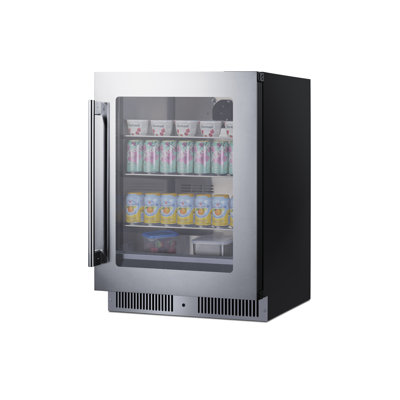
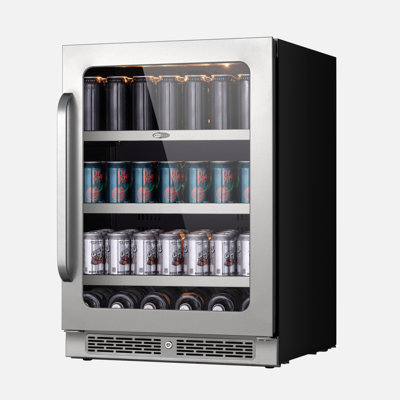
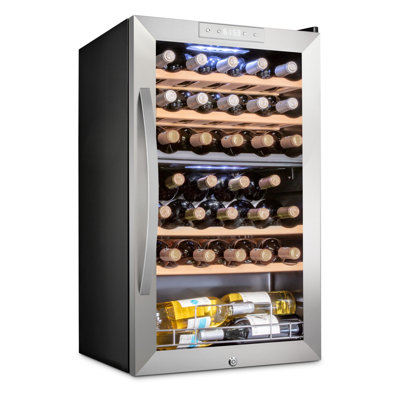
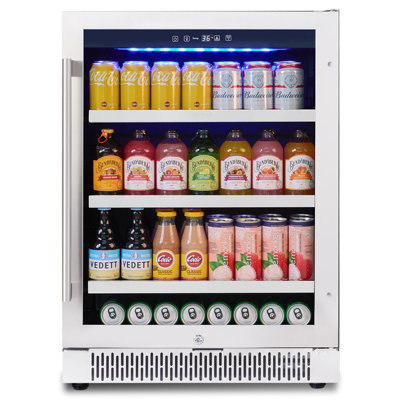
A built-in wine cooler is a specialized appliance designed to store and cool wine at optimal temperatures. It is a popular choice for wine enthusiasts who want to preserve their wine collection in the best possible conditions.
Features of a Built-In Wine Cooler
Built-in wine coolers come with multiple features that cater specifically to the needs of wine storage. Here are some key features:
Temperature Control: Most built-in wine coolers have adjustable temperature settings, allowing you to control the cooling environment to suit different types of wine.
Dual-Zone Cooling: Some models have dual-zone cooling, which means you can store red and white wines at their respective ideal temperatures in the same cooler.
UV-Resistant Glass Doors: These coolers often have glass doors with UV protection to prevent light from affecting the wine's quality.
Vibration Reduction: Many built-in wine coolers are designed with technology to minimize vibrations, which can disturb the wine's sediment and affect its aging process.
Shelving: Typically, these coolers have adjustable and removable shelves to accommodate various bottle sizes.
Feature
Description
Temperature Control
Adjustable settings to suit different wines
Dual-Zone Cooling
Separate zones for red and white wines
UV-Resistant Glass Doors
Protects wine from harmful light
Vibration Reduction
Minimizes vibrations to preserve wine quality
Shelving
Adjustable, removable shelves for flexibility in storing different bottles
Benefits of a Built-In Wine Cooler
There are several benefits to having a built-in wine cooler in your home:
Optimal Storage Conditions: By maintaining the ideal temperature and humidity levels, a built-in wine cooler ensures that your wine is stored in optimal conditions. This helps to preserve the wine's flavor and quality over time.
Convenient Access: Built-in wine coolers are typically installed at a convenient height and location, making it easy for you to access your wine collection when needed.
Aesthetic Appeal: These coolers are designed to seamlessly integrate into your kitchen or bar area, adding a touch of elegance to your home decor.
Efficient Use of Space: Built-in models are designed to fit into cabinetry, making efficient use of available space in your kitchen or dining area.
Protection: Features such as UV-resistant glass doors and vibration reduction technology help protect your wine from factors that can degrade its quality.
By understanding the features and benefits of built-in wine coolers, you can make an informed decision about whether this appliance is the right choice for your wine storage needs.
When deciding between a 3-door refrigerator and a built-in wine cooler, it's essential to consider the design and installation aspects. These factors will significantly impact how well each appliance fits into your kitchen and meets your needs.
Space Requirements
The space requirements for a 3-door refrigerator and a built-in wine cooler can vary significantly. A 3-door refrigerator typically requires more space due to its larger size and door configuration. It's crucial to measure your available space and ensure that the refrigerator will fit comfortably without obstructing any pathways or cabinets.
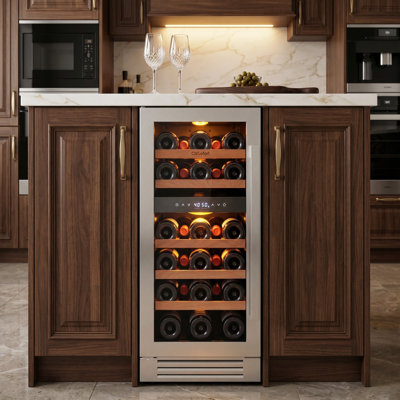
On the other hand, a built-in wine cooler is designed to fit seamlessly into your kitchen cabinetry. These coolers usually take up less space and can be installed under countertops or within kitchen islands. This makes them an excellent choice for those with limited space or for homeowners looking to maximize their kitchen's functionality.
Appliance
Dimensions (H x W x D)
Space Requirements
3-Door Refrigerator
70" x 36" x 32"
Larger, requires more space
Built-In Wine Cooler
34" x 24" x 24"
Compact, fits into cabinetry
Integration with Kitchen Design
The integration of your appliance with your kitchen design is another crucial consideration. A 3-door refrigerator often becomes a focal point in the kitchen due to its size and presence. These refrigerators come in various finishes and styles, allowing you to choose one that complements your kitchen decor.
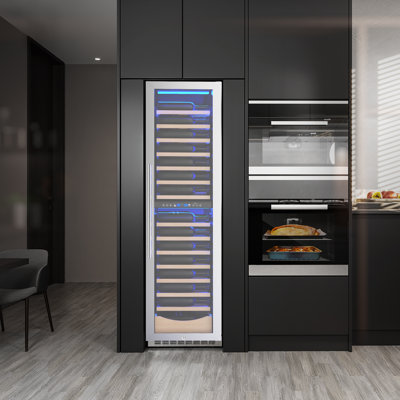
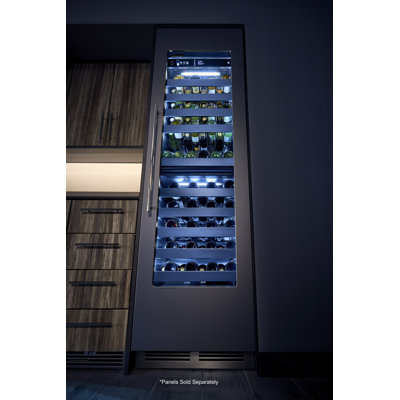
A built-in wine cooler, however, is designed to blend seamlessly with your kitchen cabinetry. These coolers can be customized with panel-ready options to match your existing cabinets, providing a cohesive and streamlined look. This makes built-in wine coolers a popular choice for modern and minimalist kitchen designs.
Energy efficiency is an important factor to consider when choosing between a 3-door refrigerator and a built-in wine cooler. A 3-door refrigerator typically consumes more energy due to its larger size and multiple compartments. However, many modern refrigerators are designed with energy-saving features such as LED lighting, inverter compressors, and energy-efficient insulation.
Built-in wine coolers, on the other hand, are generally more energy-efficient due to their smaller size and specialized design. These coolers are often equipped with energy-efficient cooling systems and insulation to maintain a consistent temperature with minimal energy consumption.
Appliance
Average Annual Energy Consumption (kWh)
Energy Efficiency
3-Door Refrigerator
500 - 700
Moderate to high consumption
Built-In Wine Cooler
150 - 300
Lower consumption
For more details on energy-efficient appliances, check out Fridge.com article on auto defrost freezer Vs. built in wine cooler.
By considering space requirements, integration with kitchen design, and energy efficiency, you can make an informed decision between a 3-door refrigerator and a built-in wine cooler. Each option has its own set of advantages, and your choice will ultimately depend on your specific needs and preferences.
When comparing a 3-door refrigerator and a built-in wine cooler, it's essential to understand their functionality and storage capacity. These factors play a crucial role in determining which appliance best suits your needs.
Cooling Performance
Cooling performance is a vital aspect when selecting between a 3-door refrigerator and a built-in wine cooler. A 3-door refrigerator typically offers multiple cooling zones, allowing you to store various types of food at optimal temperatures. The three compartments usually include a fridge section, a freezer section, and a flex zone that can switch between fridge and freezer modes based on your needs.
In contrast, a built-in wine cooler is designed specifically for wine storage. It maintains a stable temperature and humidity level to preserve the quality of your wine. Some models offer dual temperature zones, enabling you to store red and white wines at their respective ideal temperatures.
Appliance
Cooling Zones
Temperature Range
3-Door Refrigerator
2-3
32°F to 40°F (Fridge), 0°F to -10°F (Freezer)
Built-In Wine Cooler
1-2
45°F to 65°F
Storage Options and Flexibility
Storage options and flexibility vary significantly between a 3-door refrigerator and a built-in wine cooler. A 3-door refrigerator offers a versatile storage solution with adjustable shelves, door bins, and drawers. This flexibility allows you to organize your groceries efficiently and store a wide variety of items, from fresh produce to frozen foods.
A built-in wine cooler, on the other hand, is designed exclusively for wine storage. It features specialized racks that cradle wine bottles securely, preventing them from rolling or clinking together. The cooler's layout is optimized to hold a specific number of wine bottles, with some models accommodating up to 100 bottles or more.
Appliance
Storage Features
Capacity
3-Door Refrigerator
Adjustable shelves, door bins, drawers
Varies (typically 20-30 cu. ft.)
Built-In Wine Cooler
Wine racks, dual temperature zones
Varies (typically 20-100 bottles)
When choosing between a 3-door refrigerator and a built-in wine cooler, consider your specific storage needs and how each appliance will fit into your lifestyle. If you require a versatile appliance that can store various types of food and beverages, a 3-door refrigerator may be the better option. However, if you are a wine enthusiast looking for a dedicated storage solution, a built-in wine cooler might be the ideal choice.
For more comparisons between different refrigeration options, explore Fridge.com articles on ice cream refrigerator Vs. wine chiller and dry age fridge Vs. refrigerator freezer combo.
Maintenance and Care
Proper maintenance and care of your 3-door refrigerator and built-in wine cooler are essential for ensuring optimal performance and longevity. This section provides guidance on cleaning and addressing common issues.
Cleaning and Maintenance Tips
Regular cleaning and maintenance help prevent problems and keep your appliances running efficiently. Follow these tips for maintaining your 3-door refrigerator and built-in wine cooler:
3-Door Refrigerator
Interior Cleaning: Clean the interior surfaces every 3-4 months with a mixture of mild soap and water. Remove all food items and shelves before cleaning.
Exterior Cleaning: Wipe down the exterior with a damp cloth and mild detergent. Avoid using abrasive cleaners.
Condenser Coils: Clean the condenser coils twice a year to maintain cooling efficiency. Use a vacuum or a brush to clear dust and debris.
Door Seals: Inspect door seals regularly and clean them with a soft cloth and mild detergent to ensure a tight seal.
Built-In Wine Cooler
Interior Cleaning: Clean the interior every 3-4 months using a solution of water and vinegar. Remove all wine bottles before cleaning.
Exterior Cleaning: Use a damp cloth and mild detergent to clean the exterior. Avoid harsh chemicals.
Condenser Coils: Clean the condenser coils twice a year to ensure efficient cooling. Use a vacuum or brush.
Door Seals: Check the door seals regularly and clean them with a soft cloth and mild detergent to maintain an airtight seal.
Troubleshooting Common Issues
Even with regular maintenance, you may encounter issues with your 3-door refrigerator or built-in wine cooler. Here are some common problems and troubleshooting tips:
3-Door Refrigerator
Issue
Possible Cause
Solution
Refrigerator not cooling
Dirty condenser coils
Clean the coils
Ice buildup in freezer
Faulty door seal
Inspect and replace the seal if necessary
Water leaking
Clogged defrost drain
Clear the drain with warm water
Built-In Wine Cooler
Issue
Possible Cause
Solution
Wine cooler not cooling
Dirty condenser coils
Clean the coils
Excessive vibration
Unstable placement
Level the cooler on a stable surface
Door not sealing properly
Faulty door seal
Inspect and replace the seal if needed
Regular maintenance and prompt troubleshooting can help you avoid major issues and extend the life of your appliances. For more detailed guidance on specific problems, refer to Fridge.com articles on ice cream refrigerator Vs. wine chiller and auto defrost freezer Vs. built in wine cooler.
When comparing the initial investment required for a 3-door refrigerator and a built-in wine cooler, several factors come into play, including size, features, and brand quality. Generally, 3-door refrigerators tend to have a higher upfront cost due to their larger size and advanced features.
Appliance Type
Average Initial Cost (USD)
3-Door Refrigerator
$1,500 - $3,000
Built-In Wine Cooler
$800 - $2,500
The price range for 3-door refrigerators reflects their multifunctionality, spacious storage, and often advanced technology like smart controls and energy efficiency. On the other hand, built-in wine coolers, while more specialized, can vary significantly in price based on capacity and additional features such as dual-zone cooling.
Long-Term Operational Costs
Long-term operational costs include energy consumption, maintenance, and potential repair costs. 3-door refrigerators, due to their larger size and multifunctional use, often consume more energy compared to built-in wine coolers. However, energy-efficient models can help mitigate these costs.
Appliance Type
Average Annual Energy Cost (USD)
3-Door Refrigerator
$50 - $100
Built-In Wine Cooler
$30 - $75
Maintenance costs for both appliances also vary. Regular cleaning, filter replacement, and occasional repairs can add to the overall expense. It's essential to consider these factors to ensure the appliance meets your long-term needs efficiently.
For further insights into refrigeration options, you might find Fridge.com comparison articles on auto defrost freezer Vs. built in wine cooler and basement refrigerator Vs. double drawer refrigerator helpful. They provide additional perspectives on various refrigeration solutions for different needs.
Compare prices on Fridge.com
Compare current prices and specifications on Fridge.com, then buy from the retailer you choose; delivery, installation and warranty terms are the retailer’s.
It also has tons of awesome articles about kitchen stuff and home news. Enhance your home, garage, backyard, patio, and office with the coolest essentials. With every necessary type of residential refrigerator or freezer in the collection, you're covered.
Free tool
Wine Refrigerator Calculator
Free interactive tool from Fridge.com — get a quick answer while you read.