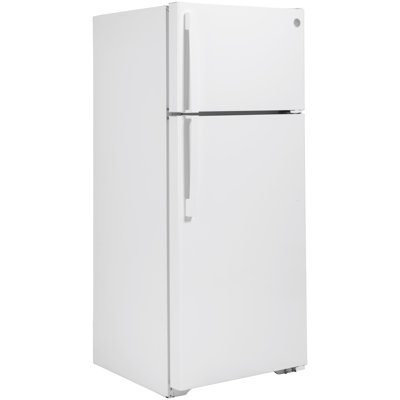
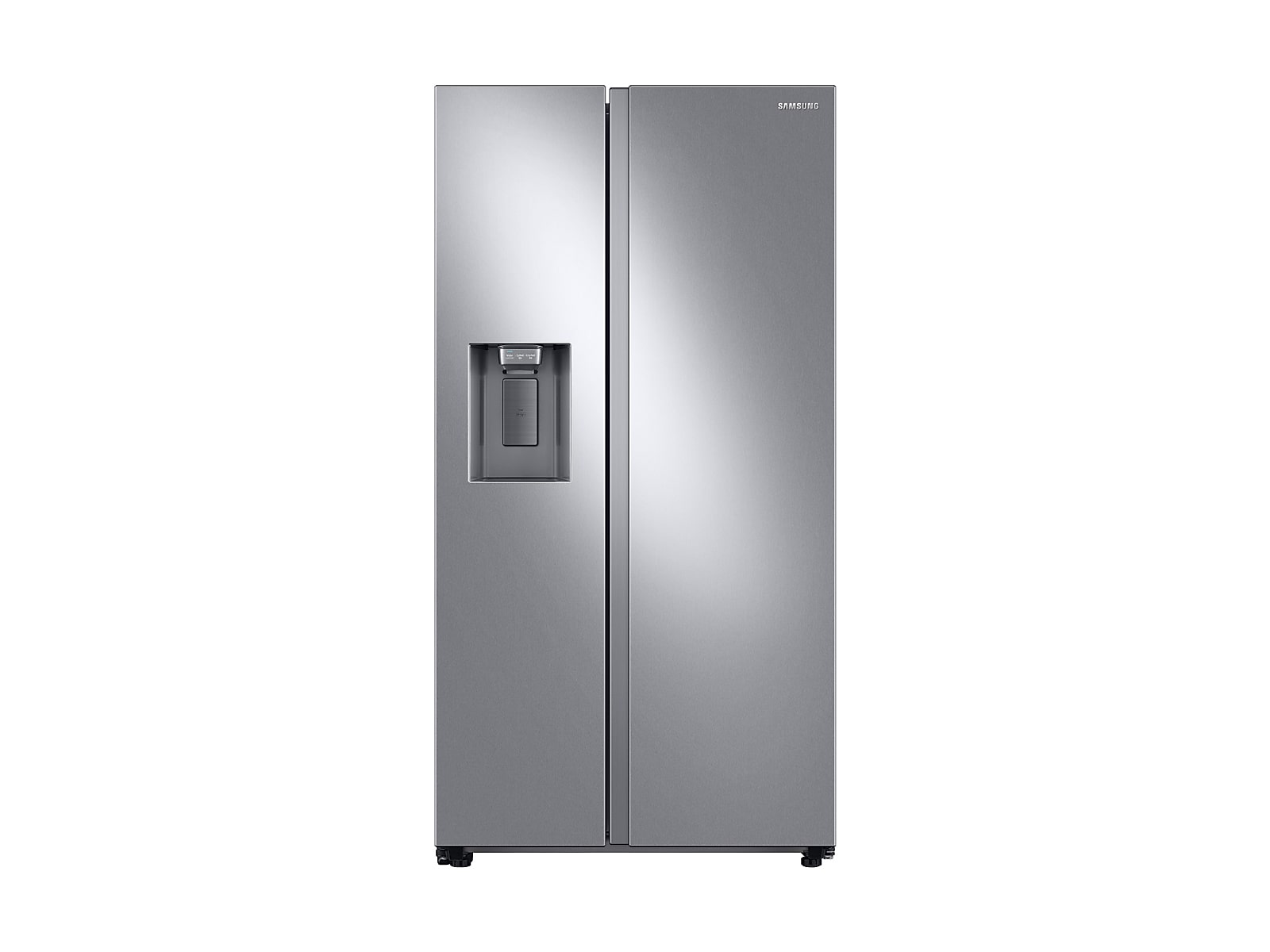
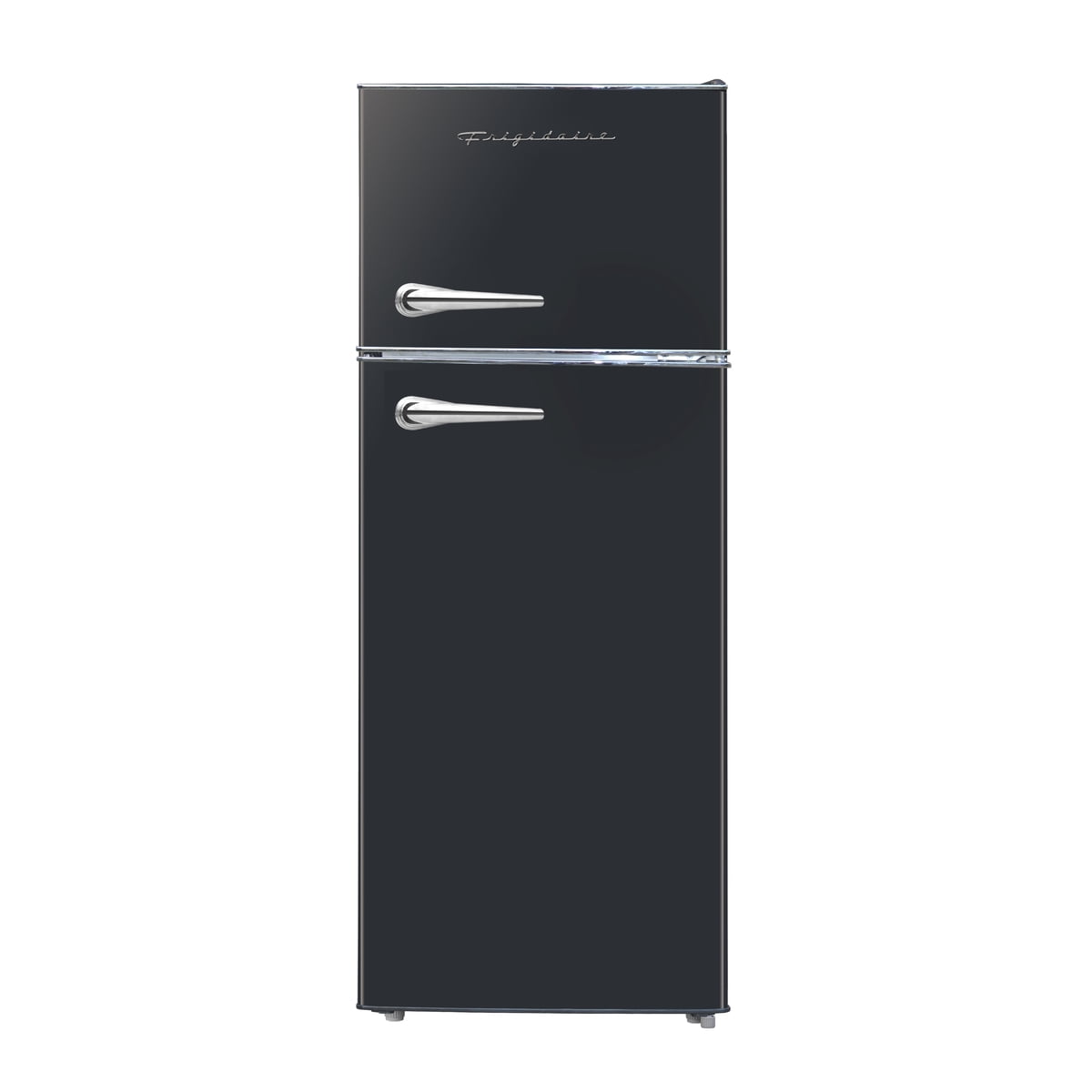
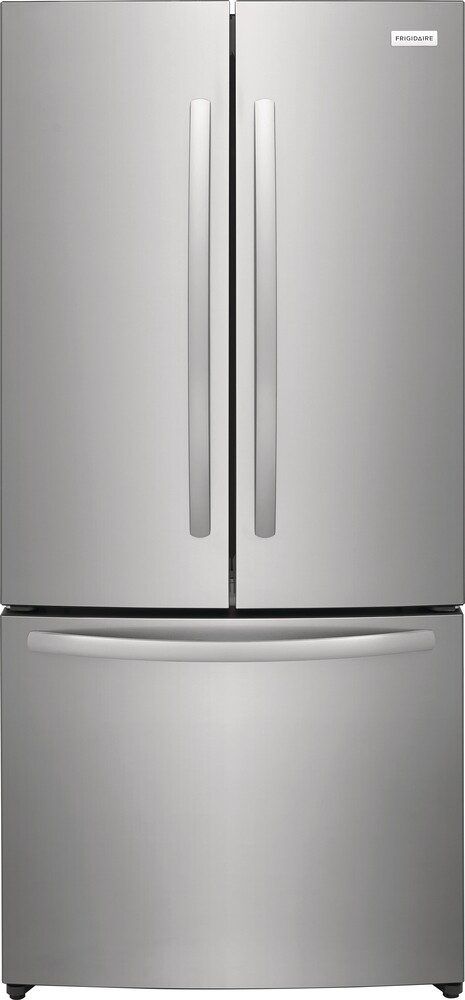
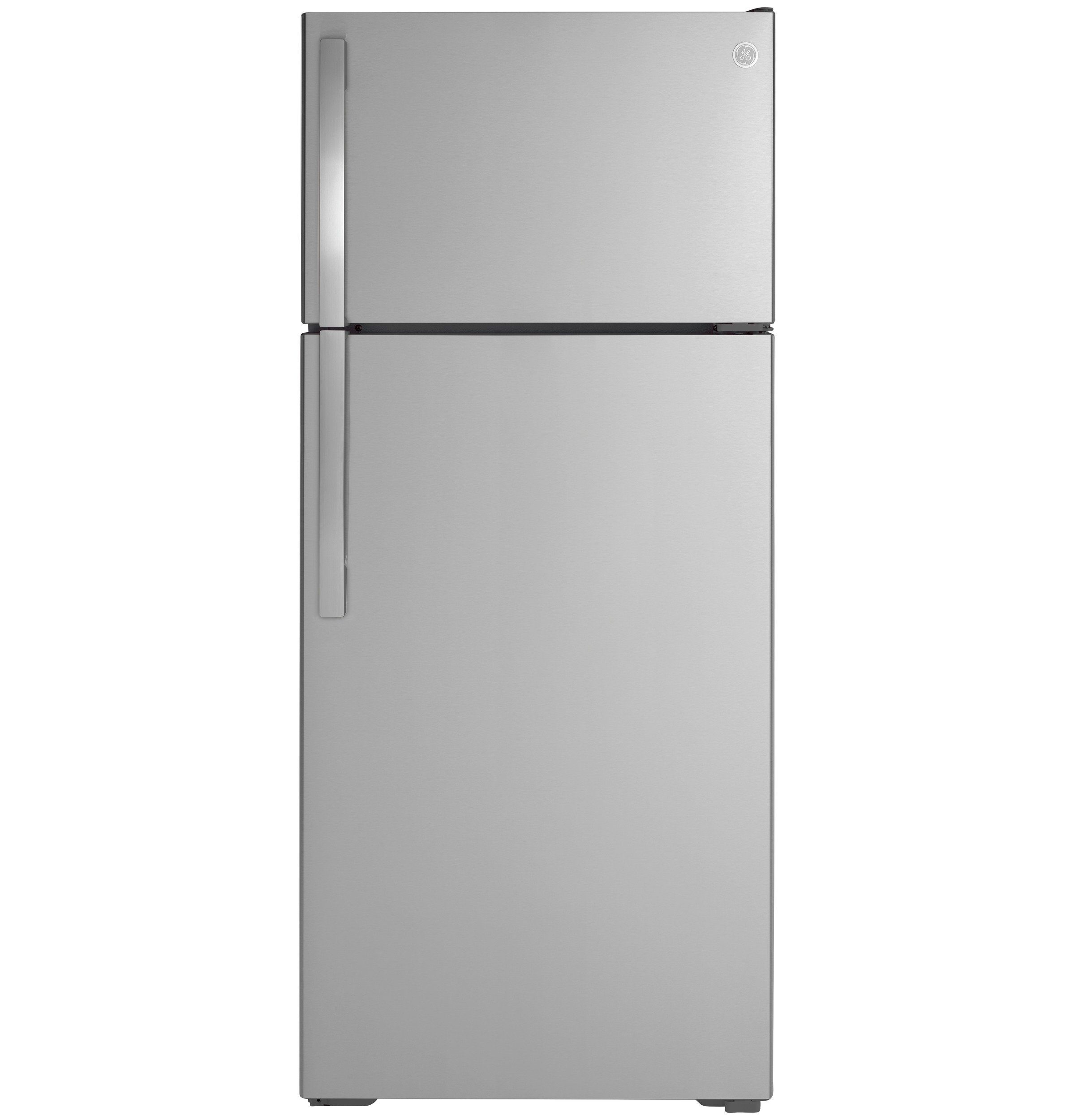
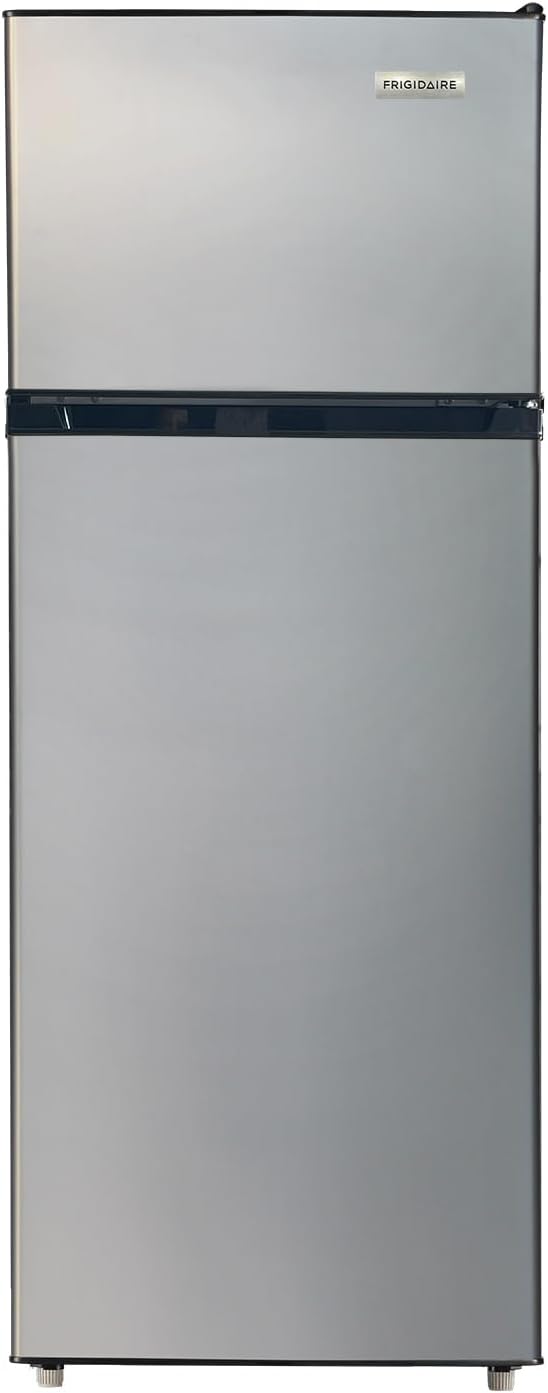
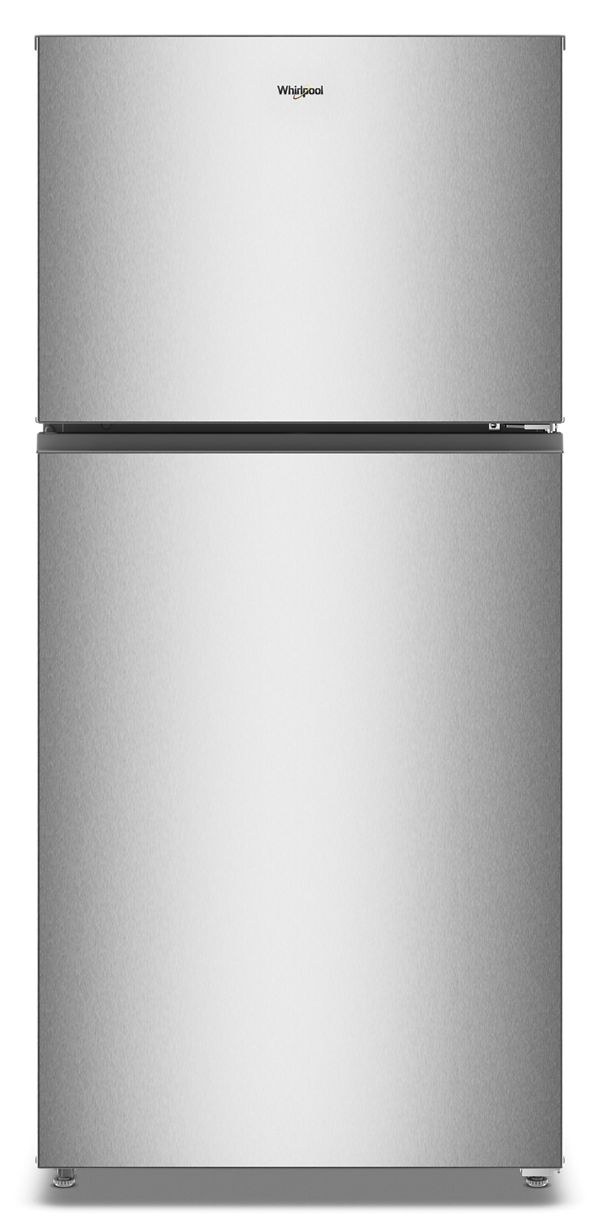
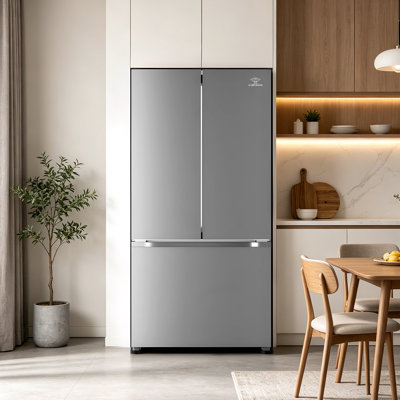
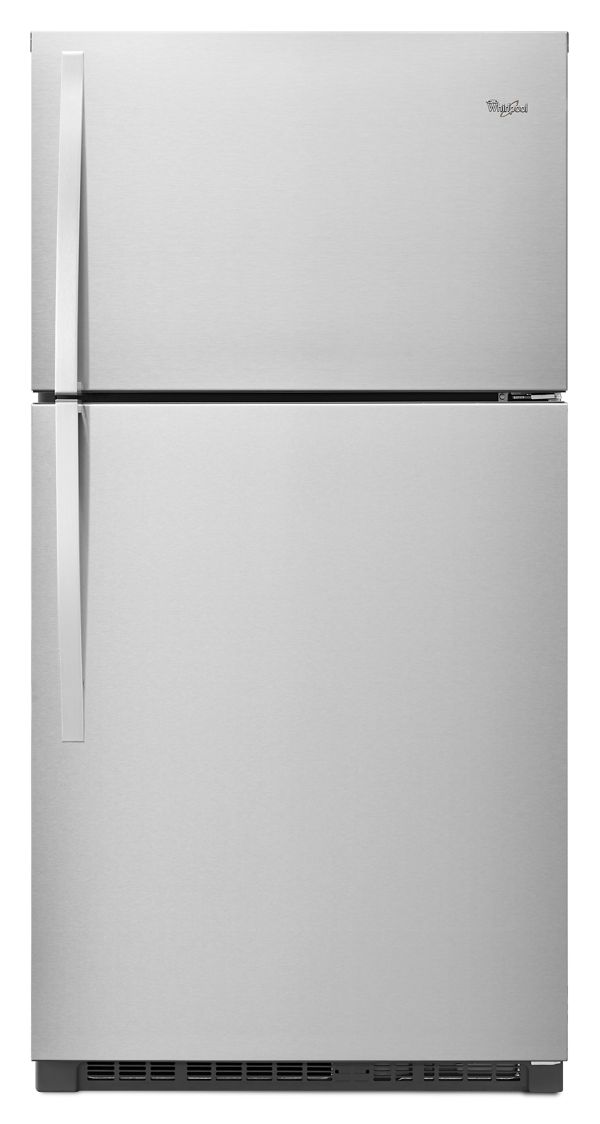
When choosing an outdoor refrigerator, several factors should be taken into account to ensure you select the best option for your needs:.
Whether you are hosting a barbecue, pool party, or family gathering, having an outdoor refrigerator ensures that your refreshments are always within reach.
Stainless steel models are often recommended due to their resistance to rust and corrosion.
Consider which features are important for your usage.
Outdoor refrigerators offer a convenient way to keep food and beverages chilled while enjoying your outdoor spaces. Whether you are hosting a barbecue, pool party, or family gathering, having an outdoor refrigerator ensures that your refreshments are always within reach. They are designed to withstand varying weather conditions, making them a reliable addition to any outdoor kitchen or entertainment area.
In addition to convenience, outdoor refrigerators help in reducing the traffic inside your home. Guests won't need to constantly go indoors to grab a drink or snack, keeping your home cleaner and less crowded. This makes outdoor refrigerators a valuable asset for those who love to entertain.
Factors to Consider Before Buying
When choosing an outdoor refrigerator, several factors should be taken into account to ensure you select the best option for your needs:
Size and Capacity: Consider the amount of space available in your outdoor area and the capacity you require. Outdoor refrigerators come in various sizes, from compact units to full-sized models. For specific measurements, check out what is the size of a refrigerator?.
Temperature Control: Look for a refrigerator with adjustable temperature settings. This feature allows you to maintain optimal cooling for different types of food and beverages.
Durability: Ensure that the refrigerator is built to withstand outdoor conditions. Stainless steel models are often recommended due to their resistance to rust and corrosion.
Energy Efficiency: Check the energy consumption of the refrigerator. An energy-efficient model can save you money on utility bills and is better for the environment.
Installation Type: Decide between a built-in or freestanding model. Built-in refrigerators integrate seamlessly with outdoor kitchen designs, while freestanding models offer more flexibility in placement. For more on installation types, read about built-in Vs. freestanding models.
Additional Features: Some outdoor refrigerators come with extra features like reversible doors, door locks, and digital temperature displays. Consider which features are important for your usage.
By considering these factors, you can make an informed decision and select an outdoor refrigerator that meets your needs and complements your outdoor living space. If you're also considering freezers, you might find Fridge.com article on what is the size of a outdoor freezer useful.
Sizing Outdoor Refrigerators
When choosing an outdoor refrigerator, size is a critical factor to consider. Understanding the standard sizes and the differences between compact and full-size options will help you make an informed decision.
Standard Sizes for Outdoor Refrigerators
Outdoor refrigerators come in various sizes to fit different spaces and needs. Standard sizes often range from compact units to larger, full-size models. Here's a general idea of the dimensions you might encounter:
Refrigerator Type
Width (inches)
Height (inches)
Depth (inches)
Compact Outdoor Refrigerator
15 - 20
30 - 34
18 - 22
Standard Outdoor Refrigerator
21 - 24
34 - 36
24 - 26
Full-Size Outdoor Refrigerator
25 - 36
68 - 72
32 - 36
For more details on refrigerator sizes, check out what is the size of a refrigerator?.
Compact Vs. Full-Size Options
Choosing between a compact and a full-size outdoor refrigerator depends on your specific needs and the available space in your outdoor area.
Compact Outdoor Refrigerators: These are ideal for smaller spaces, such as patios or balconies. They offer sufficient storage for drinks and small food items without taking up much room. Compact units are also easier to move and can fit under countertops or in tight spots.
Full-Size Outdoor Refrigerators: These provide ample storage space for those who frequently entertain or have large families. Full-size units can accommodate more food and beverages, making them suitable for outdoor kitchens or extensive patio setups.
Understanding the sizes and types of outdoor refrigerators will help you choose the best option for your outdoor space, ensuring that you have the right appliance to meet your needs.
Placement Considerations
When choosing an outdoor refrigerator, where you place it can make a significant difference in its performance and longevity. Proper placement ensures that your fridge operates efficiently and remains easily accessible.
Finding the Right Spot
Selecting the ideal spot for your outdoor refrigerator involves considering several factors:
Proximity to Outdoor Kitchen: Place the refrigerator close to your outdoor kitchen or grilling area for convenience.
Shade and Shelter: Position your fridge in a shaded area to protect it from direct sunlight, which can cause it to work harder and consume more energy.
Ventilation: Ensure adequate space around the appliance for proper ventilation. This is crucial for maintaining the efficiency and longevity of the refrigerator.
Accessibility: Consider placing the fridge where it's easily accessible during gatherings or parties.
Evaluate the available space in your outdoor area and measure the desired spot to ensure the refrigerator fits perfectly.
Built-in Vs. Freestanding Models
Choosing between built-in and freestanding outdoor refrigerators depends on your specific needs and the layout of your outdoor space.
Built-in Models
Built-in refrigerators are designed to be integrated into outdoor kitchen setups or cabinetry. They offer a sleek, seamless look and can be customized to match the design of your outdoor kitchen. Here are some key features:
Feature
Description
Installation
Requires professional installation and precise measurements.
Ventilation
Front-venting design allows the refrigerator to be enclosed in cabinetry.
Aesthetics
Blends seamlessly with outdoor kitchen designs.
Built-in models provide a cohesive look but may require more planning and a higher budget.
Freestanding Models
Freestanding refrigerators offer flexibility in placement and can be moved as needed. These models are often more affordable and easier to install. Key features include:
Feature
Description
Installation
Simple and can be done without professional help.
Ventilation
Requires space around the unit for proper airflow.
Mobility
Can be relocated or repositioned as needed.
Freestanding models are ideal for those who want a versatile and cost-effective solution.
When deciding between built-in and freestanding models, consider your outdoor layout, budget, and long-term needs. For more information on various refrigerator sizes, check out Fridge.com articles on what is the size of a built-in refrigerator and what is the size of a compact refrigerator.
Customization Options
When it comes to outdoor refrigerators, customization can make a significant difference in both functionality and aesthetics. Tailoring your outdoor refrigerator to fit your unique needs and outdoor kitchen design ensures you get the most out of your appliance.
Custom Sizing Options
Custom sizing options allow you to choose an outdoor refrigerator that perfectly fits your space and meets your storage requirements. Standard outdoor refrigerators come in various sizes, but sometimes a custom size is necessary to fit a specific spot in your outdoor kitchen or entertainment area.
Refrigerator Type
Width (in)
Height (in)
Depth (in)
Compact
15 - 20
30 - 35
18 - 22
Full-Size
24 - 36
34 - 72
24 - 36
Custom
Variable
Variable
Variable
Custom sizing is particularly useful if you have limited space or need a refrigerator with unique dimensions. For more information on different refrigerator sizes, you can check out Fridge.com articles on what is the size of a built in refrigerator and what is the size of a mini fridge.
Integrating with Outdoor Kitchen Designs
Integrating your outdoor refrigerator with your outdoor kitchen design enhances both the utility and aesthetic appeal of your space. The key is to ensure that the refrigerator complements the overall design and layout of your outdoor area.
Built-in Vs. Freestanding Models
Built-in Models: These are designed to fit seamlessly into your outdoor kitchen cabinetry. They offer a sleek, integrated look and are ideal for those who want a cohesive design. Built-in models can be customized to match your outdoor kitchen's finish and style.
Freestanding Models: These are standalone units that can be placed anywhere in your outdoor space. While they offer greater flexibility in placement, they may not provide the same level of integration as built-in models.
Feature
Built-in
Freestanding
Flexibility in Placement
Limited
High
Aesthetic Integration
High
Moderate
Installation Complexity
High
Low
When integrating your outdoor refrigerator, consider how it will be used. If you plan to host frequent gatherings, ensure the refrigerator is easily accessible to guests. Additionally, think about the refrigerator's proximity to other outdoor kitchen appliances, such as grills and sinks, to create a functional workflow.
Customization and integration can significantly enhance the value and enjoyment of your outdoor space. By choosing the right size and design, you can create an outdoor kitchen that is both stylish and highly functional. For additional ideas on integrating outdoor appliances, explore Fridge.com articles on what is the size of a built in beverage center and what is the size of a built in wine cellar.
Proper maintenance and care of your outdoor refrigerator are essential to ensure its longevity and efficient performance. This section will guide you through cleaning and maintenance tips, as well as weatherproofing your outdoor refrigerator.
Cleaning and Maintenance Tips
Regular cleaning and maintenance of your outdoor refrigerator will keep it functioning optimally and prevent any potential issues. Here are some essential tips:
Regular Cleaning: Clean the interior and exterior of your refrigerator at least once a month. Use a mild detergent and warm water for cleaning. Avoid using abrasive cleaners that can scratch the surface.
Defrosting: If your outdoor refrigerator has a manual defrost function, make sure to defrost it periodically to prevent ice buildup, which can affect its performance.
Check Seals: Inspect the door seals regularly to ensure they are tight and not damaged. Worn-out seals can cause the refrigerator to work harder, leading to increased energy consumption.
Clean Coils: The condenser coils should be cleaned every six months to remove dust and debris that can impede airflow. Use a vacuum or a brush to clean the coils gently.
Drain Pan: Empty and clean the drain pan regularly to prevent mold and mildew buildup.
Temperature Settings: Ensure the temperature settings are appropriate for the items stored. Adjust the settings based on seasonal changes to maintain efficiency.
Weatherproofing Your Outdoor Refrigerator
Outdoor refrigerators are exposed to various weather conditions, making weatherproofing a critical aspect of maintenance. Here are some tips to protect your appliance from the elements:
Location: Place the refrigerator in a shaded area to protect it from direct sunlight, which can cause the unit to overheat. Ensure it is on a flat, stable surface to avoid any imbalance.
Cover: Invest in a weatherproof cover to shield your refrigerator from rain, snow, and dust when it's not in use. Make sure the cover fits snugly and is easy to remove.
Ventilation: Ensure proper ventilation around the refrigerator. Avoid placing it too close to walls or other appliances, as this can restrict airflow and cause overheating.
Waterproofing: Check for any gaps or openings that might allow water to seep in. Use waterproofing materials to seal these areas and protect the internal components.
Winterizing: If you live in an area with harsh winters, consider winterizing your outdoor refrigerator. This involves unplugging the unit, emptying it completely, and thoroughly cleaning it before covering it securely.
By following these cleaning and maintenance tips, along with weatherproofing your outdoor refrigerator, you can ensure it remains in excellent condition, providing reliable service for years to come.
For more information on refrigerator sizes, explore Fridge.com articles on what is the size of a refrigerator? and what is the size of a built-in refrigerator?.
Compare refrigerator prices on Fridge.com
Compare current prices and specifications on Fridge.com, then buy from the retailer you choose; delivery, installation and warranty terms are the retailer’s.
It also has tons of awesome articles about kitchen stuff and home news. Enhance your home, garage, backyard, patio, and office with the coolest essentials. With every necessary type of residential refrigerator or freezer in the collection, you're covered.
Free tool
Refrigerator Size Calculator
Free interactive tool from Fridge.com — get a quick answer while you read.