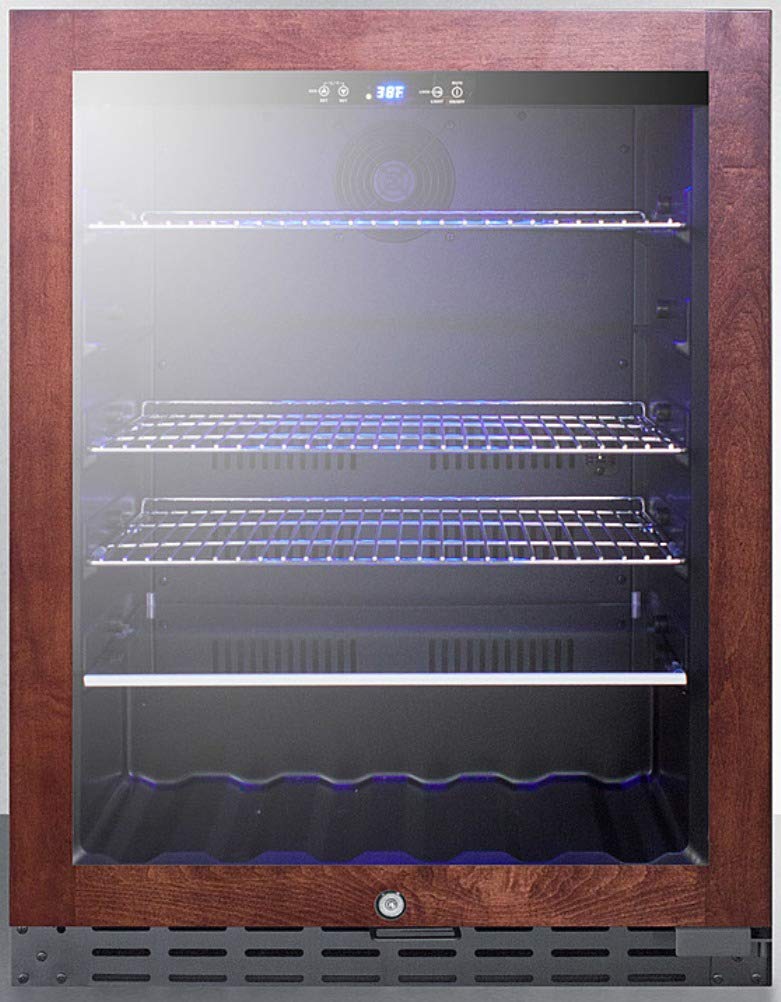
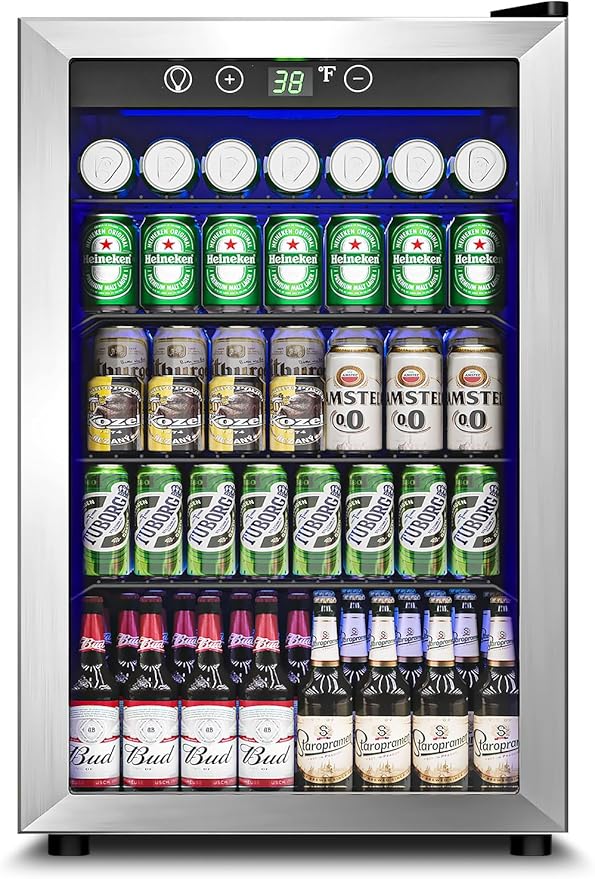
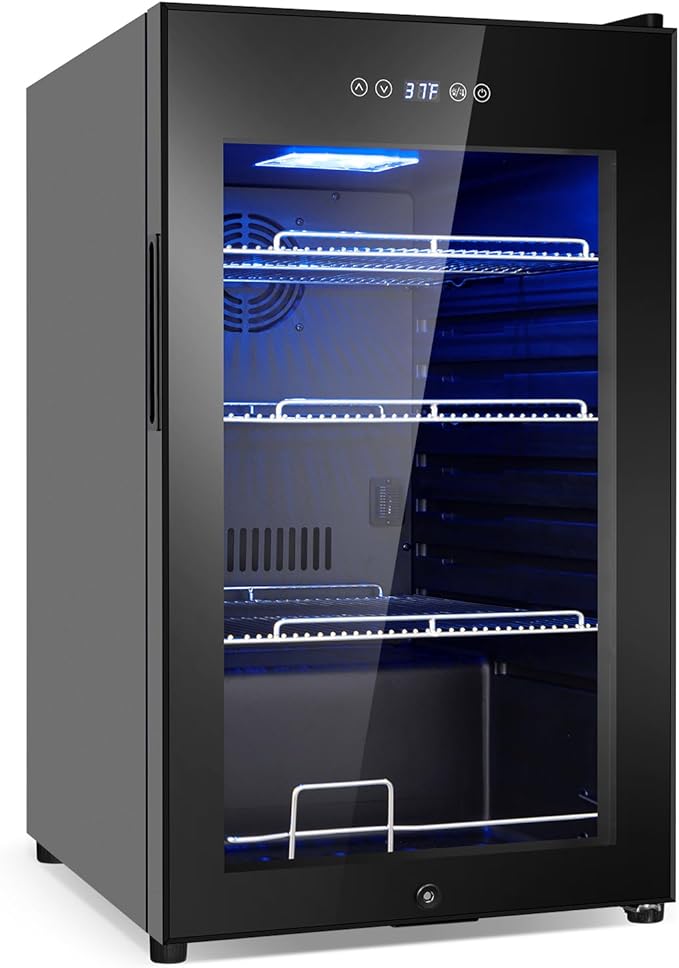
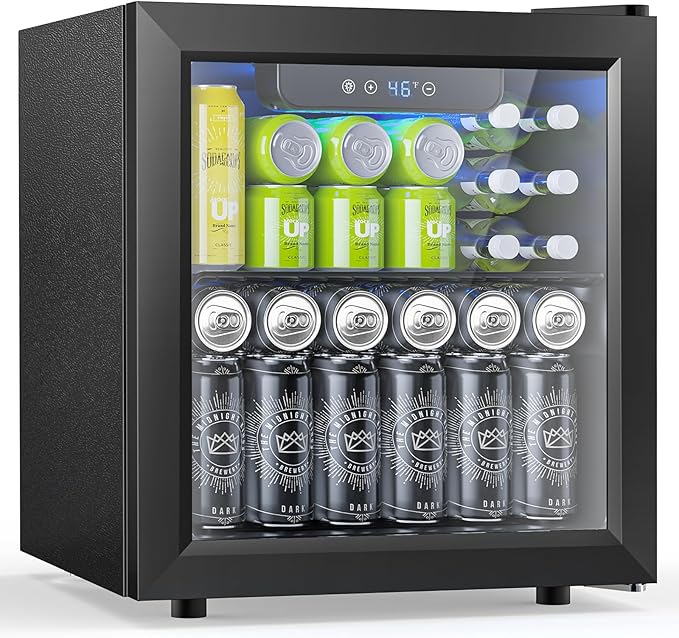
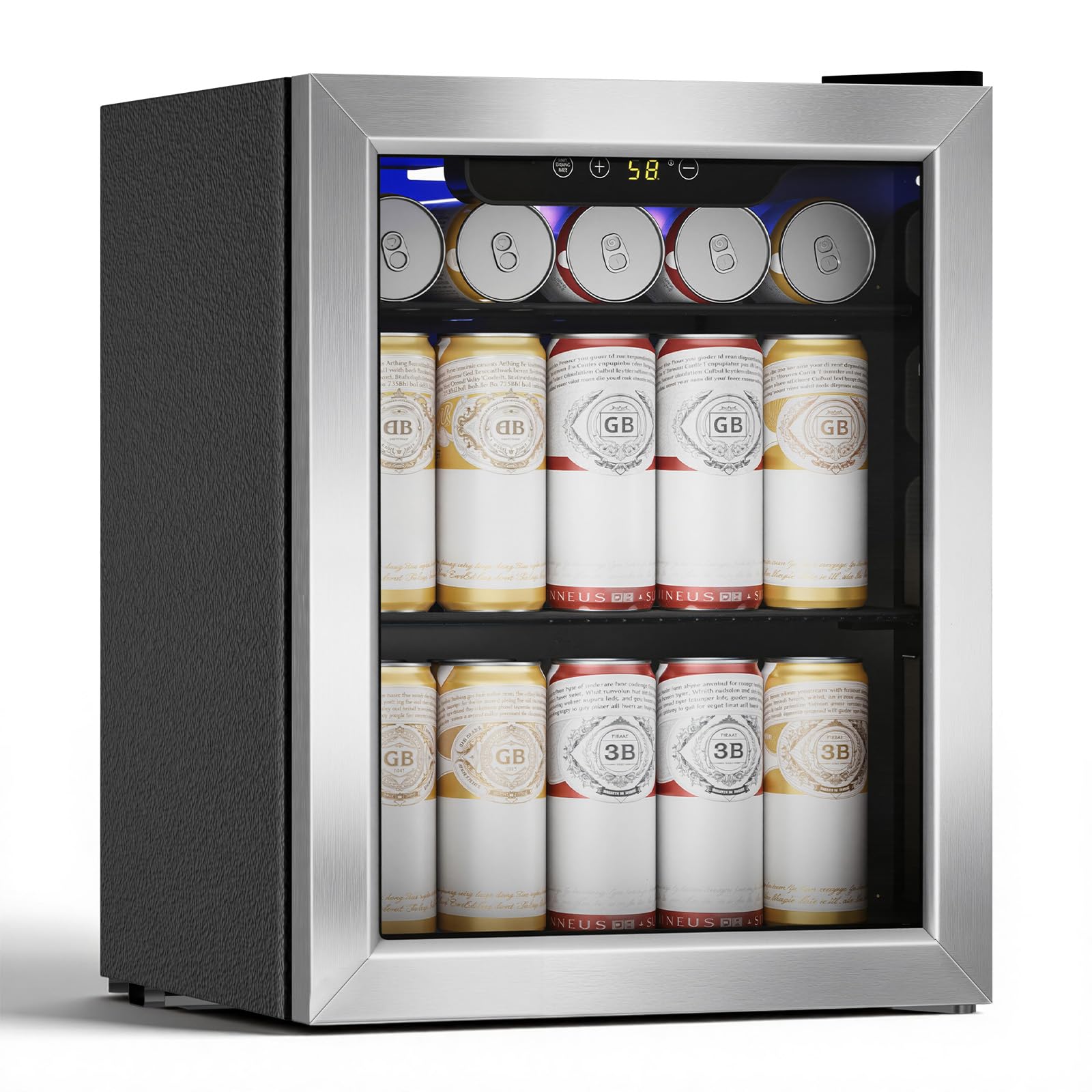
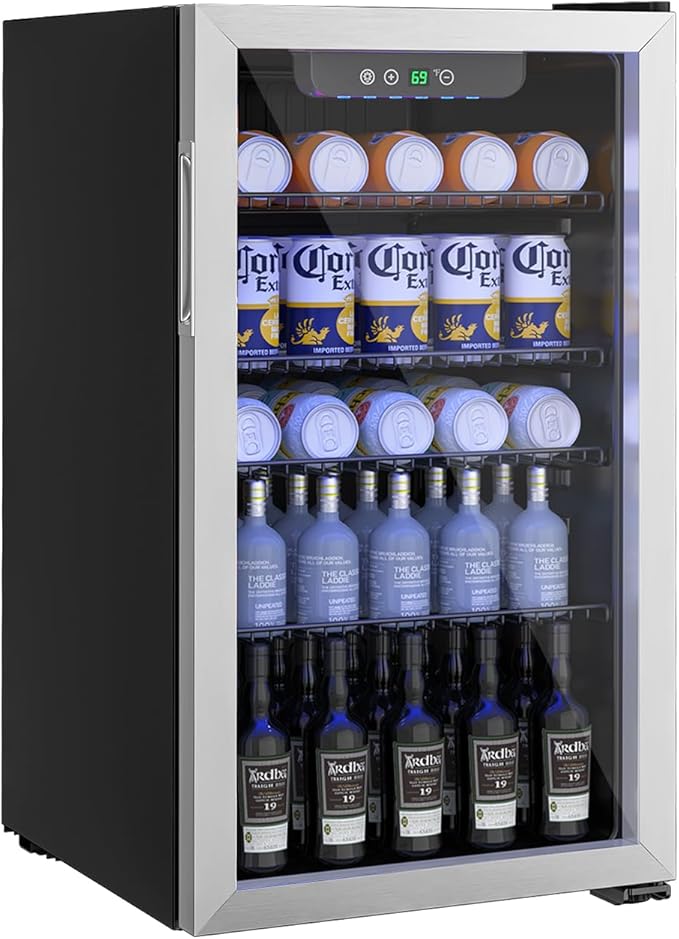
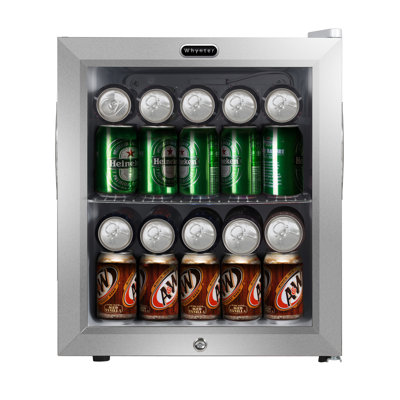
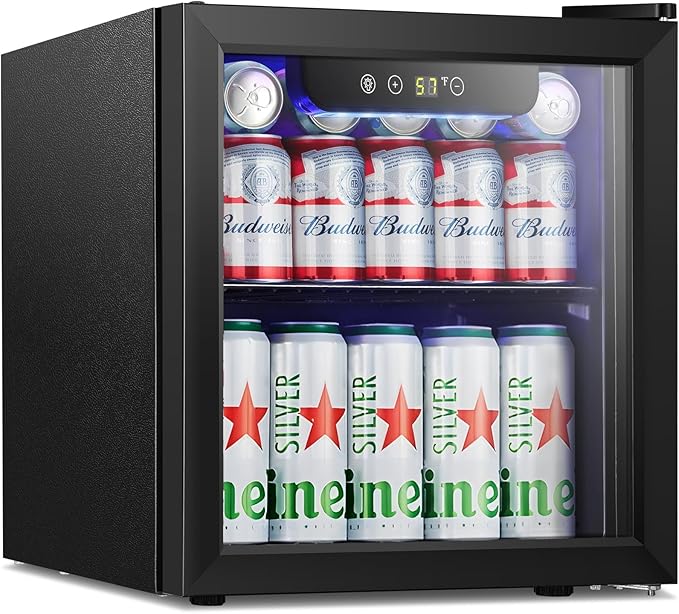
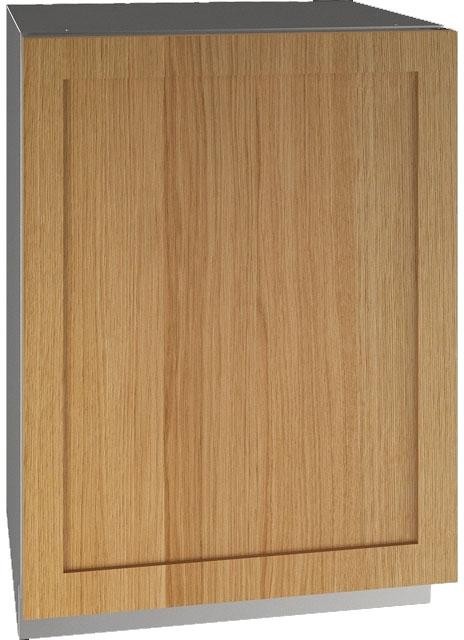
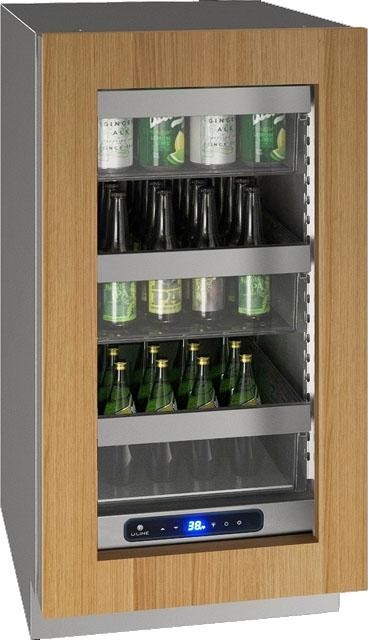
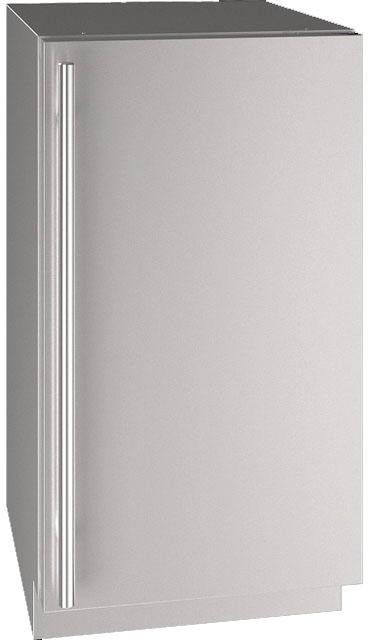
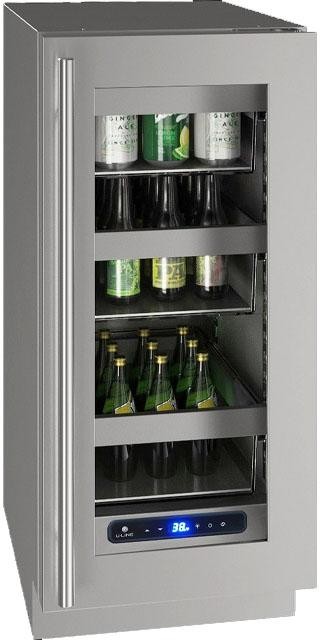
These measurements provide a range of sizes that can accommodate different quantities of beverages, from smaller models suitable for tight spaces to larger ones ideal for extensive collections.
Several factors should be taken into account when determining the appropriate size for your built-in beverage center.
This is especially important if the unit will be installed in a high-traffic area like a kitchen or a bar.
Integration with Existing Appliances: Your built-in beverage center should complement other appliances in terms of size and style.
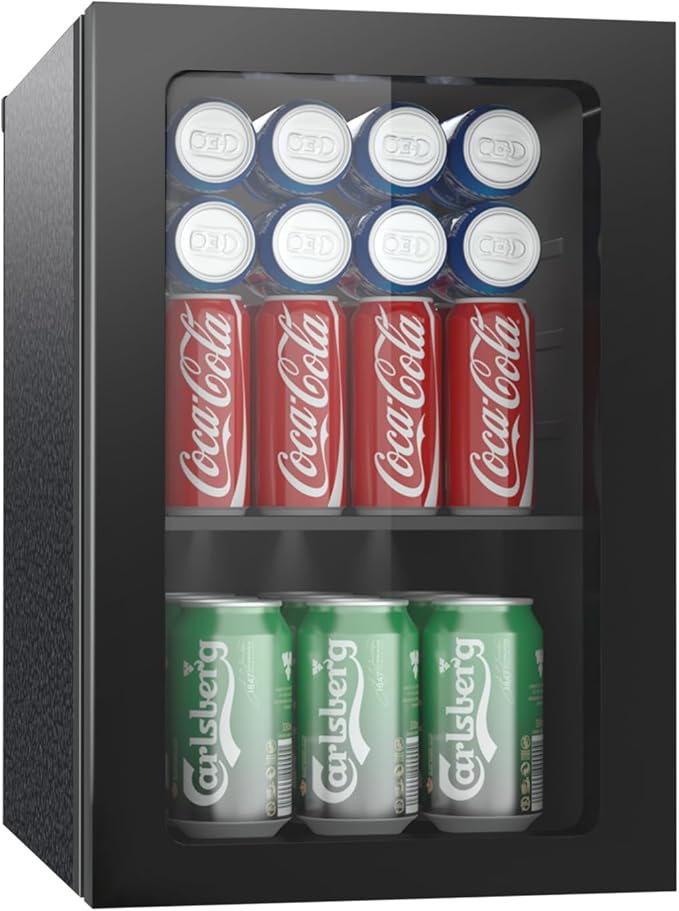
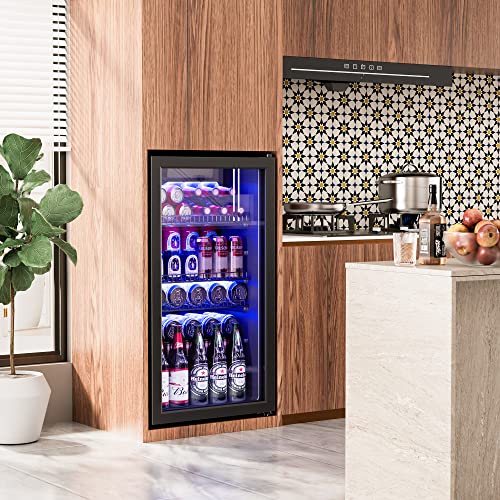
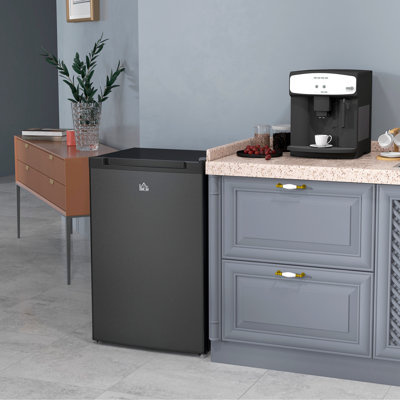
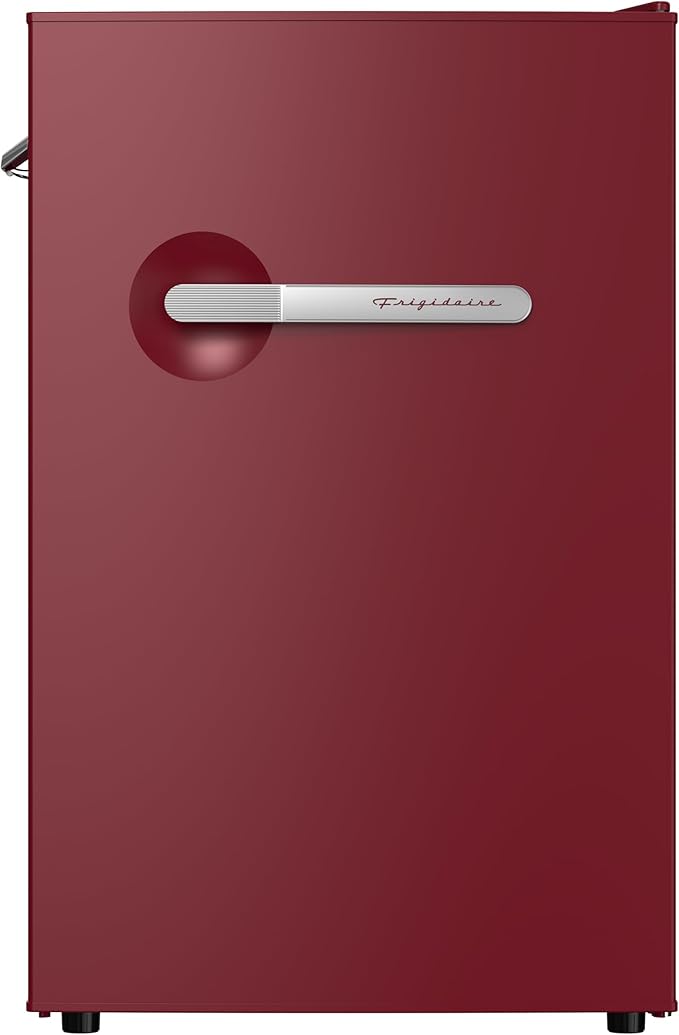
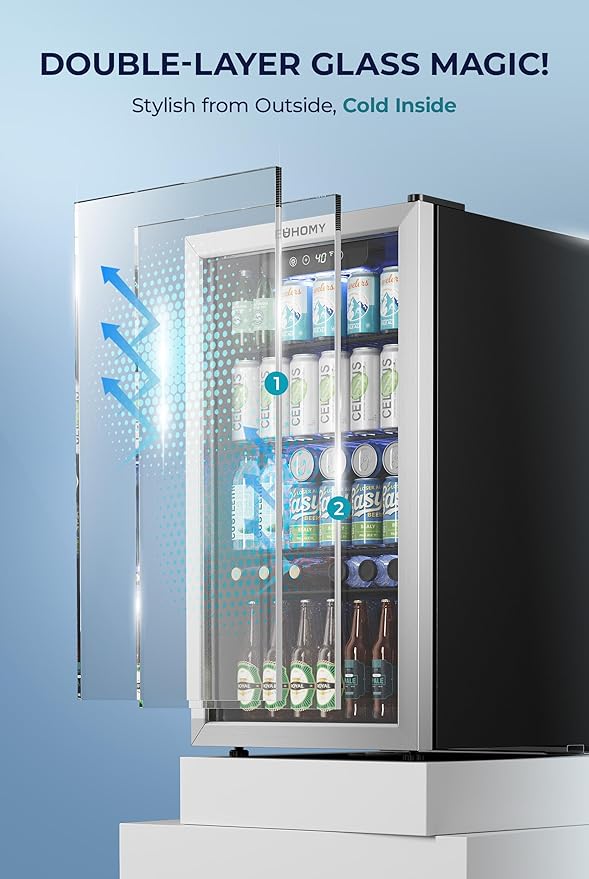
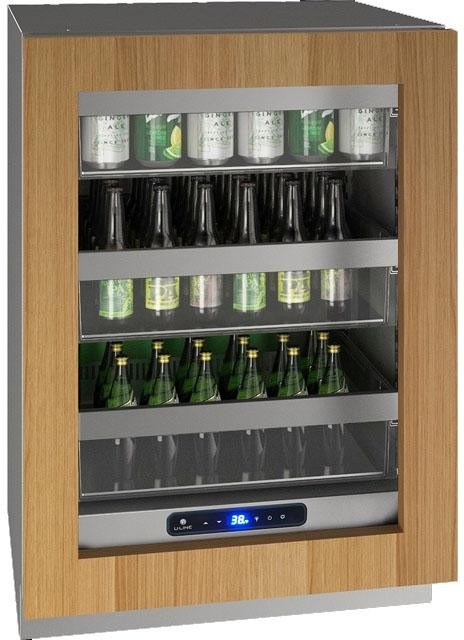
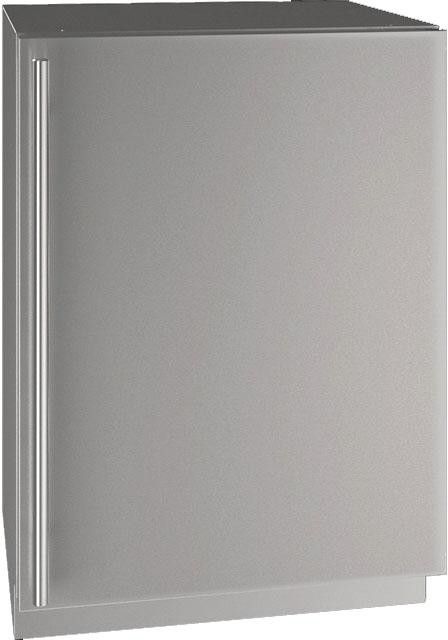
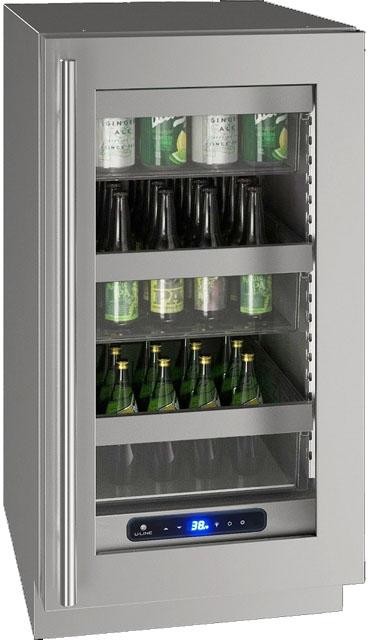
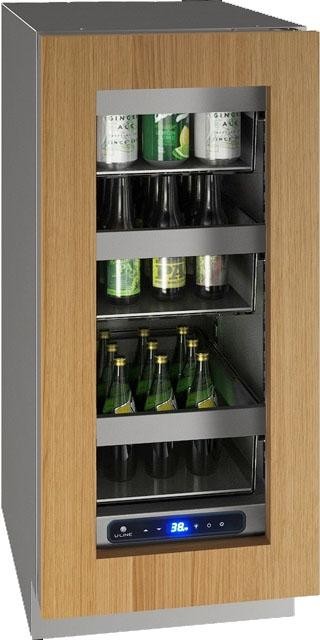
A built-in beverage center is a specialized appliance designed to store and cool beverages, typically installed within cabinetry or under countertops. These units are perfect for those who love entertaining or simply want easy access to chilled drinks. Unlike standard refrigerators, beverage centers are tailored specifically for beverages, offering optimized storage and cooling features.
Feature
Description
Type
Built-in
Purpose
Beverage cooling
Location
Cabinetry, under-counter, or integrated into kitchen design
Benefits of Having a Built-In Beverage Center
Having a built-in beverage center offers numerous advantages, making it a popular choice among homeowners and entertainers. Here are some key benefits:
Space Efficiency: Utilizing cabinetry or under-counter space, these units save floor space and integrate seamlessly into your kitchen or bar area.
Convenience: Provides easy access to chilled beverages without the need to open the main refrigerator.
Design Flexibility: Available in various sizes and styles, they can match your existing kitchen decor.
Specialized Storage: Designed specifically for beverages, with adjustable shelves and temperature controls to keep drinks at optimal conditions.
Enhanced Aesthetics: Adds a modern, sleek look to your kitchen or entertainment area.
By understanding the benefits and features of built-in beverage centers, you can make an informed decision that enhances both the functionality and aesthetics of your living space. For more information on related appliances, check out Fridge.com articles on what is the size of a built in refrigerator? and what is the size of a built in wine cellar?.
When considering a built-in beverage center, understanding the standard sizes available is crucial for ensuring a perfect fit in your chosen location. Generally, built-in beverage centers come in various widths, heights, and depths to cater to different needs and spaces.
Width (inches)
Height (inches)
Depth (inches)
15-24
32-34
22-24
24-30
32-34
22-24
30-36
32-34
22-24
These measurements provide a range of sizes that can accommodate different quantities of beverages, from smaller models suitable for tight spaces to larger ones ideal for extensive collections.
Factors to Consider When Determining Size
Several factors should be taken into account when determining the appropriate size for your built-in beverage center.
Available Space: Measure the designated area accurately to ensure the unit fits seamlessly. Consider the width, height, and depth, and allow for sufficient ventilation around the appliance.
Capacity Needs: Think about how many beverages you plan to store. If you entertain frequently or have a large family, a more spacious model may be necessary.
Accessibility: Ensure the placement allows for easy access to your beverages. This is especially important if the unit will be installed in a high-traffic area like a kitchen or a bar.
Integration with Existing Appliances: Your built-in beverage center should complement other appliances in terms of size and style. For example, if you have a built-in refrigerator or a built-in wine cellar, the dimensions should align for a cohesive look.
Location: The intended location, such as a kitchen, basement, or outdoor area, can impact the size requirements. Outdoor installations may need additional considerations for weatherproofing and durability.
By carefully evaluating these factors, you can select a built-in beverage center that not only fits your space but also meets your storage needs and aesthetic preferences. For more details on different refrigerator sizes, visit Fridge.com articles on what is the size of a refrigerator and what is the size of a mini fridge.
Choosing the right location for your built-in beverage center is essential for both functionality and aesthetics. The ideal placement can vary based on your living space and the specific needs of your household.
Ideal Locations for Installing a Built-In Beverage Center
Kitchen: The most common location, offering easy access for daily use.
Home Bar: Perfect for entertaining guests.
Dining Room: Convenient for meal times and gatherings.
Living Room: Great for casual drinks and relaxation.
Basement: Ideal for a home theater or game room setup.
Outdoor Kitchen: Perfect for backyard parties and BBQs.
Space Requirements for Different Locations
The space required for a built-in beverage center depends on its size and the location where you plan to install it. Below is a table outlining typical dimensions for standard placements.
Location
Width (in)
Height (in)
Depth (in)
Kitchen
24 - 30
34 - 36
24 - 26
Home Bar
24 - 30
34 - 36
24 - 26
Dining Room
24 - 30
34 - 36
24 - 26
Living Room
24 - 30
34 - 36
24 - 26
Basement
24 - 30
34 - 36
24 - 26
Outdoor Kitchen
24 - 30
34 - 36
24 - 26
When determining the size and placement of your built-in beverage center, consider the following factors:
Ventilation: Adequate airflow is necessary to prevent overheating. Ensure there is enough space around the unit for proper ventilation.
Power Supply: Confirm that there is an accessible electrical outlet. Some locations may require additional wiring.
Accessibility: The location should be convenient for daily use and entertaining. Consider how frequently you will use the beverage center and who will need access to it.
Integration: The beverage center should blend seamlessly with the surrounding cabinetry and decor. Custom panels and finishes can help achieve a cohesive look.
For more specific size guidelines, you can refer to Fridge.com articles on what is the size of a built in refrigerator? and what is the size of a built in wine cellar?.
By carefully considering these placement factors, you can ensure that your built-in beverage center fits perfectly in your chosen location and meets all your functional needs.
When considering a built-in beverage center, there are various customization options to ensure it fits perfectly within your space and meets your specific needs.
Adjusting Built-In Beverage Center Size
Adjusting the size of your built-in beverage center can be done by considering the dimensions of your available space and the specific requirements of your beverage storage. Standard sizes are available, but you might need to tailor the dimensions for a perfect fit.
Standard Size
Width (inches)
Height (inches)
Depth (inches)
Small
15
34
24
Medium
24
34
24
Large
30
34
24
When adjusting the size, consider the following factors:
Available Space: Measure the space where you plan to install the beverage center.
Storage Needs: Determine how many beverages you need to store and select a size accordingly.
Door Clearance: Ensure there is enough space for the door to open fully without obstruction.
For more on standard refrigerator sizes, visit what is the size of a refrigerator?.
Custom-Built Beverage Centers
If standard sizes don't meet your needs, custom-built beverage centers offer an excellent solution. These units can be designed to your specific dimensions and preferences, providing a seamless integration into your home.
Custom-built options allow you to:
Specify Dimensions: Tailor the width, height, and depth to fit your space perfectly.
Select Materials: Choose from various materials for the exterior and interior to match your décor.
Add Features: Include additional features like adjustable shelving, LED lighting, or temperature zones.
Custom Feature
Available Options
Shelving
Adjustable, Fixed, Pull-out
Lighting
LED, Incandescent, None
Temperature Zones
Single, Dual, Triple
By opting for a custom-built beverage center, you can ensure it meets your unique requirements and enhances the functionality of your space. For more on custom-built refrigeration options, check out what is the size of a built-in refrigerator? and what is the size of a built-in wine cellar?.
Whether you adjust a standard size or opt for a custom-built unit, the key is to ensure your built-in beverage center perfectly fits your space and meets your needs.
Installation Process
Proper installation of a built-in beverage center ensures its optimal performance and longevity. Follow these steps to install your unit correctly and make sure it fits seamlessly into your space.
Steps to Install a Built-In Beverage Center
Measure Your Space: Determine the dimensions of the area where you plan to install the beverage center. Ensure it matches the standard sizes of built-in beverage centers. Refer to Fridge.com article on what is the size of a built in refrigerator? for more information.
Prepare the Installation Site: Clear the area of any obstructions. Ensure there is an electrical outlet nearby that meets the power requirements of the beverage center.
Unpack the Beverage Center: Carefully unpack the unit and check for any damages. Refer to the manufacturer's instructions and remove any protective packaging.
Adjust the Leveling Feet: Use a level to ensure the beverage center is perfectly horizontal. Adjust the leveling feet as needed to stabilize the unit.
Position the Beverage Center: Place the unit into the prepared space. Make sure there is adequate ventilation around the unit as specified by the manufacturer.
Secure the Unit: Some models may require securing the unit to the cabinetry or wall. Follow the manufacturer's instructions to ensure it is firmly in place.
Connect the Power: Plug the beverage center into the electrical outlet. Ensure the cord is not pinched or damaged during installation.
Test the Unit: Turn on the beverage center and check if it is cooling properly. Adjust the temperature settings according to your preference.
Step
Description
1
Measure Your Space
2
Prepare the Installation Site
3
Unpack the Beverage Center
4
Adjust the Leveling Feet
5
Position the Beverage Center
6
Secure the Unit
7
Connect the Power
8
Test the Unit
Ensuring Proper Fit and Functionality
Check for Clearance: Ensure there is enough clearance around the unit for ventilation. Inadequate ventilation can lead to overheating and reduced efficiency.
Verify Electrical Requirements: Ensure the electrical outlet meets the specifications of the beverage center. Refer to the manufacturer's guidelines for the required voltage and amperage.
Inspect Door Alignment: Check that the door of the beverage center opens and closes smoothly without any obstructions. Misaligned doors can affect the unit's cooling efficiency.
Monitor Temperature Settings: After installation, monitor the temperature settings to ensure the beverage center maintains the desired temperature. Make adjustments as necessary.
Regular Maintenance Checks: Periodically check the beverage center for any signs of wear or malfunction. Regular maintenance can prevent issues and extend the life of the unit. For maintenance tips, see Fridge.com article on cleaning and maintaining a built-in beverage center.
Checkpoint
Description
Clearance
Ensure proper ventilation around the unit
Electrical Requirements
Verify outlet specifications
Door Alignment
Ensure smooth door operation
Temperature Settings
Monitor and adjust as needed
Maintenance Checks
Regular inspections and upkeep
By following these steps and ensuring proper fit and functionality, you'll enjoy the benefits of a well-installed built-in beverage center. For more information on sizes and installation of related appliances, explore what is the size of a mini fridge? or what is the size of a built in freezer?.
Proper maintenance and care of your built-in beverage center ensure its longevity and optimal performance. This section covers essential cleaning practices and common troubleshooting tips.
Cleaning and Maintaining a Built-In Beverage Center
Regular cleaning is crucial to prevent buildup and maintain a hygienic environment for your beverages. Here are some steps you should follow:
Unplug the Unit: Always unplug your beverage center before cleaning to avoid any electrical hazards.
Remove Shelves and Drawers: Take out all removable parts for easier cleaning.
Clean Interior Surfaces: Use a mild detergent and warm water to wipe down the interior. Avoid abrasive cleaners that can damage surfaces.
Clean Shelves and Drawers: Wash these components with warm, soapy water and dry them thoroughly before placing them back.
Clean Exterior Surfaces: Wipe the exterior with a damp cloth and mild detergent. For stainless steel finishes, use a cleaner specifically designed for stainless steel.
Check Door Seals: Ensure the door seals are clean and free from debris to maintain optimal temperature control.
Cleaning Task
Frequency
Interior Cleaning
Monthly
Shelves and Drawers
Monthly
Exterior Cleaning
Bi-weekly
Door Seals Check
Monthly
For more detailed instructions on maintaining different types of refrigeration units, check out Fridge.com articles on what is the size of a refrigerator? and what is the size of a built in refrigerator?.
Troubleshooting Common Issues
Sometimes, your built-in beverage center may encounter issues. Here are some common problems and their solutions:
Temperature Fluctuations: If your beverage center isn't maintaining the set temperature, check the following:
Ensure the door is fully closed and seals are intact.
Verify that the temperature setting is correct.
Check for any obstructions blocking the air vents.
Unusual Noises: If you hear unusual sounds, it could be due to:
The unit being unlevel. Adjust the feet to stabilize it.
Loose components. Ensure all internal parts are securely in place.
Water Leaks: Water pooling inside or outside the unit could be due to:
A clogged drain. Clear the drain line to allow proper drainage.
Condensation. Ensure the door is closed tightly and seals are effective.
Frost Buildup: Excess frost can indicate:
Frequent door openings. Try to minimize the number of times you open the door.
Faulty door seals. Inspect and replace seals if necessary.
For more information on dealing with specific issues related to different types of refrigeration units, you can read Fridge.com articles on what is the size of a built in freezer? and what is the size of a mini freezer?.
By following these maintenance tips and troubleshooting steps, you can keep your built-in beverage center in top condition, ensuring it serves you well for years to come.
Compare prices on Fridge.com
Compare current prices and specifications on Fridge.com, then buy from the retailer you choose; delivery, installation and warranty terms are the retailer’s.
It also has tons of awesome articles about kitchen stuff and home news. Enhance your home, garage, backyard, patio, and office with the coolest essentials. With every necessary type of residential refrigerator or freezer in the collection, you're covered.
Frequently Asked Questions
A built-in beverage center is a specialized appliance designed to store and cool beverages, typically installed within cabinetry or under countertops. These units are perfect for those who love entertaining or simply want easy access to chilled drinks. Unlike standard refrigerators, beverage centers are tailored specifically for beverages, offering optimized storage and cooling features. Feature.
Description.
.
Type.
Built-in.
.
Purpose.
Beverage cooling.
.
Location.
Cabinetry, under-counter, or integrated into kitchen design.
.