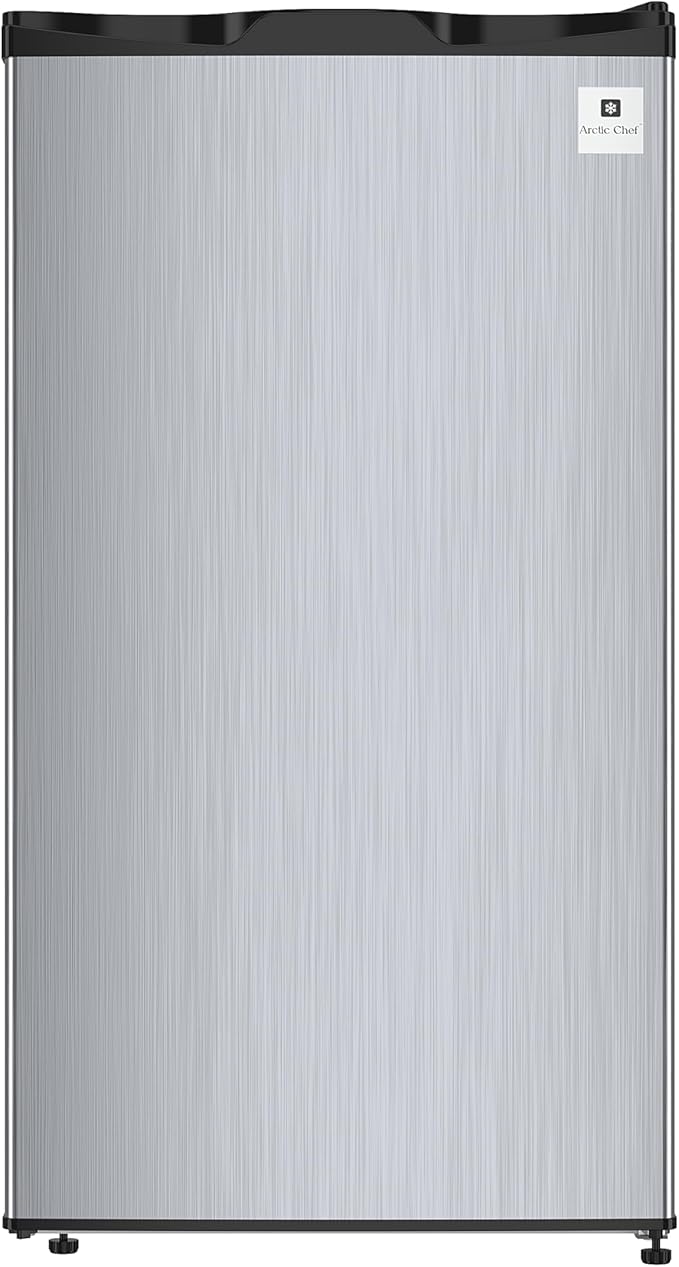
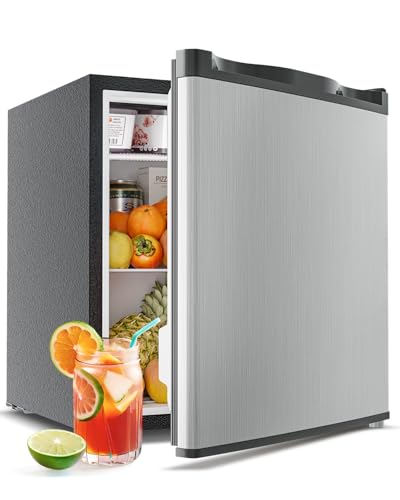
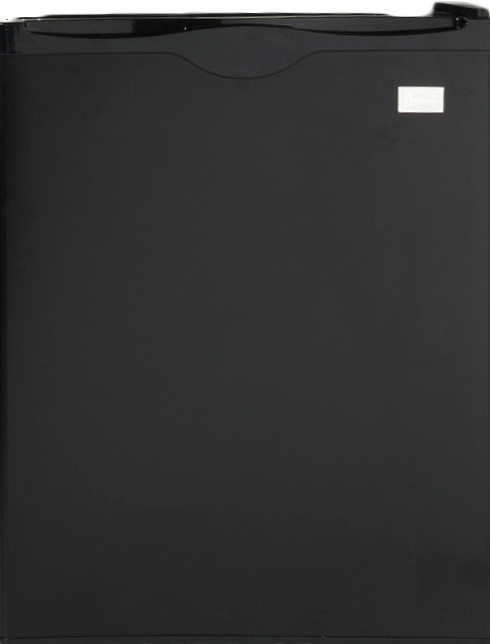
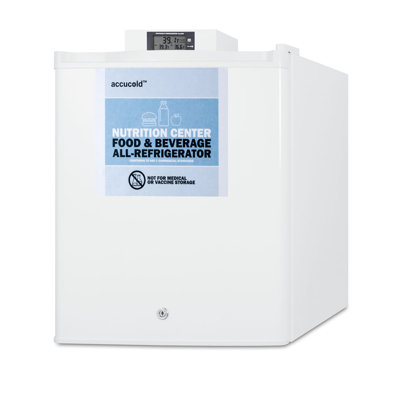
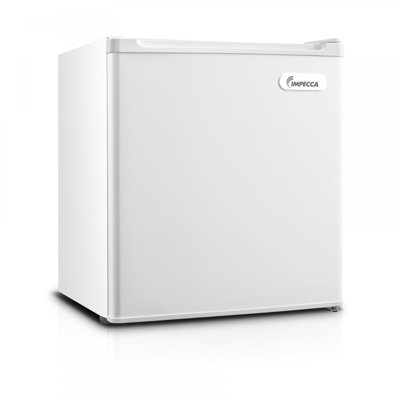
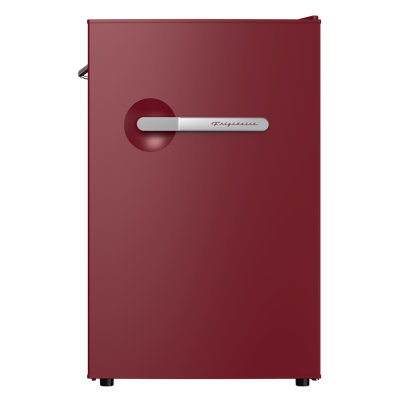
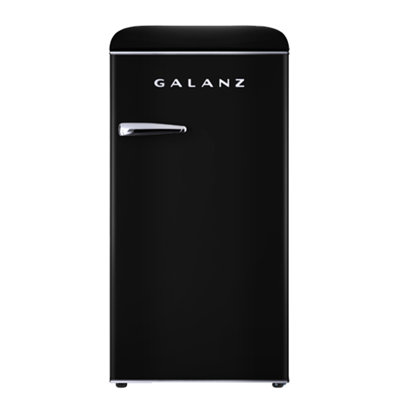
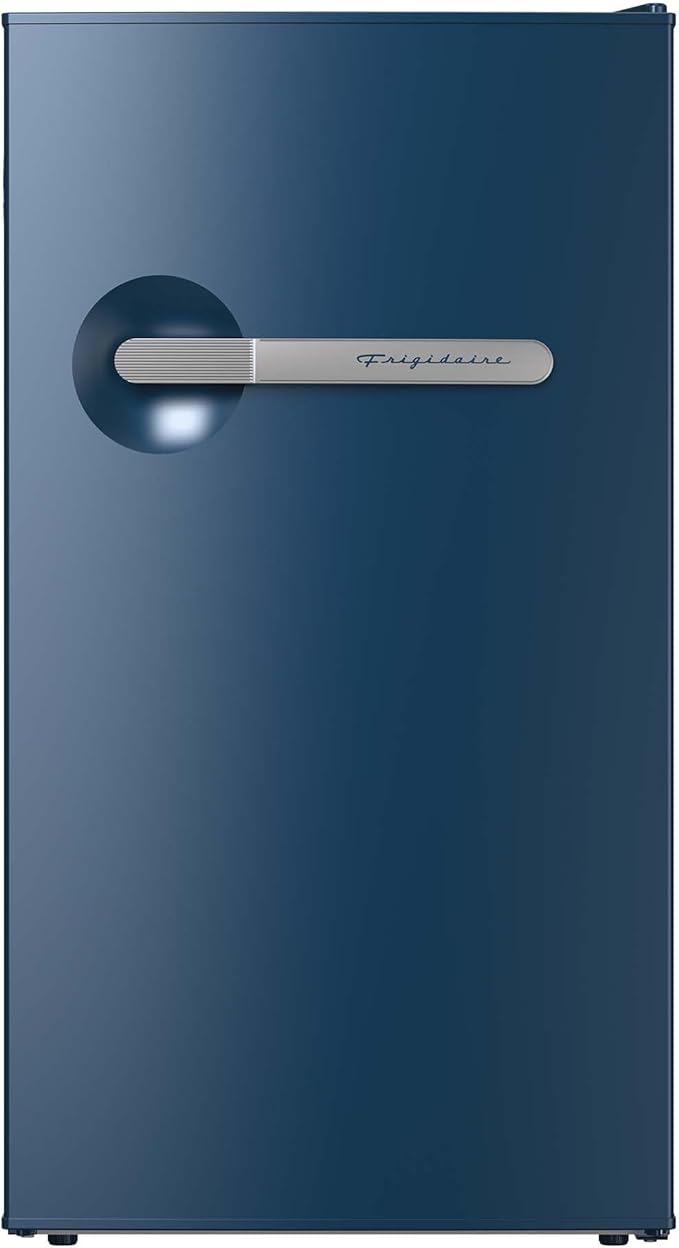
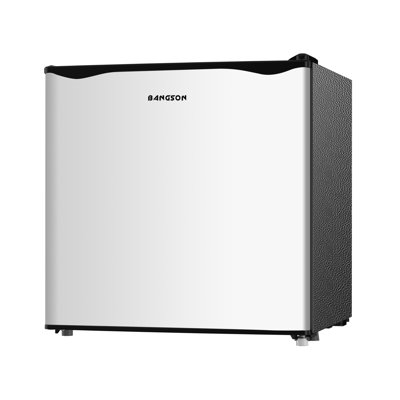
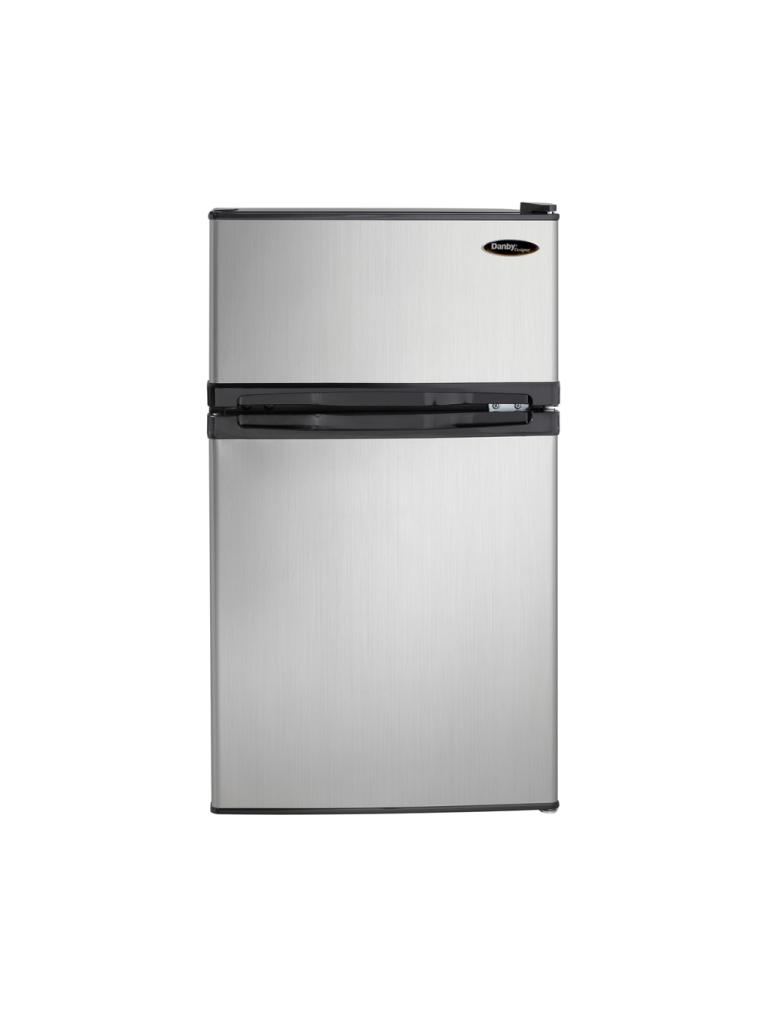
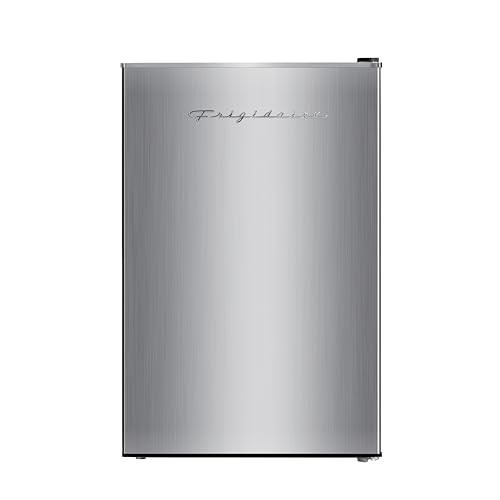
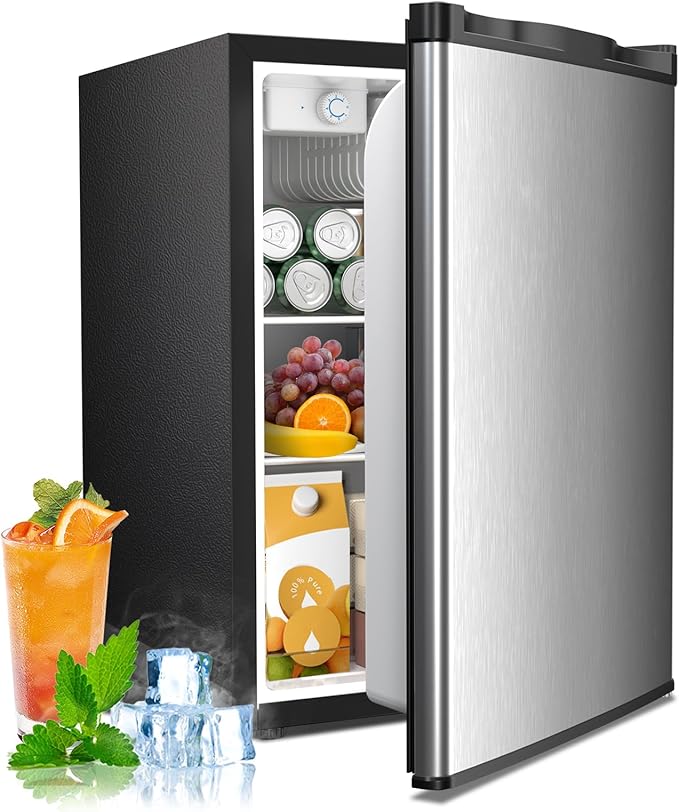
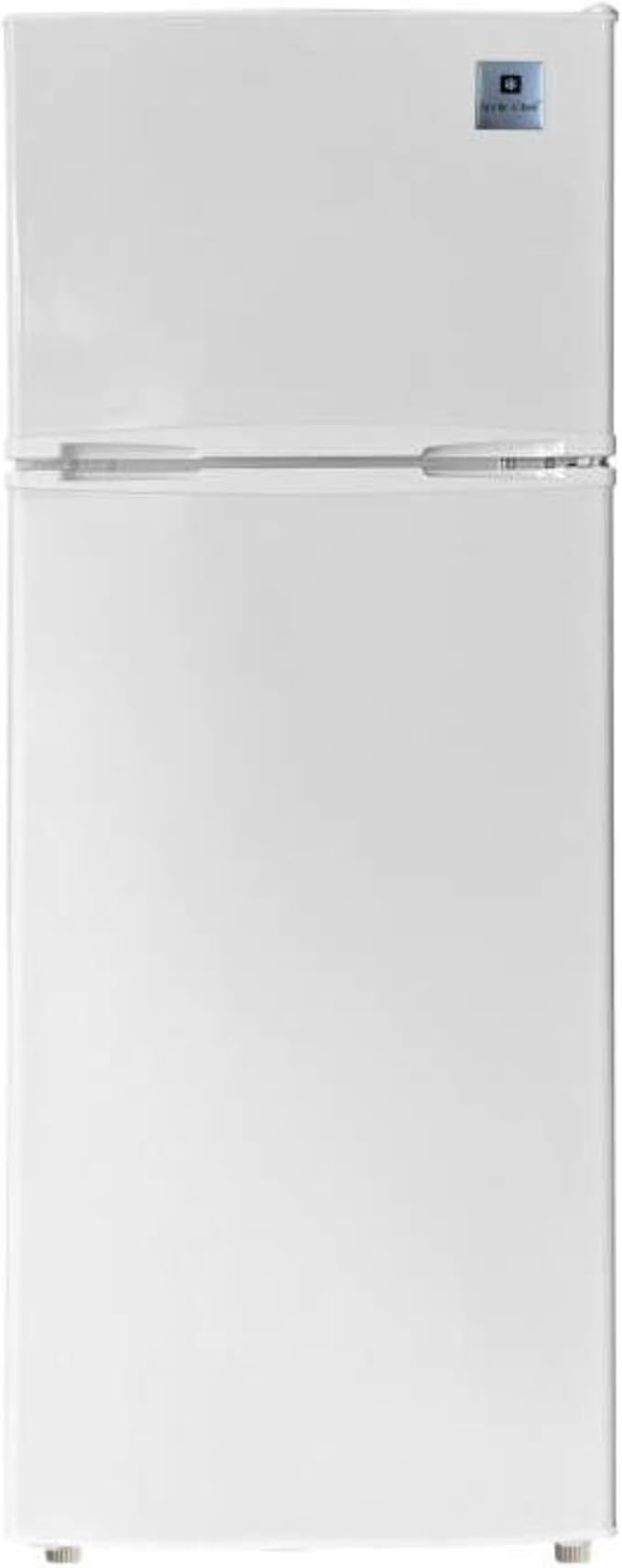
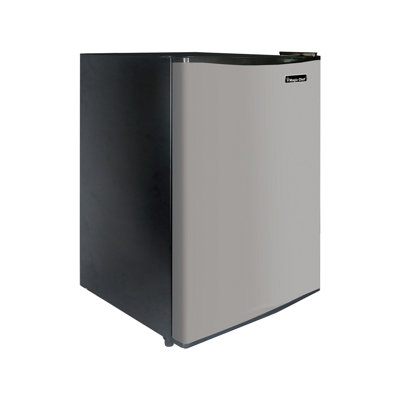
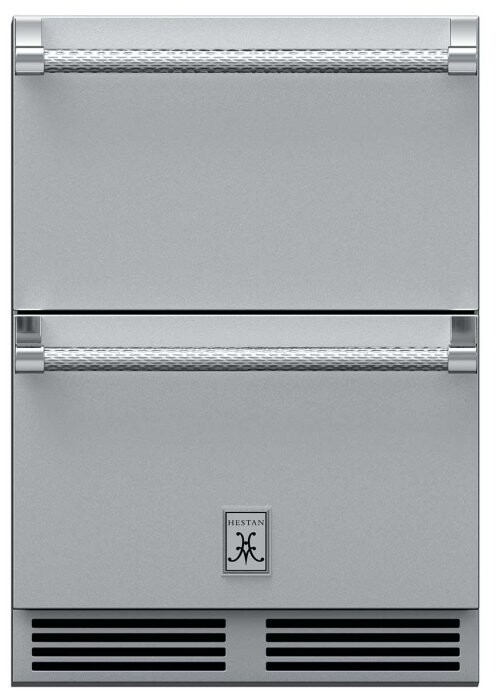
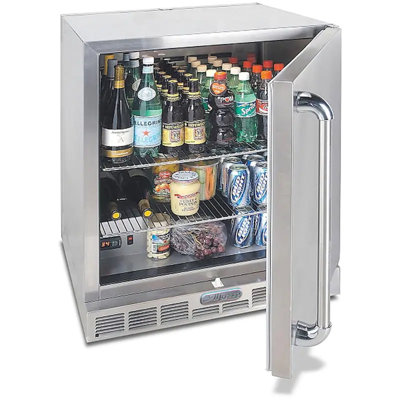
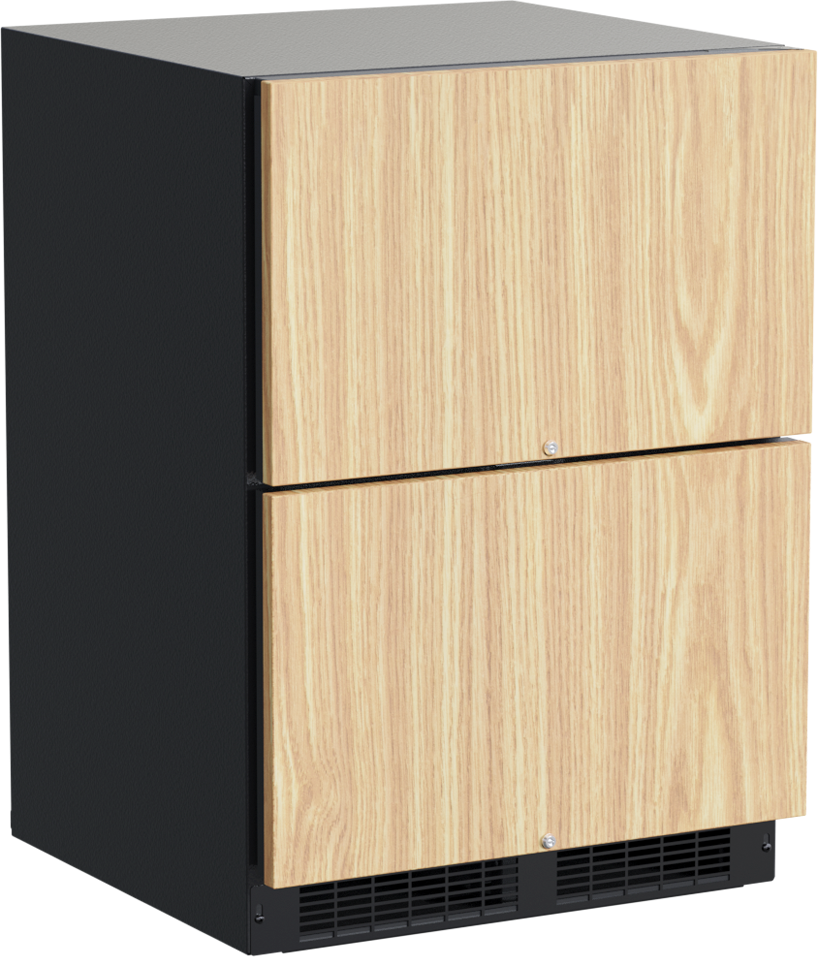
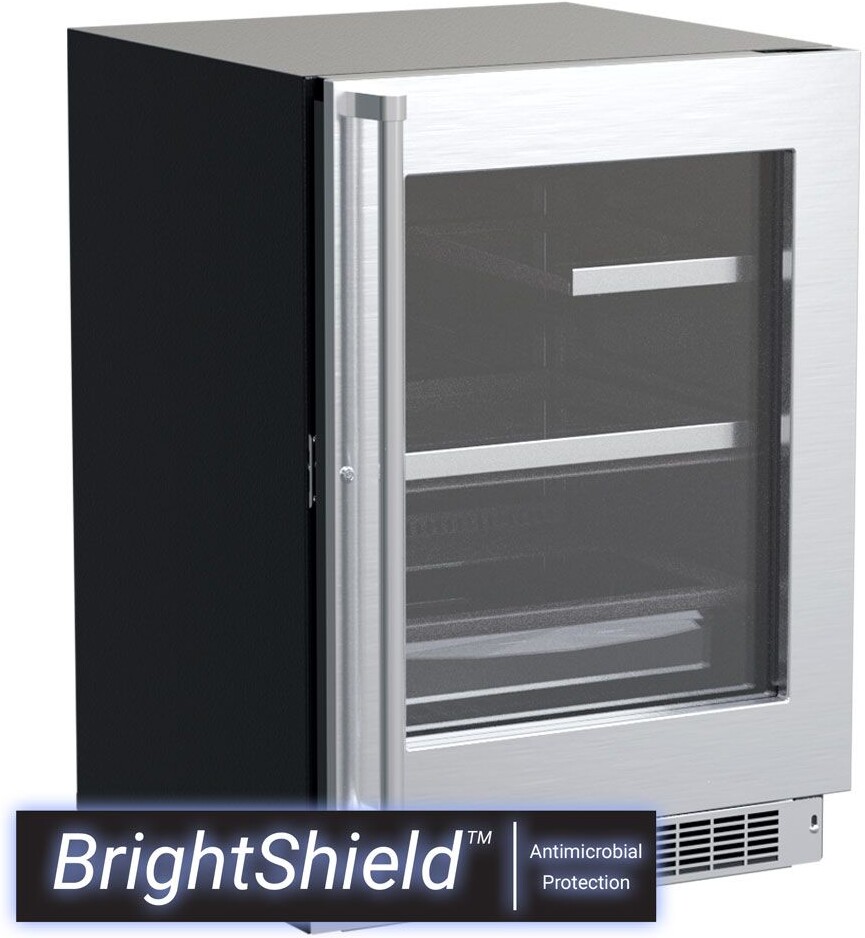
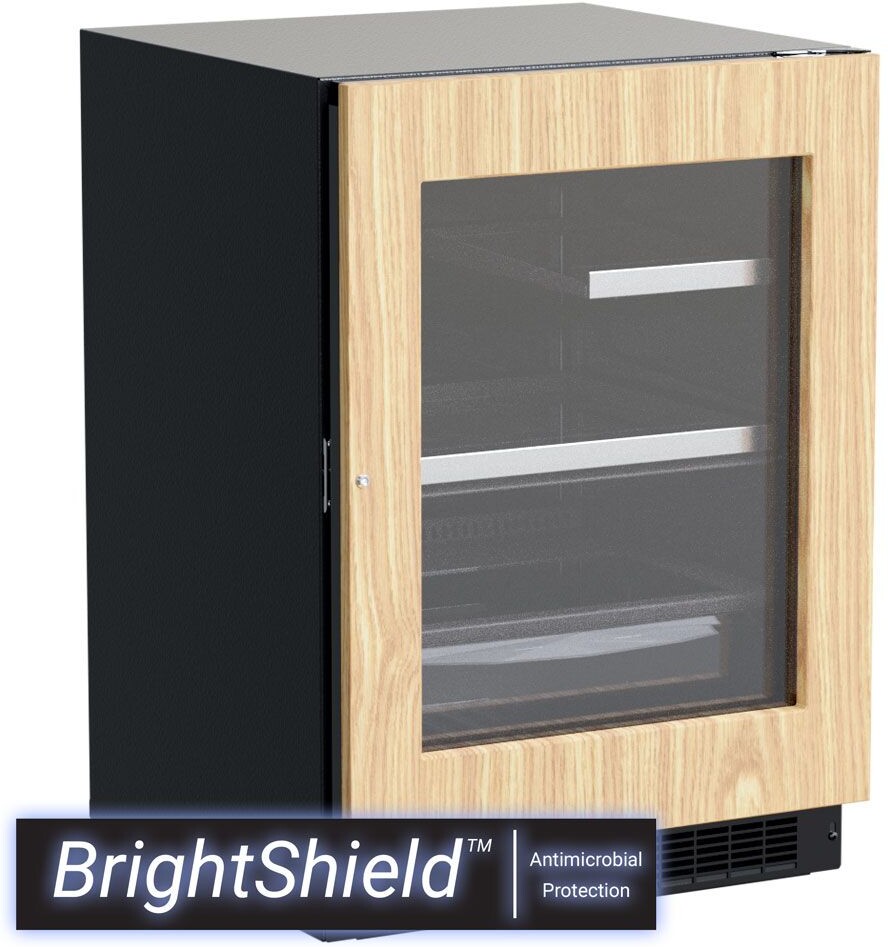
The interior maintains 34-42°F with adjustable wire shelves, LED interior lighting, and enough capacity — typically 2 to 5 cubic feet — to hold beverages, snacks, and small food items.
An upright freezer is a dedicated frozen storage appliance that maintains 0°F throughout its vertical cabinet.
The glass door mini fridge's 37°F environment keeps beverages cold and snacks fresh for immediate consumption over days or weeks.
An upright freezer and a glass door mini fridge serve entirely different cooling purposes — one preserves food at 0°F for long-term frozen storage, and the other displays beverages at 34-42°F for immediate cold access. An upright freezer is a full-height or compact vertical appliance with solid door construction, interior shelves and drawers, and the capacity to store 5 to 20 cubic feet of frozen meats, vegetables, prepared meals, and ice. A glass door mini fridge is a compact refrigerator with a transparent front panel that showcases beverages and snacks at refrigeration temperatures while adding visual appeal to dorm rooms, offices, home bars, and game rooms. This guide compares every specification so you can determine which appliance — or both — fits your household needs.
What Is an Upright Freezer?
An upright freezer is a dedicated frozen storage appliance that maintains 0°F throughout its vertical cabinet. Unlike a chest freezer that opens from the top, the upright format uses a front-opening door with interior shelves, door bins, and pull-out drawers that organize frozen goods for easy visibility and access. You can see and reach every item without digging through stacked layers, making the upright freezer the most user-friendly format for households that access frozen foods frequently.
Upright freezers range from compact 5-cubic-foot models suitable for apartments and small kitchens to full-height 20-cubic-foot units that serve as dedicated frozen food pantries for large families and bulk shoppers. Manual defrost models are more energy efficient but require periodic defrosting. Frost-free models eliminate manual defrost maintenance but use slightly more electricity and may cause minor freezer burn on improperly wrapped items over extended storage. The upright freezer is a utility appliance — it sits in a garage, basement, utility room, or kitchen and provides essential frozen storage capacity beyond what a standard refrigerator's freezer compartment offers.
A glass door mini fridge is a compact refrigerator featuring a transparent or semi-transparent front door panel that allows you to see the contents without opening the door. The interior maintains 34-42°F with adjustable wire shelves, LED interior lighting, and enough capacity — typically 2 to 5 cubic feet — to hold beverages, snacks, and small food items. The glass door transforms a basic appliance into a visual display, showcasing colorful drink cans, bottles, and snack packaging in an inviting, store-like presentation.
Glass door mini fridges are popular in spaces where cold drink access combines with visual appeal — college dorm rooms, home offices, game rooms, home bars, man caves, bedrooms, and entertainment areas. The glass door eliminates the guesswork of solid-door mini fridges by showing exactly what is available at a glance, reducing the frequency of door openings (which saves energy) and adding a decorative element to the room. Many models feature adjustable LED lighting in blue, white, or customizable colors that enhance the display effect, especially in dim entertainment settings.
These appliances operate at completely different temperature zones for completely different purposes. The upright freezer's 0°F environment preserves food for months or years — frozen meat can remain safe and quality for 6 to 12 months, frozen vegetables for 8 to 12 months, and prepared meals for 2 to 3 months. The glass door mini fridge's 37°F environment keeps beverages cold and snacks fresh for immediate consumption over days or weeks. There is no functional overlap between these appliances. You cannot store frozen food in a mini fridge, and you would not use a freezer to chill drinks for a party. Each excels at its specific role and fails completely at the other's.
Capacity Comparison
Appliance
Typical Capacity
Can Equivalent
Best For
Upright Freezer (compact)
5-7 cu ft
N/A — stores frozen food
Apartments, small households
Upright Freezer (full-size)
13-20 cu ft
N/A — stores frozen food
Large families, bulk buyers
Glass Door Mini Fridge (small)
2-3 cu ft
60-90 cans
Dorm rooms, bedrooms
Glass Door Mini Fridge (large)
3-5 cu ft
90-150 cans
Home bars, game rooms
Upright freezers provide significantly more total storage volume, but the comparison is meaningless in practical terms because the contents are entirely different. A 15-cubic-foot upright freezer holds enough frozen food to sustain a family of four for months. A 4-cubic-foot glass door mini fridge holds enough beverages to serve a weekend gathering. The capacity question is not which holds more — it is whether you need frozen food storage, beverage display, or both. Most households that buy both appliances place them in completely different locations serving completely different daily routines.
Upright freezers consume more energy than similarly sized glass door mini fridges because maintaining 0°F requires substantially more compressor work than maintaining 37°F. However, the glass door on mini fridges introduces an energy penalty compared to solid-door mini fridges — glass conducts heat more readily than insulated steel panels, requiring more frequent compressor cycling to maintain temperature, especially in warm rooms. Double-pane glass and low-emissivity coatings on premium models reduce this penalty but do not eliminate it entirely. If energy efficiency is a priority, both appliance categories benefit from Energy Star certification, which ensures the unit meets federal efficiency standards for its size class.
Upright freezers run at 38-46 decibels depending on the compressor size and defrost system. Manual defrost models tend to be quieter because they lack the defrost heater fan that frost-free models cycle periodically. Most upright freezers are installed in garages, basements, or utility rooms where compressor noise is not a concern. Glass door mini fridges run at 35-42 decibels — slightly quieter because smaller compressors manage less volume at warmer temperatures. Since mini fridges often sit in bedrooms, dorm rooms, and offices where quiet operation matters, many manufacturers specifically engineer low-noise compressor mounting systems for these models. The quietest glass door mini fridges achieve 35-37 decibels, which is comparable to a soft whisper and acceptable for sleeping environments.
Upright freezers are freestanding appliances that require floor space and adequate ventilation clearance — typically 3 to 5 inches on each side and behind the unit for airflow around the condenser. They need a dedicated 15 or 20-amp electrical outlet and a level floor surface. Most households place upright freezers in garages, basements, laundry rooms, or utility closets where the utilitarian appearance and compressor noise are acceptable. Temperature-controlled environments are ideal — garages that experience extreme heat or cold can stress the compressor and reduce efficiency, so garage-rated models with wider ambient temperature tolerance are recommended for unheated spaces.
Glass door mini fridges are designed for visible placement in living spaces. Their compact footprint — typically 18 to 24 inches wide, 18 to 22 inches deep, and 30 to 44 inches tall — fits on countertops, under desks, in entertainment centers, and in small apartment kitchens. Freestanding models need ventilation clearance on the sides and back. Some models offer reversible door hinges for flexible placement. The glass door and interior LED lighting are design features meant to be seen, making the mini fridge both a functional appliance and a room accent that adds visual interest to entertainment and hospitality spaces.
Pricing
Appliance
Budget
Mid-Range
Premium
Upright Freezer (7 cu ft)
$200-$400
$400-$700
$700-$1,200
Upright Freezer (15 cu ft)
$500-$800
$800-$1,200
$1,200-$2,000
Glass Door Mini Fridge
$100-$250
$250-$500
$500-$1,000
Glass door mini fridges cost less than upright freezers at every tier because they are smaller, simpler appliances with less insulation, smaller compressors, and less interior organizational hardware. A quality glass door mini fridge at $300 provides attractive, functional beverage display. A quality 7-cubic-foot upright freezer at $500 provides essential frozen food storage. Since these appliances serve non-overlapping purposes, the pricing comparison is less about choosing one over the other and more about budgeting for each separately based on your household's specific needs.
Upright freezers require condenser coil cleaning annually, gasket inspection, and periodic defrosting for manual defrost models. The interior should be cleaned during defrost cycles to prevent odor buildup. Frost-free models need defrost drain cleaning to prevent clogs. Expected lifespan is 12-18 years for quality models — among the longest of any household appliance due to the simple, robust construction and infrequent door-opening cycles that reduce compressor wear.
Glass door mini fridges require similar basic maintenance — coil cleaning, gasket inspection, and interior wiping. The glass door panel needs regular cleaning to maintain its transparent display appeal, as fingerprints, smudges, and condensation residue accumulate quickly on frequently touched glass. LED interior lighting should last the life of the appliance but may need replacement bulbs in older models. Expected lifespan is 6-10 years for budget models and 10-14 years for premium units — shorter than upright freezers because mini fridge compressors cycle more frequently due to frequent door openings and the thermal penalty of the glass panel.
The most common mistake is buying a glass door mini fridge expecting it to function as a small freezer. Mini fridges do not reach freezer temperatures and cannot safely store food long-term. Some mini fridges include a tiny freezer compartment — typically a small shelf behind a separate door inside the unit — but these achieve only 10-15°F, which is inadequate for true long-term frozen food safety. If you need frozen storage, buy a proper freezer.
Another frequent error is placing an upright freezer in a prominent living space where a glass door mini fridge would be more appropriate. Upright freezers are utilitarian appliances with solid doors and industrial aesthetics — they look perfectly fine in a garage but out of place in a game room or home bar. For visible entertainment spaces, the glass door mini fridge's display-oriented design serves the setting far better.
Who Should Buy Which
Buy an upright freezer if you need dedicated frozen food storage beyond your primary refrigerator's freezer compartment. Bulk shoppers, large families, meal preppers, and hunters all benefit from the organized, accessible frozen storage that an upright freezer provides in a garage, basement, or utility space.
Buy a glass door mini fridge if you want cold beverage access with visual display appeal in a bedroom, dorm room, home office, game room, or bar area. The glass door adds both convenience and style, letting you browse available drinks without opening the door and adding a decorative element to the space.
For many households, the answer is both — an upright freezer in the garage handling bulk frozen storage and a glass door mini fridge in the entertainment space keeping drinks cold and visible. These appliances complement rather than compete, each excelling in its dedicated role.
Browse upright freezers and glass door mini fridges. Filter by capacity, door style, dimensions, and price to find the right appliance for your storage and entertaining needs.
Frequently Asked Questions
No — it maintains 34-45°F for cold beverages and snacks. Cannot reach 0°F. For frozen storage, use an upright freezer. Compare at Fridge.com.
From Fridge.com research
Figures below come from data Fridge.com builds and maintains. Each links to the record behind it.
Fridge.com Energy Index, built on U.S. EPA and DOE ENERGY STAR records
Across 1,728 ENERGY STAR certified compact refrigerator models, median use is 246 kWh per year — 11% better than the federal standard.