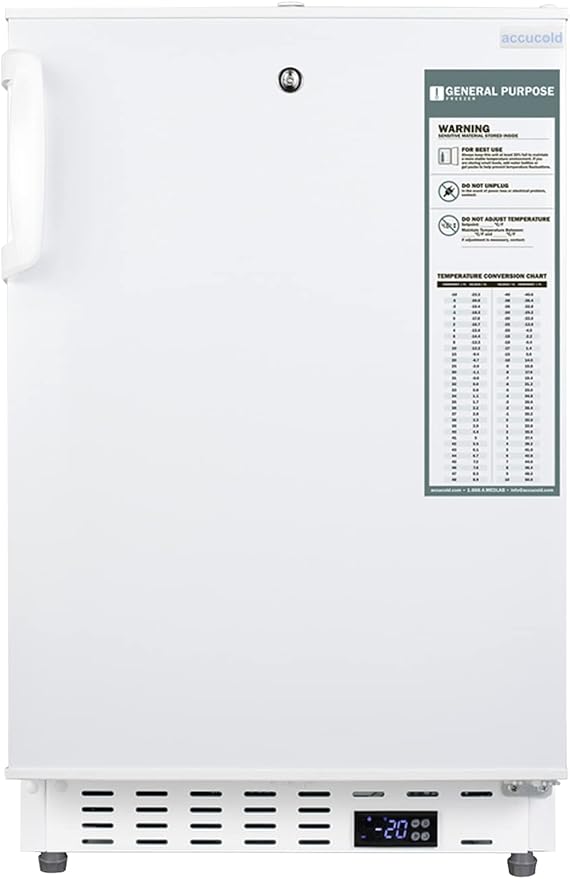
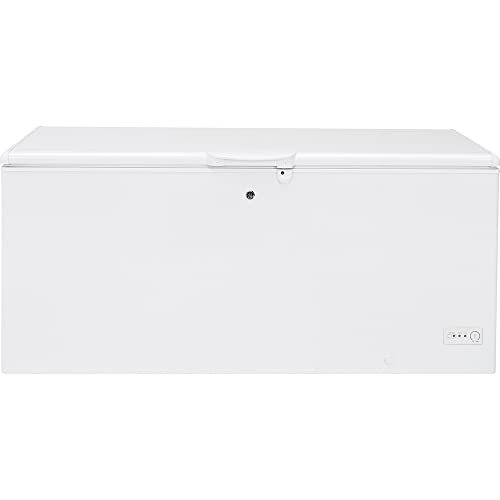
Defrosting: Regularly defrost your compact freezer to prevent ice buildup — defrost whenever ice exceeds a quarter inch, typically every 6 to 12 months for manual-defrost models.
Fresh food stored in a compact freezer at 0°F freezes solid — produce turns mushy when thawed, dairy separates, and most beverages expand and can burst their containers.
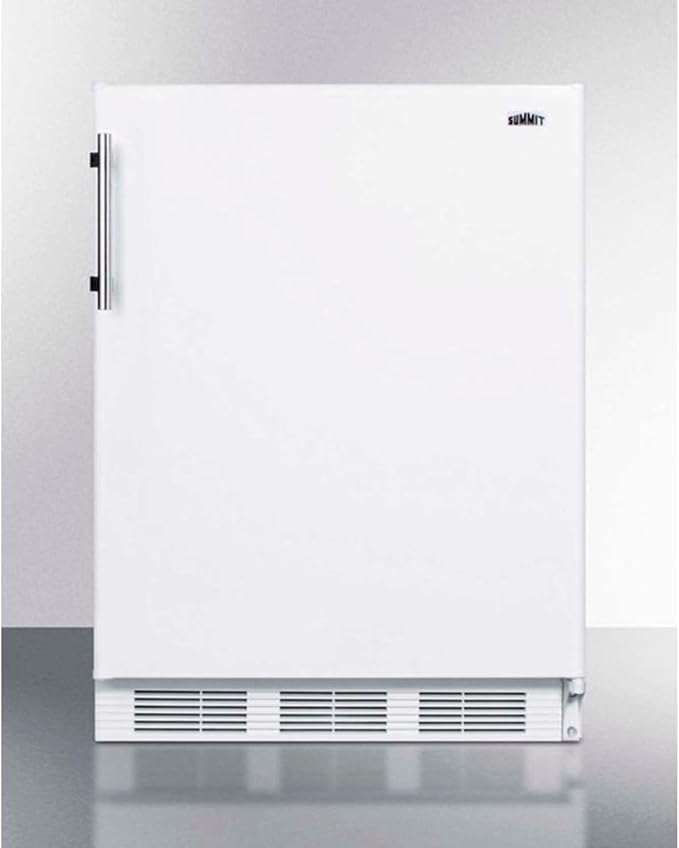
Standard undercounter refrigerators have a height of around 34 inches, but always check the specific dimensions of the unit you choose.
The compact freezer — typically 200-400 kWh per year versus 150-300 kWh for an undercounter refrigerator.
A compact freezer holds food at 0°F for months-long frozen storage, while an undercounter refrigerator maintains 34-42°F to keep fresh food, beverages, and perishables ready for days to two weeks. Both appliances slide into a roughly 24-inch-wide by 34-inch-tall opening beneath a countertop, bar, or island, but they solve fundamentally different problems — one keeps food frozen for months, the other keeps food fresh at the point of use. This guide compares size, capacity, installation, energy use, noise, cost, and placement so you can choose the right under-counter cooling appliance.
Appliance
Main Function
Ideal For
Compact Freezer
Freezing and storing frozen food
Extra freezer space needs
Undercounter Refrigerator
Refrigerating food and beverages
Small kitchens, offices, entertainment areas
Temperature Comparison: Under-Counter Fresh or Compact Frozen?
Appliance
Temperature Range
Typical Setting
Storage Duration
Undercounter Refrigerator
34-42°F
37°F
Days to 2 weeks
Compact Freezer
-10°F to 5°F
0°F
Months to 1 year
The temperature gap makes these appliances completely non-interchangeable. Fresh food stored in a compact freezer at 0°F freezes solid — produce turns mushy when thawed, dairy separates, and most beverages expand and can burst their containers. Frozen food stored in an undercounter refrigerator at 37°F thaws within hours and enters the bacterial danger zone (40-140°F), becoming unsafe to eat. Each appliance serves a specific temperature need that the other cannot address.
Factors to Consider Before Choosing
Space Availability: Measure the space before buying — height, width, and depth must accommodate the appliance plus any required ventilation clearance. Both appliances come in various sizes.
Storage Needs: If you frequently need extra freezer space for bulk purchases or meal prep, a compact freezer is the better option. If you need additional refrigeration for beverages, snacks, or fresh produce, an undercounter refrigerator is more suitable.
Energy Efficiency: Check the Energy Star ratings for both compact freezers and undercounter refrigerators — energy-efficient models reduce electricity costs.
Installation Requirements: Compact freezers may need more ventilation space, while undercounter refrigerators are designed to fit seamlessly under countertops.
Cost: Consider both the initial purchase price and long-term operating expenses — energy consumption and potential maintenance costs differ between the two.
For more detailed comparisons, you can explore articles like garage refrigerator Vs. undercounter refrigerator or compact freezer Vs. white refrigerator.
Core Function and Purpose
An undercounter refrigerator provides supplemental fresh food storage at the point of use. In a kitchen, it holds frequently accessed ingredients within arm's reach of the prep area — produce, dairy, meats for tonight's dinner, condiments, and beverages. In a home bar or entertainment area, it chills mixers, garnishes, beer, wine, and soft drinks right where guests gather. In an office, it stores lunches, snacks, and drinks for employees, all without the floor space commitment of a full-height refrigerator.
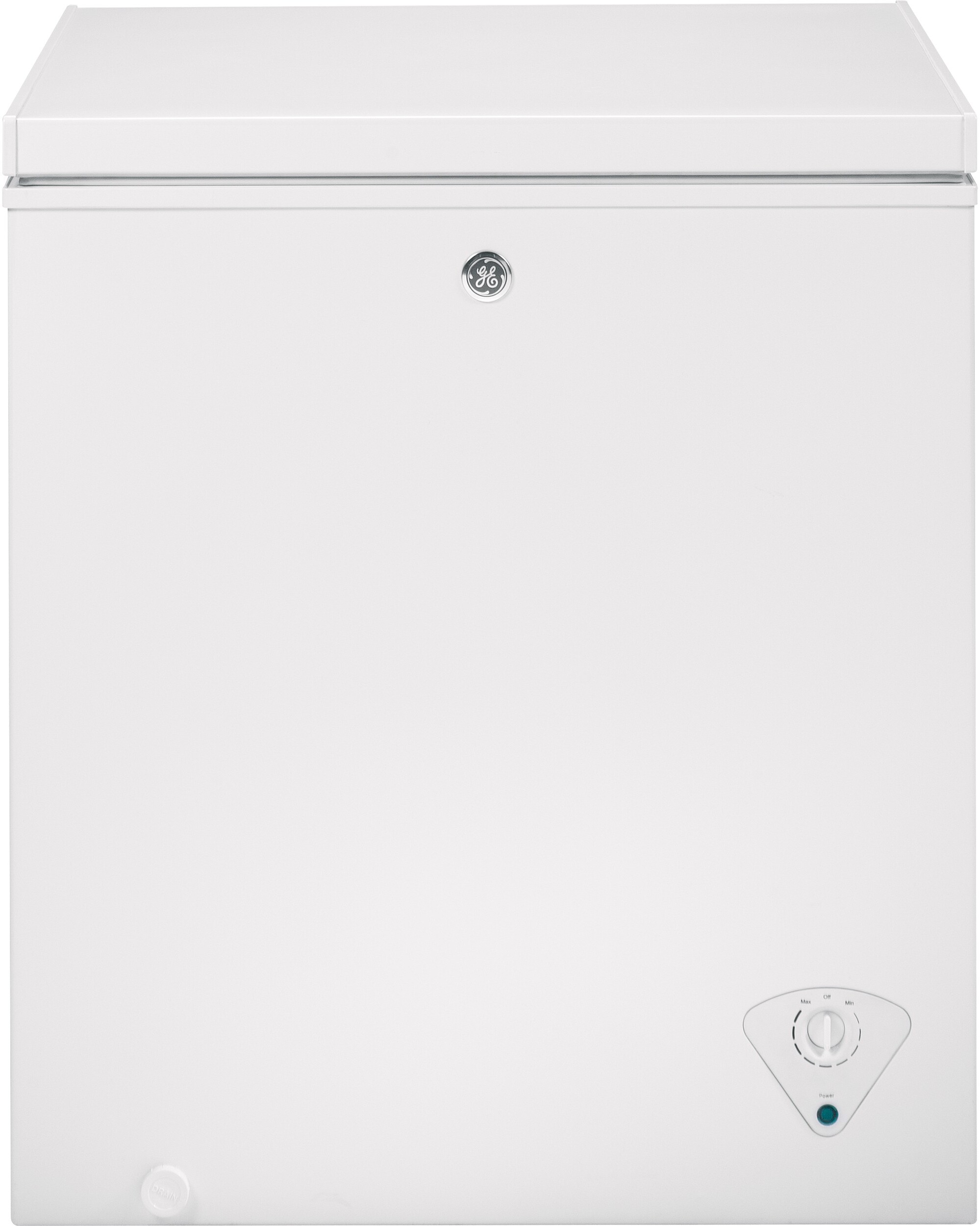
A compact freezer provides supplemental frozen storage when your kitchen freezer is full or when you need frozen items away from the main kitchen. Under a bar, it holds ice reserves and frozen appetizers for entertaining. In a garage or workshop, it stores frozen beverages and ice packs. In a kitchenette or break room, it holds frozen meals. Compact freezers also serve households that buy frozen food in bulk and need overflow capacity beyond what the kitchen refrigerator-freezer provides.
Compact freezers are generally smaller and fit in tight spaces such as a garage, basement, or office. Undercounter refrigerators are designed to fit seamlessly under kitchen counters, making them a popular choice for kitchens and entertainment areas. Both categories also offer standard 24-inch-wide, 32-to-34-inch-tall variants sized for a standard under-counter cabinet opening.
Appliance Type
Average Dimensions (inches)
Compact Freezer
20-24 (H) x 18-20 (W) x 18-20 (D)
Undercounter Refrigerator
32-34 (H) x 24-26 (W) x 24-26 (D)
Evaluating Capacity Needs
Compact freezers typically offer less storage space but are ideal for individuals or small families who need additional freezing space — a 3.0-to-5.5-cubic-foot under-counter freezer holds roughly 80 to 150 pounds of frozen food. Undercounter refrigerators provide more usable storage for beverages, snacks, and perishable items; a standard 24-inch model holds enough for a weekend's worth of fresh groceries or a full bar's worth of beverages and mixers. The freezer may hold slightly less volume in the same footprint because the thicker insulation required to maintain 0°F takes up interior space that the refrigerator's thinner insulation does not.
Appliance Type
Average Capacity (cubic feet)
Compact Freezer
1.1 - 3.5
Undercounter Refrigerator
4.0 - 6.0
Interior Layout
Undercounter refrigerators use 2 to 3 adjustable glass or wire shelves, a small crisper drawer in some models, and door-mounted bins for bottles and cans. Some models add beverage-specific features like can racks, bottle shelves, and full-extension pull-out drawers; premium units offer panel-ready doors and stainless steel interiors.
Compact freezers use 2 to 4 wire shelves or pull-out baskets for organizing frozen packages, with door storage for smaller items like ice cream pints and ice packs. Manual-defrost models have simpler interiors with fewer obstructions, maximizing usable space, while auto-defrost models include a small evaporator assembly that slightly reduces available volume but eliminates periodic defrosting.
Both appliances come in freestanding and built-in configurations. Built-in models feature front-venting exhaust systems that allow flush installation inside cabinetry without overheating. Freestanding models vent from the rear or sides and need 2 to 5 inches of clearance around the unit. The distinction matters — placing a freestanding model in a tight built-in cavity without adequate ventilation causes the compressor to overheat, shortening its lifespan and potentially voiding the warranty. Built-in models typically offer reversible door hinges, adjustable leveling legs, and optional custom panel kits that match surrounding cabinetry.
Installation Requirements for Compact Freezers
Space Requirements: Compact freezers typically need minimal space, allowing them to fit in tight areas such as small kitchens, garages, or basements. Ensure there is enough room for proper ventilation around the unit.
Ventilation: Leave at least 1-2 inches of space on all sides to allow for proper air circulation.
Electrical Outlet: Compact freezers require a standard electrical outlet nearby that can handle the freezer's power requirements.
Level Surface: Place the compact freezer on a flat, level surface to ensure optimal performance.
Accessibility: Consider the door swing direction and ensure there is enough space for the door to open fully.
Installation Requirements for Undercounter Refrigerators
Cabinet Dimensions: Measure the space under your counter precisely. Standard undercounter refrigerators have a height of around 34 inches, but always check the specific dimensions of the unit you choose.
Ventilation: Make sure there is adequate airflow around the unit, especially at the back, to prevent overheating.
Electrical Outlet: A nearby standard outlet that meets the refrigerator's power requirements is required.
Level Installation: Install on a level surface; use a level tool to check and adjust as needed.
Integration with Cabinetry: Align the refrigerator door with cabinet doors for a cohesive look.
Accessibility: Ensure there is enough space for the door to open fully without obstruction in your kitchen layout.
Installation Aspect
Compact Freezer
Undercounter Refrigerator
Space Requirements
Minimal
Under counter space
Ventilation
1-2 inches on all sides
Adequate airflow at the back
Electrical Outlet
Standard nearby
Standard nearby
Surface
Flat and level
Flat and level
Accessibility
Easy access to contents
Door swing consideration
For more comparisons between different types of refrigerators and freezers, check out Fridge.com articles on built in freezer Vs. small chest freezer and garage refrigerator Vs. undercounter refrigerator.
Functionality and Features
Cooling Mechanisms and Temperature Control
Compact Freezers: Compact freezers typically use a static cooling mechanism — a cooling coil distributes cold air throughout the compartment. Static cooling is efficient and maintains a consistent temperature, ideal for preserving frozen goods.
Undercounter Refrigerators: Undercounter refrigerators often use dynamic cooling systems with fans that circulate cold air evenly, ensuring the temperature remains uniform throughout the unit and helping maintain the freshness of perishable items.
Compact freezers generally have adjustable thermostats that allow you to set the desired temperature. Undercounter refrigerators also offer temperature control, usually with more precise settings to keep food at optimal freshness.
Appliance Type
Cooling Mechanism
Temperature Control
Compact Freezer
Static Cooling
Adjustable Thermostat
Undercounter Refrigerator
Dynamic Cooling
Precise Temperature Settings
Additional Features for Convenience
Compact Freezers:
Manual Defrost: Compact freezers often require manual defrosting, which can be time-consuming but helps maintain energy efficiency.
Storage Baskets: Many compact freezers include removable storage baskets, making it easier to organize and access frozen items.
Undercounter Refrigerators:
Auto Defrost: Undercounter refrigerators often feature automatic defrost systems, reducing the need for manual maintenance.
Adjustable Shelves: These refrigerators typically come with adjustable shelves, allowing you to customize the interior space to suit your storage needs.
Built-in Lighting: Many undercounter refrigerators are equipped with interior lighting, making it easier to find items quickly.
Undercounter refrigerators operate at 35 to 43 decibels — inaudible in a kitchen with normal ambient noise, though the compressor cycling may be faintly noticeable in a quiet office or bedroom. Built-in installation inside cabinetry provides some acoustic dampening as the surrounding wood and countertop absorb compressor noise.
Compact freezers operate at 38 to 46 decibels — slightly louder because the compressor works harder. Manual-defrost compact freezers tend to be quieter than auto-defrost models because they lack the defrost heater fan that activates during defrost cycles. If noise sensitivity matters, choose a manual-defrost compact freezer or a model with an inverter compressor that modulates speed rather than cycling abruptly on and off.
Compact freezers generally have a higher energy consumption rate because they must maintain much lower temperatures. The temperature differential between the appliance interior and the surrounding room is roughly double for the freezer (72°F room to 0°F is a 72-degree gap) compared to the refrigerator (72°F room to 37°F is a 35-degree gap), so the freezer's compressor runs longer and harder.
Appliance Type
Average Annual Energy Consumption (kWh)
Compact Freezer
200 - 400
Undercounter Refrigerator
150 - 300
For a detailed comparison between different types of refrigerators and freezers, check out Fridge.com article on deep freezer Vs. reach in freezer.
Understanding Energy Star Ratings
Both compact freezers and undercounter refrigerators can earn an Energy Star rating if they meet specific energy efficiency criteria set by the Environmental Protection Agency (EPA). Energy Star-rated appliances typically consume 10-15% less energy than non-rated models, reducing electricity bills and environmental impact.
Appliance Type
Energy Star Criteria
Compact Freezer
At least 10% more energy-efficient than the federal standard
Undercounter Refrigerator
At least 15% more energy-efficient than the federal standard
For more insights on energy-efficient options, you can explore articles like garage refrigerator Vs. undercounter refrigerator.
Compact freezers often come with a lower upfront cost compared to undercounter refrigerators because the interior is simpler — no crisper drawers, fewer shelf configurations, and less emphasis on visual presentation. The full range by tier:
Appliance
Budget
Mid-Range
Premium Built-In
Undercounter Refrigerator
$150-$400
$400-$1,000
$1,000-$3,000
Compact Freezer
$100-$300
$300-$600
$600-$2,000
The price gap widens at the premium end, where built-in undercounter refrigerators with panel-ready doors, full-extension shelving, and stainless steel interiors can reach $2,000-$3,000, while premium compact freezers rarely exceed $1,500-$2,000 even with built-in installation features.
Long-Term Operating Costs
Appliance Type
Annual Energy Cost ($)
Compact Freezer
26 - 45
Undercounter Refrigerator
19 - 36
The compact freezer costs more to run each year because maintaining 0°F demands more compressor work than maintaining refrigeration temperatures. The exact cost varies with the model's energy efficiency — Energy Star-rated models consume less electricity, leading to lower operating costs over time. When evaluating long-term costs, also factor in maintenance and potential repair expenses; regular upkeep is necessary for both appliances. For maintenance tips, check Fridge.com articles on cleaning and maintenance tips for compact freezers and cleaning and maintenance tips for undercounter refrigerators.
Design and Aesthetics
Design Options for Compact Freezers
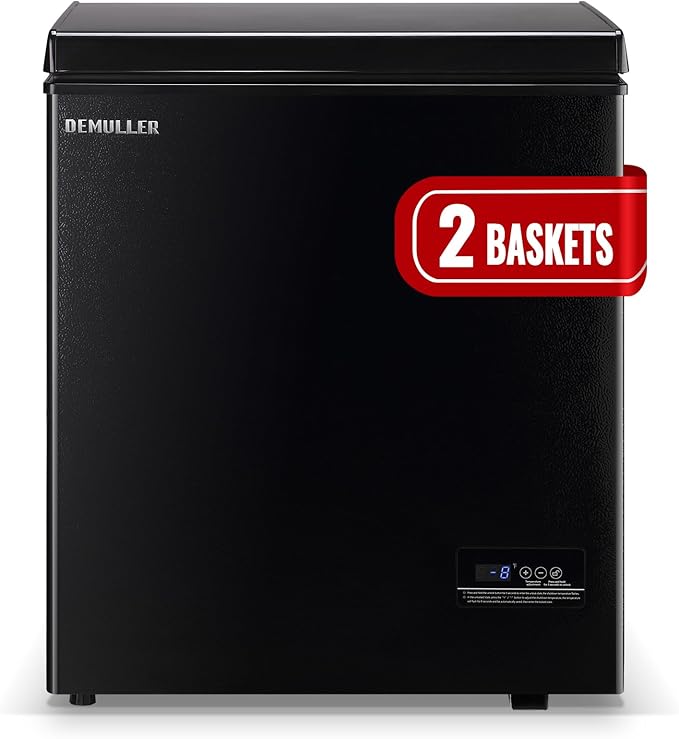
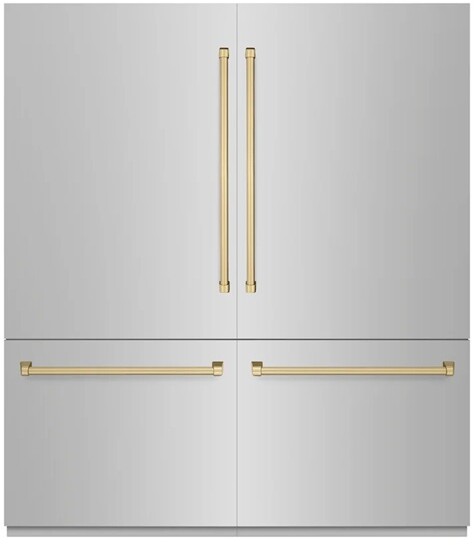
Color Choices: Compact freezers come in an array of colors, including classic white, stainless steel, and black. Some models also offer vibrant colors to match specific decorating styles.
Door Styles: You can choose between single-door and double-door designs. Single-door models are more common and offer a minimalist look, while double-door options can provide added convenience for organizing frozen items.
Finish: The finish can range from matte to glossy. Stainless steel finishes provide a modern and sleek appearance, while matte finishes offer a more understated look.
Interior Layout: Some models offer adjustable shelves, pull-out bins, and door storage to help organize and maximize storage space.
Design Feature
Options
Color
White, Stainless Steel, Black, Vibrant Colors
Door Style
Single Door, Double Door
Finish
Matte, Glossy
Interior Layout
Adjustable Shelves, Pull-Out Bins, Door Storage
For more information on different freezer options, check out Fridge.com article on built in freezer Vs. small chest freezer.
Design Options for Undercounter Refrigerators
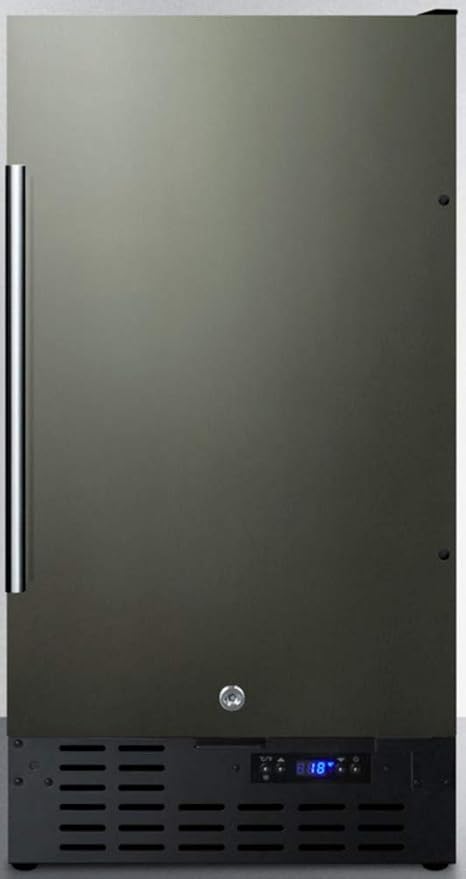
Built-In Vs. Freestanding: Undercounter refrigerators can be built-in to match your cabinetry or freestanding for flexible placement. Built-in models provide a cohesive look, while freestanding units offer mobility.
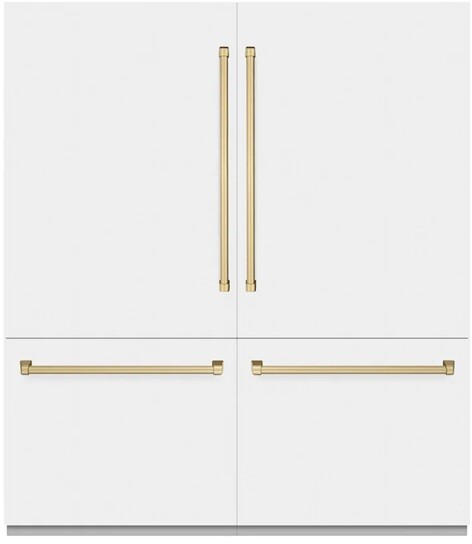
Panel-Ready Options: Some undercounter refrigerators are panel-ready, allowing you to add custom cabinet panels to match your kitchen decor for a streamlined, integrated appearance.
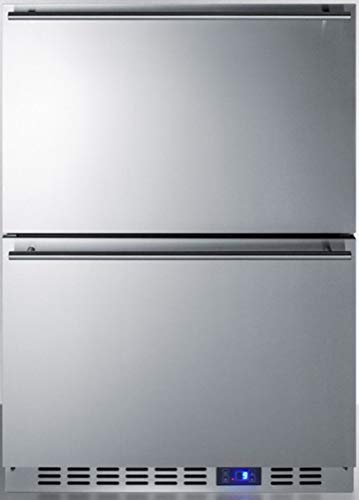
Door Configurations: Choose from swing doors or drawer-style doors. Drawer-style doors offer easy access and can be more ergonomic.
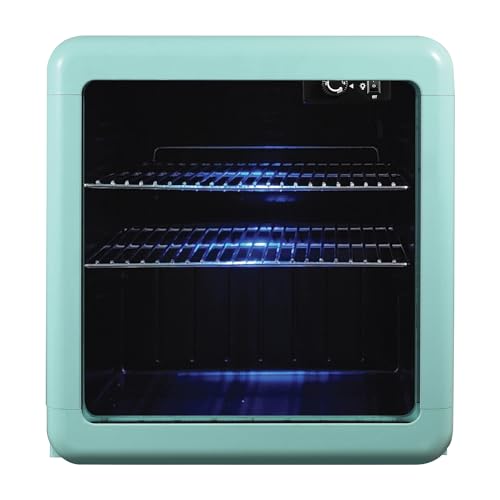
Lighting: Interior LED lighting is common in undercounter refrigerators, providing clear visibility and an attractive glow when the door is opened. Glass-door models with LED lighting double as a display piece for a curated beverage selection.
Design Feature
Options
Installation
Built-In, Freestanding
Panel Options
Panel-Ready, Standard
Door Configuration
Swing Door, Drawer-Style Door
Lighting
LED Interior Lighting
For more design inspirations, explore Fridge.com article on garage refrigerator Vs. undercounter refrigerator.
Common Placement Scenarios
Undercounter refrigerators appear most frequently in home bars and wet bars where cold beverages, mixers, garnishes, and appetizers need to be within arm's reach of the bartending station. In kitchens, they install in islands or secondary prep areas to reduce trips to the main refrigerator during cooking. In offices, they sit under desks or in break room cabinets for employee lunch and beverage storage. In hotel rooms and guest suites, they provide in-room refreshment without the noise and footprint of a full-size appliance.
Compact freezers are most commonly placed in garages, basements, and utility rooms where they supplement the kitchen freezer with overflow capacity. Under-counter models install in kitchen islands for convenient access to frozen cooking ingredients during meal prep. In dorm rooms and small apartments, they add frozen storage that the tiny built-in freezer compartment of a mini fridge cannot adequately provide.
Outdoor-rated undercounter refrigerators are specifically engineered for patio, pool, and outdoor kitchen installations, with sealed electrical components, weatherproof stainless steel cabinets, and compressors rated for wider ambient temperature ranges (40-110°F). Standard indoor undercounter refrigerators should never be used outdoors — moisture infiltration damages electrical components and insulation, and temperature extremes exceed the compressor's design parameters. If you need under-counter cooling on a patio or near a pool, choose a UL-rated outdoor model specifically designed for that environment.
Outdoor-rated compact freezers are less common but exist for applications like poolside ice storage and outdoor kitchen frozen food access — the same weatherproofing rule applies. Indoor compact freezers placed in uninsulated garages face a different challenge: ambient temperatures below 35°F can cause the compressor to stop cycling because the thermostat thinks the interior is already cold enough, allowing contents to warm above 0°F. Garage-ready models include modified thermostats that continue cycling in cold ambient conditions.
Maintenance and Care
Proper maintenance and care are crucial for the longevity and efficiency of your compact freezer or undercounter refrigerator. With proper care, an undercounter refrigerator lasts 8 to 14 years and a compact freezer 8 to 12 years.
Cleaning and Maintenance Tips for Compact Freezers
Defrosting: Regularly defrost your compact freezer to prevent ice buildup — defrost whenever ice exceeds a quarter inch, typically every 6 to 12 months for manual-defrost models. Unplug the unit, move contents to a cooler, and let the ice melt for 4 to 8 hours.
Cleaning the Interior: Use a mixture of mild detergent and warm water to clean the interior walls and shelves. Avoid abrasive cleaners that could damage the surfaces.
Checking the Door Seals: Inspect the door seals regularly for wear or damage. Replace them if necessary to maintain an airtight seal and prevent cold air from escaping.
Cleaning the Coils: Clean the condenser coils at least twice a year using a vacuum cleaner or a coil brush — dust buildup makes the freezer work harder.
Organizing Contents: Keep contents organized to ensure proper air circulation, and avoid overloading the freezer.
Cleaning and Maintenance Tips for Undercounter Refrigerators
Cleaning the Interior: Use a solution of mild detergent and warm water to wipe down the interior surfaces. Rinse with a clean, damp cloth and dry thoroughly.
Inspecting Door Seals: Regularly inspect the door seals for cracks or wear. Replace them if they no longer provide a proper seal.
Cleaning the Condenser Coils: Clean the coils every six months with a vacuum cleaner or a brush — dirty coils reduce efficiency.
Defrosting: If your undercounter refrigerator is not frost-free, manually defrost it periodically to prevent ice buildup. Auto-defrost systems handle frost management without user intervention.
Checking Temperature Settings: Ensure the temperature settings are appropriate for the contents stored to maintain food quality and reduce energy consumption.
Maintenance Task
Frequency
Cleaning Interior
Monthly
Inspecting Door Seals
Quarterly
Cleaning Coils
Biannually
Defrosting
As needed
Checking Temperature
Monthly
For more information on undercounter refrigerators, check out Fridge.com comparison on garage refrigerator Vs. undercounter refrigerator. For additional comparisons and guides, explore Fridge.com articles on compact freezer Vs. glass door refrigerator and counter depth refrigerator Vs. office refrigerator.
Which Should You Choose?
Buy an undercounter refrigerator if you need fresh food or beverage storage at a secondary location — home bar, kitchen island, office, outdoor kitchen, or guest suite. It supplements your main kitchen refrigerator with convenient point-of-use access to cold items, and it is especially valuable in open-floor-plan homes where the bar or island is far from the main refrigerator.
Buy a compact freezer if your kitchen freezer is at capacity and you need additional frozen storage without the footprint of a full-size freezer. Under-counter compact freezers work well in kitchens, garages, basements, and utility rooms, and they are ideal for households that buy frozen items in bulk, meal-prep for the week, or need extra ice storage for entertaining.
Choosing Between Them When Space Is Limited
If you only have room for one under-counter appliance, consider which gap is more urgent in your household. If your main refrigerator is adequate but the freezer is overflowing, the compact freezer solves your immediate problem. If your kitchen fridge is packed and you regularly struggle to find space for fresh produce, dairy, and beverages, the undercounter refrigerator provides the relief you need. Most households find the fresh food shortage more pressing because refrigerated items cycle in and out daily while frozen items accumulate gradually — but bulk shoppers and meal preppers who freeze large batches weekly may find the compact freezer more immediately useful. If budget permits, installing both side by side gives you complete supplemental cooling and freezing in under 48 inches of counter width.
Frequently Asked Questions
Can a compact freezer and an undercounter refrigerator be used interchangeably?
No. A compact freezer holds 0°F and an undercounter refrigerator holds 34-42°F. Fresh food freezes solid in a freezer, and frozen food stored at refrigerator temperatures thaws within hours and enters the bacterial danger zone (40-140°F), becoming unsafe to eat.
Do a compact freezer and an undercounter refrigerator fit the same space?
Often, yes. Both are made in standard 24-inch-wide, 32-to-34-inch-tall under-counter formats, though compact freezers also come in smaller sizes (as small as roughly 20 inches tall and 18 inches wide). Always measure your opening — height, width, and depth must accommodate the unit plus ventilation clearance, and only front-venting built-in models can be installed flush inside cabinetry.
Which costs more: a compact freezer or an undercounter refrigerator?
Undercounter refrigerators cost more to buy at every tier — roughly $150-$400 budget up to $1,000-$3,000 for premium built-in models, versus $100-$300 up to $600-$2,000 for compact freezers. The freezer, however, costs more to run each year because maintaining 0°F requires more compressor work.
Which uses more energy?
The compact freezer — typically 200-400 kWh per year versus 150-300 kWh for an undercounter refrigerator. The freezer's interior-to-room temperature gap is roughly double the refrigerator's, so its compressor runs longer and harder. Energy Star-rated models in either category cut consumption by 10-15% or more.
Which is louder?
The compact freezer, slightly: 38 to 46 decibels versus 35 to 43 decibels for an undercounter refrigerator. Manual-defrost freezers and inverter-compressor models are the quietest choices for offices, bedrooms, and quiet bar areas.
Can I put a compact freezer or undercounter refrigerator in the garage?
A compact freezer can go in an uninsulated garage only if it is a garage-ready model — below about 35°F ambient, a standard thermostat stops cycling and contents can warm above 0°F. For outdoor patios or pool areas, use only UL-rated outdoor models of either appliance; standard indoor units suffer moisture damage and compressor failure outdoors.
How long do these appliances last?
An undercounter refrigerator lasts 8 to 14 years and a compact freezer 8 to 12 years with proper care — annual coil cleaning, gasket checks, and, for manual-defrost freezers, defrosting whenever ice buildup exceeds a quarter inch (typically every 6 to 12 months).
Can I install both under one counter?
Yes. A standard undercounter refrigerator and a standard compact freezer installed side by side provide complete supplemental fresh and frozen storage in under 48 inches of counter width.
It also has tons of awesome articles about kitchen stuff and home news. Enhance your home, garage, backyard, patio, and office with the coolest essentials. With every necessary type of residential refrigerator or freezer in the collection, you're covered.
A compact freezer holds food at 0°F for months-long frozen storage, while an undercounter refrigerator maintains 34-42°F to keep fresh food, beverages, and perishables ready for days to two weeks. Both appliances slide into a roughly 24-inch-wide by 34-inch-tall opening beneath a countertop, bar, or island, but they solve fundamentally different problems — one keeps food frozen for months, the other keeps food fresh at the point of use. This guide compares size, capacity, installation, energy use, noise, cost, and placement so you can choose the right under-counter cooling appliance. Appliance. Main Function. Ideal For. Compact Freezer. Freezing and storing frozen food. Extra freezer space needs. Undercounter Refrigerator. Refrigerating food and beverages. Small kitchens, offices, entertainment areas.