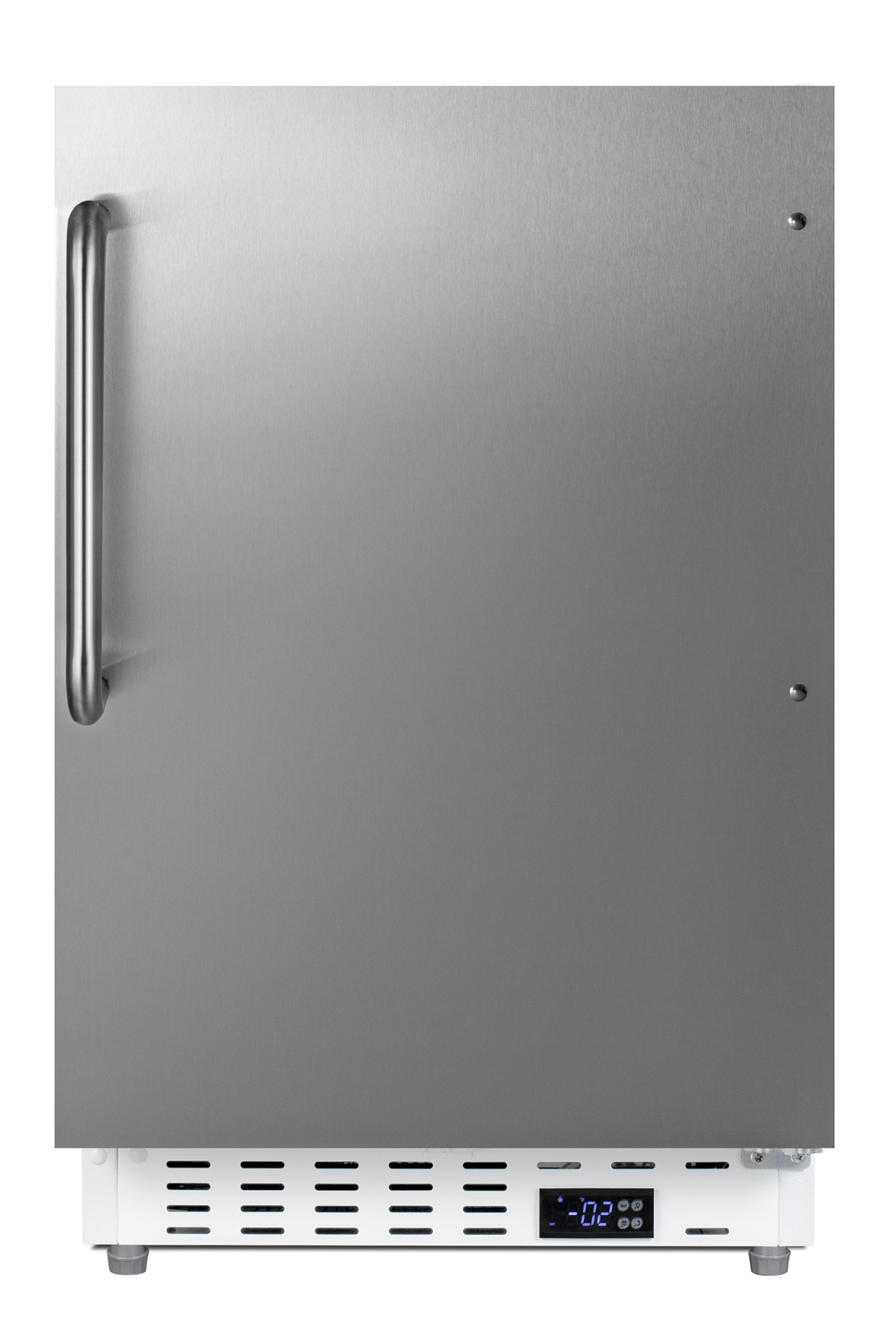
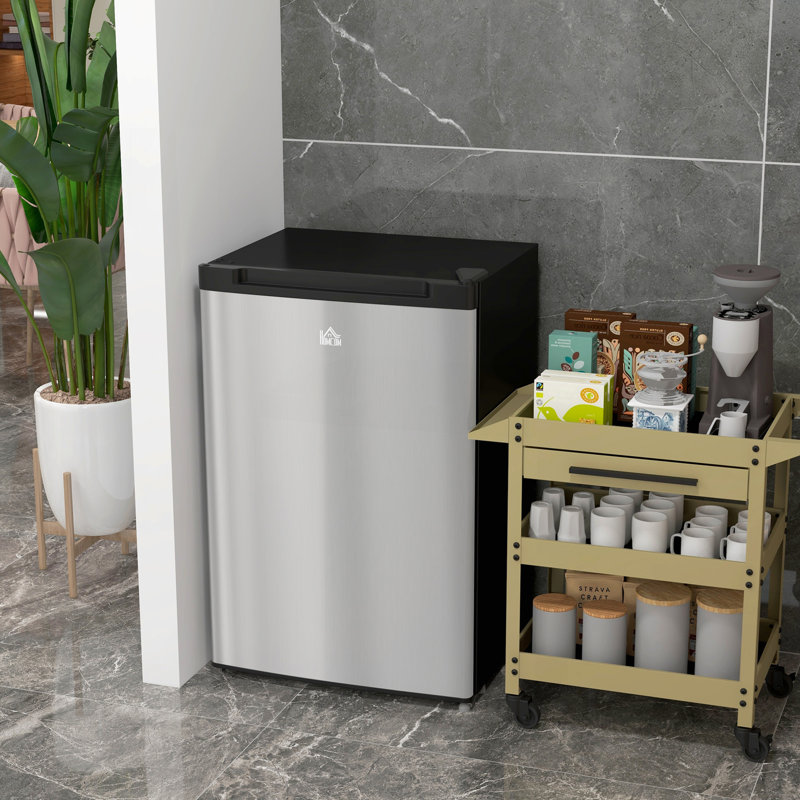
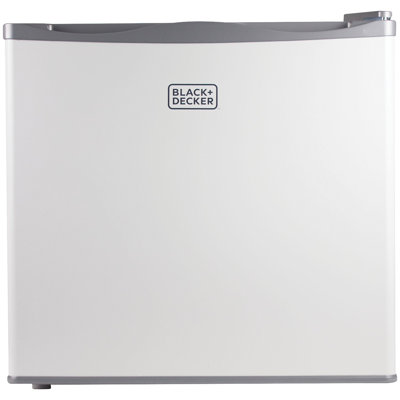
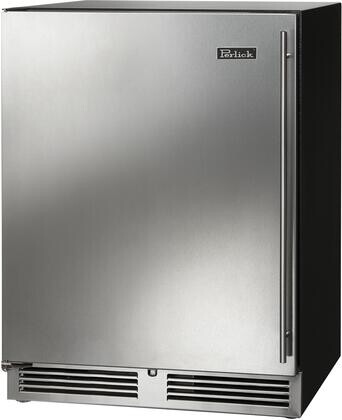
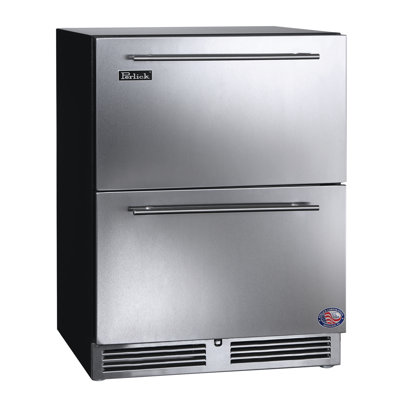
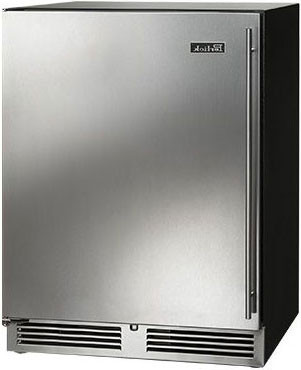
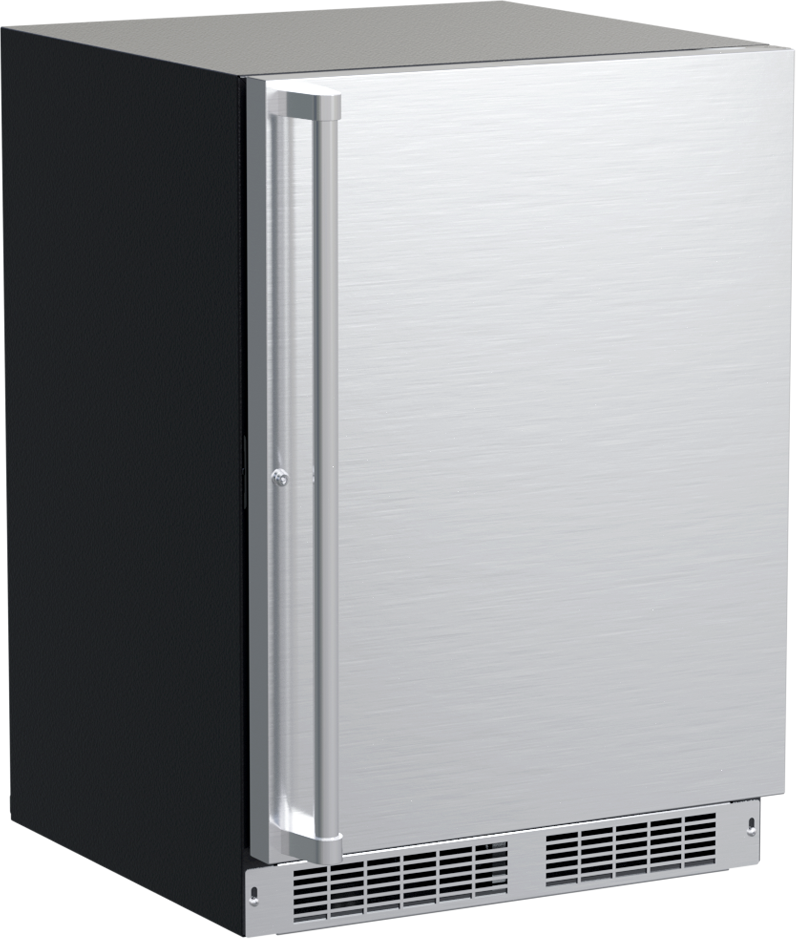
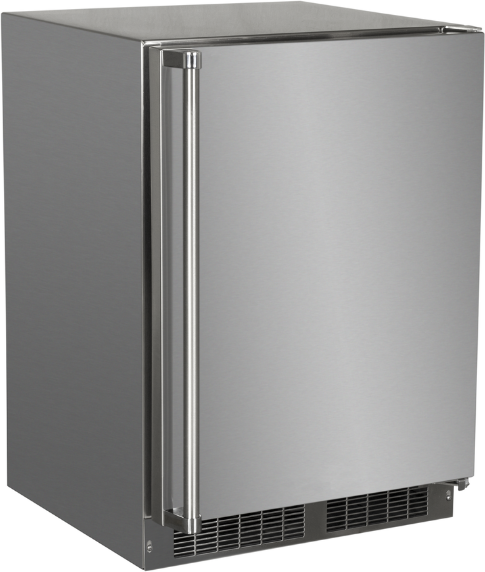
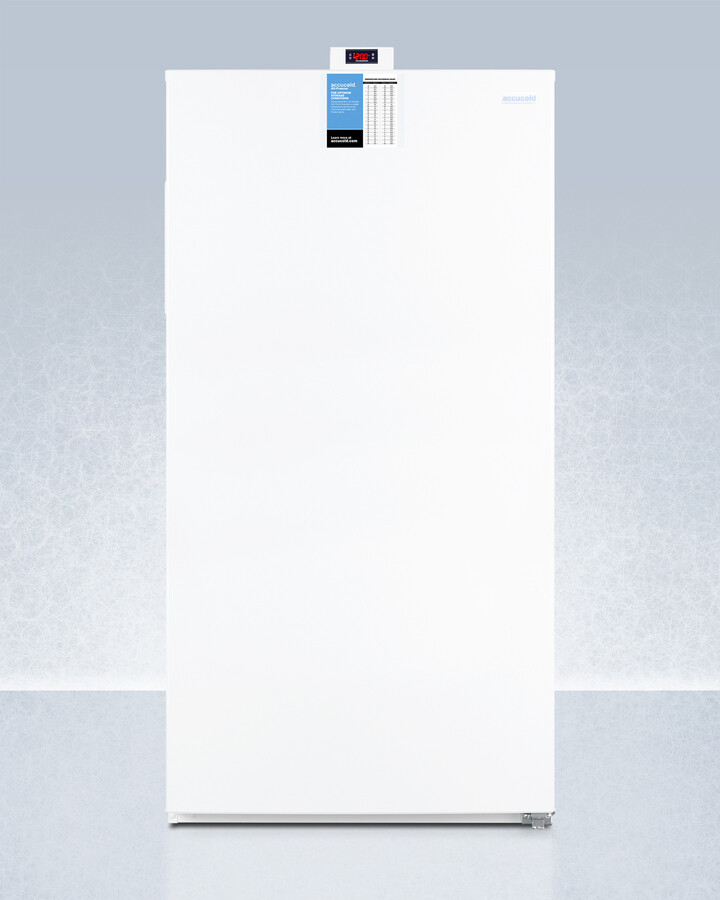
A refrigerator cooler maintains a consistent temperature above freezing, typically between 35°F and 40°F — ideal for fruits, vegetables, dairy, leftovers, and beverages.
$1,500-$3,500 (15-18 cu ft, commercial-grade).
A quality 14-cubic-foot upright freezer typically costs $600 to $800, while a comparable refrigerator cooler runs $900 to $1,500.
Garage-ready models use wide-range thermostats rated for 0°F to 110°F ambient temperatures.
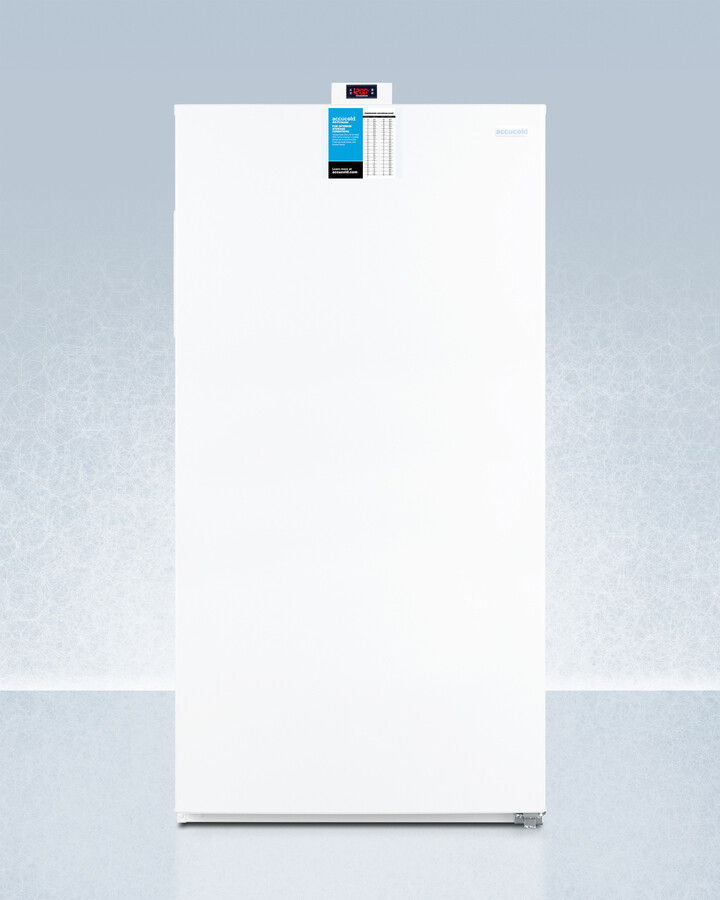
Refrigerator coolers and upright freezers serve opposite temperature needs inside similar tall, front-opening cabinets: a refrigerator cooler chills food and drinks at 35°F to 40°F, while an upright freezer holds 0°F for long-term frozen storage. That 35-to-40-degree gap makes the two appliances non-interchangeable — a cooler keeps produce, dairy, and beverages fresh for days to about two weeks, and a freezer preserves meat, bulk purchases, and prepared meals for months to a year. Choosing between them comes down to whether you need short-term refrigeration or long-term freezing, how much space you have, and the type of food you store.
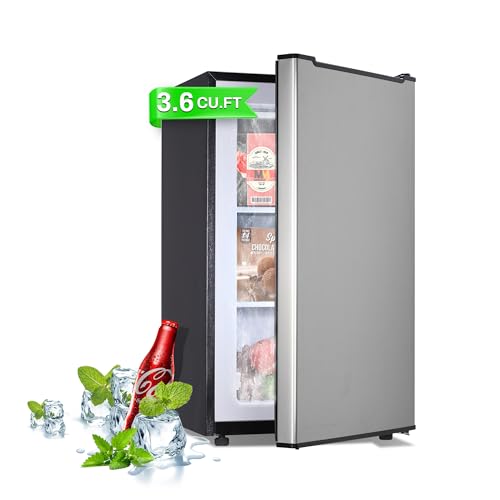
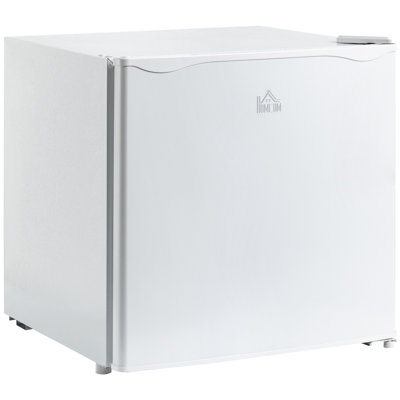
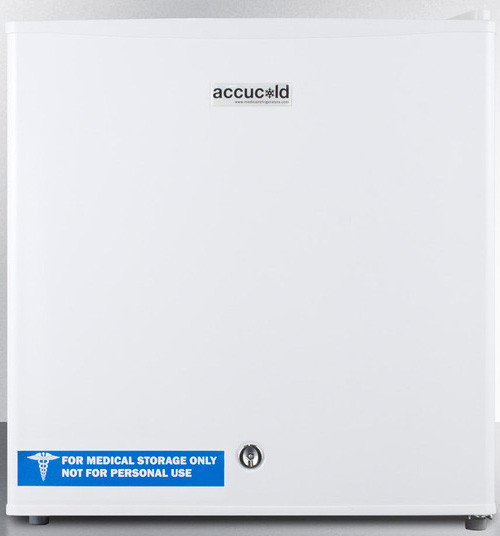
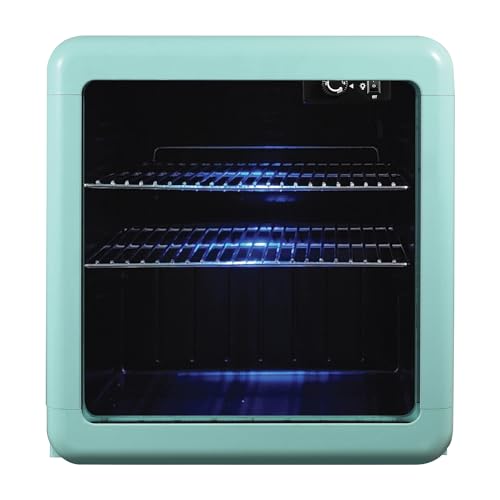
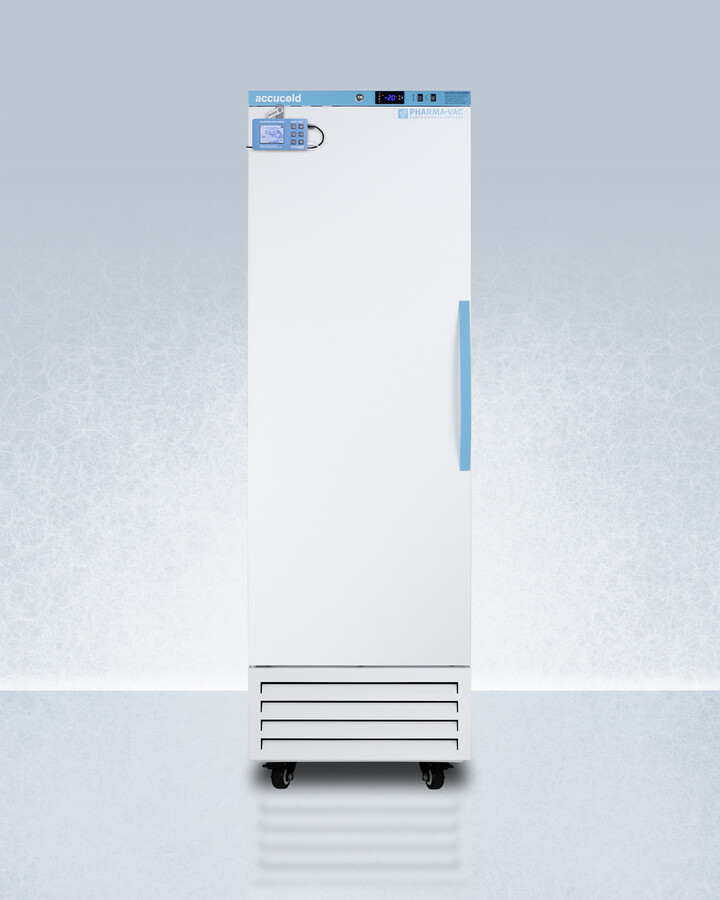
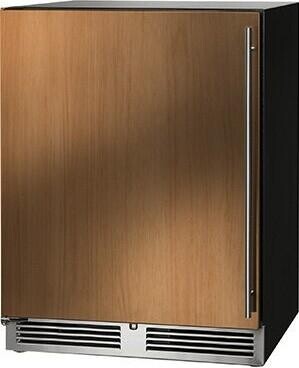
A refrigerator cooler is built to refrigerate at temperatures above freezing. Many residential versions are glass-door display coolers (merchandisers) with interior LED lighting, though the category also includes solid-door compact units. Your choice might range from a compact refrigerator for office use to a full-size model for family homes.
Upright freezers keep food at freezing temperatures, preserving it far longer. They are ideal for bulk meat, frozen meals, ice cream, and anything that must stay frozen, and they are more space-efficient and easier to organize than chest freezers. If you are weighing freezer formats, you may want to compare a drawer freezer to an upright model. Both categories offer energy-efficient options: an energy-efficient refrigerator and an energy-saving upright freezer can both cut long-run utility costs. Weigh the maintenance and ease of cleaning of each as well.
Refrigerator Cooler Overview
A refrigerator cooler keeps foods and beverages chilled at a consistent temperature just above freezing. Unlike a full-size refrigerator, it often occupies less floor space and targets a specific cooling job — displaying and dispensing cold drinks, produce, or deli items.
Functionality and Features
Refrigerator coolers combine convenience with flexible interior layouts. Most have adjustable shelves and digital temperature controls so you can tune the chill level to what you are storing. Common features include:
Adjustable chrome-wire or glass shelving
Digital temperature controls
Interior LED lighting
Reversible door hinges for flexible installation (solid-door models)
Double- or triple-pane tempered glass with low-emissivity coating on glass-door models
Compact design for space-saving placement
The glass door on merchandiser-style coolers lets you see everything inside without opening the unit, which cuts unnecessary door openings that waste energy and raise interior temperature. For specialized needs — wine collectors or beverage enthusiasts — there are coolers engineered to preserve the taste and quality of specific drinks.
Ideal Uses for a Refrigerator Cooler
Refrigerator coolers suit many settings. They can serve as a primary cold source in dorm rooms, studio apartments, or tiny homes, and as supplemental cooling in larger homes, offices, home bars, game rooms, and man caves. Typical scenarios:
Storing beverages in a home bar or entertainment area
Keeping perishable snacks handy in a dormitory or office
Preserving specialty items such as cigars in a dorm fridge vs. humidor refrigerator setup
Providing easy access to cold drinks in a garage or workshop
A refrigerator cooler can complement an existing kitchen or stand alone where a full-size refrigerator would be impractical. To explore related variations, you might also compare an auto defrost freezer vs. ice maker.
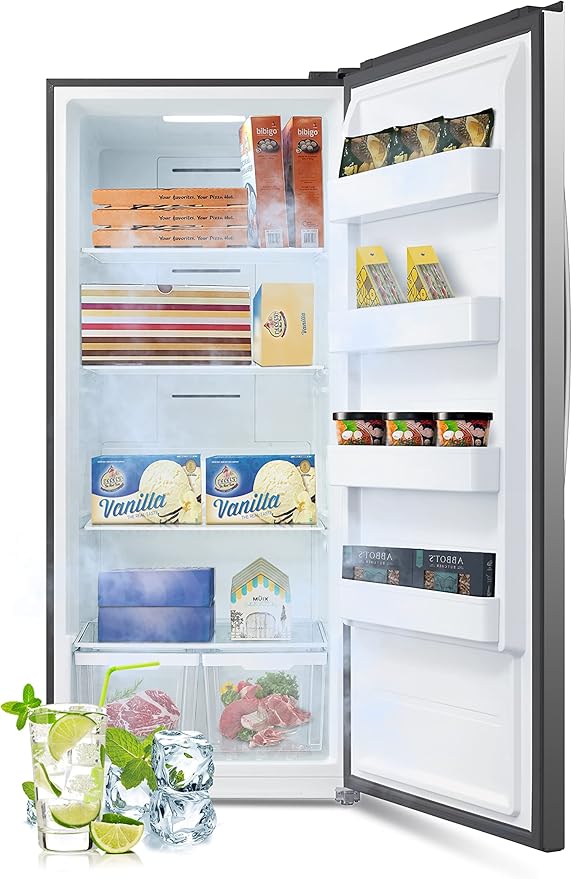
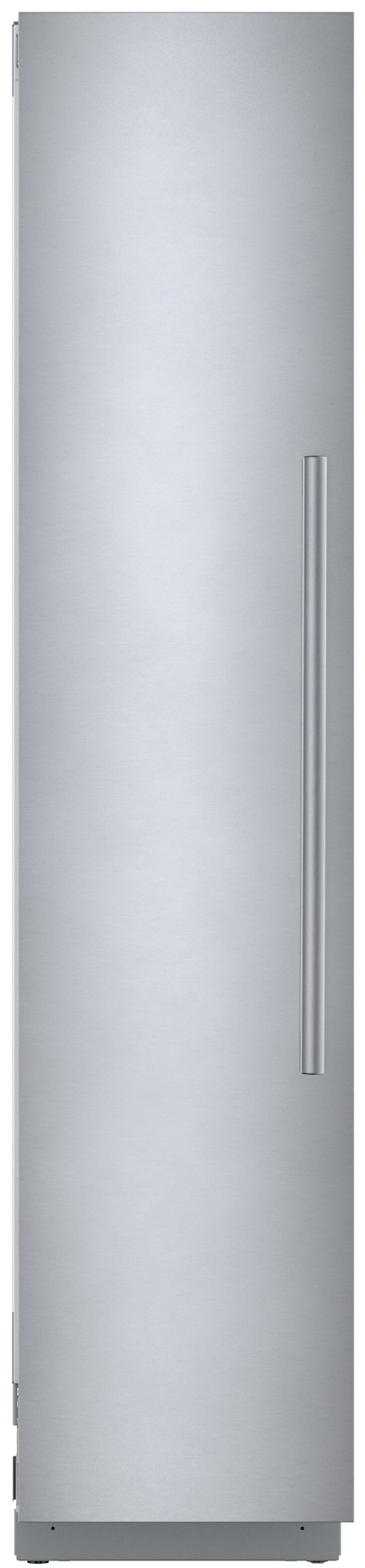
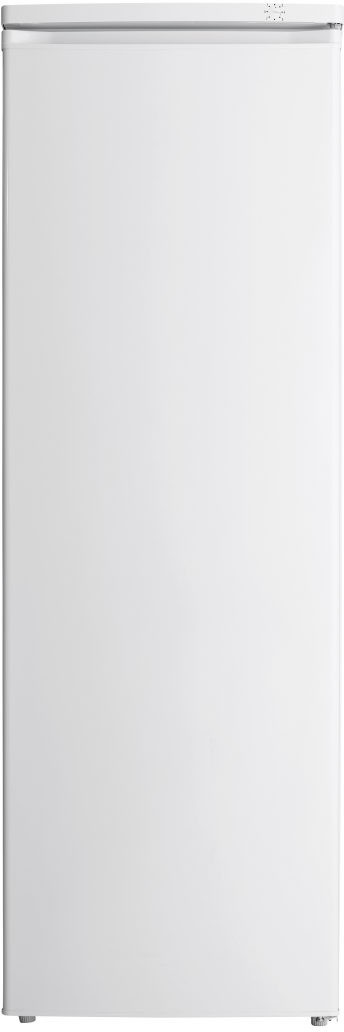
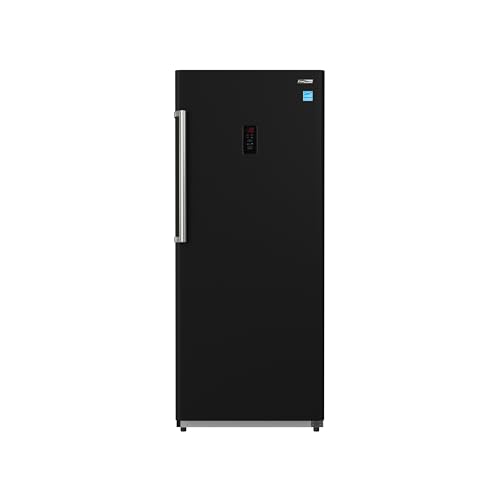
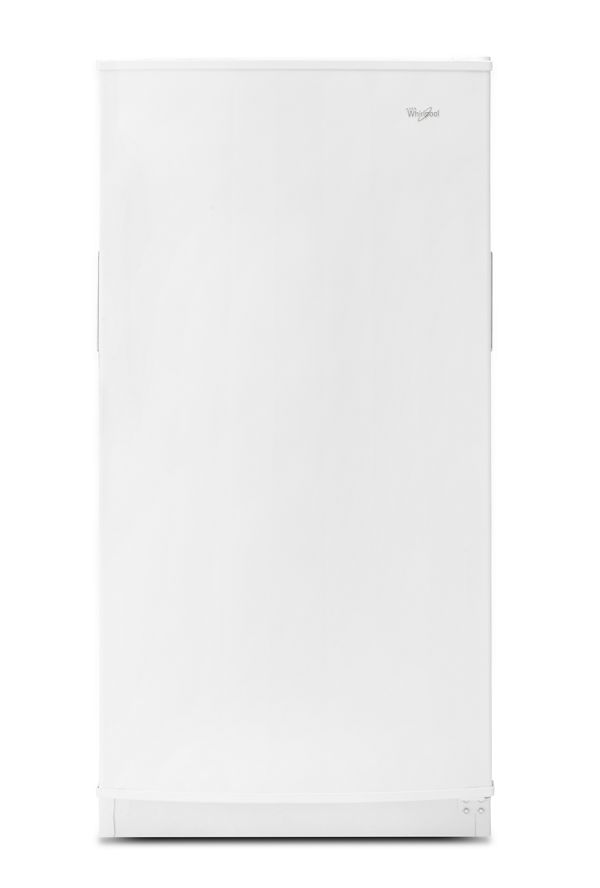
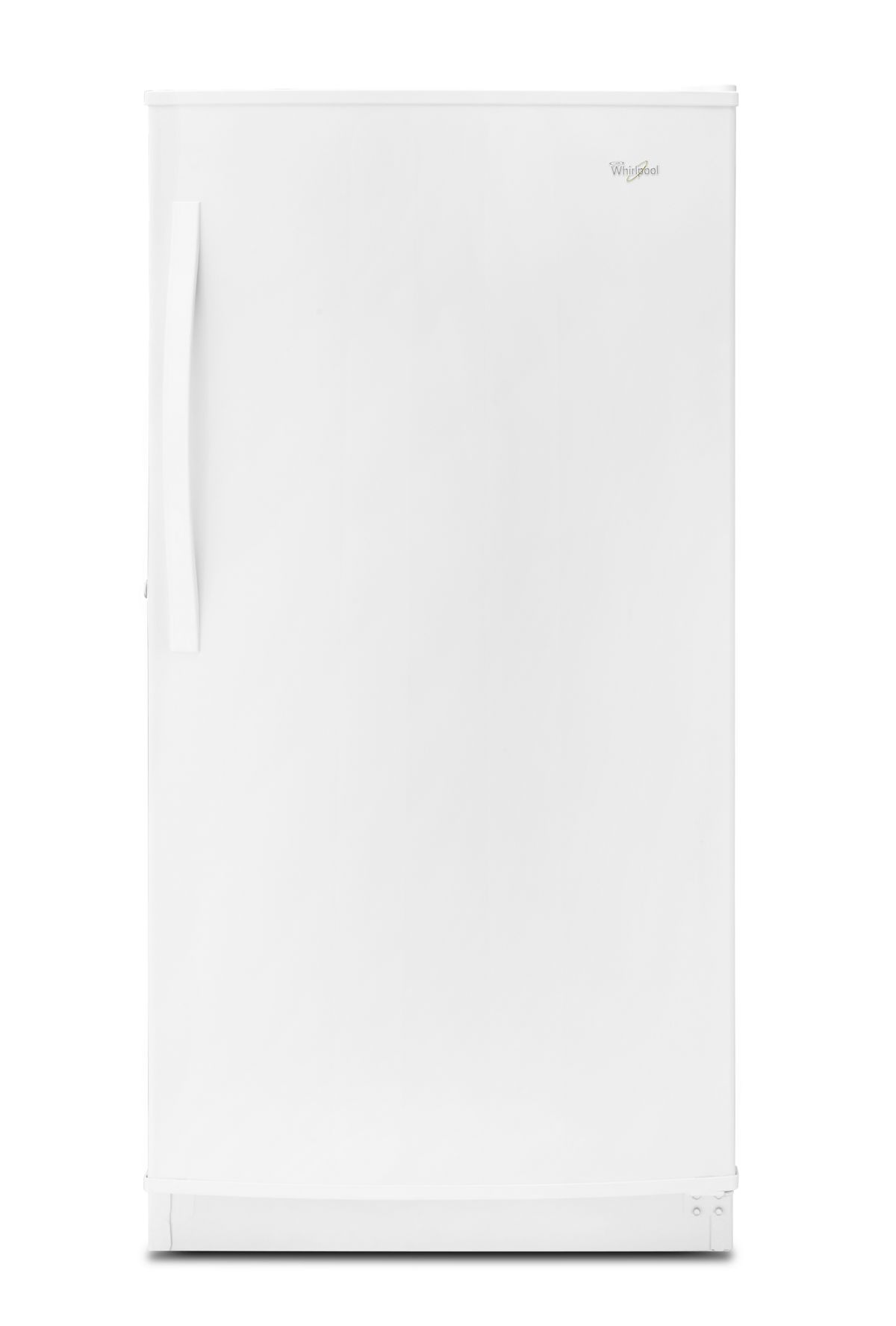
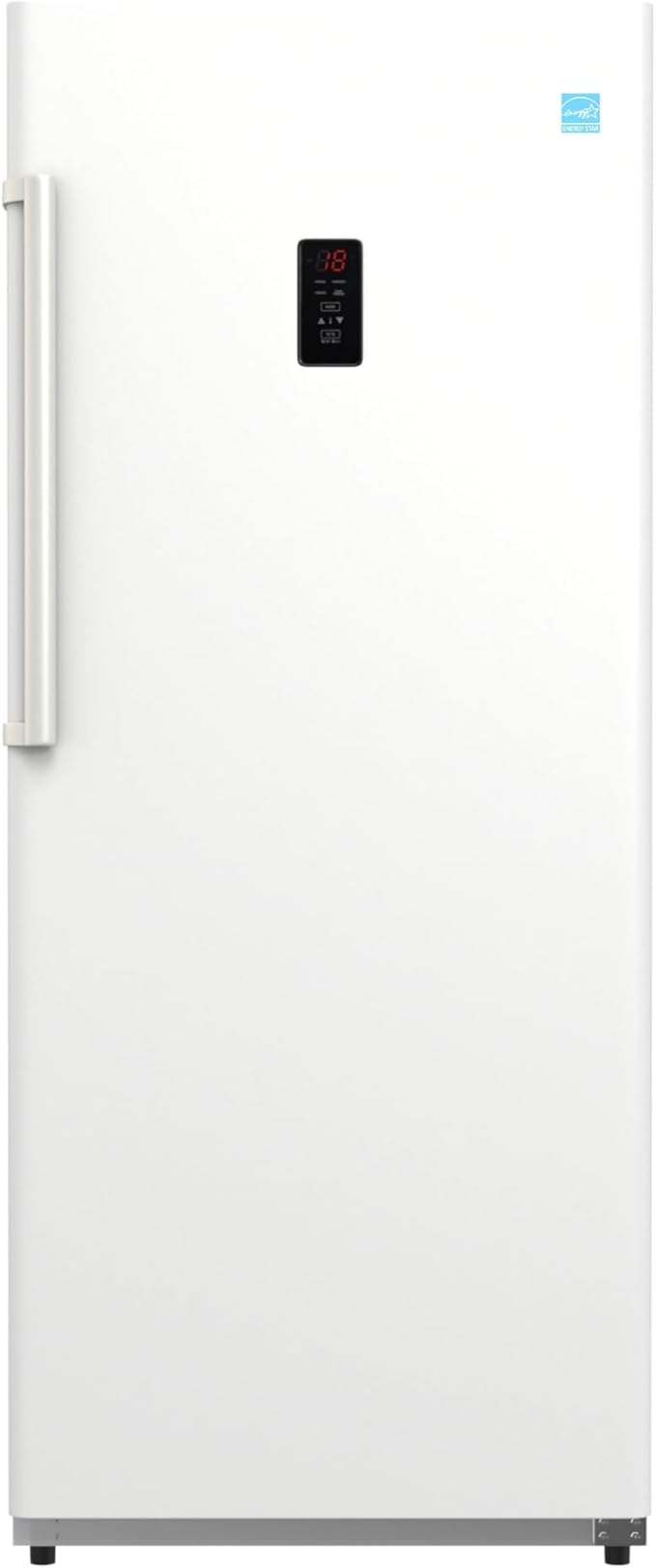
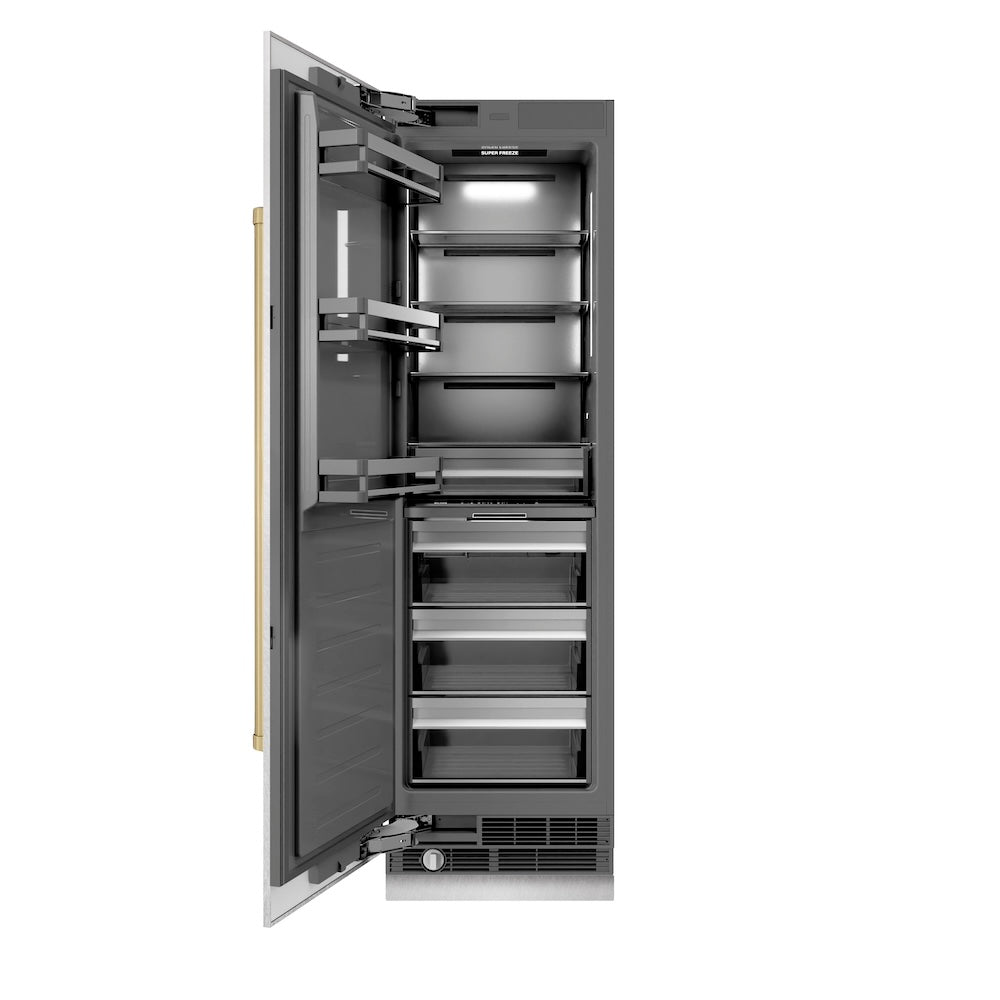
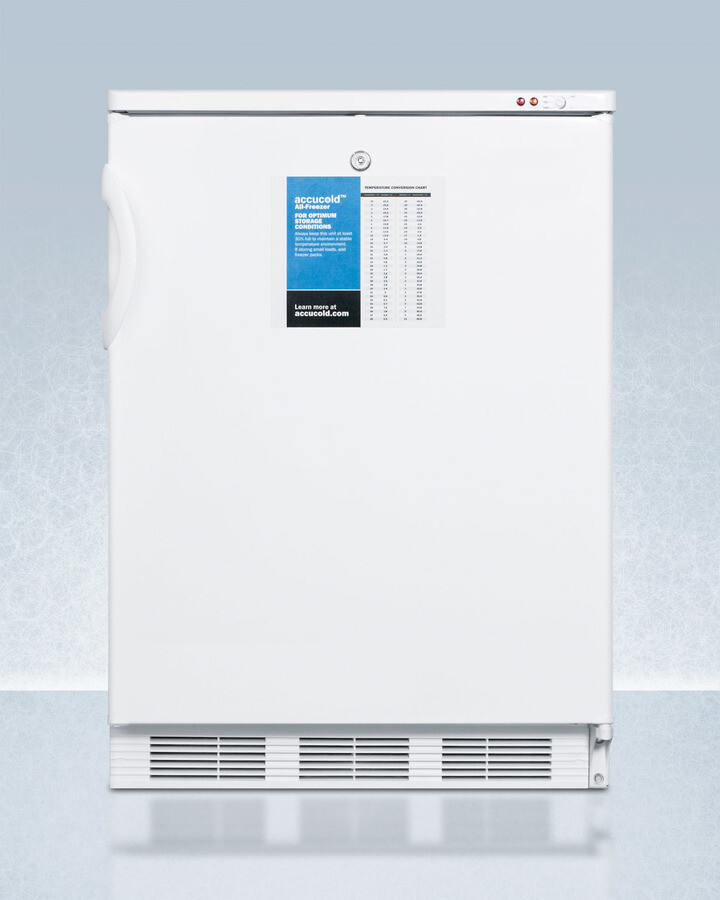
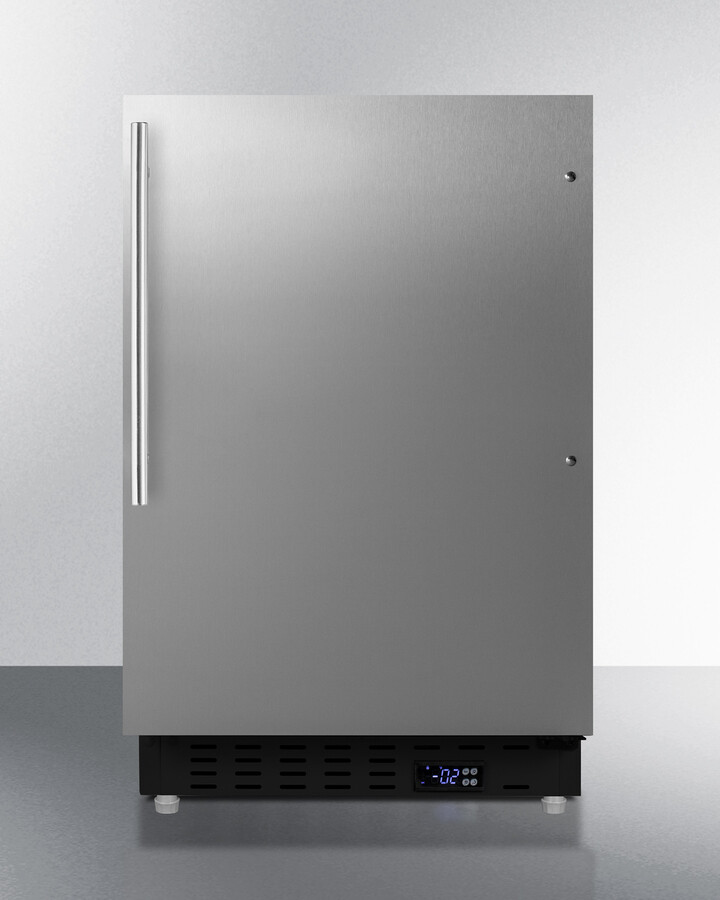
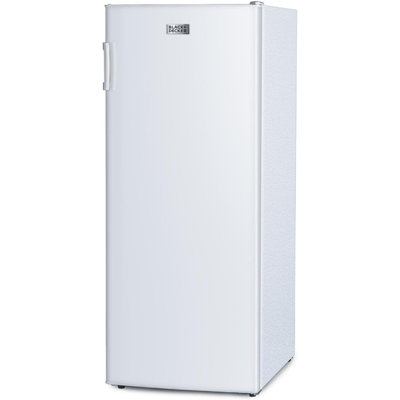
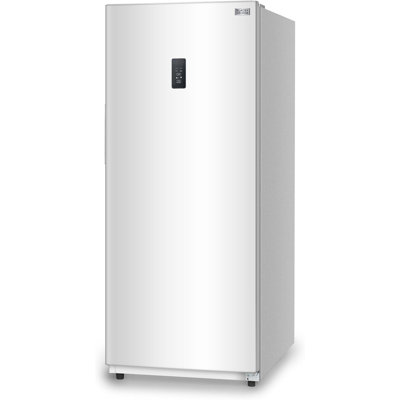
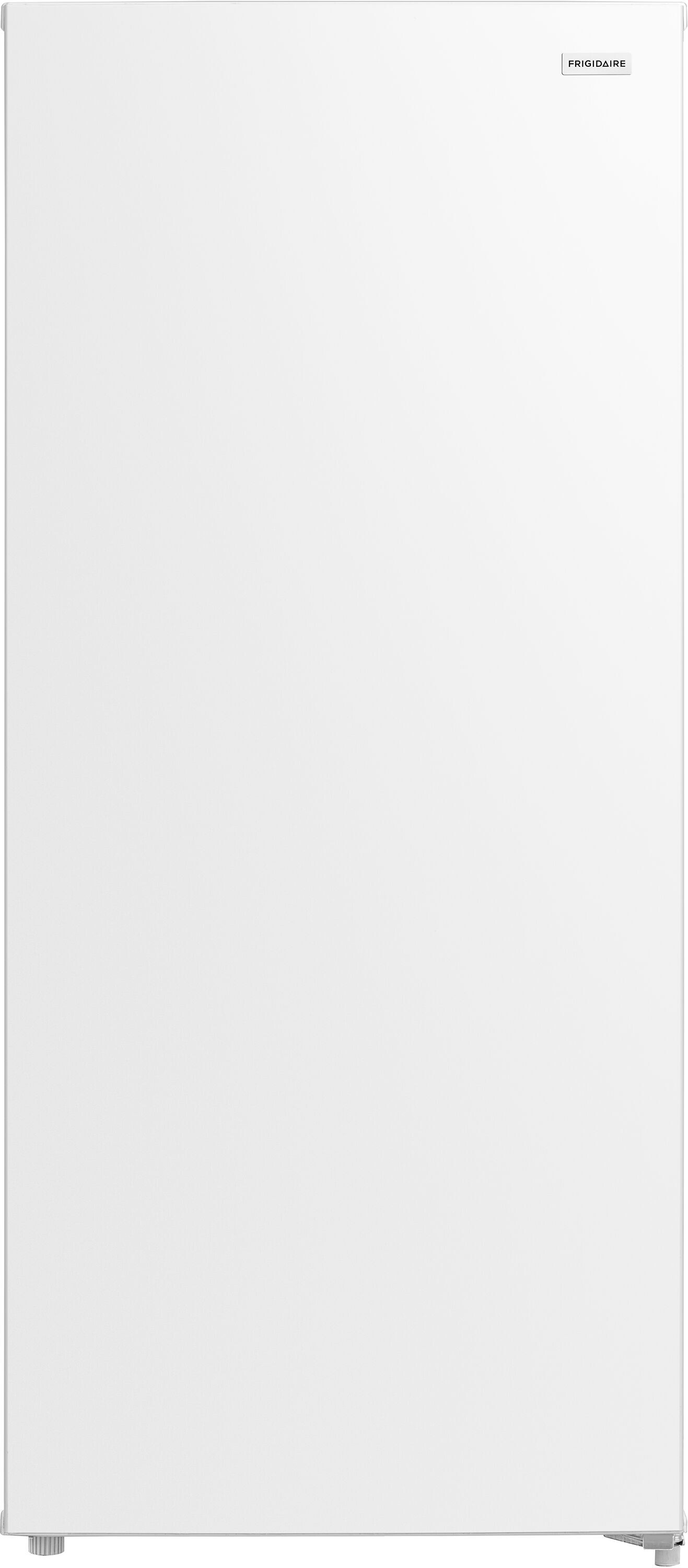
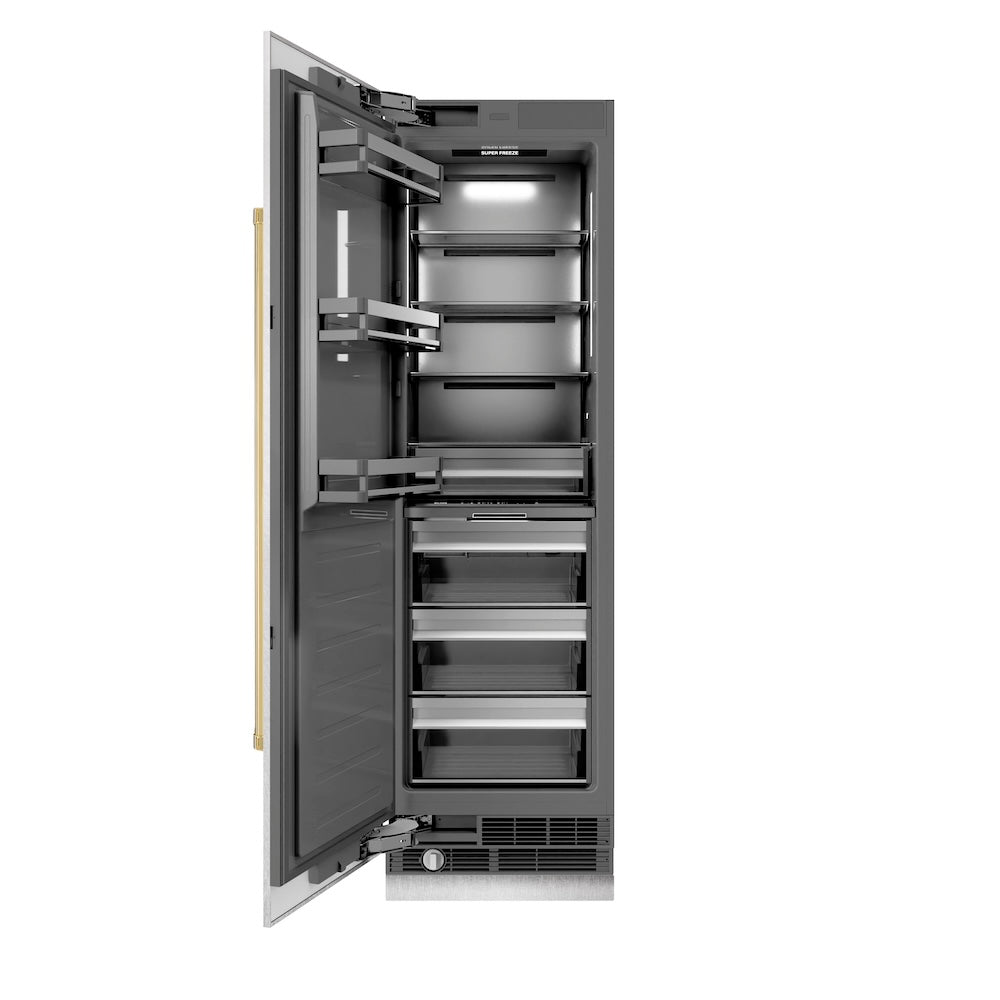
An upright freezer stands vertically with a solid, insulated front door, interior shelves or wire baskets, and a compressor that holds the cabinet at 0°F or below. Sizes range from compact 5-cubic-foot models about 4 feet tall to full-size 22-cubic-foot units near 6 feet tall. The upright format gives organized, shelf-based access — every item is visible and reachable without the digging and stacking a chest freezer requires. Door swing can often be reversed to fit your layout, and many models add fast-freeze options and digital temperature controls.
Upright freezers come in manual-defrost and auto-defrost (frost-free) versions. Manual-defrost models hold more consistent temperatures and protect food quality better over long storage, but they need periodic defrosting once ice buildup exceeds about a quarter inch. Auto-defrost models remove the chore by briefly cycling a heater to melt ice, at the cost of minor temperature fluctuations that can cause freezer burn on poorly wrapped items over time. For a look at defrost trade-offs, Fridge.com article on auto defrost freezer vs. ice maker is useful.
Ideal Uses for an Upright Freezer
Upright freezers reward anyone who wants organized storage and easy access to frozen goods. If you freeze leftovers, bulk purchases, or meal preps, the shelving and compartments keep everything sorted. They also suit homes with limited floor space that still need substantial freezer capacity, since the vertical design keeps food within easy reach and eliminates the bending required by chest freezers.
For those who value appearance, an upright freezer offers a sleek look that can be matched to a companion refrigerator. If you are weighing design-centric options, explore Fridge.com comparison on retro fridge vs. wine cellar. And if you frequently entertain or feed a large family, the capacity and easy access make it a practical way to keep a variety of frozen goods on hand — Fridge.com article on bottom freezer refrigerator vs. upright refrigerator adds further detail.
Both appliances chill with a refrigerant circulating through coils, a thermostat, and a compressor — the difference is how cold they drive the cabinet and, therefore, what they can safely store.
Appliance
Temperature Range
Typical Setting
Storage Duration
Upright Freezer
0°F to -10°F
0°F
Months to 1 year
Refrigerator Cooler
35°F to 40°F
37°F
Days to 2 weeks
How a Refrigerator Cooler Cools
A refrigerator cooler maintains a consistent temperature above freezing, typically between 35°F and 40°F — ideal for fruits, vegetables, dairy, leftovers, and beverages. Refrigerant passes through coils, absorbing heat from the interior and releasing it outside to lower the cabinet temperature. A thermostat monitors the interior and signals the compressor to start or stop, while circulating cold air keeps every shelf and drawer evenly chilled.
How an Upright Freezer Cools
An upright freezer holds 0°F or below, the range needed for long-term frozen storage. At that temperature bacterial growth is halted and food keeps for months or longer without significant quality loss. The mechanism mirrors the cooler's, but the freezer uses a more powerful compressor and larger coils to reach freezing temperatures, and auto-defrost models periodically warm the coils slightly to prevent ice buildup.
The 35-to-40-degree gap makes the two appliances completely non-interchangeable. Beverages and fresh food left in a 0°F freezer freeze solid within hours — cans can burst, glass bottles can shatter, and produce turns to an inedible frozen mass. Frozen food placed in a 37°F cooler thaws into the bacterial danger zone, spoiling within hours for meat and seafood and within days for more stable items. Each appliance occupies a specific, non-overlapping position on the temperature spectrum.
Storage Capacity Comparison
Storage capacity is one of the biggest deciding factors. Refrigerator coolers are sized for beverages and light perishables; upright freezers are sized for bulk, long-term food storage.
Capacity of a Refrigerator Cooler
Compact refrigerator coolers fit spaces like dorm rooms, while larger residential merchandiser-style units hold 7 to 18 cubic feet and stand 5 to 6.5 feet tall. A general capacity range:
Size
Capacity (Cubic Feet)
Approximate Number of Beverage Cans
Small
1.7 - 2.5
40 - 60
Medium
2.6 - 3.5
60 - 85
Large
3.6 - 4.5
85 - 110
Glass-door coolers trade door storage for visibility — there are no door bins, but adjustable chrome or glass shelves accommodate everything from 12-ounce cans to gallon jugs and large platters, and you can scan the contents at a glance. Some models add can dispensers or gravity-feed racks that roll drinks to the front as you remove one.
Capacity of an Upright Freezer
Upright freezers span smaller personal units to large family or commercial models:
Size
Capacity (Cubic Feet)
Approximate Storage Capability
Small
5 - 9
Suitable for individuals or couples
Medium
10 - 18
Ideal for small families or moderate storage needs
Large
19 - 25+
Best for large families or commercial use
Upright freezers maximize density with solid wire shelves and 2 to 4 door bins. Wire shelving lets cold air circulate around frozen packages for uniform temperature, and door bins add room for smaller items like ice cream pints, frozen juice cans, and ice packs. The solid door provides maximum insulation and energy efficiency. For more on freezer formats, see drawer freezer vs. top freezer refrigerator.
Energy use is comparable between the two at similar sizes, but for different reasons: a freezer maintains a much colder cabinet yet loses little cold air through its solid door, while a cooler runs warmer but its glass door conducts more heat, forcing longer compressor cycles.
Energy Consumption of a Refrigerator Cooler
A refrigerator cooler generally uses less energy than an upright freezer of the same size thanks to its smaller compressor and warmer target temperature, though interior LED lighting adds a small constant draw on glass-door models.
Upright freezers draw more power overall because of the intense cooling needed to hold sub-freezing temperatures:
Size (cu. ft.)
Average Energy Use (kWh/year)
10.0
400 - 500
15.0
500 - 600
20.0
600 - 700
25.0
700 - 800
Efficiency also depends on auto-defrost systems and insulation quality, as discussed in built-in refrigerator vs. mini freezer. In practical dollar terms, a 14-to-17-cubic-foot upright freezer runs roughly 350 to 560 kWh per year (about $45 to $73), while an 11-to-18-cubic-foot refrigerator cooler runs roughly 300 to 600 kWh per year (about $39 to $78). ENERGY STAR certification is available in both categories and cuts consumption by 10 to 20% versus standard models, so check the yellow EnergyGuide label and annual cost estimate before buying.
Upright freezers run at roughly 38 to 47 decibels during compressor cycles — inaudible against background noise in a garage, basement, or utility room, though the periodic hum may be noticeable in a quiet kitchen or living space. Manual-defrost models tend to run slightly quieter because they lack the defrost-heater fan.
Refrigerator coolers run at about 36 to 45 decibels, slightly quieter on average because the compressor handles a smaller temperature differential. Some models add interior circulation fans that contribute a constant low hum. In a game room, bar, or entertaining space with conversation and music, the appliance sound is effectively masked.
Refrigerator coolers generally cost more than upright freezers at comparable sizes because the glass door, LED lighting, display-oriented design, and often commercial-grade construction add manufacturing cost.
Appliance
Budget
Mid-Range
Premium
Upright Freezer
$200-$500 (5-10 cu ft)
$500-$900 (12-17 cu ft)
$900-$1,400 (18-22 cu ft)
Refrigerator Cooler
$300-$700 (7-11 cu ft)
$700-$1,500 (11-15 cu ft)
$1,500-$3,500 (15-18 cu ft, commercial-grade)
A quality 14-cubic-foot upright freezer typically costs $600 to $800, while a comparable refrigerator cooler runs $900 to $1,500. Premium commercial-grade coolers with self-closing doors, digital temperature displays, and heavy-duty compressors can reach $2,000 to $3,500.
Installation and Placement
Correct installation protects performance and lifespan for either appliance. Both are usually freestanding and need only a level floor, a standard 120V outlet, and rear clearance for airflow — but the details differ.
Considerations for Installing a Refrigerator Cooler
Space Requirements: Measure the spot and allow clearance around the sides and back for ventilation.
Ventilation: Glass-door models need 3 to 6 inches of rear and side clearance — more than a freezer, because the glass door insulates less and the compressor runs longer, hotter cycles.
Floor Leveling and Weight: Glass-door coolers are heavy (often 150 to 250 pounds) and require a solid, level floor for proper door function.
Electrical Needs: Use a dedicated outlet. Some commercial-grade coolers require a dedicated 20-amp circuit rather than a standard 15-amp household circuit — check the electrical specs before buying.
Ambient Temperature: Keep it away from heat sources and direct sunlight, which reduce cooling efficiency.
Ease of Access: Place it where you will actually reach for its contents.
Considerations for Installing an Upright Freezer
Location: Choose a dry, cool spot — basements and pantries hold consistent temperatures.
Space Allocation: Ensure the door opens fully without obstruction, and leave 2 to 4 inches of rear clearance for condenser airflow.
Power Source: Plug into a dedicated outlet to avoid tripping breakers.
Leveling: Use the adjustable legs so the unit sits level and operates correctly.
Garage Rating: Standard models may not run correctly in unheated garages that drop below 0°F. Garage-ready models use wide-range thermostats rated for 0°F to 110°F ambient temperatures.
Standing Period: Let a newly delivered unit stand upright about 4 hours before powering on, so compressor oil settles after shipping.
For more on freezer formats before you install, compare auto defrost freezer vs. ice maker and drawer freezer vs. top freezer refrigerator.
Regular cleaning prevents ice, bacteria, and odor buildup and extends the life of either appliance.
Cleaning and Maintenance Tips for a Refrigerator Cooler
Interior Cleaning: Unplug, empty, and wipe interior surfaces with mild soap and warm water. Avoid harsh chemicals.
Exterior and Glass: Wipe the exterior with a soft cloth and mild detergent; clean glass doors for presentation and use a specialized cleaner on stainless steel to prevent streaks.
Condenser Coils: Clean the coils every 3 to 6 months (more often in dusty or pet-hair environments) with a coil brush or vacuum attachment.
Door Seals: Inspect gaskets regularly. Glass-door gaskets wear faster because they seal against a harder surface — clean with soapy water and replace if cracked.
LED Lighting: Replace interior LED bulbs when they dim or fail.
Commercial-grade coolers built for heavy use last about 8 to 15 years; lightly used residential coolers can exceed that with proper care.
Cleaning and Maintenance Tips for an Upright Freezer
Defrosting: For manual-defrost models, defrost once ice reaches a quarter-inch thick — turn off, empty, and let ice melt. Use towels; never chip ice with sharp objects.
Interior Cleaning: After defrosting, clean with a mild detergent solution, rinse with a damp cloth, and dry before restarting.
Gasket Inspection: Check the door gasket for wear, clean it with soapy water, and replace it if it cracks or fails to seal.
Freezer Vents: Keep interior vents clear of food so air circulates and temperatures stay even.
External Cleaning: Dust the exterior and control panel; use appropriate cleaners on stainless steel.
Upright freezers use simple, proven compressor technology and last about 12 to 20 years with basic maintenance, with widely available, affordable repair parts — giving them one of the lowest total costs of ownership in home appliances.
Upright freezers lose significant cold air each time the solid door opens, because the entire cabinet front is exposed and dense 0°F air spills out onto the floor. Minimizing how often and how long the door stays open protects food quality and cuts energy use — organizing frequently used items near the front and at eye level helps.
Refrigerator coolers lose cold air too, but the impact is smaller for two reasons. First, the temperature differential with the room is much smaller (a 37°F cooler versus a 0°F freezer against 72°F room air). Second, a glass door lets you locate your item before opening, so you open with purpose rather than browsing. Self-closing door mechanisms on commercial-grade models further shorten door-open time.
Running Both Together: Dual-Purpose Setups
Some households install an upright freezer and a refrigerator cooler side by side in a garage, basement, or game room to create a complete cold-storage and beverage-display station outside the main kitchen. The freezer holds bulk food, ice reserves, and frozen treats; the cooler displays a curated selection of cold drinks for entertaining. Mid-range pairs run about $1,000 to $2,500 total and need roughly 60 to 66 inches of wall width plus two standard outlets.
Buy an upright freezer if you need dedicated frozen storage at maximum capacity and value. Bulk shoppers, meal preppers, hunters, gardeners preserving harvests, and large families with overflowing kitchen freezers benefit most, and the upright format gives organized access without the bending a chest freezer requires.
Buy a refrigerator cooler if you want a display-worthy beverage or fresh-food station in an entertaining area. Home bars, game rooms, and pool houses gain from the glass-door presentation and easy scanning of available drinks, letting guests browse and self-serve. Your final choice depends on the temperature you need, the space you have, and whether the priority is long-term freezing or attractive, accessible refrigeration.
Frequently Asked Questions
Can I use a refrigerator cooler as a freezer, or a freezer as a cooler?
No. A refrigerator cooler tops out around 35°F to 40°F and cannot freeze food, while an upright freezer holds 0°F and will freeze beverages and fresh produce solid — cans may burst and bottles may shatter. The roughly 35-to-40-degree gap makes them non-interchangeable.
What temperature does each appliance hold?
A refrigerator cooler runs about 35°F to 40°F (typically near 37°F). An upright freezer runs at 0°F or below. Keeping a refrigerator at or under 40°F is the food-safety standard for perishables.
Which uses more energy?
At the same size, an upright freezer generally draws more power because it maintains a much colder cabinet. A 14-to-17-cubic-foot freezer uses roughly 350 to 560 kWh per year; an 11-to-18-cubic-foot cooler uses roughly 300 to 600 kWh per year. ENERGY STAR models cut consumption 10 to 20%.
Which is cheaper to buy?
Upright freezers cost less at comparable sizes. A quality 14-cubic-foot freezer runs about $600 to $800, while a comparable refrigerator cooler runs $900 to $1,500 due to the glass door, LED lighting, and display-oriented build.
How long does each last?
Upright freezers last about 12 to 20 years with basic maintenance. Commercial-grade refrigerator coolers last about 8 to 15 years, and lightly used residential coolers can exceed that with proper care.
Should I choose manual-defrost or auto-defrost?
Manual-defrost freezers hold steadier temperatures and protect food quality over long storage, but require defrosting once ice exceeds about a quarter inch. Auto-defrost (frost-free) models remove that chore but introduce minor temperature swings that can cause freezer burn on poorly wrapped items.
Can I put an upright freezer in the garage?
Only if it is rated for the ambient temperatures. Standard models may not run correctly below 0°F, so choose a garage-ready model with a wide-range thermostat rated for roughly 0°F to 110°F.
Do refrigerator coolers need special wiring?
Most plug into a standard 120V outlet, but some commercial-grade coolers require a dedicated 20-amp circuit rather than a standard 15-amp household circuit. Check the electrical specifications before buying, and allow 3 to 6 inches of clearance for airflow.
How loud are they?
Upright freezers run about 38 to 47 decibels and refrigerator coolers about 36 to 45 decibels. Both are effectively masked by background noise in a garage, basement, game room, or bar.
Can I run both appliances together?
Yes. Many households place an upright freezer and a refrigerator cooler side by side to combine bulk frozen storage with a beverage display. Plan for about 60 to 66 inches of wall width and two standard outlets.
It also has tons of awesome articles about kitchen stuff and home news. Enhance your home, garage, backyard, patio, and office with the coolest essentials. With every necessary type of residentialrefrigeratoror freezer in the collection, you're covered.
Energy use is comparable between the two at similar sizes, but for different reasons: a freezer maintains a much colder cabinet yet loses little cold air through its solid door, while a cooler runs warmer but its glass door conducts more heat, forcing longer compressor cycles.