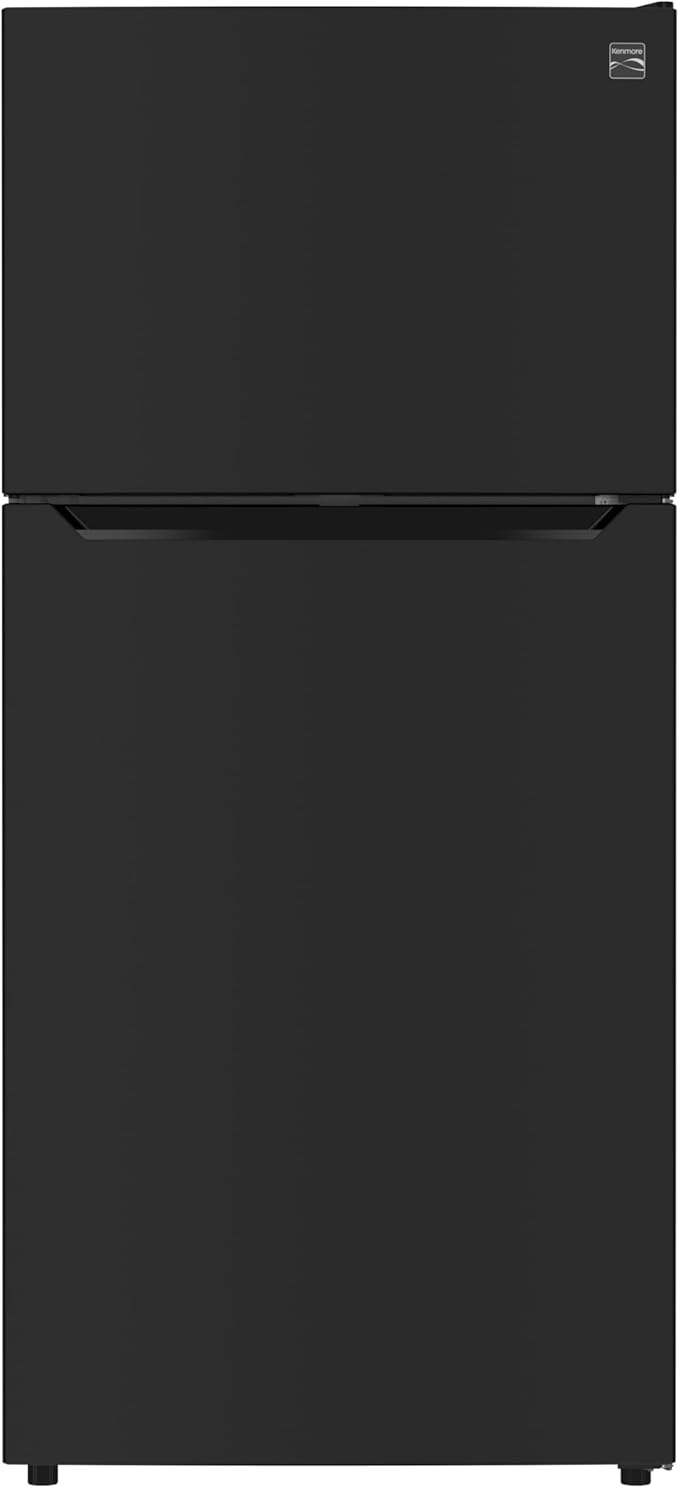
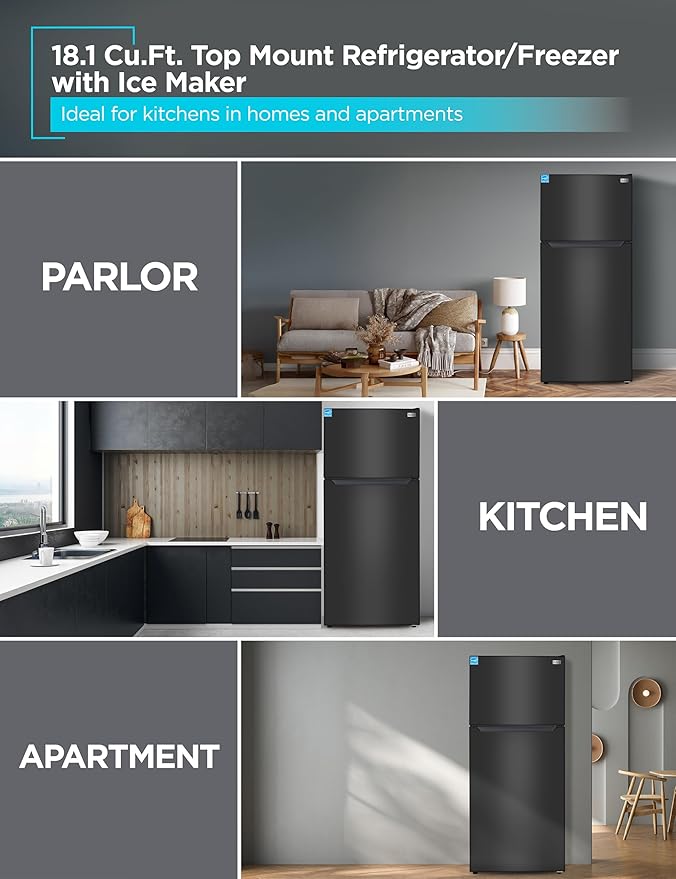
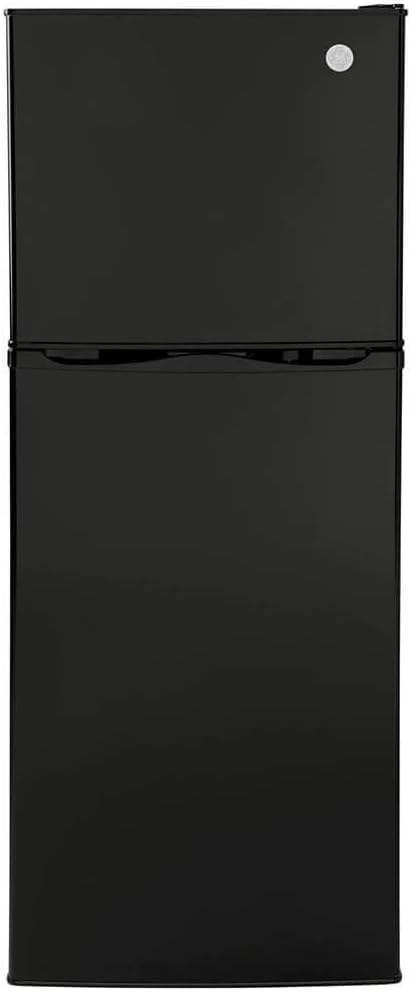
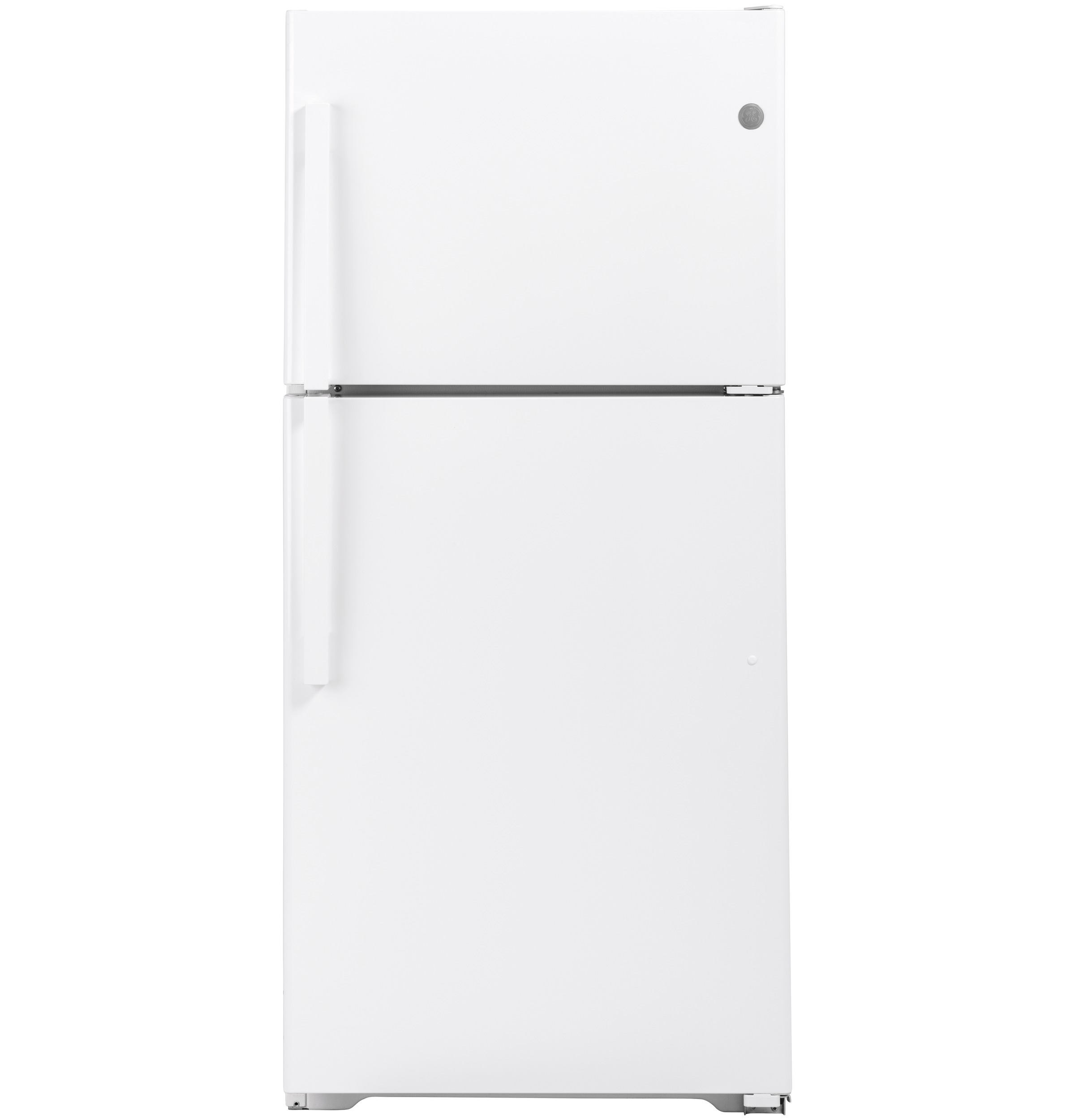
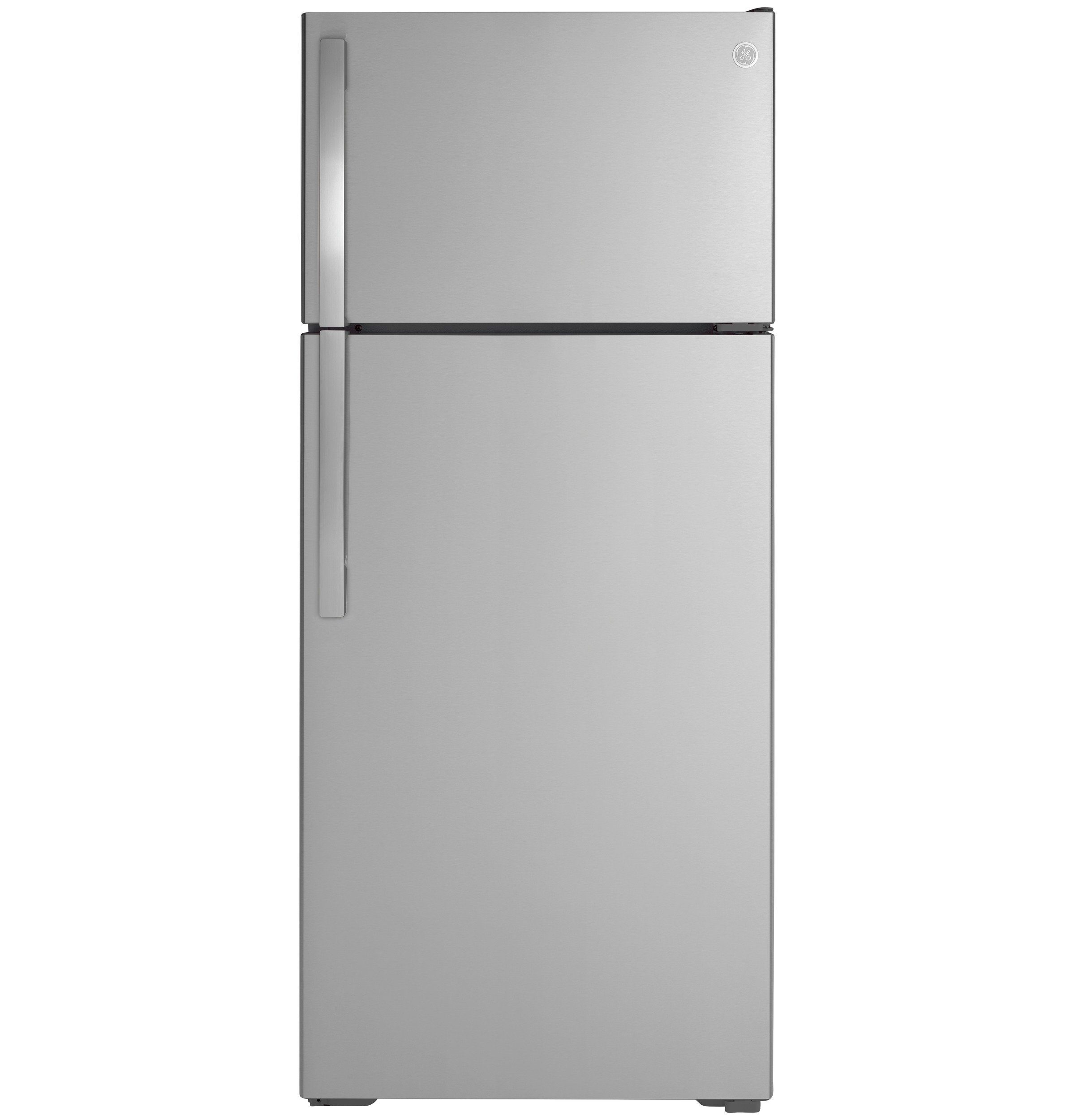
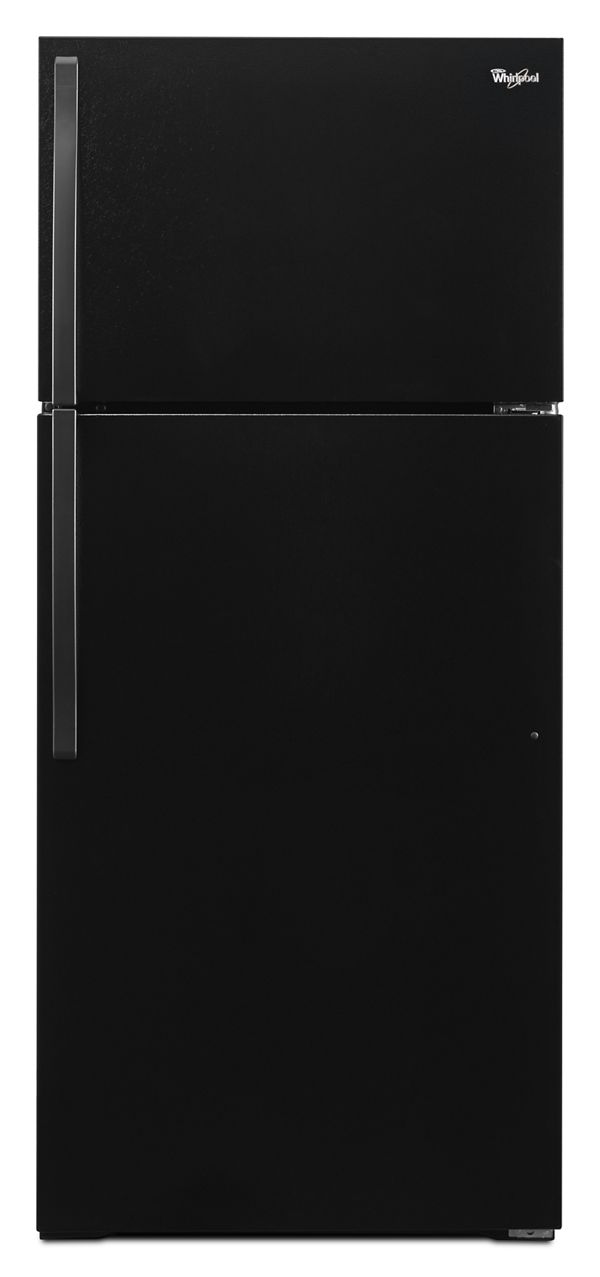
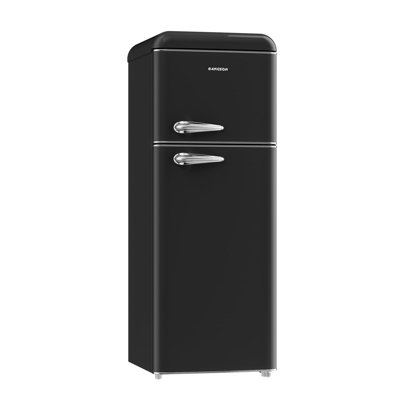
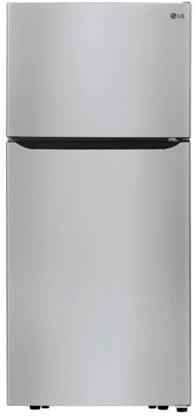
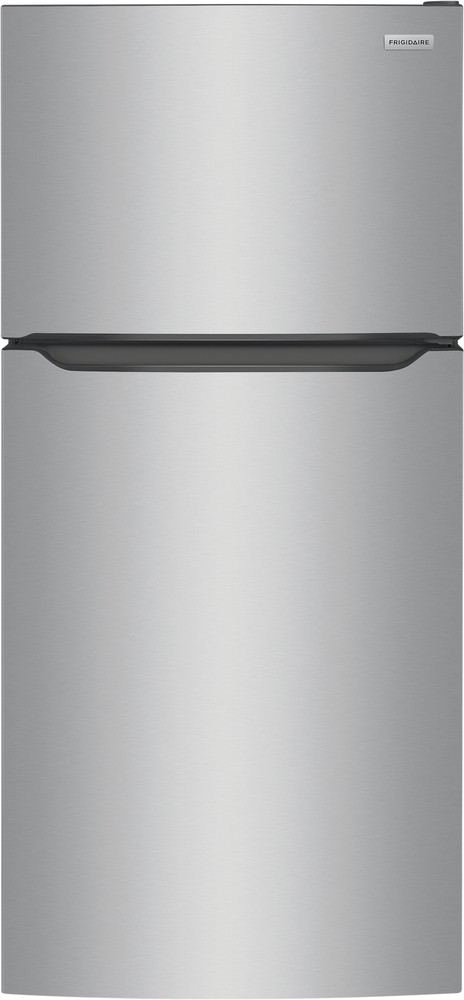
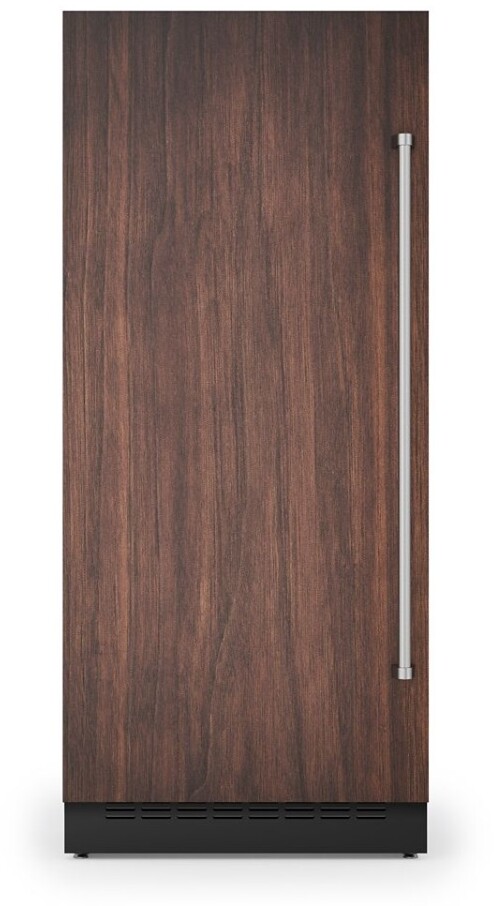
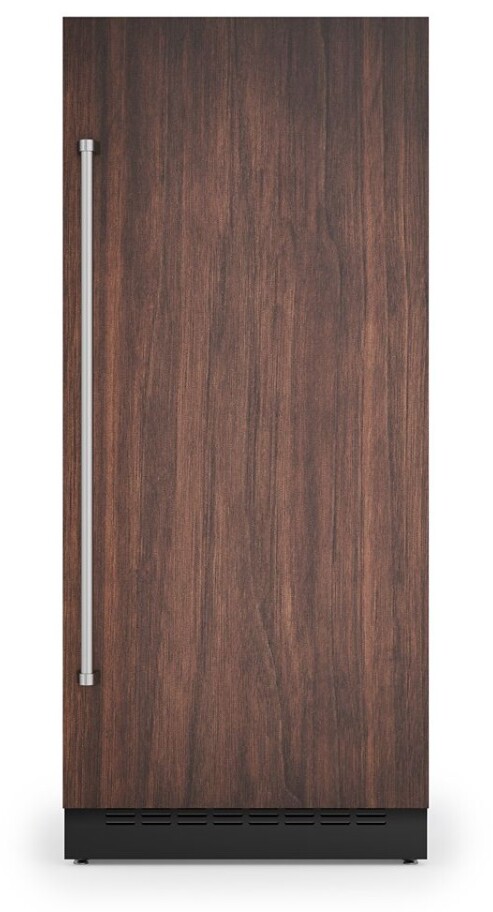
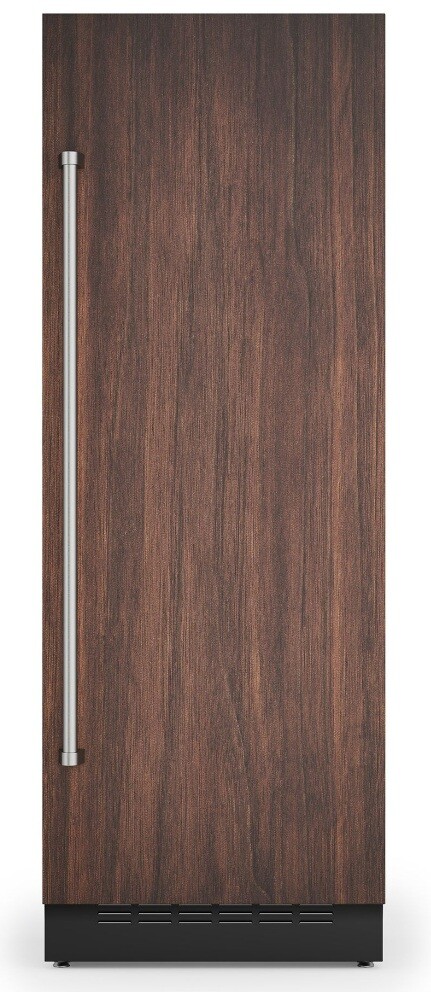
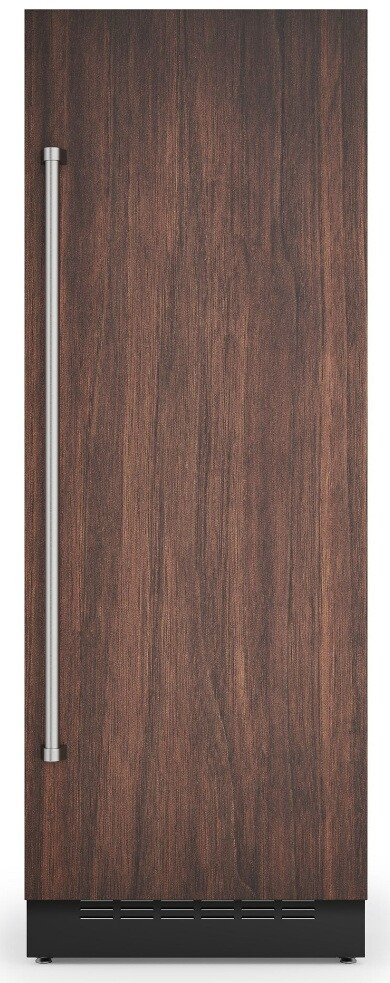
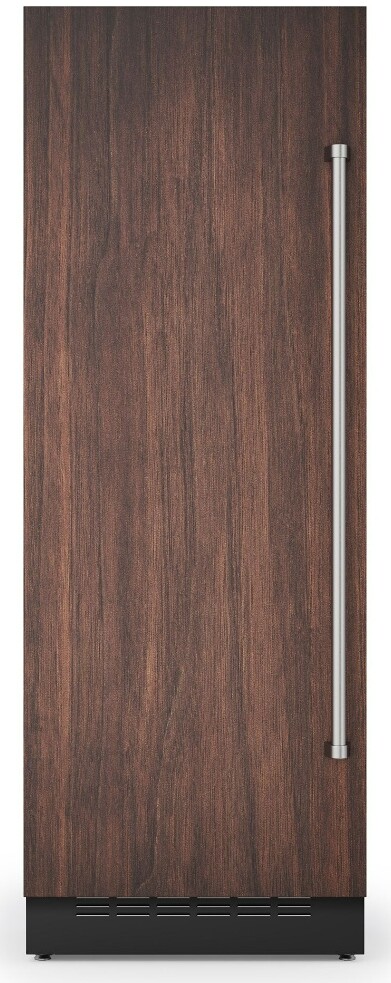
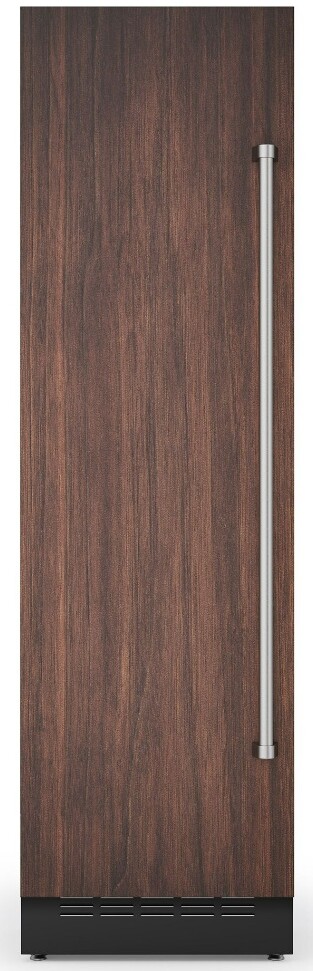
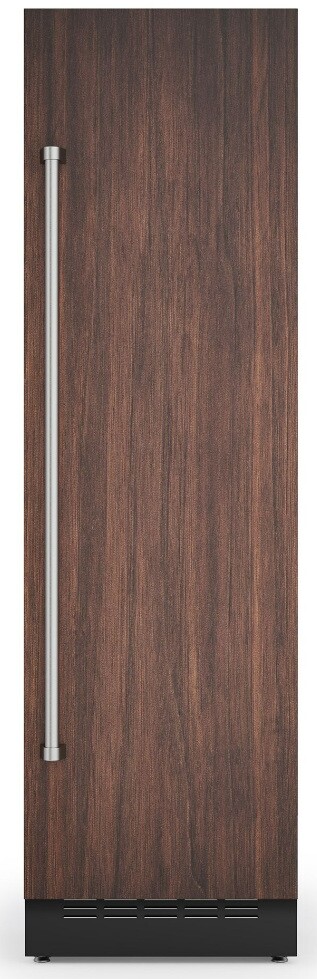
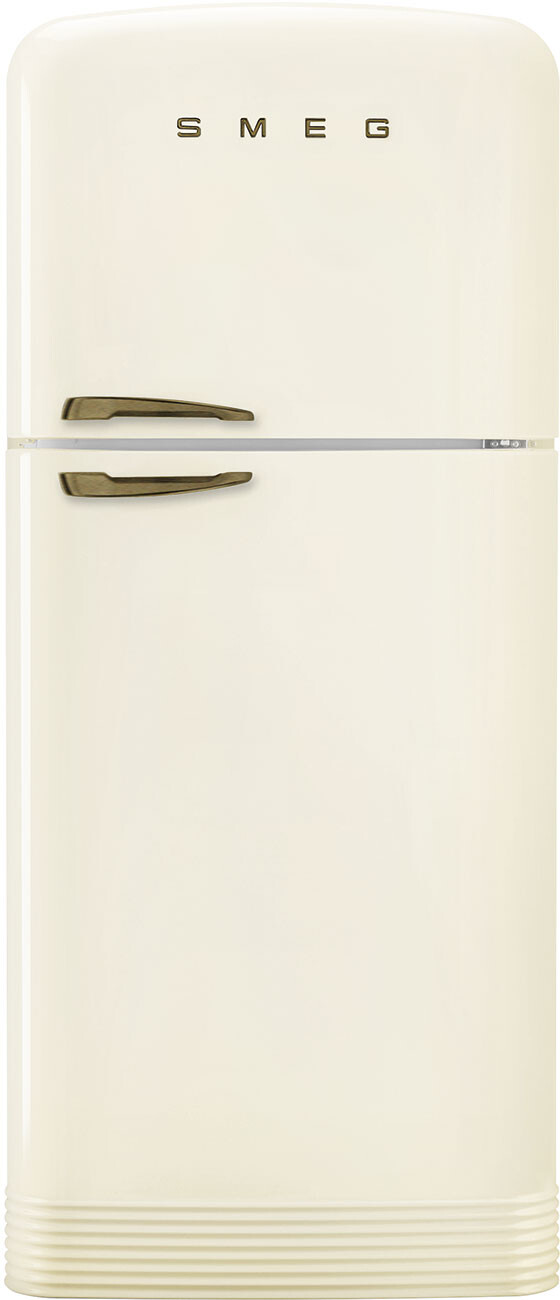
An upright freezer and a countertop freezer are both vertical frozen storage appliances, but they differ dramatically in size, capacity, and intended use. An upright freezer is a full-height appliance standing 55 to 72 inches tall with 5 to 22 cubic feet of frozen storage — a major supplemental freezer for households that need serious frozen food capacity. A countertop freezer is a miniature appliance standing just 18 to 24 inches tall with 1.1 to 2.5 cubic feet of storage — a compact convenience unit that sits on a counter, desk, or shelf for personal frozen food access. This guide covers every specification so you understand which freezer format matches your storage needs, space constraints, and budget.
Size and Physical Dimensions
Appliance
Width
Height
Depth
Weight
Upright Freezer (compact)
20-24 in
55-60 in
22-26 in
80-120 lbs
Upright Freezer (full-size)
28-32 in
62-72 in
26-30 in
140-250 lbs
Countertop Freezer
17-20 in
18-24 in
18-22 in
25-45 lbs
The physical difference is enormous. A full-size upright freezer occupies 6 to 8 square feet of floor space and stands as tall as a person. A countertop freezer occupies 2 to 3 square feet of counter space and stands about as tall as a microwave. The upright freezer requires dedicated floor space — typically in a garage, basement, or pantry. The countertop freezer sits on any available surface — kitchen counter, break room shelf, dorm room desk, or workshop bench. This portability and flexibility is the countertop freezer's primary advantage over every larger freezer format.
Capacity
Appliance
Cubic Feet
Approximate Frozen Food Capacity
Countertop Freezer
1.1-2.5 cu ft
30-70 lbs (1-2 grocery bags)
Compact Upright Freezer
5-10 cu ft
140-280 lbs (5-10 grocery bags)
Full-Size Upright Freezer
12-22 cu ft
340-620 lbs (12-22 grocery bags)
The capacity gap is the defining difference between these appliances. A countertop freezer holds 1 to 2 grocery bags of frozen food — enough for a few ice cream containers, a bag of frozen vegetables, some frozen dinners, and an ice tray. A full-size upright freezer holds 12 to 22 grocery bags — enough for a month's worth of bulk-purchased meat, a season's worth of garden vegetables, dozens of prepared meals, and ample ice. The countertop freezer supplements; the upright freezer transforms how you shop and eat.
Both appliance types use compressor-based cooling systems to maintain 0°F. Upright freezers use full-size compressors with R600a or R134a refrigerant and robust cooling coils that handle large cabinet volumes efficiently. The compressor cycling system is well-engineered for continuous operation over 12 to 20 years.
Countertop freezers use miniaturized compressors designed for small cabinet volumes. Some budget countertop models use thermoelectric (Peltier) cooling instead of compressors — these units can cool to approximately 0°F to 10°F below ambient temperature, which may not reach true freezer temperatures (0°F) in warm rooms. Always verify that a countertop freezer uses compressor-based cooling if you need guaranteed 0°F performance. Thermoelectric models are quieter but less reliable at maintaining true freezing temperatures in all conditions.
Upright freezers feature 3 to 5 adjustable wire shelves, 2 to 4 door-mounted bins, and sometimes pull-out baskets or drawers. This multi-level organization allows systematic food storage by category — meats on one shelf, vegetables on another, prepared meals on a third, and small items like ice packs and juice cans in the door bins. The front-opening door provides full visibility of every shelf level without bending or reaching.
Countertop freezers have minimal internal organization — typically one or two wire shelves or a single open compartment with a small ice tray. At 1.1 to 2.5 cubic feet, there is not enough volume to justify complex shelving systems. You stack items directly on the single shelf or cabinet floor. Organization relies on the user's own arrangement rather than the appliance's structural features. For a few items — a pint of ice cream, a bag of frozen fruit, two frozen dinners — this simplicity works fine. For larger inventories, the lack of organization becomes a limitation.
Countertop freezers consume less total energy than upright freezers, but their energy efficiency per cubic foot is significantly worse. A 1.5-cubic-foot countertop freezer using 200 kWh per year consumes 133 kWh per cubic foot. A 17-cubic-foot upright freezer using 450 kWh per year consumes only 26 kWh per cubic foot — five times more efficient per unit of storage. The countertop freezer's small cabinet and thin insulation (limited by the compact form factor) lose proportionally more cold air per cooling cycle. If you need more than 3 cubic feet of frozen storage, an upright freezer is dramatically more energy-efficient per dollar of food stored.
Noise Levels
Upright freezers produce 38 to 47 decibels during compressor operation. In a garage or basement, this is completely inaudible against ambient noise. In a kitchen, the periodic compressor cycling is faintly noticeable during quiet moments but not disruptive. Manual-defrost upright freezers tend to run quieter than auto-defrost models.
Countertop freezers produce 35 to 42 decibels — slightly quieter than upright freezers due to the smaller compressor. However, countertop freezers typically sit in living spaces (kitchen counter, dorm room, bedroom, office) where background noise is lower and the compressor sound is more noticeable. The proximity to people is closer — a countertop freezer sits 3 feet from where you work or sleep, while an upright freezer in the garage is 30 feet away. This proximity difference makes the countertop freezer feel louder even when its actual decibel rating is lower.
Upright freezers come in both manual-defrost and auto-defrost configurations. Manual-defrost models require defrosting every 6 to 12 months when ice builds up beyond a quarter inch — a 4 to 8 hour process of unplugging, emptying, and letting ice melt. Auto-defrost models handle this automatically through periodic heating cycles, eliminating the maintenance chore at the cost of 10-20% higher energy consumption and slight temperature fluctuations during defrost cycles.
Countertop freezers are almost exclusively manual-defrost. The small cabinet size makes defrosting relatively quick — 1 to 2 hours versus 4 to 8 hours for a full-size upright — and the small volume of ice is easy to manage. Some countertop freezers with thermoelectric cooling produce very little frost and rarely need defrosting. The modest defrosting requirement is one of the few maintenance advantages of the countertop format.
Countertop freezers are the least expensive frozen storage option available. A quality 1.5-cubic-foot countertop freezer costs $120 to $200. However, the cost per cubic foot of storage heavily favors upright freezers. A $600 compact upright freezer at 7 cubic feet costs about $86 per cubic foot. A $150 countertop freezer at 1.5 cubic feet costs $100 per cubic foot. If you need 3 or more cubic feet of frozen storage, the upright freezer delivers substantially more value per dollar.
Reliability and Lifespan
Upright freezers are among the most durable home appliances manufactured. The proven compressor technology, simple mechanical design, and robust construction yield lifespans of 12 to 20 years with minimal maintenance. When a component fails, repair parts are widely available and affordable for major brands. The total cost of ownership — purchase price plus energy plus maintenance over the appliance's life — makes upright freezers an exceptionally good value for long-term frozen storage needs.
Countertop freezers have shorter expected lifespans of 5 to 10 years. The miniaturized compressors work harder per cubic foot of cooling, the thinner insulation allows more heat transfer, and the overall build quality tends to be lower at the sub-$200 price point. When a countertop freezer fails, repair is usually impractical — the repair cost often equals or exceeds the cost of a new unit. Most households treat countertop freezers as semi-disposable appliances, replacing them every 5 to 8 years rather than repairing.
The countertop freezer excels in scenarios where personal-scale frozen storage is needed in non-traditional locations. A college student in a dorm room uses it to store frozen meals, ice cream, and ice packs without competing for space in a shared kitchen freezer. An office worker keeps frozen lunches and snacks at their workstation. A crafter or artisan stores temperature-sensitive materials (certain adhesives, photographic films, or biological specimens) that require freezing. A bedroom or home theater setup includes a countertop freezer for ice cream and frozen treats during movie nights. In each case, the appeal is proximity and personal access — your frozen items, exactly where you need them.
The upright freezer excels in scenarios where household-scale frozen storage solves a real economic or logistical problem. A family of five buys 40 pounds of chicken at warehouse club prices and freezes it for three months of dinners. A gardener blanches and freezes 50 pounds of tomatoes, peppers, and beans from the summer harvest. A hunter processes a deer into 80 pounds of ground venison, steaks, and roasts that feed the family through winter. A meal-prep enthusiast cooks 30 individual portions of soup, chili, and casseroles every Sunday and freezes them for the coming weeks. These are bulk-scale operations that a 1.5-cubic-foot countertop freezer cannot support even marginally.
Countertop freezers weigh 25 to 45 pounds — light enough for one person to carry from room to room, load into a car, or transport during a move. This portability makes them popular for renters who move frequently, students who change dorm rooms annually, and anyone who needs frozen storage at different locations seasonally (bringing a countertop freezer to a vacation rental or seasonal cabin). The compact size fits through standard doorways and up staircases without difficulty.
Upright freezers weigh 80 to 250 pounds and require two or more people to move safely. Delivery services typically include placement in the designated room, but repositioning later requires planning and assistance. The weight and bulk mean upright freezers are semi-permanent installations — you choose a location, plug it in, and it stays there for years. Moving an upright freezer requires emptying all contents first (frozen food needs temporary cooler storage during the move), disconnecting, transporting with the unit upright to protect compressor oil, and then waiting 4 hours before plugging in at the new location.
Who Should Buy Which
Buy an upright freezer if you need serious frozen food storage — 5 cubic feet or more. Bulk shoppers, meal preppers, hunters, gardeners, and large families all benefit from the organized, high-capacity frozen storage that upright freezers provide. The higher upfront cost pays for itself through bulk purchasing savings and reduced food waste over the appliance's long lifespan.
Buy a countertop freezer if you need a small amount of frozen storage in a location where a full-size freezer cannot fit. Dorm rooms, offices, bedrooms, RVs, workshops, and small apartments are the primary use cases. The countertop freezer gives you personal frozen food access — your own ice cream, frozen meals, and ice trays — without the floor space commitment of a standalone appliance. Think of it as a personal-scale freezer rather than a household-scale solution.
Browse upright freezers and countertop freezers. Filter by capacity, dimensions, defrost type, energy rating, and price to find the right frozen storage solution for your space and needs.
Frequently Asked Questions
3 to 40 times more — 5-21 cu ft versus 0.5-2.5 cu ft. The upright handles serious household frozen storage. The countertop handles personal snacks and ice. Compare at Fridge.com.
Free tool
Freezer BTU Calculator
Free interactive tool from Fridge.com — get a quick answer while you read.