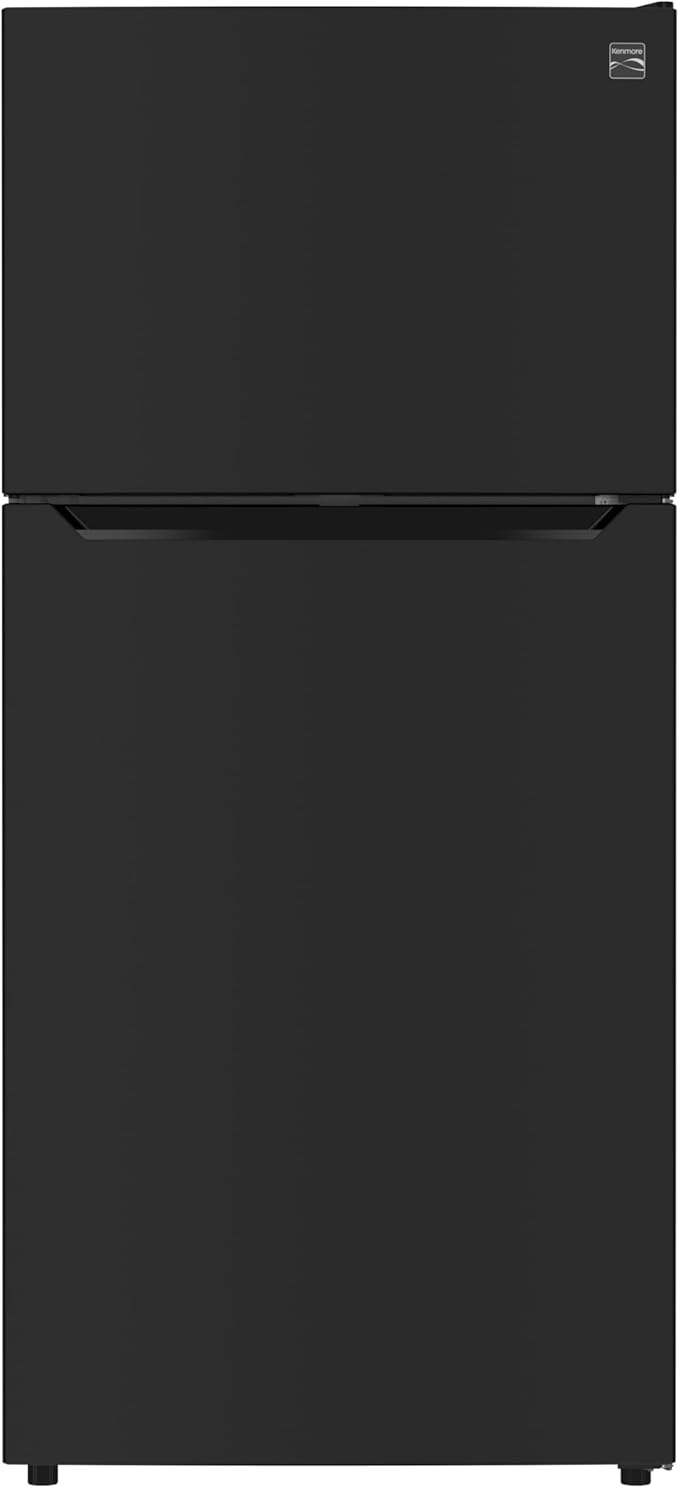
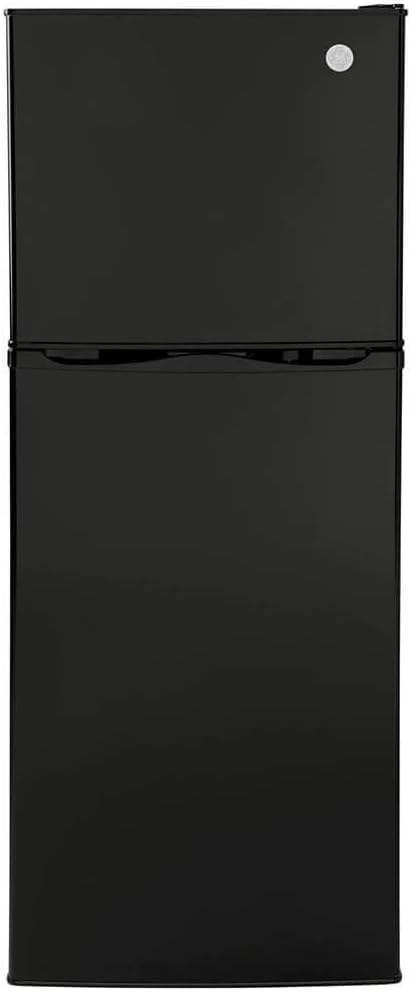
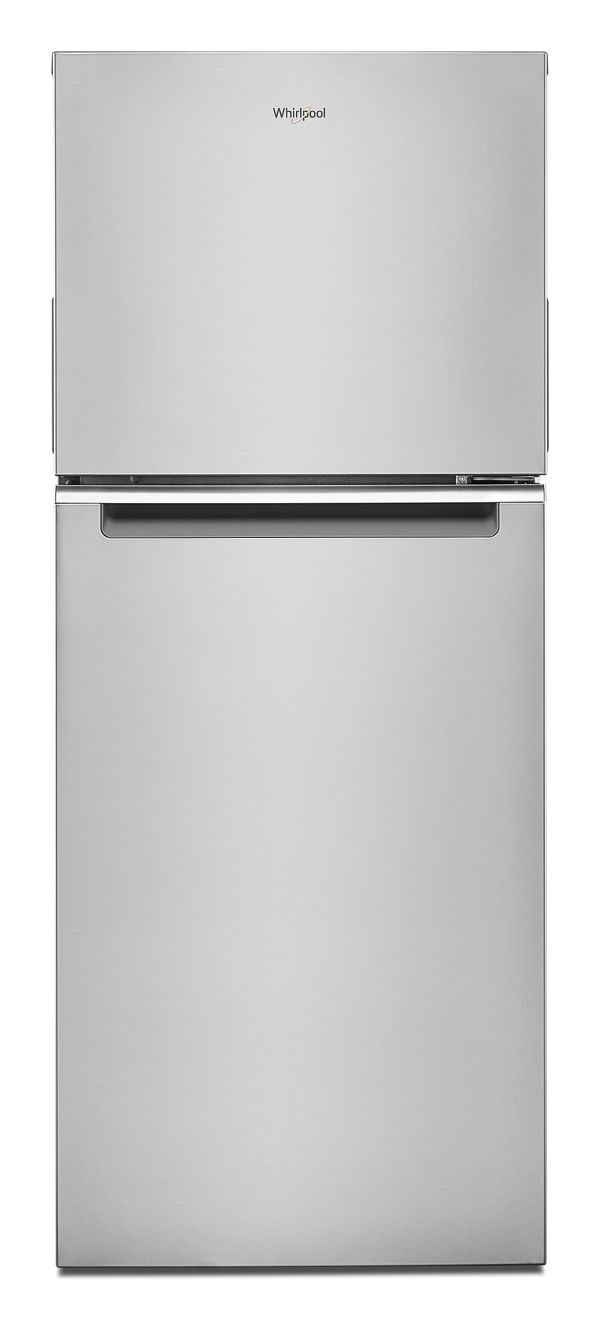
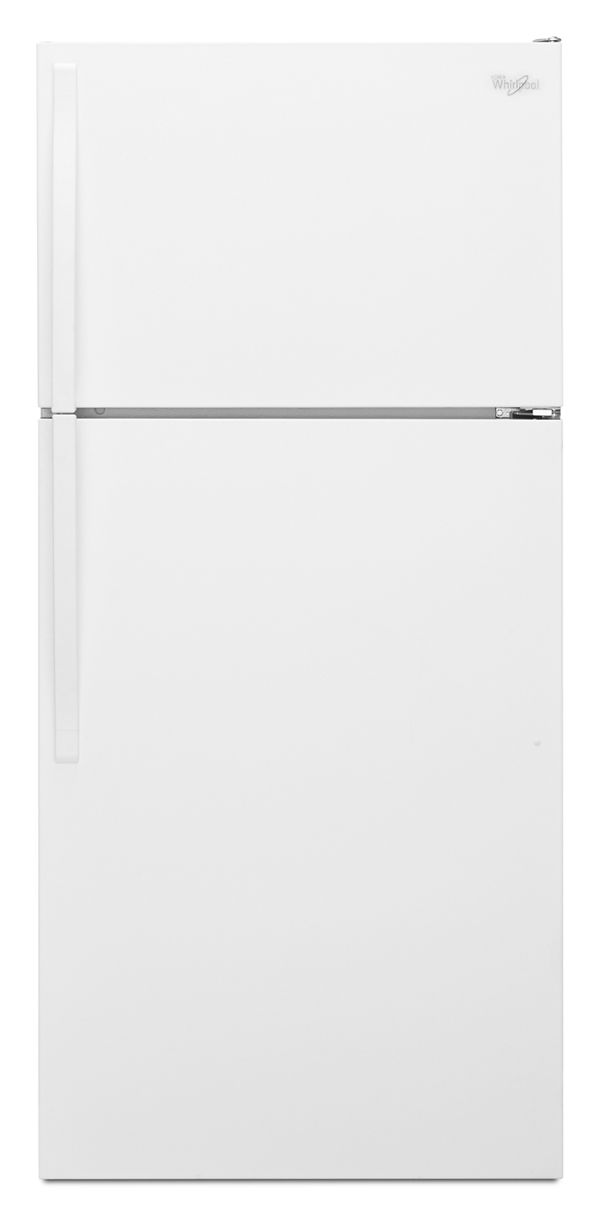
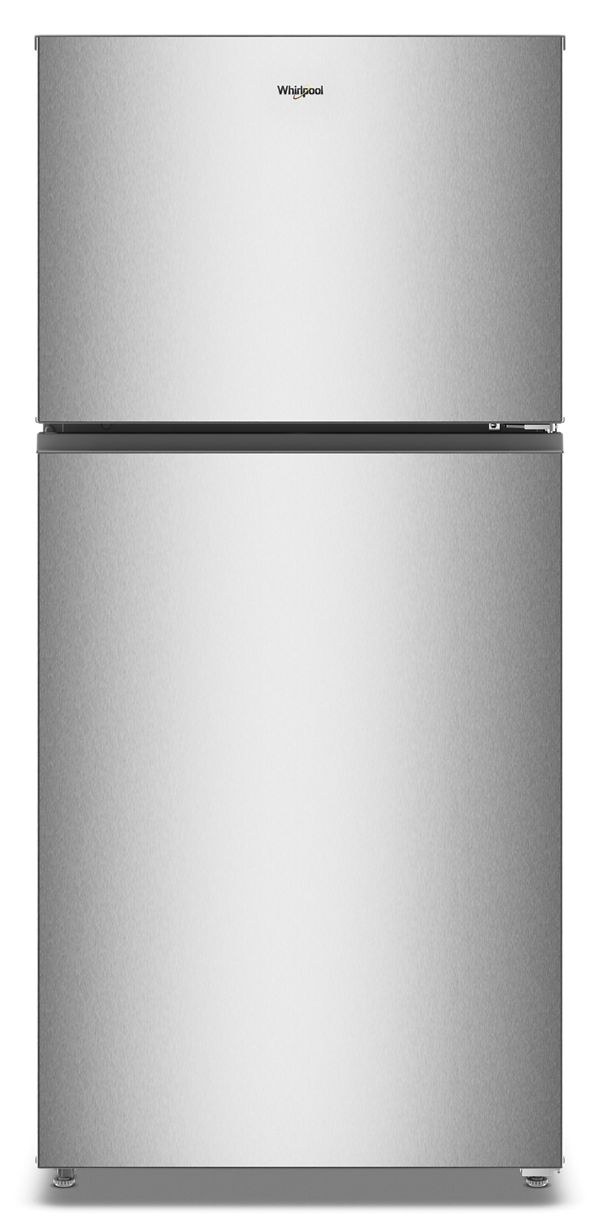
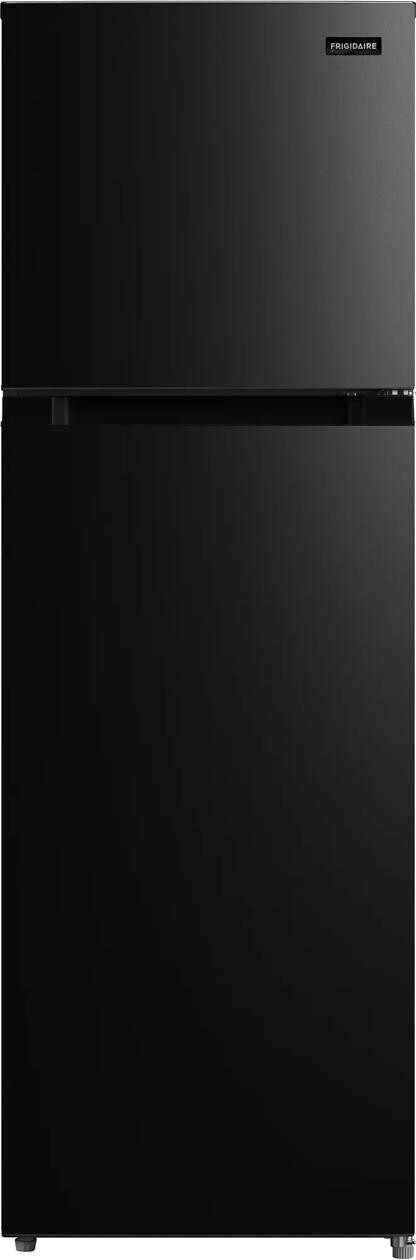
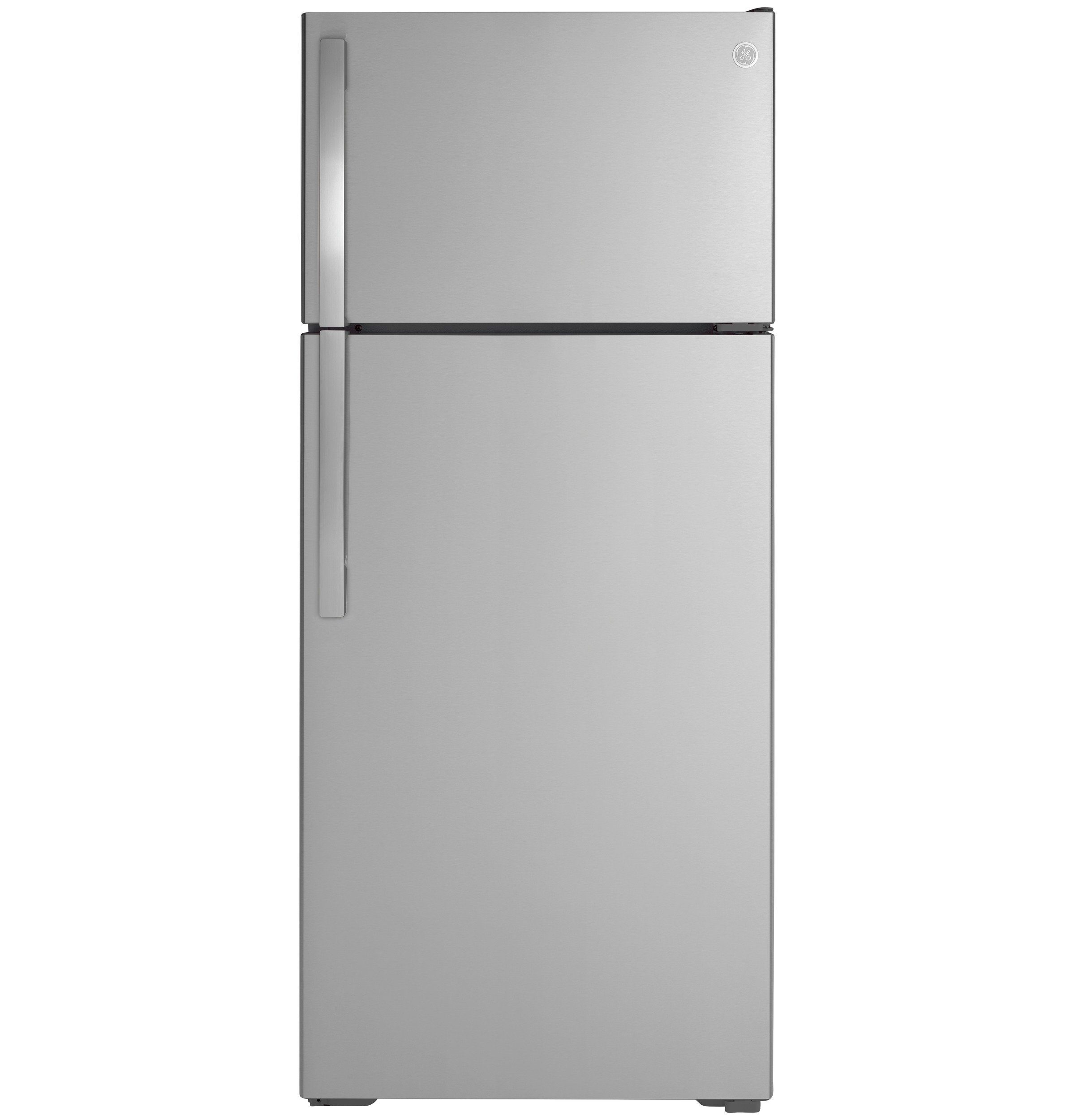
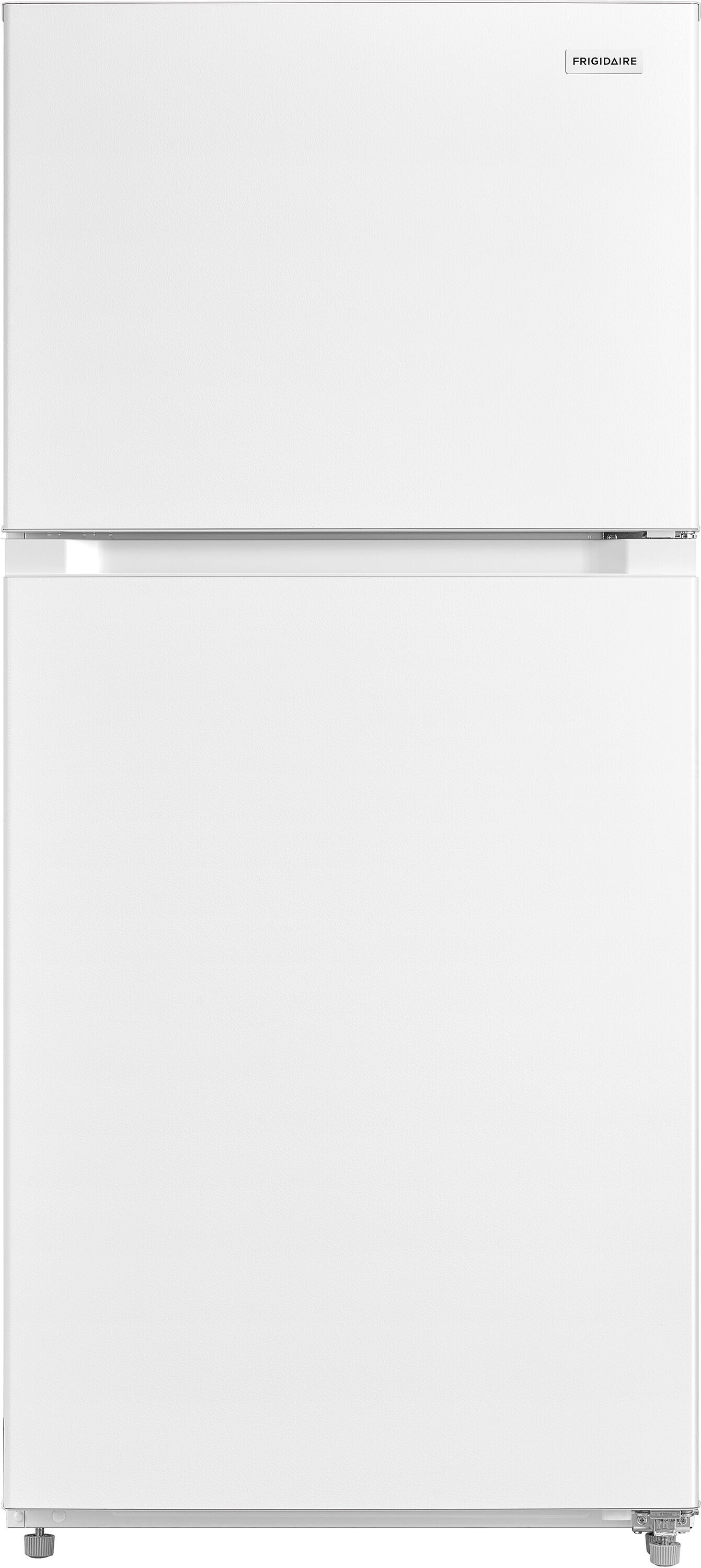
In a top freezer refrigerator, the items you access most frequently in the fresh food section sit at waist level or below, requiring bending and stooping multiple times per day.
Upright refrigerators consume slightly less energy than comparably sized top freezer models because they maintain only one temperature zone and never need to reach freezer temperatures.
However, the difference is modest enough that energy costs alone should not drive your purchasing decision.
Their straightforward mechanical design also contributes to lower repair costs and longer average lifespans compared to more complex configurations like French door or side-by-side models.
Choosing between a top freezer refrigerator and an upright refrigerator comes down to layout preferences, storage habits, and kitchen space. A top freezer refrigerator places the freezer compartment above the fresh food section in a single unified cabinet, while an upright refrigerator dedicates the entire interior to refrigerated storage with no built-in freezer at all. Understanding the practical differences between these two configurations helps you pick the appliance that fits your household without overspending or sacrificing convenience.
What Is a Top Freezer Refrigerator
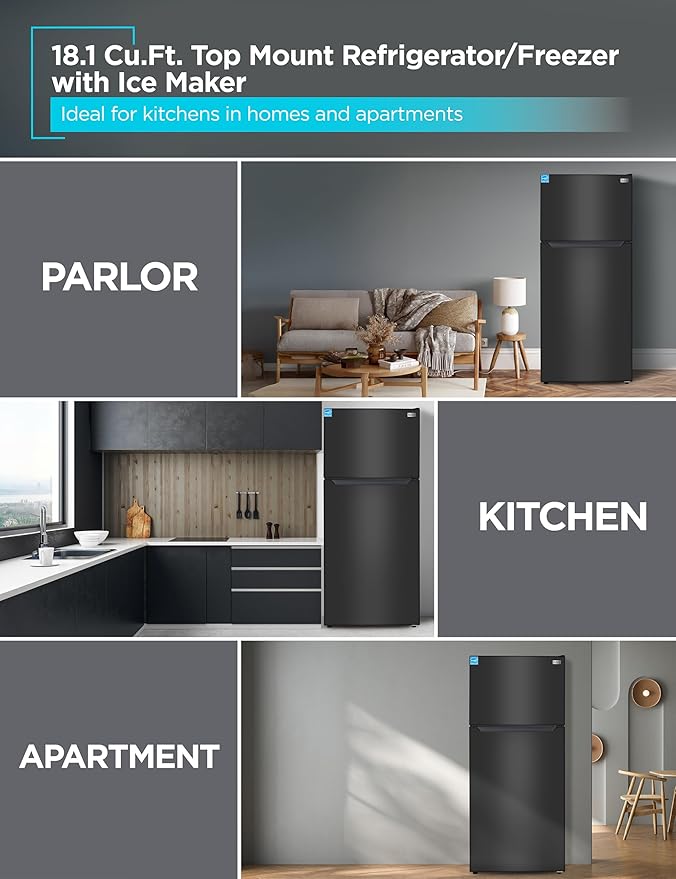
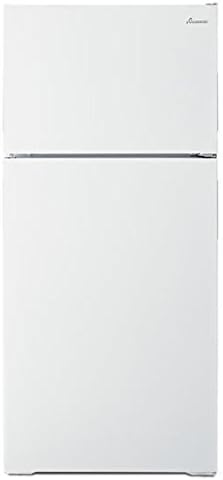
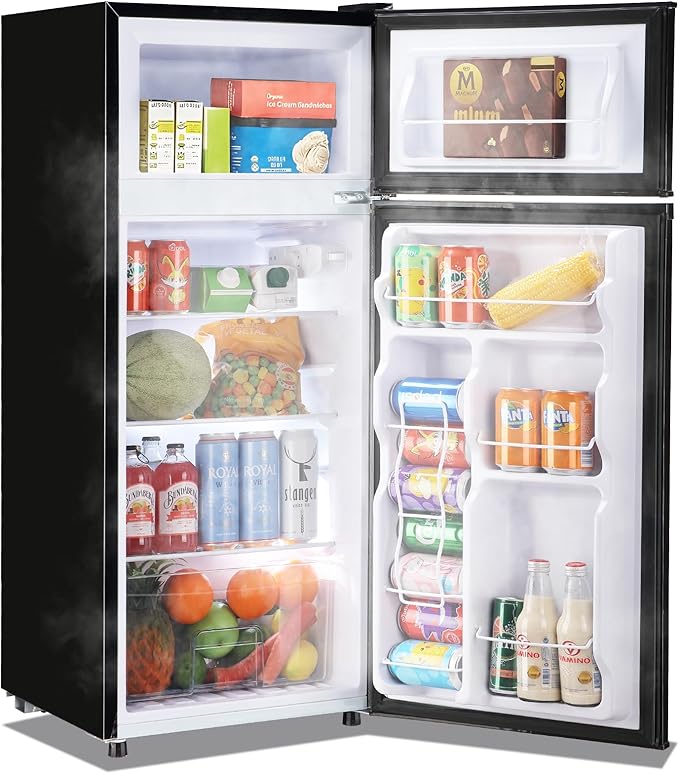
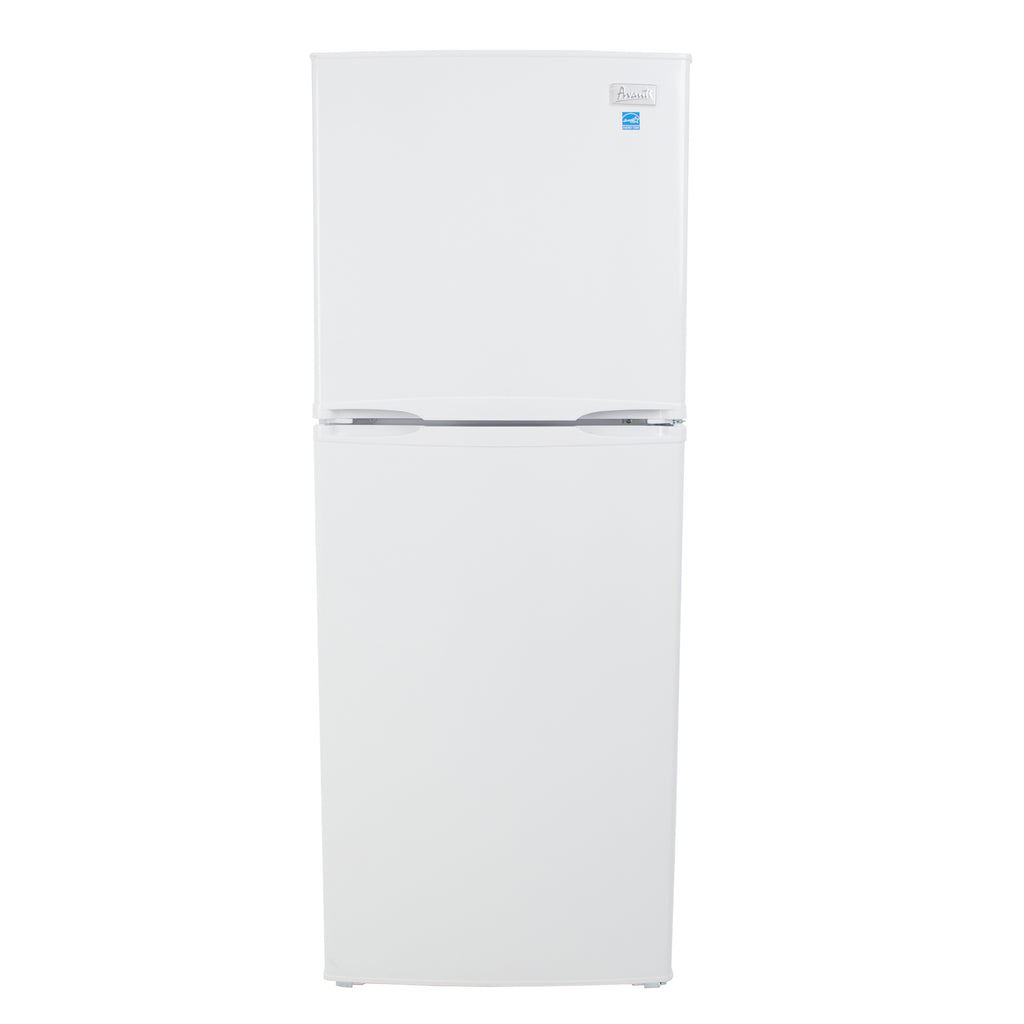
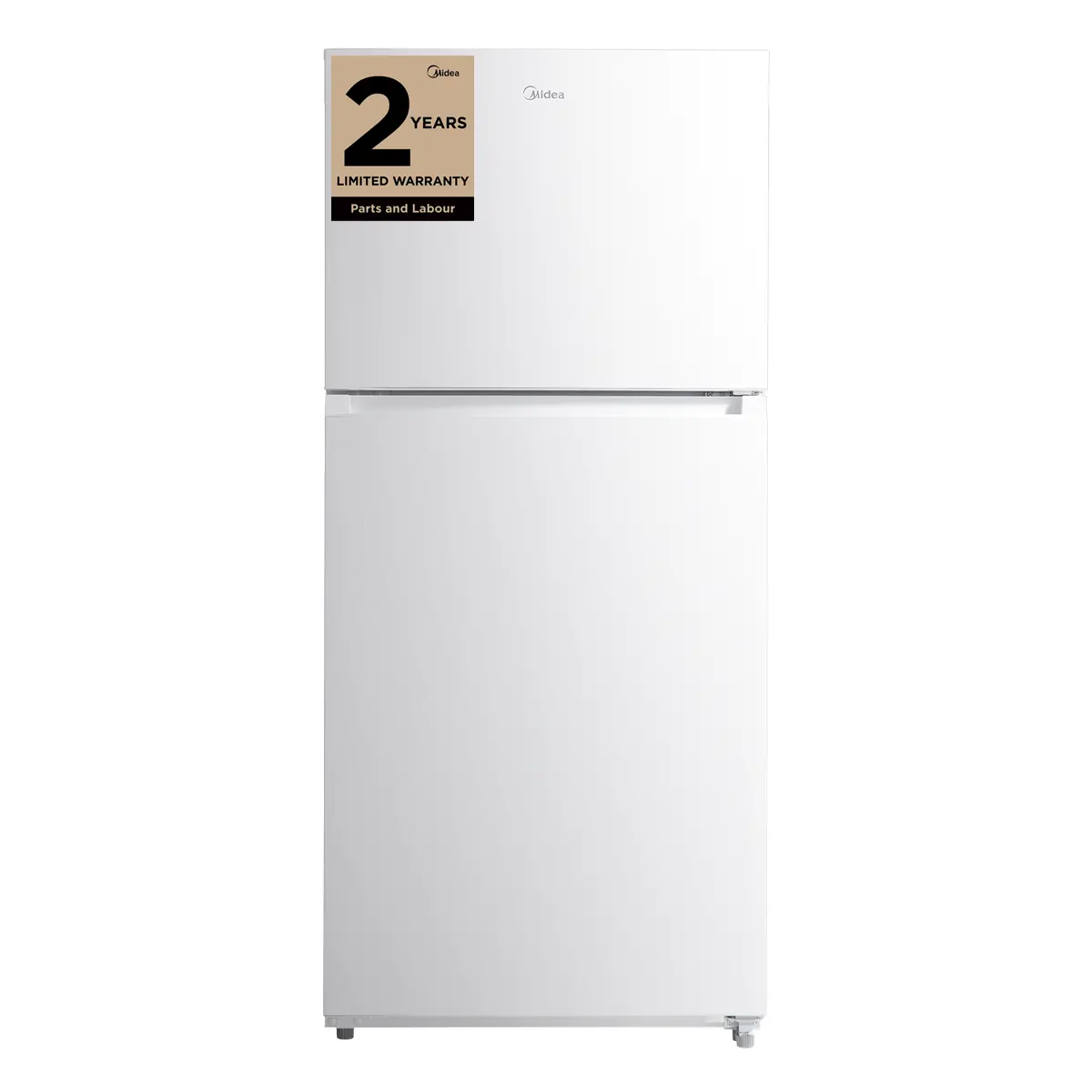
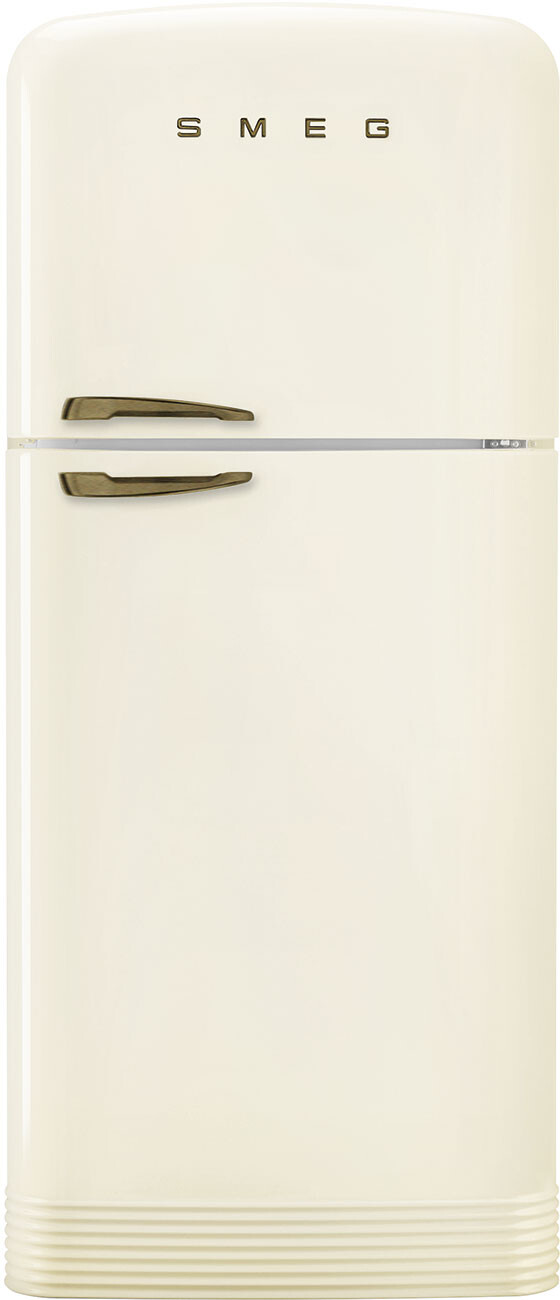
A top freezer refrigerator is the classic two-door design that has been a kitchen staple for decades. The upper compartment holds frozen foods behind its own door, while the larger lower section provides fresh food storage with adjustable shelves, crisper drawers, and door bins. Most top freezer models range from fourteen to twenty-two cubic feet of total capacity, making them suitable for apartments, starter homes, and family kitchens that need a balanced mix of refrigerated and frozen storage in one footprint.
The top freezer layout places frozen items at eye level for shorter users while fresh food sits lower, which can mean more bending for everyday ingredients. However, this trade-off comes with significant cost savings. Top freezer refrigerators consistently rank as the most affordable full-size refrigerator category, with reliable models starting around five hundred dollars and premium versions rarely exceeding one thousand dollars. Their straightforward mechanical design also contributes to lower repair costs and longer average lifespans compared to more complex configurations like French door or side-by-side models.
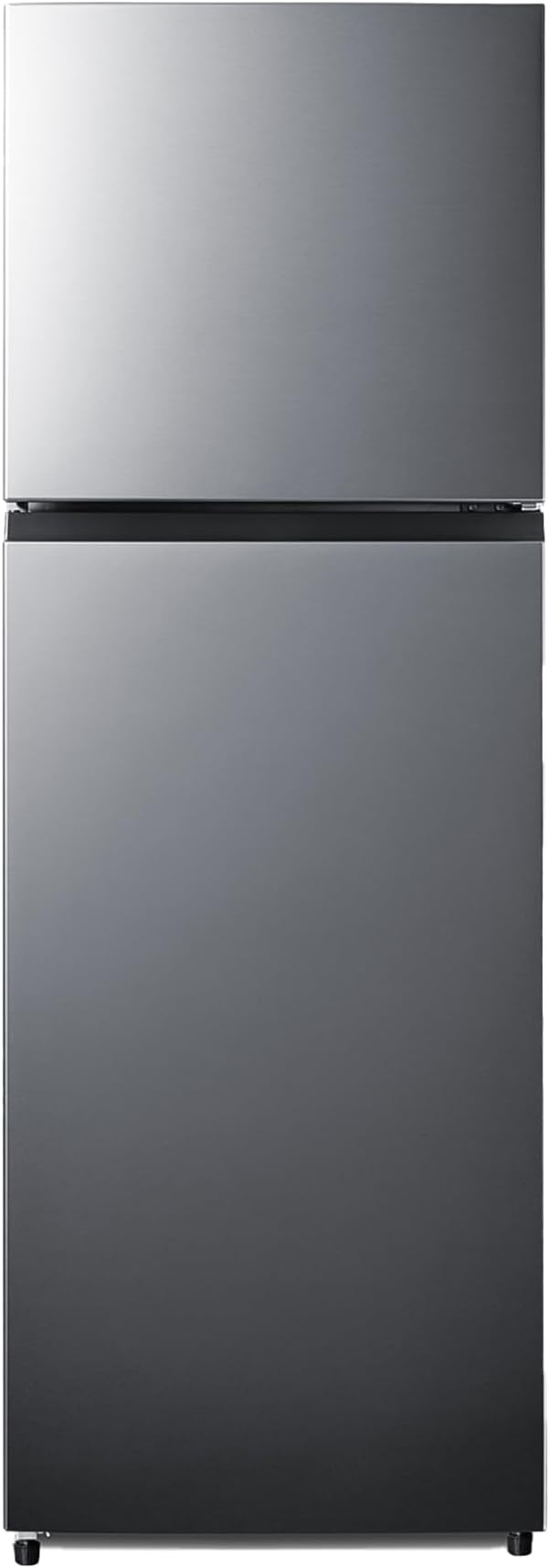
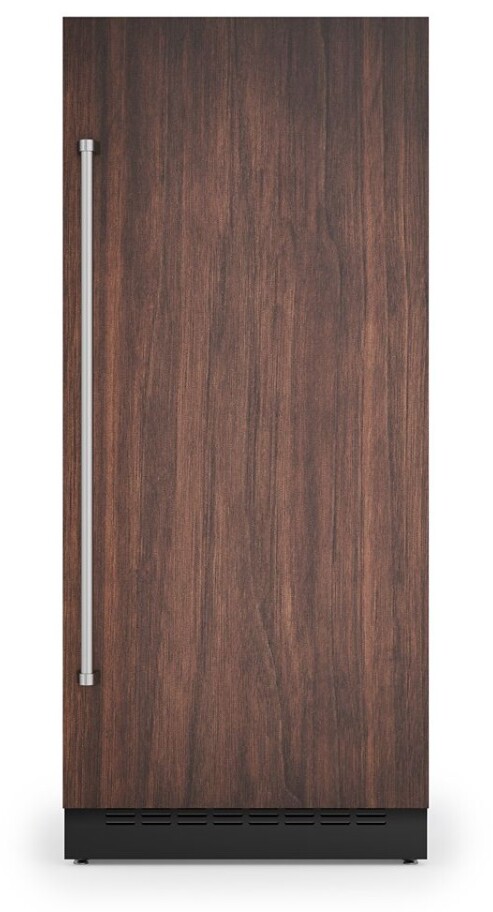
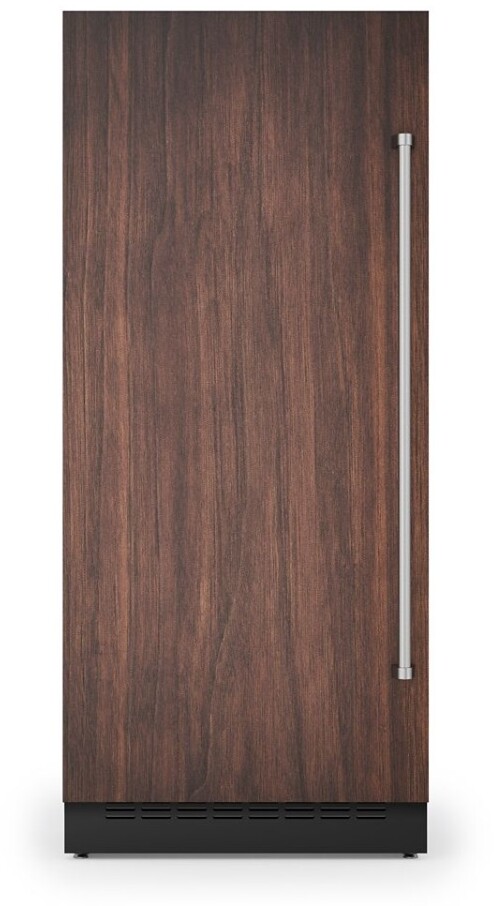
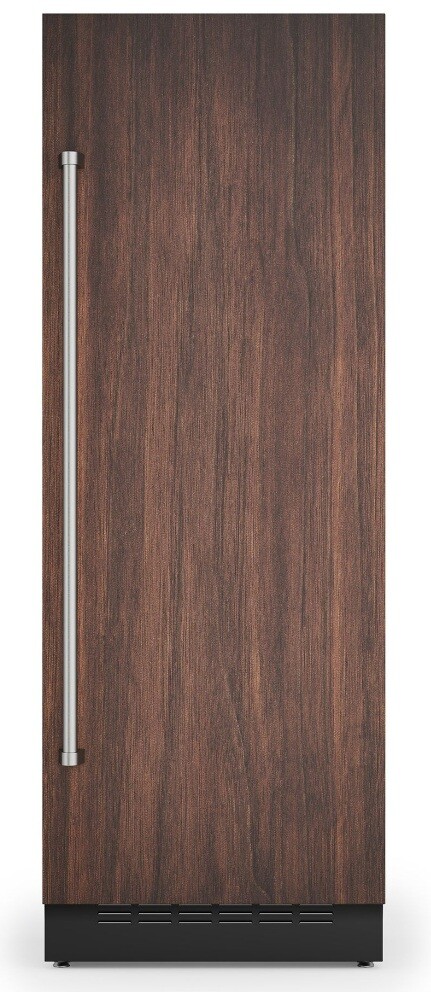
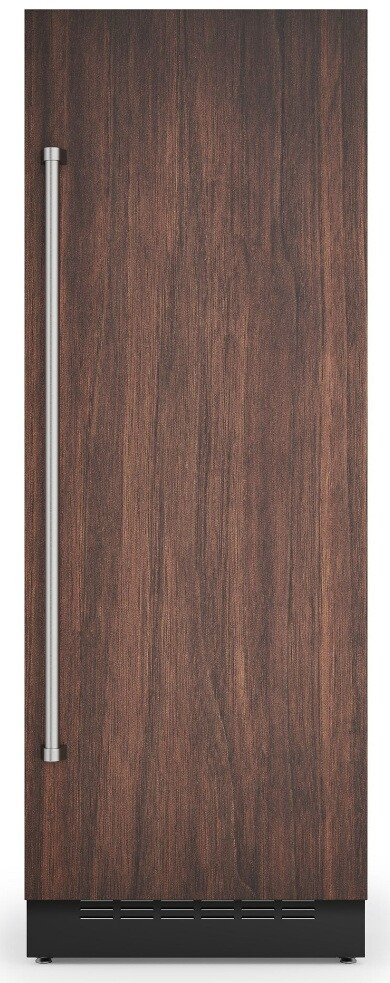
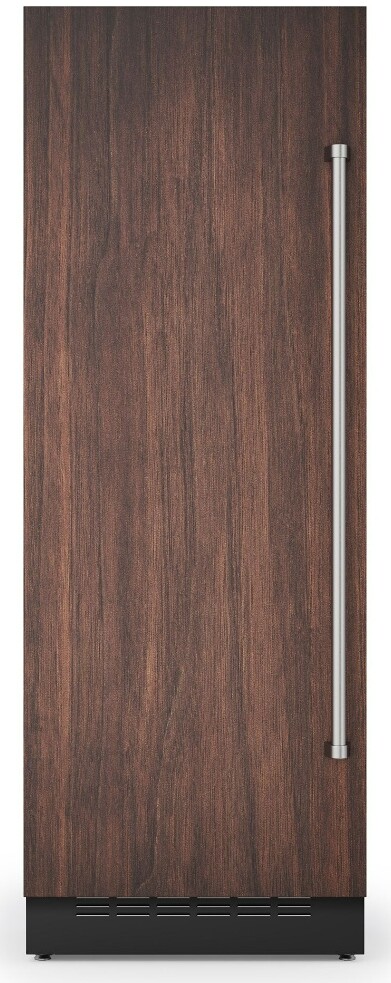
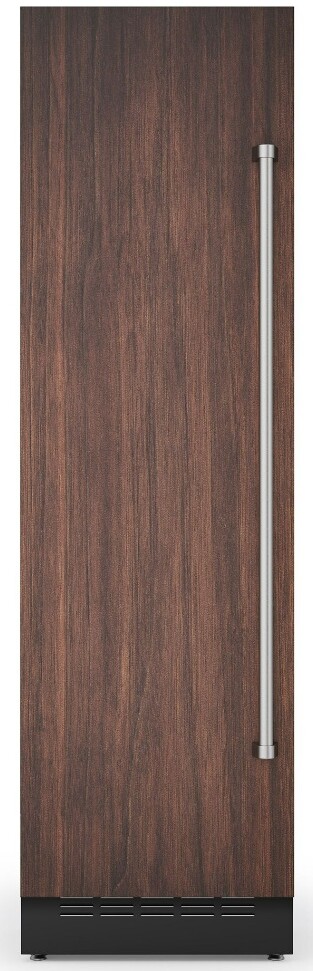
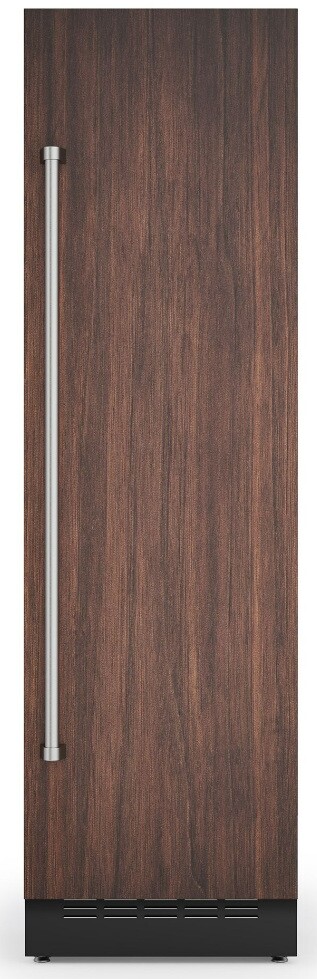
An upright refrigerator, sometimes called an all-refrigerator or column refrigerator, devotes its entire cabinet to fresh food storage. There is no freezer compartment whatsoever. These units are popular in households that already own a separate standalone freezer or in commercial settings where dedicated refrigeration and freezing appliances operate independently. Upright refrigerators range from compact twelve-cubic-foot models to large twenty-cubic-foot units that rival the fresh food capacity of much bigger combination refrigerators.
Because every cubic foot serves fresh food storage, upright refrigerators offer significantly more shelf space, wider crisper drawers, and deeper door bins than comparably sized top freezer models. A seventeen-cubic-foot upright refrigerator provides roughly the same fresh food room as a twenty-four-cubic-foot top freezer refrigerator, since none of the interior is sacrificed to a freezer section. This makes upright refrigerators especially appealing to households that cook frequently with fresh ingredients, store large platters for entertaining, or need space for bulk produce purchases.
Top freezer refrigerators maintain two distinct temperature zones. The freezer section holds steady at zero degrees Fahrenheit to keep frozen foods safely preserved, while the fresh food section operates between thirty-five and thirty-eight degrees Fahrenheit. The proximity of the freezer compartment to the fresh food section means the refrigerator benefits from natural cold air migration, which can help maintain consistent temperatures even during brief power fluctuations.
Upright refrigerators maintain a single temperature zone optimized exclusively for fresh food, typically between thirty-three and thirty-eight degrees Fahrenheit. Without the influence of a freezer compartment, the temperature distribution across shelves tends to be more uniform. Many upright models include precision temperature controls with digital displays that allow adjustments in single-degree increments, which is particularly valuable for storing temperature-sensitive items like fresh fish, artisanal cheeses, or craft beverages that benefit from exact climate control.
Capacity and Storage Layout
The total usable capacity between these two appliance types differs considerably when you factor in how space is allocated. A typical eighteen-cubic-foot top freezer refrigerator splits into roughly four cubic feet of freezer space and fourteen cubic feet of fresh food space. The freezer section usually includes one wire shelf or a small divider, an ice tray, and limited door storage. The fresh food section offers three to four adjustable shelves, two crisper drawers, and several door bins.
An eighteen-cubic-foot upright refrigerator delivers all eighteen cubic feet as fresh food storage. This translates to five or six full-width adjustable shelves, two or three oversized crisper drawers with independent humidity controls, a dedicated deli drawer, and expansive door storage with gallon-sized bins on every level. For households that prioritize fresh food access, this layout eliminates the compromise inherent in combination units where freezer space reduces refrigerator room.
Top freezer refrigerators are among the most energy-efficient refrigerator designs available. Their simple mechanical layout with a single compressor serving both compartments and minimal electronic controls keeps annual energy consumption between three hundred and four hundred fifty kilowatt-hours for most models. This translates to roughly thirty-five to fifty dollars per year in electricity costs depending on local utility rates, making them one of the cheapest appliances to operate in any kitchen.
Upright refrigerators consume slightly less energy than comparably sized top freezer models because they maintain only one temperature zone and never need to reach freezer temperatures. A typical upright refrigerator uses between two hundred fifty and four hundred kilowatt-hours annually. However, the difference is modest enough that energy costs alone should not drive your purchasing decision. Both configurations earn Energy Star certification easily, and the annual cost difference between them rarely exceeds fifteen dollars.
Top freezer refrigerators typically operate between thirty-two and forty-two decibels, placing them among the quieter kitchen appliances available. Their compressors cycle on and off to maintain both freezer and fresh food temperatures, and the defrost cycle in the freezer section creates occasional brief increases in noise level. Models with automatic defrost produce a slightly louder hum during defrost cycles compared to manual defrost units, but modern inverter compressors have significantly reduced these fluctuations.
Upright refrigerators run at similar noise levels, generally between thirty and forty decibels, with slightly less variation because there is no freezer defrost cycle to manage. The single-zone operation means the compressor runs at a consistent pace without the temperature swings that dual-zone management demands. For open-concept kitchens where the refrigerator sits near living or dining areas, this marginally quieter and more consistent operation can make a noticeable difference in ambient noise comfort.
Top freezer refrigerators offer the strongest value proposition in the refrigerator market. Entry-level models from reputable manufacturers start around four hundred fifty dollars, mid-range options with features like adjustable glass shelves and LED lighting fall between six hundred and eight hundred dollars, and premium models with stainless steel finishes and advanced humidity controls top out around one thousand dollars. This pricing makes them the most accessible full-size refrigerator category for budget-conscious buyers.
Upright refrigerators typically command higher prices because they serve a more specialized market. Basic models start around six hundred dollars, but most quality options fall between eight hundred and fifteen hundred dollars. High-end column refrigerators designed for built-in installation can exceed three thousand dollars. The premium reflects both the specialized nature of these appliances and their tendency to include more sophisticated features like digital temperature displays, air purification systems, and convertible storage zones.
Price Range
Top Freezer Refrigerator
Upright Refrigerator
Budget
$450–$600
$600–$800
Mid-Range
$600–$800
$800–$1,500
Premium
$800–$1,000
$1,500–$3,000+
Annual Energy Cost
$35–$50
$30–$45
Installation and Space Requirements
Top freezer refrigerators fit standard kitchen cutouts designed for thirty-inch-wide appliances. Most models measure between twenty-eight and thirty-two inches wide, sixty-one and sixty-eight inches tall, and twenty-eight to thirty-four inches deep including handles. They require minimal clearance on the sides and top, though leaving two inches of space behind the unit for airflow around the condenser coils is essential for efficient operation and longevity.
Upright refrigerators come in a wider range of sizes depending on whether they are freestanding or built-in models. Freestanding units generally match standard refrigerator dimensions, while built-in column refrigerators are designed to integrate flush with cabinetry and may require custom panels. Built-in models need precise cutout dimensions and professional installation, adding several hundred dollars to the total project cost. Freestanding upright refrigerators install as easily as any standard refrigerator with no special requirements.
Top freezer refrigerators boast the longest average lifespan of any refrigerator category, typically lasting fourteen to eighteen years with basic maintenance. Their simple mechanical design means fewer components that can fail, and replacement parts are widely available and affordable. Regular maintenance involves cleaning the condenser coils twice a year, replacing the water filter if equipped, checking door gaskets for proper seal, and defrosting the freezer section if the model uses manual defrost rather than automatic.
Upright refrigerators share similar longevity expectations, generally lasting thirteen to seventeen years. Maintenance is slightly simpler since there is no freezer section to defrost and no ice maker components to service. The primary maintenance tasks include condenser coil cleaning, door gasket inspection, and water filter replacement. Models with advanced features like air purification systems or convertible zones may require additional periodic maintenance on those specific components, but the core refrigeration system remains straightforward to maintain.
The most frequent mistake buyers make is purchasing an upright refrigerator without planning for separate frozen food storage. If you buy frozen vegetables, meats, ice cream, or any items requiring freezer temperatures, an upright refrigerator alone will not meet your needs. Before choosing an all-refrigerator unit, confirm that you either already own a standalone freezer, plan to purchase one, or genuinely do not need frozen food storage in your household.
Another common error is assuming that a top freezer refrigerator and an upright refrigerator of the same total cubic footage provide equivalent fresh food storage. They do not. The top freezer model dedicates roughly twenty to thirty percent of its total capacity to the freezer section, meaning a twenty-cubic-foot top freezer unit offers only fourteen to sixteen cubic feet of fresh food space. Comparing only the total capacity number without accounting for this allocation leads to undersized fresh food storage and buyer frustration.
Buyers also sometimes overlook the ergonomic implications of each design. In a top freezer refrigerator, the items you access most frequently in the fresh food section sit at waist level or below, requiring bending and stooping multiple times per day. An upright refrigerator places fresh food across the full height of the unit, with frequently used items easily positioned at eye level on upper shelves. For households with members who have back or mobility concerns, this ergonomic advantage can significantly impact daily comfort.
Who Should Buy Which
A top freezer refrigerator is the right choice for buyers who need both refrigerated and frozen storage in a single appliance, prefer a proven and affordable design, and want the lowest possible purchase price and operating costs. It suits apartments, rental properties, vacation homes, and any household that values simplicity and reliability over specialized features. Families that store a moderate amount of frozen foods alongside their fresh groceries will find the top freezer layout practical and efficient.
An upright refrigerator is the better choice for buyers who already have or plan to buy a separate freezer and want to maximize their fresh food storage capacity. It excels in households that cook extensively with fresh ingredients, entertain regularly, or need to store large quantities of produce, beverages, and prepared foods. Upright refrigerators are also the preferred option for custom kitchen designs where a column refrigerator and column freezer pair provides a built-in look with maximum flexibility in appliance placement. Explore your options at Fridge.com to find the configuration that matches your kitchen and cooking style.
Whether you need a budget-friendly top freezer refrigerator or a dedicated upright refrigerator for maximum fresh food storage, Fridge.com carries a wide selection from trusted brands. Browse Fridge.com full refrigerator collection to compare models, prices, and features side by side. Every purchase includes free shipping and expert support to help you choose the right appliance for your home.
Frequently Asked Questions
No — 100% fridge at 35-38°F. No freezer section. Pair with a standalone freezer for frozen storage. The top freezer includes both fridge and freezer in one unit. Compare at Fridge.com.
From Fridge.com research
Figures below come from data Fridge.com builds and maintains. Each links to the record behind it.
Fridge.com Energy Index, built on U.S. EPA and DOE ENERGY STAR records
Across 807 ENERGY STAR certified top freezer models, median use is 362 kWh per year — 10% better than the federal standard.