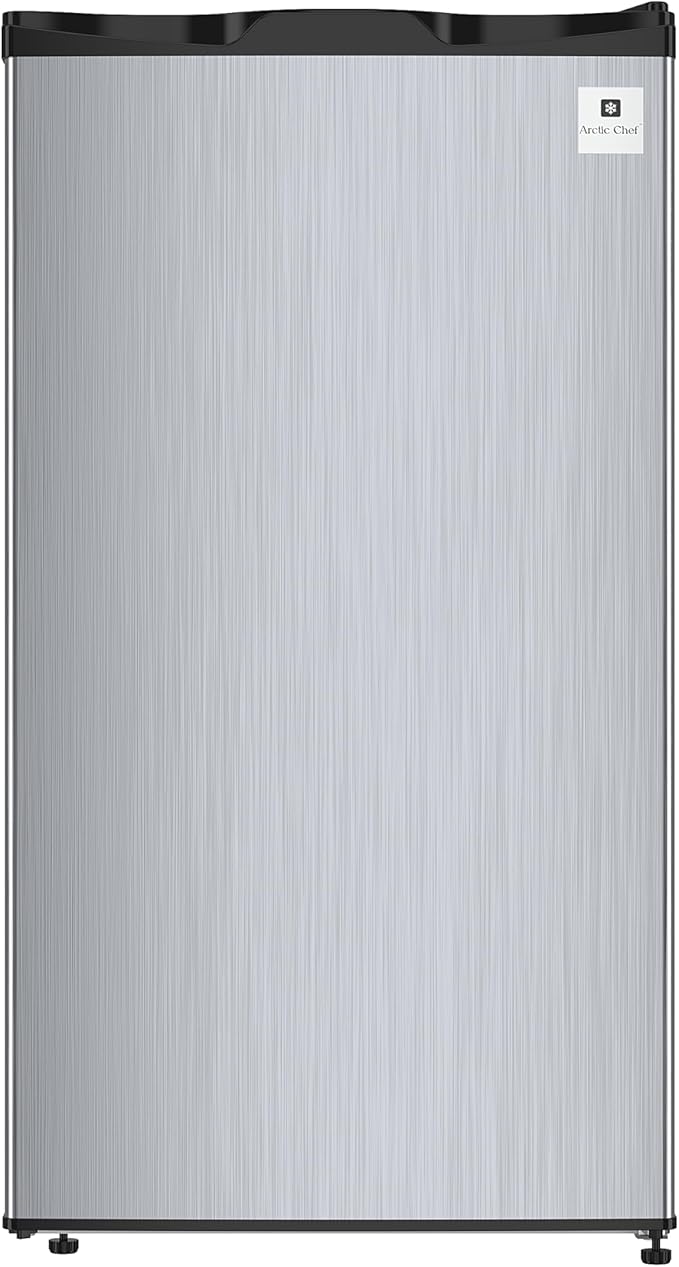
Budget $80 mini fridges with 1.5-2 cubic feet of space and unreliable thermostat controls provide inadequate storage, inconsistent temperatures, and short lifespans.
A tiny home refrigerator and a regular refrigerator both store food at safe temperatures, but they are built for fundamentally different living spaces and lifestyles. A tiny home refrigerator is a compact or mid-size unit — typically 3 to 10 cubic feet — designed to fit the physical constraints and energy limitations of tiny houses, RVs, converted vans, and other small-footprint dwellings where every square inch of floor space matters. A regular refrigerator is a full-size kitchen appliance — 18 to 28 cubic feet — designed for standard American homes with dedicated kitchen layouts, ample electrical capacity, and families of two to six or more. This guide compares every specification so you can determine which size and format matches your living space, household size, and daily food management approach.
What Is a Tiny Home Refrigerator?
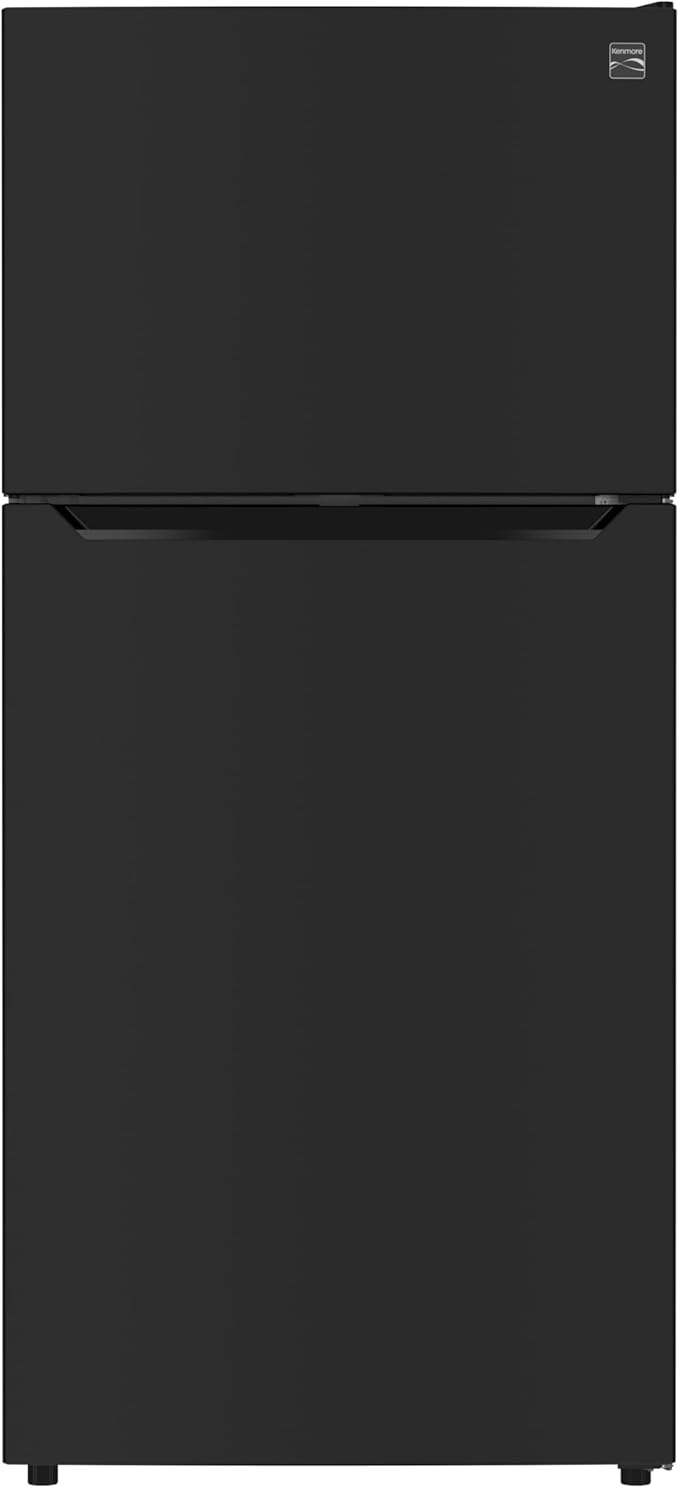
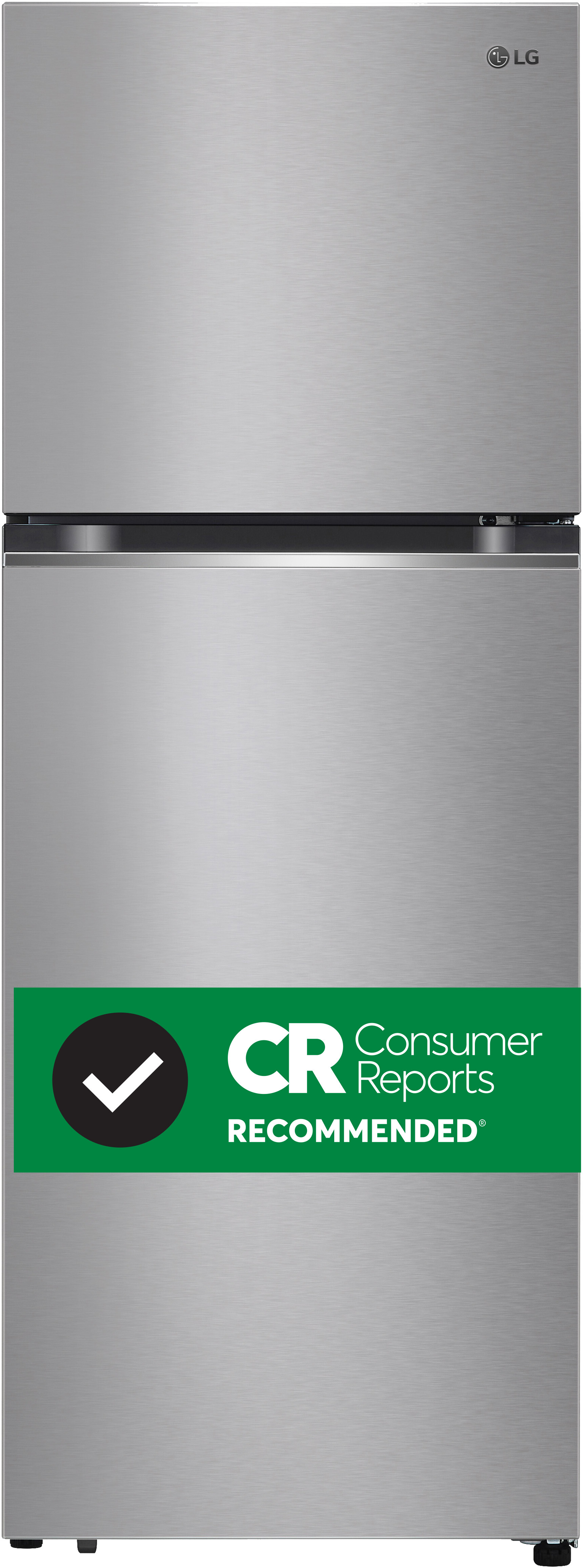
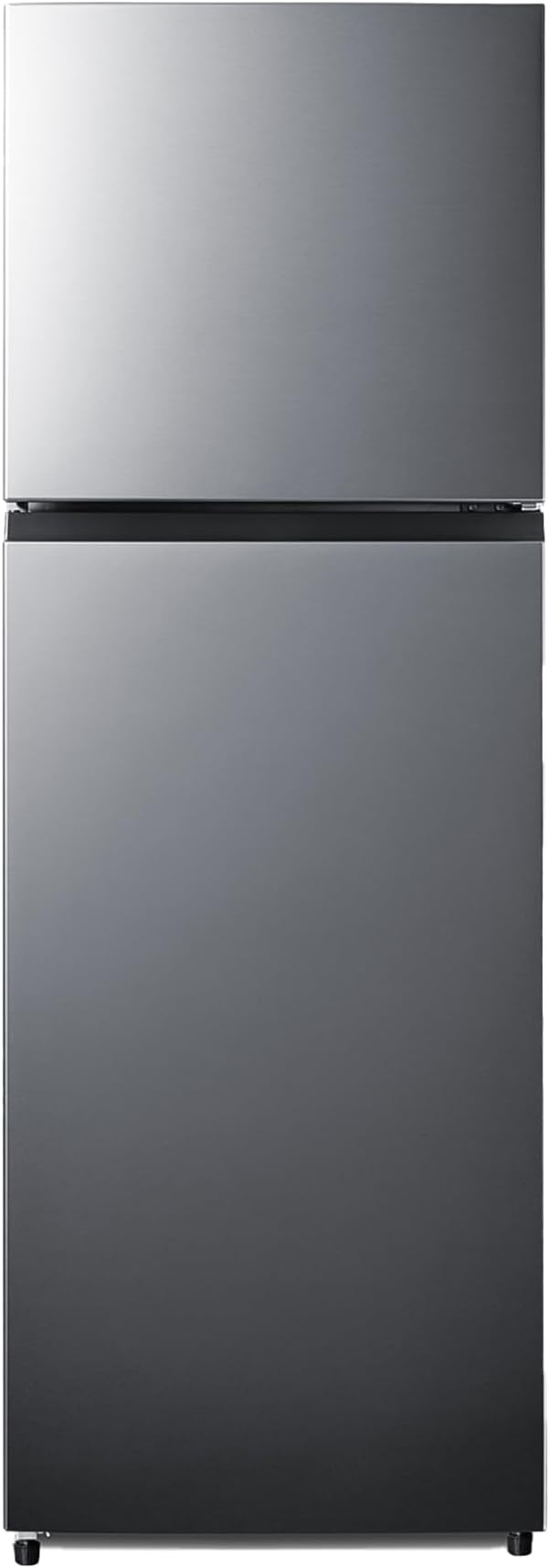
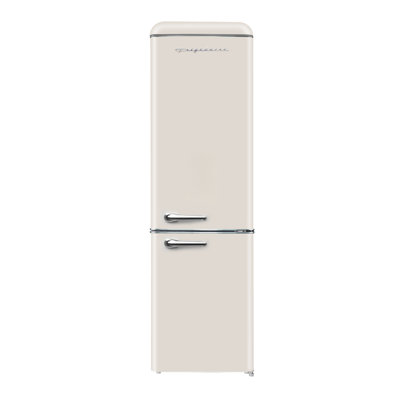
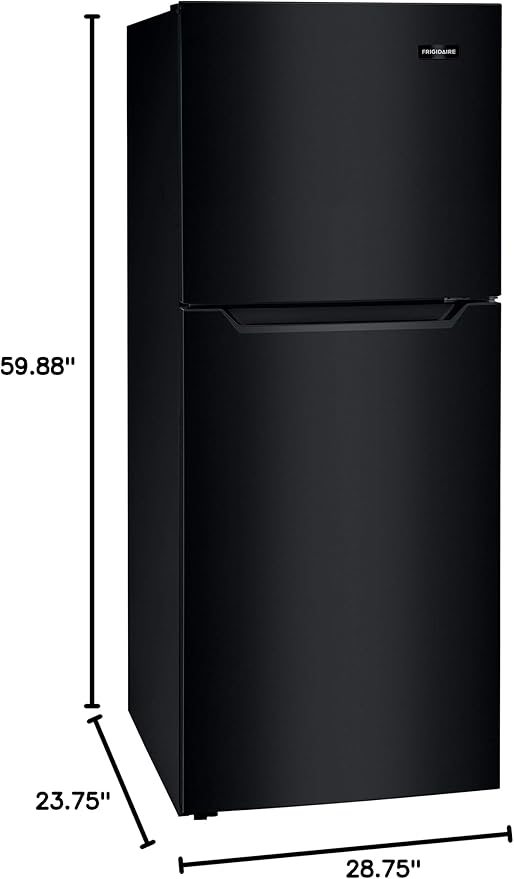
A tiny home refrigerator is any compact cooling appliance selected specifically for the space, power, and lifestyle constraints of tiny house living. The category includes several distinct product types: countertop mini fridges at 1.5-3 cubic feet, standard compact refrigerators at 3-5 cubic feet, apartment-size refrigerators at 7-10 cubic feet, and 12-volt DC refrigerators designed for off-grid tiny homes powered by solar panels and battery banks. The common thread is compact dimensions that fit kitchenettes measuring 4-8 feet wide — dramatically smaller than the 10-15 foot kitchen runs in standard American homes.
Tiny home refrigerators prioritize three characteristics that regular refrigerators do not: minimal footprint (fitting into spaces as narrow as 18 inches), low energy consumption (critical for off-grid or limited-power installations), and lightweight construction (important for mobile tiny homes and RVs where total vehicle weight affects towing and fuel efficiency). Many tiny home dwellers choose 12-volt compressor refrigerators that run directly from solar-charged battery banks without requiring an inverter — eliminating the energy conversion losses that occur when running a standard 120-volt appliance through an inverter system.
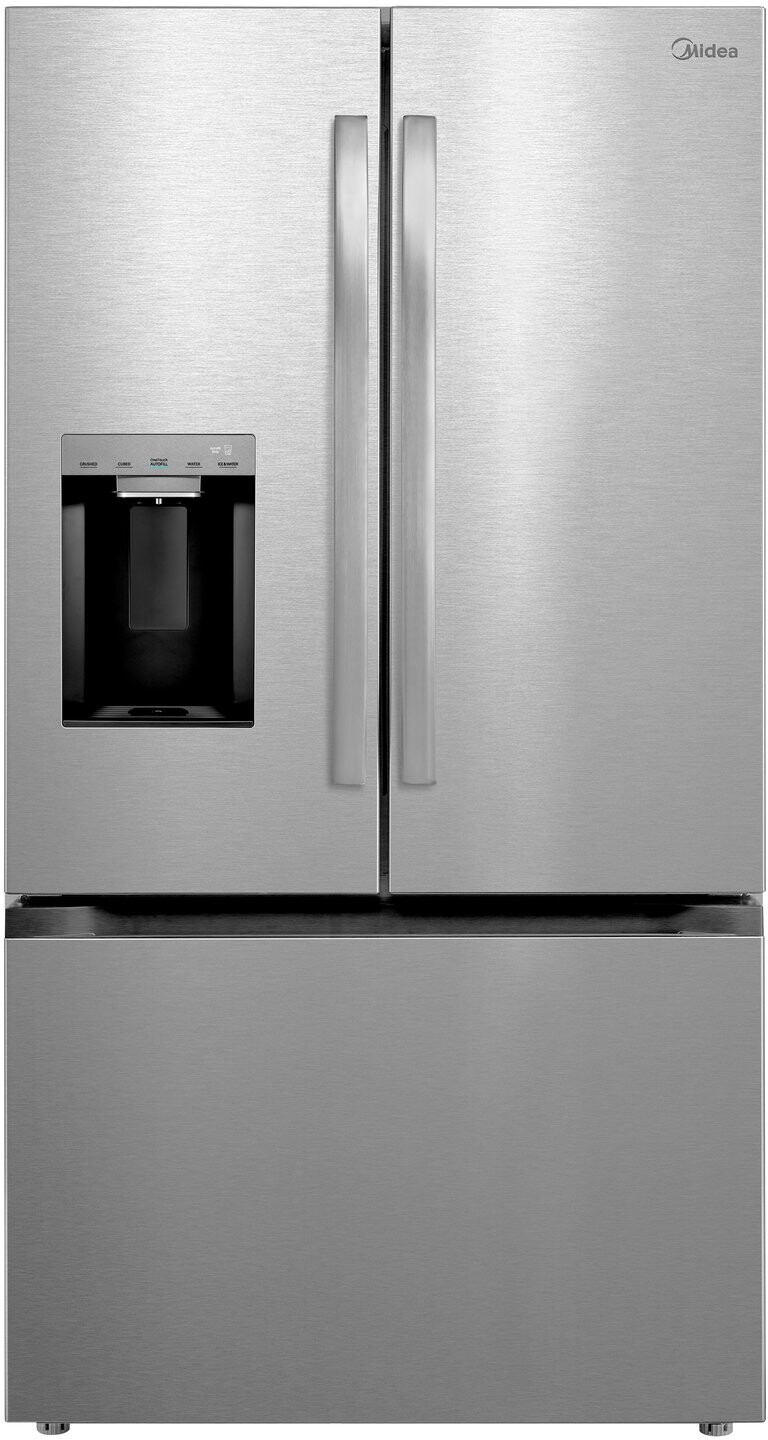
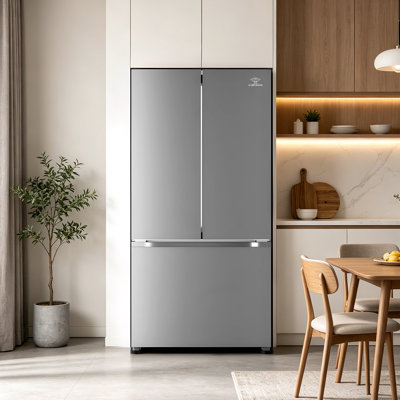
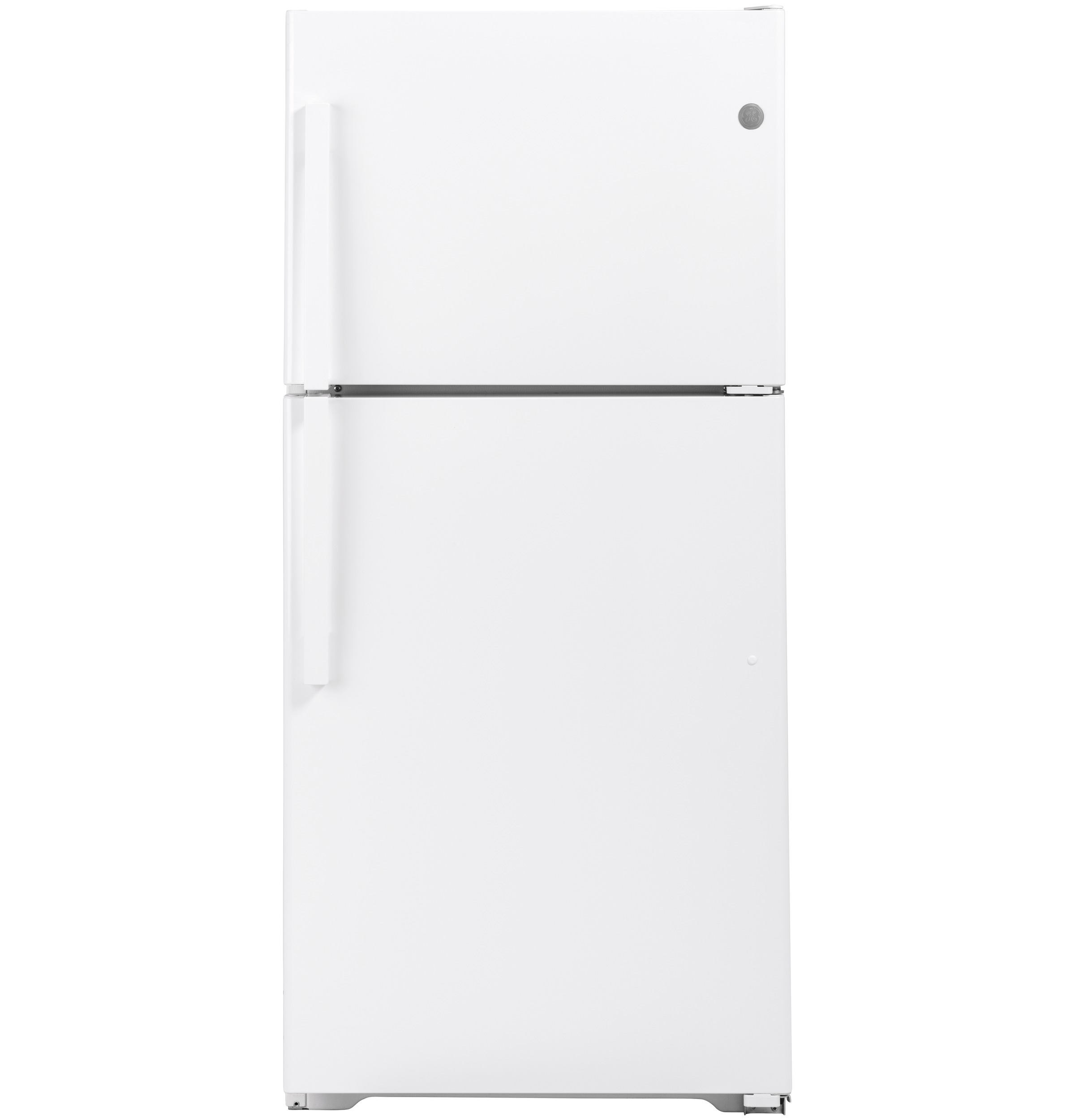
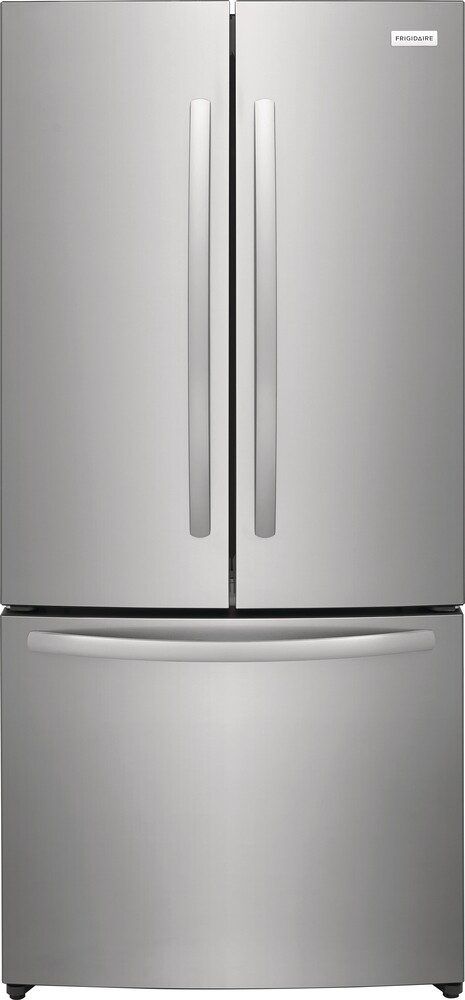
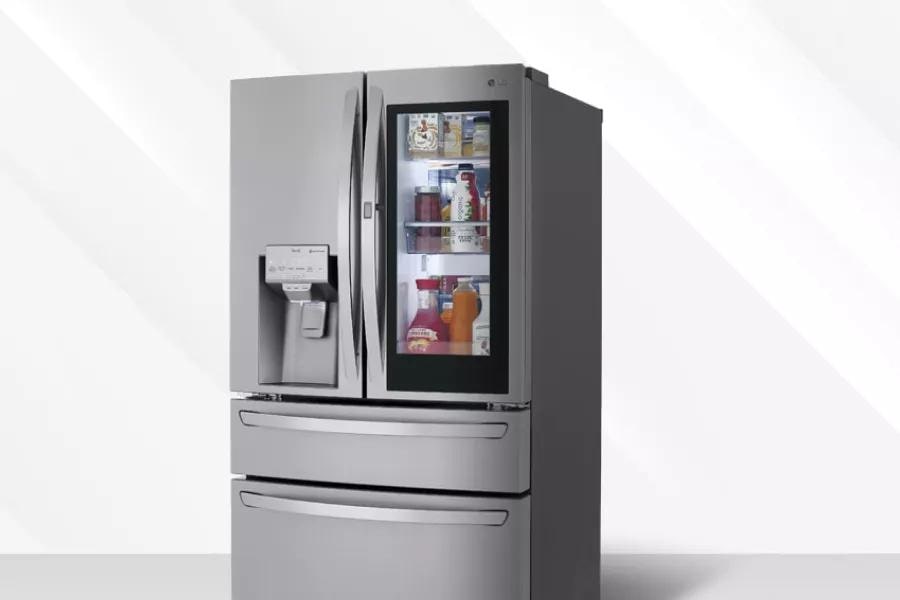
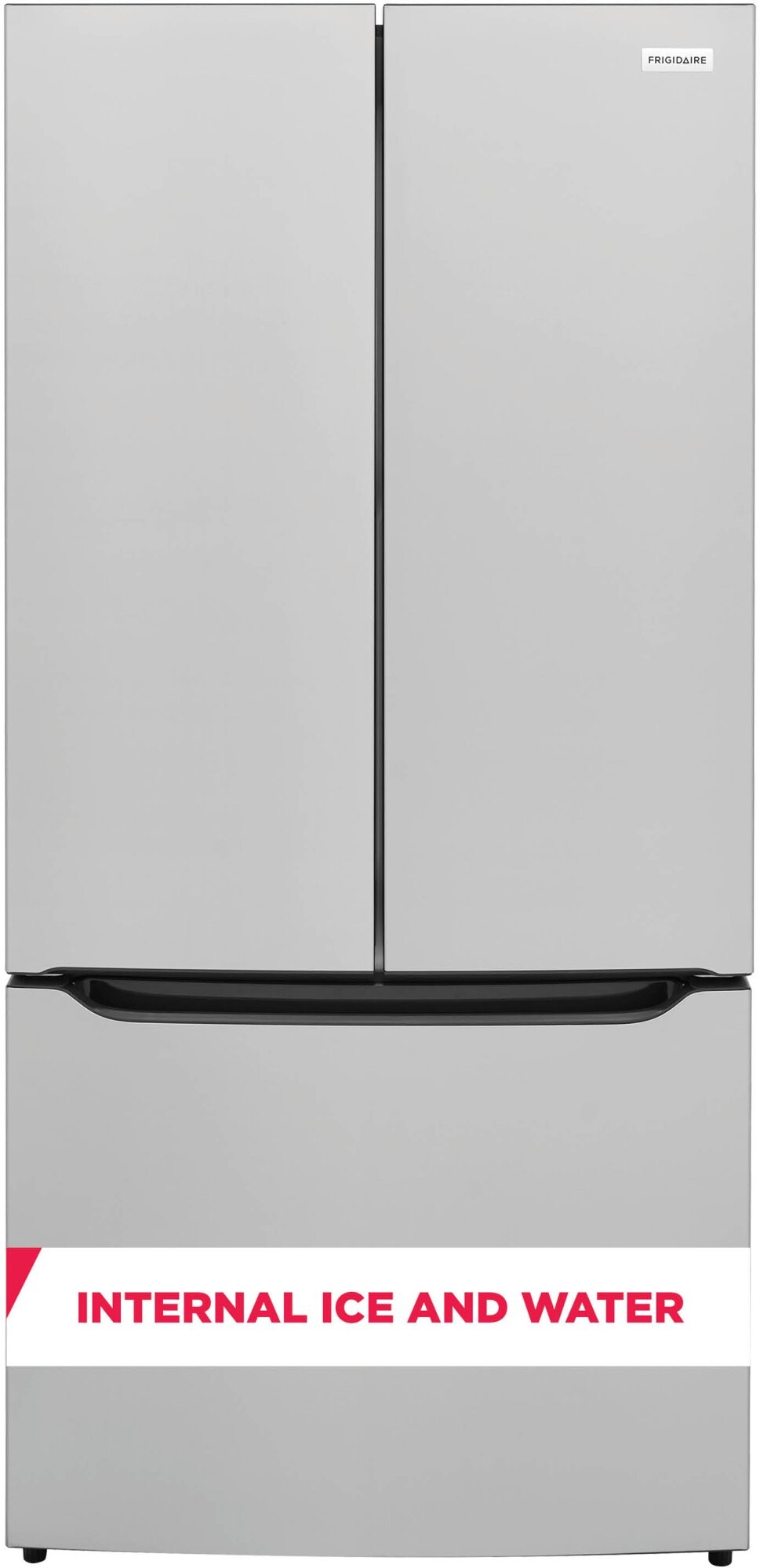
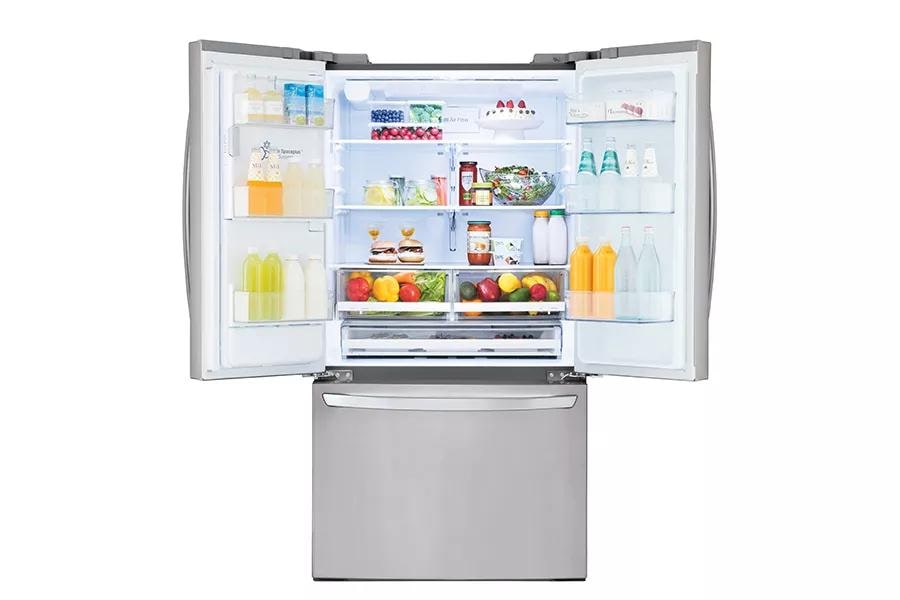
A regular refrigerator is the full-size kitchen appliance found in standard American homes — 30 to 36 inches wide, 66 to 70 inches tall, and 30 to 34 inches deep, providing 18 to 28 cubic feet of combined fresh food and freezer storage. Regular refrigerators come in top-freezer, bottom-freezer, side-by-side, and French door configurations with features including adjustable glass shelves, humidity-controlled crisper drawers, gallon-capacity door bins, built-in ice makers, water dispensers, and LED lighting. Premium models add touchscreens, internal cameras, and Wi-Fi connectivity.
The regular refrigerator assumes a standard kitchen infrastructure — a dedicated 36-inch-wide alcove, a grounded 15 or 20-amp electrical outlet on its own circuit, and optionally a water line for ice and water dispensing. It is designed for households that shop weekly and store 5-7 days of groceries at a time, including fresh produce, dairy, meats, beverages, condiments, leftovers, and frozen goods. The regular refrigerator is the centerpiece of the American kitchen — the largest, most-used appliance in the home.
The capacity gap drives fundamentally different food management strategies. Regular refrigerator households buy groceries once a week and store enough food for five to seven days of meals across fresh, frozen, and pantry categories. Tiny home refrigerator households shop every two to three days and store only immediate-need items — today's ingredients, tomorrow's leftovers, and basic staples like milk, eggs, and condiments. The tiny home lifestyle rewards local, frequent shopping with minimal food waste rather than the bulk-purchase model that regular refrigerators enable. Many tiny home dwellers view this as a positive lifestyle shift — fresher food, less waste, and deeper connection to local food sources.
Energy and Power Systems
Appliance
Annual kWh
Daily Watt-Hours
Power Source
Tiny Home 12V Compressor (3 cu ft)
150-250 kWh
410-685 Wh
Solar/battery (12V DC)
Tiny Home Compact (5 cu ft, 120V)
200-330 kWh
550-900 Wh
Grid or inverter (120V AC)
Tiny Home Apartment (10 cu ft, 120V)
300-400 kWh
820-1,100 Wh
Grid or inverter (120V AC)
Regular Top-Freezer (18 cu ft)
350-450 kWh
960-1,230 Wh
Grid (120V AC)
Regular French Door (25 cu ft)
500-700 kWh
1,370-1,920 Wh
Grid (120V AC, dedicated circuit)
Energy consumption is often the decisive factor for tiny home refrigerator selection, especially in off-grid installations. A solar-powered tiny home with a 2,000-watt-hour daily battery budget cannot support a regular refrigerator consuming 1,500+ watt-hours per day — the fridge alone would consume 75% of the available power, leaving almost nothing for lights, water pump, fan, phone charging, and other essentials. A 12-volt compressor refrigerator consuming 500 watt-hours per day fits comfortably within the power budget, leaving adequate capacity for all other household needs. This energy constraint is non-negotiable for off-grid tiny homes and is the primary reason specialized 12-volt and ultra-efficient compact refrigerators exist.
Tiny home kitchenettes typically measure 4-8 feet in total length, with countertop depth of 22-24 inches and overhead cabinet height limited by loft sleeping areas or ceiling constraints. A regular 36-inch-wide refrigerator would consume 40-90% of a tiny home's entire kitchen length — an absurd allocation that would leave no room for counter space, sink, or cooktop. Tiny home refrigerators at 18-24 inches wide occupy a proportionate share of the kitchenette, leaving adequate counter space for food preparation alongside the cooking and washing fixtures.
Weight is another critical dimension for mobile tiny homes built on trailers. A regular French door refrigerator weighs 250-350 pounds — significant in a dwelling where total trailer weight affects towing safety, fuel economy, and road legality. A compact tiny home refrigerator at 40-80 pounds represents a fraction of that weight penalty. For tiny homes on wheels that move periodically, every pound matters for towing capacity, tire wear, and structural stress on the trailer frame during transit.
Freezer Capabilities
Regular refrigerators provide 5-10 cubic feet of dedicated freezer space at 0°F — enough for frozen meals, bulk meats, ice cream, frozen vegetables, and bags of ice. The freezer compartment supports the weekly shopping model with substantial frozen food inventory. Tiny home refrigerators offer minimal freezer capacity — typically 0.5-1.5 cubic feet in compact models, with some apartment-size units providing 2-3 cubic feet. Many tiny home mini fridges have only a small ice tray compartment that reaches 10-15°F rather than true 0°F freezer temperatures. Tiny home dwellers who need frozen storage often add a small standalone chest freezer or rely on a nearby community freezer for bulk frozen goods.
In a tiny home where living, sleeping, and cooking happen within 100-400 square feet, refrigerator noise is impossible to escape. Regular refrigerators at 38-46 decibels are designed for kitchens separated from bedrooms by walls and hallways — the compressor noise dissipates before reaching sleeping areas. In a tiny home, the refrigerator sits 5-15 feet from the bed with no intervening walls for sound absorption. Quality 12-volt compressor refrigerators designed for RV and marine use operate at 33-38 decibels — meaningfully quieter than standard household models. Thermoelectric coolers achieve 25-30 decibels but lack the cooling power for reliable food storage. Noise specification is a critical selection criterion for tiny home refrigerators that regular refrigerator shoppers rarely consider.
Pricing
Category
Budget
Mid-Range
Premium
Tiny Home Mini Fridge (3 cu ft)
$80-$200
$200-$400
$400-$600
Tiny Home 12V Compressor (3 cu ft)
$400-$700
$700-$1,200
$1,200-$2,000
Tiny Home Apartment (10 cu ft)
$300-$500
$500-$800
$800-$1,200
Regular Top-Freezer (18 cu ft)
$500-$800
$800-$1,200
$1,200-$1,800
Regular French Door (25 cu ft)
$1,200-$2,000
$2,000-$3,500
$3,500-$6,000
Standard compact refrigerators cost less than regular models due to simpler construction and smaller size. However, specialized 12-volt DC refrigerators designed for off-grid use carry significant premiums — $700-$2,000 for a 3-cubic-foot unit — because the efficient 12-volt compressor technology, heavy-duty insulation, and marine/RV-grade construction cost more to manufacture than standard household compressor systems. Off-grid tiny home dwellers often face the counterintuitive reality that their small refrigerator costs as much as a full-size regular model because of the specialized engineering required for reliable DC-powered operation.
Regular refrigerators require standard maintenance — coil cleaning, filter replacement, gasket inspection — and last 10-15 years. Tiny home refrigerators require similar basic maintenance with potentially more frequent attention because smaller compressors cycle more aggressively and smaller gaskets wear faster from proportionally more frequent door openings. Budget compact models last 4-8 years. Quality 12-volt compressor models designed for RV and marine use last 8-15 years because their components are built for the vibration, motion, and variable power conditions of mobile environments. The mobile tiny home lifestyle adds stress that stationary regular refrigerators never experience — road vibration, tilting during transit, and power interruptions during moves can affect compressor longevity.
The most frequent mistake is putting a regular full-size refrigerator in a tiny home because it feels familiar. The 36-inch width consumes the entire kitchenette, the 250-350 pound weight strains the trailer, the 1,500+ daily watt-hours overwhelm the solar system, and the 25 cubic feet of capacity sits half-empty because one or two people cannot fill it. A right-sized tiny home refrigerator at 5-10 cubic feet serves the same household with proportionate space use, weight, and energy consumption.
The second common mistake is buying the cheapest mini fridge available for a tiny home expecting it to work as a primary refrigerator. Budget $80 mini fridges with 1.5-2 cubic feet of space and unreliable thermostat controls provide inadequate storage, inconsistent temperatures, and short lifespans. Investing in a quality compact or 12-volt model designed for continuous primary use — even at higher upfront cost — delivers reliable food storage that supports daily cooking rather than just holding a few beverages and snacks.
A third error is failing to account for the noise impact of a tiny home refrigerator. In a 200-square-foot dwelling, compressor noise is inescapable. Budget models with loud, aggressive cycling can disrupt sleep every night. Always check the decibel rating before purchasing and prioritize quiet operation — spending an extra $100-$200 for a quieter compressor model pays for itself in sleep quality over the appliance's lifespan.
Who Should Buy Which
Buy a tiny home refrigerator if you live in a tiny house, RV, converted van, studio apartment, or any space where a full-size refrigerator physically cannot fit or would consume a disproportionate share of available floor space, electrical capacity, or weight budget. Choose a 12-volt model for off-grid solar installations and a standard 120-volt compact for grid-connected tiny homes. Match capacity to your household size — 3-5 cubic feet for one person, 7-10 cubic feet for two people.
Buy a regular refrigerator if you live in a standard home with a kitchen designed for a full-size appliance, have grid power with adequate electrical capacity, and need the storage volume to support a family of two or more with weekly grocery shopping. The regular refrigerator's capacity, features, and organizational infrastructure serve daily family cooking in ways that compact models cannot match.
Width — 22-28 inches versus 30-36 for standard. This narrower width fits the smaller kitchen openings in tiny homes, manufactured homes, and studios. Capacity runs 7-14 cu ft. Check widths at Fridge.com.
Free tool
Refrigerator Size Calculator
Free interactive tool from Fridge.com — get a quick answer while you read.