For buyers who simply want perfectly chilled drinks always ready to serve, the beverage center's simplicity is actually an advantage since there are fewer electronic components that can malfunction.
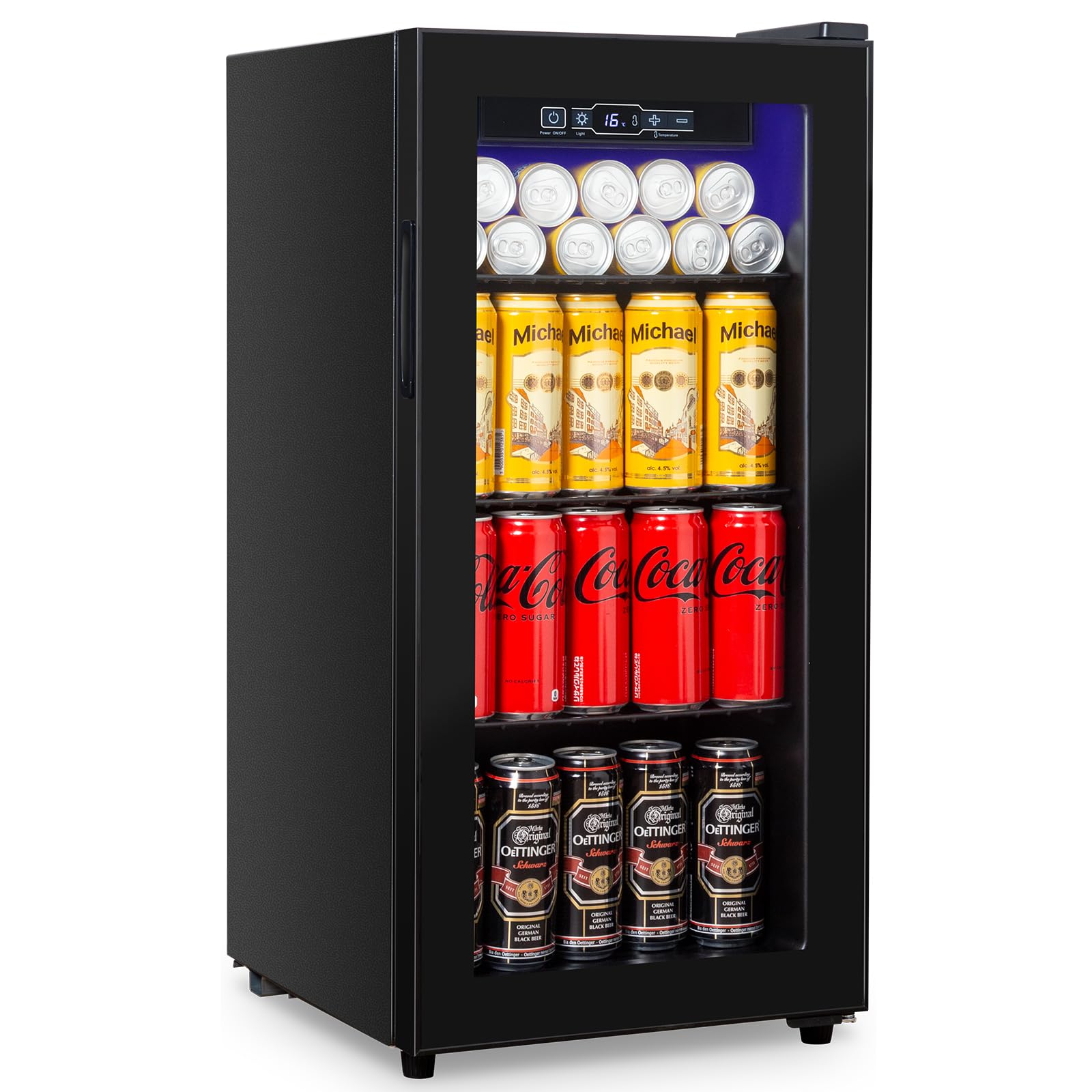
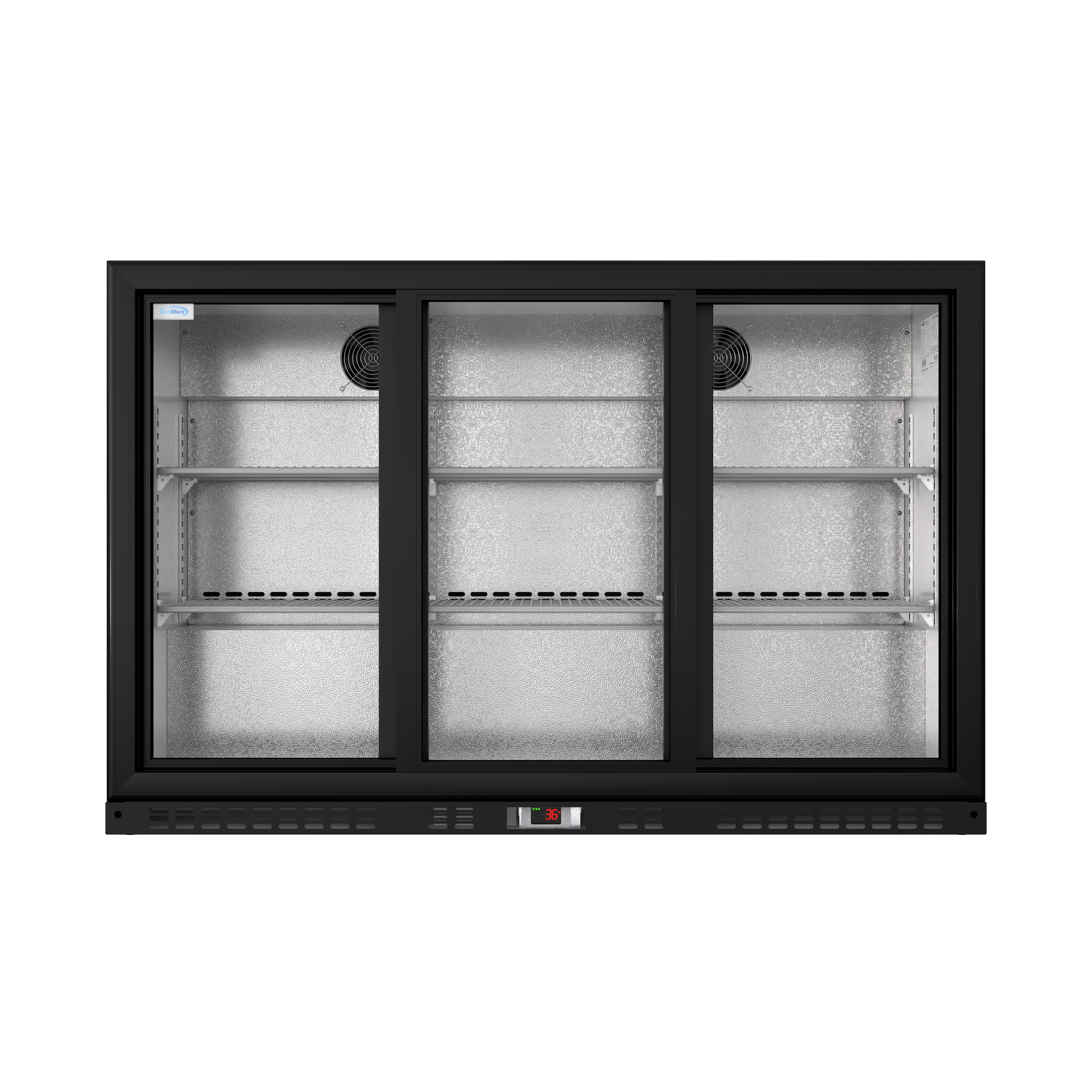
Most undercounter beverage centers feature glass doors with UV protection to showcase stored drinks while blocking harmful light that can degrade beverage quality.
Undercounter beverage centers excel at precise temperature control within the range that matters most for drink service.
An undercounter beverage center and a smart fridge serve very different roles in a modern kitchen, but buyers often weigh them against each other when planning a kitchen upgrade or addition. An undercounter beverage center is a compact, built-in appliance designed specifically to store and display drinks at optimal serving temperatures, while a smart fridge is a full-size refrigerator equipped with internet connectivity, touchscreen interfaces, and intelligent features like inventory tracking and voice control. Comparing these two appliances helps you decide whether a specialized beverage station or an all-in-one intelligent refrigerator better suits your household needs and budget.
What Is an Undercounter Beverage Center
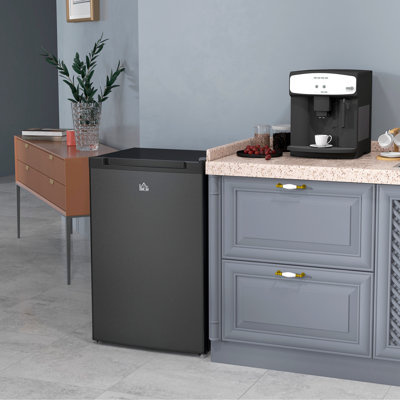
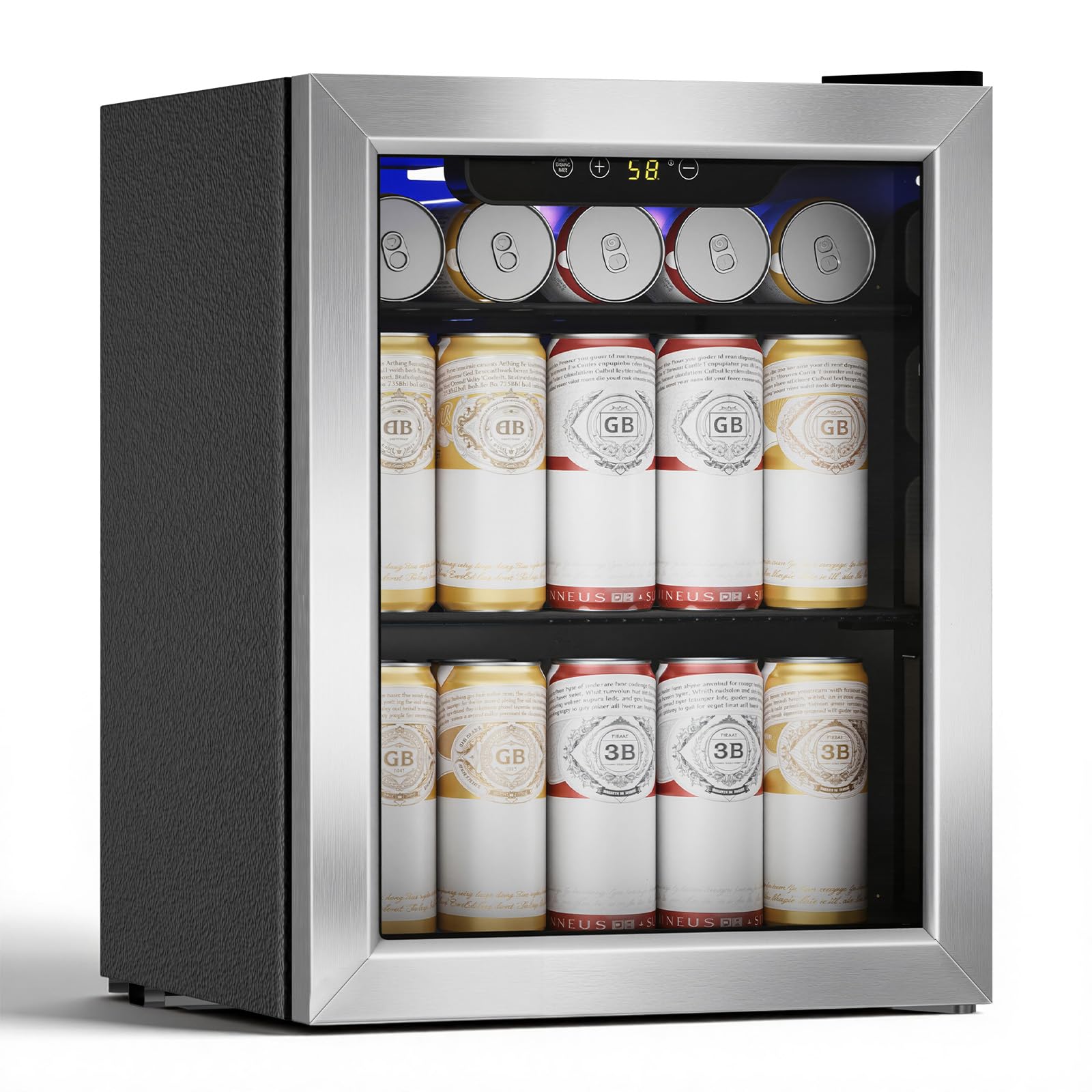
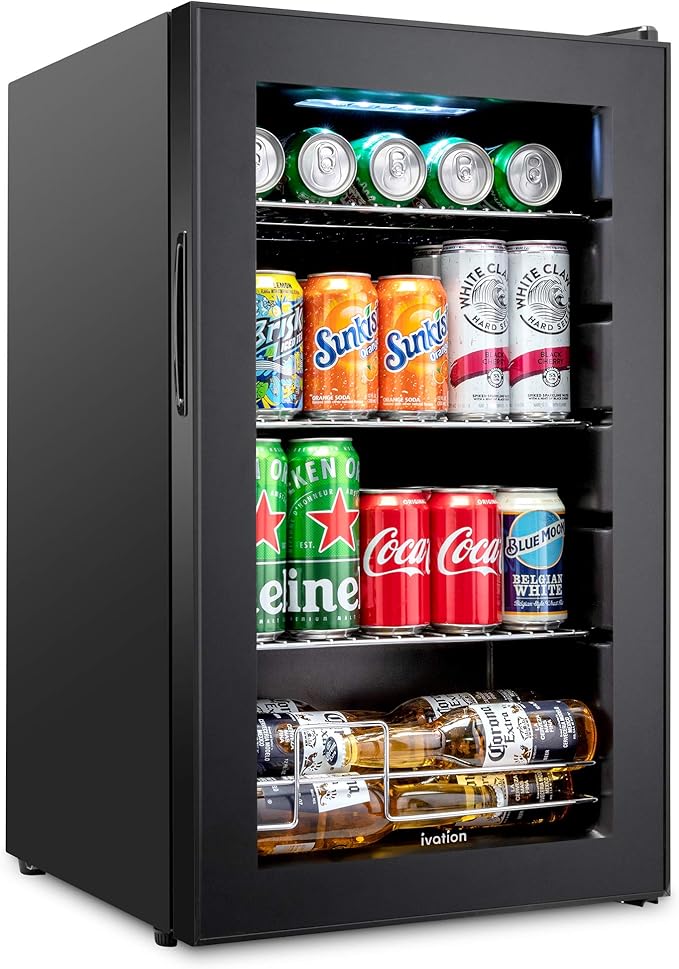
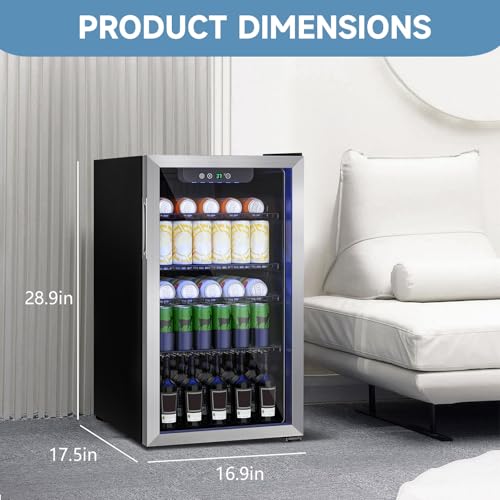
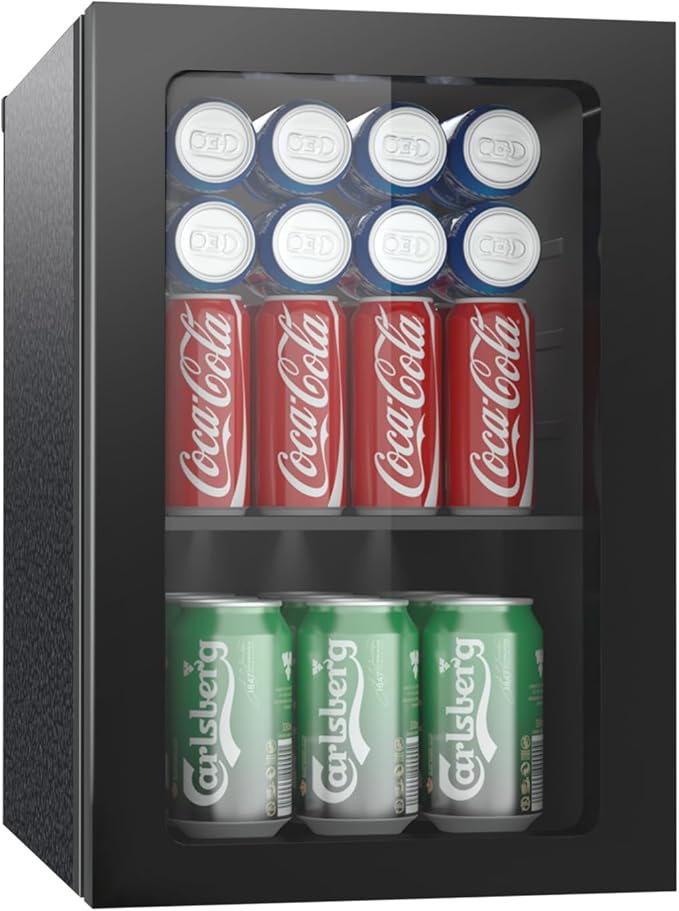
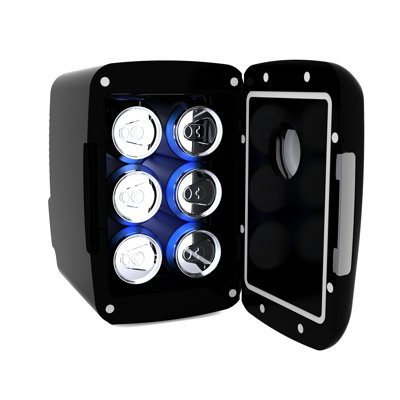
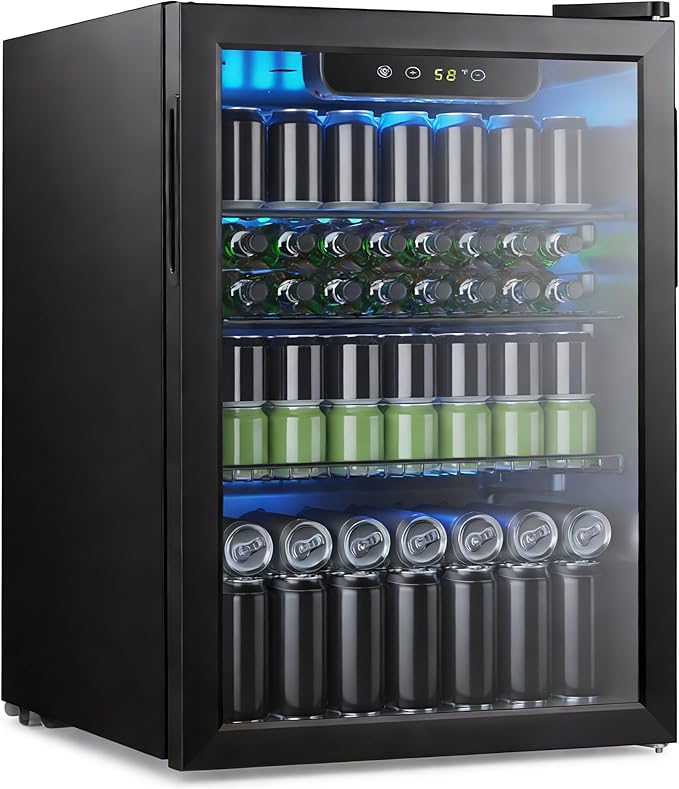
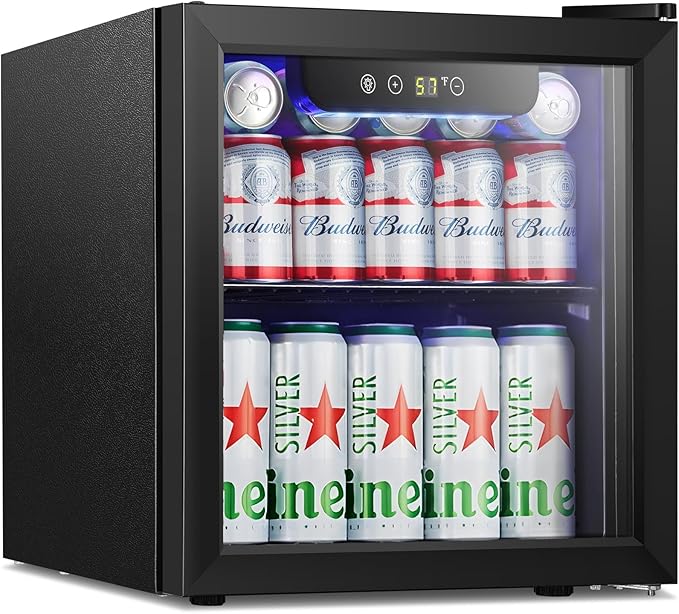
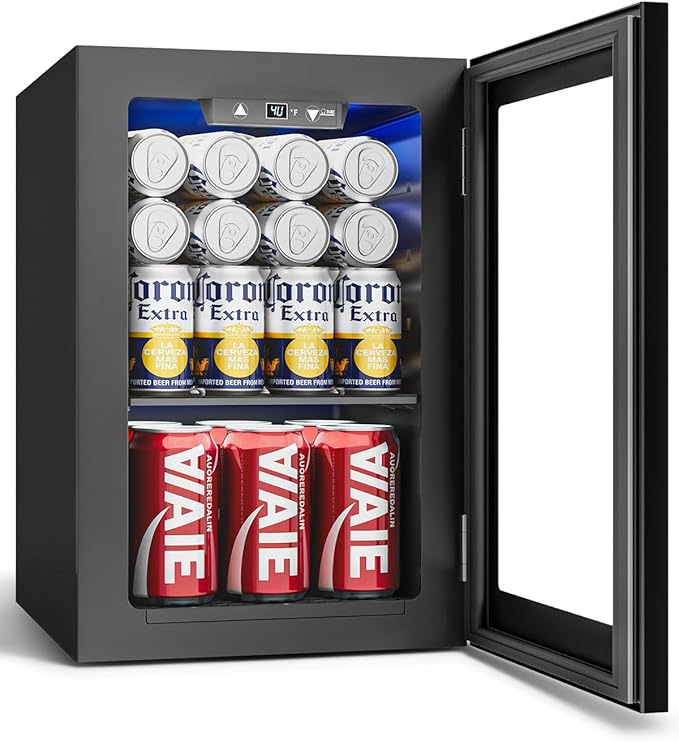
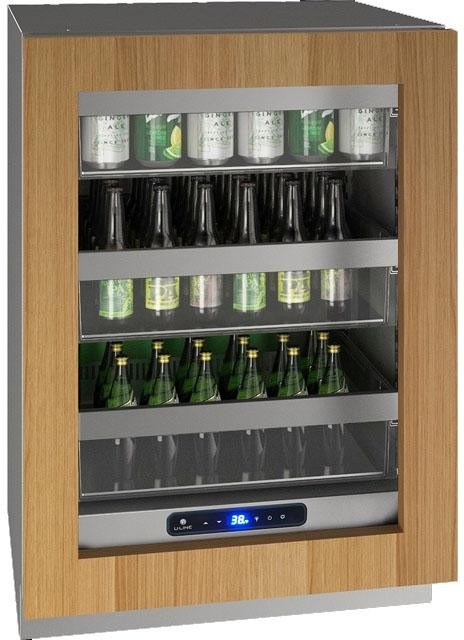
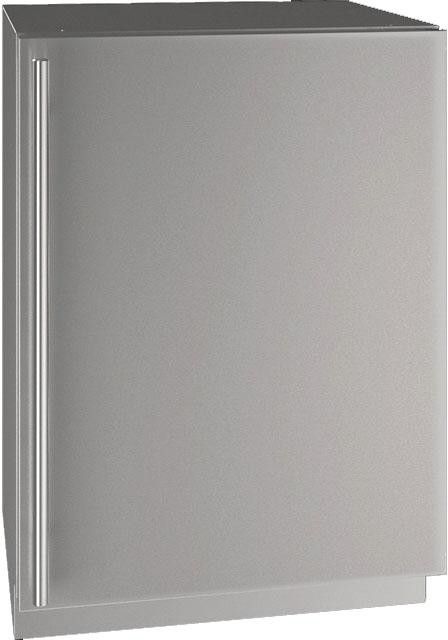
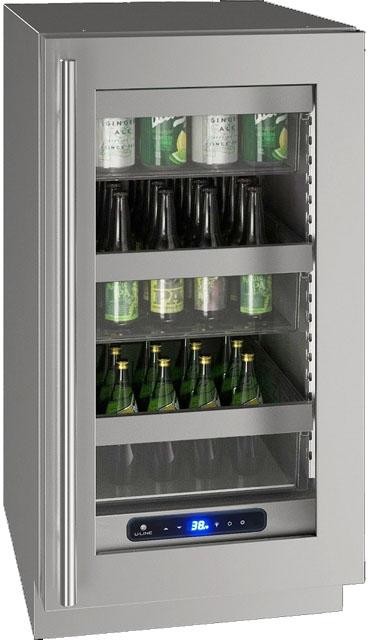
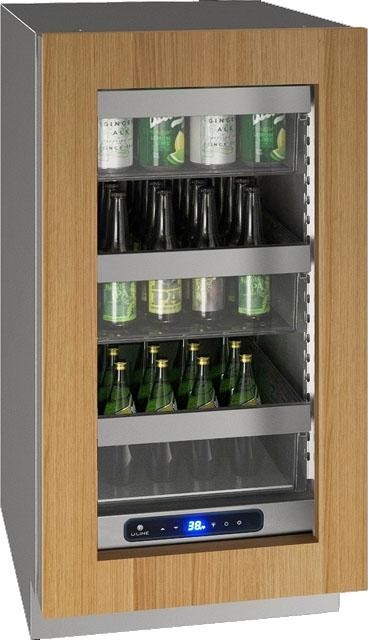
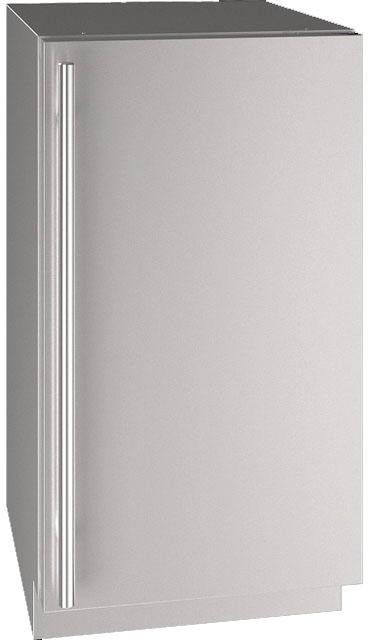
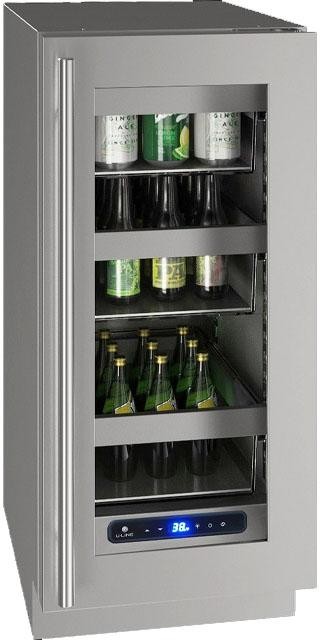
An undercounter beverage center is a compact refrigeration unit designed to fit beneath standard kitchen countertops, typically measuring between fifteen and twenty-four inches wide, twenty-two to twenty-five inches deep, and thirty-two to thirty-four inches tall. These units are purpose-built for storing cans, bottles, and other beverages at ideal drinking temperatures, usually between thirty-four and sixty-five degrees Fahrenheit depending on the model and the type of drinks being stored. The front-venting design allows them to be installed flush with cabinetry without requiring rear ventilation clearance.
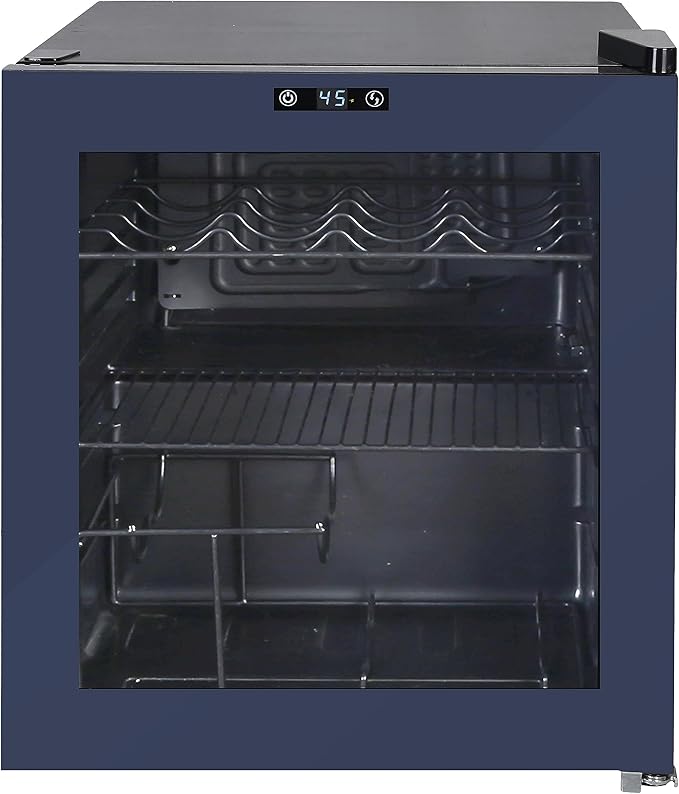
Most undercounter beverage centers feature glass doors with UV protection to showcase stored drinks while blocking harmful light that can degrade beverage quality. Interior layouts typically include three to five adjustable wire or glass shelves configured to hold a mix of cans and bottles, with capacity ranging from sixty to one hundred twenty standard twelve-ounce cans depending on the unit's width. Premium models include dual-zone temperature control, allowing you to store different beverage types at their optimal temperatures simultaneously, such as keeping white wine at fifty degrees in one zone while sodas chill at thirty-six degrees in another. LED interior lighting, digital temperature displays, and security locks round out the common feature set.
What Is a Smart Fridge
A smart fridge is a full-size refrigerator that integrates Wi-Fi connectivity, built-in cameras, touchscreen displays, and software applications into a traditional refrigerator-freezer design. These appliances typically measure thirty-three to thirty-six inches wide, sixty-eight to seventy inches tall, and thirty to thirty-six inches deep, providing total capacities between twenty-two and twenty-eight cubic feet. Smart fridges combine standard refrigeration and freezing functions with technology features designed to help manage food inventory, reduce waste, coordinate grocery shopping, and integrate with other smart home devices.
The technology features in smart fridges vary by manufacturer and model but commonly include internal cameras that let you view refrigerator contents remotely through a smartphone app, touchscreen panels on the door for managing calendars and leaving digital notes, voice assistant integration with platforms like Amazon Alexa or Google Assistant, and automatic alerts when doors are left open or temperatures deviate from set points. Some models include built-in water filtration with filter change reminders, energy usage tracking, and diagnostic systems that can identify potential maintenance issues before they cause failures. The refrigerator section maintains standard temperatures between thirty-five and thirty-eight degrees, while the freezer holds at zero degrees.
Undercounter beverage centers excel at precise temperature control within the range that matters most for drink service. Different beverages taste best at different temperatures: light beers and sodas at thirty-three to thirty-eight degrees, craft beers at forty to fifty degrees, white wines at forty-five to fifty-five degrees, and red wines at fifty-five to sixty-five degrees. Dual-zone beverage centers allow you to maintain two separate temperature environments within a single unit, ensuring each beverage type reaches the glass at its ideal serving temperature without any adjustment needed at the time of serving.
Smart fridges maintain excellent temperatures for general food preservation but lack the specialized beverage temperature zones that a beverage center provides. The fresh food section operates at a fixed range optimized for food safety rather than beverage enjoyment, typically between thirty-five and thirty-eight degrees. While this temperature works perfectly for sodas and light beers, it is too cold for most wines and many craft beers. You can adjust the temperature higher to accommodate wines, but doing so compromises the safety of perishable food items stored in the same compartment. Smart fridges simply cannot match the beverage-specific precision of a dedicated undercounter center.
An undercounter beverage center provides focused storage for drinks only, typically holding between sixty and one hundred fifty beverages depending on the unit's size and shelf configuration. Every inch of interior space is designed around bottle and can dimensions, with shelf spacing optimized for twelve-ounce cans, wine bottles, water bottles, and other common drink containers. This purpose-built layout maximizes beverage density in a small footprint, making it possible to store an impressive number of drinks in a unit that occupies less than four square feet of floor space.
A smart fridge provides vastly more total storage capacity, with twenty-two to twenty-eight cubic feet split between refrigerator and freezer sections. However, beverage storage competes with food for shelf space, crisper drawer room, and door bin capacity. A well-stocked smart fridge might dedicate four to six cubic feet to beverages at most, with the remainder serving food storage needs. While the smart fridge holds far more items overall, it cannot match the beverage-specific density and organization of a dedicated undercounter center. Many households that install a beverage center do so precisely to free up smart fridge space for food storage.
Smart fridges hold the clear advantage in technology integration. The built-in touchscreen serves as a kitchen hub for managing grocery lists, streaming recipes, playing music, and coordinating family calendars. Internal cameras photograph the refrigerator contents each time the door closes, letting you check what you have from the grocery store via your phone. Temperature alerts notify you if the door is left ajar or if a power outage disrupts cooling. Voice control through integrated assistants lets you add items to shopping lists, set timers, and check weather forecasts hands-free while cooking.
Undercounter beverage centers are primarily analog appliances with minimal smart features. Some premium models include Wi-Fi connectivity for remote temperature monitoring and alerts through a companion smartphone app, but these features are basic compared to what smart fridges offer. The strength of a beverage center lies not in technology but in its physical design optimized for one specific purpose. For buyers who want a technologically integrated kitchen experience, the smart fridge delivers dramatically more functionality. For buyers who simply want perfectly chilled drinks always ready to serve, the beverage center's simplicity is actually an advantage since there are fewer electronic components that can malfunction.
Energy Consumption
Undercounter beverage centers are relatively energy efficient given their small size, typically consuming between two hundred and three hundred fifty kilowatt-hours annually. This translates to roughly twenty-five to forty-five dollars per year in electricity costs. Dual-zone models consume slightly more than single-zone units due to the additional cooling system required to maintain two separate temperatures. The glass door on most models does allow more thermal transfer than a solid door, which contributes to higher energy use per cubic foot compared to a comparable solid-door refrigerator of the same size.
Smart fridges consume significantly more total energy due to their much larger size, with most models using between five hundred and seven hundred fifty kilowatt-hours annually, costing sixty to ninety-five dollars per year. The smart features including the touchscreen display, Wi-Fi module, cameras, and processors add a modest energy overhead of twenty to fifty kilowatt-hours annually beyond what a comparable non-smart refrigerator would consume. While the per-cubic-foot energy efficiency of a smart fridge is often better than a beverage center, the total annual cost is substantially higher simply because the appliance is so much larger.
Undercounter beverage centers typically operate between thirty and forty decibels, producing a quiet hum that blends into typical kitchen background noise. The small compressor cycles on and off to maintain temperature, and most units include vibration dampening systems to prevent buzzing or rattling, which is particularly important for models that store wine where vibration can disturb sediment in aging bottles. Premium beverage centers with thermoelectric cooling instead of compressor-based systems run even quieter, often below thirty decibels, though thermoelectric models are less effective at reaching very low temperatures.
Smart fridges operate between thirty-six and forty-six decibels, which is typical for full-size refrigerators. The larger compressor, ice maker operation, water dispenser mechanisms, and cooling fans all contribute to the noise profile. Smart features like the touchscreen do not add significant noise, though notification sounds and voice assistant responses create occasional audio alerts that compressor-only appliances do not produce. For open-concept living spaces, the smart fridge's higher noise level may be more noticeable than a beverage center's quiet operation.
Undercounter beverage centers span a wide price range depending on size, features, and build quality. Basic single-zone models with solid doors start around two hundred fifty to four hundred dollars, while mid-range models with glass doors and digital controls fall between five hundred and one thousand dollars. Premium dual-zone built-in models with stainless steel trim, UV-protected glass, and lockable doors range from one thousand to two thousand five hundred dollars. The highest-end models from luxury appliance brands can exceed three thousand dollars, though these are typically designed for high-end home bars and entertainment spaces.
Smart fridges represent a significantly larger investment. Entry-level smart refrigerators with basic connectivity features start around one thousand five hundred dollars, while mid-range models with touchscreens and internal cameras cost between two thousand and three thousand five hundred dollars. Premium smart fridges from top manufacturers with the full suite of features including family hub displays, multiple cameras, and advanced food management software range from three thousand five hundred to five thousand dollars or more. The technology components in smart fridges also have a shorter useful lifespan than the mechanical refrigeration system, meaning software may become outdated or unsupported before the appliance itself needs replacement.
Price Range
Undercounter Beverage Center
Smart Fridge
Budget
$250–$500
$1,500–$2,000
Mid-Range
$500–$1,500
$2,000–$3,500
Premium
$1,500–$3,000+
$3,500–$5,000+
Annual Energy Cost
$25–$45
$60–$95
Installation Requirements
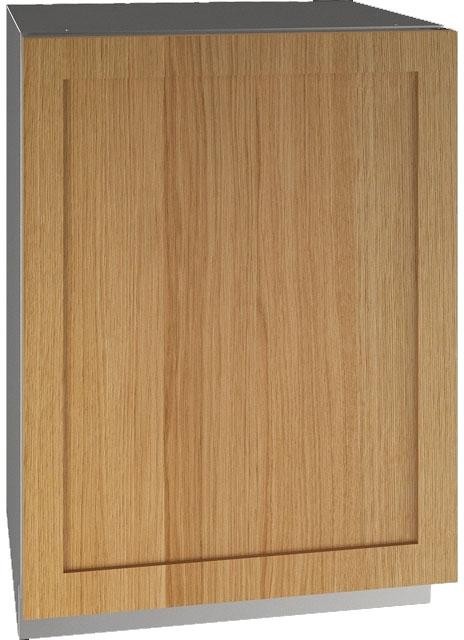
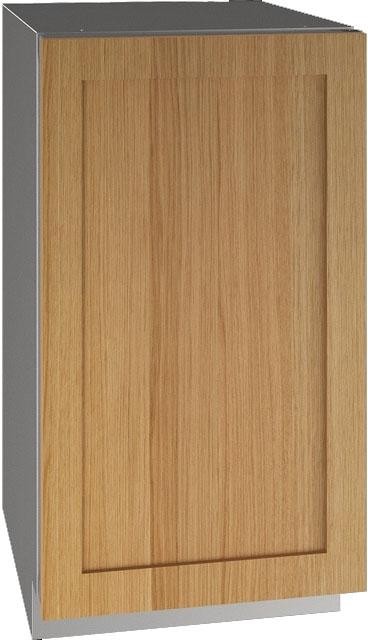
Undercounter beverage centers are designed for built-in installation beneath countertops, requiring a prepared cabinet opening of the appropriate width, a standard electrical outlet, and adequate ventilation through the front grille. The front-venting design eliminates the need for rear or side clearance, allowing the unit to sit flush with surrounding cabinetry for a seamless look. Installation is straightforward and typically takes less than an hour, though custom panel-ready models that match your existing cabinetry require additional carpentry work for the panel overlay.
Smart fridges require standard full-size refrigerator installation with appropriate electrical outlet, water line connection for ice makers and water dispensers, and Wi-Fi network connectivity for smart features. The larger footprint needs thirty-three to thirty-six inches of counter opening width and adequate clearance for door swing. Smart fridge setup additionally involves downloading the manufacturer's app, connecting the appliance to your home Wi-Fi network, creating an account, and configuring features like camera angles, notification preferences, and voice assistant integration. This initial setup process can take thirty minutes to an hour beyond the physical installation.
Undercounter beverage centers require minimal maintenance, primarily consisting of cleaning the condenser coils every six to twelve months, wiping down interior shelves and door gaskets, and replacing the carbon filter if the model includes an air filtration system. These units typically last ten to fifteen years with proper care, and repairs are usually limited to thermostat replacement, fan motor service, or door gasket replacement, all of which are affordable and widely available. The absence of complex electronic systems means fewer potential failure points and lower long-term repair costs.
Smart fridges require the same basic mechanical maintenance as any full-size refrigerator, including condenser coil cleaning, water filter replacement every six months, ice maker servicing, and door gasket inspection. Additionally, the smart components require software updates, occasional app troubleshooting, camera lens cleaning, and touchscreen calibration. The technology components typically have a useful lifespan of five to eight years before software support diminishes or hardware becomes outdated, which is shorter than the twelve to fifteen year mechanical lifespan of the refrigeration system itself. This means you may end up with a still-functional refrigerator whose smart features no longer work as intended.
The biggest mistake is comparing these appliances as direct alternatives when they serve different primary functions. An undercounter beverage center cannot replace a full-size refrigerator for food storage, and a smart fridge cannot match a dedicated beverage center's drink storage optimization. These appliances complement each other rather than compete. Many well-equipped kitchens include both a smart fridge for primary food storage and an undercounter beverage center for entertaining and quick drink access.
Another common error is overvaluing smart features during the purchase decision. The touchscreen, cameras, and voice assistant feel exciting in the showroom but many owners report using these features less than expected after the novelty wears off. If your primary motivation for buying a smart fridge is the technology rather than the refrigeration, you may find that a standard high-quality refrigerator paired with a tablet or smart display provides similar functionality at a lower total cost. Conversely, buyers sometimes dismiss beverage centers as luxury items when they genuinely improve daily convenience and free up significant fridge space in households that consume many beverages.
Who Should Buy Which
An undercounter beverage center is the right choice for households that entertain frequently, enjoy wine and craft beer at proper serving temperatures, want to free up main refrigerator space, or are designing a home bar, outdoor kitchen, or entertainment area. It excels as a supplemental appliance that enhances your beverage experience without trying to replace your primary refrigerator. The focused design delivers better beverage storage than any section of any full-size refrigerator can match.
A smart fridge is the right choice for households that want an all-in-one primary refrigerator with modern technology integration. It suits tech-forward families who value features like remote inventory checking, voice-controlled kitchen assistance, and digital family coordination. If you are replacing your main refrigerator and want the most feature-rich option available, a smart fridge delivers both excellent food preservation and a connected kitchen experience. Browse beverage centers and smart refrigerators at Fridge.com to find the right appliance for your kitchen.
Compare prices on Fridge.com
Fridge.com carries a curated selection of both undercounter beverage centers and smart refrigerators from leading brands. Whether you want a sleek built-in beverage station for your home bar or a fully connected smart fridge for your kitchen, Fridge.com has the right model at the right price. Every purchase includes free shipping and expert customer support to help you choose and install your new appliance with confidence.
Frequently Asked Questions
No — the beverage center stores drinks in an under-counter display. The smart fridge stores all household food with connected technology. They complement each other in well-equipped kitchens. Compare at Fridge.com.
Free tool
Beverage Cooler Size Calculator
Free interactive tool from Fridge.com — get a quick answer while you read.