At -15°F, ice cream maintains the ideal dipping consistency — firm enough to hold its shape on a cone but soft enough to scoop smoothly with a standard dipping spade.
The freezer compartment maintains 0°F for frozen meals, meats, vegetables, ice cream, ice trays, and other frozen goods.
The refrigerator compartment maintains 34-42°F with adjustable shelves, crisper drawers, and door bins for produce, dairy, beverages, condiments, and leftovers.
Total capacity ranges from 14 to 22 cubic feet, with the freezer typically occupying 25-30% of the total volume.
A top-freezer refrigerator and an ice cream freezer chest are entirely different appliances serving entirely different purposes in entirely different settings. A top-freezer refrigerator is a standard household kitchen appliance that combines a fresh food compartment at 34-42°F with a freezer compartment at 0°F — designed for daily family food storage across refrigerated and frozen items. An ice cream freezer chest is a commercial or semi-commercial appliance that maintains -10°F to -20°F in a top-opening, glass-lid display format — designed specifically for storing and merchandising ice cream at the ultra-cold temperatures required to maintain scoopable consistency and prevent ice crystal formation. This guide compares every aspect of both appliances so you understand exactly what each does, who needs which, and why one cannot substitute for the other.
What Is a Top-Freezer Refrigerator?
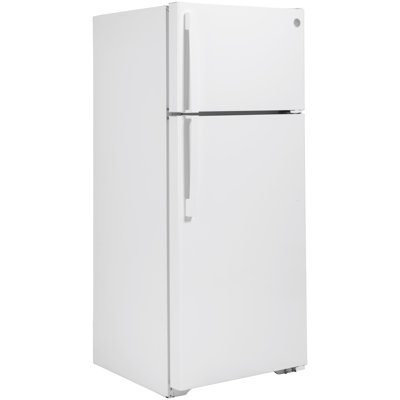
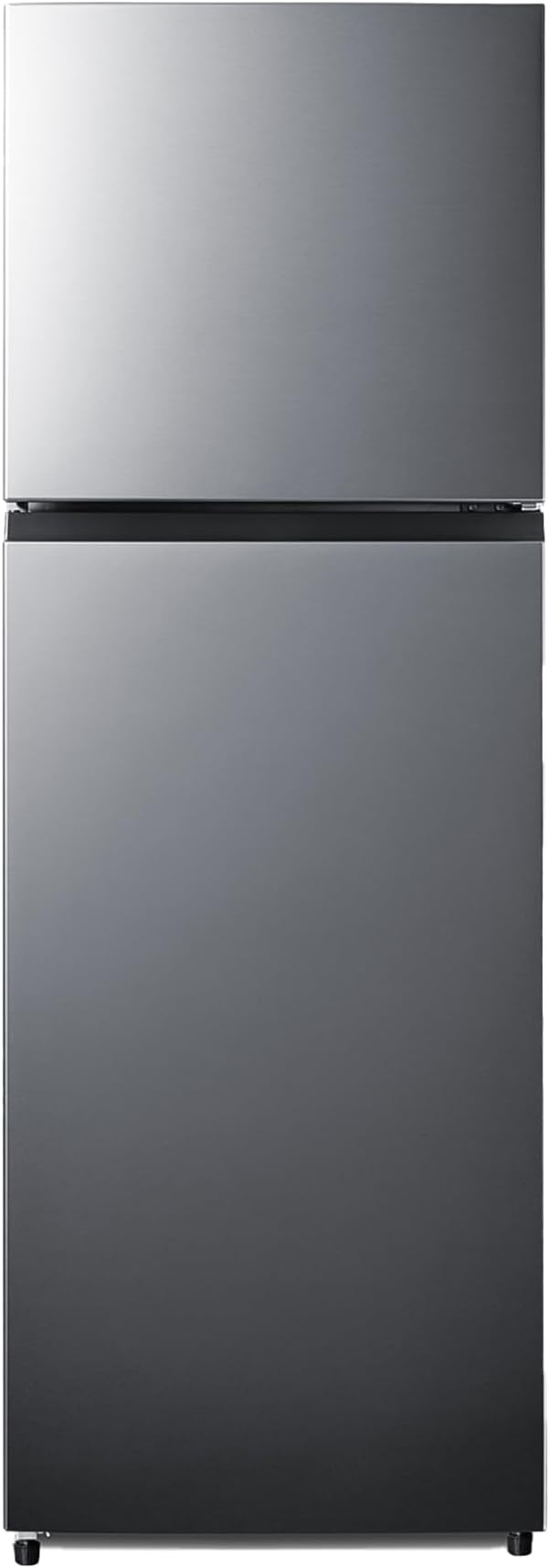
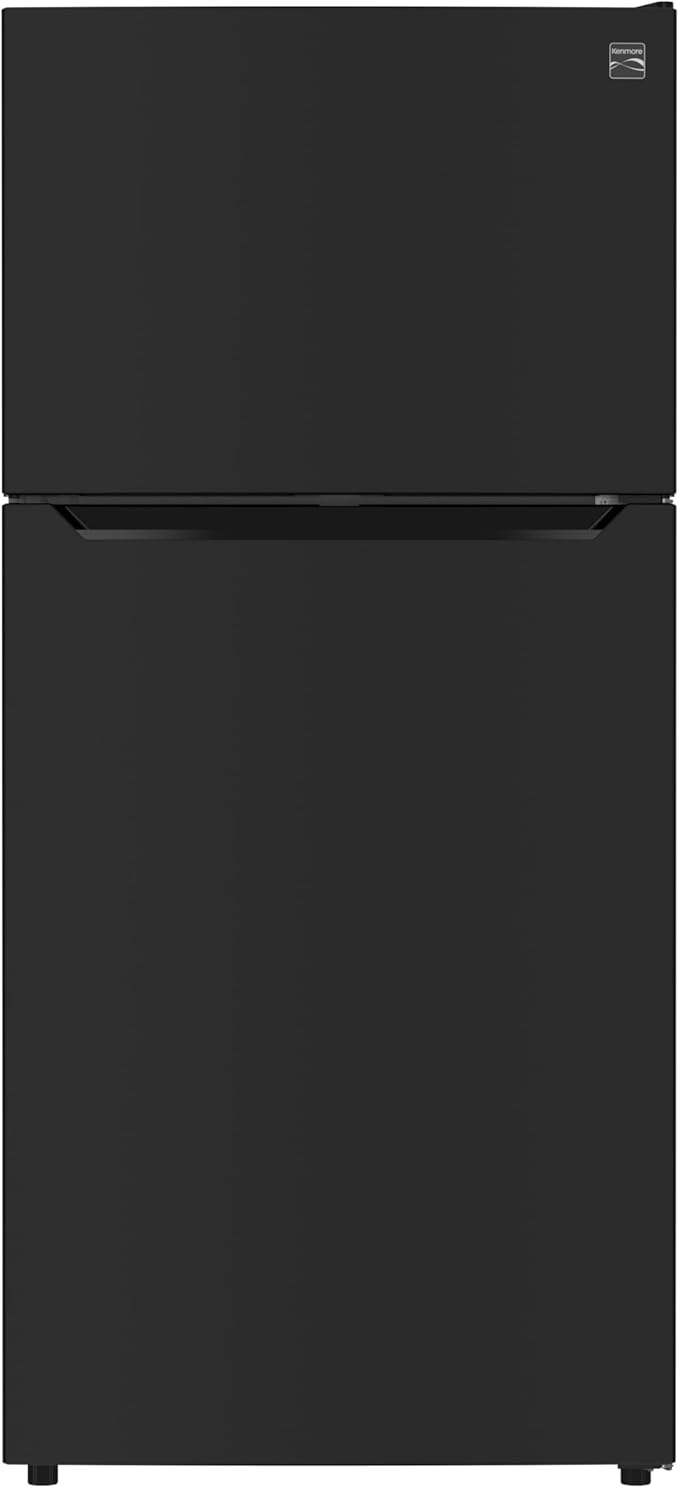
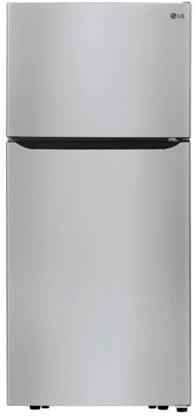
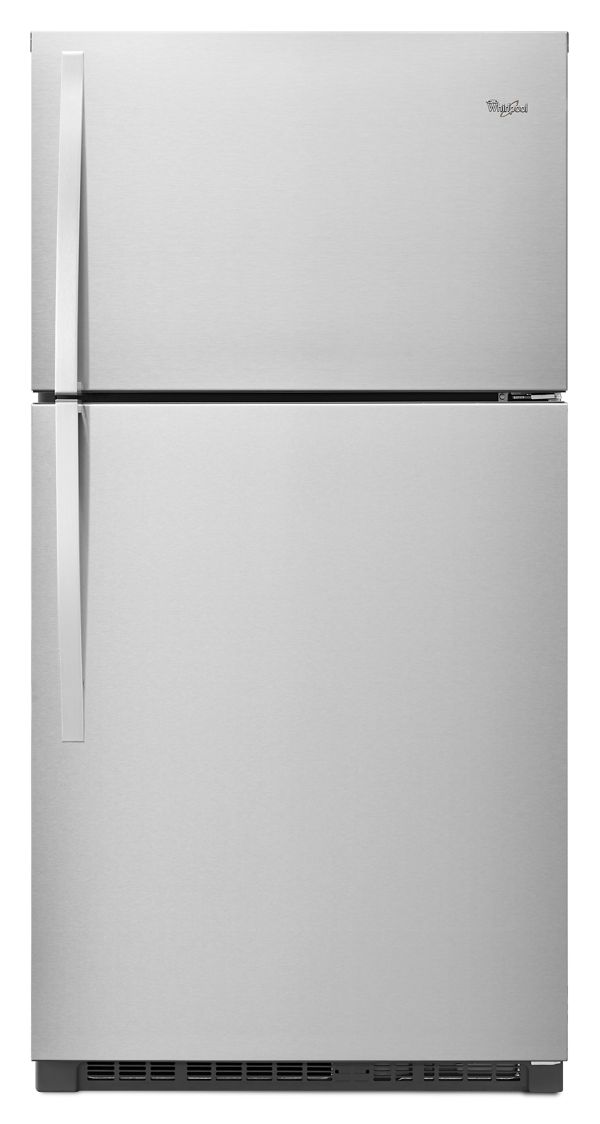
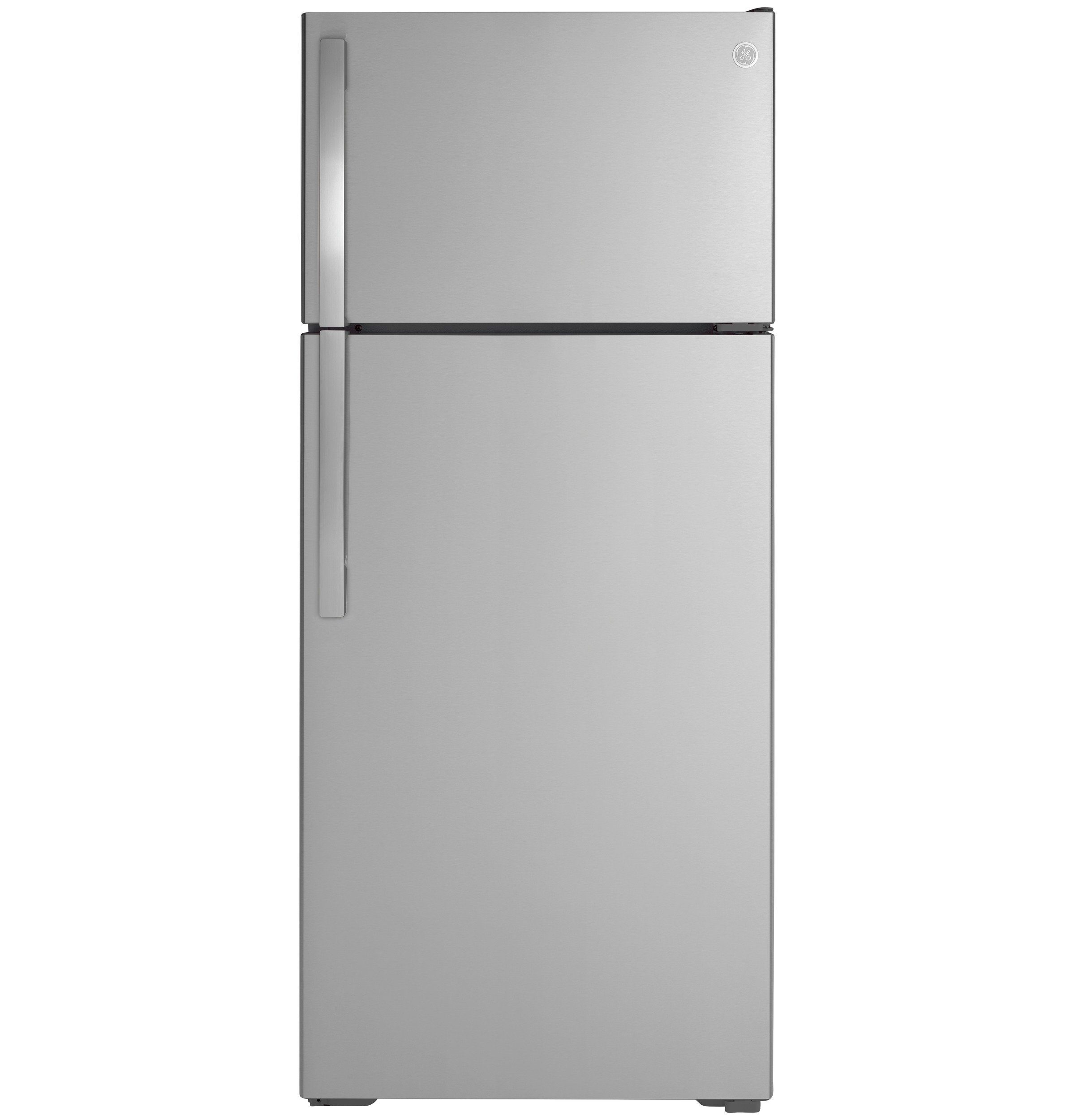
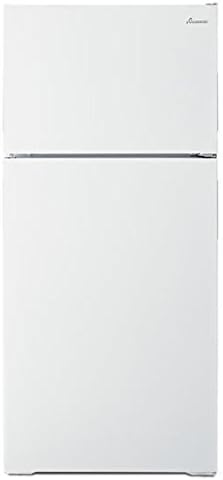
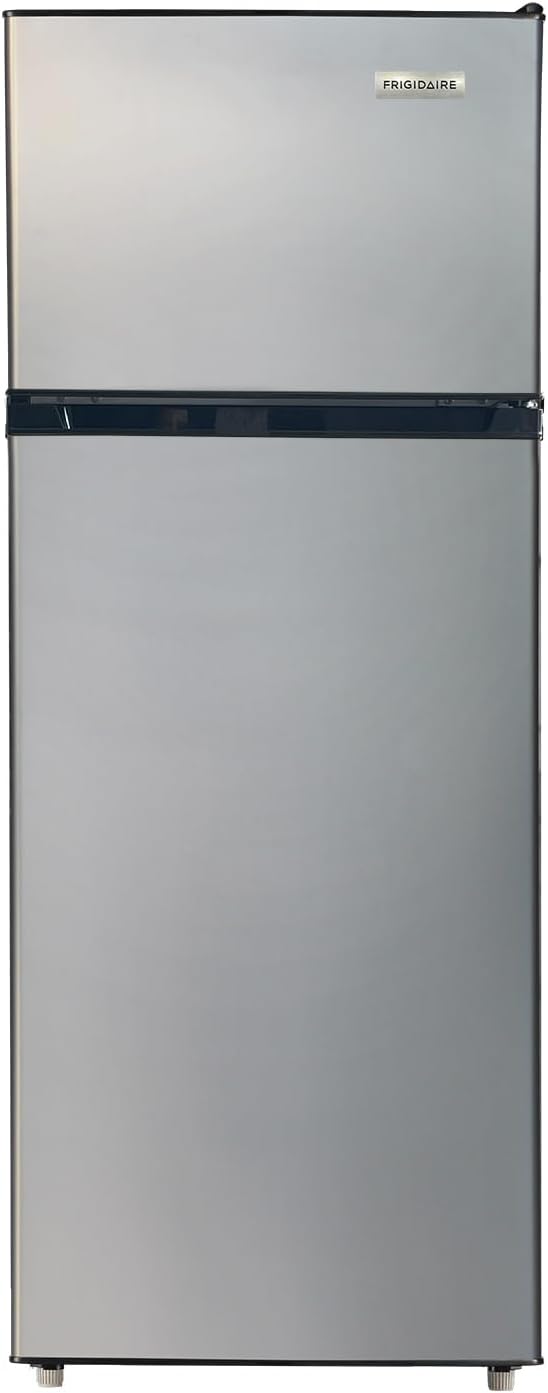
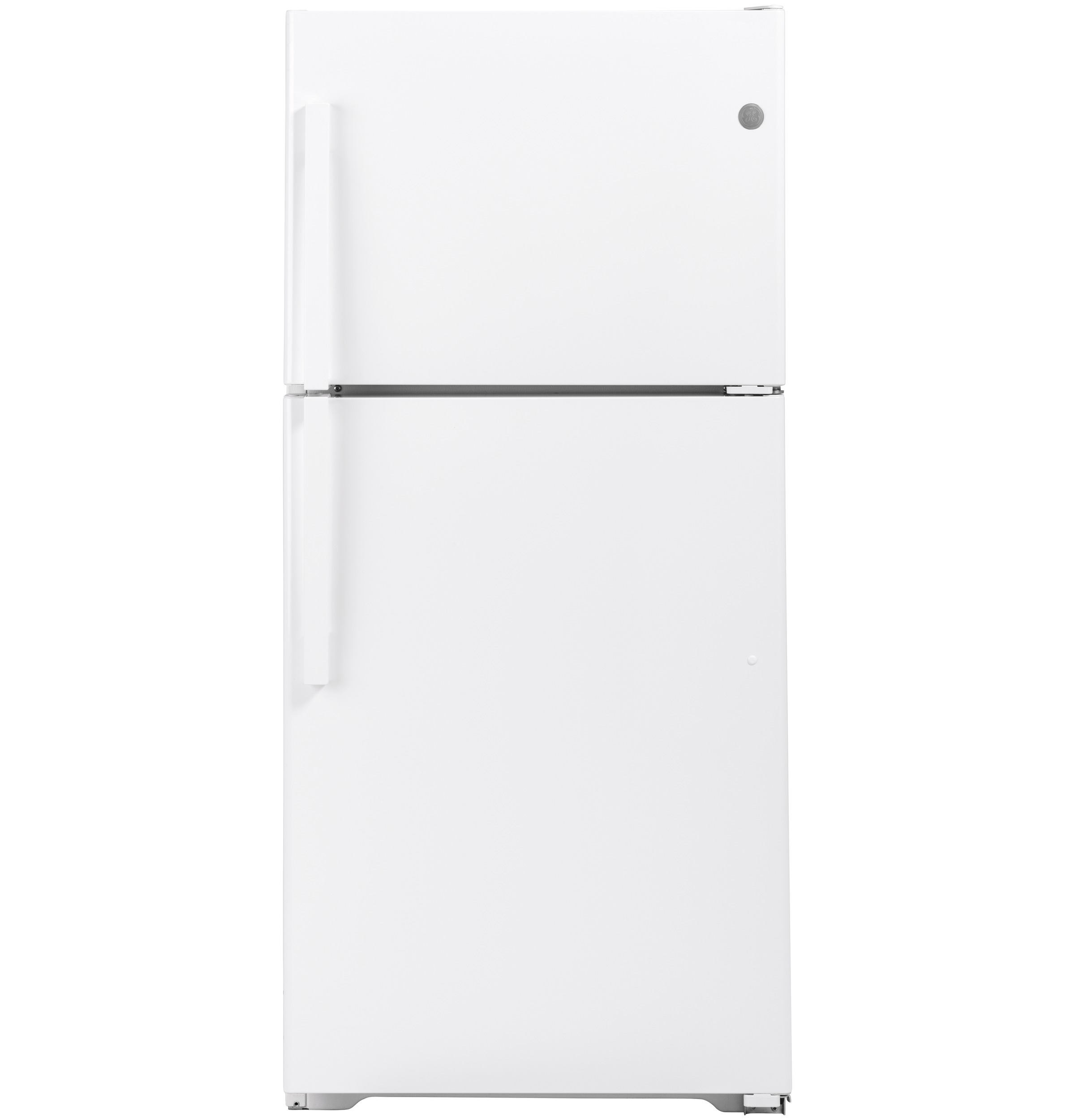
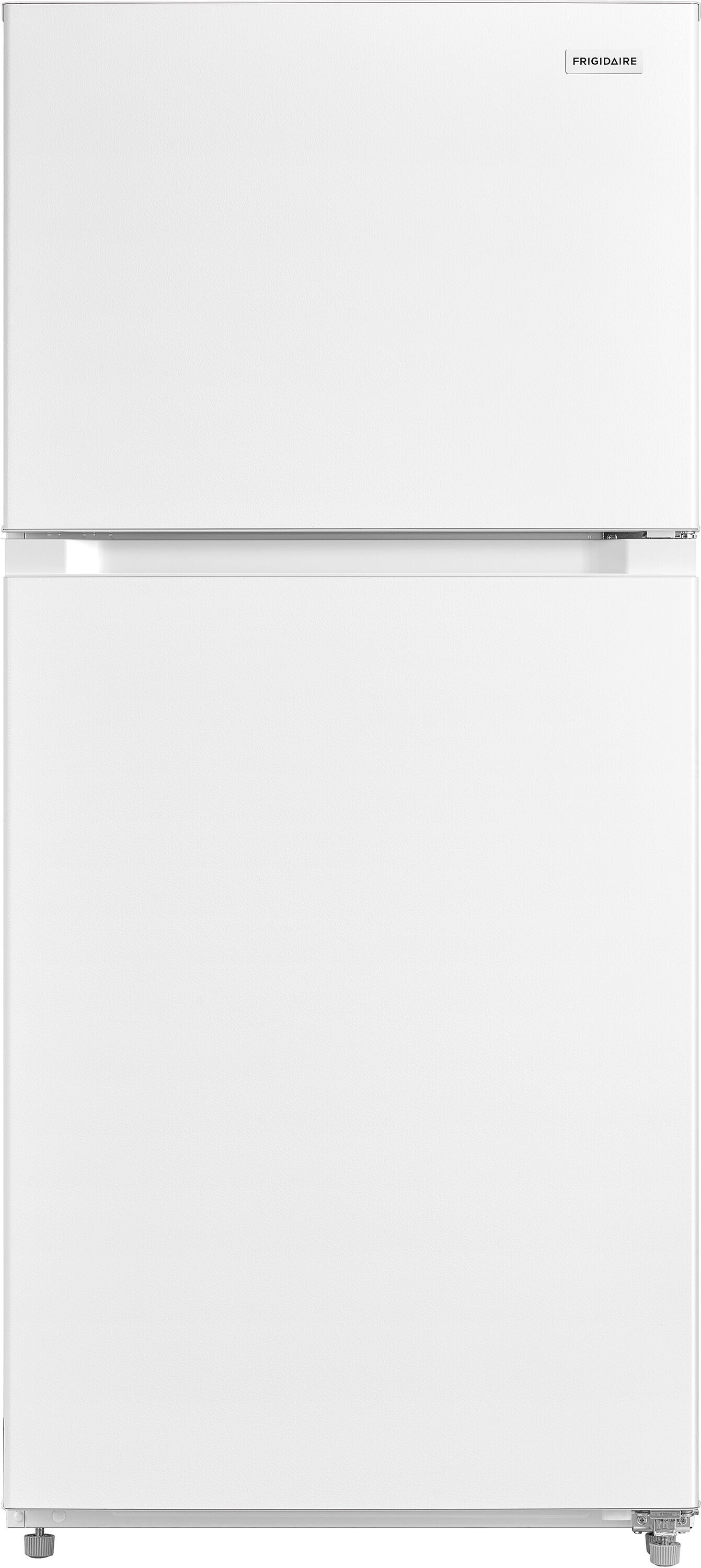
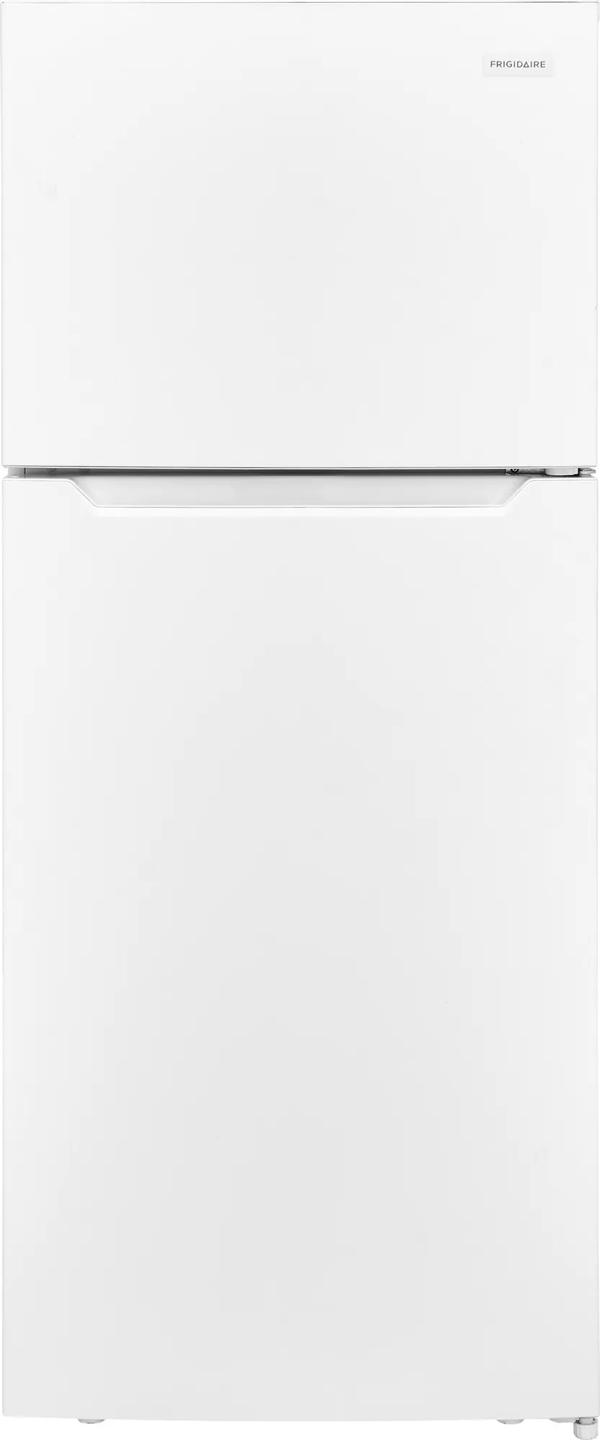
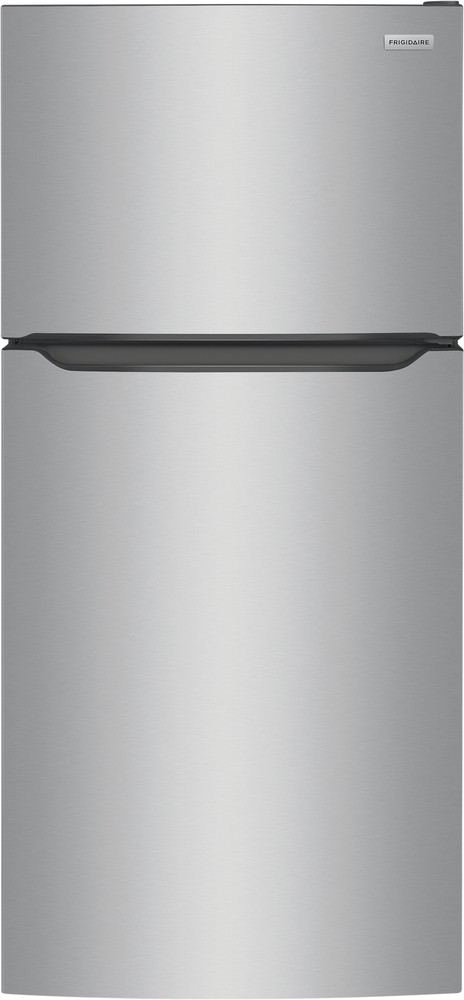
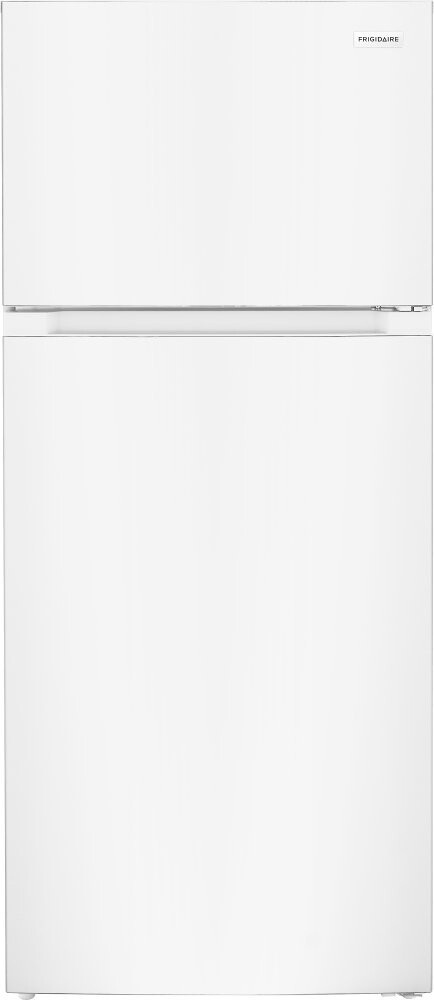
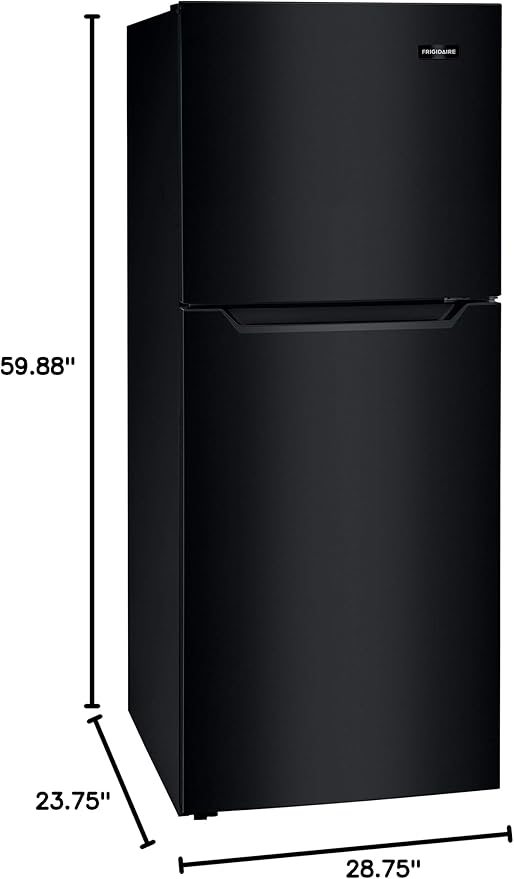
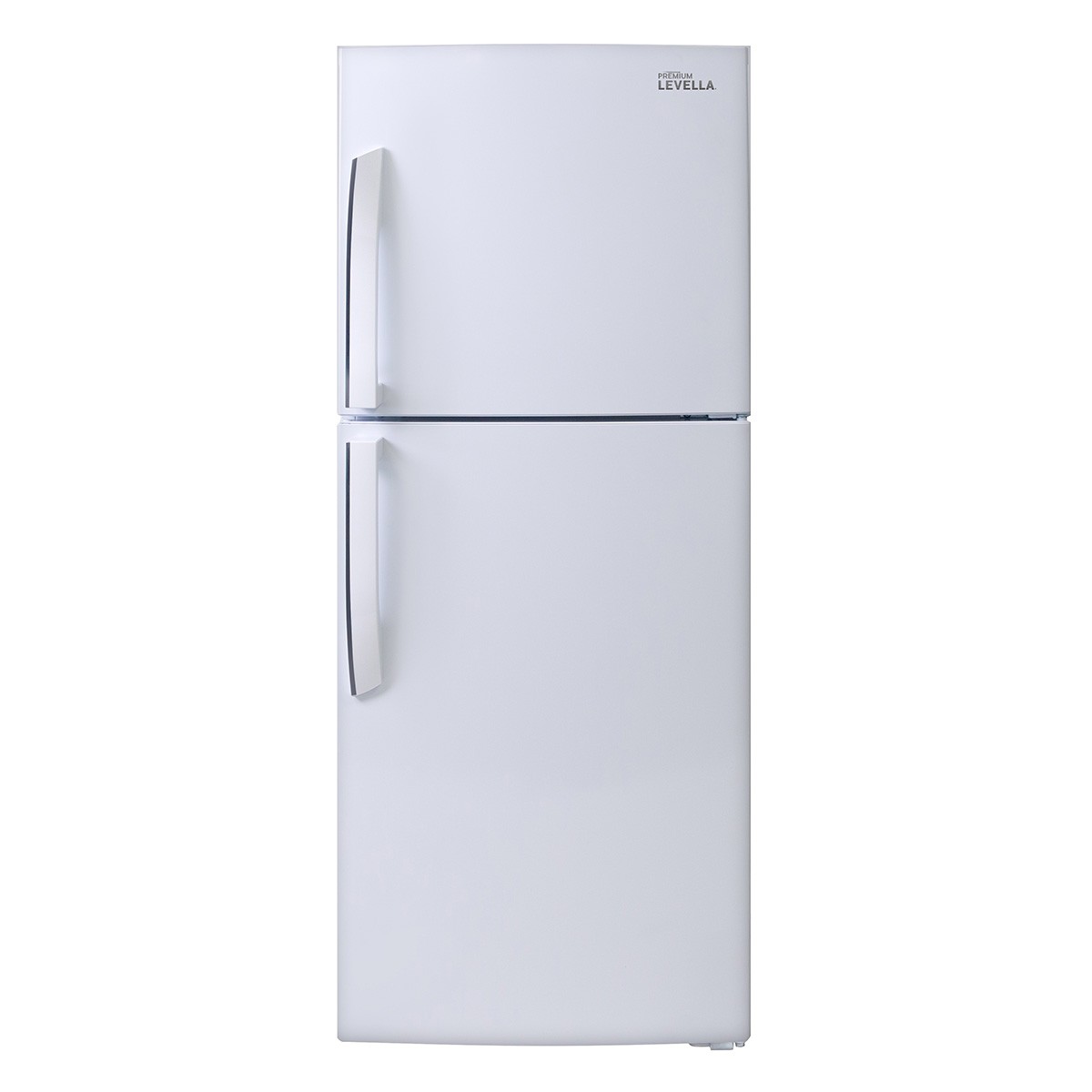
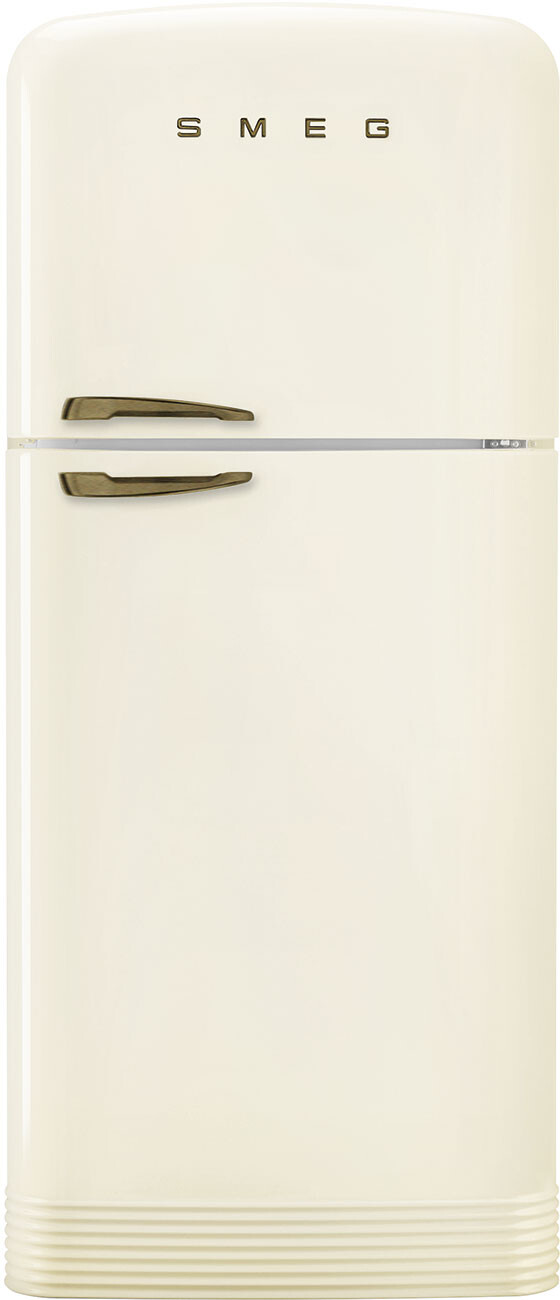
A top-freezer refrigerator is the classic American kitchen appliance — a full-size, two-compartment unit with the freezer section on top and the fresh food section below. The freezer compartment maintains 0°F for frozen meals, meats, vegetables, ice cream, ice trays, and other frozen goods. The refrigerator compartment maintains 34-42°F with adjustable shelves, crisper drawers, and door bins for produce, dairy, beverages, condiments, and leftovers. Total capacity ranges from 14 to 22 cubic feet, with the freezer typically occupying 25-30% of the total volume.
The top-freezer configuration is the most affordable and energy-efficient full-size refrigerator format. Its straightforward two-door, two-compartment design uses a single compressor system with proven reliability. The top-freezer refrigerator has been the standard American kitchen appliance for decades, and its design simplicity translates to lower purchase prices, lower repair costs, and longer lifespans than more complex French door or side-by-side configurations. It is a household appliance designed for one kitchen serving one family's daily food storage needs.
What Is an Ice Cream Freezer Chest?
An ice cream freezer chest is a commercial-grade or semi-commercial freezer designed specifically for ice cream storage and display. The defining feature is the sliding glass lid on top that allows customers or users to see the ice cream containers inside, select their flavor, and reach in to scoop or retrieve a container. The interior maintains -10°F to -20°F — significantly colder than a standard household freezer's 0°F — because ice cream requires ultra-cold temperatures to maintain its creamy, scoopable texture without developing the hard, crystallized consistency that occurs at warmer freezer temperatures.
Ice cream freezer chests range from compact 5-cubic-foot models suitable for small shops and home entertainment spaces to large 20-cubic-foot commercial units used in ice cream parlors, convenience stores, and supermarket freezer aisles. The glass lid provides merchandising visibility — customers see the colorful containers and branding without opening the unit, which preserves cold air and reduces energy consumption. Interior configurations include flat-bottom layouts for stacked containers, basket systems for organized inventory, and display-angled racks that showcase product labels. The ice cream freezer chest is a specialty commercial appliance — purpose-built for one frozen product category at temperatures far colder than any household freezer provides.
The 10-20 degree temperature difference between a household freezer at 0°F and an ice cream chest at -10°F to -20°F might seem small, but it has an enormous impact on ice cream quality. At 0°F, ice cream is rock-hard — you need to let it sit on the counter for 5-10 minutes before scooping, and the texture alternates between icy and overly soft as it thaws unevenly. At -15°F, ice cream maintains the ideal dipping consistency — firm enough to hold its shape on a cone but soft enough to scoop smoothly with a standard dipping spade. Commercial ice cream shops maintain their display freezers at precisely this temperature range because serving quality depends on it. The top-freezer refrigerator's 0°F freezer stores ice cream safely but cannot deliver the serving experience that a dedicated ice cream chest provides.
Capacity and Layout
Appliance
Total Volume
Freezer Volume
Fresh Food Volume
Top-Freezer Refrigerator (18 cu ft)
18 cu ft
4-5 cu ft
13-14 cu ft
Top-Freezer Refrigerator (21 cu ft)
21 cu ft
5-6 cu ft
15-16 cu ft
Ice Cream Freezer Chest (8 cu ft)
8 cu ft
8 cu ft (all freezer)
None
Ice Cream Freezer Chest (16 cu ft)
16 cu ft
16 cu ft (all freezer)
None
These appliances allocate their volume completely differently. The top-freezer refrigerator splits its capacity between fresh food (70-75%) and freezer (25-30%), providing comprehensive household food storage across both temperature zones. The ice cream freezer chest dedicates 100% of its volume to ultra-cold frozen storage at a single temperature — it has no refrigerator compartment, no crisper drawers, no door bins. The ice cream chest is a pure freezer optimized for a single product category, while the top-freezer refrigerator is a dual-purpose household appliance serving all daily food storage needs.
Energy Consumption
Appliance
Annual kWh
Annual Cost
Top-Freezer Refrigerator (18 cu ft)
350-450 kWh
$46-$59
Ice Cream Freezer Chest (8 cu ft)
400-600 kWh
$52-$78
Ice Cream Freezer Chest (16 cu ft)
600-900 kWh
$78-$117
Ice cream freezer chests consume more energy than top-freezer refrigerators despite having dedicated freezer-only operation because they maintain much colder temperatures. Holding -15°F requires significantly more compressor work than holding 0°F, and the glass display lid — while great for visibility — conducts more heat than the insulated solid door on a household freezer. The top-opening design helps retain cold air (cold air settles, so it stays in the chest when the lid opens), but the ultra-cold temperature target and glass lid thermal penalty still result in higher energy consumption per cubic foot than a standard household freezer.
Top-freezer refrigerators are built to household standards — standard compressor systems, residential-grade insulation, and consumer-oriented finishes in stainless steel, white, or black. They are designed for a single household's daily use with moderate door-opening frequency and a controlled indoor kitchen environment. Expected lifespan is 12-18 years with standard maintenance.
Ice cream freezer chests are built to commercial or semi-commercial standards — heavy-duty compressors rated for continuous operation, thick commercial insulation, tempered glass lids designed for thousands of open-close cycles, and stainless steel or commercial-grade painted exteriors that withstand the wear of retail environments. The compressor systems in commercial ice cream chests are engineered for the sustained ultra-cold temperatures and frequent lid openings that occur in high-traffic ice cream shops. This commercial construction adds significant cost but delivers durability measured in decades of reliable service — many commercial ice cream chests operate for 15-25 years in demanding retail environments.
Noise Levels
Top-freezer refrigerators operate at 36-44 decibels — standard kitchen appliance noise levels acceptable for residential living. Ice cream freezer chests run at 42-52 decibels — louder because the heavy-duty compressors work harder to maintain ultra-cold temperatures. In commercial settings where background music, conversation, and equipment noise are constant, the compressor sound goes unnoticed. In a home environment, an ice cream chest is noticeably louder than a standard refrigerator and may be disruptive in quiet living spaces. Home users who install ice cream chests for entertaining typically place them in basements, garages, or dedicated entertainment rooms rather than in the main kitchen. Soundproofing measures such as rubber compressor mats and placement on vibration-absorbing pads can reduce noise transmission in home installations, but the commercial compressor will always run louder than a household appliance.
Pricing
Appliance
Budget
Mid-Range
Commercial
Top-Freezer Refrigerator
$500-$800
$800-$1,200
N/A (household only)
Ice Cream Freezer Chest (small)
$800-$1,500
$1,500-$2,500
$2,500-$5,000
Ice Cream Freezer Chest (large)
$1,500-$2,500
$2,500-$4,000
$4,000-$8,000
Ice cream freezer chests cost significantly more than top-freezer refrigerators because of their commercial-grade construction, ultra-cold capable compressors, tempered glass lids, and specialized insulation systems. Even a small ice cream chest costs more than a full-size top-freezer refrigerator. The price reflects the specialized commercial engineering — these are revenue-generating business equipment for ice cream shops, not household consumer appliances. Home enthusiasts who purchase ice cream chests for personal use pay the commercial price premium for an appliance designed to serve professional ice cream operations. However, for serious ice cream enthusiasts who make homemade ice cream, host dessert parties, or simply want the authentic scoop-shop experience at home, the investment delivers a dramatically superior ice cream serving experience that a household freezer cannot match at any price.
Top-freezer refrigerators install in standard kitchen alcoves — 30 to 33 inches wide, with a dedicated electrical outlet and optional water line for ice makers. The installation is straightforward and the appliance fits any standard American kitchen layout. Ice cream freezer chests require floor space — 30 to 60 inches wide and 24 to 30 inches deep depending on capacity — plus a commercial-grade electrical outlet (some larger models require 20-amp circuits). They cannot install in standard kitchen cabinetry because of their top-opening design and irregular dimensions. Commercial establishments place them in customer-facing areas for merchandising. Home users install them in basements, garages, entertainment rooms, or commercial-style home kitchens with adequate floor space.
Maintenance Requirements
Top-freezer refrigerators need standard household maintenance — condenser coil cleaning, gasket inspection, defrost drain cleaning, and interior wiping. Frost-free models handle defrosting automatically. Parts are widely available and affordable. Repairs are straightforward for any appliance technician.
Ice cream freezer chests require commercial-grade maintenance — more frequent condenser coil cleaning due to the heavy-duty compressor operation, glass lid seal inspection, interior temperature calibration checks, and periodic defrosting of the display area. The tempered glass lids need regular cleaning for display clarity. Commercial models may require specialized technicians familiar with commercial refrigeration systems. Parts availability depends on the manufacturer and model — commercial parts can be more expensive and harder to source than household appliance components.
Who Should Buy Which
Buy a top-freezer refrigerator if you need a reliable, affordable, energy-efficient kitchen appliance for daily household food storage. The top-freezer format provides the best value in full-size refrigeration — proven reliability, low purchase price, low energy costs, and long lifespan. It stores ice cream adequately at 0°F alongside all your other frozen and fresh foods, though you will need to let ice cream containers sit at room temperature for several minutes before scooping to achieve the ideal dipping consistency that a dedicated chest provides instantly.
Buy an ice cream freezer chest if you operate an ice cream shop, frozen dessert business, or home entertainment space where ice cream serving quality and visual display are priorities worth the commercial price premium. The ultra-cold temperature delivers perfect scooping consistency, and the glass display lid showcases your ice cream selection attractively. For home ice cream enthusiasts who entertain frequently, a small ice cream chest in a basement or game room elevates the dessert experience from household to professional quality.
Browse top-freezer refrigerators and ice cream freezer chests. Filter by capacity, temperature range, and price to find the right appliance for your kitchen or ice cream service needs.
Frequently Asked Questions
Kitchen freezers maintain 0°F — too cold for easy scooping. Ice cream serves best at 6-8°F. Pull pints out 10-15 minutes before serving to soften, or use a dedicated ice cream freezer at the right temperature. Browse at Fridge.com.
Free tool
Freezer BTU Calculator
Free interactive tool from Fridge.com — get a quick answer while you read.