This capacity accommodates families of four to six people with room for bulk purchases, large platters, multiple beverage types, and comprehensive frozen food inventories.
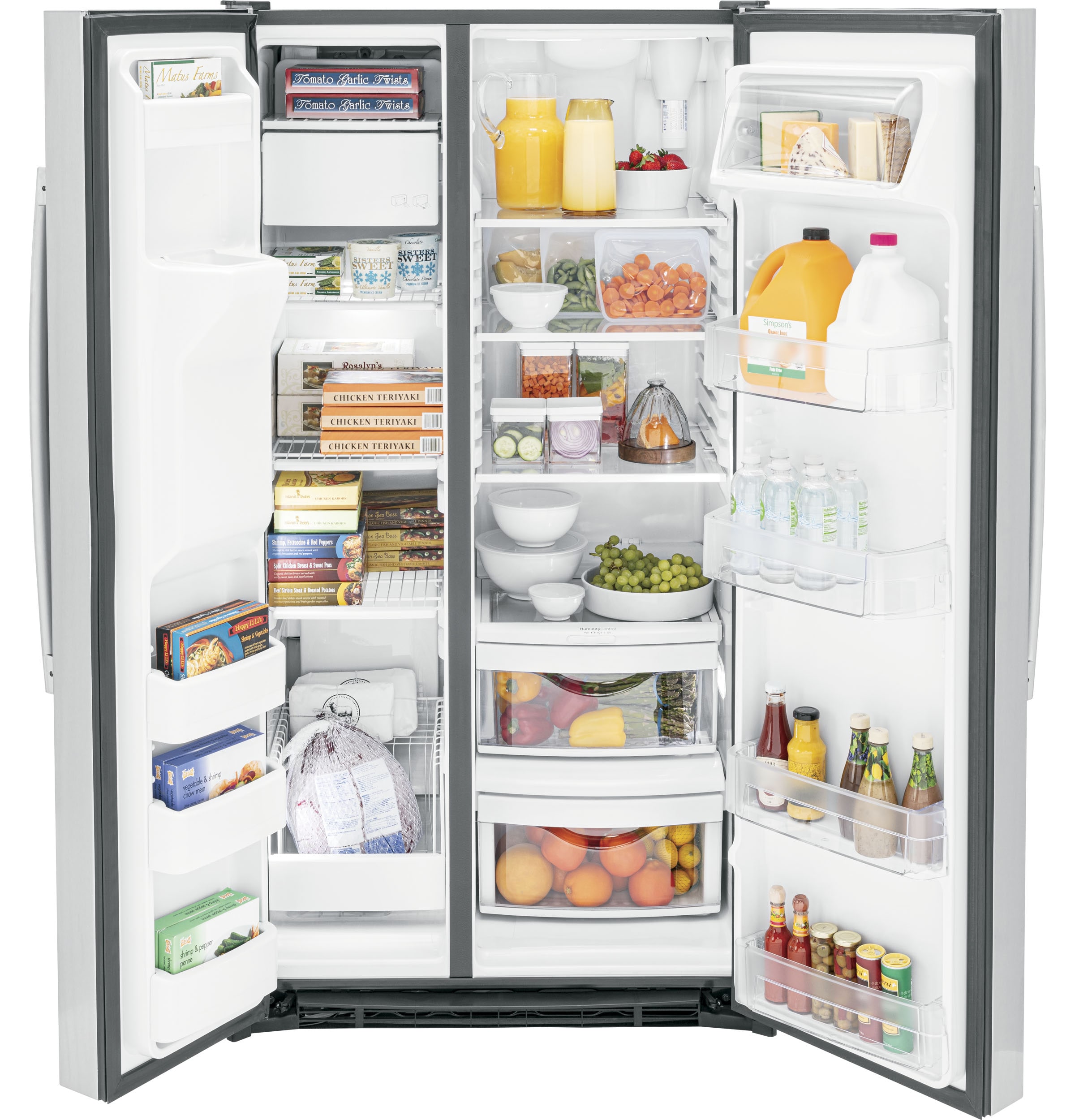
French door smart fridges feature five to six adjustable shelves, multiple crisper drawers, dedicated deli drawers, and wide door bins that hold gallon containers.
For many households, the standard-size refrigerator provides all the capacity they actually need without paying for extra cubic footage they never fill.
Smart fridges produce between thirty-six and forty-six decibels during operation due to their larger compressors, multiple fans, ice makers, and water dispensers.
The choice between a smart fridge and a standard-size refrigerator comes down to whether you want cutting-edge technology integrated into your kitchen or prefer a proven, straightforward appliance that does one job reliably at a lower cost. A smart fridge connects to Wi-Fi and offers features like touchscreens, internal cameras, voice assistants, and app-based inventory management, while a standard-size refrigerator focuses purely on food preservation without any internet connectivity or digital extras. Both keep your food cold and fresh, but they differ substantially in price, features, maintenance complexity, and long-term value.
What Is a Smart Fridge
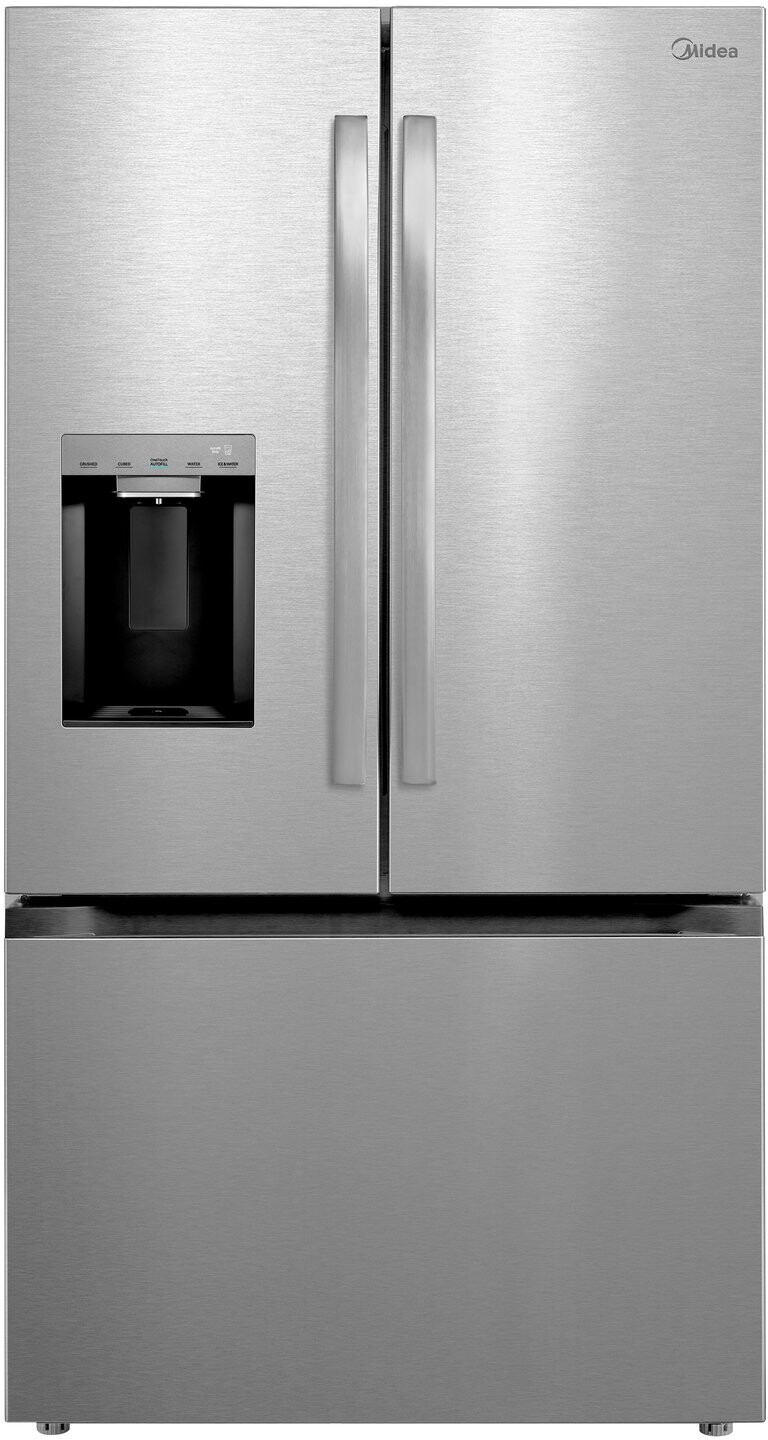
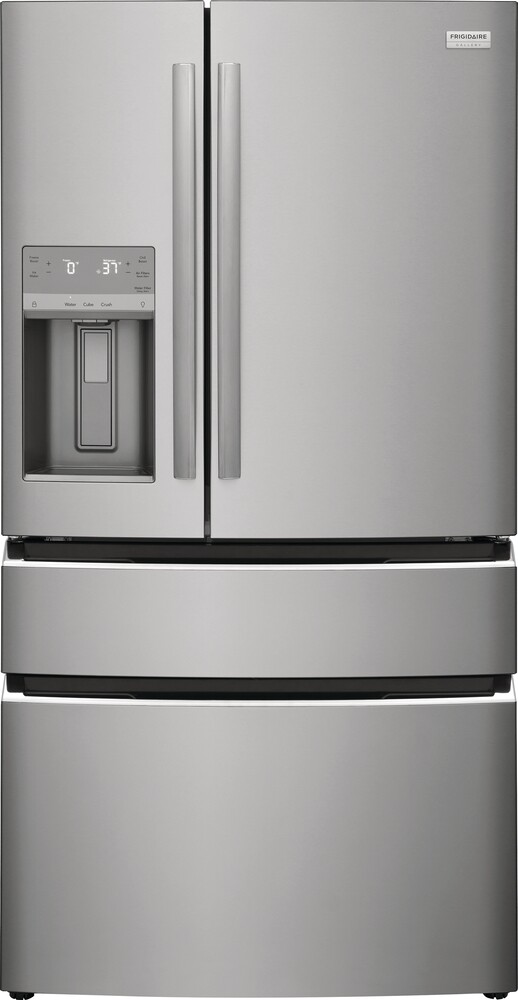
A smart fridge is a full-size refrigerator equipped with internet connectivity, a built-in touchscreen display, internal cameras, and software applications that transform a traditional kitchen appliance into a connected hub. Most smart fridges measure thirty-three to thirty-six inches wide, sixty-eight to seventy-two inches tall, and thirty to thirty-six inches deep, providing twenty-two to twenty-eight cubic feet of total capacity in French door, side-by-side, or four-door configurations. The smart features layer on top of standard refrigeration capabilities, meaning the unit still maintains proper temperatures for fresh and frozen food while adding digital functionality.
Key smart features vary by manufacturer but commonly include a large touchscreen panel on the door for managing calendars, viewing recipes, streaming music, and leaving digital notes for family members. Internal cameras photograph the refrigerator contents automatically each time the door closes, allowing you to check what you have from anywhere using a smartphone app. Voice assistant integration with platforms like Amazon Alexa or Google Assistant enables hands-free interaction while cooking. Temperature alerts notify you if a door is left ajar, and some models include diagnostic systems that identify potential maintenance issues before they cause breakdowns. The combination of these features positions the smart fridge as a kitchen management center rather than just a food storage appliance.
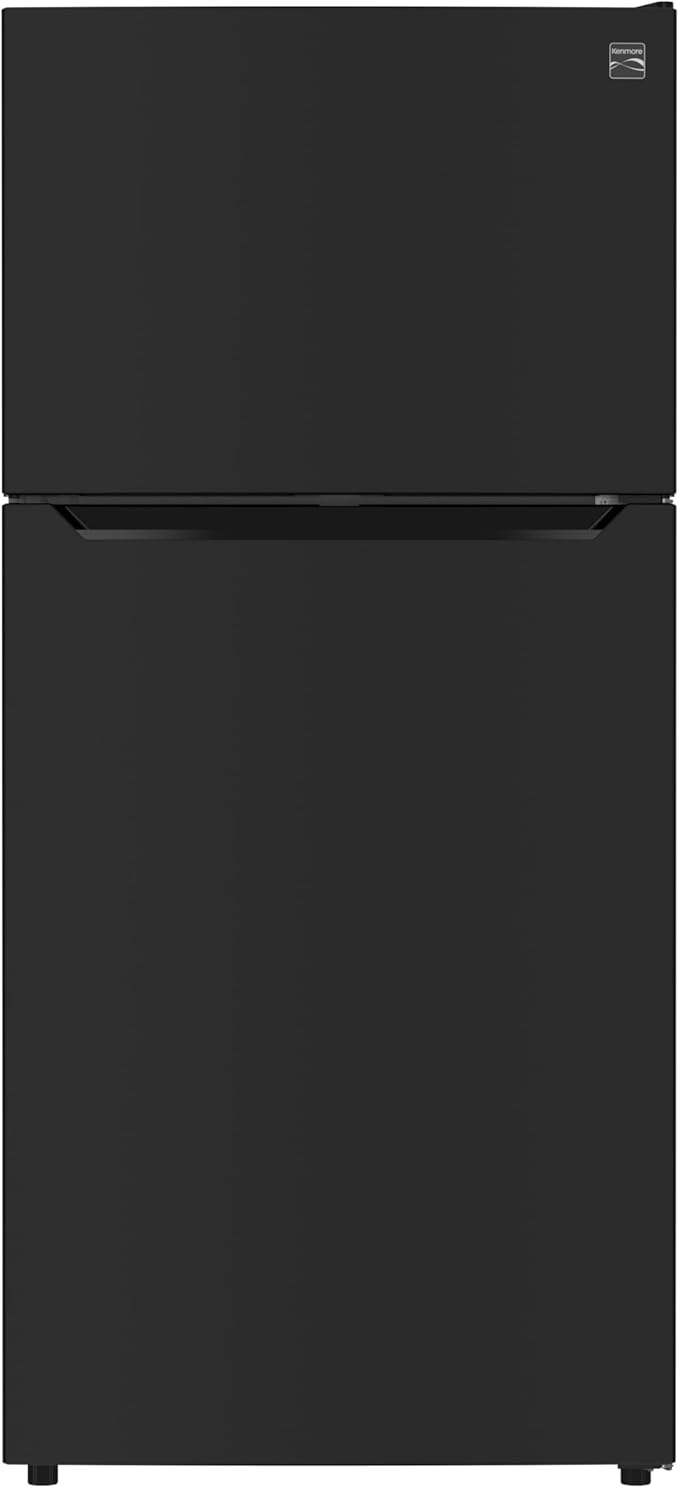
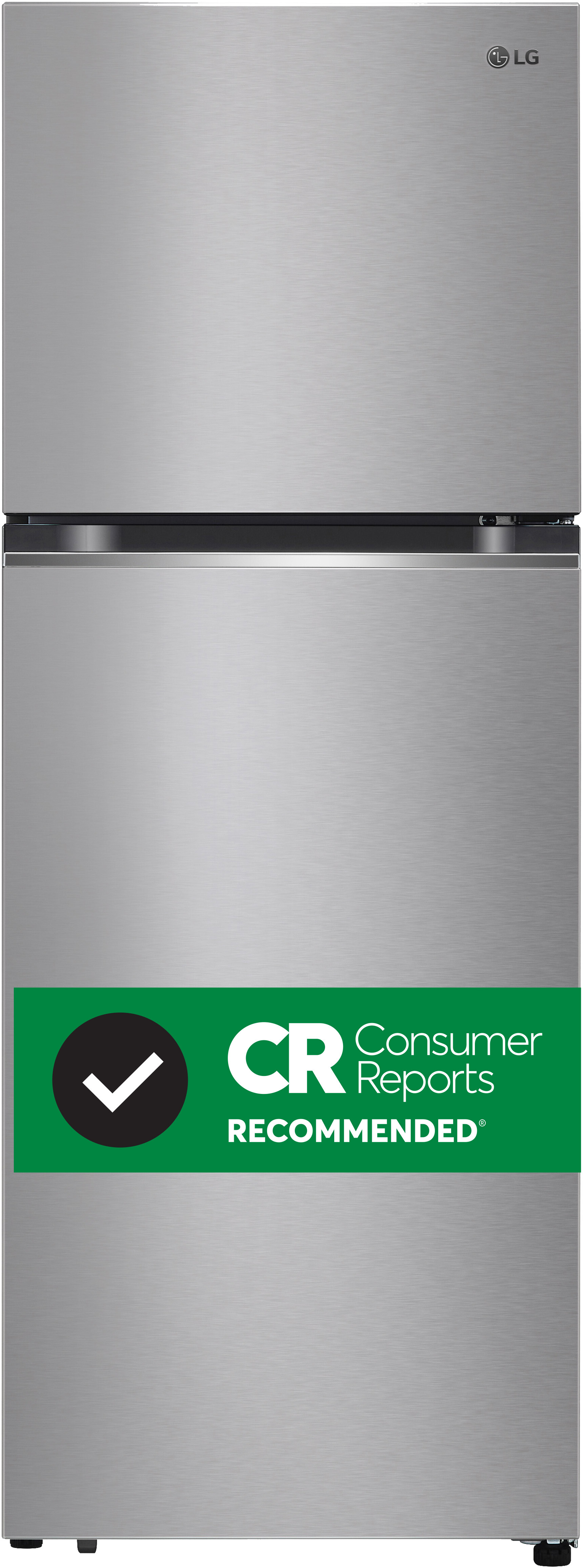
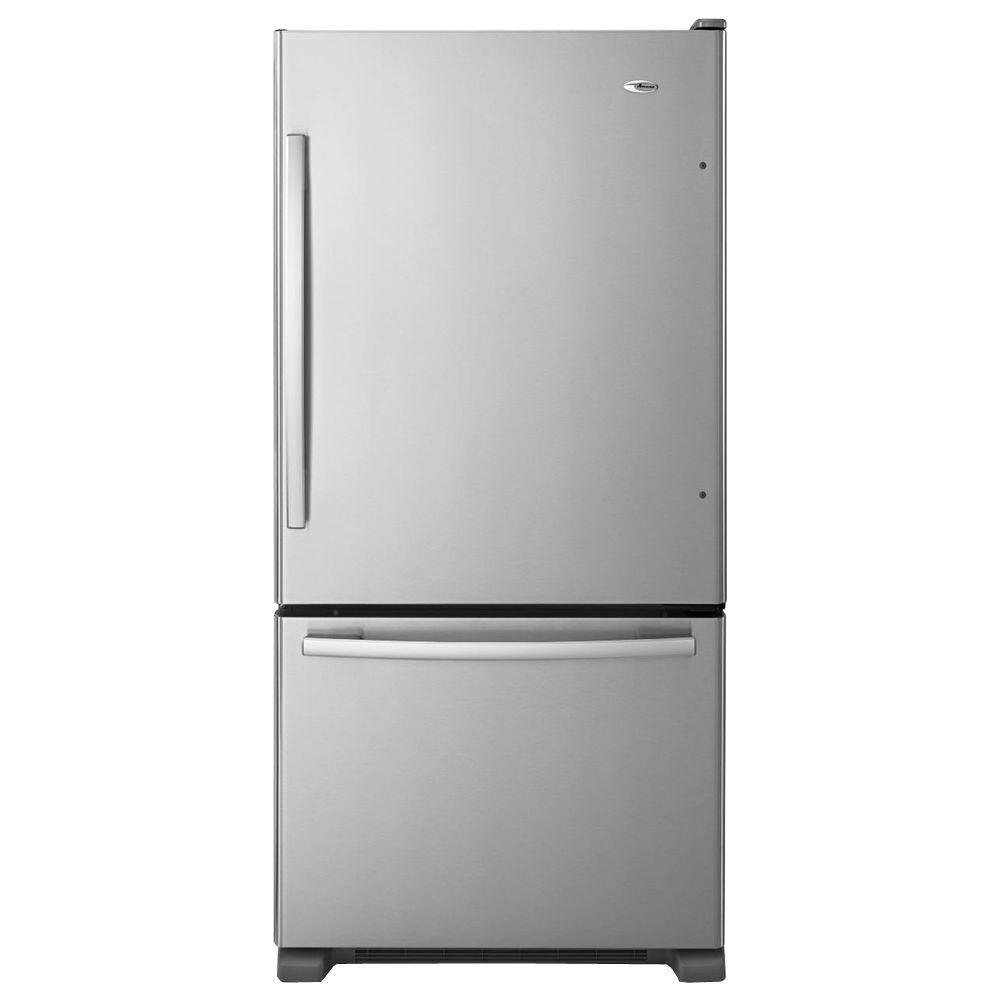
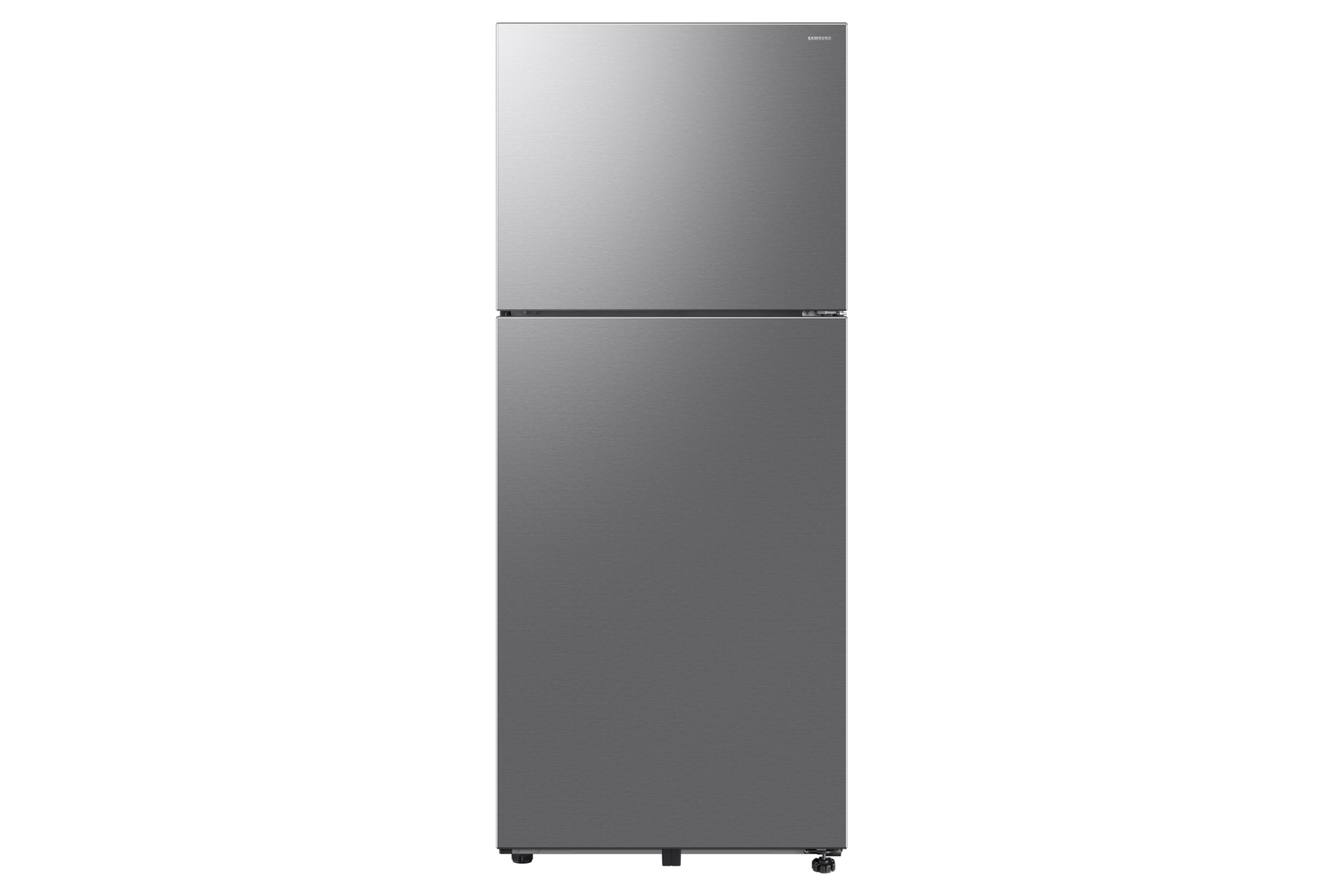
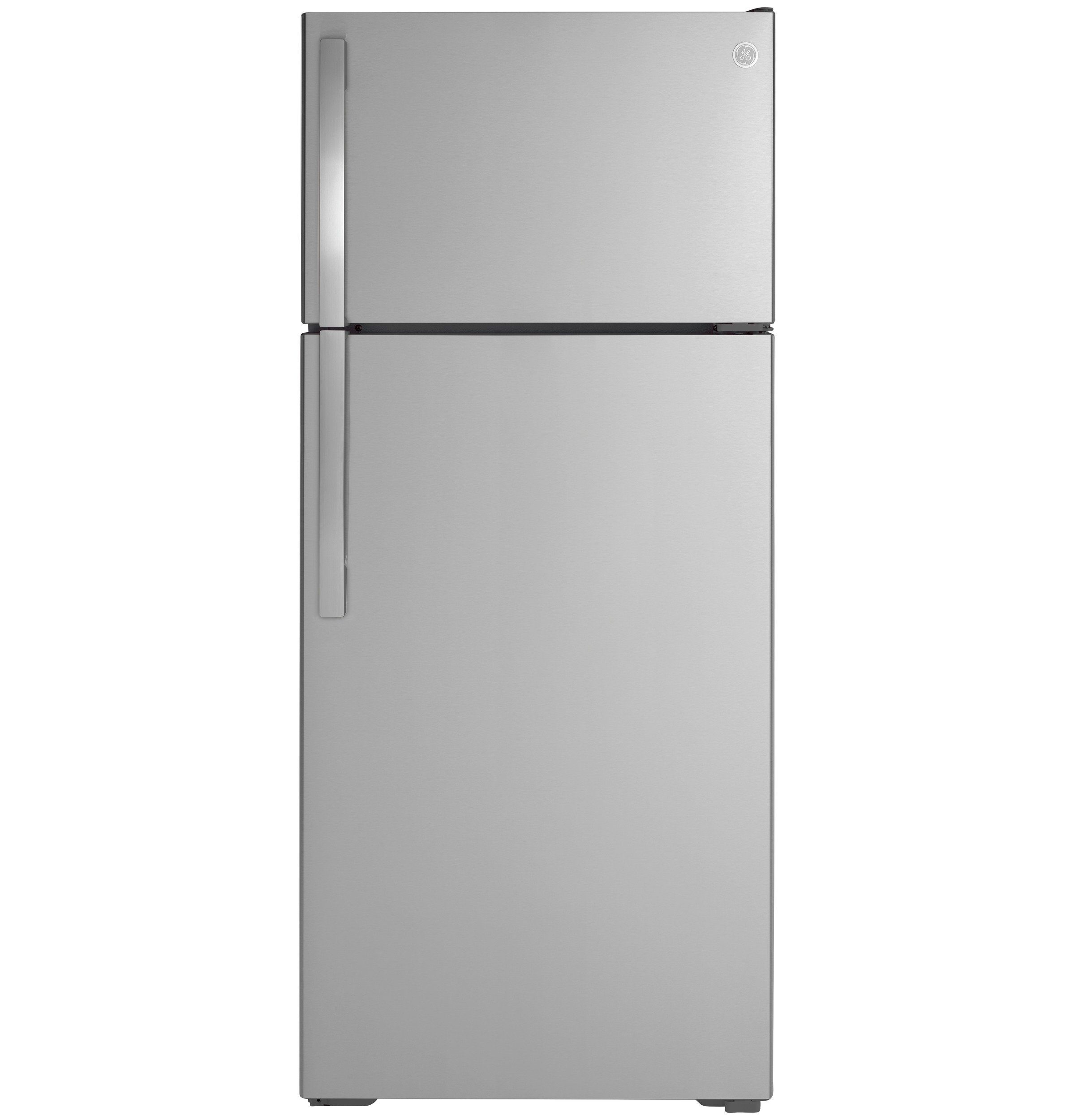
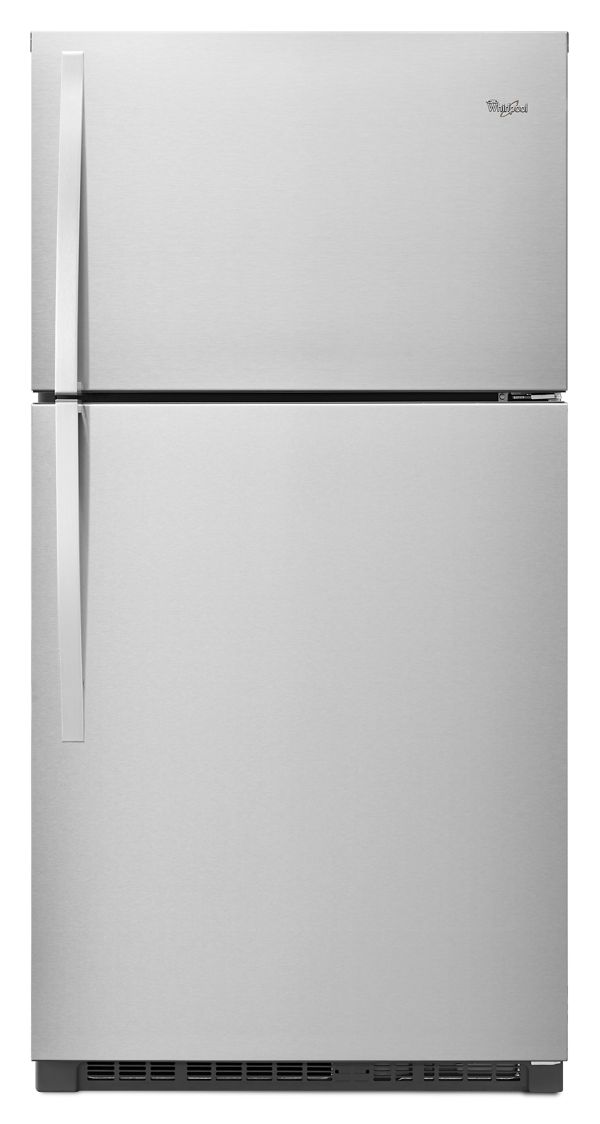
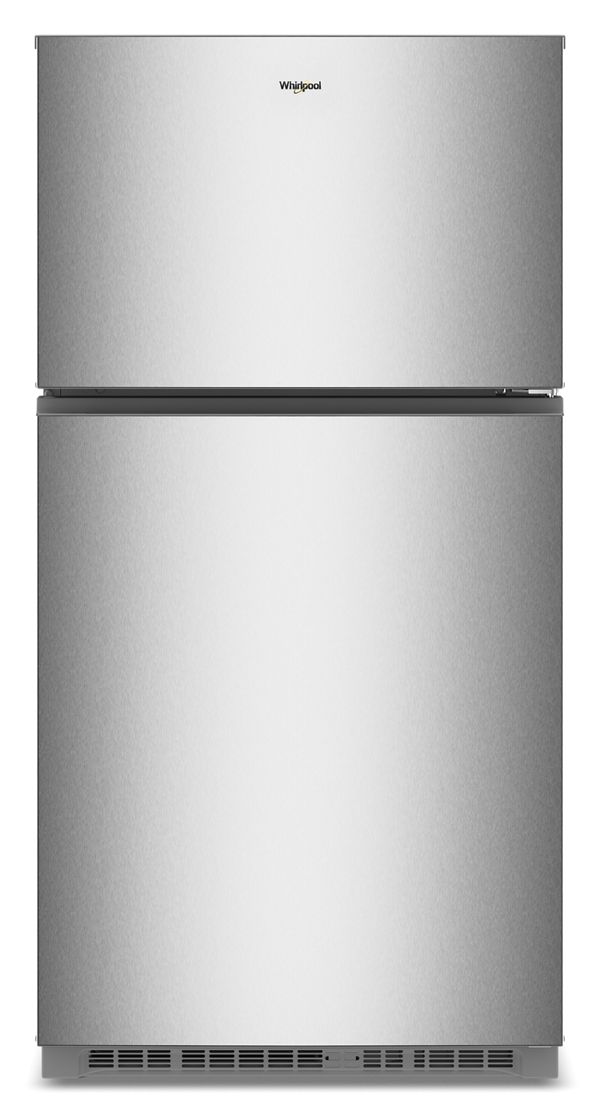
A standard-size refrigerator is a conventional appliance focused entirely on food preservation without any internet connectivity, touchscreen, or digital management features. These units measure twenty-nine to thirty-two inches wide, sixty-five to sixty-nine inches tall, and thirty to thirty-four inches deep, providing eighteen to twenty-two cubic feet of total capacity. Standard-size refrigerators come in top freezer, bottom freezer, and French door configurations, with the top freezer design being the most common and affordable option in this size category.
Standard-size refrigerators rely on proven mechanical and electrical components: a compressor, thermostat, condenser coils, evaporator, and basic electronic controls. The fresh food section maintains thirty-five to thirty-eight degrees Fahrenheit with three to four adjustable shelves, two crisper drawers, and door bins, while the freezer holds at zero degrees with one to three shelves or baskets. These appliances do exactly one thing—keep food at safe temperatures—and they do it reliably for thirteen to seventeen years with minimal maintenance and low repair costs. The absence of smart features means there are no screens to crack, no software to update, no apps to troubleshoot, and no Wi-Fi connectivity issues to diagnose.
Smart fridges generally offer more total storage capacity than standard-size refrigerators because most smart models fall into the large refrigerator category. A typical smart fridge provides twenty-five to twenty-eight cubic feet split between sixteen to twenty cubic feet of fresh food space and seven to nine cubic feet of freezer space. This capacity accommodates families of four to six people with room for bulk purchases, large platters, multiple beverage types, and comprehensive frozen food inventories. French door smart fridges feature five to six adjustable shelves, multiple crisper drawers, dedicated deli drawers, and wide door bins that hold gallon containers.
Standard-size refrigerators provide eighteen to twenty-two cubic feet, with twelve to sixteen cubic feet dedicated to fresh food and four to six cubic feet for frozen storage. This capacity serves households of one to four people comfortably for weekly grocery shopping without excessive unused space. The smaller interior means items are easier to find, shelves are closer together for better visibility, and the risk of food waste from forgotten items pushed to the back of deep shelves is lower. For many households, the standard-size refrigerator provides all the capacity they actually need without paying for extra cubic footage they never fill.
Feature
Smart Fridge
Standard-Size Refrigerator
Width
33–36 inches
29–32 inches
Height
68–72 inches
65–69 inches
Total Capacity
22–28 cu ft
18–22 cu ft
Wi-Fi Connected
Yes
No
Touchscreen
Yes (most models)
No
Internal Cameras
Yes (many models)
No
Smart Features in Detail
The touchscreen on a smart fridge serves as a kitchen command center. You can view and manage family calendars, create grocery lists that sync to your phone, stream cooking videos and recipes, play music or podcasts while cooking, and leave digital sticky notes for household members. Some models allow you to mirror your phone screen or display photos from cloud storage as a digital picture frame when the screen is not actively in use.
Internal cameras represent one of the most practically useful smart features. When you are at the grocery store wondering whether you need eggs or milk, you can open the manufacturer's app and see a real-time or recently captured image of your refrigerator shelves. This feature genuinely reduces duplicate purchases and helps you shop more efficiently. Temperature monitoring and door-ajar alerts provide peace of mind when you are away from home, and diagnostic notifications can warn you about potential compressor issues or temperature irregularities before they result in food spoilage.
However, smart features also introduce complexity. The touchscreen can develop software glitches, become unresponsive, or crack. Wi-Fi connectivity issues may prevent remote access. The manufacturer's app may not receive updates indefinitely, and compatibility with voice assistants can break when either platform updates its software. The smart features have a practical useful lifespan of five to eight years before software support diminishes, which is significantly shorter than the twelve to fifteen year mechanical lifespan of the refrigeration system itself.
Smart fridges consume between five hundred and seven hundred fifty kilowatt-hours annually, costing sixty to ninety dollars per year in electricity. The larger capacity requires more compressor effort to cool, and the smart features—touchscreen display, Wi-Fi module, cameras, and processing hardware—add twenty to fifty kilowatt-hours of annual consumption beyond what the refrigeration system alone requires. While this smart feature overhead is modest, it represents a permanent energy cost that standard refrigerators avoid entirely.
Standard-size refrigerators consume between four hundred and five hundred fifty kilowatt-hours annually, costing forty-eight to sixty-six dollars per year. Top freezer models in this category are particularly efficient, often consuming under four hundred kilowatt-hours. The smaller interior volume and absence of power-hungry electronics keep energy demands straightforward. Over a fifteen-year ownership period, the cumulative energy cost difference between a smart fridge and a standard-size refrigerator amounts to approximately one hundred eighty to three hundred sixty dollars, a relatively small factor in the overall cost comparison but one that adds to the total ownership premium of the smart appliance.
Smart fridges produce between thirty-six and forty-six decibels during operation due to their larger compressors, multiple fans, ice makers, and water dispensers. The touchscreen itself does not generate significant noise, but notification sounds, voice assistant responses, and media playback can create additional audio output that purely mechanical appliances never produce. In open-concept kitchens, the combination of compressor noise and digital sounds creates a more sonically active appliance presence than many buyers anticipate.
Standard-size refrigerators operate between thirty-two and forty decibels, producing a consistent quiet hum that most households barely notice. The absence of digital audio features means the only sounds are mechanical: compressor cycling, fan operation, and occasional defrost system activity. For households that value a quiet kitchen environment, particularly during meals and conversations in open-concept spaces, the standard refrigerator's simpler noise profile is a genuine advantage.
Smart fridges represent a substantial investment. Entry-level smart refrigerators with basic Wi-Fi connectivity and a few smart features start around one thousand five hundred dollars. Mid-range models with touchscreens, internal cameras, and full smart hub functionality cost between two thousand and three thousand five hundred dollars. Premium smart fridges with the largest screens, most advanced cameras, and comprehensive smart home integration range from three thousand five hundred to five thousand dollars or more. The technology premium over a comparable non-smart refrigerator of the same size and configuration amounts to five hundred to two thousand dollars depending on the feature set.
Standard-size refrigerators offer the strongest value in the refrigerator market. Top freezer models start as low as five hundred dollars, bottom freezer models begin around seven hundred dollars, and French door models in the standard-size range cost between nine hundred and one thousand five hundred dollars. These prices reflect decades of manufacturing optimization and high production volumes that keep costs competitive. The significant price gap between smart and standard models means the practical question for buyers is whether the smart features justify spending one to three times more for an appliance that keeps food cold equally well.
Price Range
Smart Fridge
Standard-Size Refrigerator
Budget
$1,500–$2,000
$500–$800
Mid-Range
$2,000–$3,500
$800–$1,500
Premium
$3,500–$5,000+
$1,500–$2,000
Annual Energy Cost
$60–$90
$48–$66
Installation Requirements
Smart fridges require standard refrigerator installation plus Wi-Fi network connectivity and initial software setup. The physical installation involves placing the unit, connecting the water line for ice makers and dispensers, and plugging into a standard outlet. The smart setup adds thirty to sixty minutes for downloading the manufacturer's app, connecting the fridge to your Wi-Fi network, creating an account, configuring camera angles, setting notification preferences, and linking voice assistant accounts. The Wi-Fi signal must reach the refrigerator's location reliably, which may require a Wi-Fi extender in larger homes where the kitchen is far from the router.
Standard-size refrigerators install in thirty minutes or less. Position the unit, plug it in, optionally connect a water line, and wait a few hours for temperatures to stabilize before loading food. No app downloads, no account creation, no Wi-Fi configuration, and no ongoing software maintenance required. The simplicity of installation reflects the simplicity of ongoing ownership, which many buyers find genuinely appealing after experiencing the initial novelty of smart features elsewhere in their homes.
Smart fridges require dual maintenance attention for both their mechanical and digital systems. Mechanical maintenance mirrors any full-size refrigerator: clean condenser coils twice yearly, replace water filters every six months, inspect door gaskets, and service the ice maker as needed. Digital maintenance involves keeping the firmware updated, troubleshooting Wi-Fi connectivity issues, cleaning camera lenses, calibrating the touchscreen when it becomes unresponsive, and adapting to app updates that may change the interface or features. The mechanical system typically lasts twelve to fifteen years, but the smart features often become outdated, unsupported, or partially non-functional within five to eight years.
Standard-size refrigerators need only mechanical maintenance and consistently outlast smart models, with average lifespans of thirteen to seventeen years. The absence of electronic components beyond basic thermostat controls means there are fewer parts that can fail, and replacement parts are widely available at affordable prices. A compressor replacement on a standard refrigerator costs two hundred to four hundred dollars, while a touchscreen or motherboard replacement on a smart fridge can cost five hundred to one thousand dollars or more. The total lifetime maintenance and repair cost for a standard model is typically a fraction of what smart fridge owners experience.
The most common smart fridge mistake is overvaluing the technology during the purchase decision. Showroom demonstrations of touchscreens, cameras, and voice assistants feel impressive, but many smart fridge owners report using these features far less than expected after the first few months. Before paying a one to three thousand dollar premium for smart features, honestly assess how often you would check your fridge contents remotely, use a door-mounted screen instead of a tablet or phone, or interact with a voice assistant through your refrigerator rather than a standalone smart speaker.
The most common standard refrigerator mistake is assuming that any standard-size model is interchangeable. Significant differences exist in compressor quality, insulation thickness, shelf adjustability, and build materials across price points. A five hundred dollar top freezer and a fifteen hundred dollar French door offer dramatically different daily experiences despite both being standard-size models. Compare features within the standard category as carefully as you would compare smart models.
Buyers of both types frequently ignore kitchen dimension constraints. Smart fridges are typically larger and may not fit existing kitchen cutouts without cabinet modification, while standard-size models need confirmation that the specific dimensions match the available space. Measure before purchasing regardless of which category you choose.
Who Should Buy Which
A smart fridge is the right choice for tech-enthusiastic households that actively use smart home ecosystems, families that value the practical convenience of remote inventory checking and grocery list management, and buyers who want their kitchen appliance to serve as a digital hub for calendars, recipes, and entertainment. If you consistently use smart features on other devices and find value in connected home technology, a smart fridge extends that ecosystem into the kitchen meaningfully.
A standard-size refrigerator is the right choice for value-focused buyers, households that prefer proven simplicity over technological complexity, anyone who wants the lowest purchase and maintenance costs for reliable food storage, and buyers replacing an existing refrigerator without wanting to change their kitchen workflow. The standard model delivers equal food preservation performance at a fraction of the smart fridge's cost with far fewer potential failure points. Browse refrigerators at Fridge.com to compare smart and standard models across every price range.
Fridge.com carries both smart refrigerators and standard-size refrigerators from top brands at competitive prices. Whether you want a connected kitchen hub or a straightforward food preservation appliance, Fridge.com has the right model for your household and budget. Every purchase includes free shipping and expert customer support to help you choose the perfect refrigerator.
Frequently Asked Questions
No — identical cooling performance. The smart features are technology additions on top of the same compressor and sealed system. Food stays equally cold either way. The premium buys technology, not better refrigeration (Fridge.com).
Free tool
Refrigerator Size Calculator
Free interactive tool from Fridge.com — get a quick answer while you read.