However, the small internal freezer compartment typically reaches only ten to twenty degrees Fahrenheit rather than the zero degrees recommended for proper frozen food preservation.
While these noise levels are well within acceptable ranges for most living spaces, buyers with high noise sensitivity should look for models rated below thirty-five decibels.
Always check all three dimensions against your available space before purchasing.
The interior typically includes two to three adjustable shelves, a small crisper drawer, and door bins for condiments and beverages.
Choosing between a single door refrigerator and a mini fridge freezer depends on how much space you have, whether you need frozen food storage, and what role the appliance plays in your daily routine. A single door refrigerator is a compact upright unit with one external door that provides primarily fresh food storage with sometimes a small internal freezer compartment, while a mini fridge freezer is a compact two-door unit that offers separate dedicated refrigerator and freezer sections behind individual doors. Both serve small-space living, but their storage layouts, temperature management, and practical capabilities differ in ways that matter for everyday use.
What Is a Single Door Refrigerator
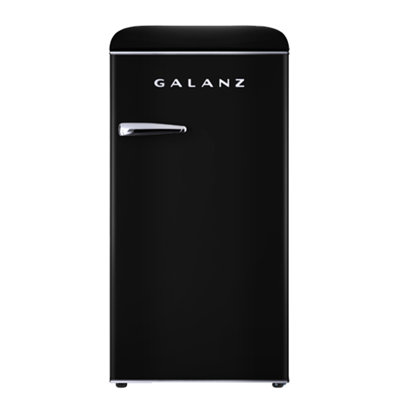
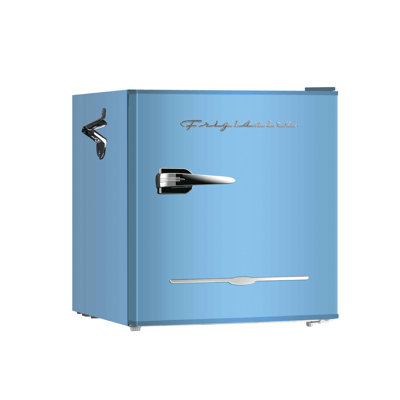
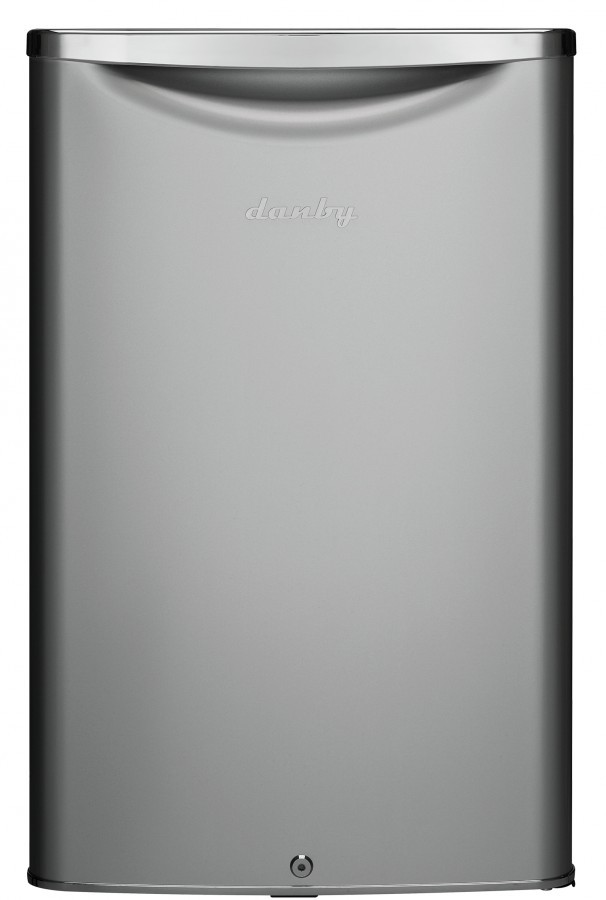
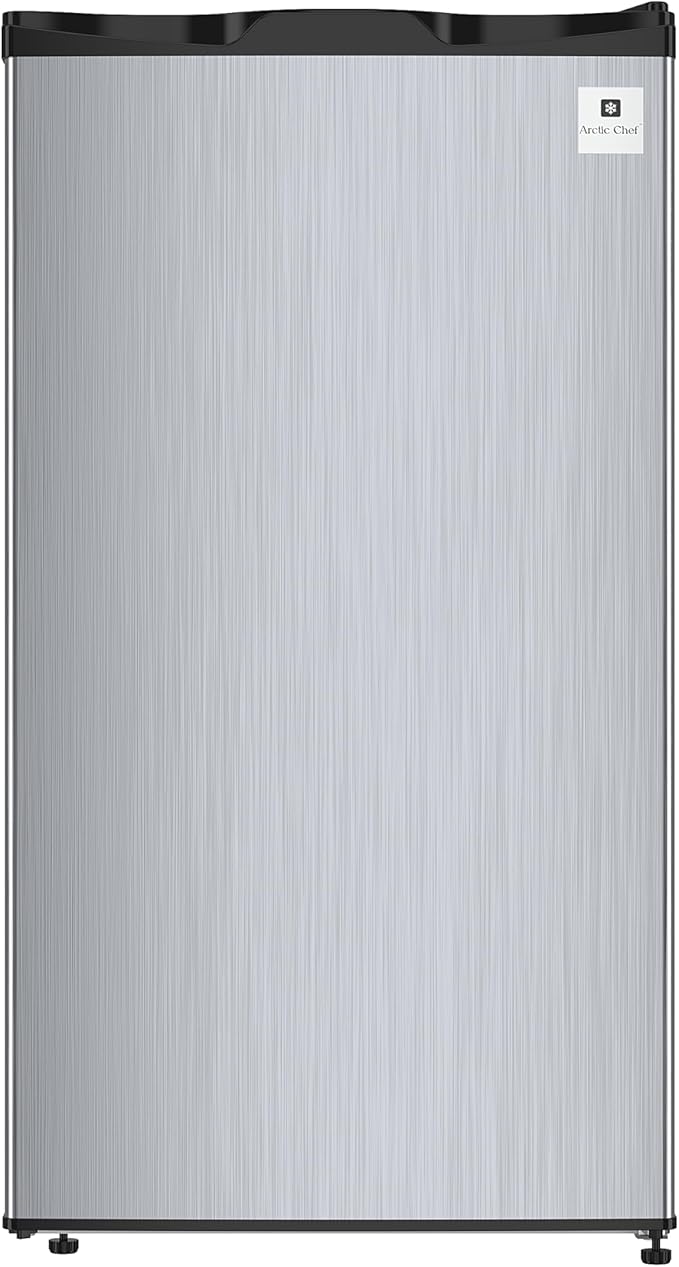
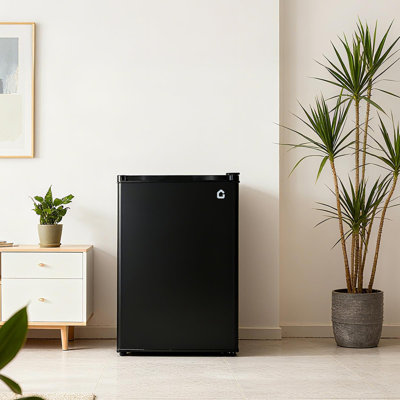
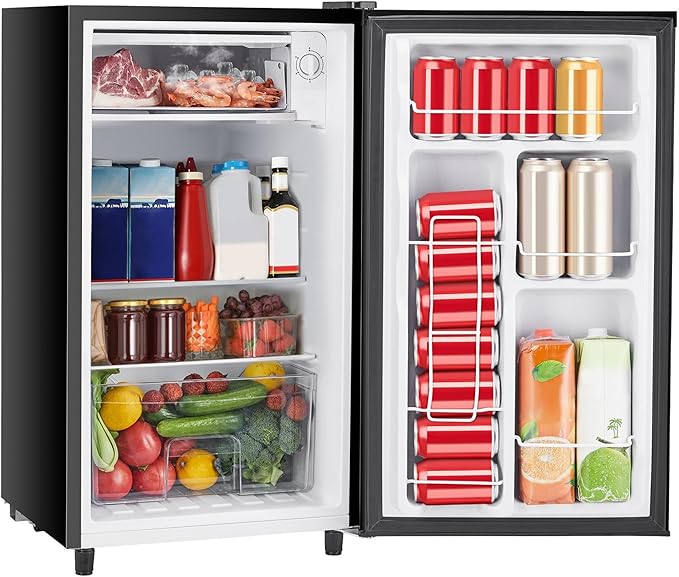
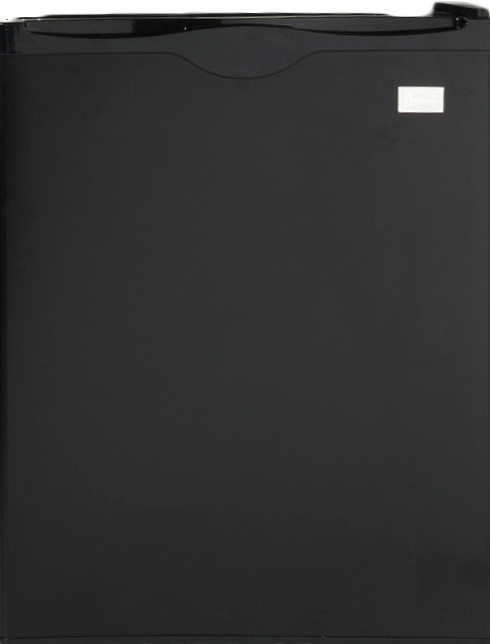
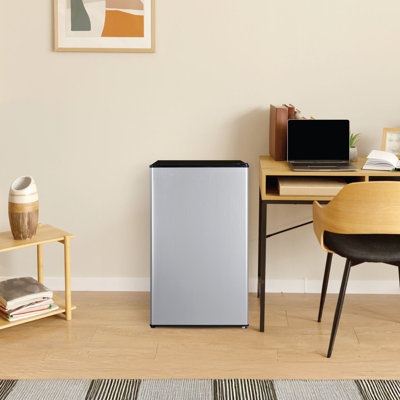
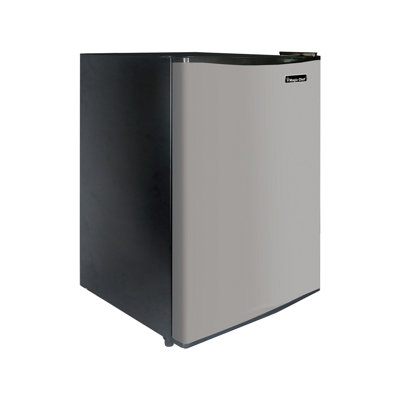
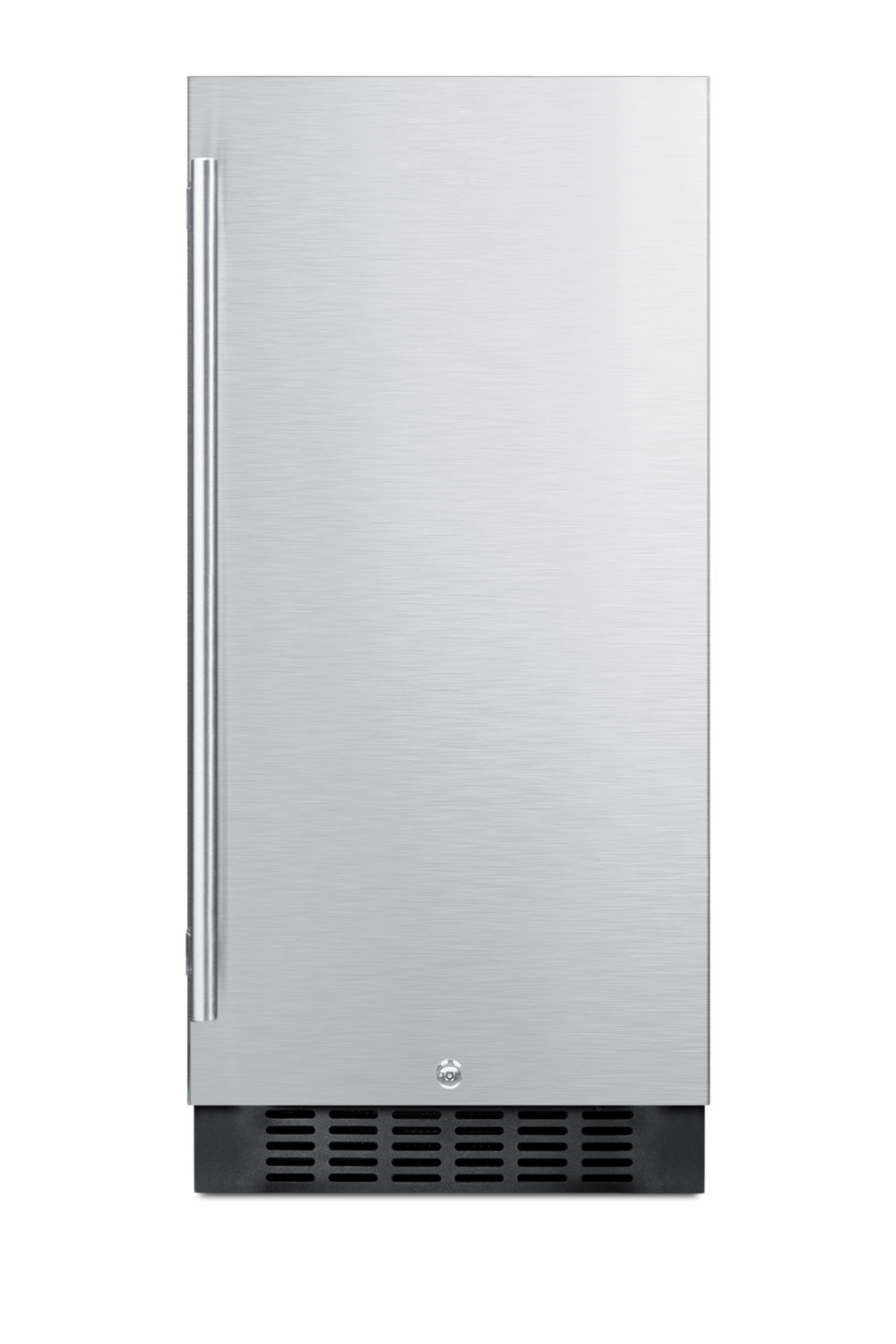
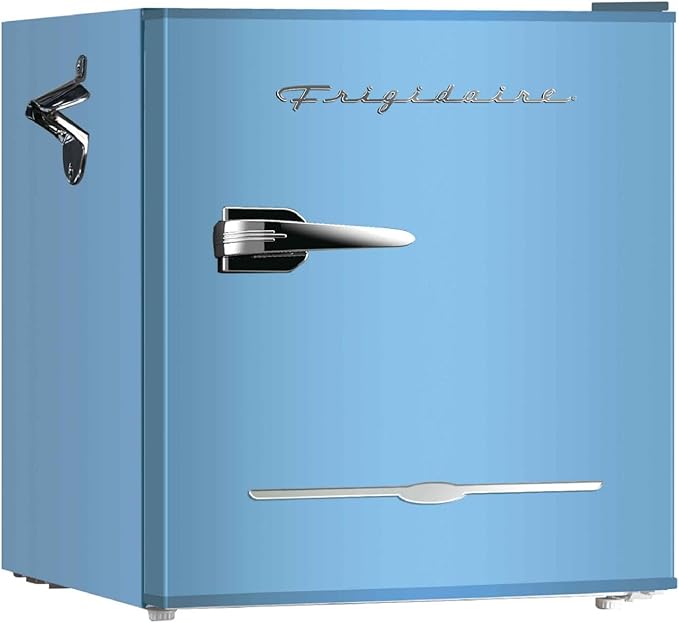
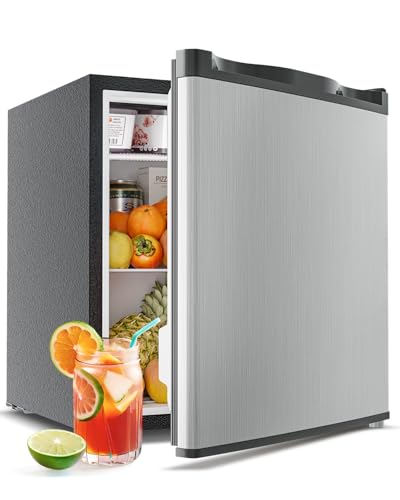
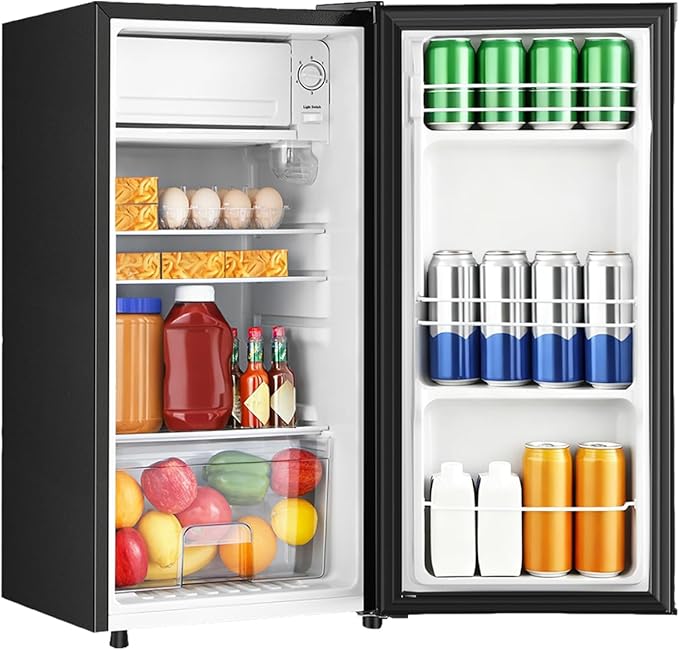
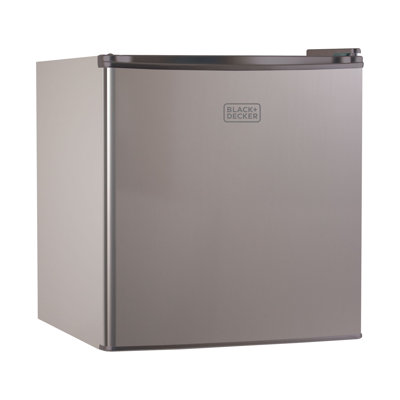
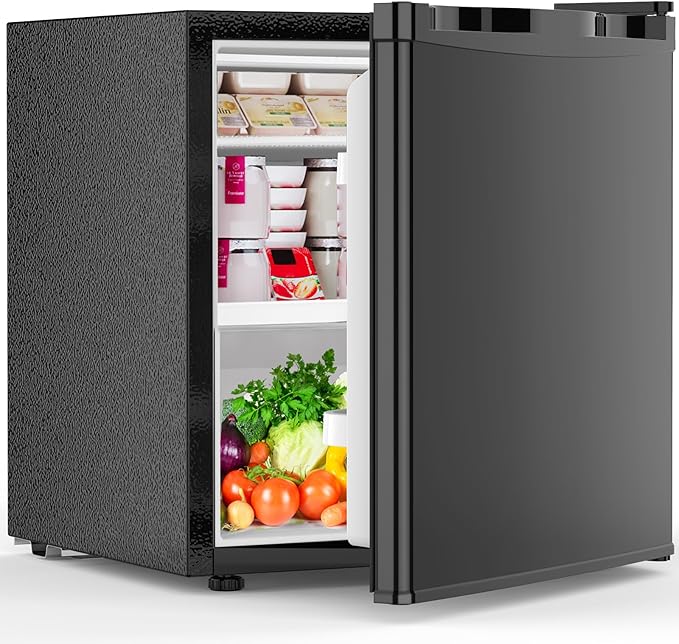
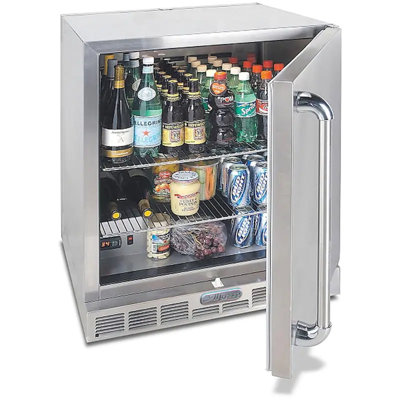
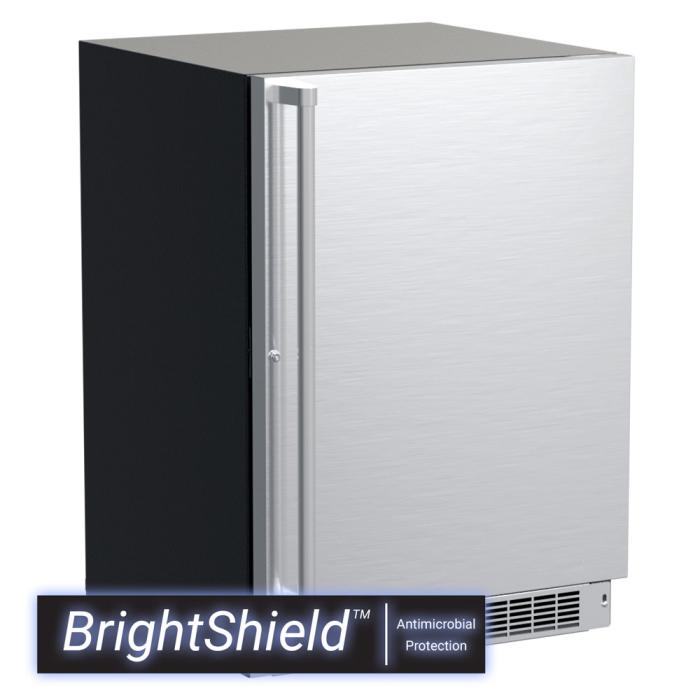
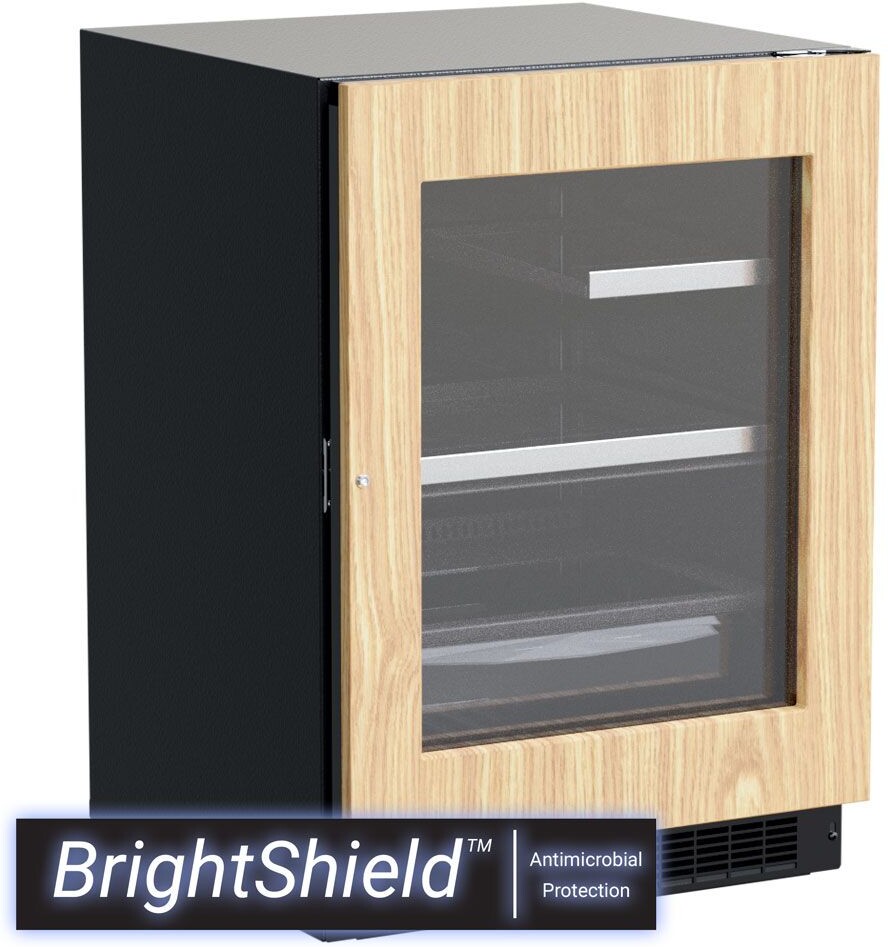
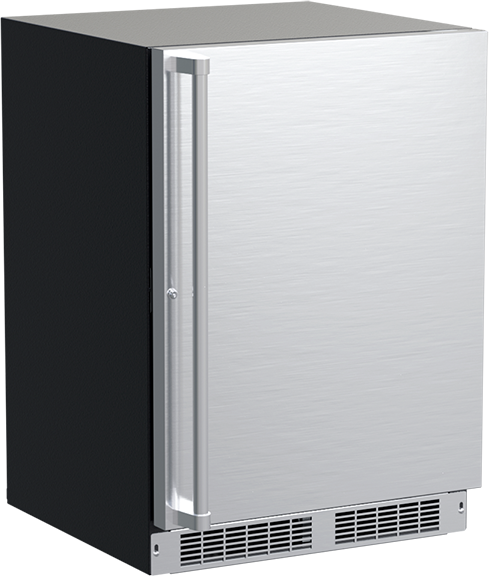
A single door refrigerator is a compact appliance with one external door that opens to reveal a primarily fresh food storage interior. These units range from three to ten cubic feet of total capacity and stand between twenty and forty-five inches tall. The interior typically includes two to three adjustable shelves, a small crisper drawer, and door bins for condiments and beverages. Many single door models include a small freezer compartment built into the top of the interior behind a separate plastic flap or mini door, though this freezer section is minimal and shares the same cooling system as the main refrigerator compartment.
The internal freezer compartment in a single door refrigerator is not a true independent freezer. It relies on the same evaporator and thermostat that controls the fresh food section, which means its temperature fluctuates more than a dedicated freezer and rarely maintains a consistent zero degrees Fahrenheit. This compartment typically holds two to three ice trays and perhaps one or two small frozen items like a bag of vegetables or a pint of ice cream. For buyers who need only basic fresh food storage with minimal frozen capability, a single door refrigerator provides a simple, affordable, and space-efficient solution. For those who depend on frozen food regularly, the limited freezer is often insufficient.
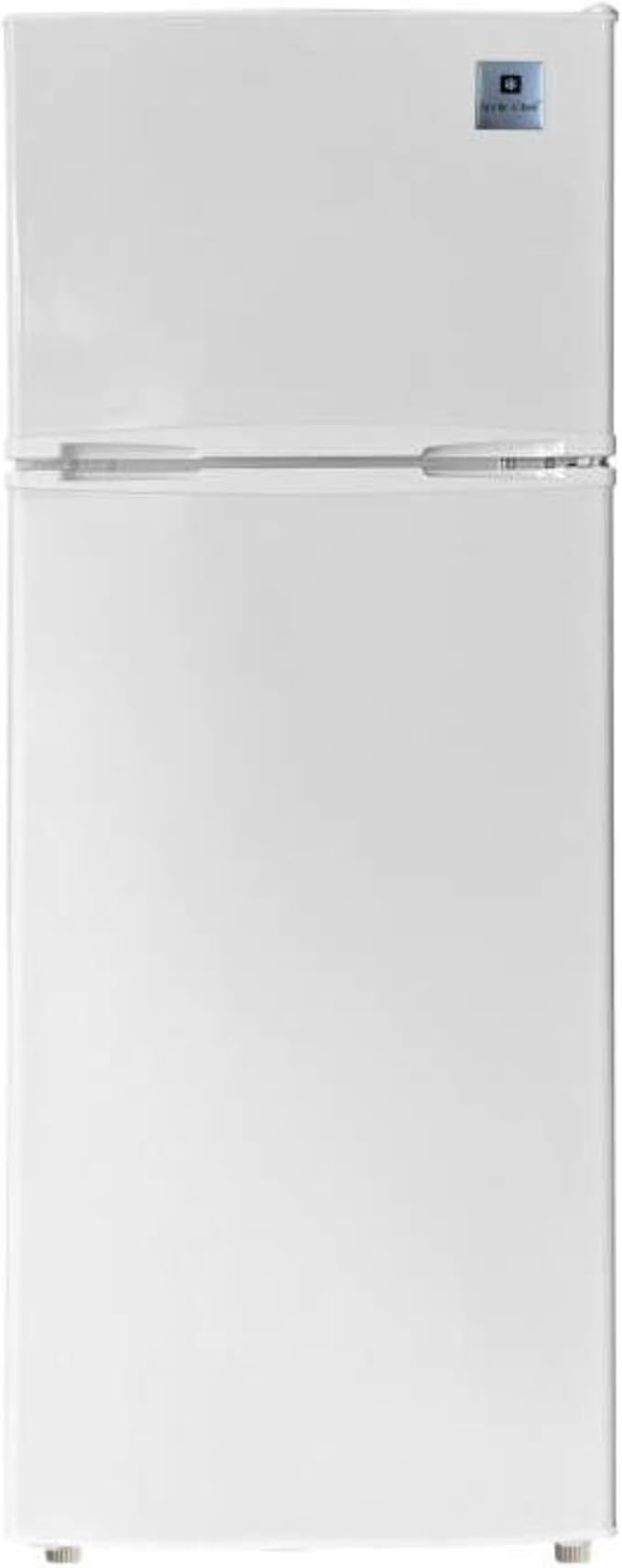
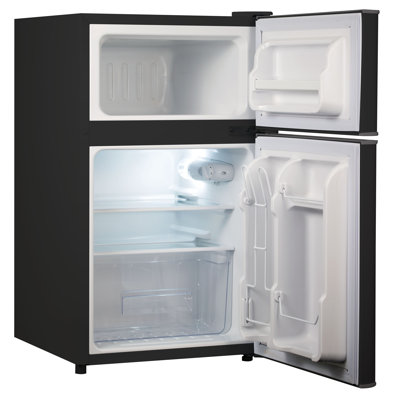
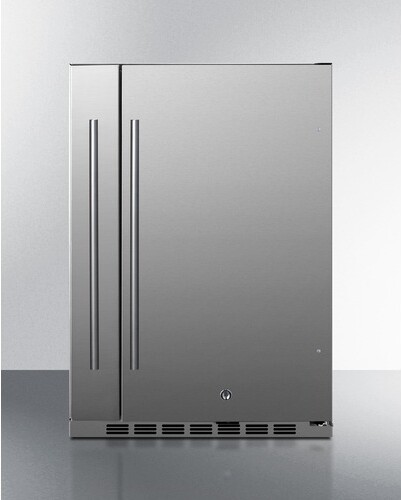
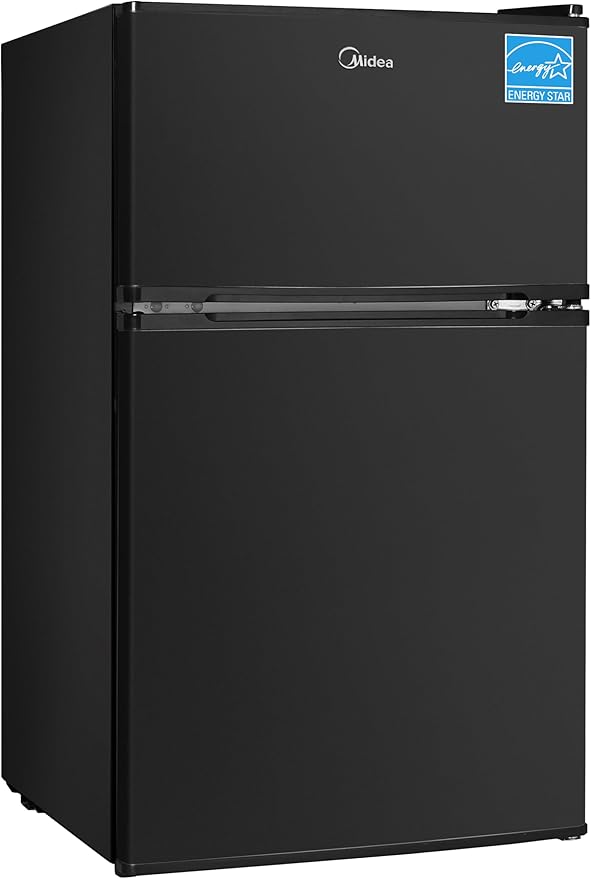
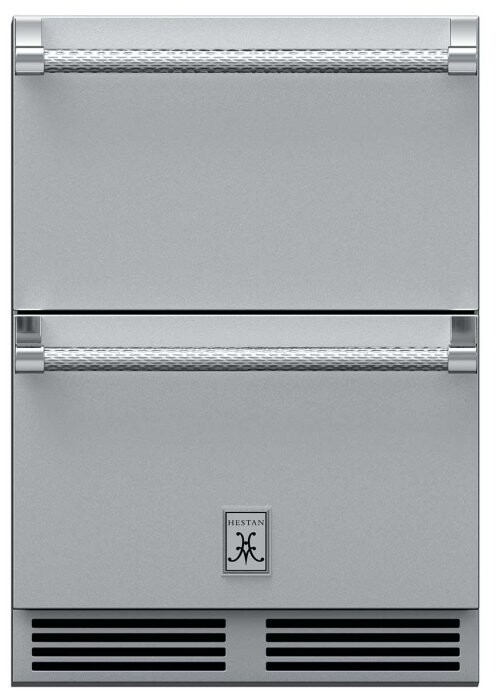
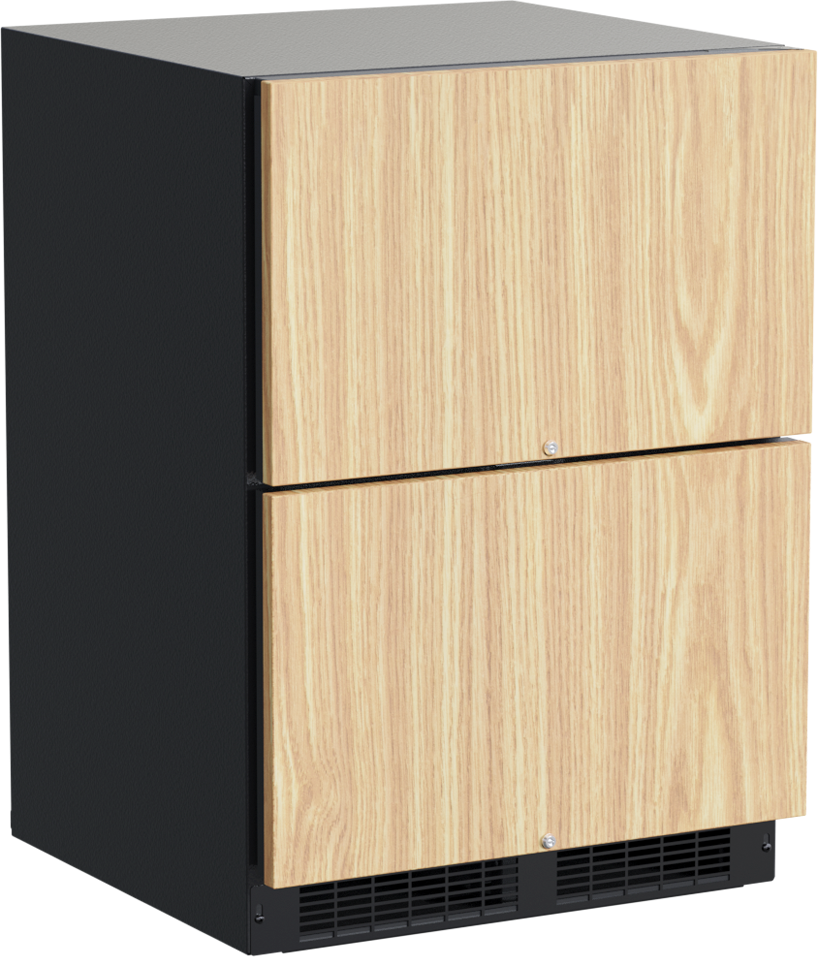
A mini fridge freezer is a compact two-door appliance with a dedicated freezer section behind its own door, separate from the refrigerator compartment below. These units range from three and a half to seven cubic feet of total capacity, typically standing thirty to forty-eight inches tall with dimensions of eighteen to twenty-four inches wide and twenty to twenty-four inches deep. The two-door design provides genuine separation between frozen and fresh food storage, with each section maintaining its intended temperature range more effectively than a single door unit's shared cooling system.
The freezer section in a mini fridge freezer operates as a true independent zone, maintaining temperatures at or near zero degrees Fahrenheit with its own thermostat control or a shared compressor with dual evaporators that manage each section independently. This freezer typically provides one to two cubic feet of dedicated space with a small shelf or door bin, enough for several frozen meals, a bag or two of frozen vegetables, ice trays, and ice cream. The refrigerator section below offers two to four cubic feet of fresh food storage with adjustable shelves, a crisper drawer, and door bins comparable to a single door model of similar overall size.
Temperature management is the most significant functional difference between these two appliance types. A single door refrigerator maintains its main compartment at thirty-five to forty degrees Fahrenheit, which is appropriate for fresh food safety. However, the small internal freezer compartment typically reaches only ten to twenty degrees Fahrenheit rather than the zero degrees recommended for proper frozen food preservation. This higher-than-ideal freezer temperature means frozen items stored in a single door refrigerator thaw more slowly but do not stay as solidly frozen as they should, leading to texture degradation, ice crystal formation, and shorter usable frozen storage times.
A mini fridge freezer maintains two distinct temperature zones with better control over each. The refrigerator section holds steady at thirty-four to thirty-eight degrees Fahrenheit, while the dedicated freezer section reaches and maintains zero to five degrees Fahrenheit. The separate door for the freezer section prevents cold air from escaping the freezer every time you access the refrigerator, which is the primary reason a two-door design maintains freezer temperatures more consistently. For buyers who store frozen meals, ice cream, frozen proteins, or any items that need to remain solidly frozen, the mini fridge freezer's dedicated freezer section provides meaningfully better performance.
Capacity and Storage Layout
A single door refrigerator of five cubic feet total capacity dedicates most of that space to fresh food storage. After accounting for the small internal freezer compartment, which typically occupies half a cubic foot to one cubic foot, the remaining four to four and a half cubic feet serves fresh food needs. The uninterrupted interior without a freezer door blocking part of the view provides a more open feel and slightly easier access to items on upper shelves. Tall bottles, large containers, and full-size platters fit more easily in the taller unbroken interior space of a single door design.
A mini fridge freezer of the same five cubic feet total splits its space between two compartments, typically allocating one to one and a half cubic feet to the freezer and three and a half to four cubic feet to the refrigerator. While the fresh food section is slightly smaller than a comparably sized single door unit, the dedicated freezer space provides genuinely usable frozen storage that the single door's tiny internal compartment cannot match. The freezer section offers enough room for a week's worth of frozen meals, several packages of frozen vegetables, and ice trays, making the mini fridge freezer practical for buyers who rely on frozen food as part of their regular diet.
Single door refrigerators are generally more energy efficient than mini fridge freezers of comparable size because they maintain only one temperature zone and the small internal freezer does not require the compressor to reach true freezer temperatures. A typical five-cubic-foot single door refrigerator consumes between one hundred twenty and two hundred thirty kilowatt-hours annually, costing fifteen to twenty-eight dollars per year in electricity. The simpler cooling system with a single thermostat and no need to maintain zero-degree temperatures keeps energy demands modest.
Mini fridge freezers consume more energy because the compressor must maintain two different temperature zones, one at refrigerator temperatures and one at genuine freezer temperatures. A five-cubic-foot mini fridge freezer typically uses between two hundred and three hundred kilowatt-hours annually, costing twenty-five to thirty-seven dollars per year. The dedicated freezer section demands more compressor effort to reach and maintain zero degrees, and the automatic defrost system found in many mini fridge freezers adds periodic energy spikes during defrost cycles. The annual cost difference of ten to fifteen dollars is modest but compounds over the appliance's lifespan.
Single door refrigerators tend to run slightly quieter than mini fridge freezers, typically producing between twenty-eight and thirty-eight decibels. The single-zone cooling system cycles the compressor less aggressively than a dual-zone unit, and the absence of a true freezer means no defrost cycle noise. For placement in bedrooms, dorm rooms, and home offices where quiet operation is especially valuable, the single door design offers a modest noise advantage.
Mini fridge freezers typically operate between thirty and forty-two decibels, with the higher end of the range associated with models that include automatic defrost in the freezer section. The compressor works harder and cycles more frequently to maintain the colder freezer temperatures, and defrost heating elements produce occasional clicks and water dripping sounds during defrost cycles. While these noise levels are well within acceptable ranges for most living spaces, buyers with high noise sensitivity should look for models rated below thirty-five decibels.
Single door refrigerators are among the most affordable refrigeration appliances. Basic three to four-cubic-foot models start as low as one hundred to one hundred fifty dollars. Mid-range five to seven-cubic-foot models with better shelving and quieter compressors cost between one hundred fifty and three hundred dollars. Premium compact single door refrigerators with stainless steel finishes and enhanced features reach three hundred to five hundred dollars. The lower price point makes single door units the default choice for budget-constrained buyers who need basic cold storage without investing in specialized features.
Mini fridge freezers carry a modest price premium reflecting their more complex dual-zone design and dedicated freezer section. Basic three and a half to four-cubic-foot models start around one hundred fifty to two hundred fifty dollars. Mid-range five to six-cubic-foot models cost between two hundred fifty and four hundred fifty dollars. Premium mini fridge freezers with stainless steel finishes, digital temperature controls, and enhanced storage features reach four hundred fifty to six hundred dollars. The price difference between equivalent single door and mini fridge freezer models typically runs fifty to one hundred fifty dollars, which is the cost of gaining a dedicated freezer compartment.
Price Range
Single Door Refrigerator
Mini Fridge Freezer
Budget
$100–$200
$150–$250
Mid-Range
$200–$350
$250–$450
Premium
$350–$500
$450–$600
Annual Energy Cost
$15–$28
$25–$37
Installation and Space Requirements
Both appliance types share similar physical dimensions for their respective capacities, making them interchangeable in most installation scenarios. Single door refrigerators require a flat surface, a standard electrical outlet, and several inches of clearance behind and on the sides for ventilation. Their typically lower height profile, especially for models under five cubic feet, allows placement under desks, on countertops, or in tight spaces where a taller unit would not fit.
Mini fridge freezers are generally taller than single door models of the same total capacity because the dedicated freezer section adds height to the cabinet. A five-cubic-foot mini fridge freezer typically stands forty to forty-eight inches tall compared to thirty-two to forty inches for a five-cubic-foot single door model. This height difference matters in tight spaces like under-desk installations or low shelving areas where every inch counts. Both types require the same basic ventilation clearances and electrical requirements, and neither typically needs a water line unless equipped with an uncommon ice maker feature.
Single door refrigerators require minimal maintenance. If the model includes an internal freezer compartment, periodic manual defrosting prevents ice buildup that reduces usable space and affects cooling performance. Beyond defrosting, maintenance involves cleaning interior shelves, inspecting the door gasket for proper seal, and occasionally vacuuming dust from the condenser coils at the back or bottom of the unit. The simple mechanical design contributes to a typical lifespan of eight to twelve years for quality models.
Mini fridge freezers require similar basic maintenance plus additional attention to the dedicated freezer section. Models with automatic defrost handle freezer frost management independently but may need occasional drain line cleaning. Manual defrost models require periodic defrosting of the freezer section, which involves removing frozen food, unplugging the unit, and allowing ice to melt. The condenser coils, door gaskets, and interior surfaces need the same regular cleaning as single door models. The more complex dual-zone cooling system results in a similar eight to twelve year lifespan, though the additional components mean slightly higher repair likelihood over the unit's life.
The most common mistake is buying a single door refrigerator expecting its internal freezer compartment to perform like a real freezer. The internal compartment in most single door models cannot maintain zero degrees and is not suitable for long-term frozen food storage, keeping ice cream firmly frozen, or safely storing raw meats for extended periods. If frozen food storage is part of your routine, a mini fridge freezer or a separate dedicated freezer is the appropriate solution.
Another frequent error is choosing a mini fridge freezer when you genuinely do not need frozen storage, thereby sacrificing fresh food capacity for a freezer section you rarely use. If you eat fresh food exclusively, order takeout frequently, and never keep frozen items on hand, the extra fresh food space in a single door refrigerator serves you better than a freezer compartment sitting empty while your refrigerator shelves overflow.
Buyers also commonly overlook the height difference between these two appliance types at the same capacity. Measuring only width and depth without checking height leads to purchasing a mini fridge freezer that does not fit under a desk or counter where a shorter single door model would have worked perfectly. Always check all three dimensions against your available space before purchasing.
Who Should Buy Which
A single door refrigerator is the right choice for buyers who need compact fresh food storage with minimal or no frozen food requirements. It suits dorm rooms, offices, guest rooms, and workshops where keeping beverages, snacks, and fresh items cold is the primary need. The lower price, simpler design, slightly lower energy consumption, and compact height make it the practical choice when frozen food storage is not a priority.
A mini fridge freezer is the right choice for buyers who need both fresh and frozen food storage in a compact appliance. It suits small apartments, studio living, RVs, and any space where a single compact unit must handle complete food storage needs including frozen meals, ice, and frozen ingredients. The dedicated freezer section provides genuine frozen storage capability that a single door model's internal compartment cannot match. Browse compact refrigerators at Fridge.com to compare single door and two-door models in every size and price range.
Whether you need a simple single door refrigerator or a versatile mini fridge freezer with dedicated frozen storage, Fridge.com carries a wide selection of compact appliances from trusted brands. Compare features, dimensions, and prices to find the perfect fit for your space. Every purchase includes free shipping and expert customer support to help you choose the right compact refrigerator for your needs.
Frequently Asked Questions
Size tier. Mini fridge freezers are 1.5-4.5 cu ft — the smallest compacts. Single-door fridges range from 3-14 cu ft — covering compacts to apartment-size. Both have a small freezer compartment. Choose by space and capacity needs. Compare at Fridge.com.
Free tool
Food Storage Calculator
Free interactive tool from Fridge.com — get a quick answer while you read.