Frozen food thaws and spoils at skincare-fridge temperatures, and many models run at 45°F to 50°F — warmer than a standard refrigerator — so perishable food should not be kept in one.
Skincare belongs in the 35°F to 50°F cool range, never in a freezer.
Storing skincare in a mini freezer at 0°F freezes and damages most products.
Skincare fridges are among the most affordable powered cooling appliances available — $30 to $60 covers most models — while mini freezers start around $80 for the smallest uprights.
A mini freezer and a skincare fridge solve opposite problems: a mini freezer holds food at 0°F (-18°C) or below to keep it safely frozen, while a skincare fridge keeps serums, creams, and face masks cool at roughly 35°F to 50°F depending on the model — cold enough to slow ingredient breakdown, never cold enough to freeze anything. Mini freezers offer roughly 1.1 to 5 cubic feet of storage and cost $80 to $600; skincare fridges hold 4 to 10 liters (about 0.1 to 0.35 cubic feet) and cost $30 to $150. One belongs in a kitchen, garage, dorm, or office; the other belongs on a vanity or bathroom counter.
Exploring the Purpose and Functionality
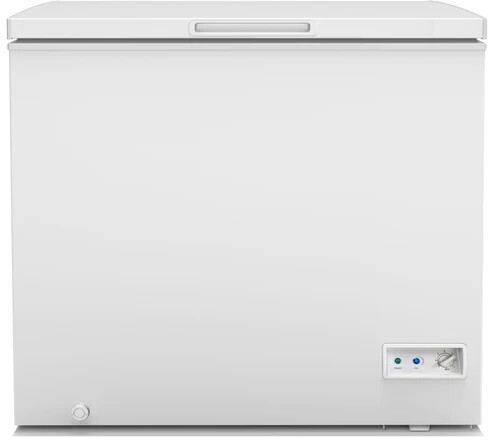
A mini freezer preserves food and beverages at freezing temperatures — a compact way to extend the shelf life of perishable goods or add freezer capacity a full-size unit can't fit. A skincare fridge, also known as a cosmetics fridge, stores beauty products in a cooler environment that helps maintain the potency and shelf life of serums, creams, and face masks, and lets you apply chilled products for calming, de-puffing benefits.
Temperature range: Mini freezers typically operate at 0°F (-18°C) or below, suitable for storing frozen foods, while skincare fridges usually have a higher temperature range, around 40°F (4°C) to 50°F (10°C), ideal for cosmetics.
Storage capacity: Mini freezers offer more space for bulkier items, whereas skincare fridges are designed with shelves and compartments appropriate for smaller, delicate items.
Location: Mini freezers are versatile and can be used in various settings, from garages to basements, while skincare fridges are often compact enough to fit on a bathroom counter or vanity.
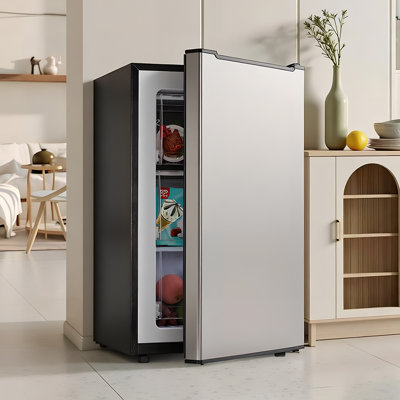
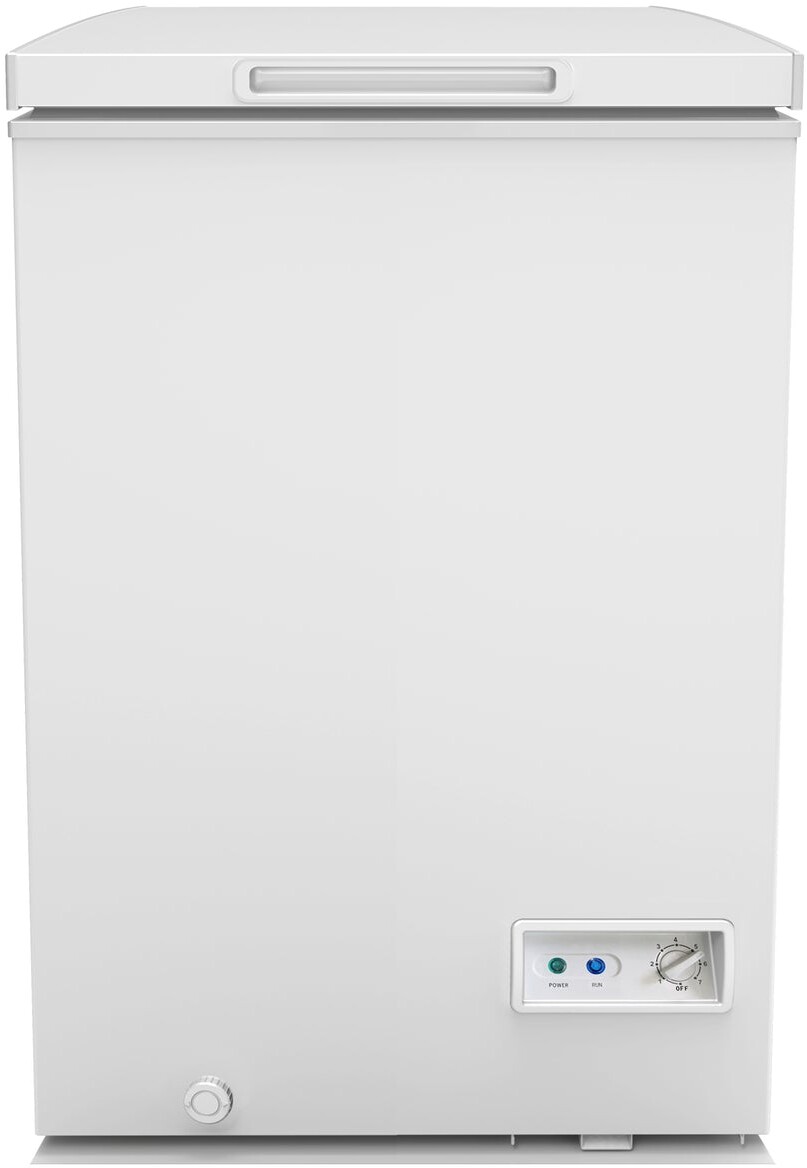
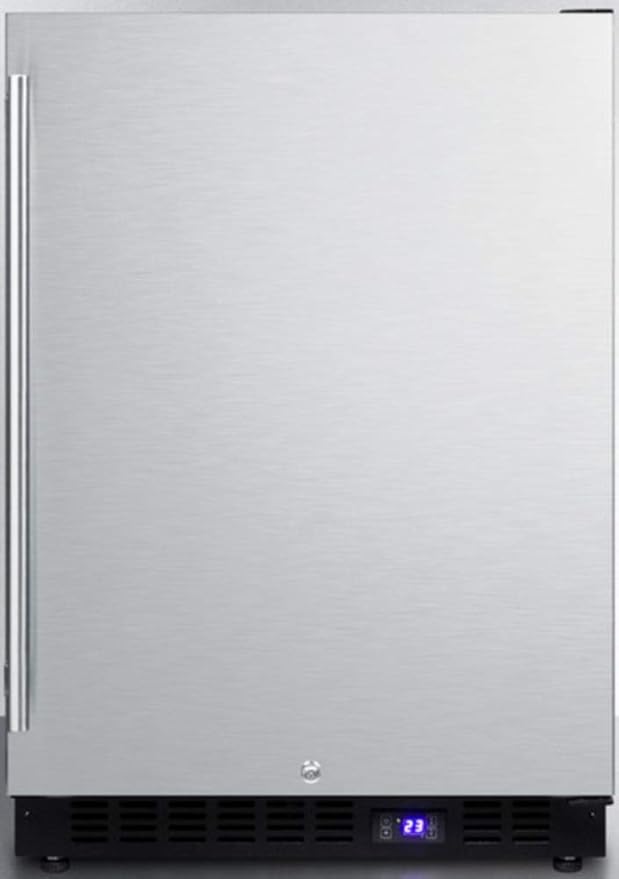
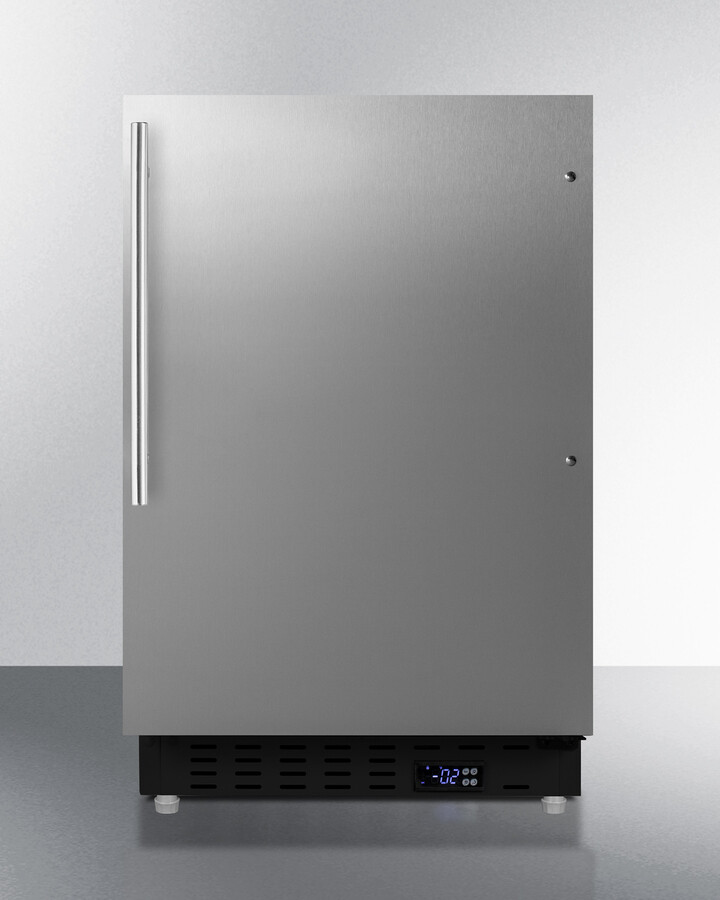
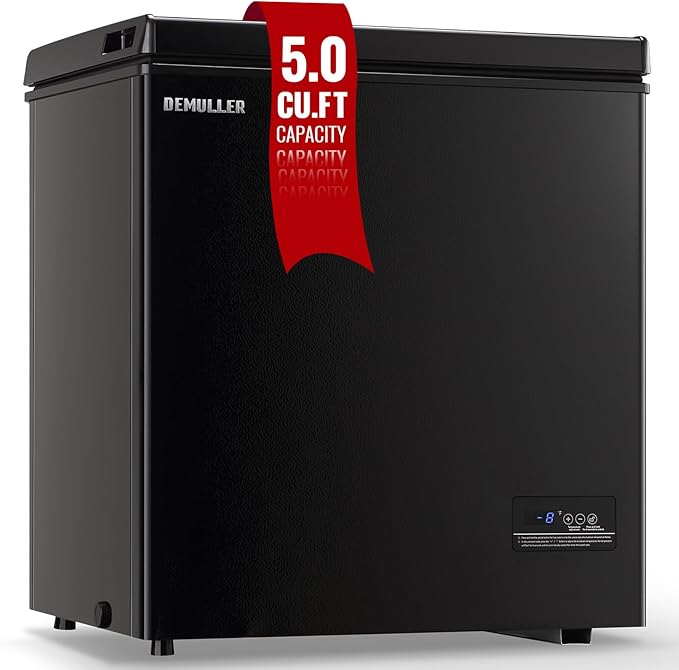
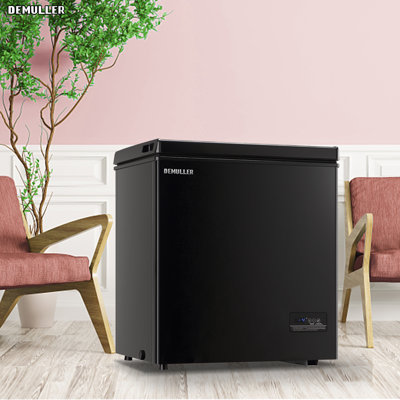
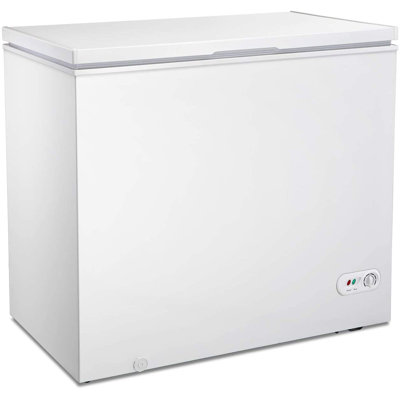
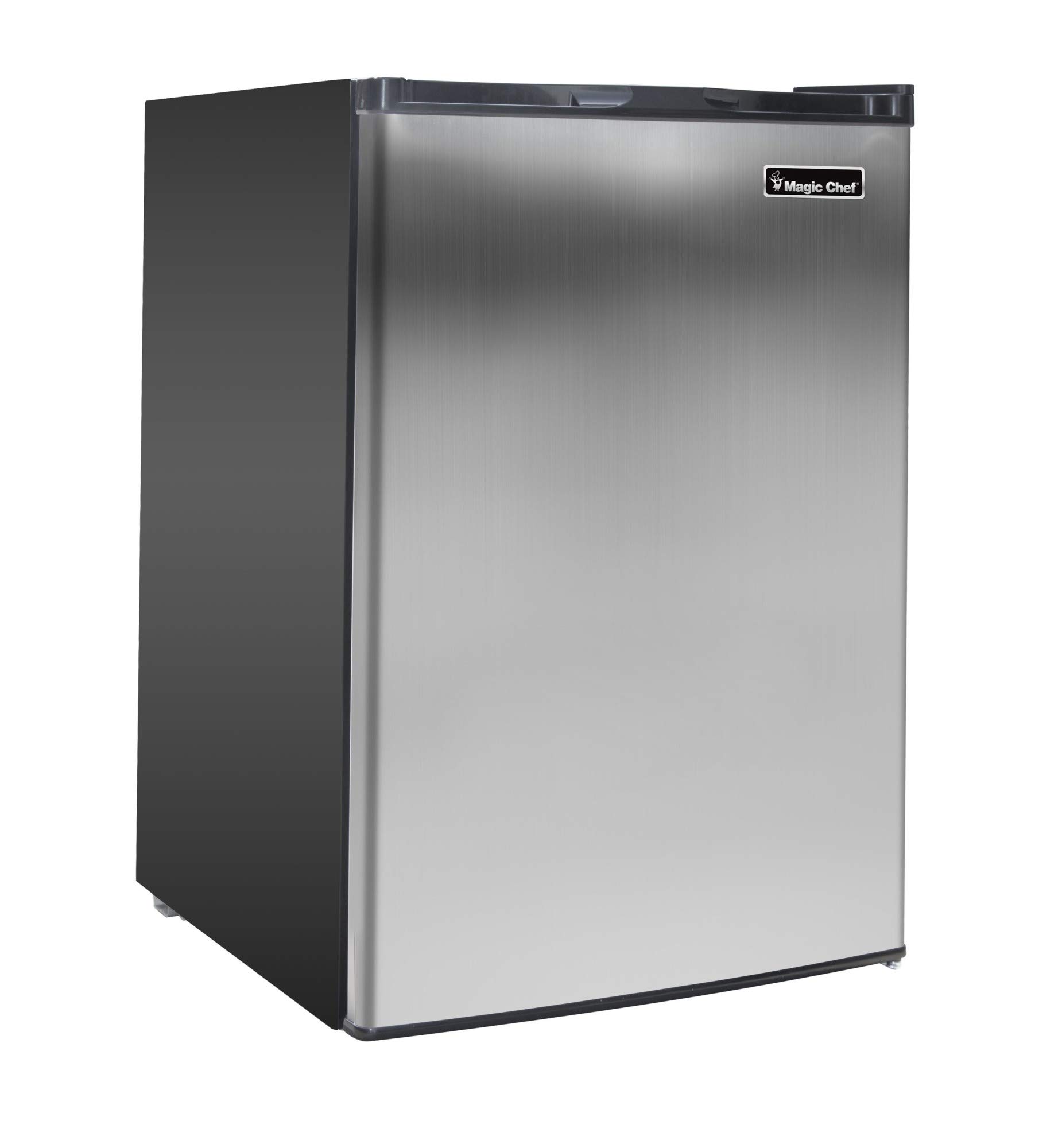
A mini freezer packs roughly 1.5 to 3.5 cubic feet of frozen storage into a space-saving footprint, usually with adjustable shelves or compartments for organizing items. Most models weigh 25 to 60 pounds and use compressor cooling, so expect a mild operating hum of about 35 to 45 dB. Many are designed for efficiency, using less electricity than full-sized freezers, and they are light enough to move between an apartment, dorm room, or RV.
Feature
Benefit
Compact Size
Fits in smaller living spaces
Adjustable Shelves
Customizable storage
Versatile Placement
Use in homes, offices, or on the go
Ideal Uses and Placement
A mini freezer earns its spot when you need extra freezing capacity without a full-sized appliance:
Studio apartments and dormitories where space is at a premium.
Meal prep and bulk purchases that overflow the kitchen freezer.
Home bars and entertainment areas that need ice or frozen appetizers within reach.
Secondary spaces like a garage or basement for overflow frozen goods.
Placement is flexible: a kitchen corner, under a wet-bar counter, beside a home-office desk, or — for models rated for it — a covered patio. Before deciding, compare the mini freezer's attributes with other refrigeration options such as a skincare fridge or portable freezer to make sure the choice fits your requirements.
Skincare Fridge Overview
Features and Benefits
A skincare fridge maintains a consistent cool temperature that extends the shelf life of skincare products — especially organic or natural formulas that lack preservatives — and keeps masks, creams, and serums pleasantly chilled for application. Compared to a kitchen refrigerator, it has fewer temperature fluctuations from door-opening, which suits delicate, temperature-sensitive products. Most models weigh only 4 to 8 pounds, run on silent thermoelectric cooling, and fit on a bathroom counter, vanity, or nightstand.
Feature
Benefit
Compact Size
Fits in small spaces and easy to move
Quiet Operation
Minimal noise, perfect for bedrooms or bathrooms
Temperature Control
Keeps products at optimal temperatures for use and preservation
Convenience
Easy access to chilled skincare products
Ideal Uses and Placement
A skincare fridge is most valuable for products that benefit from cool storage: vitamin C serums, retinol creams, and organic-based formulas, plus eye creams and face masks that soothe and reduce puffiness when applied cold. Its small size lets it sit on a vanity counter, in a bathroom, or next to the bed for chilled products during a morning or nighttime routine, and models come in a range of colors and styles to match your decor.
Vitamin C serums, retinoids, and natural preservative-free skincare degrade faster at room temperature; cooling them to around 40°F extends the potency of their active ingredients. Eye creams and face mists feel refreshing when cold — the cooling sensation reduces puffiness and temporarily tightens pores. Sheet masks applied cold create a spa-like experience at home, and probiotic-based skincare maintains live-culture viability longer at fridge temperature.
These products do not need freezing. At 0°F, water-based serums freeze and can rupture their containers — which is exactly why a skincare fridge is calibrated to a cool-not-cold range instead of freezer temperatures.
Why You Cannot Substitute One for the Other
Storing skincare in a mini freezer at 0°F freezes and damages most products. Storing frozen food in a skincare fridge at around 40°F thaws and spoils it. The temperature ranges do not overlap for their respective contents — each appliance is purpose-built for its own products.
Can You Use a Skincare Fridge for Food?
Not for anything frozen or perishable. Frozen food thaws and spoils at skincare-fridge temperatures, and many models run at 45°F to 50°F — warmer than a standard refrigerator — so perishable food should not be kept in one. The shelving is also sized for serum bottles and jars, not food containers. If you need compact frozen-food storage, that is exactly what a mini freezer is for.
Can You Use a Regular Mini Fridge for Skincare?
Yes — a standard mini fridge at 37°F works for skincare. Dedicated skincare fridges simply cater to the beauty market: vanity-top size that fits a bathroom counter, silent thermoelectric operation for the bedroom, decorative designs like pastel colors and mirror finishes, and removable shelves sized for serum bottles and jars rather than food containers. The skincare fridge is a lifestyle product; the mini fridge is a general-purpose appliance repurposed for beauty.
Mini freezers and skincare fridges vary significantly in volume:
Appliance Type
Average Capacity (Cubic Feet)
Mini Freezer
1.5 - 3.5
Skincare Fridge
0.14 - 0.7
Mini freezers hold a variety of frozen goods, from bulk purchases to leftovers. Skincare fridges are built for small items — face creams, serums, and masks — often with customized compartments to keep beauty products organized.
Determining Your Needs
For Freezing Needs: If you need to store frozen foods, ice packs, or other items that require freezing temperatures, a mini freezer is indispensable. They're ideal for spaces where a full-size freezer isn't necessary or won't fit, such as in a garage, office, or dorm room.
For Beauty and Skincare: If you're looking to extend the shelf life of your skincare products or enjoy a cool, refreshing application, a skincare fridge is your go-to. These are perfect for bathrooms, bedrooms, or anywhere you have your beauty routine.
Before purchasing, measure the area where the appliance will sit to ensure it fits, and factor in future storage demands — a new skincare regimen or more meal-prep space, for example.
For a mini freezer, the standard temperature for storing frozen food is at or below 0°F (-18°C) — crucial for preserving food quality and preventing bacterial growth. A skincare fridge maintains a much higher temperature; specifications vary by model, with some cooling to 35°F to 46°F and others holding 45°F to 50°F (7°C to 10°C), which keeps skincare products cool without freezing them. Check the spec sheet of any model you're considering.
Appliance
Temperature Range
Mini Freezer
0°F and below (-18°C and below)
Skincare Fridge
45°F to 50°F (7°C to 10°C)
Adjustability and Precision
Mini freezers often come with a thermostat that adjusts the temperature to the exact degree required for frozen products. Skincare fridges typically offer more general settings — low, medium, or high — corresponding to the preferred cooling range for beauty products. Consider how much precision the items you're storing actually need.
Energy Efficiency
Comparing Energy Consumption
Mini freezers maintain lower temperatures across a larger volume, so they use more energy. Typical skincare fridges draw only 20 to 50 watts through their thermoelectric cooling system — roughly $5 to $15 per year in electricity — while compressor-driven mini freezers draw 100 to 300 watts, roughly $23 to $46 per year. Check the energy rating label on any unit for its estimated annual consumption:
Look for Energy Star ratings — these models meet strict energy efficiency criteria set by the U.S. Environmental Protection Agency or the U.S. Department of Energy and use less energy without sacrificing performance. Additional eco-friendly features to look for:
Programmable thermostats to optimize energy use
CFC-free refrigerants that are less harmful to the environment
High-quality insulation to maintain temperature and reduce energy leakage
Durable models with a longer lifespan also reduce waste and replacement frequency. For deeper comparisons of energy-conscious choices, see compact freezer vs. mini fridge and outdoor freezer vs. undercounter freezer.
For both mini freezers and skincare fridges, cleanliness prevents the build-up of bacteria and odors:
Unplug and Empty: Before any cleaning procedure, ensure the appliance is unplugged and emptied.
Interior Cleaning: Use a mild detergent mixed with warm water to clean the interior surfaces. Avoid abrasive cleaners or pads that could damage the surfaces.
Defrosting: If your mini freezer has manual defrost, regularly defrost it to prevent ice build-up. Skincare fridges typically do not require defrosting.
Exterior Wipe Down: For the exterior, a simple wipe down with a damp cloth should suffice. Stainless steel exteriors can be cleaned with specific cleaners to maintain shine.
Door Seals: Clean the door seals with soapy water and ensure they are free of debris to maintain an airtight seal.
Dry Thoroughly: After cleaning, dry all surfaces thoroughly to prevent mildew or frost.
Longevity and Durability
Lifespan comes down to construction quality and care. Review the construction specifications and warranty before purchasing, follow the manufacturer's usage guidelines — overloading strains a mini freezer's compressor and overworks a skincare fridge's motor — and keep the appliance in a cool, dry spot away from direct sunlight or heat sources. Address operational issues promptly through a certified technician to preserve the warranty. For more appliance comparisons, see undercounter freezer vs. upright refrigerator.
Mini freezers are typically utilitarian, offered in classic white, black, or stainless steel to blend with most decors. Skincare fridges lean playful — pastels, bright colors, custom prints — and some feature glass doors or LED lighting to showcase products.
A mini freezer usually lands in the garage, kitchen, or basement for extra frozen food storage; a skincare fridge — smaller and more decorative — belongs in the bathroom or bedroom for easy access to chilled beauty products. Match the location to the appliance's purpose, and measure the available space before buying. For more on tailoring the choice to your living situation, explore comparisons such as compact freezer vs. mini fridge or drawer refrigerator vs. retro fridge.
Final Decision Making Factors
Budget Considerations
Typical purchase price ranges:
Appliance Type
Lower Price Range
Higher Price Range
Mini Freezer
$100
$300
Skincare Fridge
$40
$150
Broken out by model tier:
Type
Budget
Mid-Range
Premium
Skincare Fridge
$30 - $50
$50 - $80
$80 - $120
Mini Freezer
$80 - $200
$200 - $350
$350 - $600
Skincare fridges are among the most affordable powered cooling appliances available — $30 to $60 covers most models — while mini freezers start around $80 for the smallest uprights. Factor in running costs too: a mini freezer's larger size and colder temperatures mean higher energy consumption than a thermoelectric skincare fridge.
Personal Preferences and Lifestyle Requirements
Reflect on your routine and storage needs before committing. Evaluate the space available — a mini freezer needs more room than a compact skincare fridge. Match the purpose: long-term food storage and bulk shopping point to a mini freezer; preserving the potency of skincare products points to a skincare fridge. Consider portability and looks as tiebreakers — skincare fridges are lighter to move and come in designs meant to be seen. Explore comparisons like portable refrigerator vs. small chest freezer or countertop freezer vs. see-through refrigerator to help solidify your choice.
Who Should Buy Which
Buy a skincare fridge if you use vitamin C serums, retinoids, natural skincare, or sheet masks and want to extend product life and enhance the application experience with cold. The vanity-top size and silent operation suit bedrooms and bathrooms.
Buy a mini freezer if you need compact frozen food storage — frozen meals, ice, ice cream, or overflow from your kitchen freezer. The food-grade 0°F temperature handles everything that needs to be truly frozen.
No — not for frozen or perishable food. Skincare fridges run at roughly 35°F to 50°F depending on the model: frozen food thaws and spoils at those temperatures, and models at the warmer end run above standard refrigerator temperature, so perishables should not be stored there. Skincare fridges are purpose-built for cosmetics.
Can I store skincare products in a mini freezer?
No. At 0°F, water-based serums and creams freeze, which damages most products and can rupture their containers. Skincare belongs in the 35°F to 50°F cool range, never in a freezer.
What temperature is a skincare fridge?
Roughly 35°F to 50°F depending on the model — cool, not cold. Many use simple low/medium/high settings rather than degree-precise thermostats, so check the specification sheet if your products need a specific range.
What temperature should a mini freezer be for food?
At or below 0°F (-18°C). That is the standard for preserving frozen food quality and preventing bacterial growth.
Are skincare fridges noisy?
No — most use thermoelectric cooling and run at 20 to 30 dB, virtually silent, which is why they work in bedrooms. Mini freezers use a compressor and produce a 35 to 45 dB hum.
Which costs less to buy and run?
The skincare fridge, on both counts. Most models cost $30 to $60 to buy and draw 20 to 50 watts — about $5 to $15 per year in electricity. Mini freezers start around $80, range up to $600, and draw 100 to 300 watts — about $23 to $46 per year.
Do skincare fridges need defrosting?
Typically no. Mini freezers with manual defrost, however, should be defrosted regularly to prevent ice build-up.
Compare prices on Fridge.com
Compare current prices and specifications on Fridge.com, then buy from the retailer you choose; delivery, installation and warranty terms are the retailer’s.
It also has tons of awesome articles about kitchen stuff and home news. Enhance your home, garage, backyard, patio, and office with the coolest essentials. With every necessary type of residentialrefrigeratoror freezer in the collection, you're covered.
Frequently Asked Questions
Not for anything frozen or perishable. Frozen food thaws and spoils at skincare-fridge temperatures, and many models run at 45°F to 50°F — warmer than a standard refrigerator — so perishable food should not be kept in one. The shelving is also sized for serum bottles and jars, not food containers. If you need compact frozen-food storage, that is exactly what a mini freezer is for.