They are close: side-by-side models use about 500–650 kWh per year ($60–$78) and French door models about 500–700 kWh ($60–$84), with the exact figure depending on size and compressor technology.
Side-by-side models range from about $800 to $2,500 (premium up to ~$3,500), while French door models typically run $1,200 to $4,000+ (premium up to ~$5,000).
Both use narrow doors that need only 12–18 inches of swing clearance, so either suits tight spaces; side-by-side models are usually the more budget-friendly small-kitchen choice.
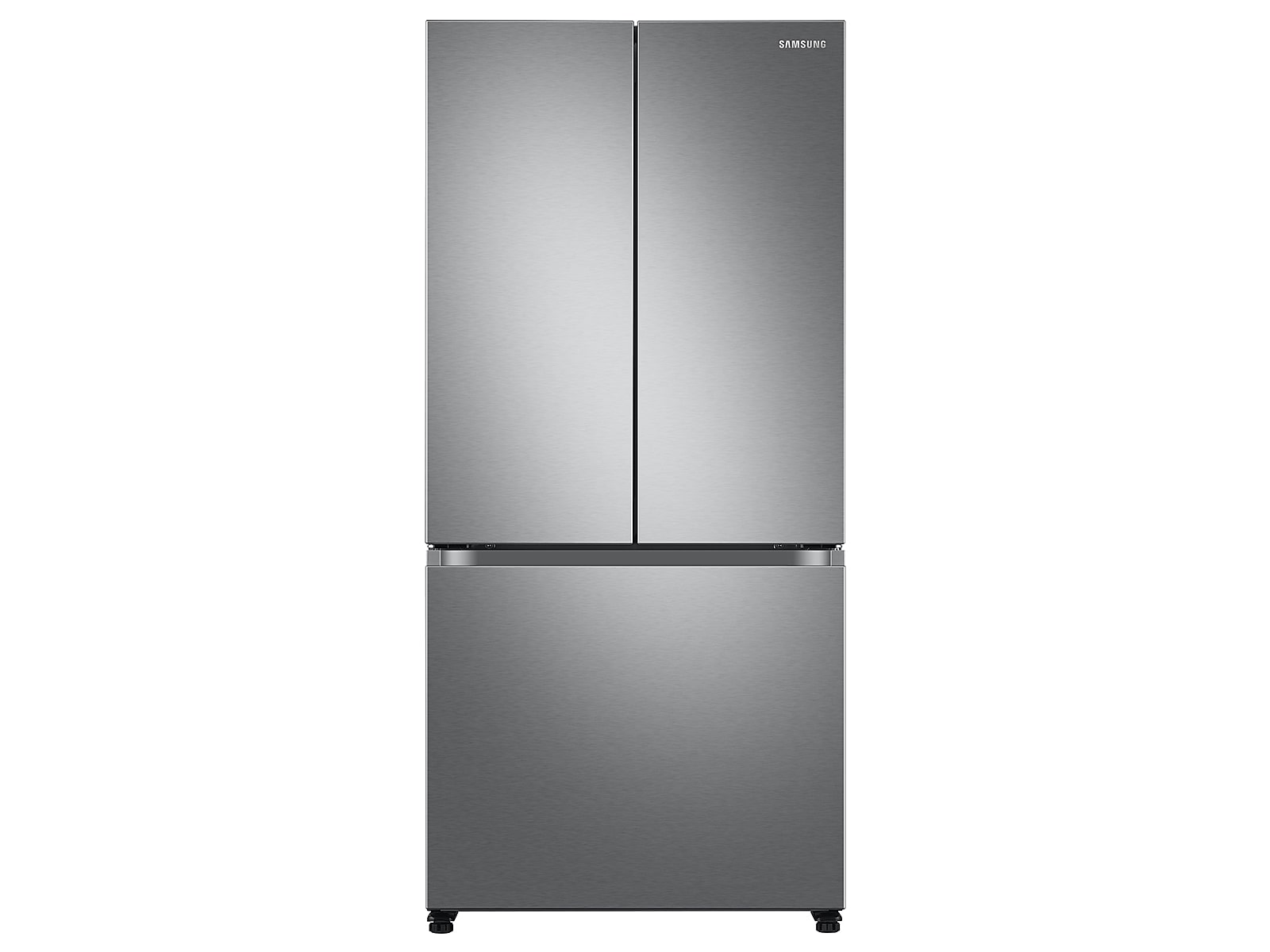
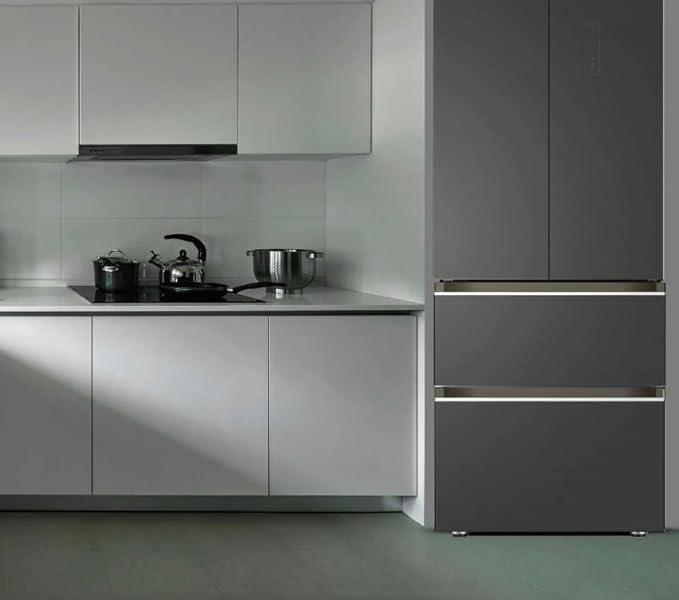
For those seeking a premium design with spacious storage, the Winia WRFS26ABWD French Door Refrigerator is a great choice starting at $1,078.84.
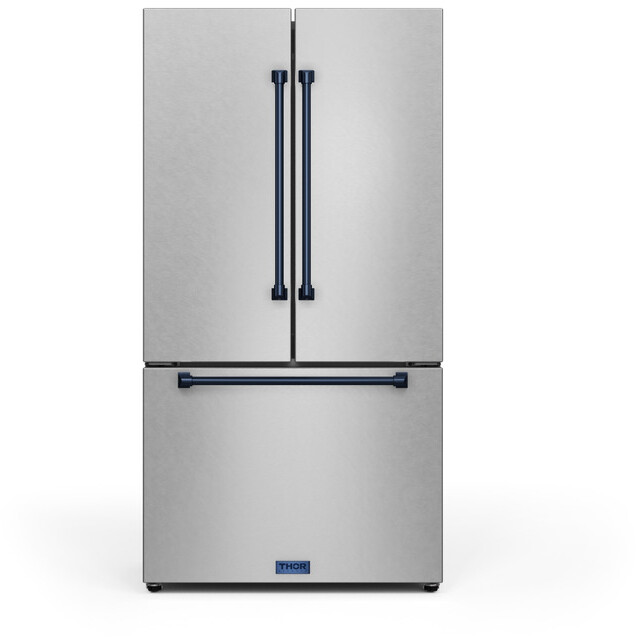
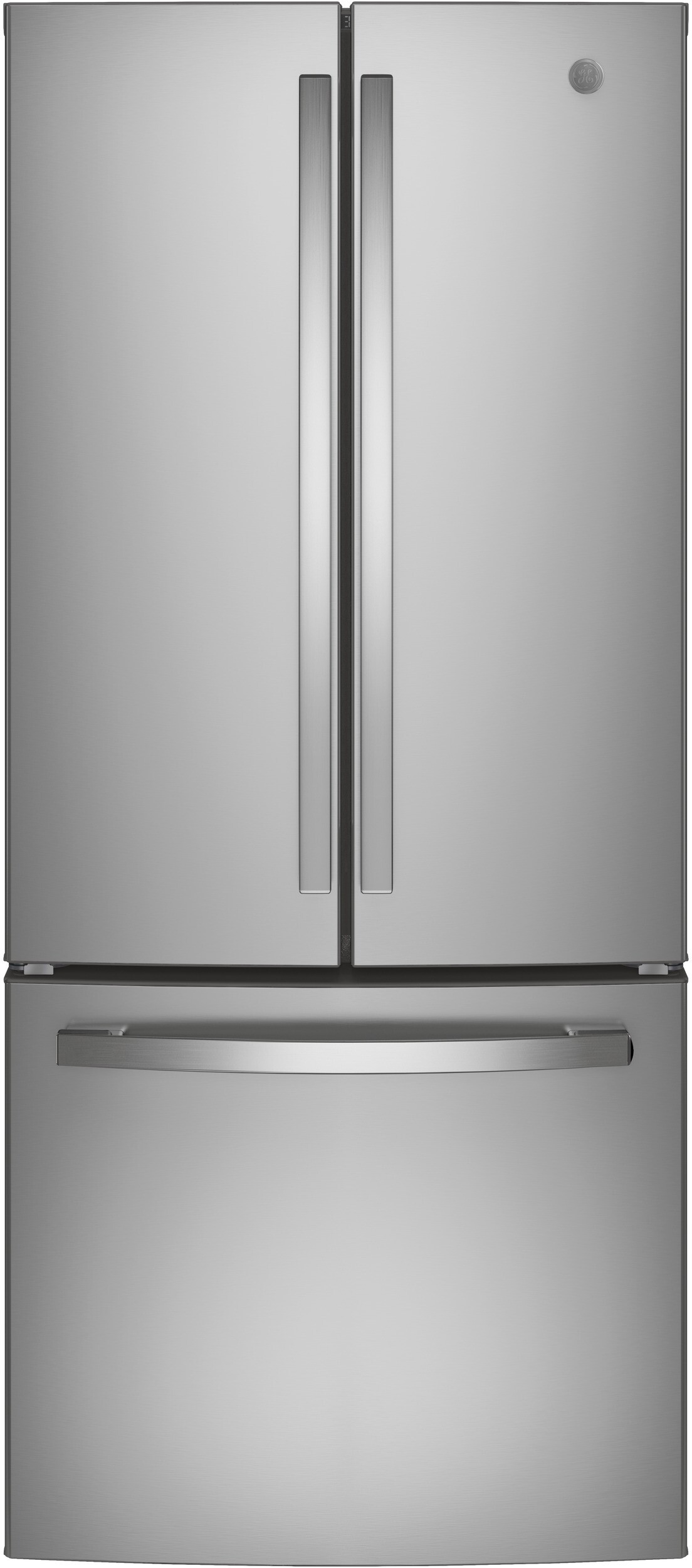
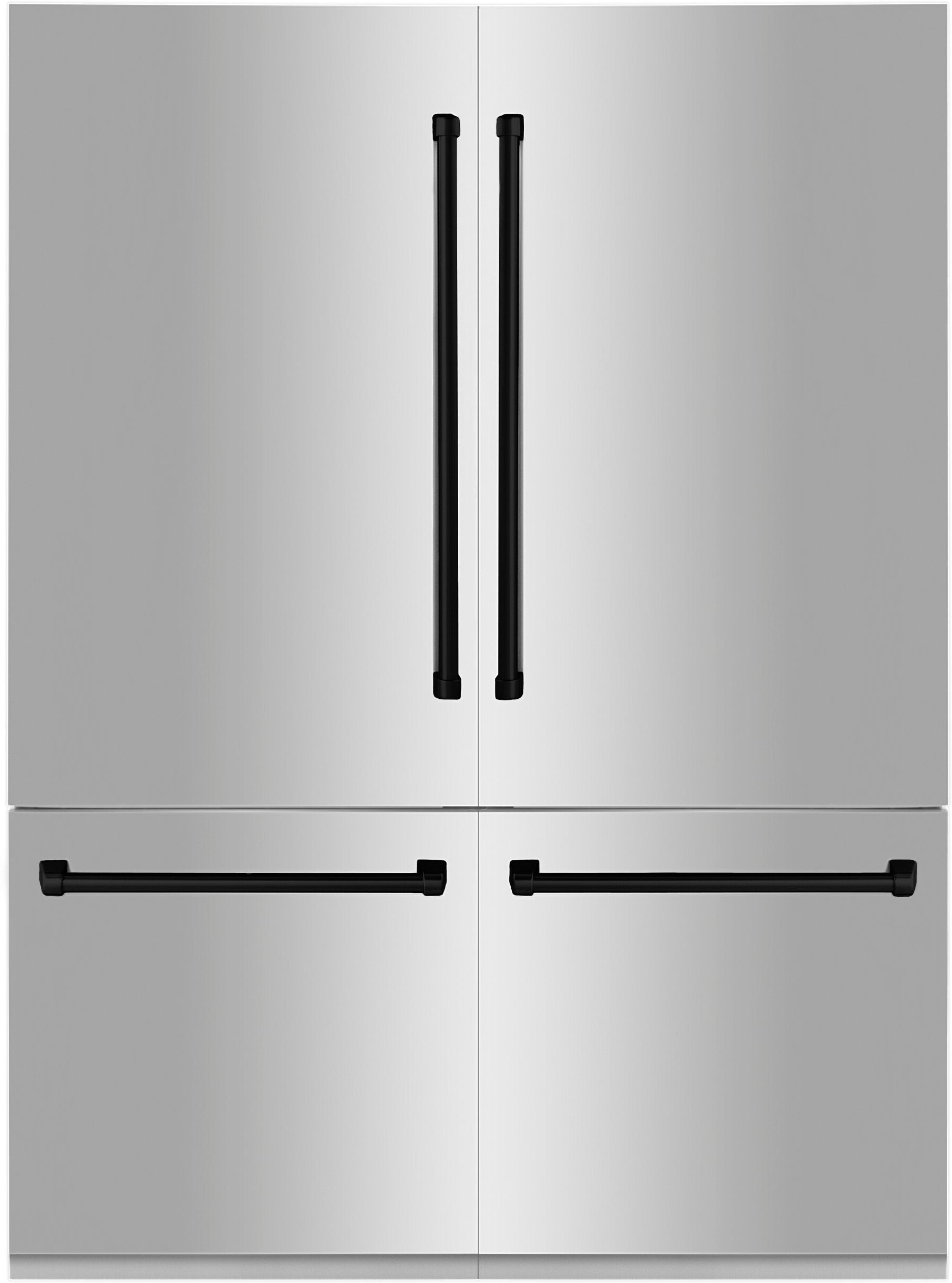
French door and side-by-side refrigerators are the two most popular large-capacity configurations on the market, and both offer roughly 20 to 28 cubic feet of total storage — but they organize that space very differently. A French door model places a wide, full-width refrigerator section behind two center-opening doors at eye level, with a pull-out freezer drawer below. A side-by-side splits the cabinet into two full-height columns, freezer on the left and refrigerator on the right, each behind its own narrow door. Those two layouts drive real, everyday differences in wide-item storage, freezer organization, ergonomics, price, energy use, and repair cost. This guide compares them feature by feature so you can match the right configuration to your kitchen, family size, and budget.
Quick Side-by-Side Comparison
Feature
French Door
Side By Side
Typical Price Range
$1,200 - $4,000+
$800 - $2,500
Capacity
Wider, large-item friendly
Equal vertical access, narrower compartments
Family Size Suitability
Best for 3-6+ people
Best for 2-4 people
Layout and Design Philosophy
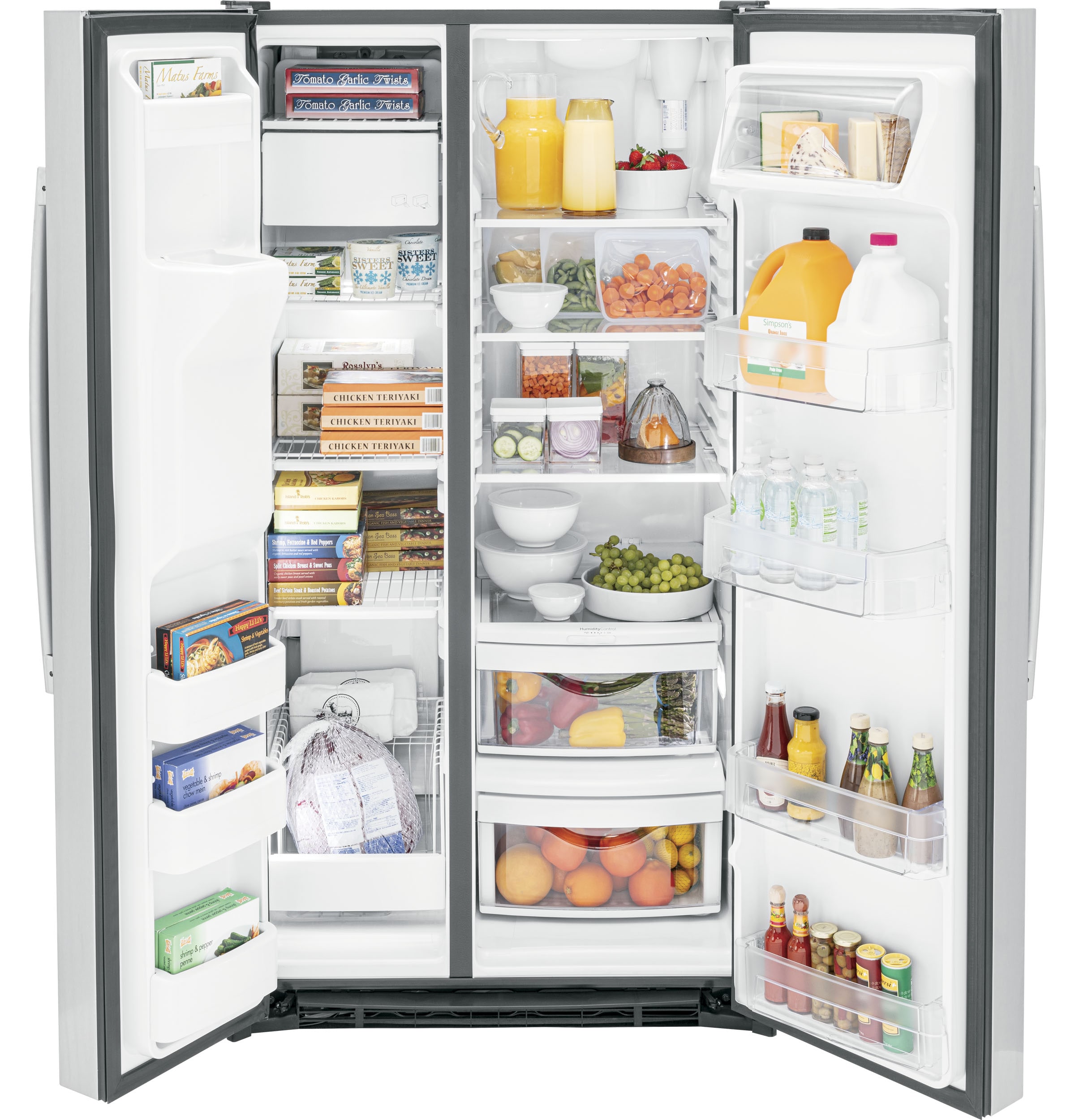
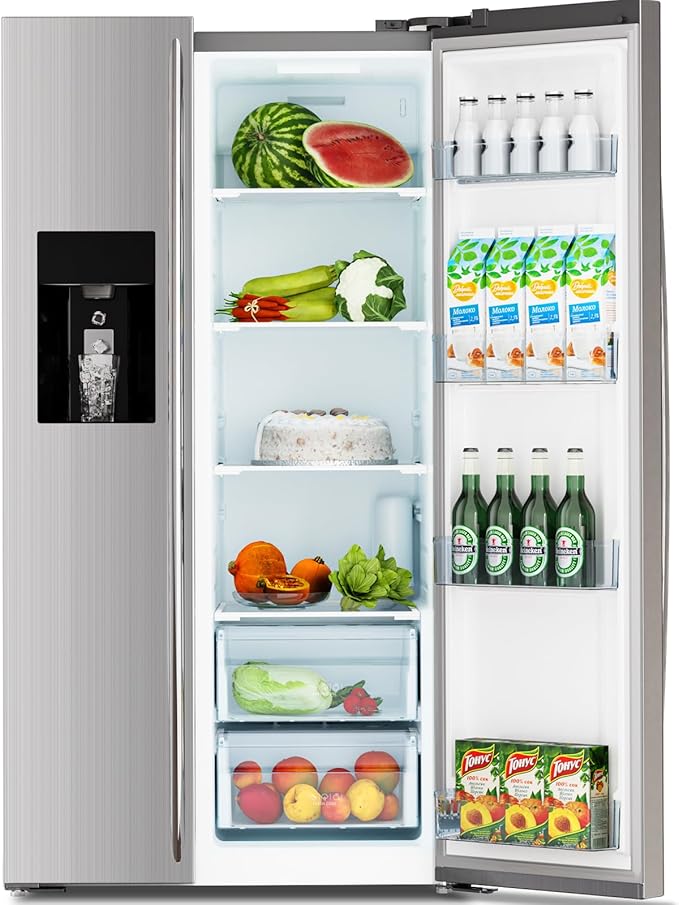
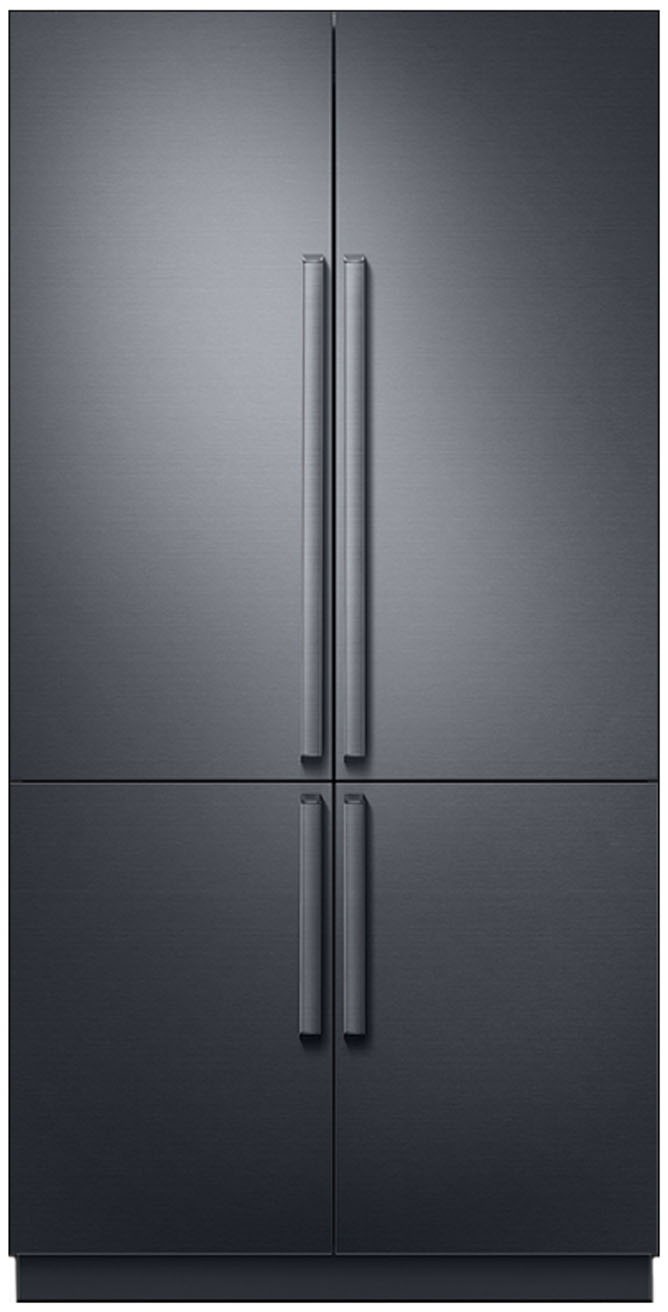
A side-by-side refrigerator splits its full height into two narrow columns, each accessible through its own door. The freezer column on the left typically provides nine to twelve cubic feet with four to six shelves, multiple door bins, and an ice maker, while the refrigerator column on the right offers twelve to sixteen cubic feet with four to five shelves, crisper drawers, a deli drawer, and door bins. Both sections run floor to ceiling, putting every item at some accessible height. The narrow doors need only twelve to eighteen inches of swing clearance each, which makes this design a strong fit for kitchens with islands or peninsula counters that restrict door swing.
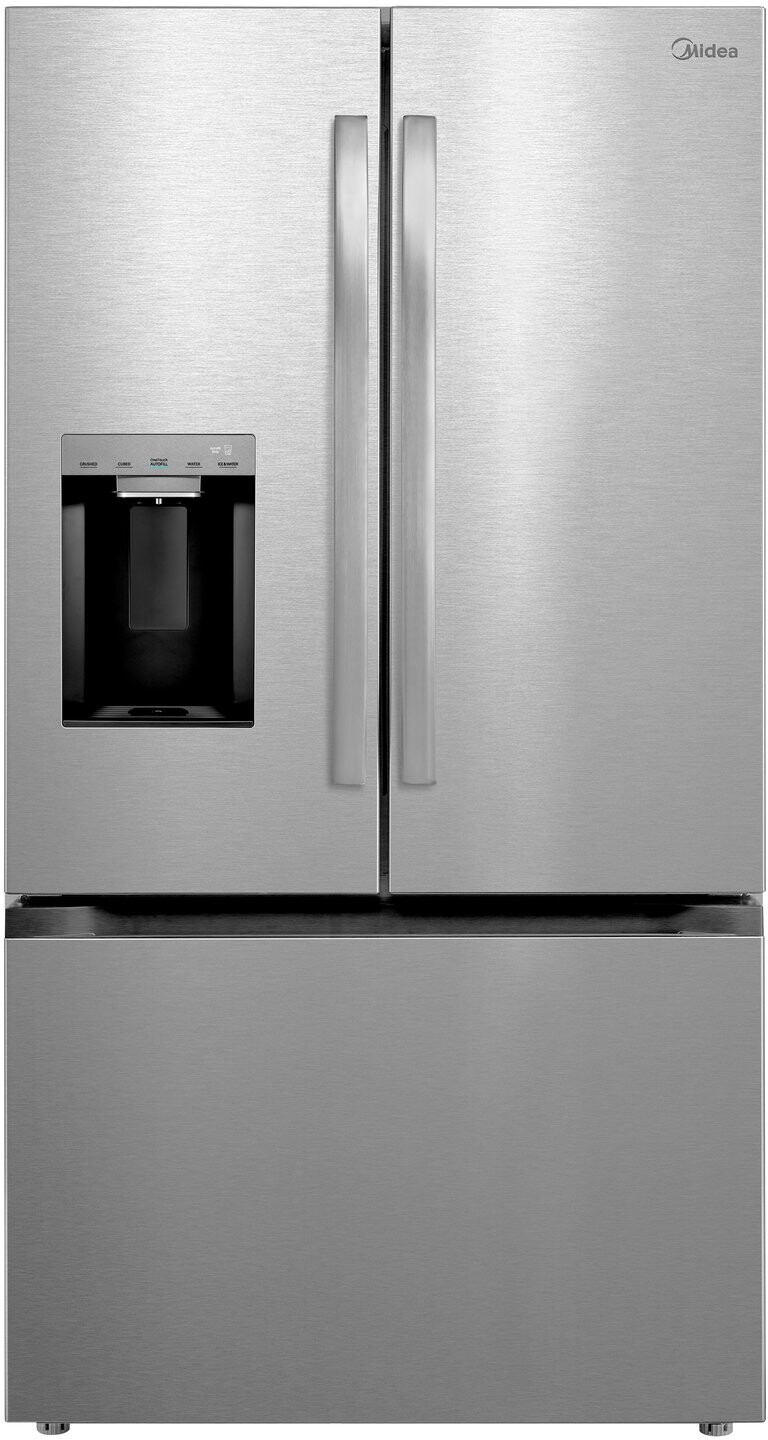
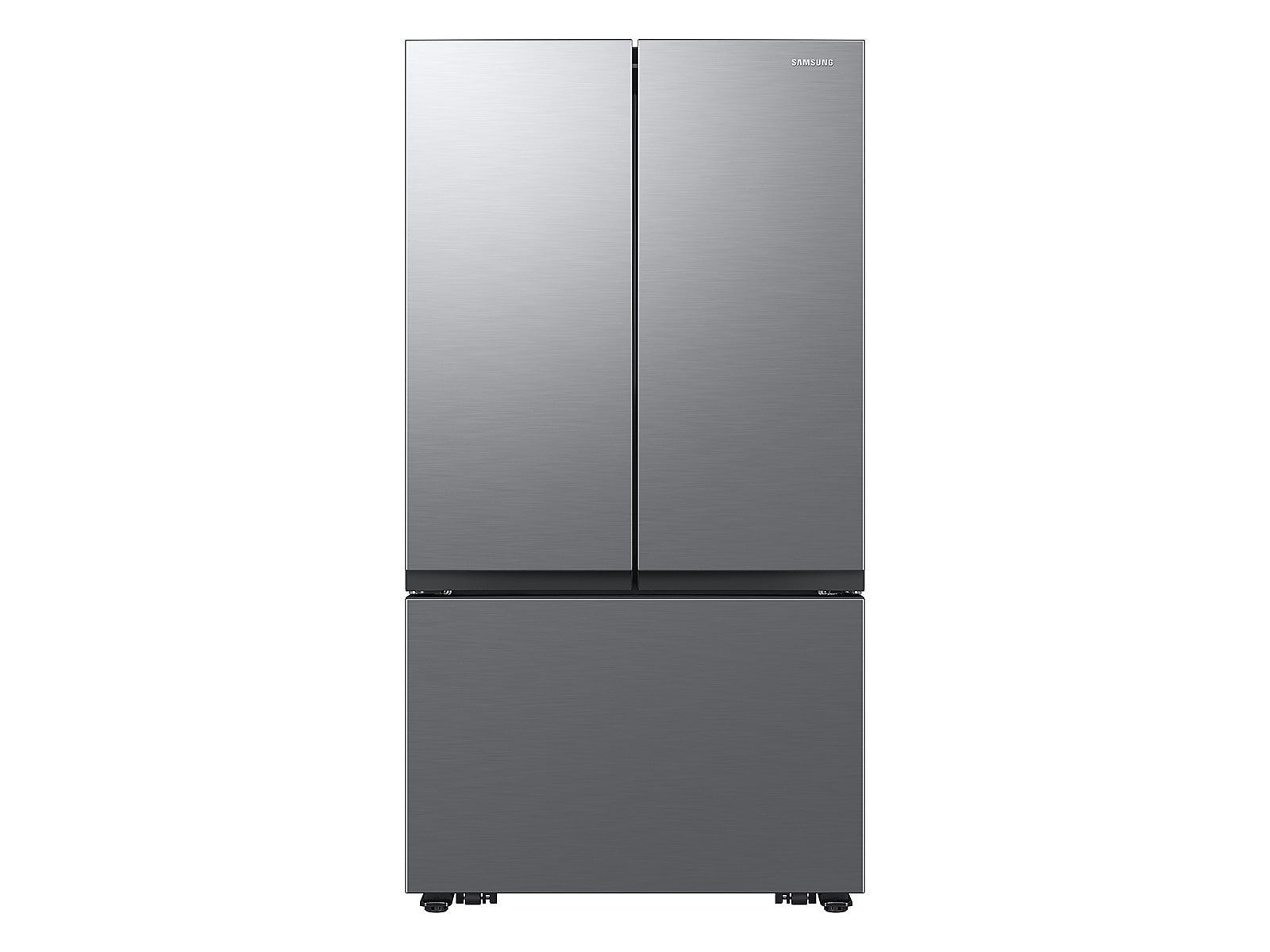
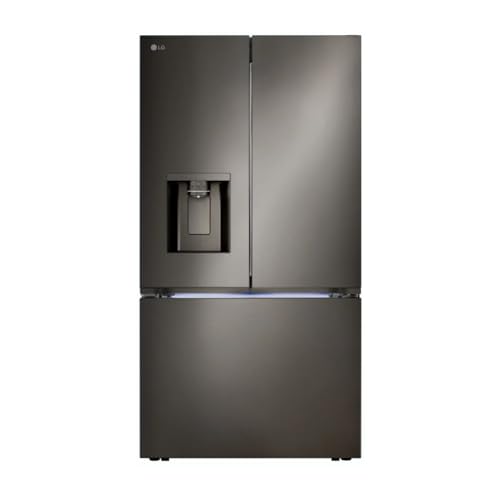
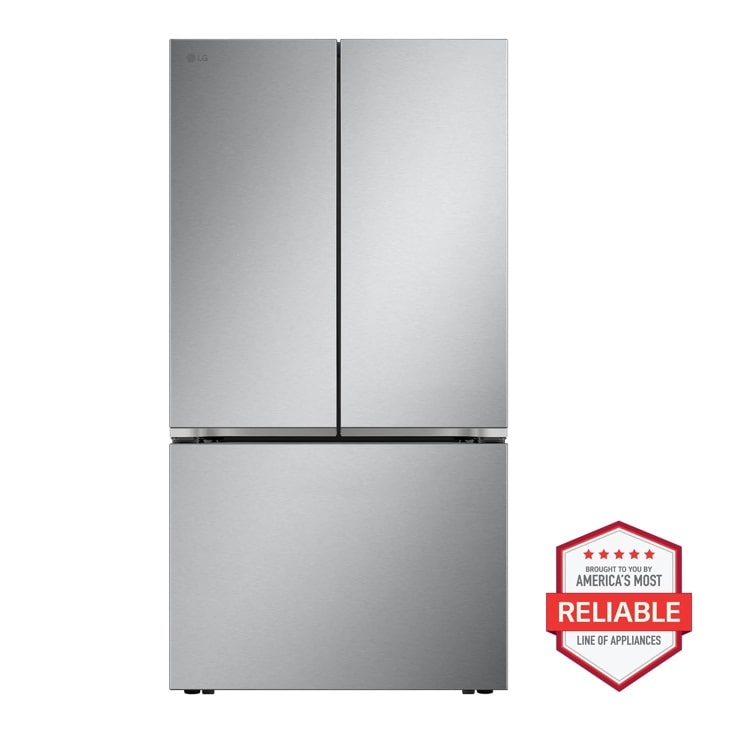
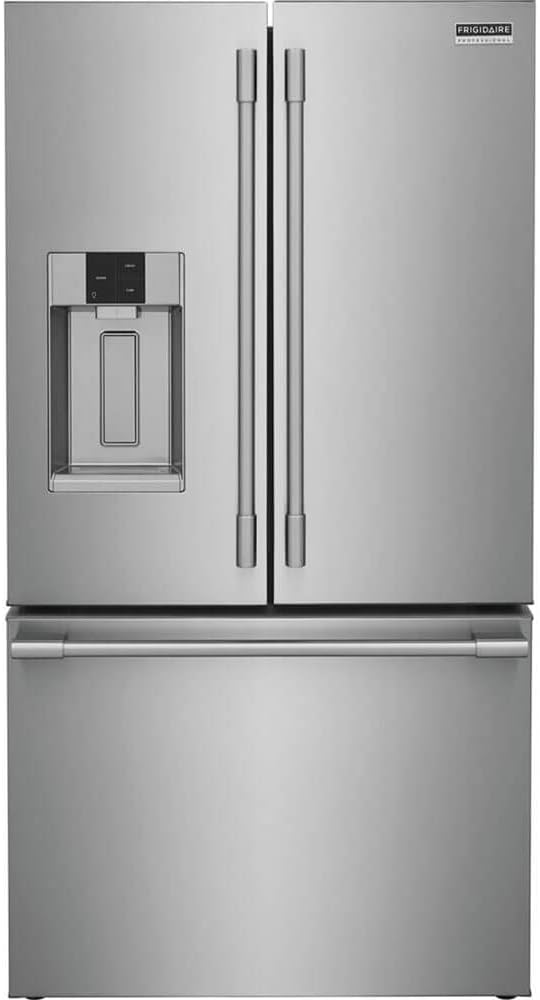
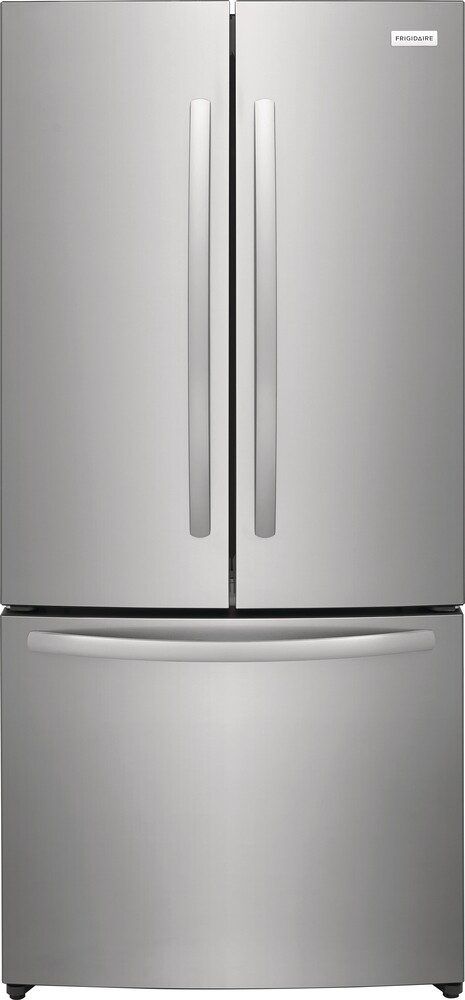
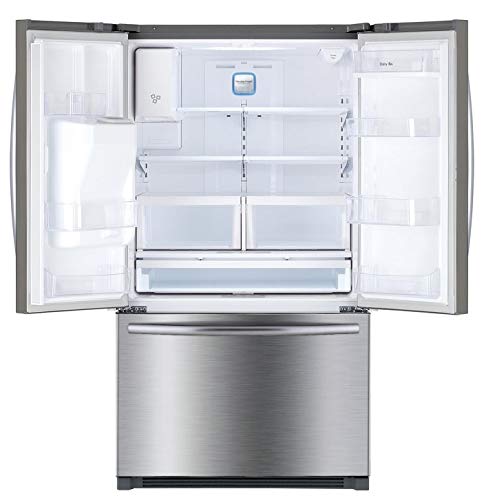
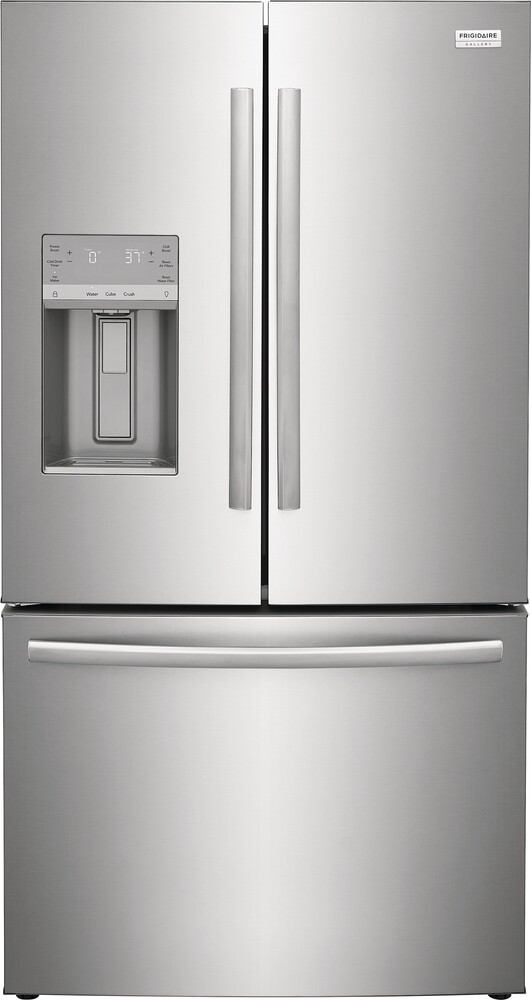
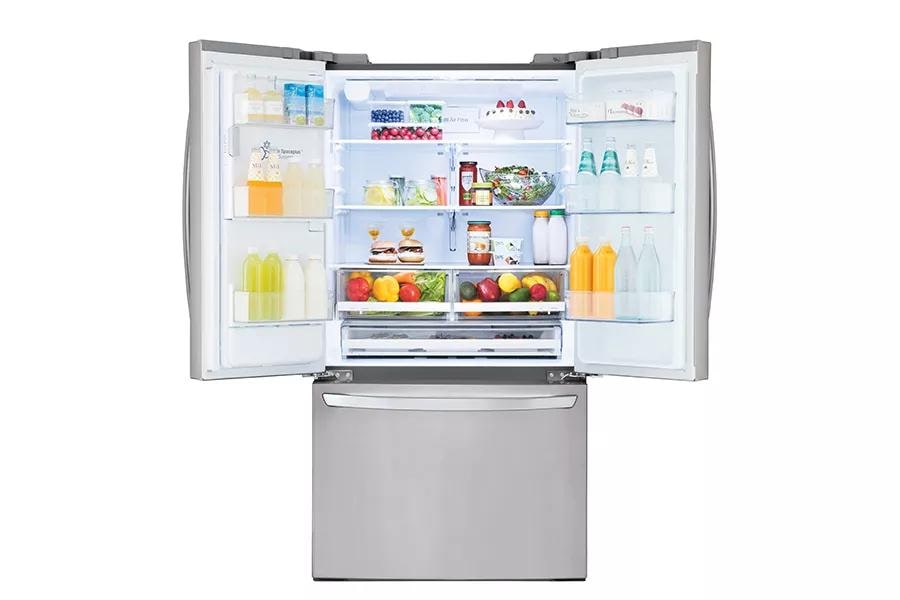
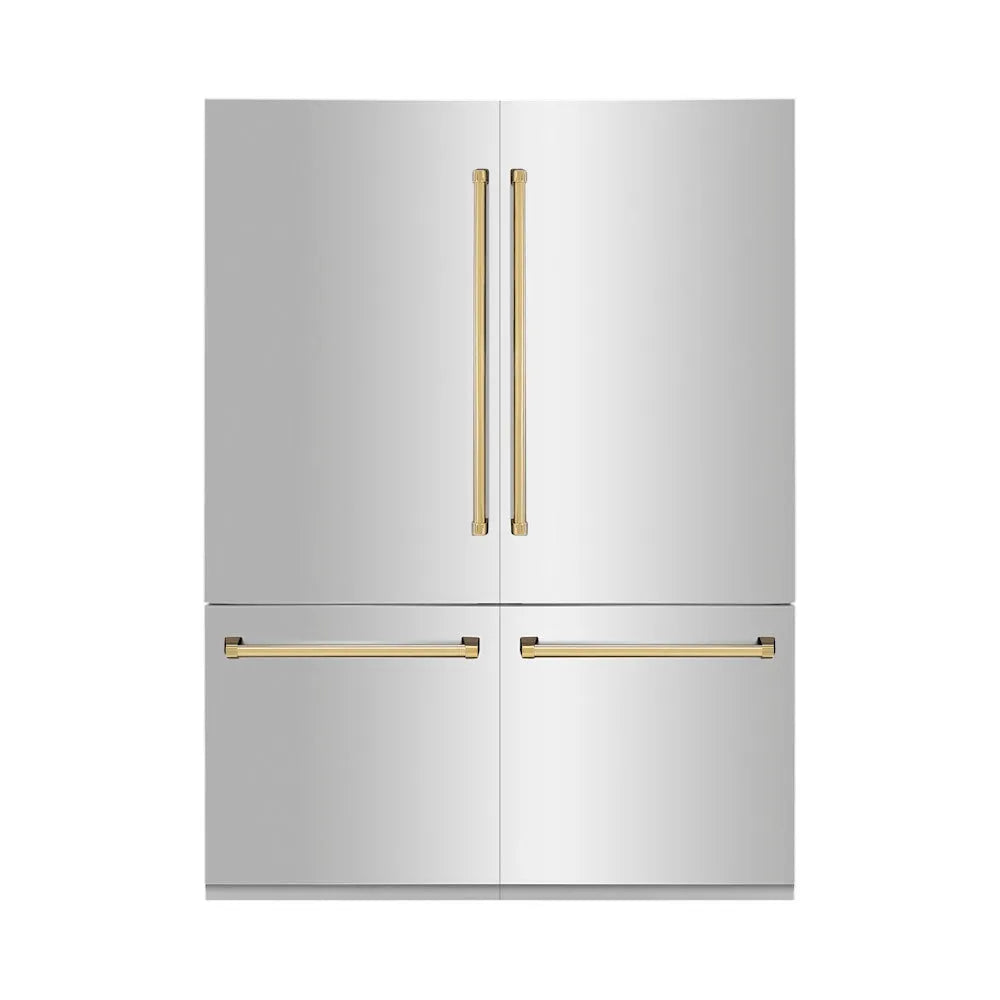
A French door refrigerator arranges its storage horizontally instead. The upper section houses the fresh food behind two narrow doors that open from the center, providing sixteen to twenty-one cubic feet of wide, shallow storage at eye and chest level. The lower section is a pull-out freezer drawer with seven to ten cubic feet, accessed from above when the drawer is fully extended. This layout prioritizes fresh-food access by placing the most frequently used section at the most comfortable height, while the less frequently opened freezer sits at floor level.
Fresh food storage is where the French door configuration shows its clearest advantage. The full-width upper section provides shelves that span twenty-eight to thirty-five inches across — wide enough to hold full-size party platters, sheet pans, large casserole dishes, and multiple gallon jugs side by side. Five to six adjustable shelves allow extensive vertical customization, wide crisper drawers give ample room for bulk produce with independent humidity controls, a dedicated deli drawer holds meats and cheeses at optimal temperatures, and door bins on both sides fit gallon containers comfortably.
The side-by-side refrigerator's fresh food column is narrower, typically twelve to sixteen inches wide internally, and this narrowness is its most significant limitation. Wide items like large platters, full sheet pans, and oversized containers simply do not fit on the narrow shelves — a standard frozen pizza box often cannot lie flat. The column does deliver excellent vertical organization with items visible at every height, but the restricted width forces you into smaller containers or means certain large items cannot be accommodated at all. For households that entertain with platters or store large dishes, that width limit is a daily frustration.
Freezer Access and Organization
The side-by-side freezer column provides the most organized frozen storage of any configuration. Four to six shelves at various heights let you sort frozen items by category — meats on one shelf, vegetables on another, frozen meals on a third, ice cream on a fourth — and door bins hold smaller items like juice concentrates and ice packs. The full-height access means you can see every frozen item at a glance without bending, and grabbing a specific item takes only opening the door.
The French door's bottom freezer drawer delivers excellent total capacity but less visibility. When you pull the drawer out you look down into bins and dividers holding items in a layered arrangement, so finding a specific package can require moving others aside. The bending needed to reach the bottom of a deep drawer is uncomfortable for some users, particularly those with back or knee limitations. The drawer format does make loading heavy items easy — bulk meat packages can simply be set down rather than lifted onto a shelf.
Feature
Side-by-Side
French Door
Total Capacity
22–28 cu ft
20–28 cu ft
Refrigerator Width
12–16 inches (narrow column)
28–35 inches (full width)
Freezer Access
Full-height shelved column
Pull-out drawer at bottom
Door Clearance
12–18 inches per door
12–18 inches per door
Wide Item Storage
Limited by column width
Excellent (full-width shelves)
French Door: What You Need to Know
French door refrigerators are known for their spacious, stylish design, making them ideal for households that store large platters or want a wide fridge compartment. They often come with advanced features and a premium look that can lift the overall feel of your kitchen.
Best For
Families of 3-6 or more who frequently store large or awkward-shaped items and appreciate a premium aesthetic.
Key Advantages
Wide, spacious fridge compartment for large items
Premium design with advanced features
Better organized freezer drawers for visibility and access
Often includes energy-efficient features
Potential Drawbacks
Typically more expensive than side-by-side models
Requires more clearance for doors and drawers
Freezer access may be less convenient due to bending
Side-by-side refrigerators offer a balanced approach to food storage with equal access to both the fridge and freezer. Their narrow doors need less swing space than a single wide door, which makes them a good fit for tighter kitchens.
Best For
Smaller families or individuals who have limited kitchen space and prefer easy vertical access to both fridge and freezer sections.
Key Advantages
Narrow door swing suitable for tight spaces
Easy vertical access to both fridge and freezer
Often more affordable than French door models
Plenty of usable freezer space with vertical organization
Potential Drawbacks
Narrow compartments can limit storage of wide items
Less premium aesthetic and fewer high-end features
May require bending to reach lower fresh food shelves
Ergonomics often decide long-term satisfaction. Side-by-side refrigerators put both fresh and frozen items at every height, so you never bend deeply to reach either section — a real benefit for users with mobility limitations who find stooping difficult. The trade-off is that your most-used fresh items may sit at whatever shelf level you assigned them, requiring different reaching positions.
French door refrigerators optimize comfort for the section you use most. Fresh food sits at eye and chest level, accessed dozens of times a day without bending, while the wide shelves make items easy to spot. The freezer drawer at floor level requires bending or kneeling, especially for items in the lower tier. If you open the freezer only a few times a day, that trade-off improves your overall comfort substantially; if you use the freezer constantly, the bending can cancel out the upper-section advantage.
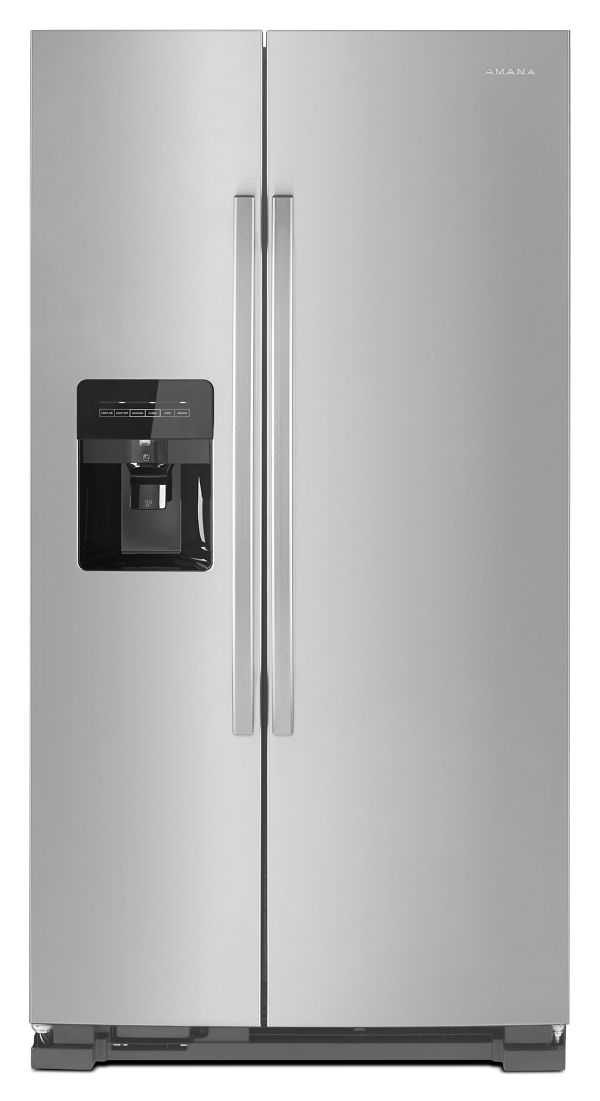
Both configurations commonly include through-the-door ice and water dispensers, but placement differs. Side-by-side models mount the dispenser on the tall, narrow freezer door at a comfortable height, delivering cubed ice, crushed ice, and filtered water without opening a door — though the ice bin and mechanism reduce usable freezer capacity by roughly one to two cubic feet.
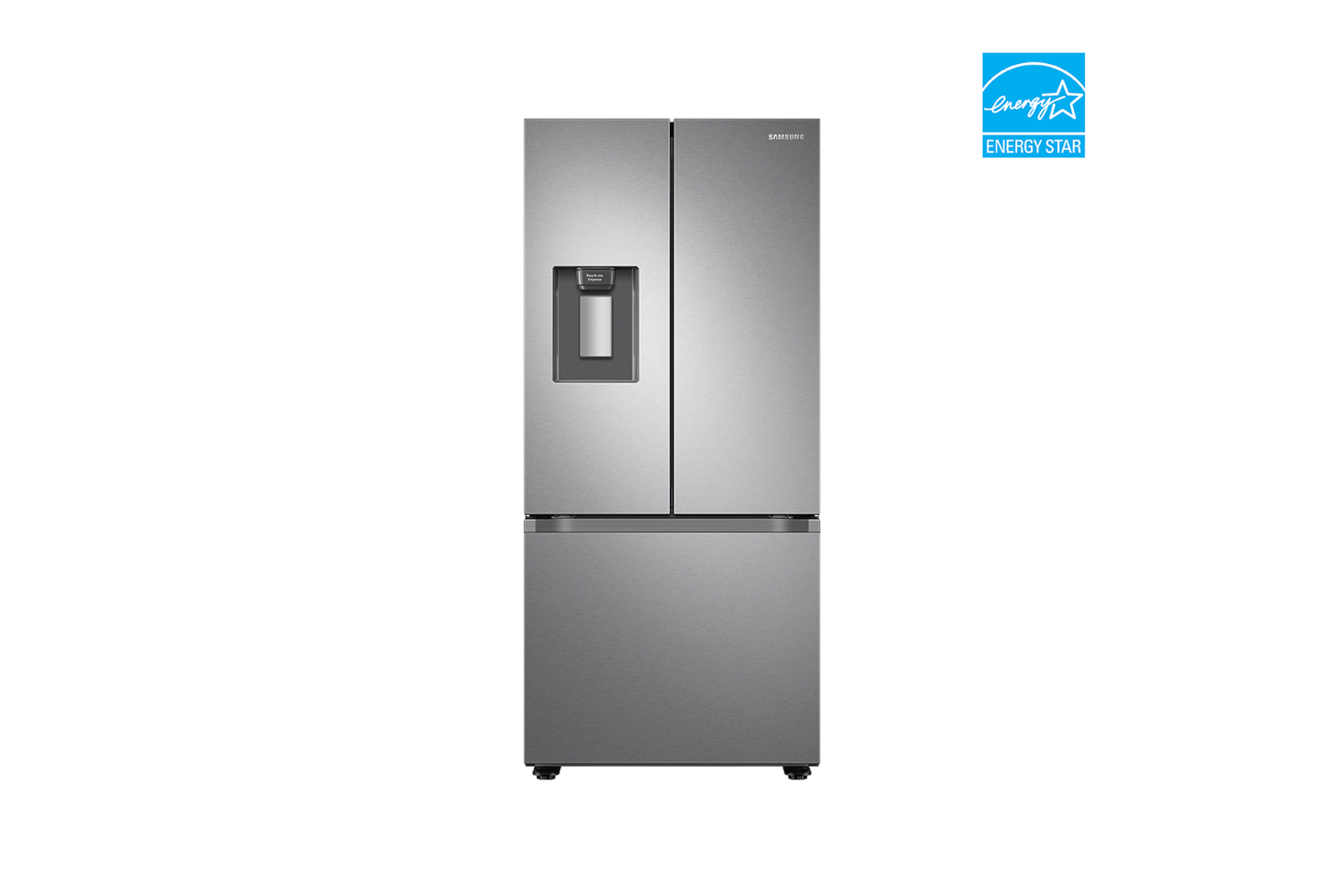
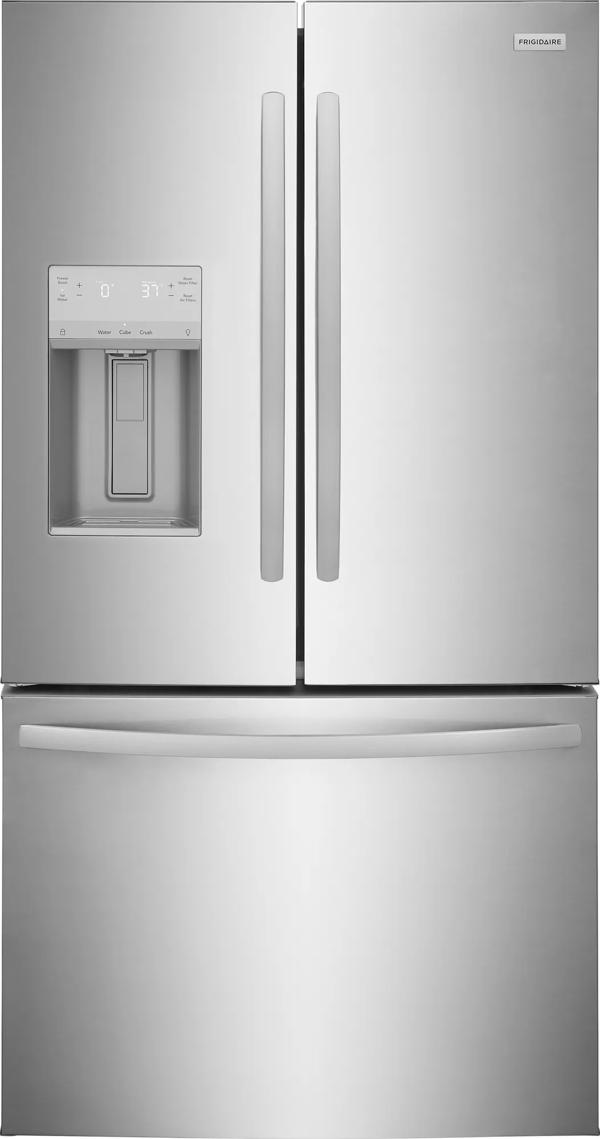
French door models mount the dispenser on one of the two refrigerator doors, with the ice maker and storage in the freezer drawer below. Some premium French door models move the ice maker into the door or an in-fridge bin to preserve freezer drawer space, and some forgo through-the-door dispensers entirely to maximize interior room, offering an internal water dispenser or pitcher-style filter instead.
Energy Consumption
Side-by-side refrigerators consume roughly five hundred to six hundred fifty kilowatt-hours per year, about sixty to seventy-eight dollars annually. The two full-height doors each lose cold air when opened, though the narrow openings limit the air exchange per opening. French door refrigerators consume roughly five hundred to seven hundred kilowatt-hours per year, about sixty to eighty-four dollars annually — comparable to side-by-side, with the exact figure depending on size, features, and compressor technology. The bottom freezer drawer retains cold air well during access because cold air naturally settles downward, reducing the thermal impact of opening it. In both types, inverter and dual-evaporator compressors improve efficiency and temperature control.
Side-by-side refrigerators typically operate between thirty-four and forty-four decibels, with intermittent sounds from ice production and dispensing layered over the compressor hum and continuous dual-column fan airflow. French door refrigerators run at a comparable thirty-six to forty-six decibels, the slightly higher top end reflecting larger compressors and dual evaporator systems on some models. In either configuration, inverter compressors significantly cut noise by eliminating the jarring on-off cycling of fixed-speed units, producing a steady, barely perceptible hum instead.
Side-by-side refrigerators generally cost less than French door models at comparable capacity. Entry-level side-by-side models start around one thousand dollars; mid-range units with better shelving, stainless finishes, and through-the-door dispensers run one thousand five hundred to two thousand five hundred dollars; premium smart models reach two thousand five hundred to three thousand five hundred dollars.
French door refrigerators command a premium at every tier. Entry-level models start around one thousand two hundred to one thousand five hundred dollars, mid-range models cost one thousand eight hundred to three thousand dollars, and premium models with smart technology, custom panels, and advanced storage run three thousand to five thousand dollars or more. The two hundred to one thousand five hundred dollar premium over comparable side-by-side models pays for the wider shelving, more sophisticated freezer drawer mechanisms, and generally more advanced feature sets.
Price Range
Side-by-Side
French Door
Budget
$1,000–$1,500
$1,200–$1,800
Mid-Range
$1,500–$2,500
$1,800–$3,000
Premium
$2,500–$3,500
$3,000–$5,000+
Annual Energy Cost
$60–$78
$60–$84
Reliability and Repair
Side-by-side refrigerators have moderate reliability with average lifespans of twelve to fifteen years. Their mechanical complexity sits between simple top-freezer models and sophisticated French door designs. Common repairs include compressor service, ice maker replacement, and door gasket maintenance, with most repairs falling between one hundred fifty and four hundred dollars.
French door refrigerators have slightly higher repair rates because of their more complex dual evaporator systems, motorized freezer drawer mechanisms, and electronic control boards, with average lifespans of ten to fifteen years. Repair costs tend to be higher — electronic control board replacements run two hundred to four hundred dollars and freezer drawer mechanism repairs one hundred fifty to three hundred dollars — so an extended warranty is worth considering on premium French door models.
The most common side-by-side mistake is ignoring the narrow shelf width. Bring your largest platter, baking sheet, or casserole dish to the showroom and test whether it fits — many buyers discover the limitation only after delivery, when a holiday turkey platter or a sheet cake won't fit between the narrow column walls. The most common French door mistake is underestimating freezer organization: without deliberate use of bins, dividers, and labels, the bottom drawer becomes a jumble where items get buried and forgotten. Buyers of both types commonly forget to measure door clearance and every doorway and hallway between the delivery truck and the kitchen — measure all passage points against the unit's dimensions with its doors removed.
Which Is Right for You?
Choosing the right refrigerator depends on your specific needs and kitchen layout. Use these guidelines to decide:
Choose French Door if.. you need wide storage for large platters, have a larger family, access fresh food far more often than frozen, want the most convenient eye-level fridge access, and appreciate advanced features and design.
Choose Side By Side if.. you have a smaller kitchen or tight door clearance, want full-height access to both fresh and frozen food without bending, maintain a well-organized frozen inventory across multiple categories, and prefer a more budget-friendly option.
FAQ
What is a French door refrigerator?
A French door refrigerator features two doors for the fridge compartment on top and a freezer drawer below, providing a wide layout for optimal storage.
What is a side-by-side refrigerator?
A side-by-side refrigerator has the fridge and freezer sections placed vertically next to each other, offering easy access to both areas.
How do French door refrigerators compare to side-by-side models?
French door models offer wider full-width fresh-food shelves (28–35 inches vs. 12–16 inches), place the fridge at eye level, and cost more, but their bottom freezer drawer is harder to keep organized and requires bending.
How do side-by-side refrigerators compare to French door models?
Side-by-side models give full-height, no-bend access to both fresh and frozen food and a better-organized shelved freezer at a lower price, but their narrow columns can't hold wide platters or sheet pans.
Which refrigerator style has better food organization?
French door models organize fresh food better thanks to wide shelves and dedicated deli and crisper drawers, while side-by-side models organize frozen food better with a full-height shelved freezer column visible at a glance.
Which refrigerator style is better for small kitchens?
Both use narrow doors that need only 12–18 inches of swing clearance, so either suits tight spaces; side-by-side models are usually the more budget-friendly small-kitchen choice.
Which uses less energy?
They are close: side-by-side models use about 500–650 kWh per year ($60–$78) and French door models about 500–700 kWh ($60–$84), with the exact figure depending on size and compressor technology.
Which is quieter and which lasts longer?
Side-by-side models run about 34–44 dB and last roughly 12–15 years; French door models run about 36–46 dB and last roughly 10–15 years, with slightly higher repair costs.
Can a side-by-side hold a large platter or pizza box?
Often not — the 12–16 inch column is too narrow for full-size platters and sheet pans, and a standard pizza box may not lie flat. A French door's full-width shelves handle these easily.
How much do side-by-side and French door refrigerators typically cost?
Side-by-side models range from about $800 to $2,500 (premium up to ~$3,500), while French door models typically run $1,200 to $4,000+ (premium up to ~$5,000).
Our Top Picks
For those seeking a premium design with spacious storage, the Winia WRFS26ABWD French Door Refrigerator is a great choice starting at $1,078.84. If budget and space efficiency are priorities, consider the Amana ASI2575GRS Side-by-Side Refrigerator, starting at $799.99.
Free tool
French Door Vs Side By Side Refrigerator
Free interactive tool from Fridge.com — get a quick answer while you read.