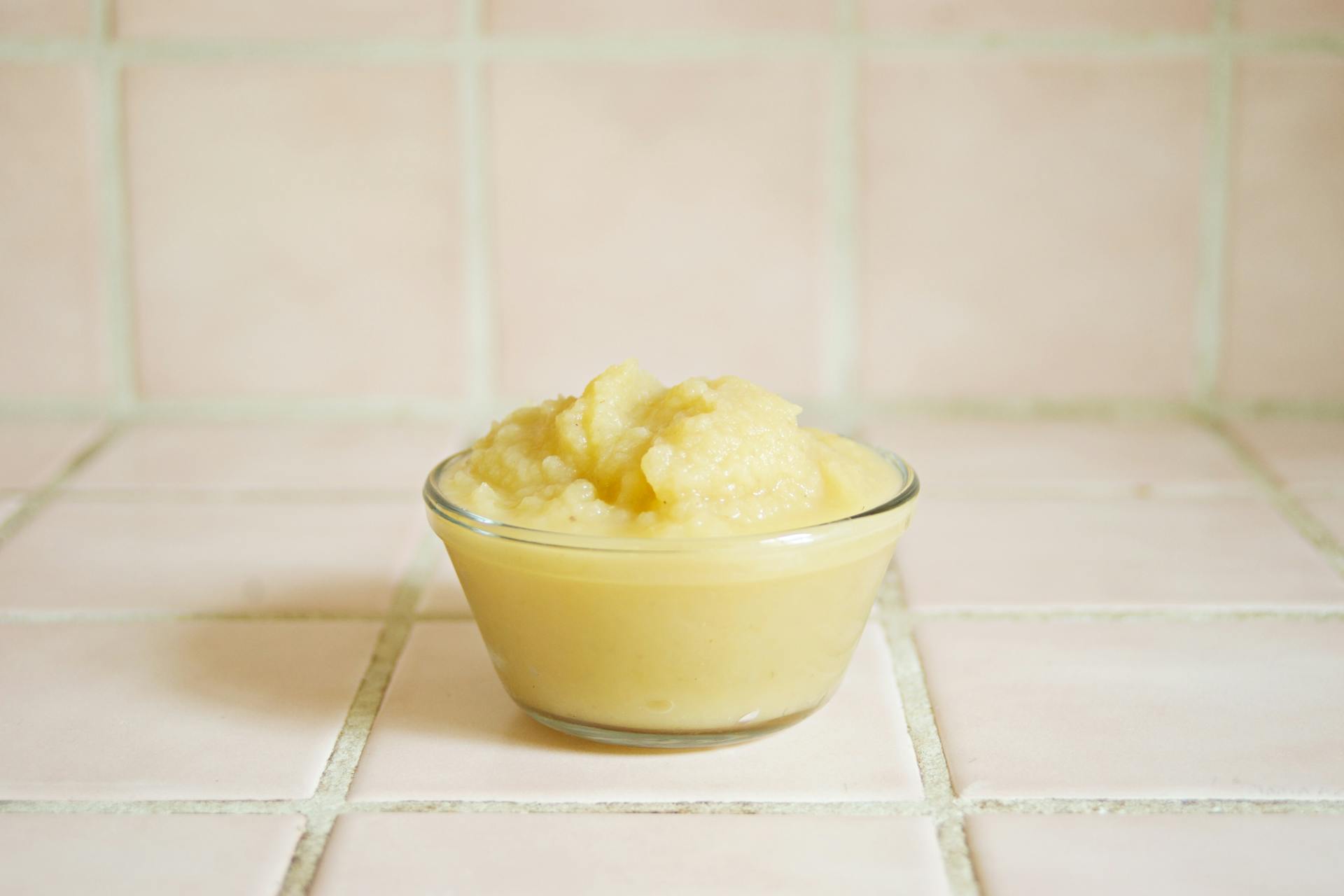
Applesauce lasts 7–10 days in the refrigerator once opened, whether it came from a jar, a squeeze pouch, a cup, or a homemade batch. Unopened commercial applesauce is shelf-stable and keeps in the pantry until its printed best-by date, staying usable for roughly 1–2 years past that date when the seal is intact and it is stored cool and dry. Homemade or opened applesauce is far more perishable and belongs in the fridge. Frozen applesauce holds its best quality for about 3–6 months. Keep your refrigerator at or below 40°F (4°C), reseal the container tightly after every use, and throw out any applesauce that shows mold, a fermented smell, or an off odor.
| Condition | How Long It Lasts |
|---|---|
| Unopened (pantry, until best-by) | Best-by date, plus ~1–2 years sealed |
| Opened, refrigerated (store-bought) | 7–10 days |
| Opened, refrigerated (homemade) | 5–7 days |
| Frozen (best quality) | 3–6 months |
Storing Applesauce in the Fridge
How you store applesauce directly determines how long it stays safe and tasty. A tight seal, a steady cold temperature, and clean handling are the three things that matter most.
Proper Storage Guidelines
To maximize the longevity of applesauce in your refrigerator, adhere to the following storage practices:
- Seal it Properly: Ensure that the applesauce container is tightly sealed. If it's homemade or transferred to another container, use an airtight container to prevent contamination and the introduction of odors from other foods.
- Keep it Cool: Store the applesauce in the colder parts of your refrigerator, away from the door, where temperatures can fluctuate with frequent opening and closing.
- Label and Date: Mark the container with the date it was opened or made. This helps keep track of how long it has been stored and prevents the risks associated with consuming expired food products.
- Minimize Exposure: Limit the time the applesauce is out of the fridge. Always put it back immediately after use to prevent spoilage.
Importance of Refrigeration
Refrigeration slows the bacterial growth that leads to spoilage—especially in homemade applesauce, which lacks the preservatives found in most commercial products—and it protects flavor and texture:
- Inhibits Bacterial Growth: Cold temperatures slow down the growth of bacteria. Applesauce, especially homemade varieties without preservatives, is prone to bacterial contamination if not kept chilled.
- Preserves Taste and Texture: Refrigeration helps applesauce retain its original flavor and consistency, preventing it from becoming watery or fermented.
- Extends Shelf Life: Proper refrigeration can significantly extend the shelf life of applesauce, both commercially packaged and homemade.
For the longevity of other items in the fridge, you might want to explore how long does apple juice last in the fridge? or how long does coffee last in the fridge? for more information on storing your favorite beverages.
Shelf Life of Applesauce in the Fridge
How long applesauce lasts in the fridge comes down to a handful of factors, and being able to recognize the signs of spoilage is just as important as knowing the numbers.
Factors Affecting Shelf Life
Several factors can impact the longevity of applesauce stored in the refrigerator:
- Preservatives: Commercial applesauce often contains preservatives that extend its shelf life, whereas homemade applesauce generally lacks these and may not last as long.
- Packaging: Airtight packaging can keep applesauce fresh for a longer period by minimizing exposure to air and contaminants.
- Temperature: Consistent refrigeration at or below 40°F (4°C) is crucial for slowing down the growth of bacteria.
- Handling: Every time applesauce is exposed to the environment, such as when it's opened or served, there's a potential for bacteria introduction that can affect its shelf life.
| Factor | Impact on Shelf Life |
|---|---|
| Preservatives | Extends |
| Airtight Packaging | Extends |
| Consistent Refrigeration | Extends |
| Handling | Can shorten |
Does Applesauce Need to Be Refrigerated?
Unopened commercial applesauce does not need refrigeration—it is heat-processed and sealed, so it stays safe at room temperature in the pantry until its printed date. The same is true of homemade applesauce that has been properly water-bath canned and sealed: it is shelf-stable until you break the seal. Once any applesauce is opened, though, refrigeration is required. Move it to the fridge at 40°F (4°C) or below and use it within 7–10 days, even if the label calls refrigeration optional—cold slows the mold and fermentation that set in quickly after opening. Squeeze pouches and single-serve cups follow the same rule: unopened they can sit in the pantry, but once opened they must be refrigerated and finished within a few days.
Signs of Spoiled Applesauce
Your senses, plus a look at the container, are the most reliable tools for spotting spoiled applesauce. Look out for the following indicators:
- Color change: If the applesauce has darkened or developed discolorations, it may be a sign of spoilage. A slight darkening at the very top can be normal oxidation, but widespread discoloration is not.
- Mold: Any visible mold growth on the surface—of any color—is a clear indication that the applesauce should not be consumed.
- Off smell: A sour, alcoholic, or fermented odor is a telltale sign that the applesauce has gone bad.
- Bulging or fizzing: A swollen lid, a hiss of gas when opened, or bubbling are signs of fermentation—discard the container.
- Off or watery texture: Heavy separation, an unusually watery consistency, or a slimy surface means it is past its prime.
If you encounter any of these signs, or if you're in doubt, err on the side of caution and dispose of the applesauce—do not taste it to check, because harmful bacteria can be present without an obvious change in flavor. For more information on food safety and storage, explore Fridge.com comprehensive guides, such as how long do mulberries last in the fridge? and how long does fresh fish last in the fridge?. Remember that proper storage and regular inspection are your best defenses against consuming spoiled food.
How Long Does Applesauce Last in the Fridge?
When it comes to keeping your applesauce fresh and delicious, the refrigerator is your ally. Understanding how long applesauce remains consumable in the fridge is essential for both taste and health.
Unopened vs. Opened Applesauce
The longevity of applesauce in your refrigerator largely depends on whether the jar has been opened or remains sealed. An unopened jar of commercially processed applesauce typically has a longer shelf life due to the pasteurization and sealing process it undergoes during manufacturing.
| Condition | Shelf Life in Fridge |
|---|---|
| Unopened Applesauce | 1-2 years past the printed date |
| Opened Applesauce | 7-10 days |
Once you break the seal of an applesauce container, the countdown begins. Opened applesauce should be consumed within 7 to 10 days for optimal freshness. It's crucial to ensure the lid is tightly secured each time you store it back in the fridge to extend its lifespan as much as possible. For homemade applesauce, the window is often shorter due to the lack of preservatives, so aiming to consume it within 5-7 days is a good practice.
An unopened jar or cup does not have to live in the fridge at all before it is opened—it can stay in the pantry until the best-by date and remains good for roughly 1–2 years beyond that date if the seal and container are undamaged. The printed date on store-bought applesauce is a quality date, not a hard safety cutoff, so a sealed jar a few months past its best-by is usually fine once you confirm the seal is intact and there is no bulging or leaking.
Refrigerator Temperature Impact
The temperature of your refrigerator plays a significant role in the preservation of applesauce. Ideally, your fridge should be set at or below 40°F (4°C) to slow down bacterial growth and maintain the quality of your food. Many home refrigerators actually run warmer than the dial suggests, especially in the door and near the top, so an appliance thermometer placed in the main body of the fridge is the only way to know the real temperature. A fridge that holds a steady 38°F is even better for perishable items.
| Refrigerator Temperature | Impact on Applesauce |
|---|---|
| 40°F (4°C) or below | Optimal for shelf life |
| Above 40°F (4°C) | May shorten shelf life |
If the temperature fluctuates above the recommended range, the applesauce may spoil more quickly. It's beneficial to use an appliance thermometer to monitor your fridge's temperature, and to keep the applesauce on a shelf toward the back rather than in the warmer, temperature-swinging door.
By adhering to these guidelines, you can ensure your applesauce remains a tasty and safe addition to your snacks and meals. Remember to always inspect your applesauce for signs of spoilage before consuming it. For tips on identifying spoiled perishables, including changes in color, odor, or texture, you can refer to Fridge.com section on how long does sea buckthorn juice last in the fridge? which covers similar perishable items.
Extending the Shelf Life
When it comes to keeping applesauce fresh for as long as possible, employing proper storage techniques can make a significant difference. Here are some tips and methods to help prolong the freshness of your applesauce, including how to freeze it effectively.
Tips for Prolonging Freshness
Maintaining the quality of your applesauce involves a few key considerations:
- Seal Properly: Always ensure that the applesauce container is sealed tightly to prevent air from entering, which can accelerate spoilage.
- Keep It Cool: Store the applesauce in the coldest part of your refrigerator, usually at the back, away from the door. This helps maintain a consistent temperature.
- Use Clean Utensils: When serving applesauce, use a clean spoon each time to avoid introducing bacteria into the container. Don't eat straight from the jar if you plan to store the rest.
- Portion Control: Consider dividing larger amounts of applesauce into smaller containers. This prevents the entire batch from being exposed to air every time you take a portion.
By following these tips, you can help keep your applesauce tasting fresher for longer.
Freezing Applesauce
Freezing is an excellent option for extending the shelf life of applesauce far beyond what the fridge can offer. Here's how you can freeze applesauce:
- Portion Appropriately: Divide the applesauce into portions that you would typically consume in one sitting. This prevents the need for thawing and refreezing.
- Airtight Containers: Use airtight freezer-safe containers or heavy-duty freezer bags to store the applesauce. Leave some space at the top as applesauce will expand when frozen.
- Label and Date: Clearly label each container or bag with the contents and the date of freezing.
| Storage Method | Expected Shelf Life |
|---|---|
| Refrigerator | 7-10 days (opened), until best-by plus 1-2 years (unopened) |
| Freezer | 3-6 months (best quality) |
Kept frozen at 0°F (-18°C), applesauce stays safe indefinitely; the 3–6 month window is about best quality, after which flavor and texture start to slip. When you're ready to use it, simply thaw it in the refrigerator overnight and stir, since the texture may loosen slightly after thawing. If you're curious about the longevity of other foods in your fridge, you might find articles such as how long does turnip last in the fridge? to be useful resources.
Safe Consumption Practices
When it comes to enjoying applesauce from your fridge, adhering to safe consumption practices is key. Proper inspection before eating and knowing how to handle and store your applesauce will ensure you enjoy its flavors without compromising on safety.
Inspecting Applesauce Before Eating
Before indulging in the contents of that applesauce container, perform a quick inspection. First, check the date on the package. Even within date, look for any signs of spoilage such as:
- Mold growth: Any visible fuzzy spots or discoloration on the surface.
- Off odors: A sour or fermented smell that differs from the fresh fruity scent you're accustomed to.
- Changes in texture: If the applesauce has separated or become excessively watery.
- Bulging lid or gas: A swollen container or a hiss when opened points to fermentation.
Do not taste applesauce to decide whether it is safe—harmful bacteria can be present without any change in flavor. If anything looks, smells, or seems off, throw it out.
Proper Handling and Storage Techniques
Maintaining the quality and safety of your applesauce begins with how you handle and store it. Here are some tips to help you prolong its shelf life:
- Keep It Sealed: Always reseal the container tightly after use to limit exposure to air, which can accelerate spoilage.
- Use Clean Utensils: To avoid introducing bacteria, only dip clean utensils into the applesauce.
- Store at the Right Temperature: Keep your applesauce in a consistently cold part of the fridge, ideally at or below 40°F (4°C).
- Avoid Cross-Contamination: Don't store applesauce next to raw foods or beneath anything that could drip into it and introduce bacteria. Keep raw meat and poultry on the bottom shelf so juices cannot reach it.
- Follow First-In, First-Out (FIFO) Rule: Use the oldest applesauce first to ensure you're consuming it while it's still fresh.
By following these techniques and regularly inspecting your applesauce, you can enjoy it safely and reduce food waste. For more information on storing other food items, check out Fridge.com guide on how long does sea buckthorn juice last in the fridge?
Remember, when in doubt, it's always safer to discard any food item that doesn't pass your inspection. Consuming spoiled food can lead to foodborne illnesses, so it's best to err on the side of caution.
Understanding Expiration Dates on Applesauce
The date printed on a jar or cup of applesauce is not a strict safety deadline. Knowing which date you're reading tells you how much leeway you have:
- Best-by (or best-if-used-by): A quality date. Sealed applesauce is usually fine for roughly 1–2 years past this date, though flavor and color may slowly fade.
- Use-by: The manufacturer's estimate of peak quality; on shelf-stable applesauce it is still mostly about quality rather than a hard safety cutoff.
- Sell-by: A date meant for the store's stock rotation, not for you—applesauce remains good well past it.
Once a container is opened, the printed date no longer applies. Switch to the opened-storage rule instead: refrigerate and use within 7–10 days (5–7 days for homemade). And regardless of the date, if the seal is broken on a jar you thought was sealed, or the lid is bulging, discard it.
Using Applesauce Past Its Prime
When your applesauce has passed its peak but hasn't yet shown signs of spoilage, there are still many ways you can use it. Creativity in the kitchen can help you minimize waste and enjoy every last spoonful of your applesauce.
Creative Ways to Use Older Applesauce
Before your applesauce reaches the point of no return, consider these inventive uses:
- Baking Substitute: Applesauce is a well-known substitute for oil or butter in baking. Whether you're making muffins, cakes, or bread, it can provide moisture and a slight fruity flavor.
- Marinade Base: Mix it with spices and use it as a marinade for meats. The natural sugars in the applesauce can help caramelize and tenderize the meat.
- Smoothie Sweetener: Add it to your smoothies for a touch of sweetness and extra fiber.
- Oatmeal Flavoring: Stir it into your morning oatmeal or yogurt for added flavor.
- Sauce Ingredient: Use it as a base for sweet and sour sauce or blend it into curries for a touch of sweetness.
Remember, if you have a significant quantity of applesauce and you're unsure how to use it promptly, freezing is always an option to consider.
When to Discard Applesauce
Despite your best efforts, there comes a time when applesauce must be discarded. Here are signs that your applesauce has gone bad and should not be consumed:
- Mold Growth: Any visible mold or discoloration is a clear indicator that your applesauce should be thrown out.
- Off Smell: A sour or fermented odor is a sign of spoilage.
- Fermentation: A bulging lid, fizzing, or an alcoholic smell means yeast or bacteria have taken hold.
- Change in Texture: If the applesauce has become overly watery, slimy, or has an unusual texture, it's time to let it go.
If you notice any of these signs, dispose of the applesauce to avoid the risk of foodborne illness—do not taste it first. For more information on how to determine if food has spoiled, visit Fridge.com articles on topics like how long does sea buckthorn juice last in the fridge? or how long do mulberries last in the fridge?, where Fridge.com discusses similar concerns related to other perishable items.
As a general rule, always trust your senses and err on the side of caution when it comes to consuming any food that might be past its prime. Your health and safety are paramount.
Frequently Asked Questions
Does applesauce expire or go bad?
Yes. Applesauce carries a best-by or use-by date and, like all foods, it can eventually spoil. Sealed commercial applesauce lasts a long time—often 1–2 years past its printed date—but once opened it becomes perishable and should be refrigerated and eaten within 7–10 days. Refrigeration slows spoilage but does not stop it, so even chilled applesauce will go bad given enough time.
How long is unopened applesauce good for, including after the expiration date?
An unopened jar or cup of store-bought applesauce stays good until its printed best-by date and typically remains safe and palatable for about 1–2 years beyond it, as long as the seal is intact and the container isn't bulging, rusted, or leaking. The date is a quality guideline, not a hard safety cutoff. If the seal has been compromised, discard it regardless of the date.
Does unopened applesauce need to be refrigerated?
No. Unopened commercial applesauce is heat-processed and sealed, so it is shelf-stable and can be kept in the pantry at room temperature until its printed date. Home-canned applesauce that has been properly sealed is also shelf-stable until opened. Only after opening does applesauce need to go in the fridge, where it should be used within 7–10 days.
Can you eat expired applesauce, and what happens if you do?
Applesauce that is simply past its printed date but still sealed, properly stored, and free of mold or off odors is usually safe to eat, since the date reflects quality more than safety. Eating applesauce that has actually spoiled—showing mold, a fermented or alcoholic smell, or a bulging lid—can cause foodborne illness with symptoms such as nausea, stomach cramps, vomiting, or diarrhea. When in doubt, throw it out, and never taste applesauce to check whether it is safe.
How can you tell if applesauce is bad?
Check for mold of any color, a sour or fermented smell, a bulging lid or fizzing when opened, and heavy separation or a watery, slimy texture. A slight darkening at the very top of the applesauce can be normal oxidation, but widespread discoloration paired with any other sign means it is spoiled. If any of these are present, discard it without tasting.
Can applesauce go bad in the fridge?
Yes, like most food products, applesauce can go bad in the fridge. While refrigeration slows down the spoilage process, it doesn't halt it entirely. Factors that can influence the shelf life of refrigerated applesauce include whether it's homemade or commercially packaged, how it was prepared, and how frequently the container has been opened. Signs that applesauce has spoiled include mold growth, an off smell, and a change in texture or color. It's important to inspect applesauce before eating and practice safe consumption practices to avoid foodborne illness.
How long does homemade applesauce last in the fridge?
Homemade applesauce lasts about 5–7 days in the refrigerator at 40°F (4°C) or below. Because it typically contains no preservatives, its fridge window is shorter than that of commercial applesauce. Store it in an airtight container and, if you won't finish it in time, freeze it for 3–6 months.
How long does unsweetened applesauce last in the fridge?
Unsweetened applesauce keeps the same 7–10 days in the fridge once opened as regular applesauce. Sugar isn't what preserves applesauce, so leaving it out doesn't shorten or lengthen the storage window—treat an opened jar of unsweetened applesauce like any other opened applesauce: refrigerated, sealed, and used within about a week to ten days.
How long does applesauce last after opening?
After opening, store-bought applesauce lasts 7–10 days in the refrigerator, and homemade applesauce lasts about 5–7 days, in both cases at 40°F (4°C) or below with the container resealed and a clean spoon used each time. This applies to jars, cups, and squeeze pouches alike once the seal is broken.
Can you freeze homemade applesauce?
Absolutely, freezing homemade applesauce is a practical way to extend its shelf life. Ensure that the applesauce is cooled to room temperature before transferring it to an airtight, freezer-safe container or bag, leaving headspace for expansion, and label it with the date of freezing. Kept frozen at 0°F (-18°C) it stays safe indefinitely, though it is best used within 3–6 months for top quality. When you're ready to use it, thaw the applesauce in the fridge overnight and stir before serving.
Is it safe to eat expired applesauce?
The safety of consuming expired applesauce depends on several factors, such as the storage conditions and whether the applesauce is commercially packaged or homemade. A "best by" or "use by" date is often an indicator of quality rather than safety. If the applesauce has been stored properly and shows no signs of spoilage—such as mold, off-odors, or color changes—it may still be safe to consume for some time after the printed date. However, if in doubt, it's best to err on the side of caution and discard any questionable applesauce.
Get Your Upgrade or New Addition at Fridge.com
Whether you're searching for your perfect fridge, freezer, wine fridge, beer fridge, ice maker, or kegerator, Fridge.com has what you need.
Shop the world's best brands at Fridge.com.
It also has tons of awesome articles about kitchen stuff and home news. Enhance your home, garage, backyard, patio, and office with the coolest essentials. With every necessary type of residential refrigerator or freezer in the collection, you're covered.
Elevate your game and shop now at Fridge.com!