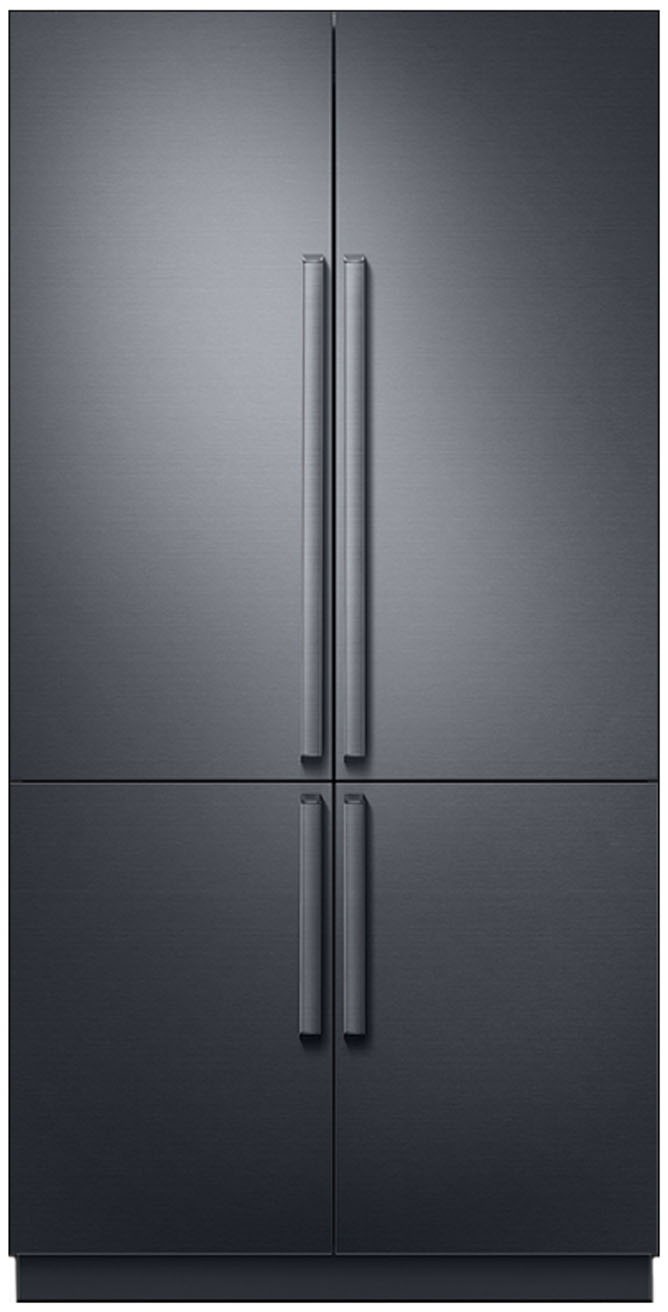
The vertical split means both the fridge and freezer sections are narrow — typically 15 to 17 inches wide — but extend from top to bottom with multiple shelf levels at every height.
The wide upper section spans the full width of the appliance, typically 33 to 36 inches, providing generous shelf space for platters, casserole dishes, and wide containers.
A typical 25-cubic-foot French door model offers 17 to 18 cubic feet of fresh food space — more usable room than most configurations.
The fridge section is typically 15 to 17 inches wide, which limits what you can store.
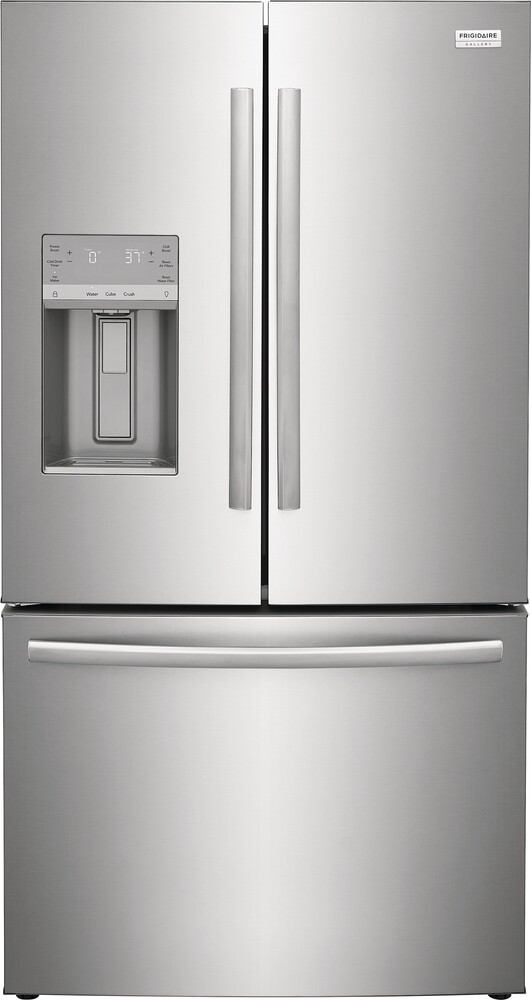
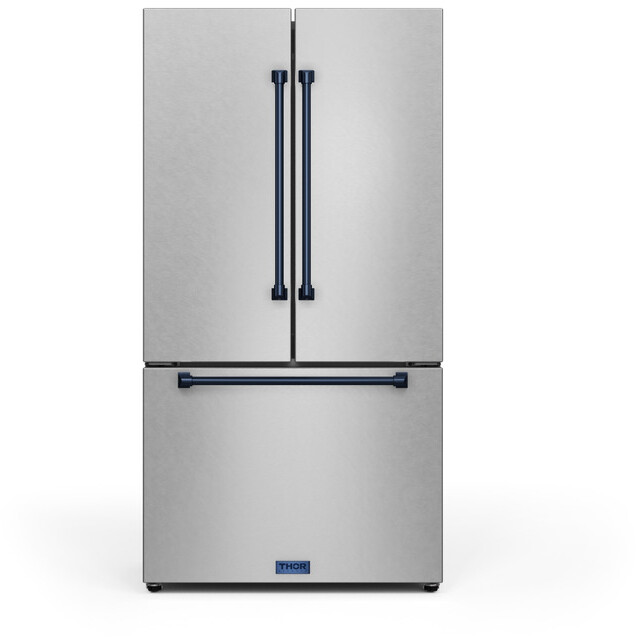
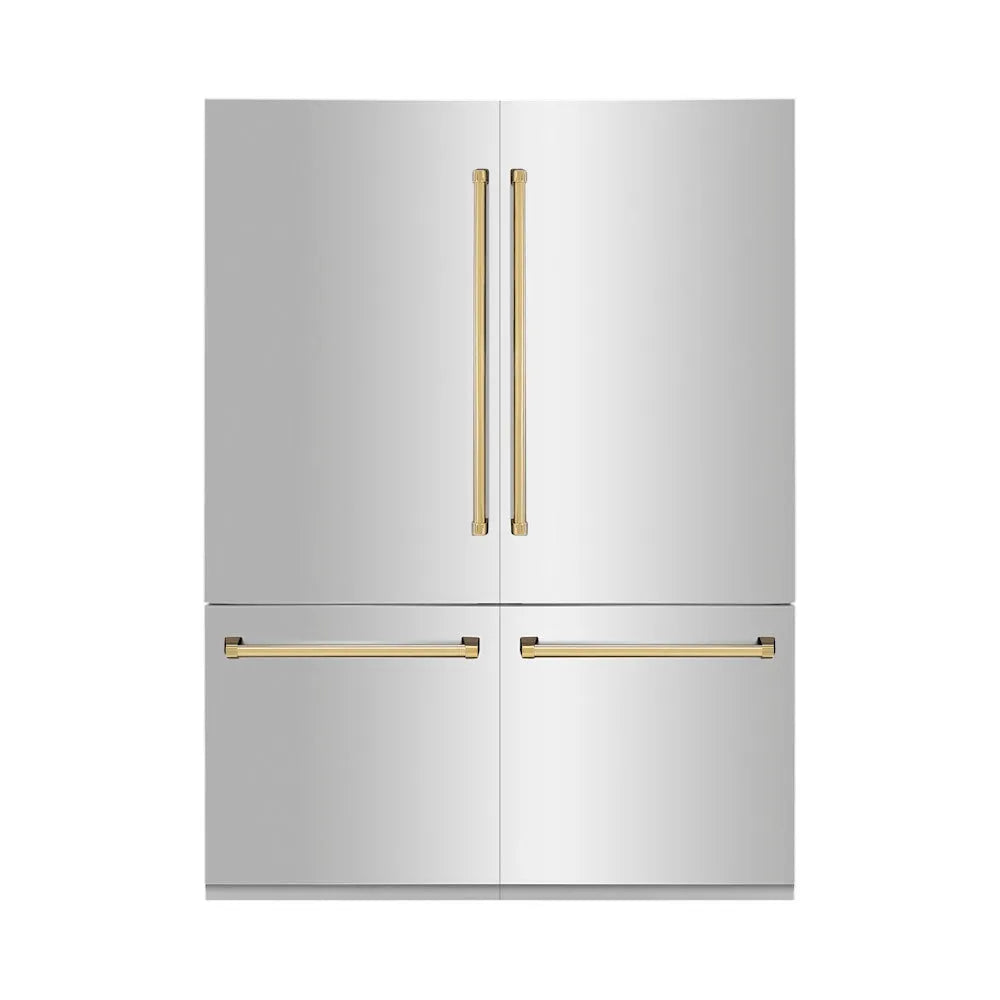
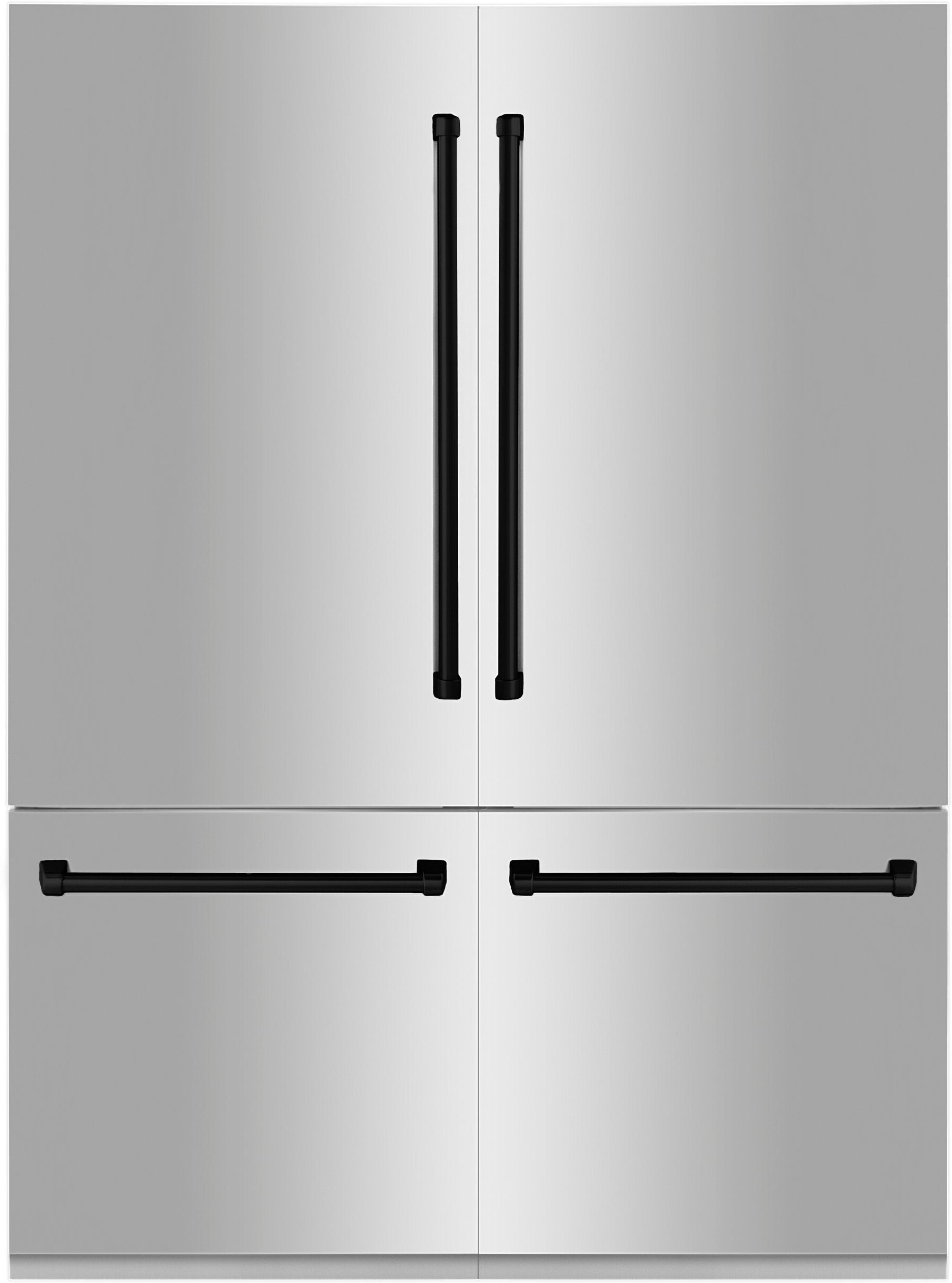
French door refrigerators and side-by-side refrigerators are the two most popular premium configurations on the market, and each has distinct strengths that make it the better choice for different kitchens and lifestyles. A French door fridge features two narrow doors on top that open to a wide fresh food section, with a pull-out freezer drawer on the bottom. A side-by-side splits the unit vertically, placing the fridge on the right and the freezer on the left in two full-height, narrow compartments. Both configurations are widely available from every major brand, but they handle storage, organization, energy use, and daily convenience very differently. This guide covers every important distinction.
Layout and Door Configuration
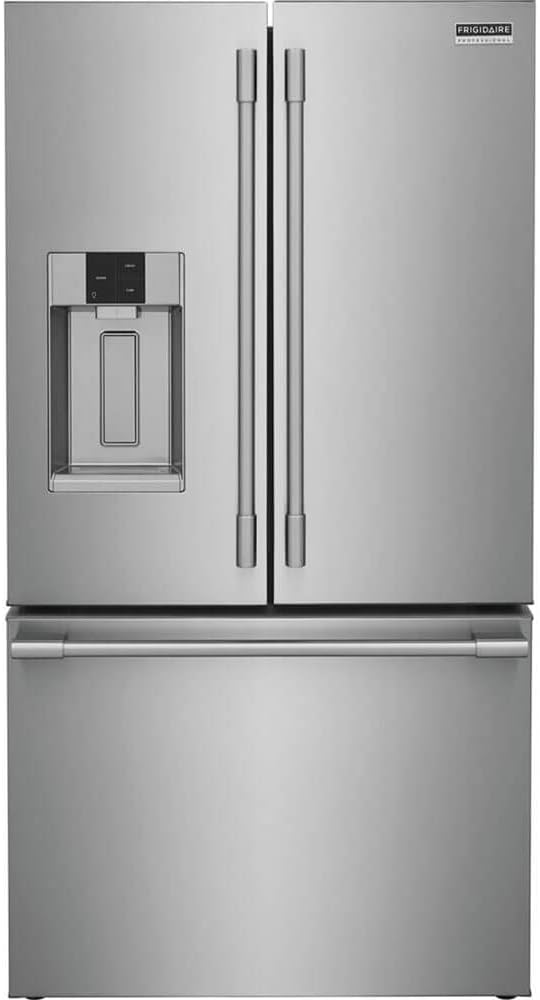
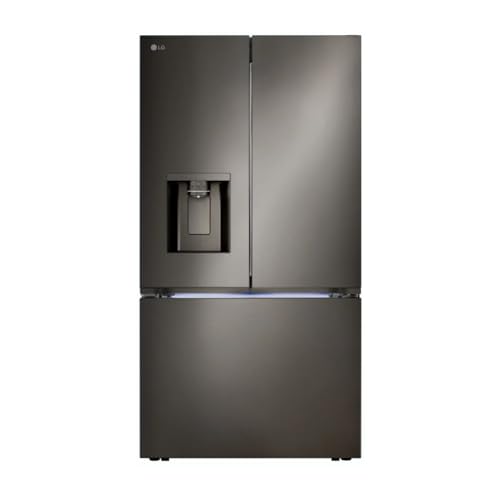
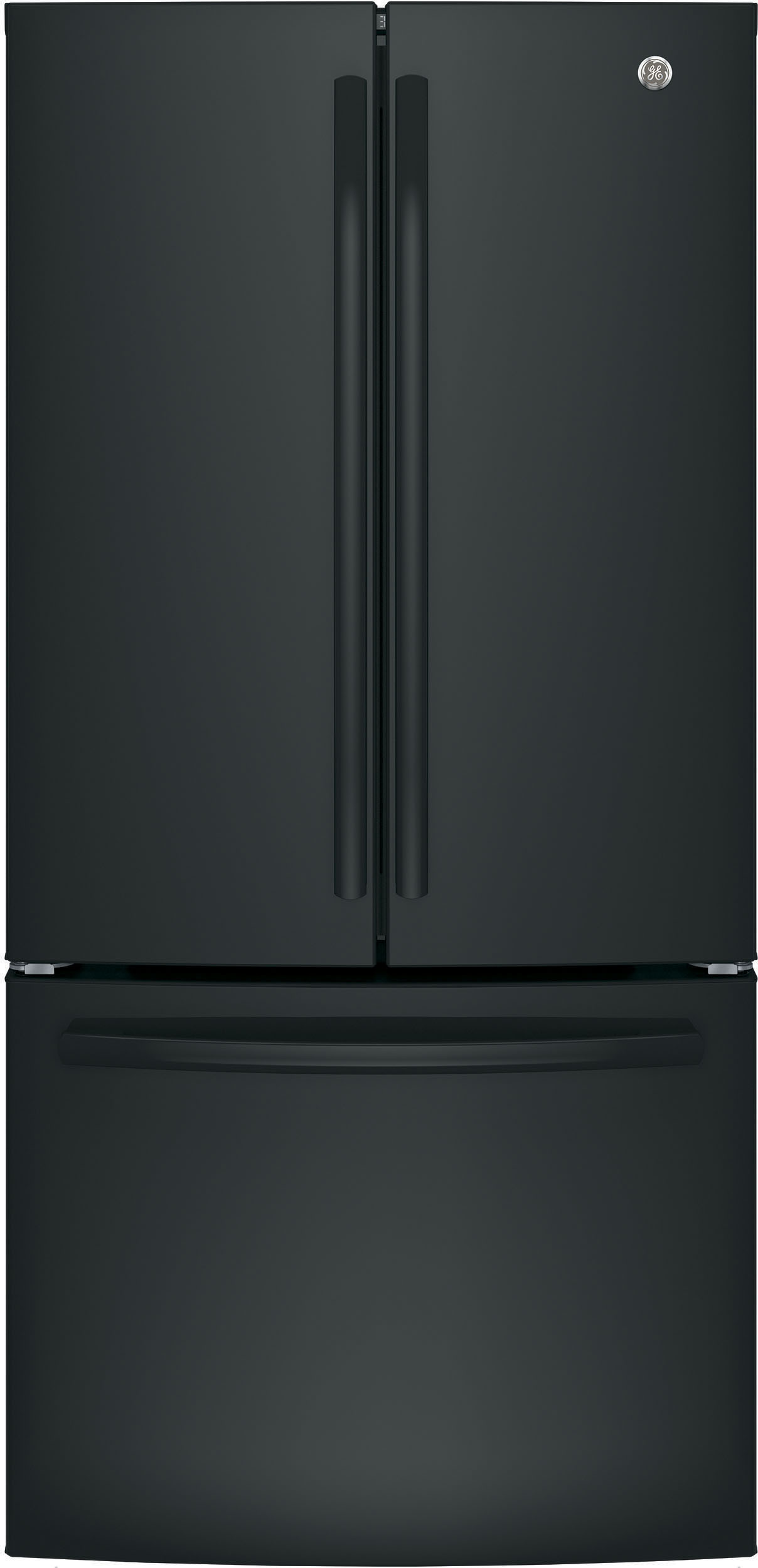
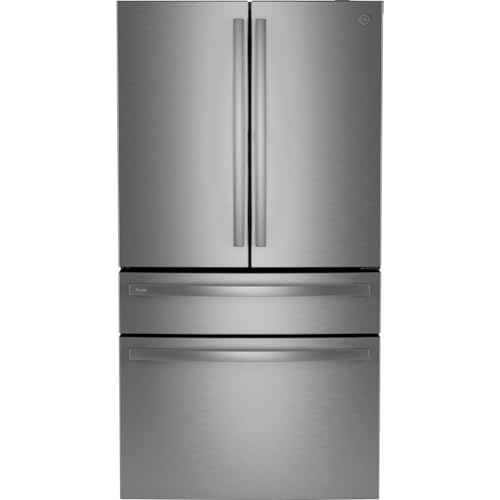
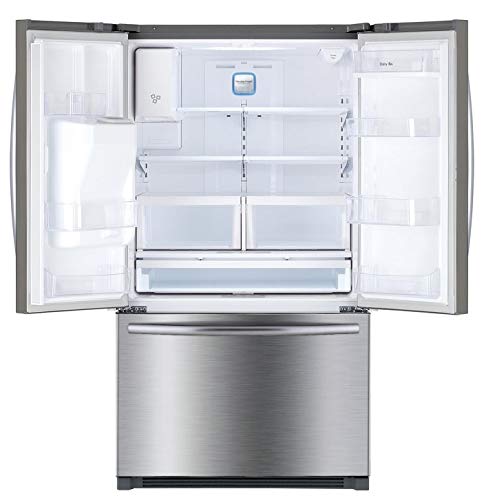
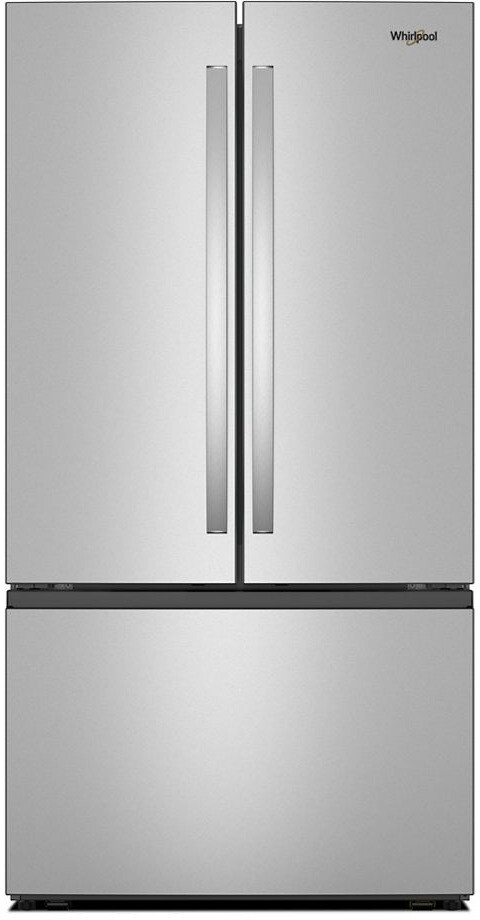
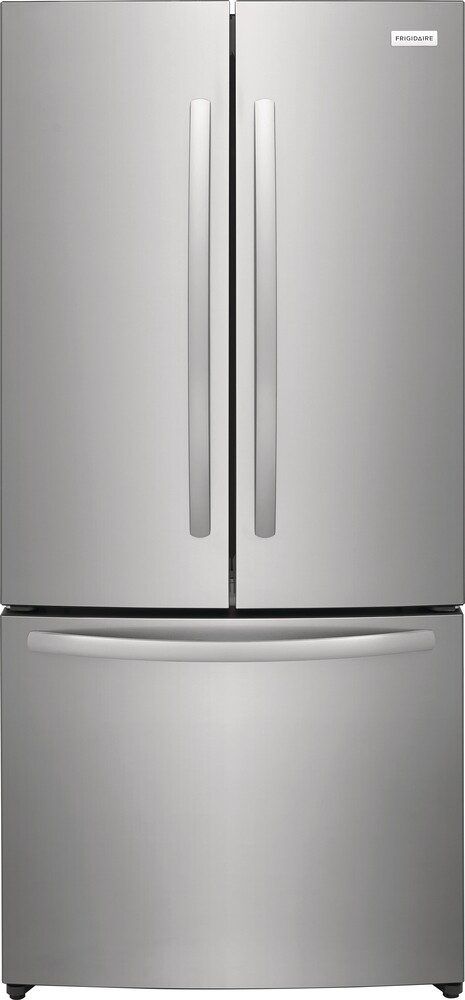
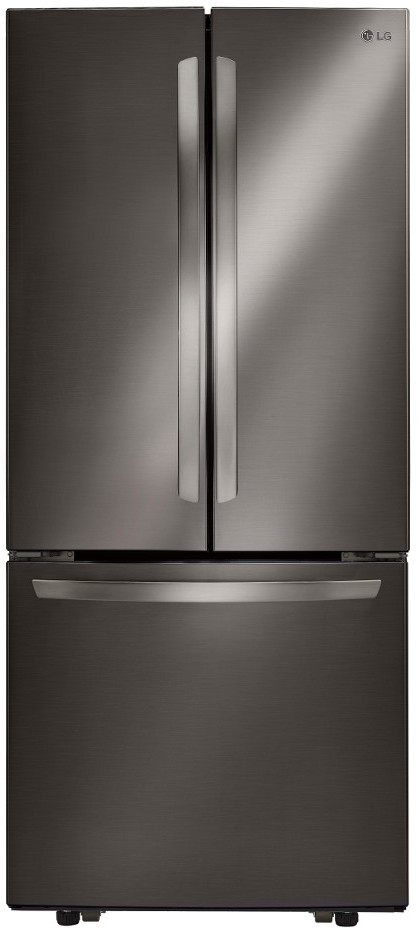
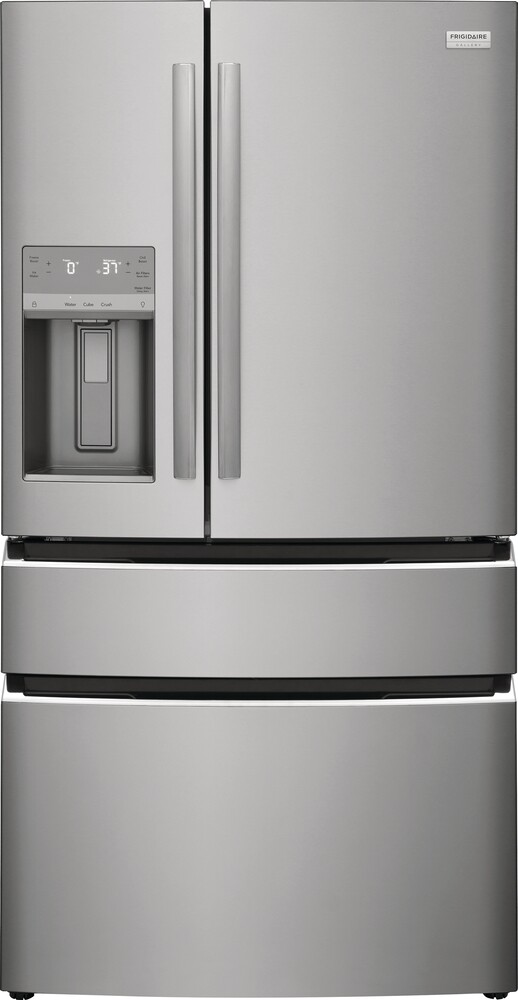
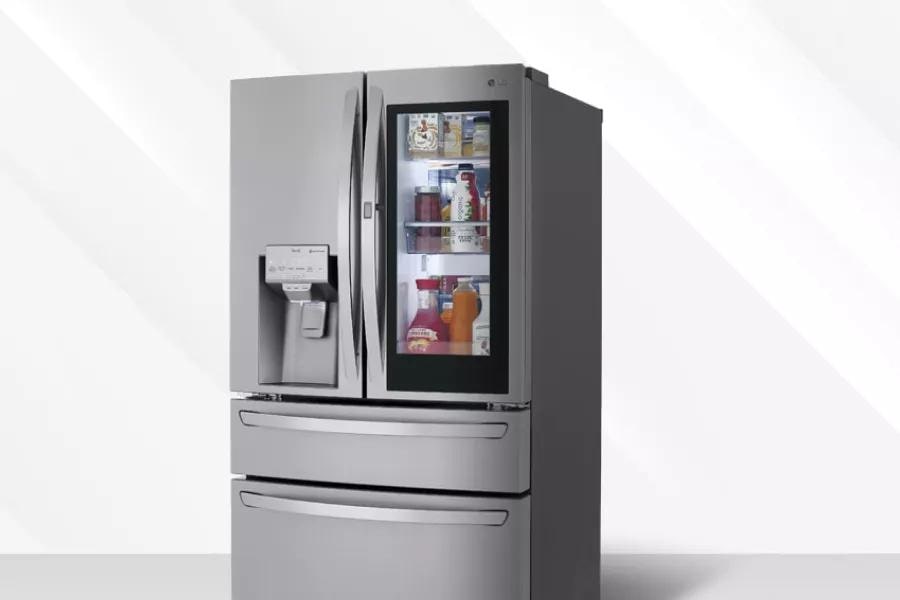
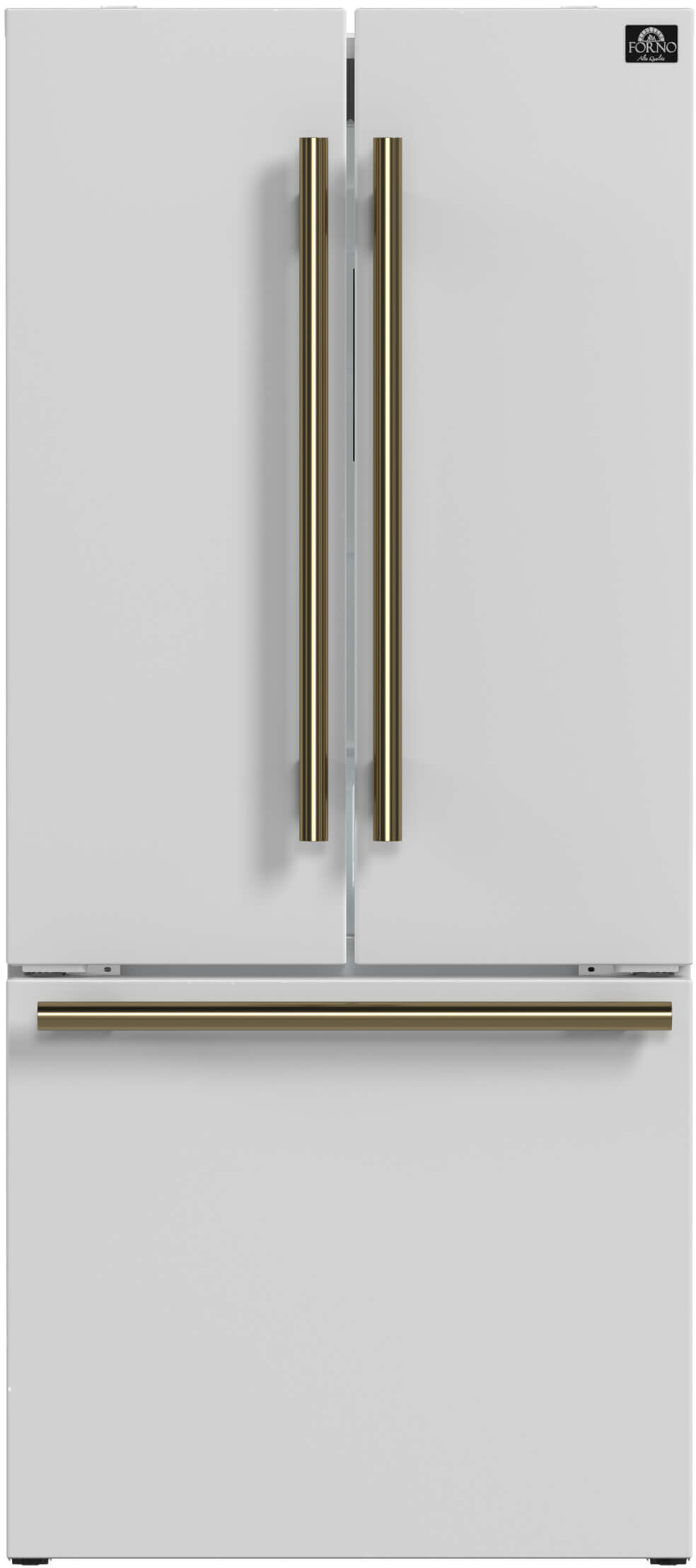
A French door refrigerator uses a split-door design for the upper fresh food section — two narrow doors swing open from the center, each requiring only half the clearance of a single full-width door. The bottom freezer section uses a pull-out drawer, sometimes with two tiers and internal dividers. This layout puts the most frequently accessed fresh food at eye level and the less frequently accessed freezer below. The wide upper section spans the full width of the appliance, typically 33 to 36 inches, providing generous shelf space for platters, casserole dishes, and wide containers.
A side-by-side refrigerator splits the unit vertically with the freezer on the left and the fridge on the right, both running the full height of the appliance. Each side has its own door that swings outward, requiring only about half the clearance of a full-width single door. The vertical split means both the fridge and freezer sections are narrow — typically 15 to 17 inches wide — but extend from top to bottom with multiple shelf levels at every height.
Fresh Food Storage
French door refrigerators excel at fresh food storage. The full-width upper section provides 30 to 35 inches of uninterrupted shelf width, easily accommodating party platters, sheet pans, wide casserole dishes, and large serving bowls that simply would not fit in a side-by-side. The crisper drawers are also full-width, providing generous room for produce storage. A typical 25-cubic-foot French door model offers 17 to 18 cubic feet of fresh food space — more usable room than most configurations.
Side-by-side refrigerators sacrifice shelf width for vertical organization. The fridge section is typically 15 to 17 inches wide, which limits what you can store. Wide platters, large baking dishes, and party trays often do not fit. Pizza boxes rarely fit flat. However, the full-height format provides many shelf levels — six to eight adjustable shelves compared to three to four in a French door. This makes side-by-sides excellent for organizing smaller items like beverages, condiments, containers, and deli items where narrow width is not a limitation. If your daily storage consists mostly of standard-size containers rather than wide items, the side-by-side's organization works well.
Freezer Access and Organization
The French door's bottom freezer drawer has a significant ergonomic tradeoff. It provides wide, full-width storage that handles large items — turkeys, sheet cakes, bulk packages — without difficulty. However, you must bend down or squat to access the freezer, and items in the bottom of a deep drawer can be hard to see and reach. Pull-out drawers with dividers help, but the reality is that frequently used frozen items require bending every time you need them.
Side-by-side freezers put frozen items at every height level — from floor to eye level. You can organize frozen foods on shelves and door bins by category, and frequently used items like ice cream, frozen vegetables, and quick meals can sit at comfortable arm height. No bending required for most items. The narrow width limits large item storage (turkeys and wide packages may not fit), but for everyday frozen food access, the side-by-side freezer is more ergonomically comfortable. Most side-by-sides also include through-the-door ice and water dispensers as standard features, providing ice without opening the freezer.
Both configurations share a significant advantage over single-door fridges: narrow door swing. A 36-inch French door fridge has doors that are roughly 18 inches wide each, requiring about 19 to 20 inches of clearance in front. A 36-inch side-by-side also has two doors roughly 18 inches each. Both work well in kitchens with islands opposite the fridge, galley layouts, and any space where a single full-width door would block traffic.
The difference is in how you use the doors. French door users typically open both doors simultaneously to access the full-width interior, especially when putting away groceries or pulling out wide items. This momentarily doubles the clearance needed. Side-by-side users typically open only one door at a time — the fridge or the freezer — keeping the obstruction to a single narrow door. In very tight kitchens, this difference can matter. Both configurations are significantly more kitchen-friendly than single-door top or bottom freezer models.
Energy Efficiency
French door refrigerators with bottom freezers are generally more energy-efficient than side-by-sides of comparable size. A typical 25-cubic-foot French door model uses 500 to 650 kilowatt-hours per year. A comparable 25-cubic-foot side-by-side uses 550 to 700 kilowatt-hours. The efficiency difference comes from several factors: the bottom freezer design keeps the cold freezer air low where it naturally settles, the French door design allows you to open just one half for quick access (reducing cold air loss), and the wider compartment design in French doors provides better airflow than the narrow side-by-side sections.
Side-by-sides also tend to include through-the-door ice and water dispensers as standard, which add energy consumption through anti-sweat heaters around the dispenser opening and the ice maker's continuous operation. French door models may or may not include dispensers — models without them save additional energy. Over a 15-year lifespan, the energy difference between these configurations amounts to $75 to $150 in total electricity costs — a modest but real savings for the French door.
Through-the-door ice and water dispensers are standard on virtually all side-by-side refrigerators. The dispenser is built into the freezer door at a comfortable height, providing filtered water and ice cubes or crushed ice without opening any doors. This is one of the side-by-side's most popular features and a key reason many buyers choose this configuration.
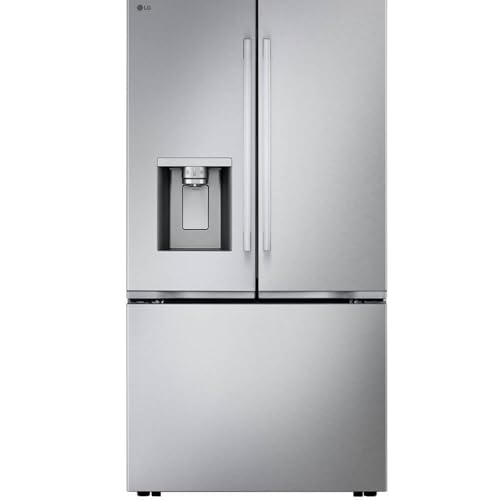
French door refrigerators handle ice and water differently. Many models include an internal water dispenser inside the fridge section rather than on the door, requiring you to open the door to access it. Some newer French door models have added through-the-door dispensers, but these are more common on premium models and add to the price. The bottom-freezer drawer makes door-mounted dispensers mechanically more complex since the ice maker and dispenser need to be routed from the lower freezer to the upper door area. If having a convenient through-the-door dispenser is a priority, the side-by-side makes it easy and standard.
French door models typically offer more total capacity than side-by-sides at the same external width. A 36-inch French door provides 25 to 28 cubic feet total. A 36-inch side-by-side provides 22 to 26 cubic feet. The difference comes from the more efficient internal layout of the French door design — the wide upper section and deep bottom freezer drawer waste less space on door mechanisms and partition walls than the side-by-side's vertical divider.
More importantly, the usable capacity in a French door feels larger because the wide shelves accommodate items of all sizes. Side-by-side capacity is technically comparable in cubic feet but practically smaller because the narrow shelves cannot hold wide items. You may have empty space on a side-by-side shelf that you cannot use because the item you need to store is wider than the shelf. This "wasted" space due to width limitations is the side-by-side's biggest practical capacity disadvantage.
French door refrigerators have historically been the more expensive configuration, but the price gap has narrowed significantly. Mid-range French door models now start around $1,500 to $2,000. Mid-range side-by-sides start at $1,000 to $1,500. Premium French doors run $2,500 to $4,000, while premium side-by-sides top out around $2,000 to $3,000. The French door premium of $300 to $800 over a comparable side-by-side reflects the more complex door mechanism, wider shelf system, and generally higher demand.
Both configurations offer good value in their respective price ranges. The side-by-side provides reliable performance with standard ice and water dispensing at a lower entry price. The French door provides wider storage, better energy efficiency, and a more modern aesthetic at a modest premium. Budget-conscious buyers who want a premium-format fridge should compare specific models rather than assuming one configuration is always more expensive than the other.
A French door refrigerator is the right choice for households that cook regularly and need wide shelves for platters, baking dishes, and large containers. It is ideal for families that prioritize fresh food access at eye level and are willing to bend for the freezer. If energy efficiency matters and you do not need a through-the-door dispenser, the French door offers the best combination of capacity, usability, and efficiency. It is also the preferred choice for modern kitchen designs where the French door aesthetic has become the dominant style.
A side-by-side refrigerator is the better choice for households that access frozen food frequently and want eye-level freezer access without bending. It is ideal for people who want a standard through-the-door ice and water dispenser, for kitchens with limited door clearance where opening only one narrow door at a time is beneficial, and for buyers who want a premium configuration at a lower price point. If your daily storage consists of standard-size containers and beverages rather than wide platters, the side-by-side's vertical organization works efficiently.
Common Mistakes When Choosing
The most common mistake with French doors is not measuring internal shelf width before buying — confirm that your widest platters and dishes fit. With side-by-sides, the biggest mistake is underestimating the narrow shelf limitation. Bring measurements of your most-used containers to the appliance store and test whether they fit on the display model's shelves. Another common error with both configurations is choosing based on looks in the showroom without considering how you actually load and unload groceries at home.
Side-by-side refrigerators have a slightly longer reliability track record, with average lifespans of 14 to 18 years. The door mechanism is simpler — two standard hinged doors — and the through-the-door dispenser system is a mature, well-understood technology. Common repairs include ice maker failures ($150 to $350), dispenser board replacements ($100 to $250), and door gasket swaps ($50 to $150).
French door refrigerators are newer as a mass-market configuration, and their reliability data is still maturing. The bottom freezer drawer mechanism adds complexity — drawer slides, rails, and the drawer closure system can wear over time. Ice maker and water routing through the door area is more complex in models with through-the-door dispensers. Average lifespan is comparable at 13 to 17 years for quality brands. Repair costs are similar to side-by-sides, though drawer mechanism repairs ($200 to $400) are unique to the French door format.
Compare prices on Fridge.com
Fridge.com carries both French door and side-by-side refrigerators from every major brand. Browse our French door refrigerators for wide-shelf models with bottom freezers, or explore our side-by-side refrigerators for full-height access with built-in dispensers. Check out our complete refrigerator collection to compare all configurations. Free shipping and price-match guarantee on every order.
Frequently Asked Questions
French door models typically offer 20 to 28 cubic feet with wider shelves that accommodate large items. Side-by-side models range from 20 to 25 cubic feet with narrower shelves. French door is better for bulk and wide items.
Free tool
French Door Vs Side By Side Refrigerator
Free interactive tool from Fridge.com — get a quick answer while you read.