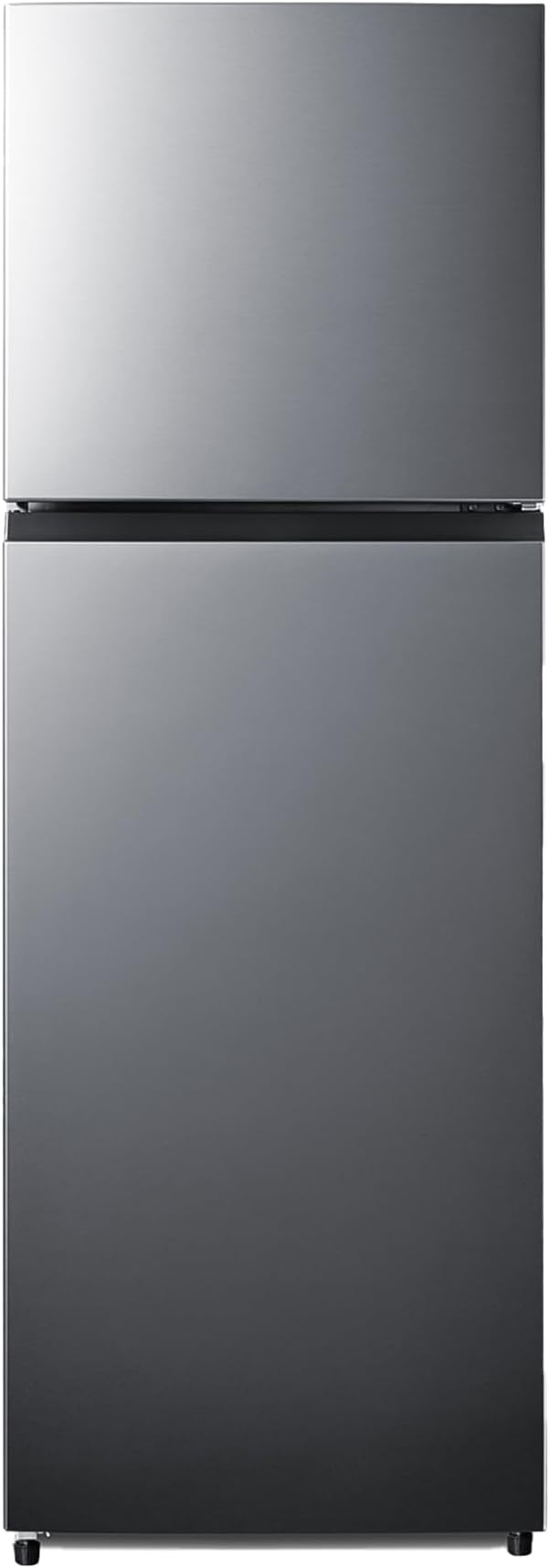
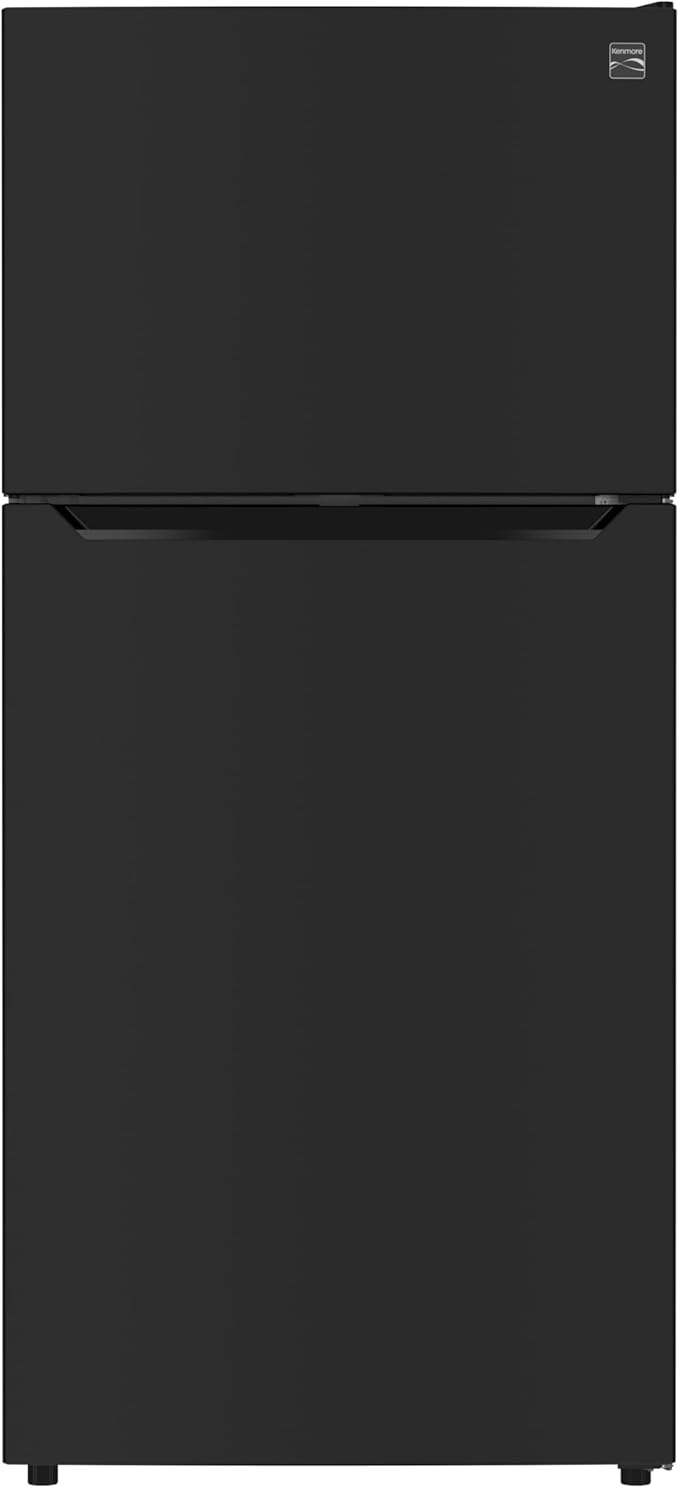
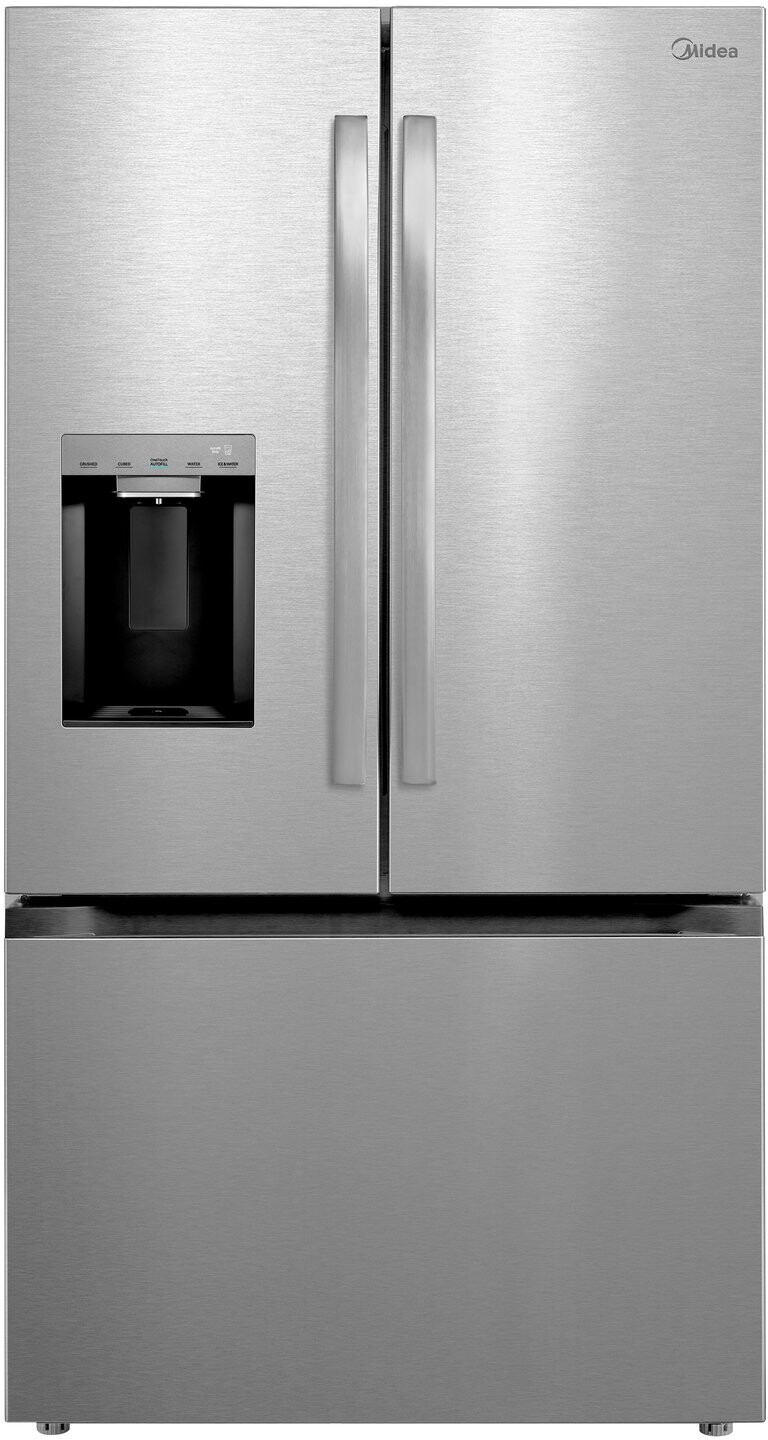
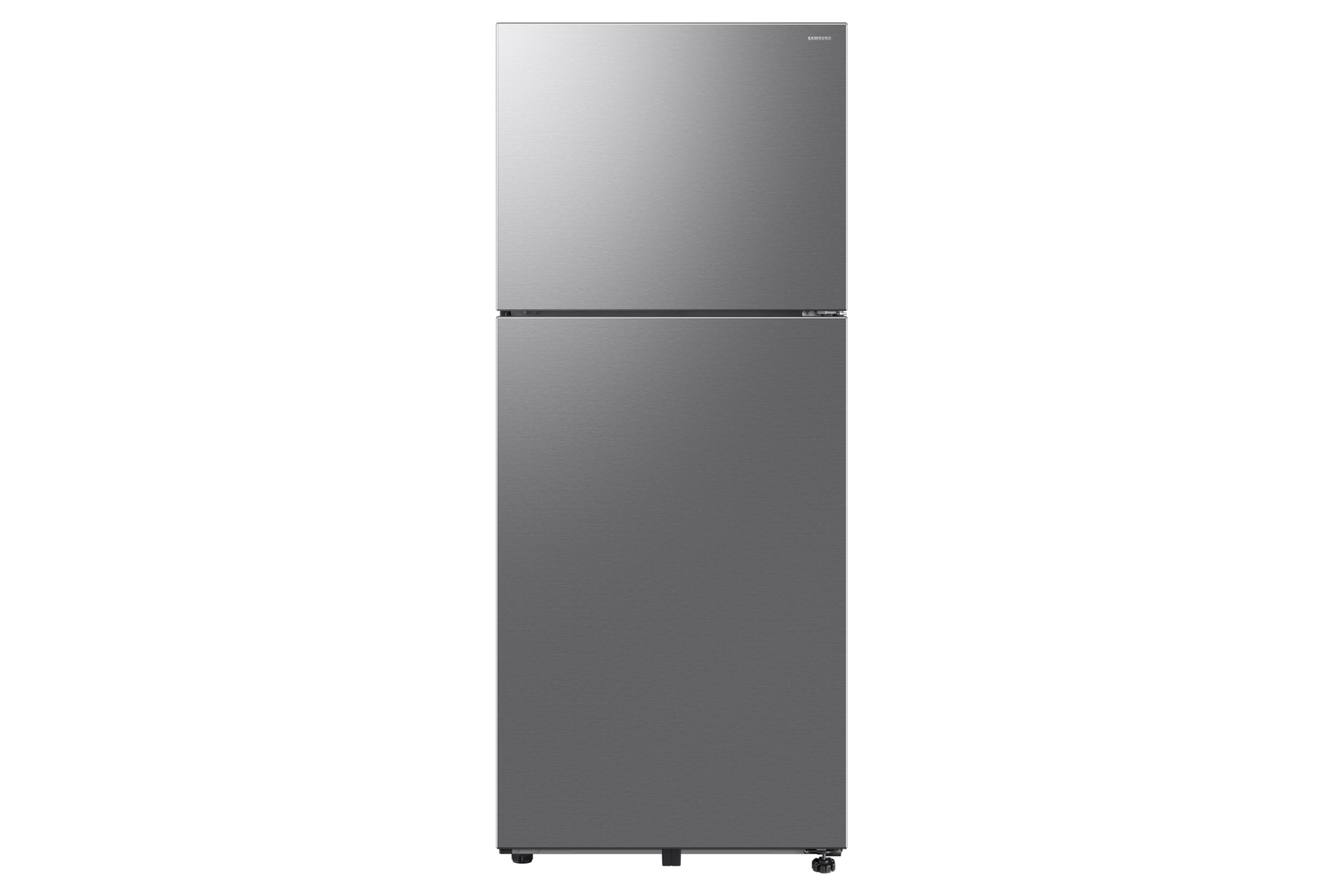
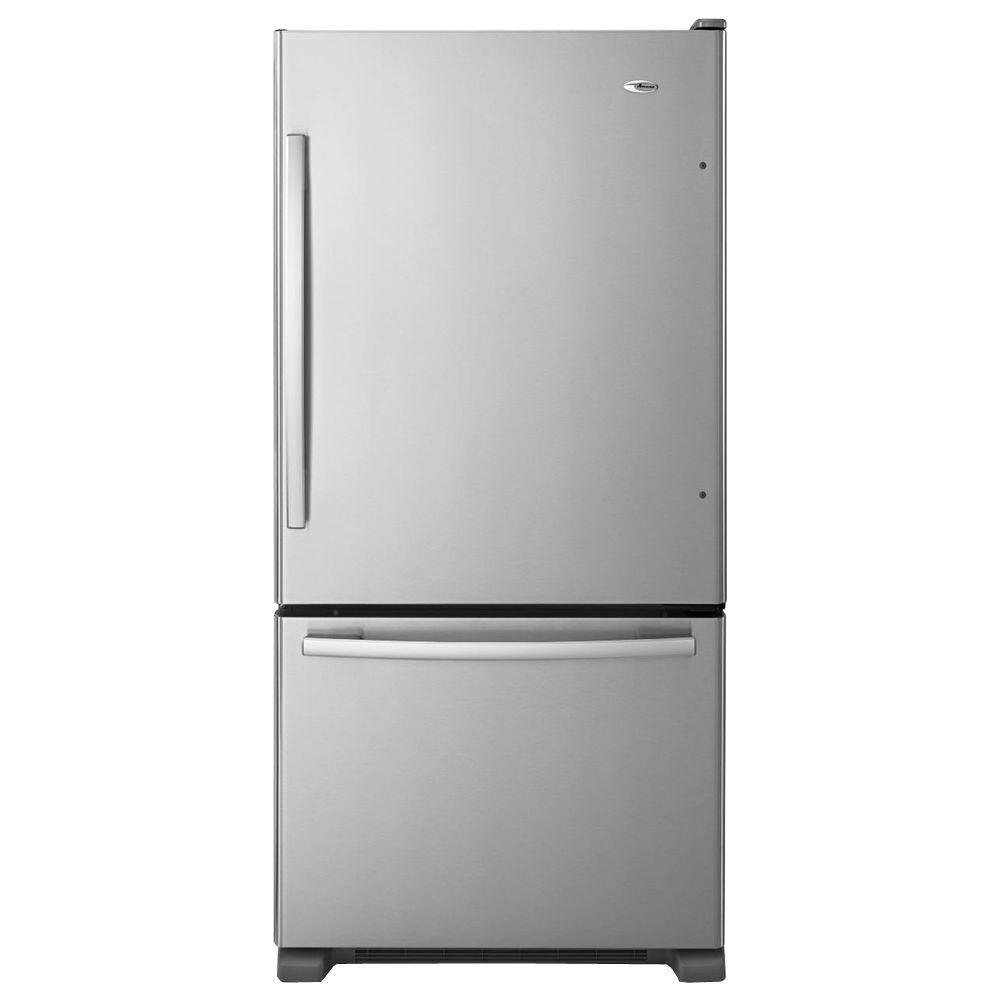
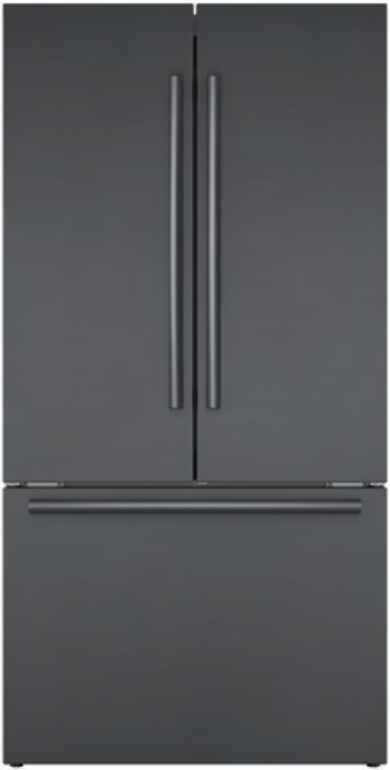
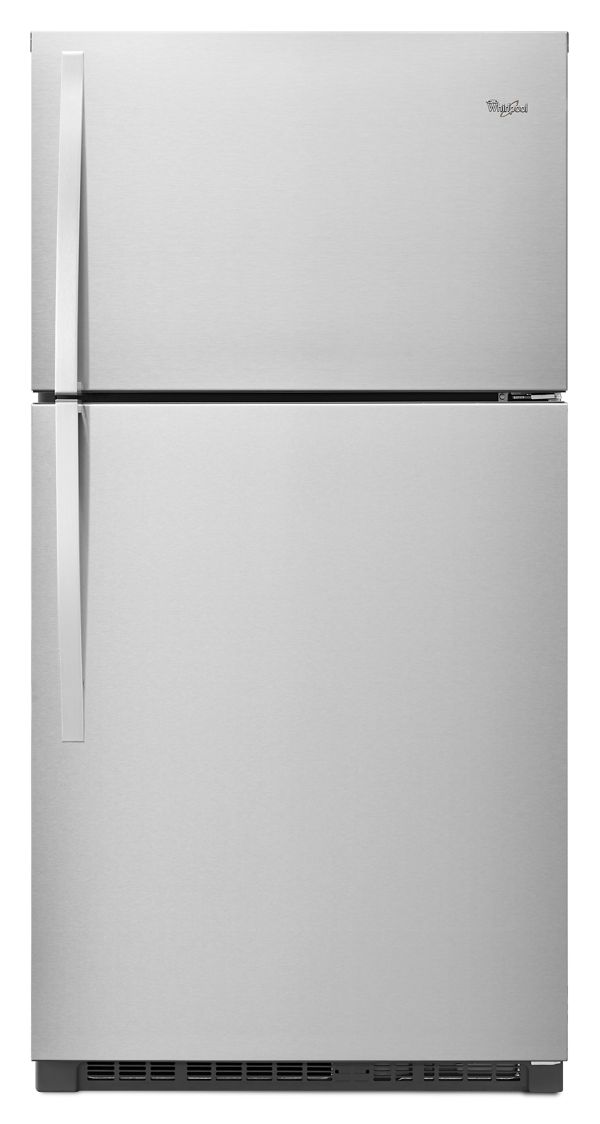
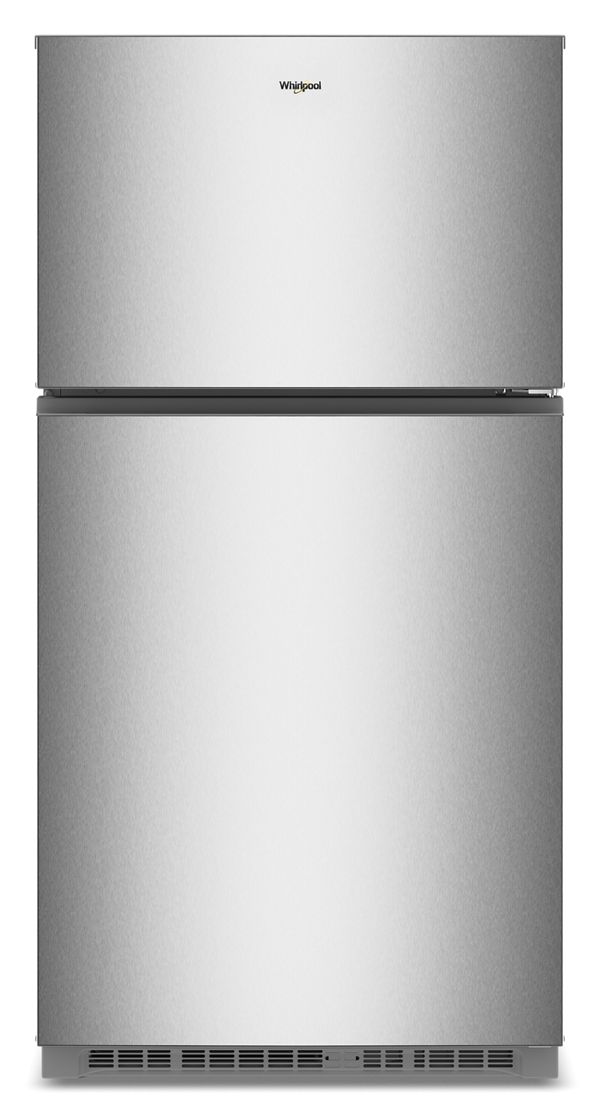
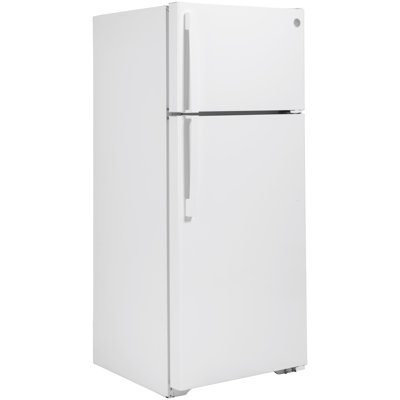
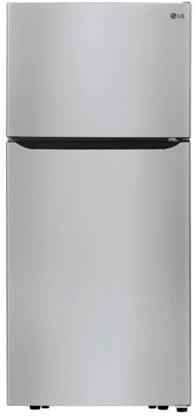
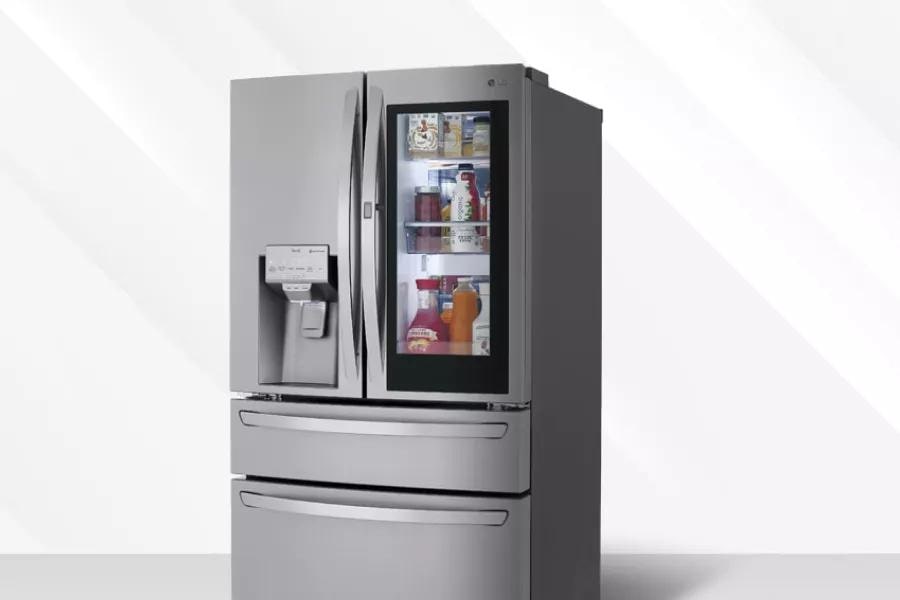
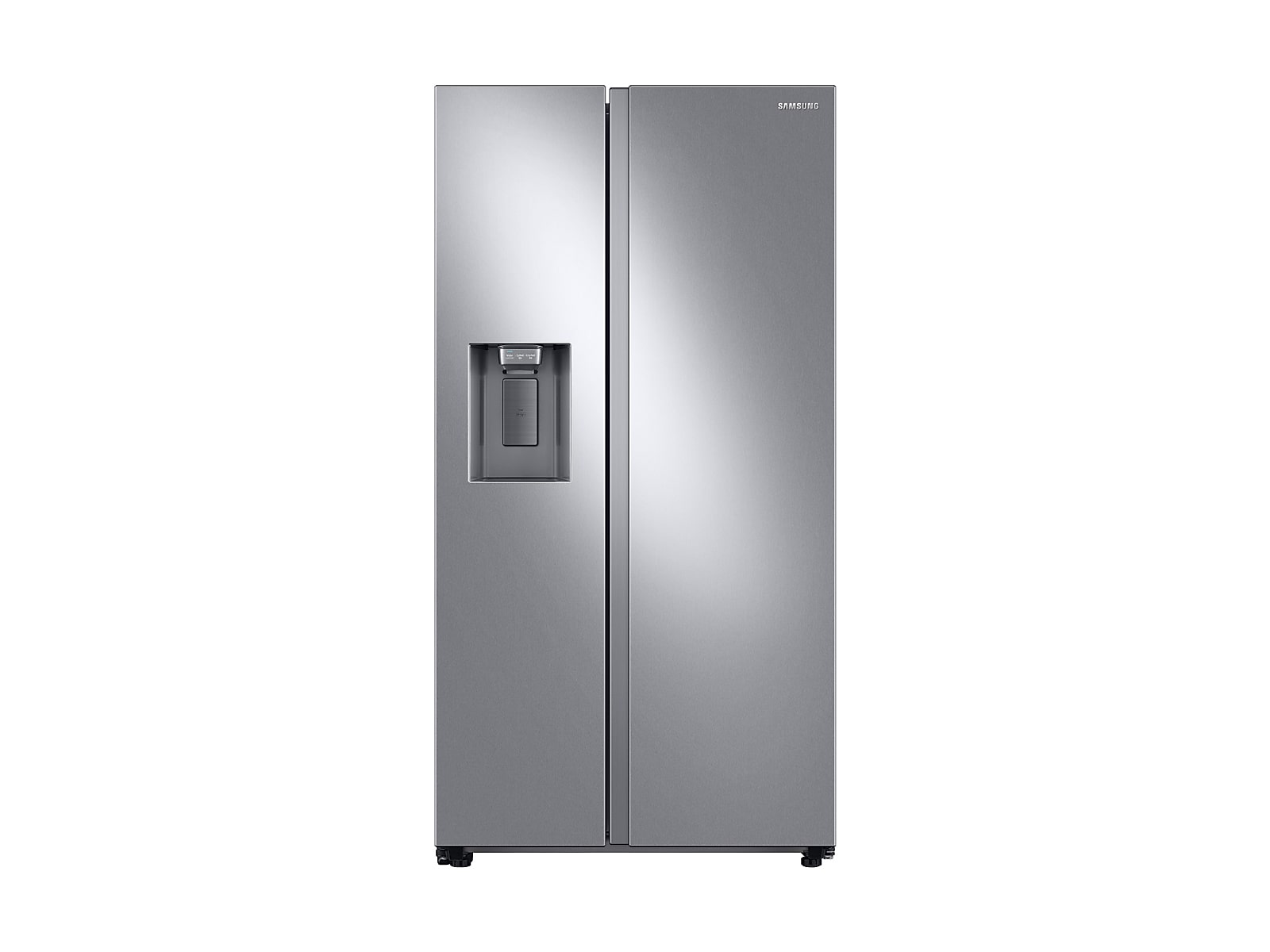
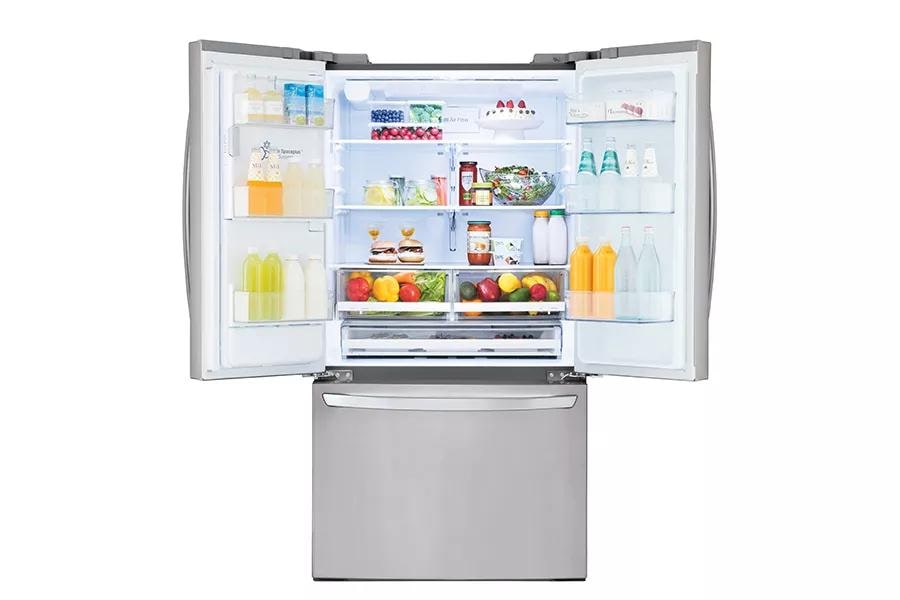
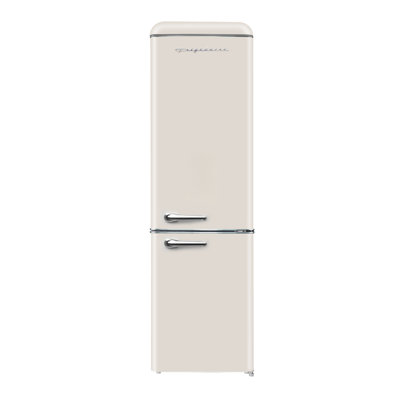
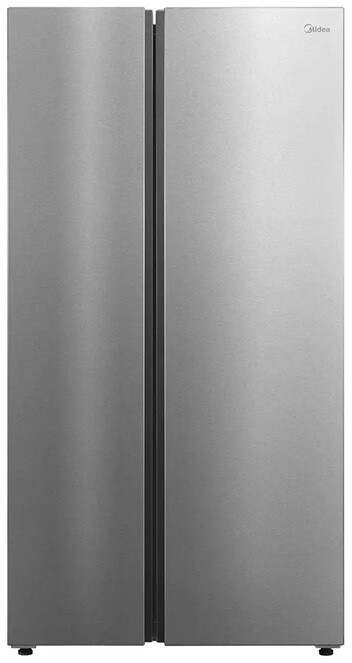
An energy efficient refrigerator and a portable refrigerator solve two different problems. The energy efficient refrigerator is a fixed kitchen appliance — 18 to 28 cubic feet of storage running on 120V household power, weighing 200 to 350 lbs, with Energy Star models using 15 to 20 percent less energy than the federal minimum standard. The portable refrigerator travels with you — 1 to 3 cubic feet (15 to 60 quarts), 25 to 50 lbs, running on 12V DC, 24V DC, or 120V AC power so it can keep food cold from a vehicle battery or solar panel during camping, road trips, boating, and off-grid living. This guide compares their energy use, capacity, cooling performance, installation, and cost so you can pick the right one — or decide you need both.
Core Comparison at a Glance
Feature
Energy Efficient Refrigerator
Portable Refrigerator
Mobility
Fixed kitchen installation (200 - 350 lbs)
Fully portable (25 - 50 lbs)
Power
120V AC only
12V DC, 24V DC, or 120V AC
Capacity
18 - 28 cu ft
1 - 3 cu ft (15 - 60 qt)
Temperature
37°F fridge / 0°F freezer
-4°F to 50°F (adjustable)
Use Case
Daily household food storage
Travel, camping, boating, off-grid
Annual Energy Cost (home use)
$39 - $94
$15 - $46
Understanding Refrigerator Types
Energy Efficient Refrigerators
Energy efficient refrigerators use better insulation, efficient compressors, and smart temperature controls to keep electricity use low while storing a household's weekly groceries. Most carry an Energy Star rating, meaning they meet or beat federal energy-saving standards — using 15 to 20 percent less energy than the minimum standard and saving $10 to $20 per year over non-certified models.
They come in top-freezer, bottom-freezer, side-by-side, and French door configurations, built for permanent kitchen, garage, or basement placement. Curious about different styles? Check out Fridge.com comparison between counter depth refrigerator Vs. small freezer chest.
Portable Refrigerators
Portable refrigerators — also sold as mini fridges, travel fridges, or compact refrigerators — are built to move. At 25 to 50 lbs they fit in a car, RV, boat, dorm room, or office, and many run on AC, DC, or solar power. Connected to a vehicle battery or a solar power station, a portable fridge holds a precise set temperature for days without ice — unlike a cooler, where the ice melts within about 24 hours.
They store drinks, snacks, and small quantities of perishables, and most have adjustable temperature settings. Want to dive deeper into compact options? Check out Fridge.com article on beverage cooler Vs. mini fridge with freezer.
Here's a quick snapshot to help you decide:
Feature
Energy Efficient Refrigerators
Portable Refrigerators
Size
Large
Compact
Storage
High
Low to Moderate
Portability
Low
High
Best For
Homes, big families
Small spaces, travel, offices
If you're all about saving energy and have the space, go for the energy-efficient fridge. If you need something small and mobile, a portable fridge is your best bet. For more head-to-head comparisons, check out Fridge.com article on convertible freezer refrigerator Vs. portable refrigerator.
Energy Efficiency Showdown: Big Fridge Vs. Mini Fridge
Energy efficient refrigerators draw roughly 50 to 100 watts on average while cooling 18 to 28 cubic feet of storage. Their annual energy use is measured in kilowatt-hours (kWh) per year:
That works out to roughly $39 to $94 per year in electricity — about $2 to $3.50 per cubic foot of storage per year. Per unit of food stored, the full-size energy efficient refrigerator is dramatically more efficient than any portable unit.
Energy Use in Portable Refrigerators
Portable refrigerators use less total energy because they're smaller — a compressor-based portable draws about 40 to 60 watts on average, low enough to run from a 100-watt solar panel through a battery. Run continuously at home, a portable fridge costs about $15 to $46 per year in electricity. But because the capacity is tiny, the per-cubic-foot cost is high: roughly $10 to $20 per cubic foot per year.
Refrigerator Type
Average Annual Energy Use (kWh)
Portable Refrigerator (Thermoelectric)
200 - 400
Portable Refrigerator (Compressor-based)
150 - 300
Thermoelectric models usually use more energy than compressor-based ones because they're less efficient at cooling. Looking at other small fridge options? For more comparisons, you might like Fridge.com article on freestanding wine cooler Vs. office freezer.
Energy efficient refrigerators give you full household capacity across several door styles:
Type of Refrigerator
Average Capacity (Cubic Feet)
Top-Freezer
18 - 22
Bottom-Freezer
19 - 24
Side-by-Side
22 - 26
French Door
20 - 28
These fridges have multiple compartments, shelves, crisper drawers, and bins — enough for 5 to 7 days of family groceries plus frozen food. Want more details on fridge styles? Check out Fridge.com article on french door refrigerator Vs. standard refrigerator size.
Storage Space of Portable Refrigerators
Portable refrigerators trade capacity for mobility. They're sized for essentials — drinks, snacks, and 1 to 3 days of personal food:
Type of Portable Refrigerator
Average Capacity (Cubic Feet)
Mini Fridge
1.7 - 4.5
Compact Fridge
4.5 - 6
Travel Fridge
0.5 - 2
Their compact size means you can move them easily or fit them into tight spots — apartments, dorm rooms, offices, or a vehicle cargo area.
Can a Portable Refrigerator Replace a Kitchen Refrigerator?
Not for a household. At 1 to 3 cubic feet, a portable fridge cannot hold weekly groceries. Most configurations have no crisper drawer, no ice maker, and no separate freezer section. It is designed for 1 to 3 days of personal food on the road, not 5 to 7 days of family groceries at home.
Exception: off-grid and van-life households sometimes use a portable fridge as their primary refrigeration — but they shop daily or every other day and keep a minimal food inventory. That works for a specific lifestyle, not mainstream household use.
Can an Energy Efficient Kitchen Refrigerator Travel?
No. A 200 to 350 lb kitchen refrigerator on 120V power does not fit in a vehicle, does not run on a 12V battery, and does not survive the vibration and tilting of vehicle travel. It is a permanent installation. If you need cold food away from home, the portable refrigerator is the only one of the two that can do it.
Cooling Performance of Energy Efficient Refrigerators
Energy efficient refrigerators hold a steady 37°F in the fresh food section and 0°F in the freezer, using advanced insulation and smart compressors. Many offer separate cooling zones so produce and frozen food each sit at their ideal temperature.
Feature
What It Means
Temperature Consistency
Keeps the whole fridge at a steady chill
Multiple Cooling Zones
Different sections can have different temperatures
Efficient Compressors
Uses less energy while keeping things cool
Advanced Insulation
Keeps the cold in and the energy bill down
Cooling Performance of Portable Refrigerators
Portable refrigerators use either thermoelectric or compressor-based cooling. Compressor models can hold an adjustable set point anywhere from -4°F to 50°F — cold enough to work as a small freezer — while thermoelectric models suit short trips and light cooling. Dual power (AC/DC) lets the same unit run in your kitchen, your car, and your campsite.
These full-size units stay put — usually in your kitchen, garage, or basement — and often need professional installation because of their size. Here's what you need to know:
Space: Make sure there's enough room around the fridge for air to flow. This keeps it running smoothly and prevents it from overheating.
Power: These fridges need a steady power supply. You'll usually need a dedicated outlet just for the fridge.
Level Surface: Place the fridge on a flat surface. This helps it work better and keeps the door seal tight.
Accessibility: Think about how you'll use the fridge every day. Make sure the doors can open all the way without hitting anything.
Setting Up Portable Refrigerators
Portable fridges set up in minutes. Here's what to keep in mind:
Power Options: These fridges can usually run on both AC (household outlet) and DC (car battery). Make sure you have the right power source.
Mobility: They're designed to be moved around easily. Make sure there's a clear path to where you want to put it.
Surface: While not as crucial as with the big fridges, putting your portable fridge on a stable surface helps it run better.
Ventilation: Even though they're smaller, they still need some airflow. Don't stick them in a tight spot with no air.
Energy-efficient fridges usually cost more upfront than standard ones because of the technology and materials that cut energy use. What you spend now, you save later on your electric bill.
Feature
Energy Efficient Refrigerators
Average Upfront Cost
$800 - $2,500
Upfront Cost of Portable Refrigerators
Portable fridges are generally cheaper to buy at first.
Feature
Portable Refrigerators
Average Upfront Cost
$100 - $600
While they cost less upfront, some portable fridges — especially thermoelectric models — can carry higher running costs per cubic foot over time.
Pricing by Tier
Here's how the two categories break down across budget, mid-range, and premium models:
Type
Budget
Mid-Range
Premium
Portable Refrigerator (30 qt)
$150 - $300
$300 - $500
$500 - $700
Portable Refrigerator (50 qt)
$250 - $450
$450 - $700
$700 - $1,200
Making Your Choice
If you want to save on energy in the long run and have the space, go for the energy-efficient option. If you need something easy to move for travel or tight spaces, a portable fridge is the answer. For more comparisons, visit Fridge.com article on beer fridge Vs. beverage fridge.
Every household needs an energy efficient kitchen refrigerator — it is the daily food storage essential, and choosing Energy Star maximizes the savings. Add a portable refrigerator if you camp, road trip, boat, tailgate, or live off-grid and need cold food away from home; its 12V and solar capability goes where no kitchen fridge can.
In practice, most portable fridge owners also own a kitchen fridge — the two serve parallel lives. The Energy Star fridge handles the household daily; the portable fridge handles adventures on weekends and vacations. They are complementary, not competitive.
Frequently Asked Questions
Which uses less energy — an energy efficient refrigerator or a portable refrigerator?
In total electricity, the portable refrigerator uses less: about $15 to $46 per year at home versus $39 to $94 for a full-size Energy Star fridge. But per cubic foot of storage, the energy efficient refrigerator wins decisively — roughly $2 to $3.50 per cubic foot per year versus $10 to $20 for a portable.
Can a portable refrigerator replace a kitchen refrigerator?
Not for a typical household. At 1 to 3 cubic feet with no crisper, ice maker, or freezer section in most configurations, it holds only 1 to 3 days of personal food. Only off-grid or van-life households who shop daily manage with a portable as their primary fridge.
Can a portable refrigerator run on solar power?
Yes. A compressor-based portable fridge draws about 40 to 60 watts on average — low enough to run from a 100-watt solar panel through a battery, holding a set temperature for days without ice.
What's the difference between thermoelectric and compressor portable fridges?
Thermoelectric models suit short trips and light cooling but use more energy (about 200 to 400 kWh per year) because they cool less efficiently. Compressor-based models cool strongly and steadily, use about 150 to 300 kWh per year, and can hold adjustable temperatures from -4°F to 50°F.
How much does an Energy Star refrigerator actually save?
Energy Star certification means the fridge uses 15 to 20 percent less energy than the federal minimum standard — about $10 to $20 per year over non-certified models, on top of the efficiency gains from better insulation and compressors.
Can I take a full-size refrigerator on the road?
No. At 200 to 350 lbs on 120V-only power, a kitchen refrigerator does not fit in a vehicle, cannot run from a 12V battery, and is not built to survive vibration and tilting in transit.
Should I own both?
If you travel, camp, boat, or tailgate regularly — yes. The energy efficient refrigerator covers daily household storage at the lowest cost per cubic foot, and the portable refrigerator covers everywhere your kitchen fridge can't go.
Compare prices on Fridge.com
Compare current prices and specifications on Fridge.com, then buy from the retailer you choose; delivery, installation and warranty terms are the retailer’s.
It also has tons of awesome articles about kitchen stuff and home news. Enhance your home, garage, backyard, patio, and office with the coolest essentials. With every necessary type of residential refrigerator or freezer in the collection, you're covered.
Frequently Asked Questions
Not for a household. At 1 to 3 cubic feet, a portable fridge cannot hold weekly groceries. Most configurations have no crisper drawer, no ice maker, and no separate freezer section. It is designed for 1 to 3 days of personal food on the road, not 5 to 7 days of family groceries at home. Exception: off-grid and van-life households sometimes use a portable fridge as their primary refrigeration — but they shop daily or every other day and keep a minimal food inventory. That works for a specific lifestyle, not mainstream household use.