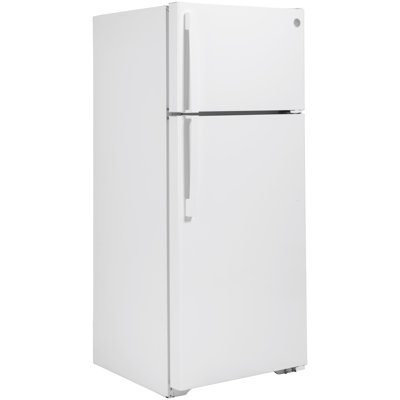
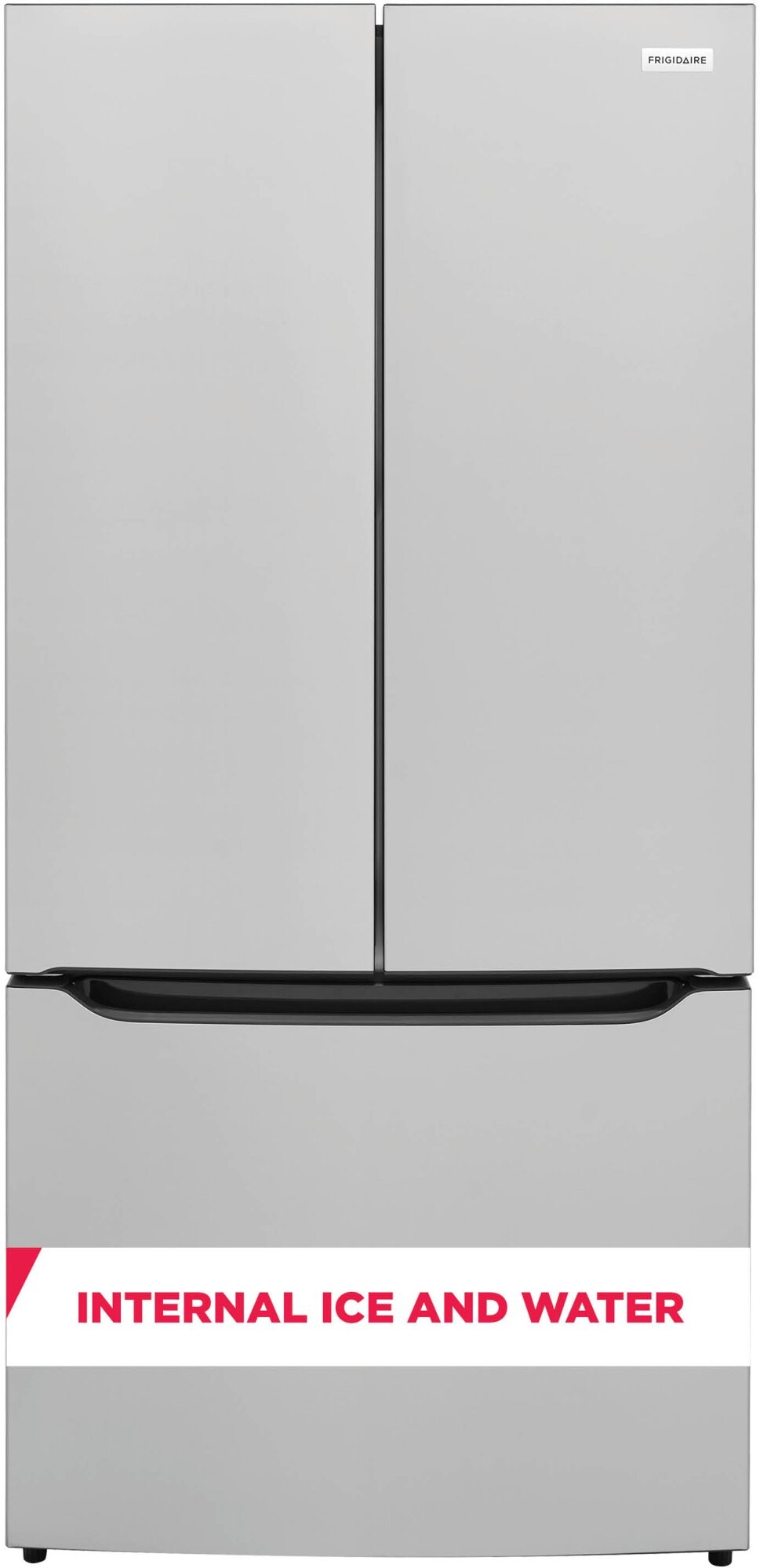
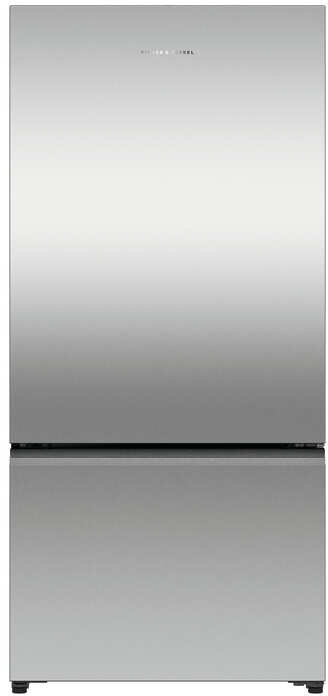
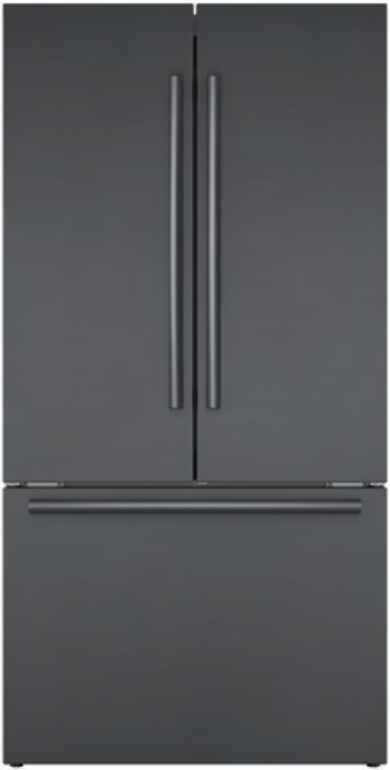
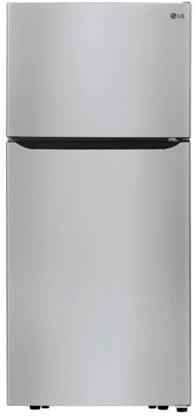
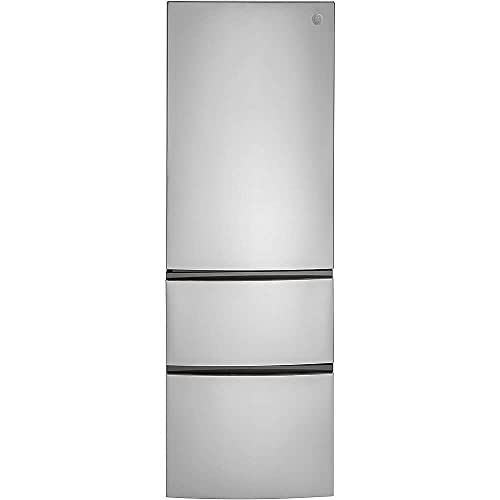
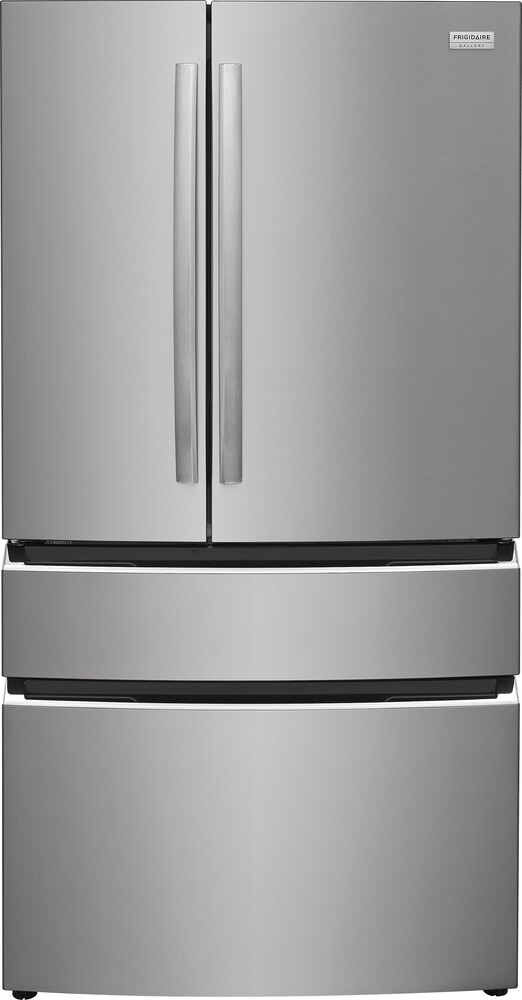
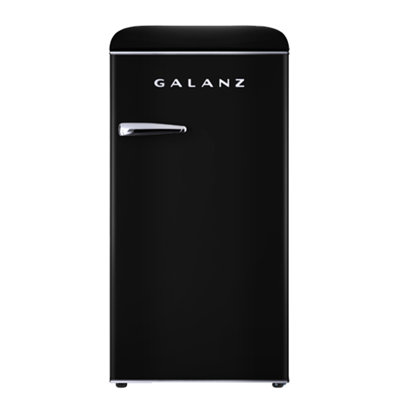
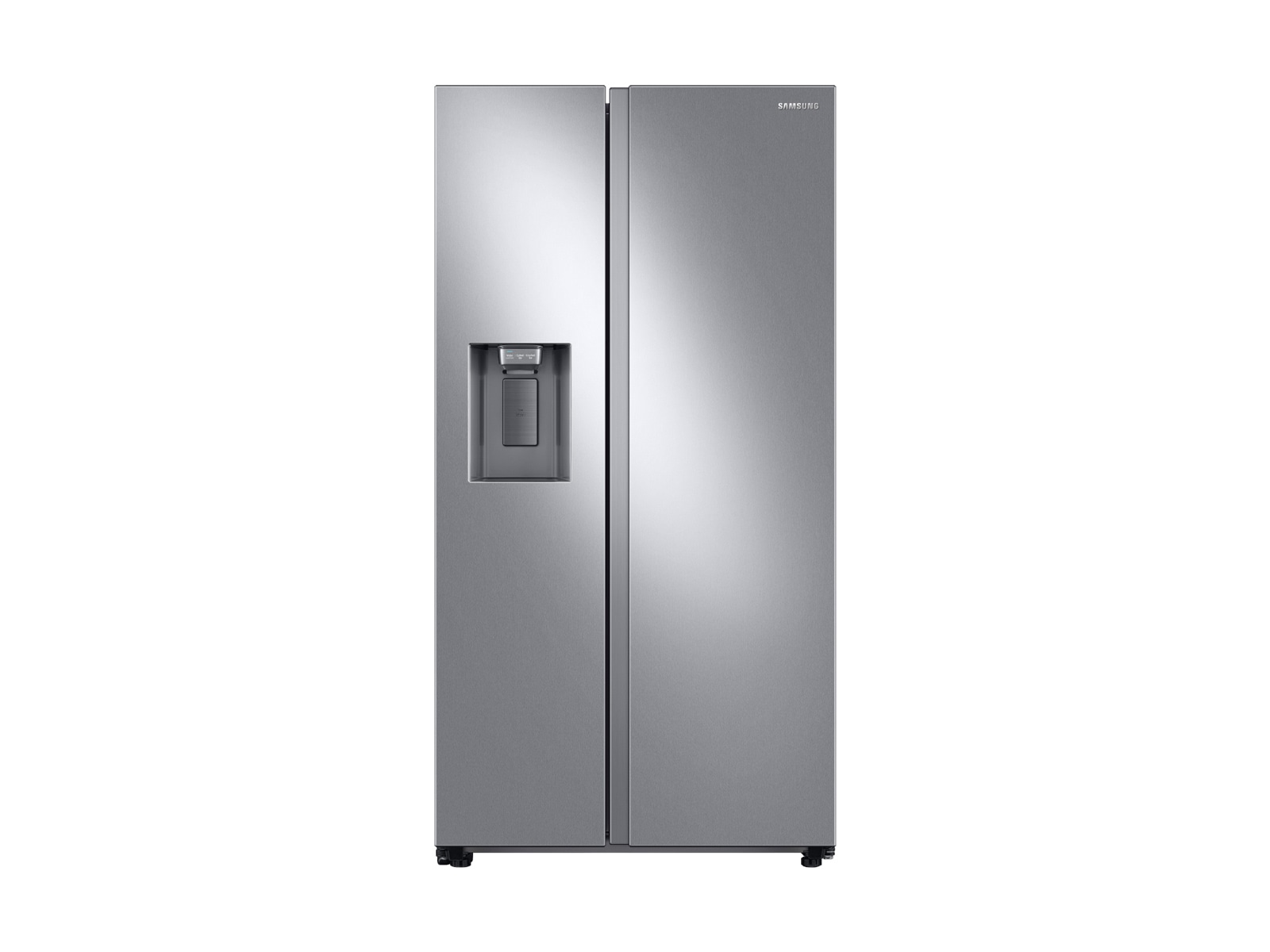
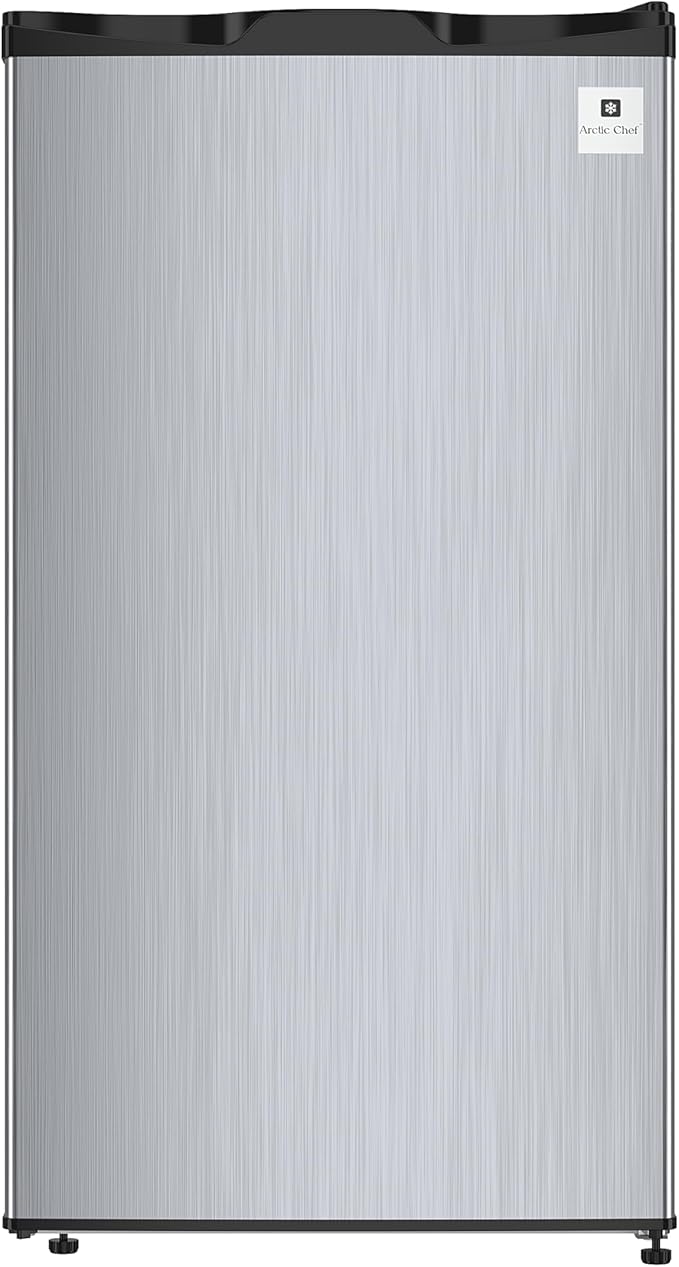
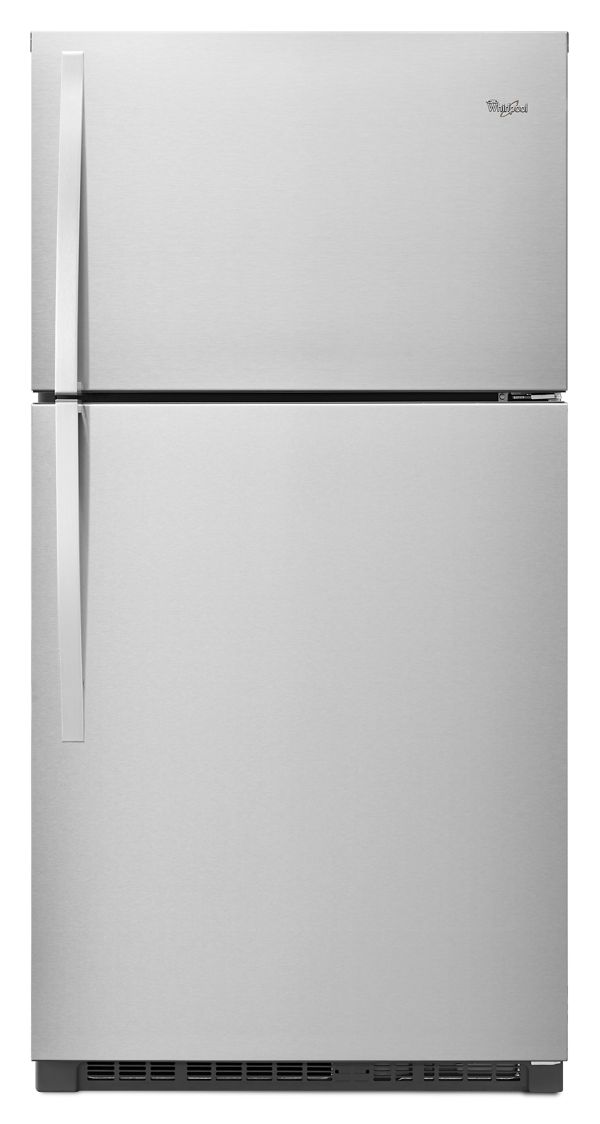
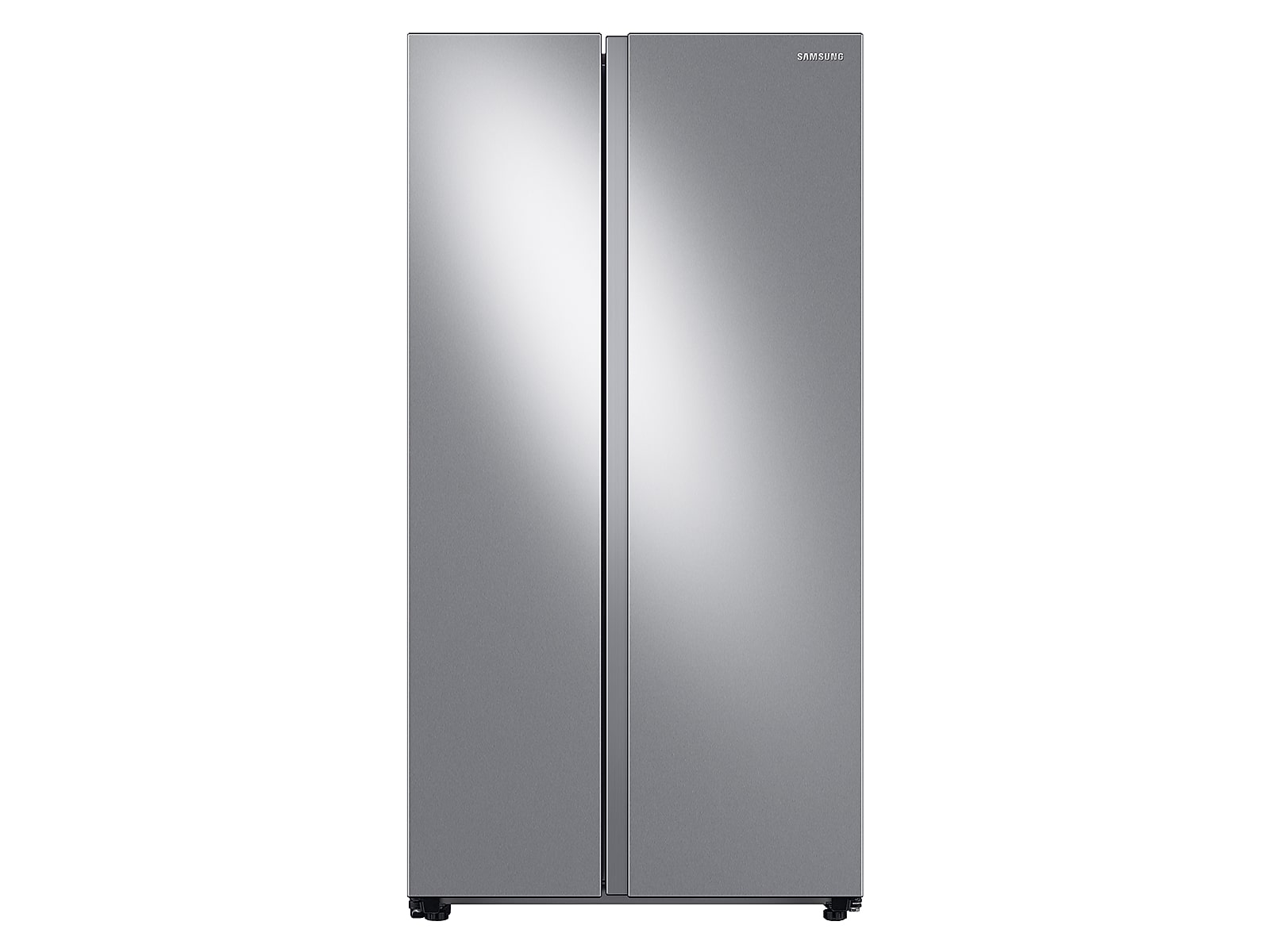
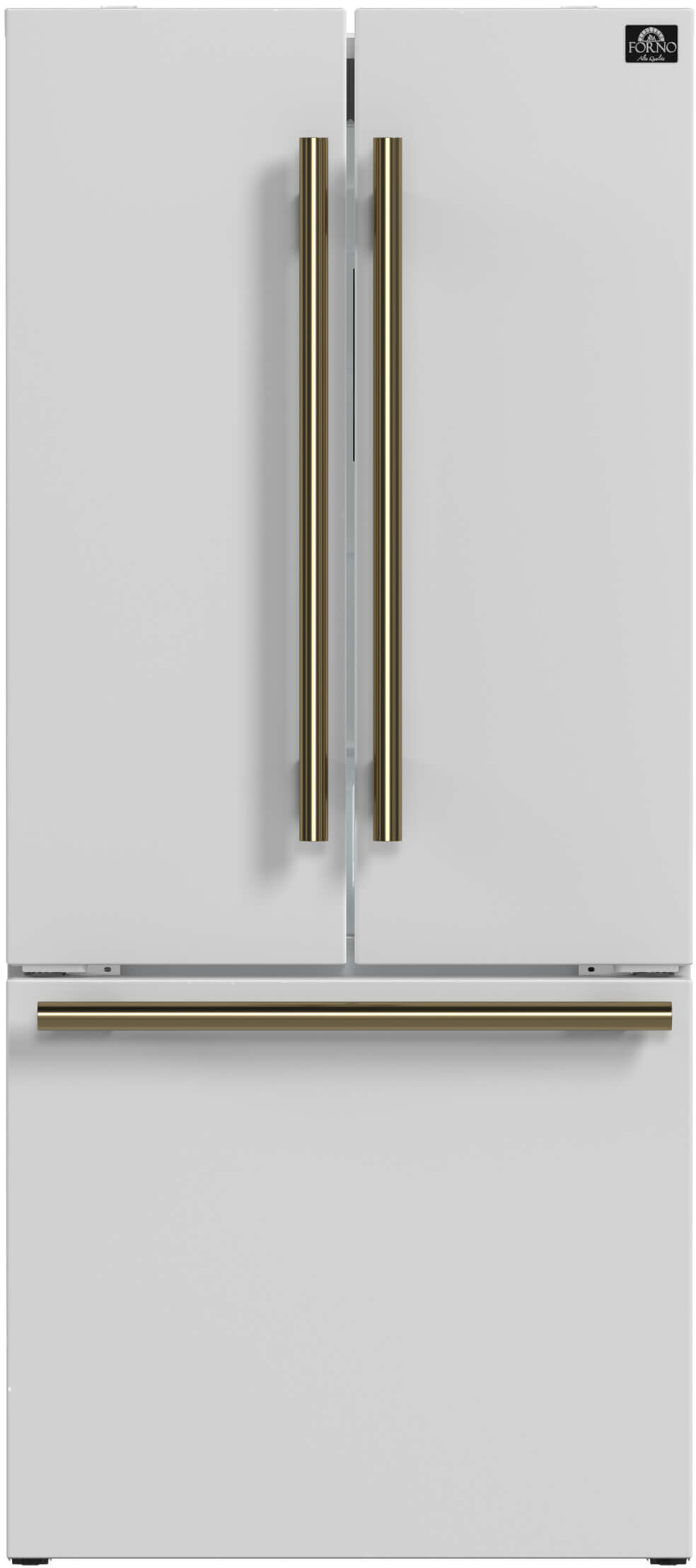
Most fridges need a regular plug with a 120-volt supply and their own circuit space to keep from being party crashers on your home's electrical dance floor.
Most of your home outlets dish out 120 volts.
Amperage usually hangs around 10 to 15 amps.
They're built to handle just enough – usually, that’s around 15-20 amps.
Getting the right juice for your fridge isn't just about plugging it in anywhere. Your trusty fridge needs a steady supply of electricity to keep everything chill and prevent your groceries from turning into a science experiment. Using a wrong or weak source can be like trying to run a marathon with a backpack full of bricks—inefficient and exhausting.
Messing up the power situation could make your fridge run hot and bothered, or even cause it to short out. To keep it working happily, ensure it's plugged into the right spot in your kitchen, especially if other gadgets are competing for power attention.
Understanding Electrical Requirements of Refrigerators
Every fridge has its own power needs depending on what it is and what it can do. Most fridges need a regular plug with a 120-volt supply and their own circuit space to keep from being party crashers on your home's electrical dance floor. Here’s a quick rundown of what different types of fridges usually need:
Type of Refrigerator
Voltage
Amps
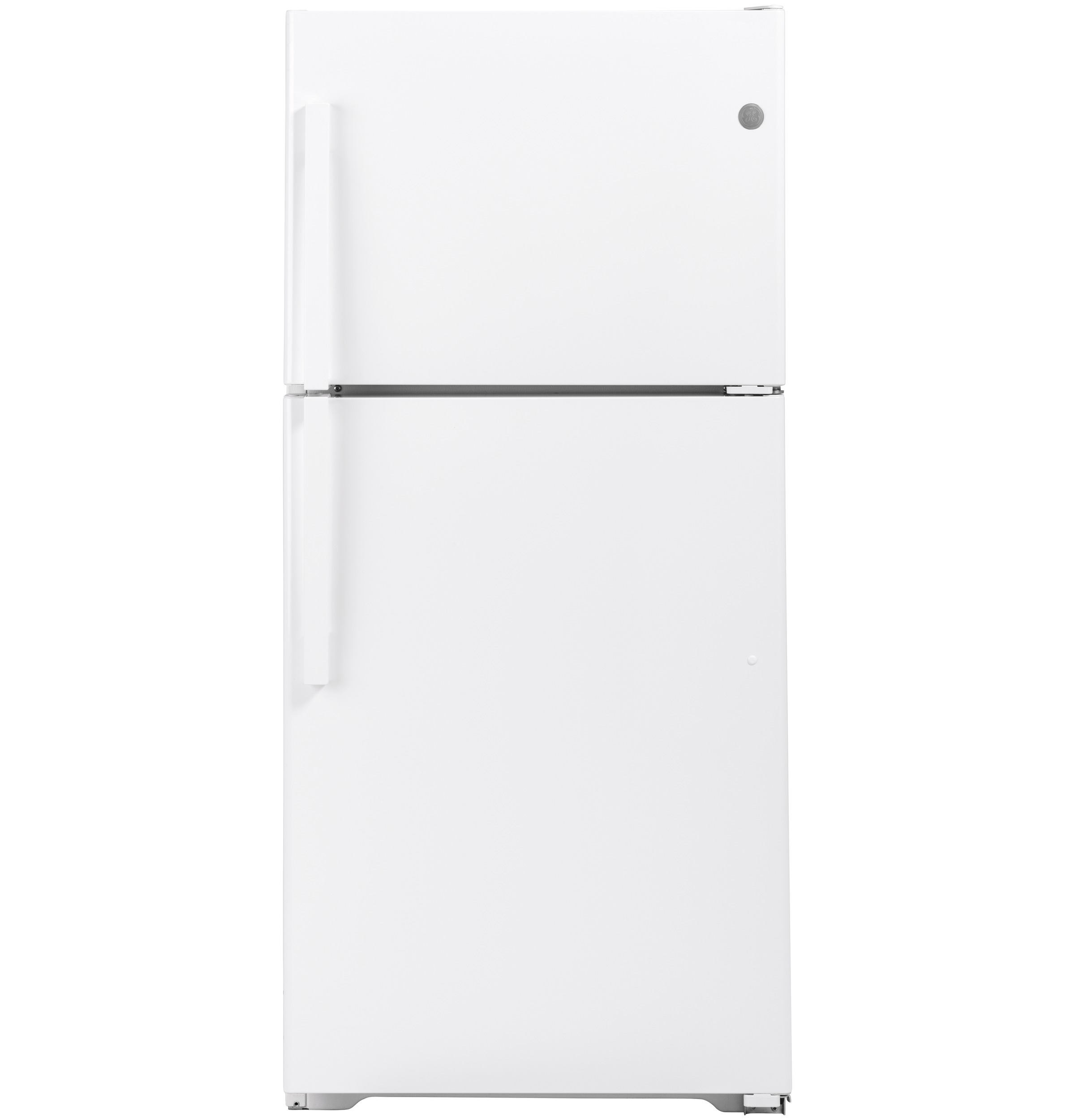
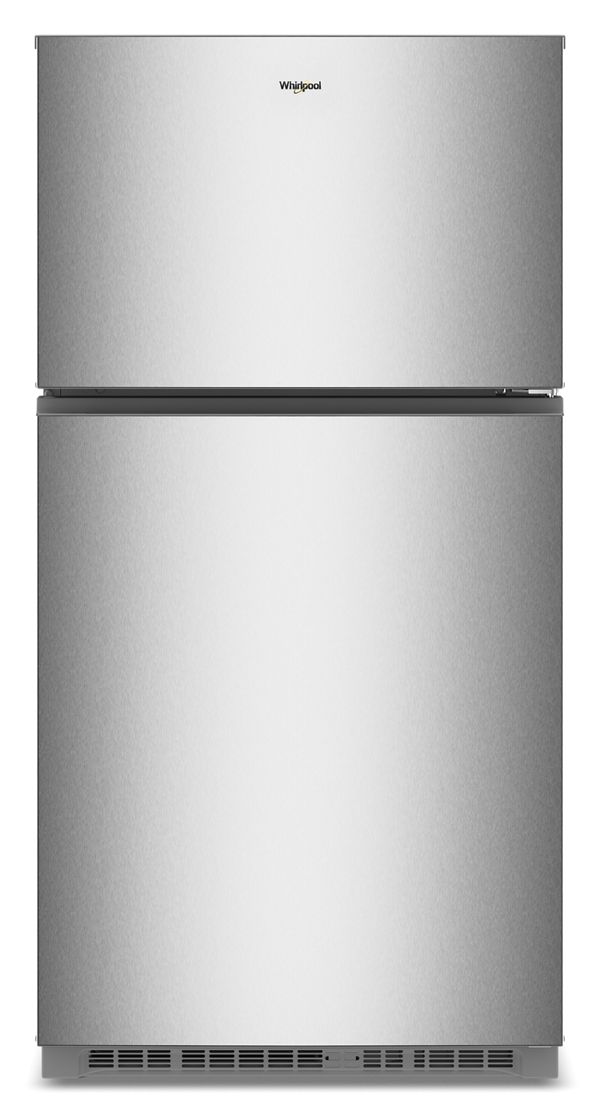
Standard Refrigerator
120V
3-6
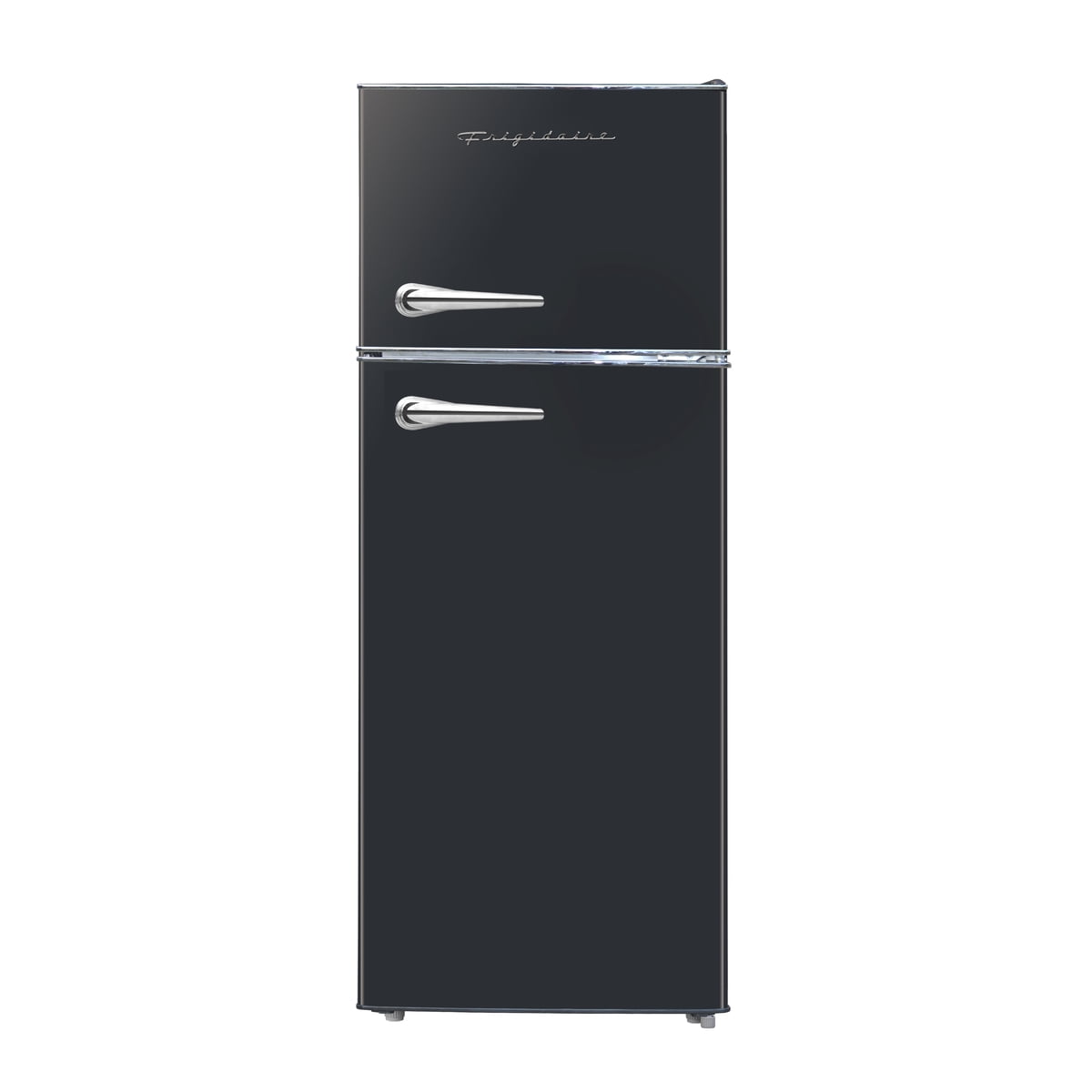
Compact Fridge
120V
1-2
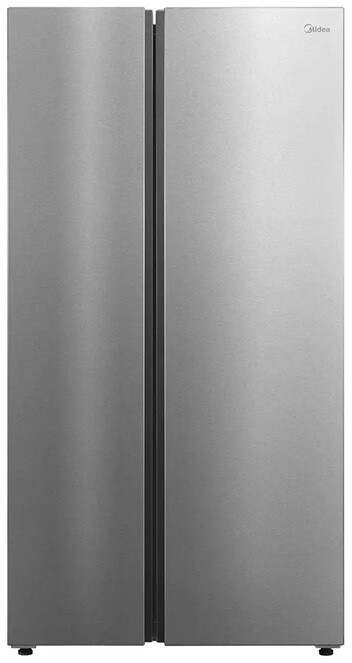
Side-by-Side
120V
6-10
Mini Fridge
120V
1-2
Some fridges need their own exclusive ticket—a dedicated breaker—to handle the load without things tilting off balance. Before you stick your fridge into a socket, make sure it's ready to boogie on the right circuit for top-notch performance.
Ignoring your fridge's electrical needs can be risky business, with hazards ranging from damage to the fridge itself right up to potential fire threats. Be smart about powering your appliance to keep it humming along nicely. Interested in sidestepping these hiccups? Check our risks and considerations section to get the scoop.
Can You Plug a Refrigerator Into a Regular Outlet?
Getting your fridge running smoothly is more than just stuffing it with food and hoping it chills your soda. It's all about making sure it's hooked up to the right outlet.
Standard Outlet Voltage and Amperage
Most of your home outlets dish out 120 volts. Nothing too spicy there. Amperage usually hangs around 10 to 15 amps. So, when it comes to your fridge, you gotta make sure the slot where you plug it in is ready for the job. Here's a quick lowdown for clarity:
Outlet Type
Voltage (V)
Amperage (A)
Standard
120
10-15
Dedicated
120
15-20
Usually, you can stick your fridge into a regular outlet as long as it can carry the load. Also, if you've got a hefty unit, a dedicated circuit can work wonders for keeping everything humming along nicely.
Refrigerator Power Consumption
Fridges come in all sizes and quirks, just like your uncle's “unique” collection of garden gnomes. Power use varies, swinging between 100 and 800 watts. This power draw determines if other gadgets can share the love from the same outlet. Have a look:
Refrigerator Type
Average Power Consumption (Watts)
Compact Fridge
50-100
Standard Refrigerator
100-200
Large Refrigerator (Side by Side)
200-400
Thinking, "Is a regular outlet okay for my fridge?" Most times, you're safe if it's up to the wattage. Just avoid overloading the socket. Curious? Check Fridge.com article on beverage fridge offers for more tips on keeping things cool and running.
So, you’re thinking about plugging your fridge into a regular outlet? Hold up! Before you shove that plug into the wall, let’s chat about what you might be risking. Using the wrong outlet isn't just a minor hiccup. We’re talking about overloaded circuits, fire threats, and even damaging that expensive fridge.
Overloading Circuits
Your everyday outlets at home are like the little engines that could. They're built to handle just enough – usually, that’s around 15-20 amps. Now, your fridge? Oh, it’s a power-hungry beast, especially when it kicks to life. Mix a hungry fridge with other gadgets on the same circuit, and it’s like asking a toddler to carry all the groceries. Overdo it, and you’ll end up with tripped breakers or a blown fuse.
Here's a quick peek at what appliances usually demand:
Appliance
Power Consumption (Watts)
Recommended Circuit (Amps)
Small Refrigerator
100 - 250
15
Standard Refrigerator
250 - 800
20
Large Refrigerator
800 - 1200
20
Curious about more nitty-gritty on your fridge’s power munching? Fridge.com post on beverage fridge offers might just be your jam!
Fire Hazards
Got an outlet that can’t keep up? That can spell trouble faster than you can say "electrical fire." Overloaded circuits throw a temper tantrum with heat, which can escalate into flames. Keep an eye out for signs like your breaker throwing a fit or lights doing a disco flicker. A safe home is a happy home, so always keep your electrical systems in check for the safety of everyone.
Potential Damage to the Refrigerator
Plugging your fridge into an outlet that’s not up to the task? Think of it like trying to charge a phone with a weak, old charger. It’s setting your fridge up for a not-so-great performance. Those annoying power swings could crank up the heat on the compressor, upping the chance of a meltdown and cutting its life short. Don't forget, warranties often give you the cold shoulder if you don't play by the rules.
To steer clear of these headaches, maybe it’s time to ponder dedicated circuit installations or have a chinwag with an electrician. And hey, for more on ensuring your fridge is in top shape, dive into Fridge.com resources on how do mini fridges work? and garage fridge organization.
Making smart choices about where your fridge draws its juice can make it run smoother for longer and keep your cozy space safe. Cheers to that!
So you're thinking, can you plug a refrigerator into a regular outlet? Well, let's break it down—no worries, I've got you covered. Here's how you can keep that fridge humming along happily without any fuss or drama.
Dedicated Circuit Installation
Going solo might just be your fridge's best friend. Setting up a dedicated circuit keeps your refrigerator from having to share its power with other hungry devices. Imagine it like giving your fridge its VIP access to stop those pesky overloads and tripped breakers from ruining the party, especially if yours is one of those beefier models. You’re looking at:
Voltage
Amperage
120V
15-20A
Get a pro, someone who really knows their wires from their wi-fi, to install this setup. They’ll make sure your appliance gets all the juice it needs, and you can rest easy.
Power Strips and Surge Protectors
Thinking about giving your fridge a little extra love with a power strip? Slam the brakes on that idea—most fridges are picky and want to stay directly plugged in. But hey, there's a twist! You can opt for a surge protector that's built for heavy-duty stuff like fridges to guard against those sneaky power zaps. So, make sure you peep the specs to get one that jives with your fridge:
Capacity
Type
120V
Surge Protector for Appliances
15-20A
Heavy-Duty Rating
Double-check those deets to keep your fridge happily humming.
Consulting with an Electrician
Unsure if your fridge setup is up to snuff? No shame in calling in the cavalry—a licensed electrician can give you the skinny on what your fridge really needs. They'll survey the situation like it's mission impossible and tell you what's what, from needing a dedicated circuit to picking out the right surge protector. Their advice can save you from potentially costly mistakes and help keep everything cool.
For keeping your food fresh, safe, and sound, pay attention to your fridge's needs. Think safety first and power it up right!
Maximizing Refrigerator Efficiency
To really squeeze every ounce of efficiency outta your fridge, there's more to it than just plugging it in and hoping for the best. Keep your electric bill under control and your food happy-fresh with these handy tips.
Energy-Saving Tips
Who knew your fridge could help save the planet and save you some cash? Check out these easy tips:
Set the Right Temperature: Hit the sweet spot. Keep the fridge at 37°F (3°C) and aim for 0°F (-18°C) in the freezer.
Fill 'Er Up: A full fridge is a happy fridge—it holds the chill better. Got too much empty space? Try tossing in a few water bottles.
Seal the Deal: That door seal's gotta be tight. If it's not, your cold air is sneakin’ out, and that's just wasteful.
Don’t Overdo the Door: Opening the door too much? You’re letting all that coolness slip away. Keep it quick.
Bright Ideas: Swapping those old bulbs for LED ones? Good call—less energy, more light.
Energy-Saving Tip
What It Does
Set the Right Temperature
Fridge at 37°F, freezer at 0°F keeps things chill
Fill 'Er Up
More food means better temperature maintenance
Seal the Deal
Stops your fridge from literally chilling the room
Don’t Overdo the Door
Keeps the cold where it belongs
Bright Ideas
LEDs use less juice
Placement Considerations for Better Performance
Where your fridge hangs out makes a big difference. Place it right for cool efficiency:
Heat is a No-Go: Your fridge doesn’t need to sunbathe or get cozy with the oven. Keep it away from heat sources.
Breathe Easy: Let that fridge breathe. Think at least 2 inches of space around for air to flow.
Stay Grounded: Wobbly fridge? Not cool. Make sure it's on solid ground to keep it running smooth.
Placement Factors
What to Do
Heat is a No-Go
Avoid hot spots like ovens and windows
Breathe Easy
Give it space on all sides—at least 2 inches
Stay Grounded
Solid foundations stop pesky vibrations
Maintenance for Optimal Functionality
Show Lil' Chill some TLC and it'll serve you right for years:
Coil Care: Dust bunnies are not your friend. Wipe down those condenser coils every six months to keep things smooth.
Manual Ice Bunker: If your fridge isn’t frost-free, you gotta do the defrost shuffle to avoid icebergs forming.
Pan Check: A crusty drip pan means trouble—keep it clean to avoid smells and leaks.
Maintenance Task
How Often
Coil Care
Every 6 months
Manual Ice Bunker
As needed
Pan Check
Monthly
Stick to these tips and tricks, and when someone asks "can you plug a refrigerator into a regular outlet?" you can flash them a grin and say “You betcha!” Your fridge will run efficiently and keep your food chilling like a pro. Hungry for more? Check out Fridge.com article on how does a full fridge impact electricity use?.
When you're the proud owner of a fridge, you're signing up for more than just cold drinks and chilled snacks. Responsibility's the name of the game, and keeping your fridge in tip-top shape will make sure your eats stay fresh and your appliance lives a good, long life.
Safety First
Your fridge needs a cozy, safe spot to do its thing. First off, make sure it’s plugged into a proper outlet. We're talking a grounded, powerhouse-friendly outlet, not just any hole in the wall. Sure, standard outlets are handy, but you’ve gotta double-check they can handle what your fridge is dishin' out.
Voltage
Amperage
Appliance
120V
10A - 15A
Standard Fridges
240V
10A - 15A
Bigger Fridges
Jamming too many plugs into one socket? Recipe for disaster. Keep a special circuit just for your fridge if you can. Need more safety hacks? Peek at garage fridge organization on Fridge.com site.
Making Informed Choices
Picking a fridge isn’t just about color and cool gadgets. Peek under the hood! Check its energy ratings, where it fits best, and what TLC it needs. Know your fridge’s electric vibe, whether it's better to give it its own socket or let it share with buddies.
Want your fridge to hum along happily? A little regular pampering does wonders. Dust off those coils, give door seals a squeeze to check for breezes, and keep the temp just right. Not only will this keep your fridge healthy, but it’ll keep those power bills from climbing.
Simple fridge-loving chores:
Task
How Often?
Clean coils
Every 6 months
Inspect door seals
Monthly
Defrost
When needed
Be a fridge whisperer, and you’ll dodge those nasty repair bills. Check out Fridge.com thoughts on whether a crammed fridge burns more power and scoop up extra energy-saving tricks.
Taking good care of your fridge means it’ll keep crushing your kitchen needs, whether you’re feeding famished kiddos or setting the stage for a swanky dinner shindig.
Frequently Asked Questions
Getting your fridge running smoothly is more than just stuffing it with food and hoping it chills your soda. It's all about making sure it's hooked up to the right outlet.