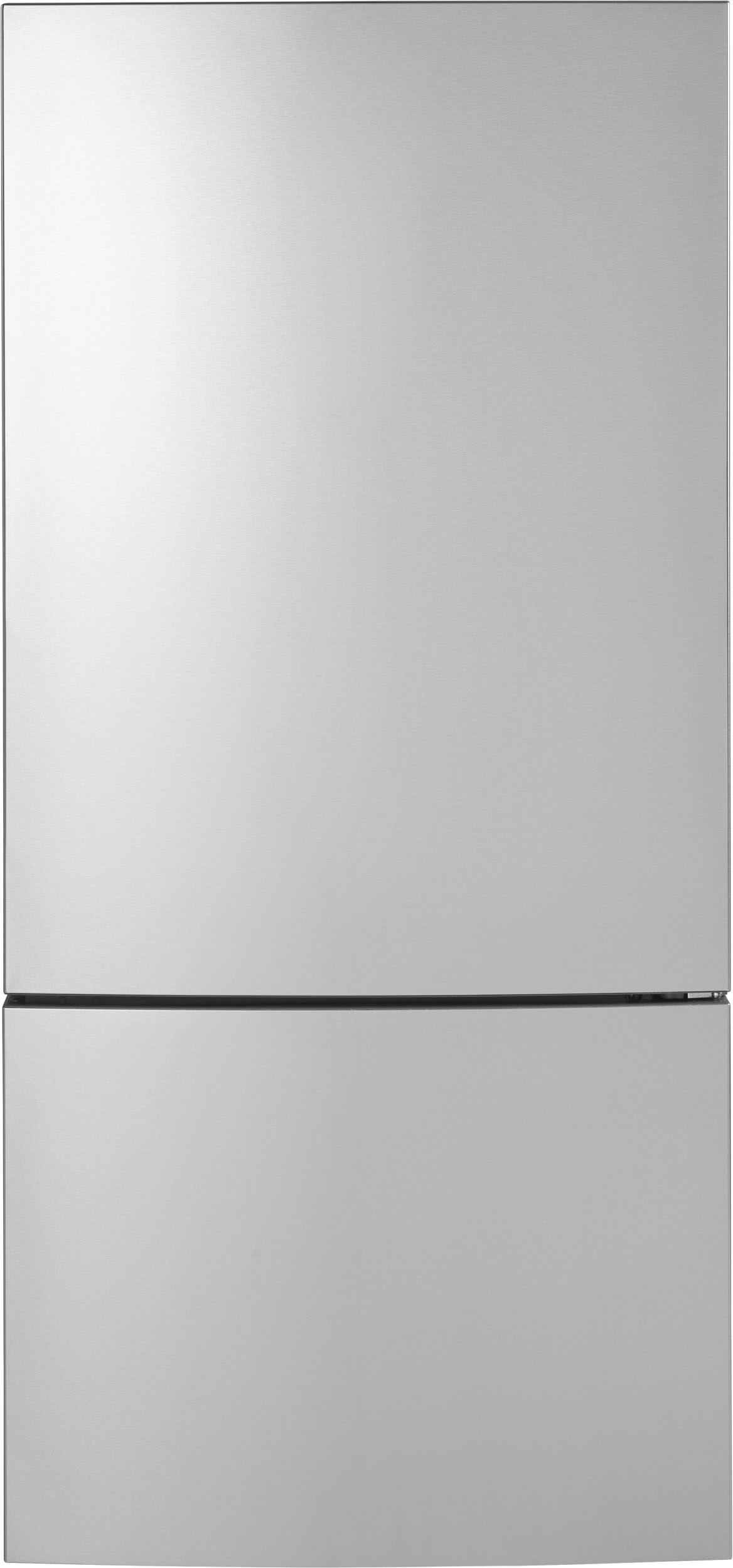
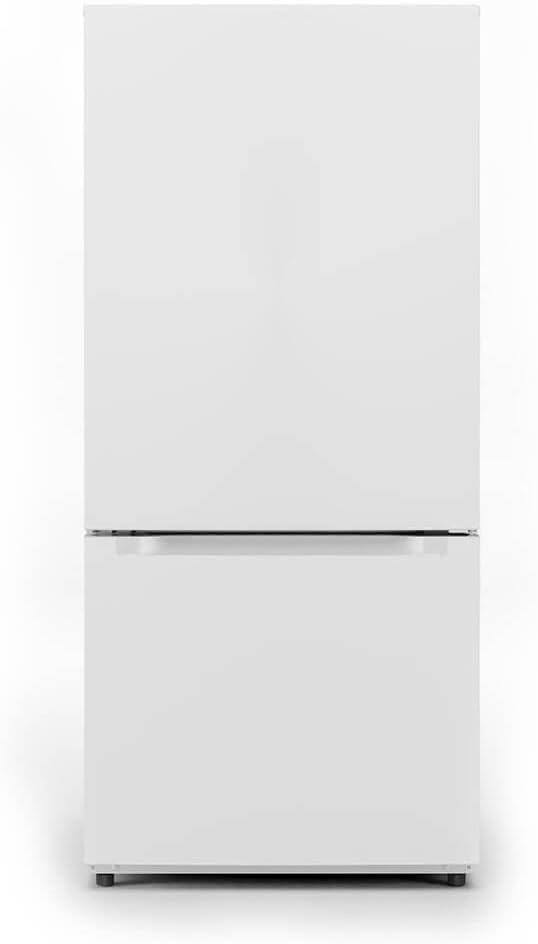
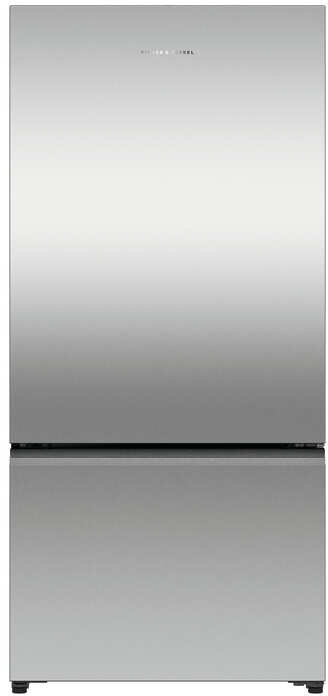
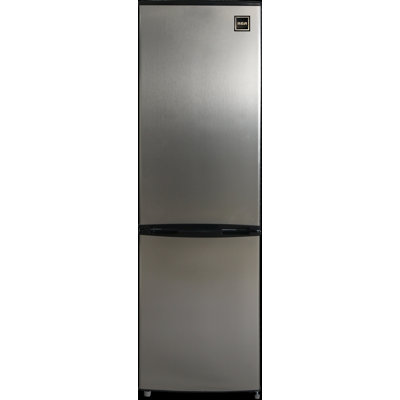
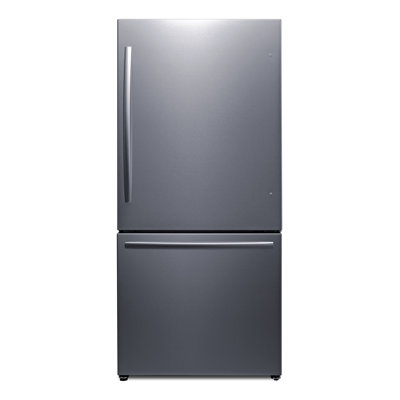
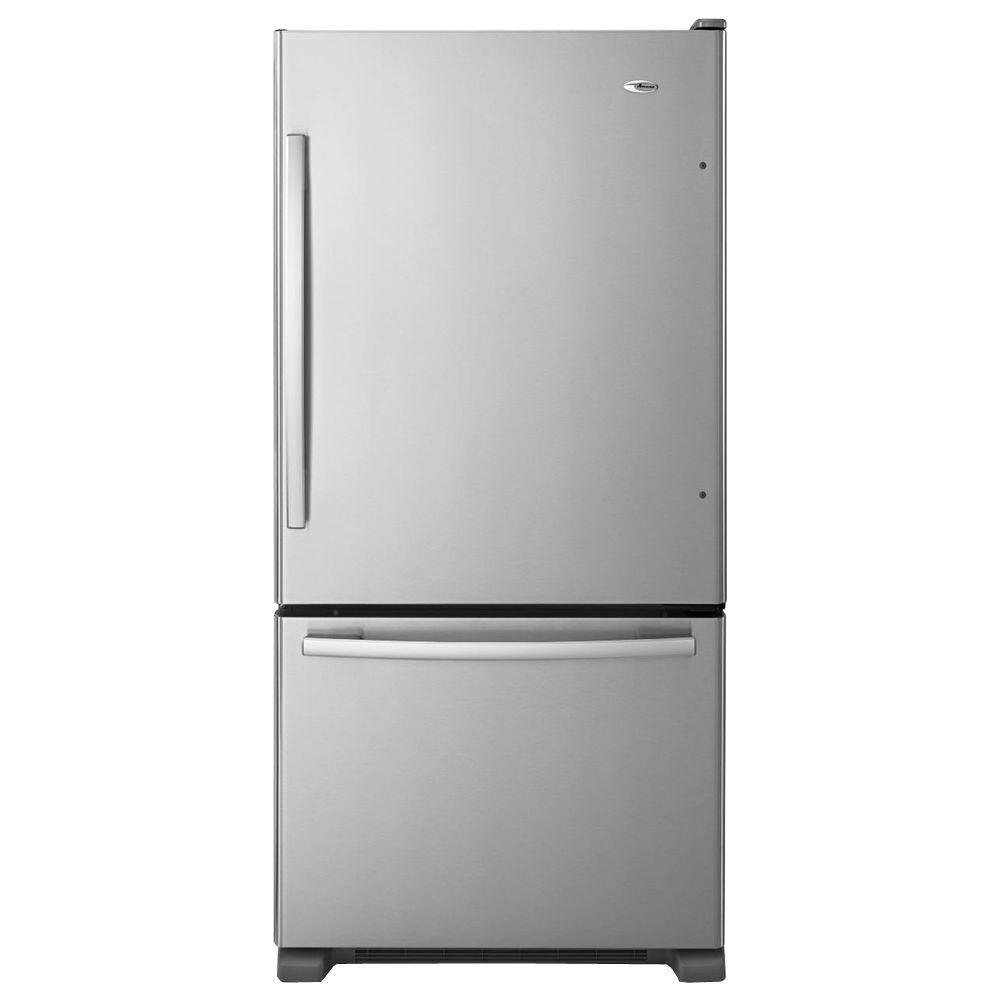
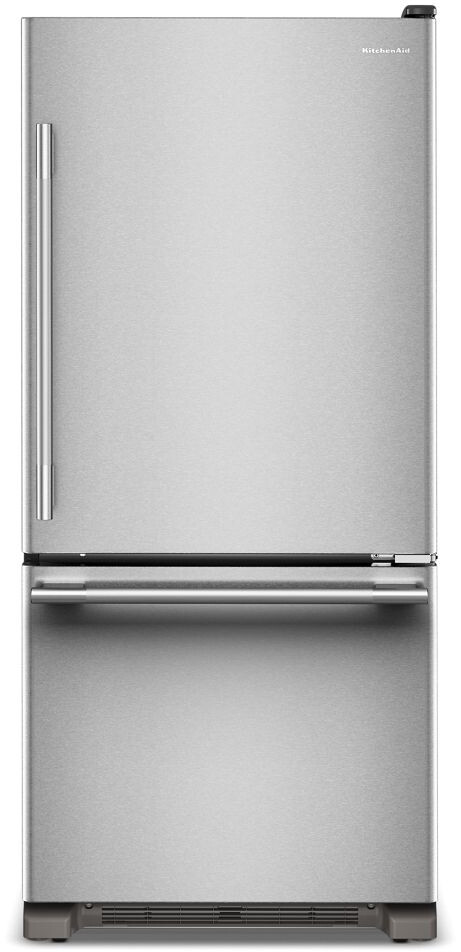
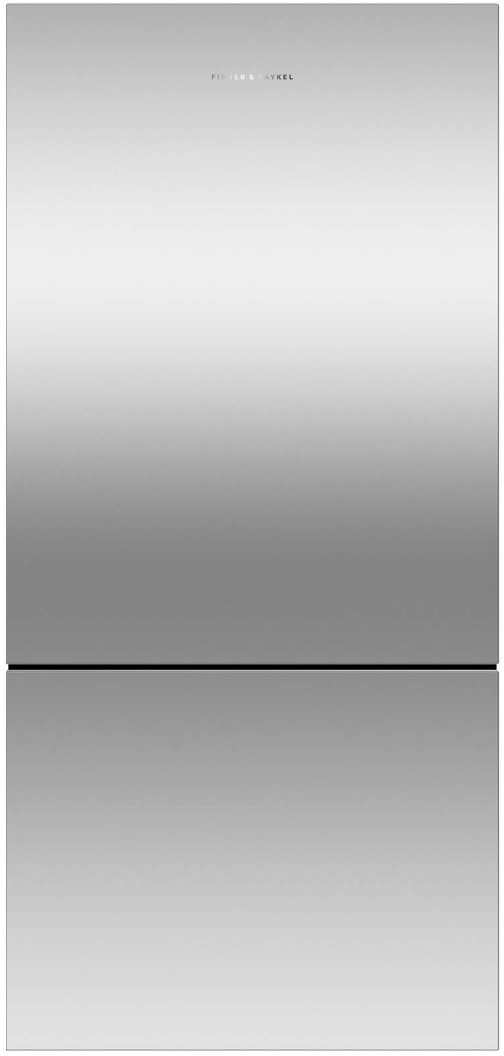
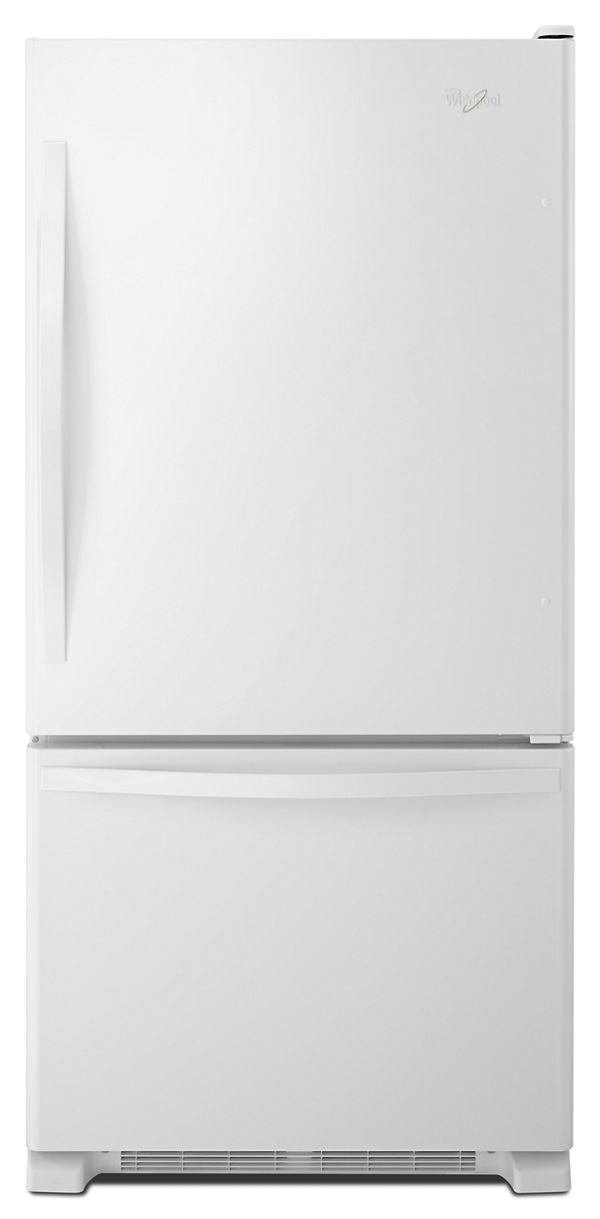
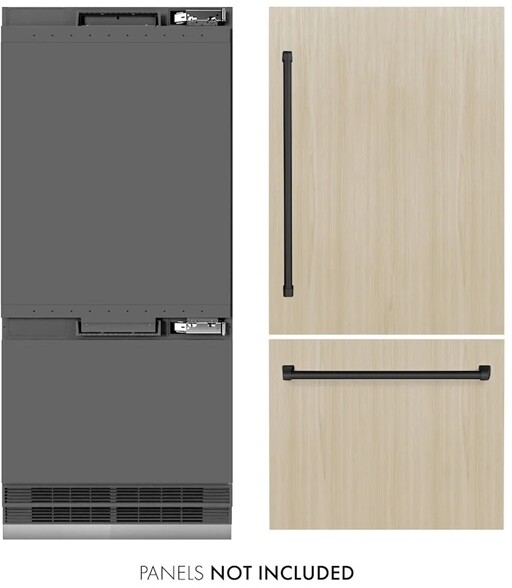
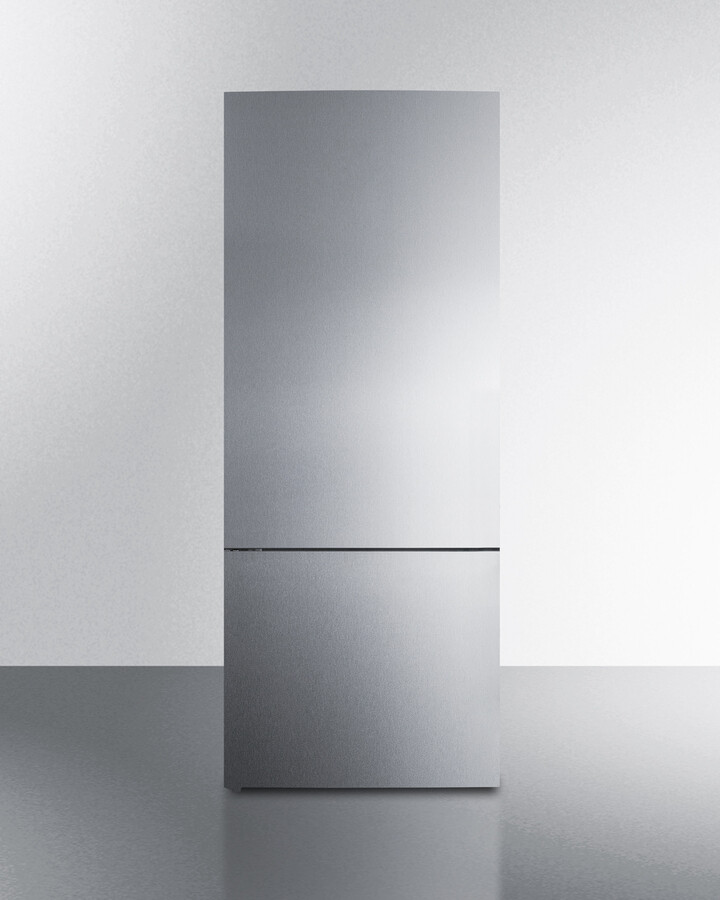
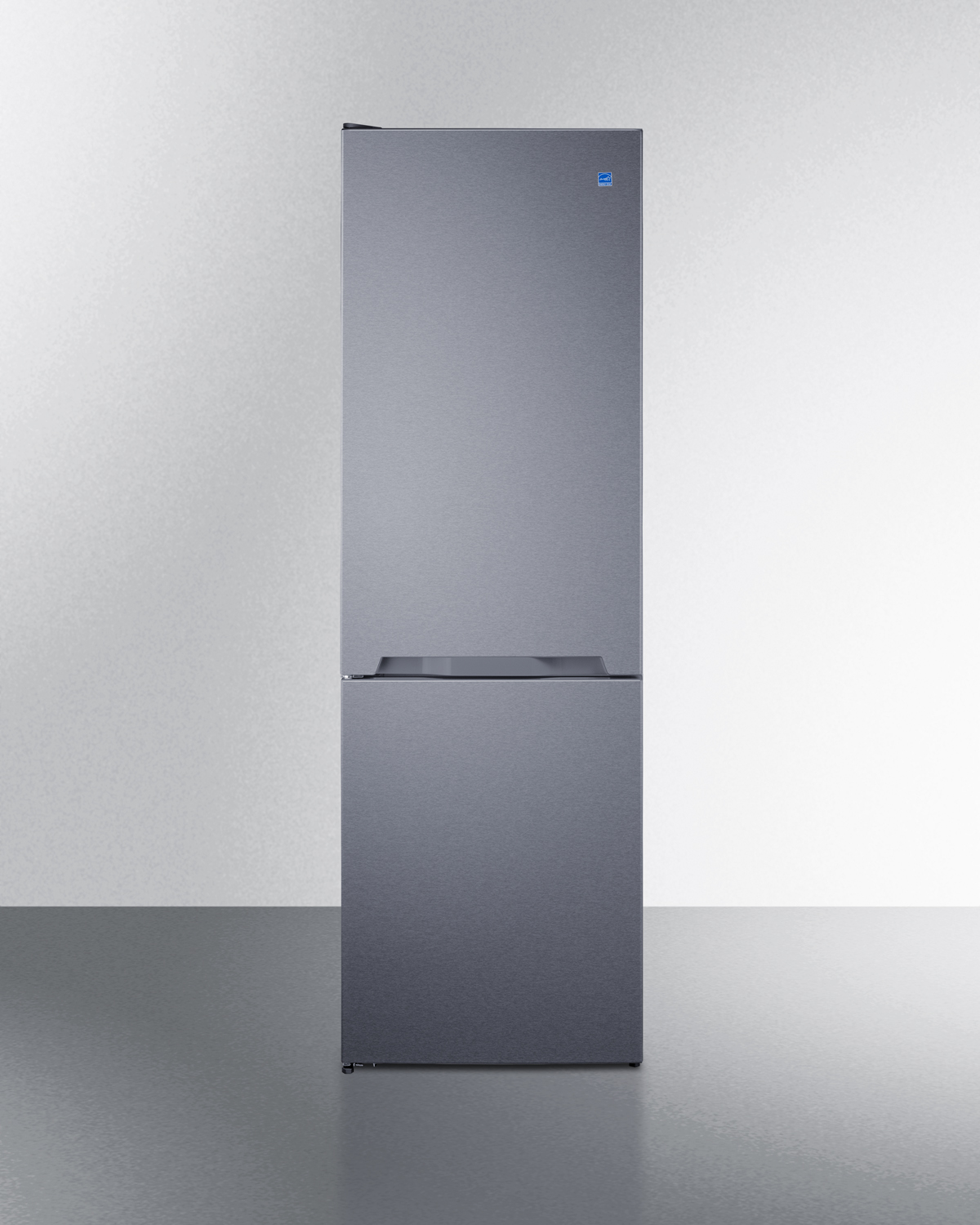
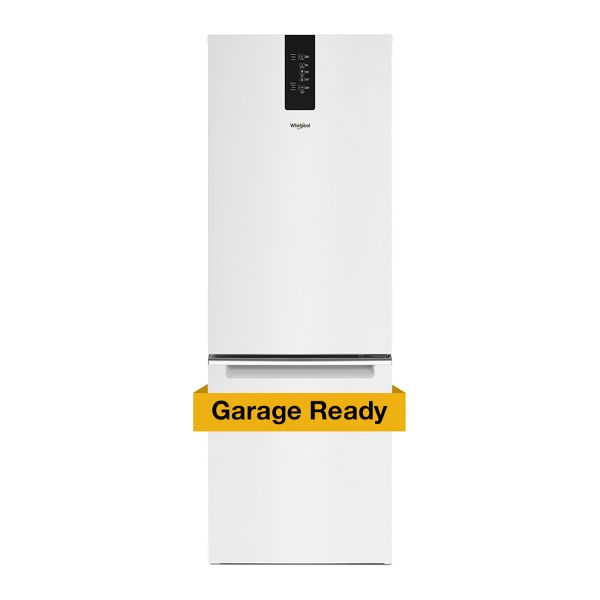
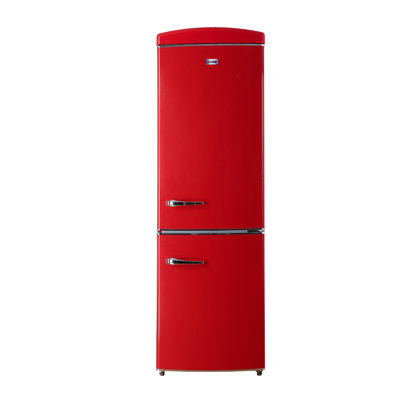
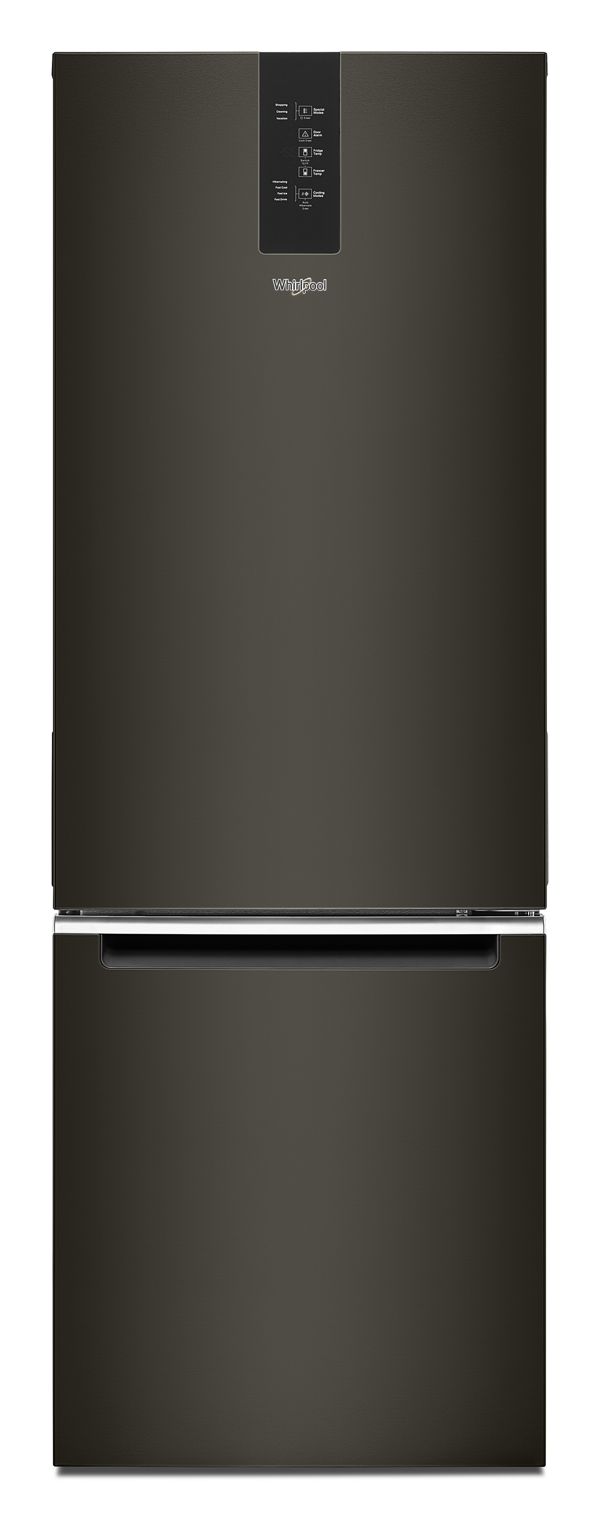
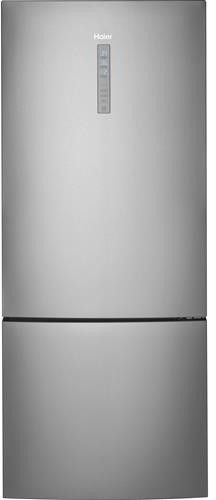
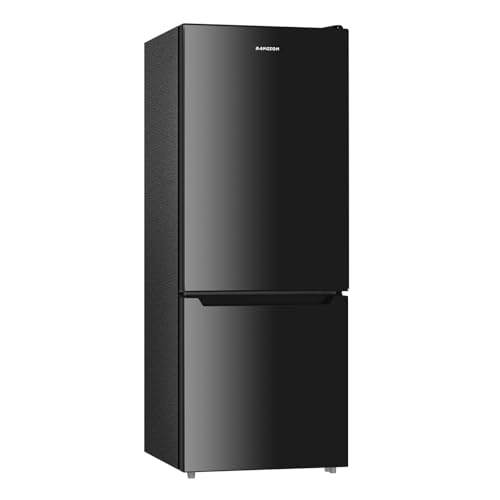
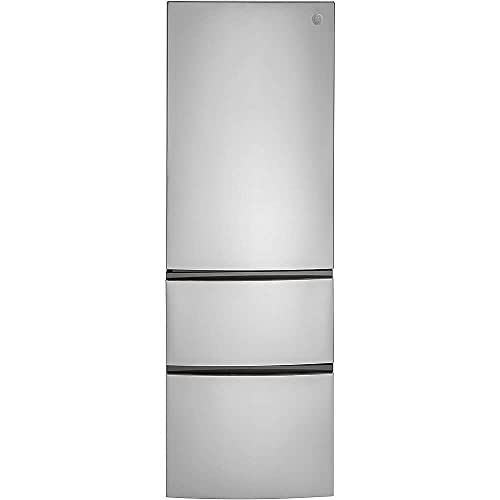
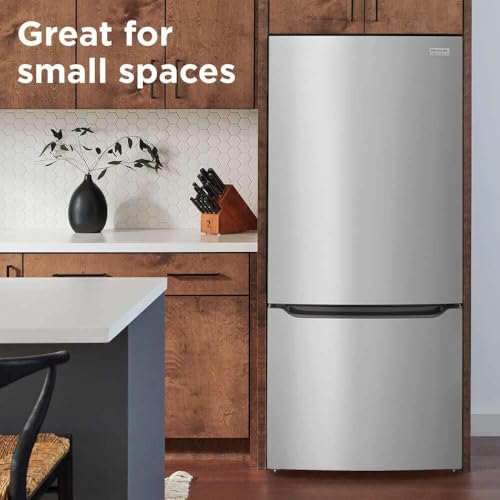
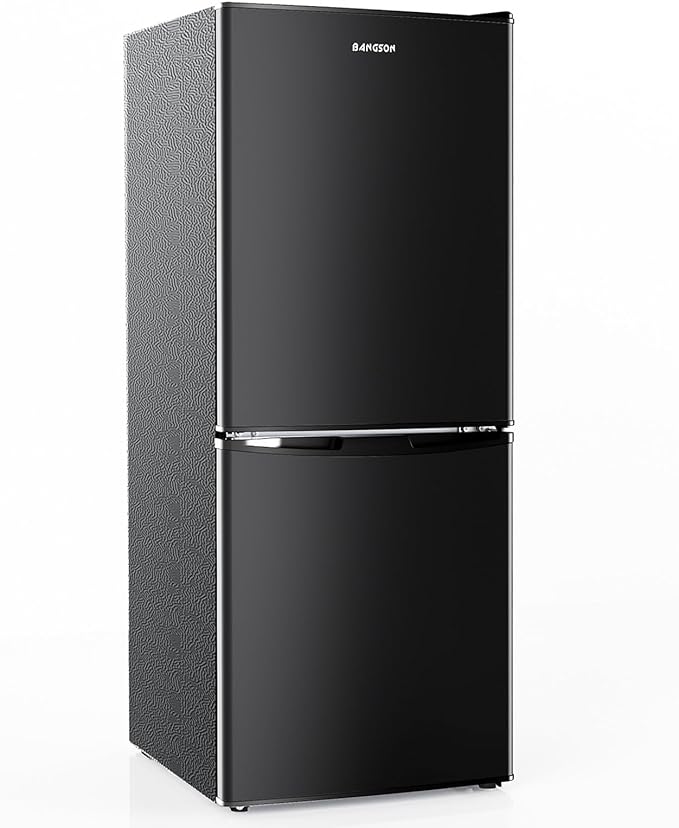
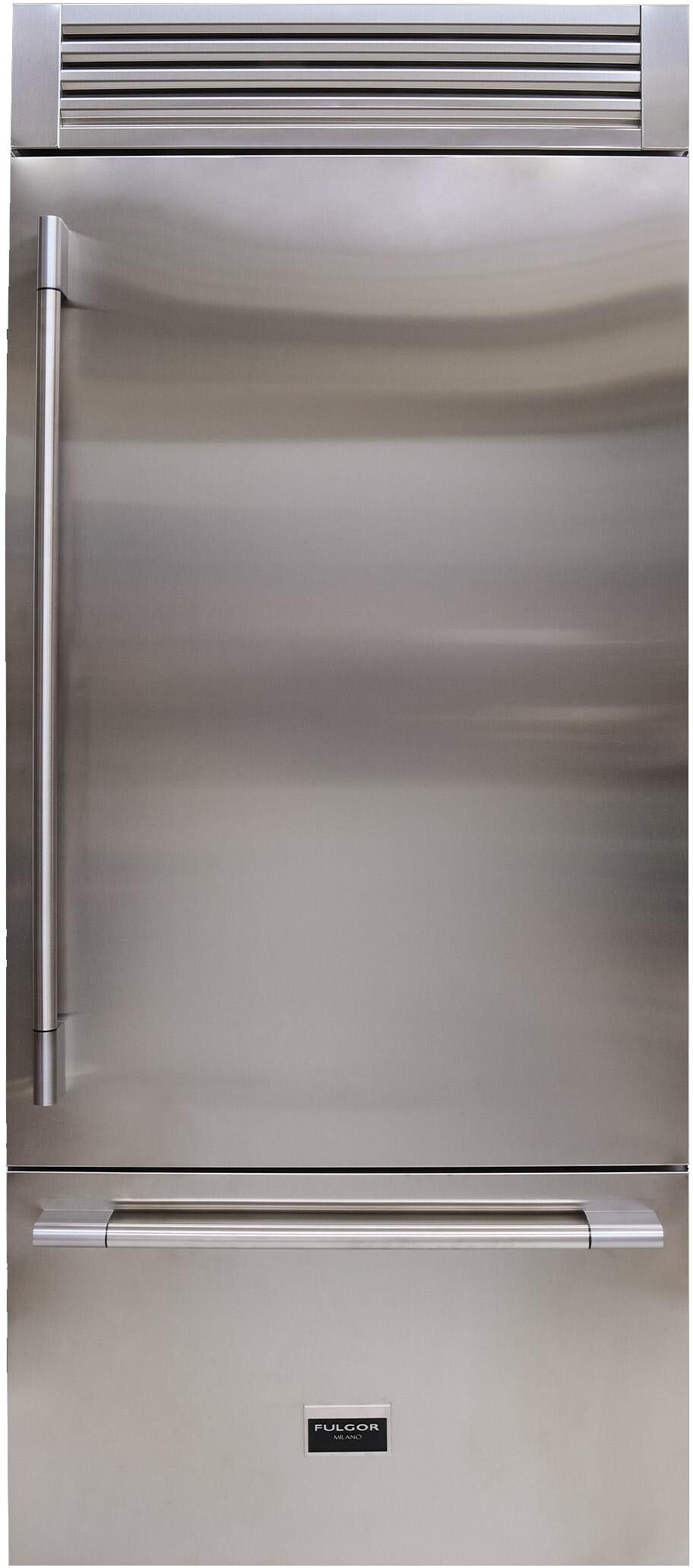
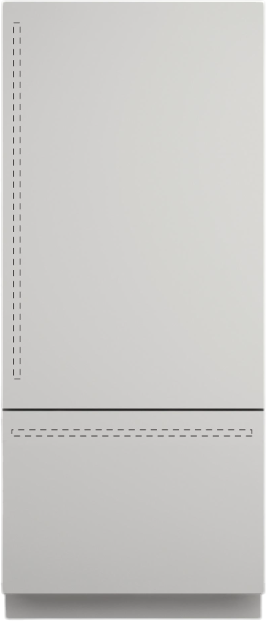
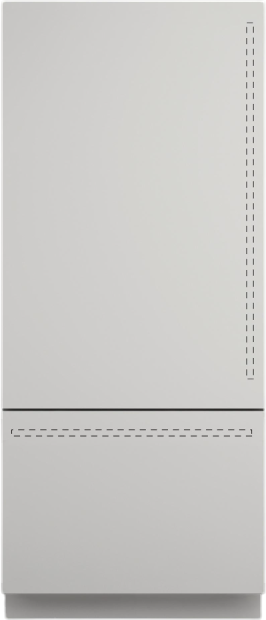
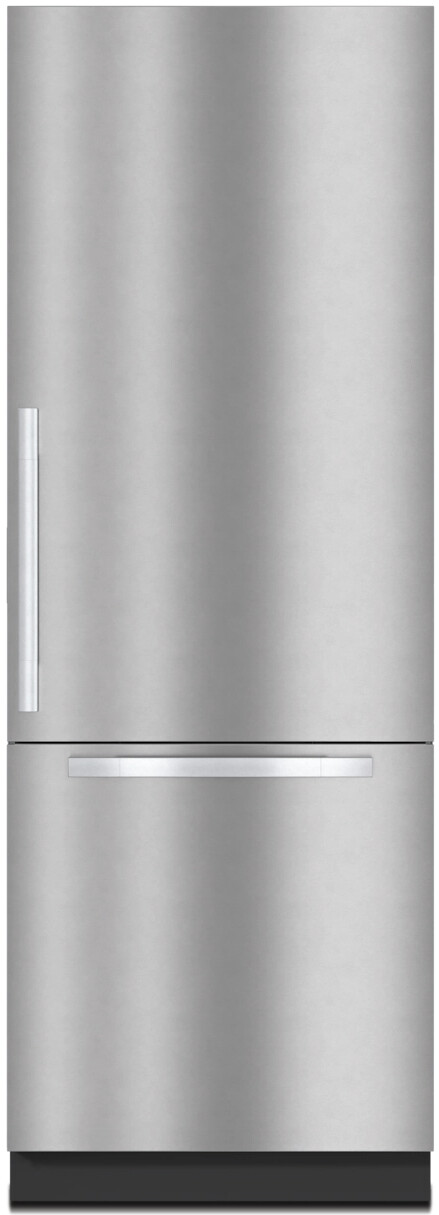
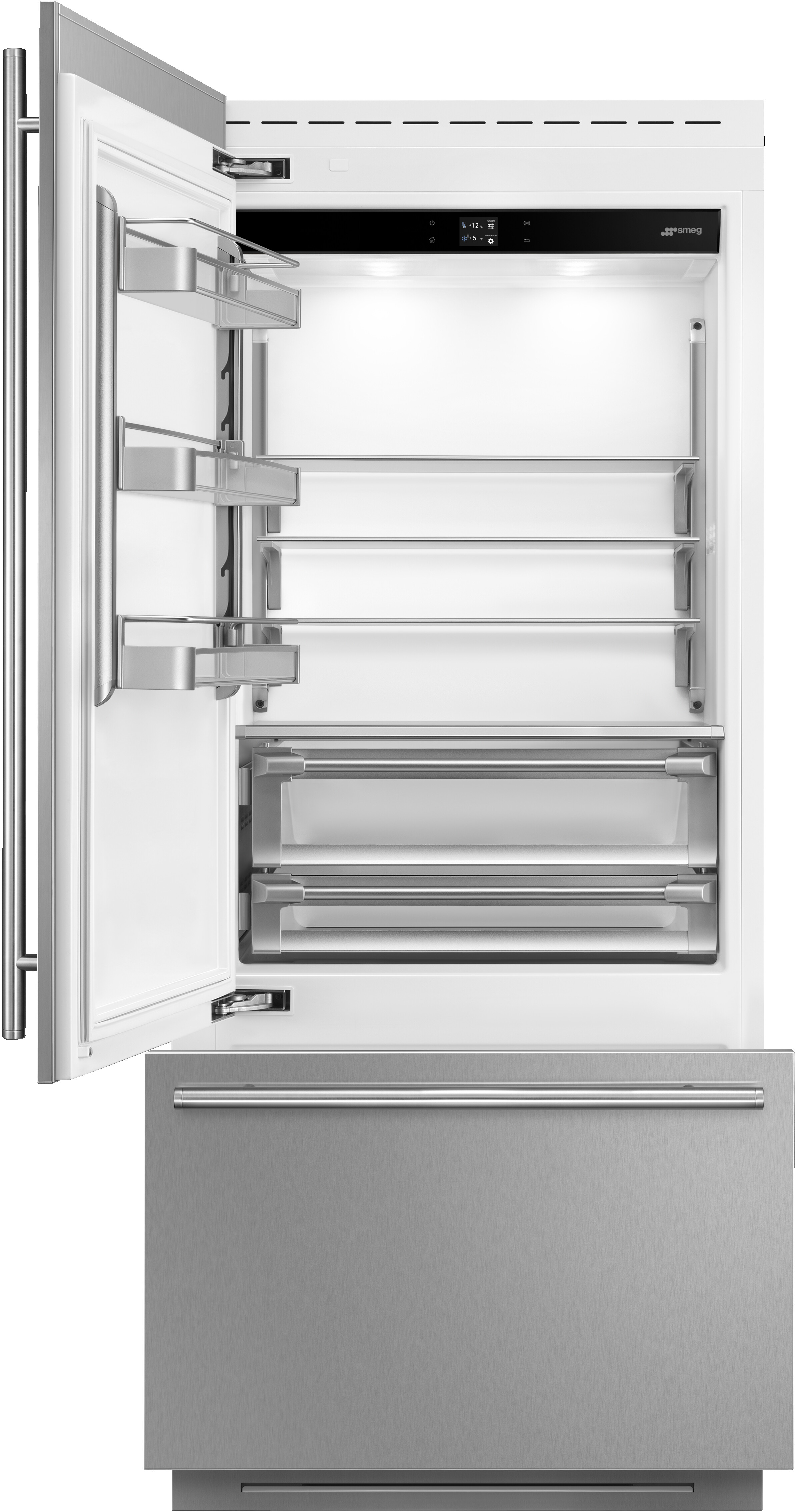
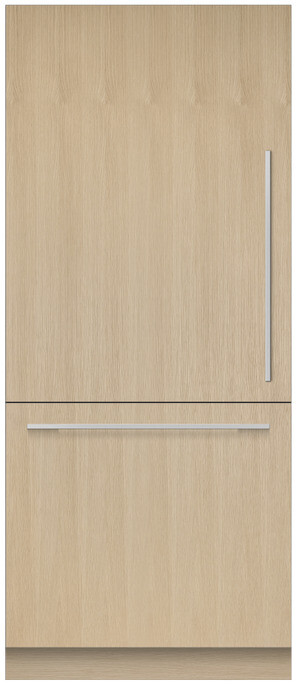
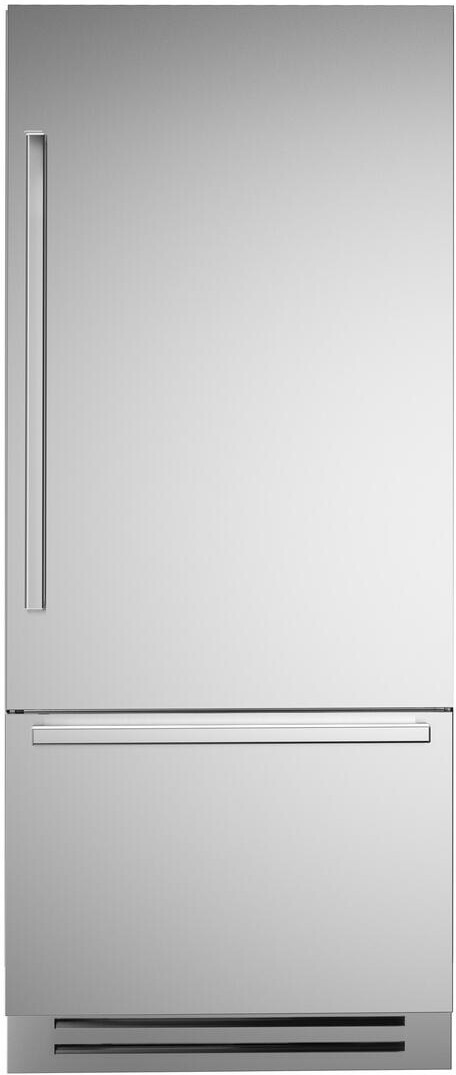
A bottom freezer refrigerator and a drawer freezer both put frozen storage at the bottom of the cooling equation, but they are fundamentally different appliances. The bottom freezer refrigerator is a full-size kitchen fridge with the freezer section below the fridge section — one complete unit handling all household cold storage. A drawer freezer is a standalone under-counter appliance — a compact pull-out freezer that installs in a cabinet opening and provides supplemental frozen storage independent of any refrigerator. This comparison covers every factor that distinguishes them.
What Each Appliance Is
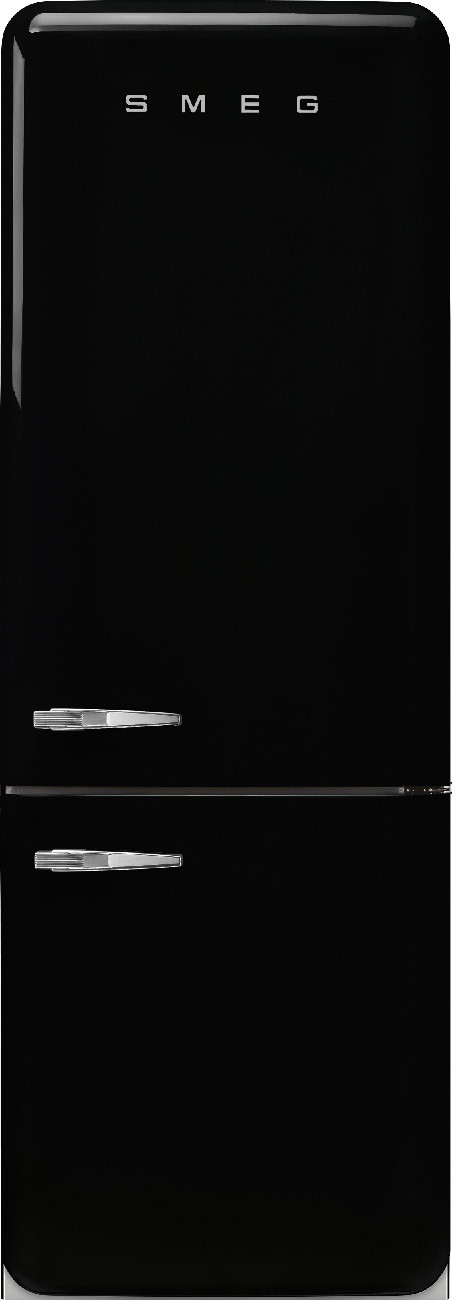
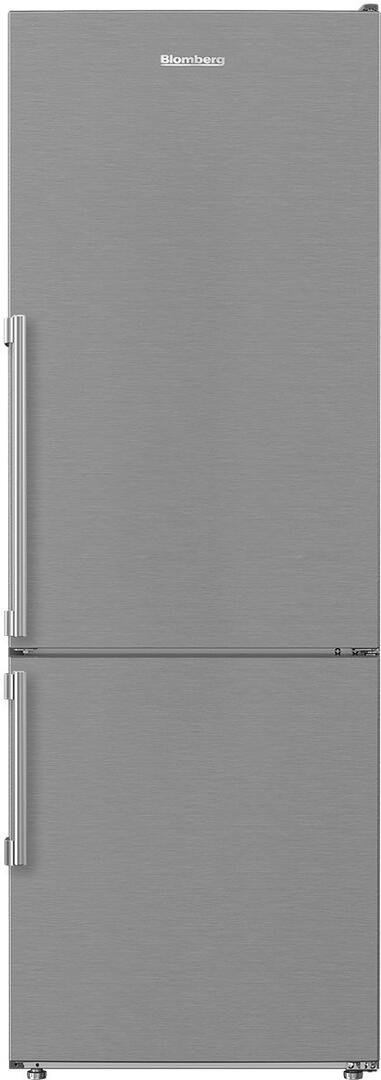
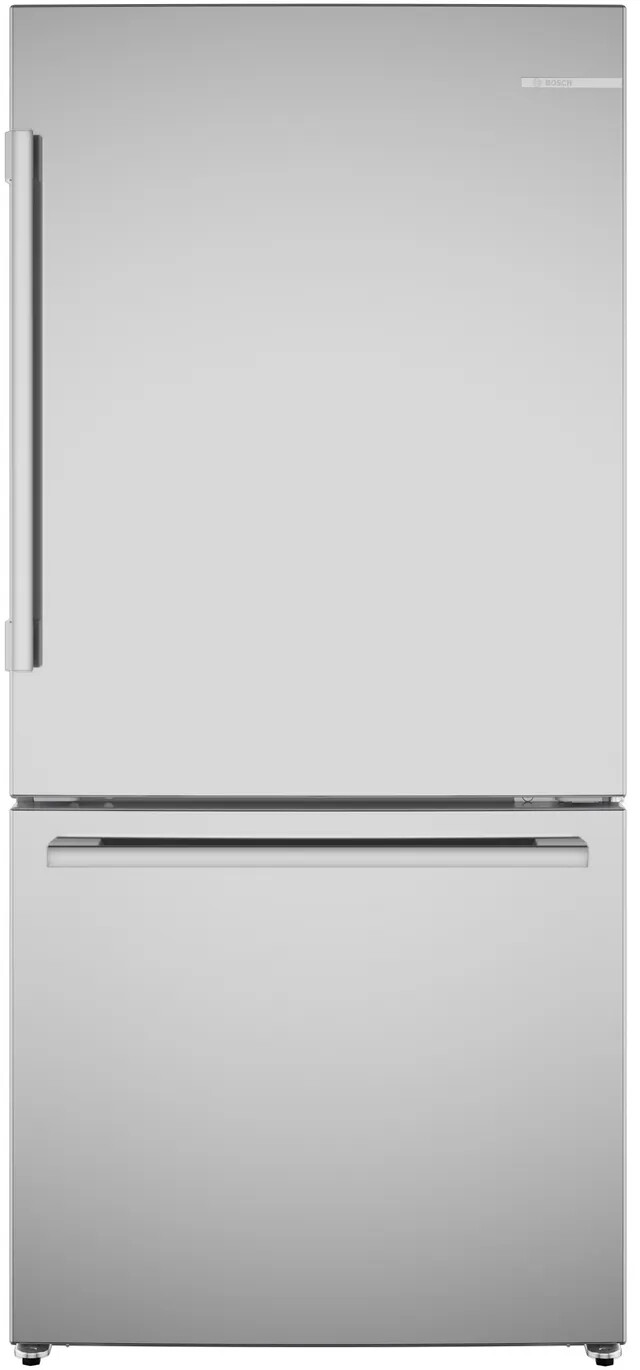
A bottom freezer refrigerator is a full-size unit — typically 30 to 36 inches wide, 66 to 72 inches tall, and 29 to 35 inches deep. The upper section is a full-width refrigerator with shelves, crisper drawers, and door bins. The lower section is a pull-out freezer drawer or swing-out freezer door. Total capacity runs 18 to 25 cubic feet with the freezer section accounting for 5 to 8 cubic feet. This is a primary kitchen appliance that replaces any standard refrigerator.
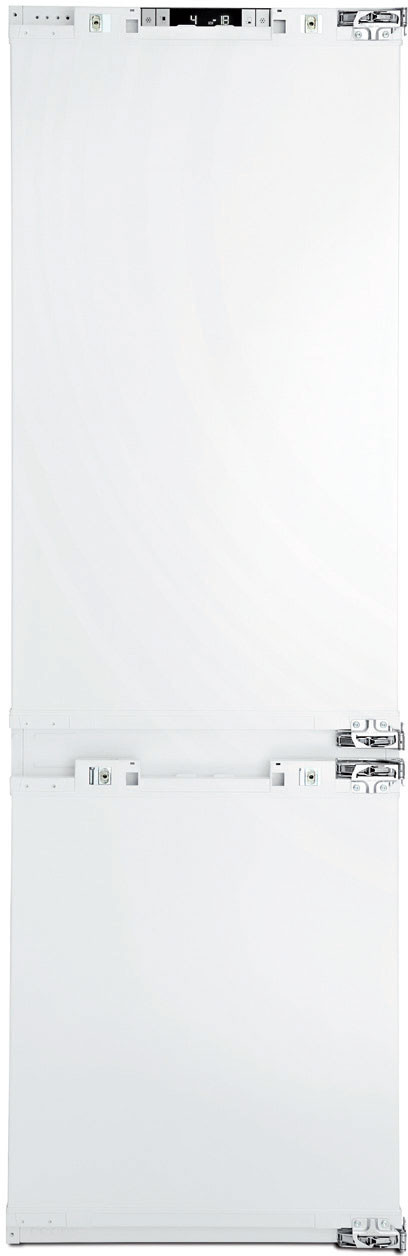
A drawer freezer is an under-counter unit — 24 inches wide, 34 inches tall, and 24 inches deep. It contains one or two pull-out drawers that operate at 0 degrees Fahrenheit. Capacity ranges from 2 to 5 cubic feet. It installs in a standard cabinet opening with front ventilation, sitting flush with countertop height. This is a supplemental appliance that adds frozen storage to a kitchen island, bar, outdoor kitchen, or secondary prep area without the height or footprint of a full-size freezer.
Storage Capacity
| Type | Fridge Capacity | Freezer Capacity | Total |
|---|---|---|---|
| Bottom Freezer Refrigerator | 12 - 18 cu ft | 5 - 8 cu ft | 18 - 25 cu ft |
| Drawer Freezer | None | 2 - 5 cu ft | 2 - 5 cu ft |
The bottom freezer refrigerator provides complete household cold and frozen storage in one unit. The drawer freezer provides only supplemental freezer capacity — it has no fridge section. These appliances do not compete for the same role. The comparison is relevant when deciding how to add frozen storage: buy a bottom freezer fridge (replacing your current fridge) or keep your current fridge and add a drawer freezer in the island or bar.

Access and Ergonomics
A bottom freezer refrigerator puts the fridge section at eye level and the freezer below. You access fresh food without bending — the items you reach for most (milk, produce, leftovers, condiments) sit at a comfortable height. The freezer requires bending or squatting to access, which is acceptable because most households open the freezer less frequently than the fridge.
A drawer freezer installs at counter height — roughly 30 to 34 inches off the floor. The pull-out drawers slide on ball-bearing rails at waist level, providing ergonomic access without deep bending. For kitchen islands and prep stations, the drawer freezer keeps frozen ingredients within arm's reach during cooking. The shallow drawer depth means items are visible and organized rather than buried in a deep cavity.
Organization
Bottom freezer drawers in a full-size fridge typically include one or two pull-out baskets with dividers. The space is relatively deep, and items can stack and shift. Organization requires some effort — labeling bags, using bins, and periodically reorganizing. Larger items like turkeys and bulk meat packages fit well. Smaller items can get lost at the bottom.
Drawer freezers use shallow pull-out drawers that keep everything in a single visible layer. Nothing gets buried because the drawer depth is limited to 4 to 8 inches. Organization is inherent in the design — you see everything when the drawer opens. However, the shallow depth means you cannot store large or tall items. A frozen turkey or tall ice cream carton may not fit.
Installation
A bottom freezer refrigerator installs like any full-size fridge — position in the kitchen bay, connect the water line, plug in, and level. Delivery teams handle this in under an hour. The unit occupies a standard fridge location and requires no cabinetry modification.

A drawer freezer requires an under-counter cabinet opening — 24 inches wide, 34 inches tall, 24 inches deep minimum. Front-venting systems allow flush installation with zero clearance on sides and back. A standard 120V outlet must be accessible inside or behind the cabinet. No plumbing required. Installation requires cabinet preparation and precise measurement but no structural modification.

Temperature Performance
Both types maintain 0 degrees Fahrenheit in their freezer sections. The bottom freezer in a full-size fridge uses the same sealed system as the fridge section — dual evaporator models keep the freezer and fridge independent to prevent odor transfer and optimize humidity for each section.

Drawer freezers use independent compressor systems designed for a compact cabinet. Temperature consistency is good — most maintain 0 degrees within 2 to 3 degrees. Some premium models offer rapid-freeze functions for quick freezing fresh items.
Energy Use
| Type | Annual kWh | Annual Cost |
|---|---|---|
| Bottom Freezer Refrigerator | 400 - 650 kWh | $50 - $85 |
| Drawer Freezer | 150 - 300 kWh | $18 - $38 |
The drawer freezer uses significantly less energy because it cools a much smaller space. Adding a drawer freezer to a kitchen that already has a full-size fridge increases total annual cooling cost by $18 to $38 — a modest addition for the convenience of under-counter frozen storage.
Pricing
| Type | Budget | Mid-Range | Premium |
|---|---|---|---|
| Bottom Freezer Refrigerator | $800 - $1,500 | $1,500 - $2,500 | $2,500 - $4,000 |
| Drawer Freezer | $800 - $1,500 | $1,500 - $2,500 | $2,500 - $4,000 |
Surprisingly, drawer freezers cost about the same as bottom freezer refrigerators despite providing a fraction of the total storage. The premium reflects the compact engineering, built-in installation design, and niche market positioning. Drawer freezers from brands like Sub-Zero, U-Line, Perlick, and Marvel are luxury appliance products priced accordingly.
Common Scenarios
A bottom freezer refrigerator is the right choice when you are replacing a primary kitchen fridge and want the most-accessed items (fresh food) at eye level. It serves as the sole cooling appliance in most households.
A drawer freezer makes sense as a supplement in three scenarios. First, a kitchen island where frozen ingredients need to be accessible during cooking without walking to the main fridge. Second, a bar area where ice cream, frozen cocktail ingredients, or ice reserves need dedicated cold storage. Third, an outdoor kitchen where a compact freezer adds frozen food capacity next to the grill without the bulk of a full-size unit.
Noise
Bottom freezer refrigerators run at 36 to 44 decibels. The compressor sits at the bottom behind a panel, and sound is comparable to any full-size fridge.
Drawer freezers run at 38 to 46 decibels. The compact compressor may produce a slightly different sound character than a full-size unit. Under-counter installation with cabinetry panels on three sides provides some acoustic dampening.
Durability
Bottom freezer refrigerators last 12 to 18 years. Standard appliance service covers repairs.
Drawer freezers last 10 to 15 years. The compact sealed system and ball-bearing drawer slides are the primary maintenance points. Premium brands offer strong warranty coverage. Service requires technicians familiar with built-in appliance brands.
Who Should Buy Which
Buy a bottom freezer refrigerator as your primary kitchen fridge. It replaces your existing refrigerator with a layout that puts fresh food at eye level and frozen storage below — the most ergonomic full-size configuration.
Buy a drawer freezer as a supplemental frozen storage point in a kitchen island, bar, prep station, or outdoor kitchen. It adds compact freezer capacity where a full-size unit does not fit or is not needed.
Shop at Fridge.com
Compare bottom freezer refrigerators and drawer freezers at Fridge.com. Filter by capacity, installation type, brand, and price to find the right freezer solution for your kitchen layout.