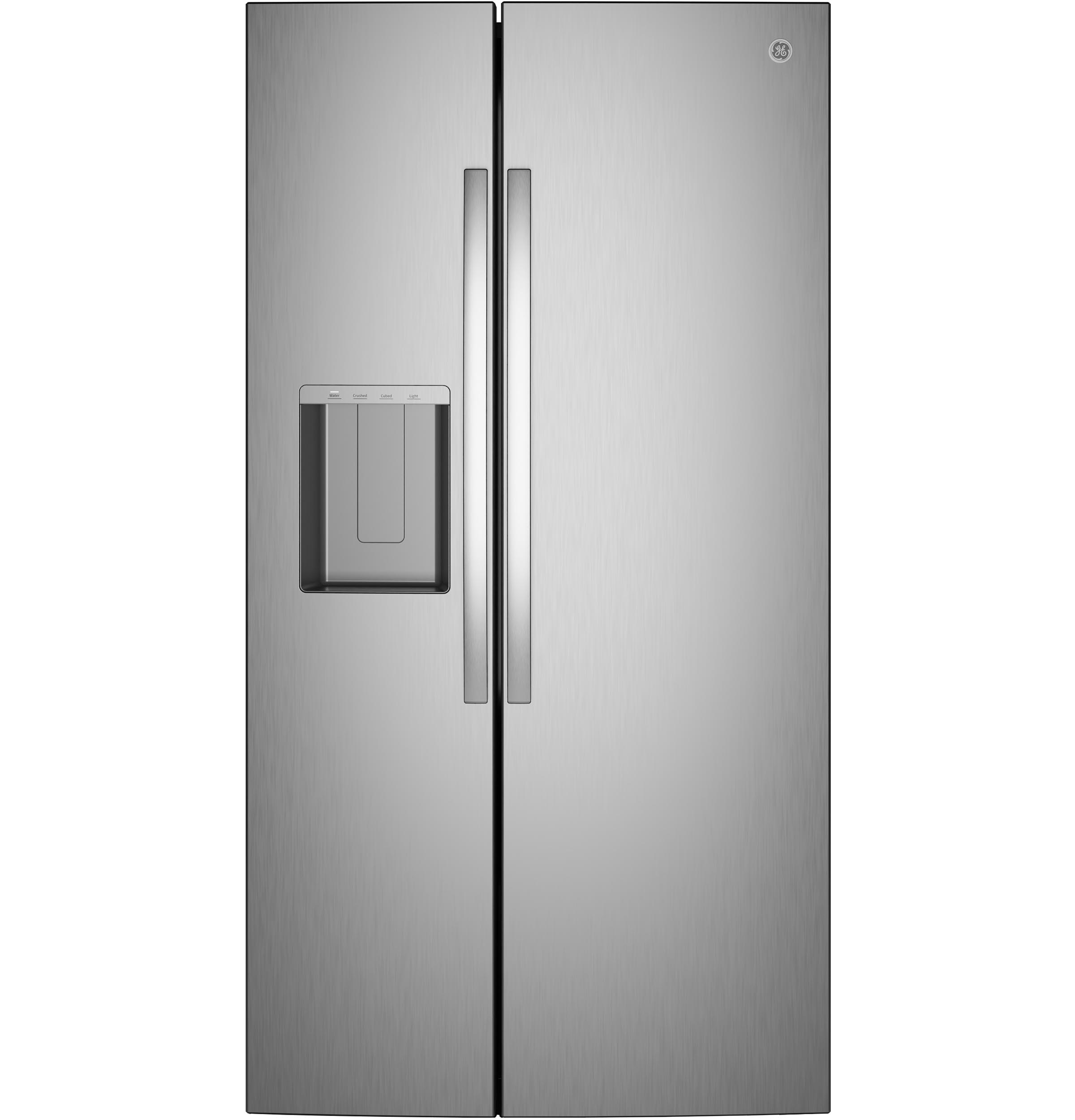
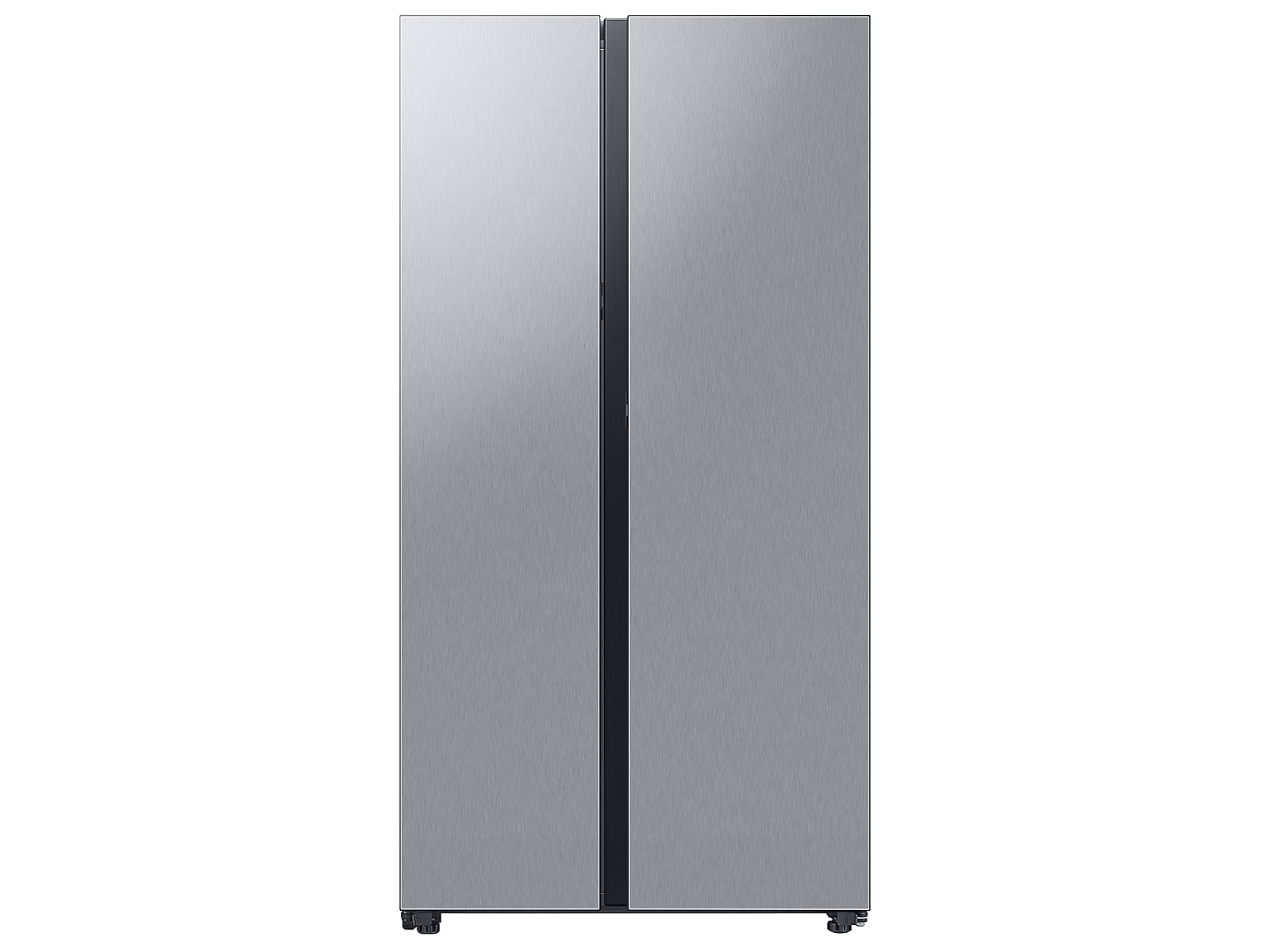
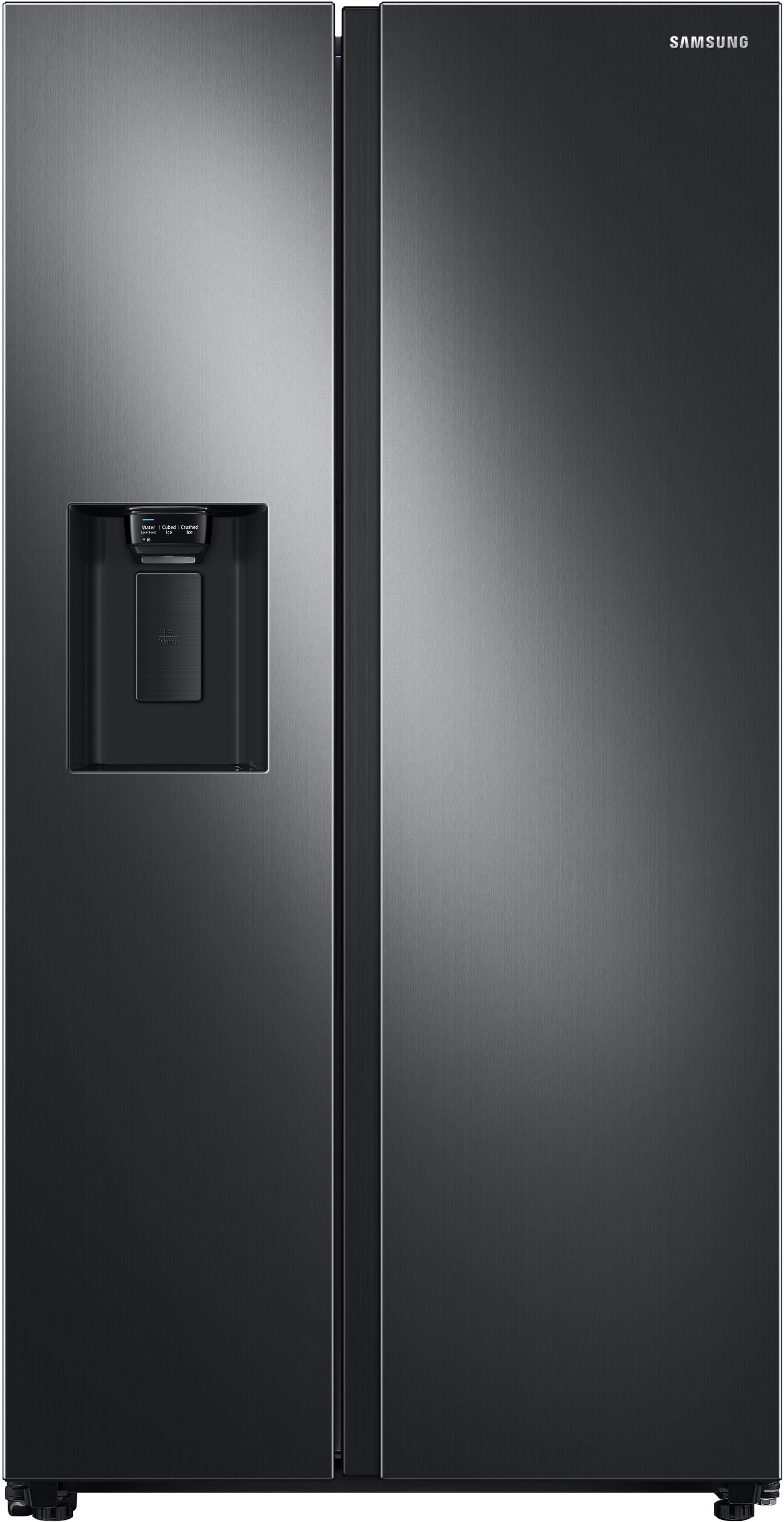
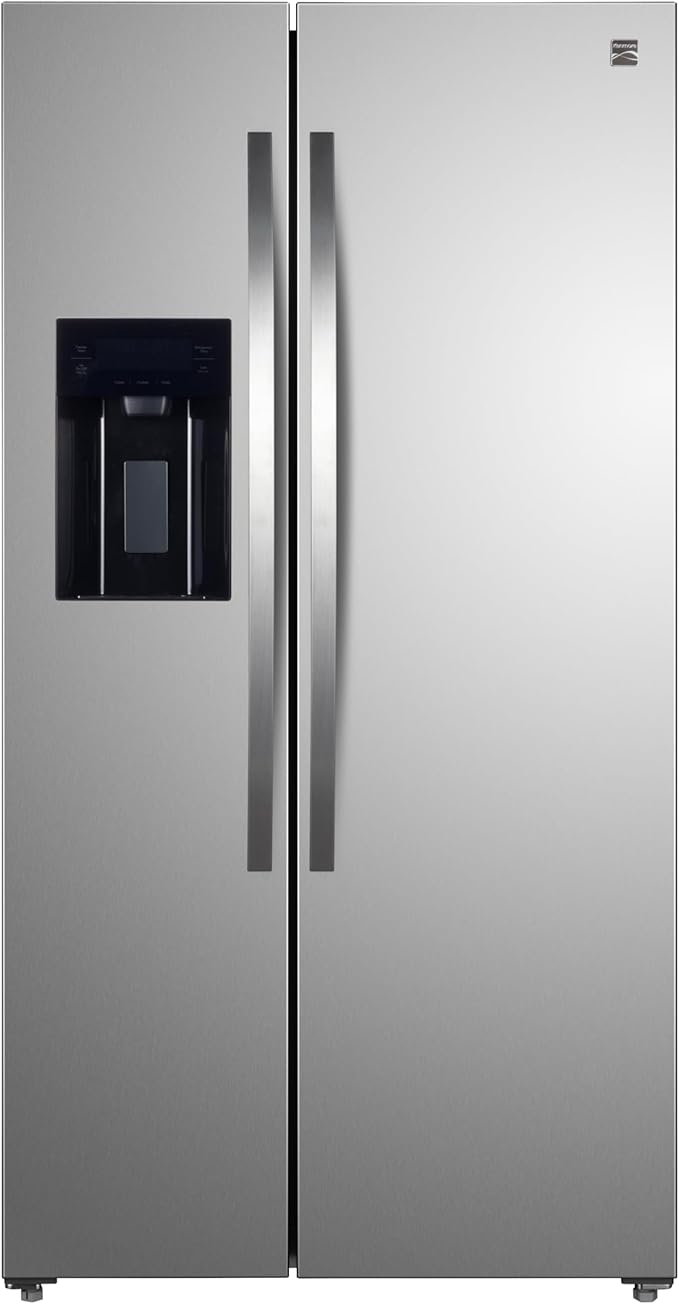
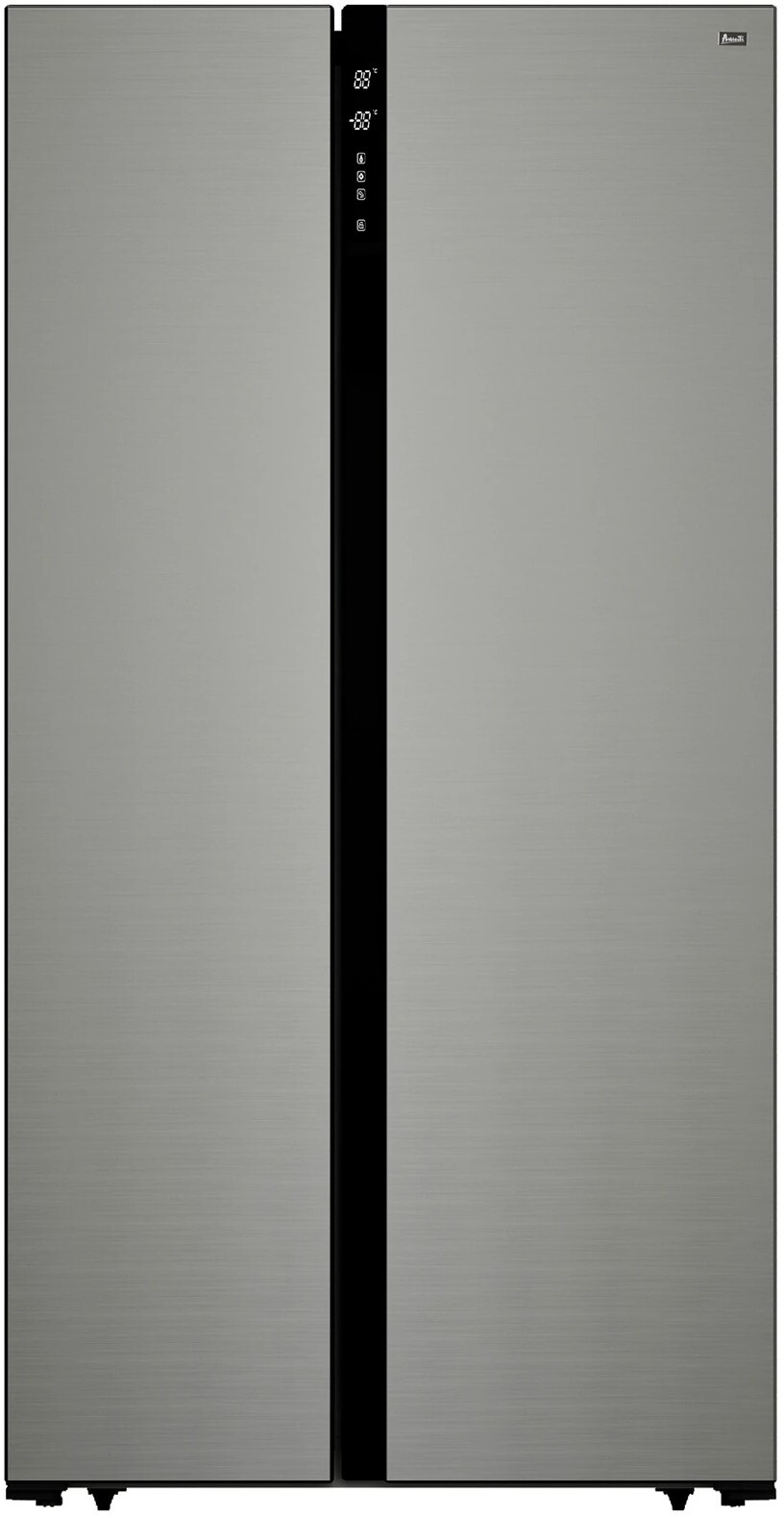
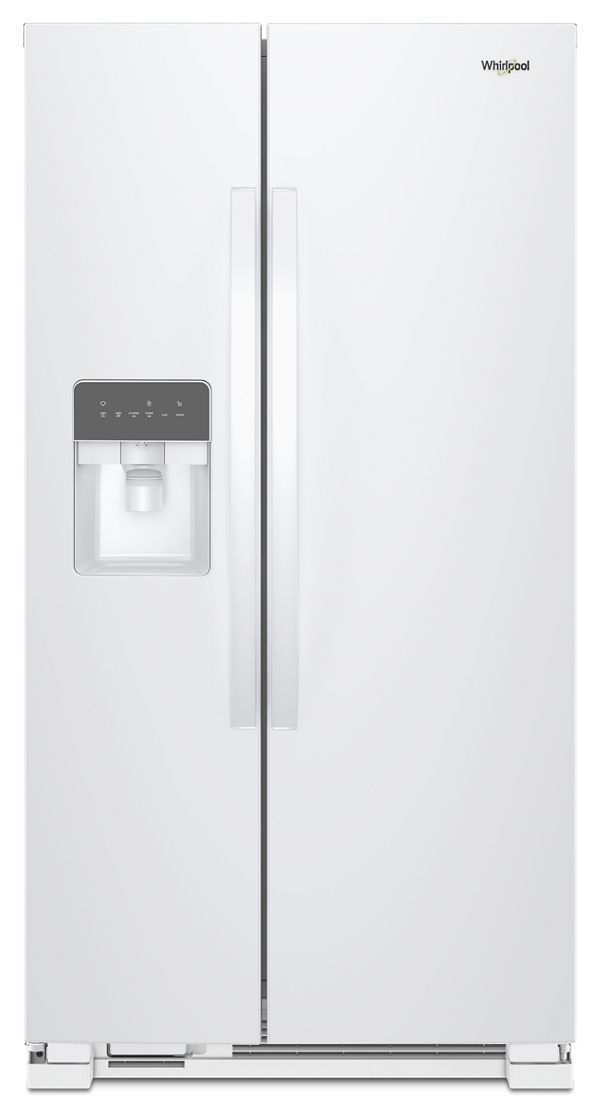
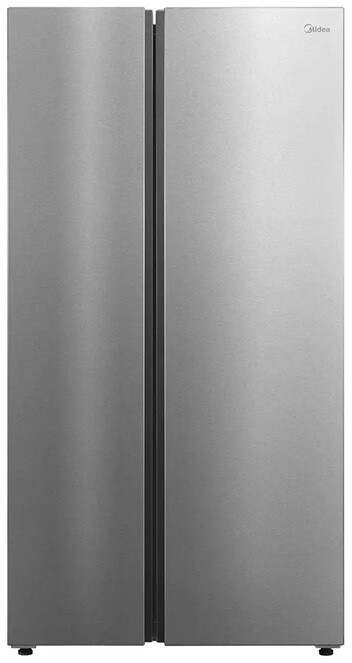
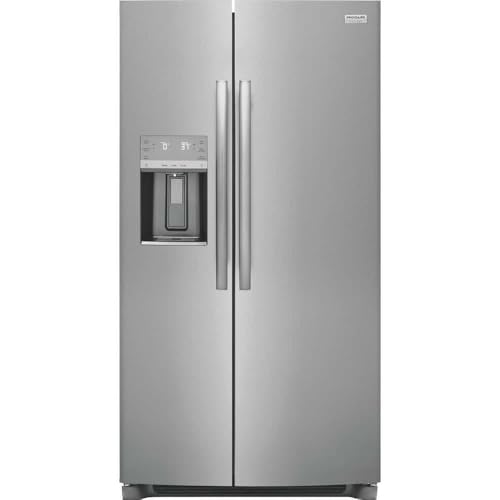
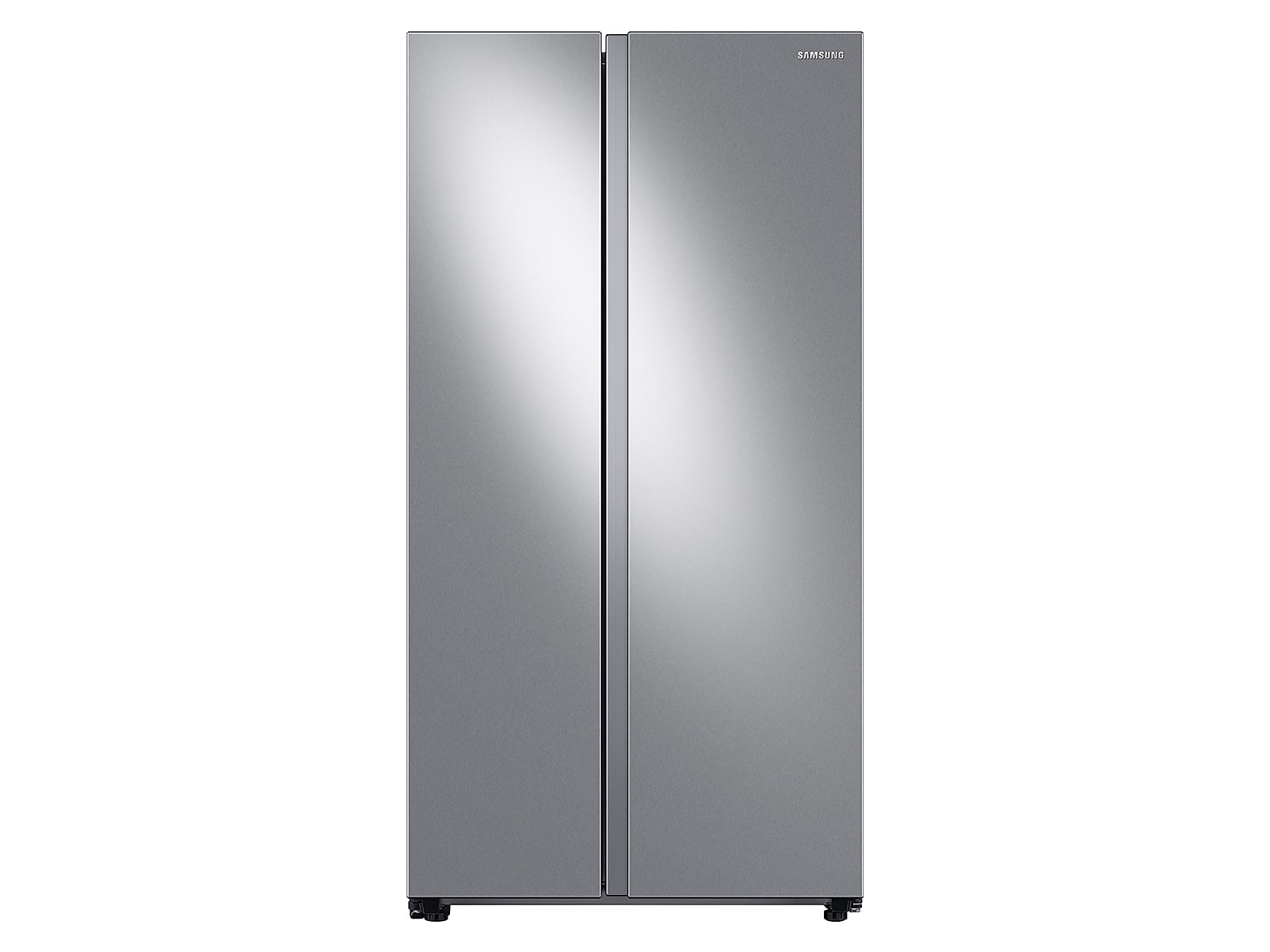
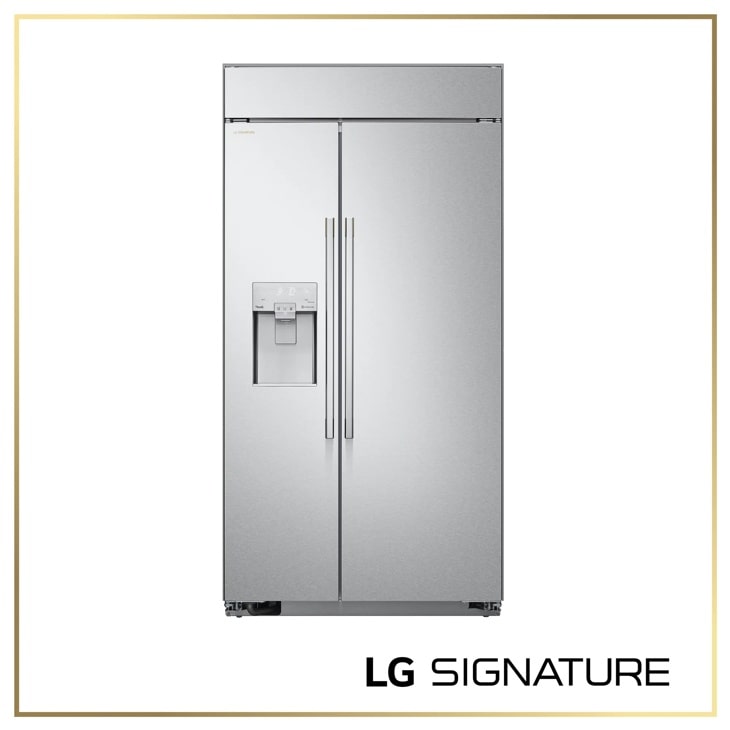
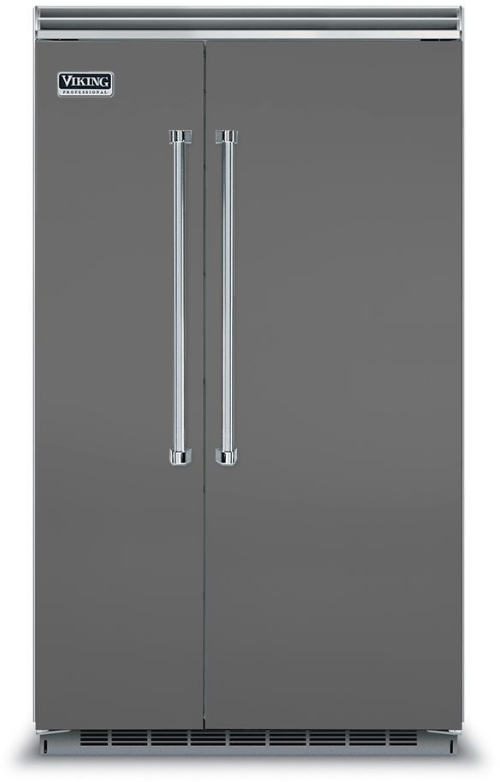
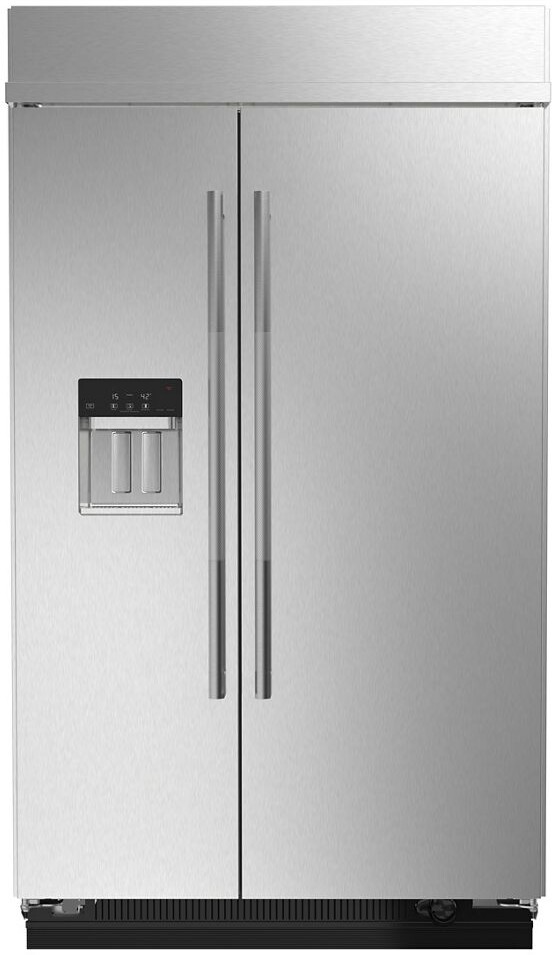
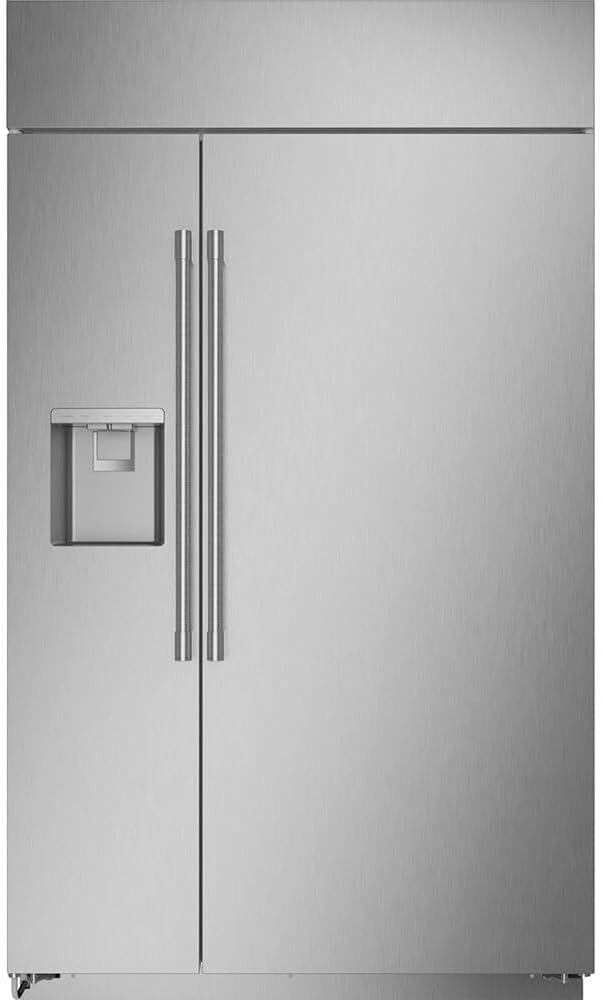
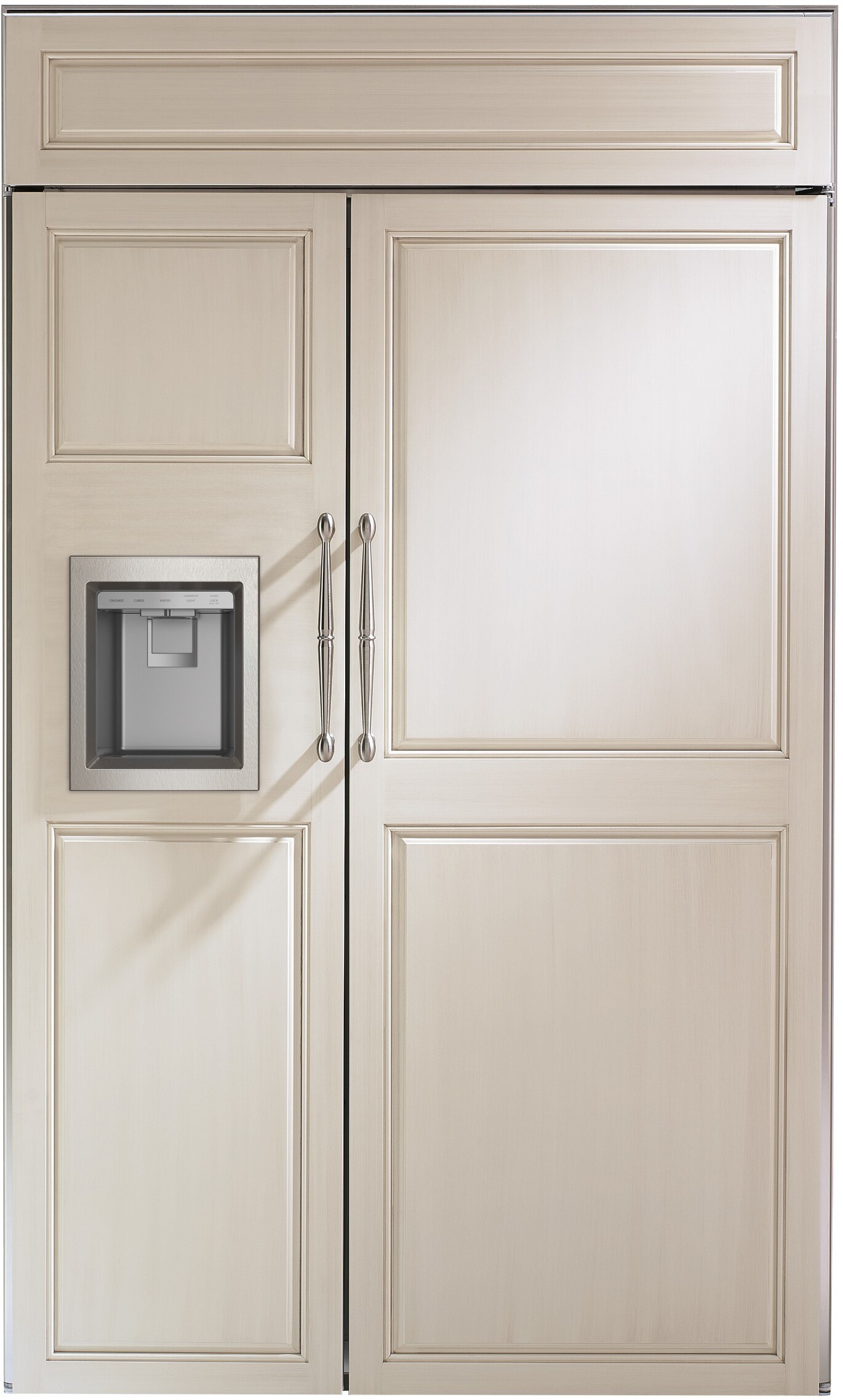
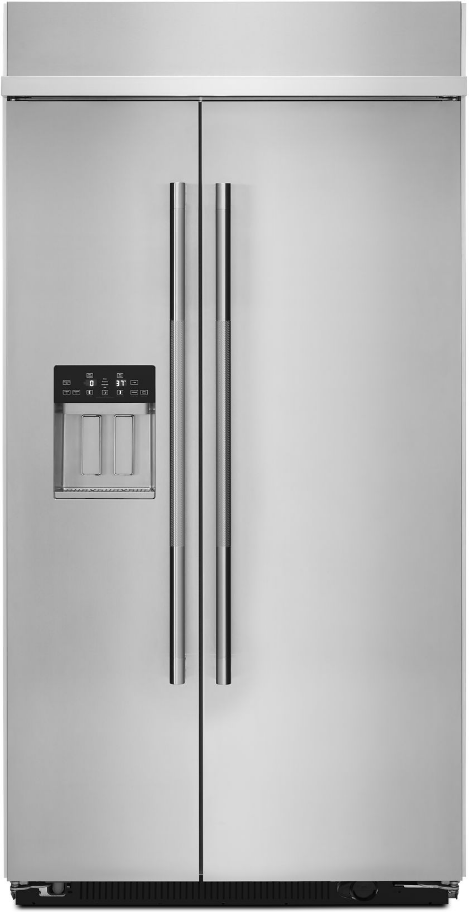
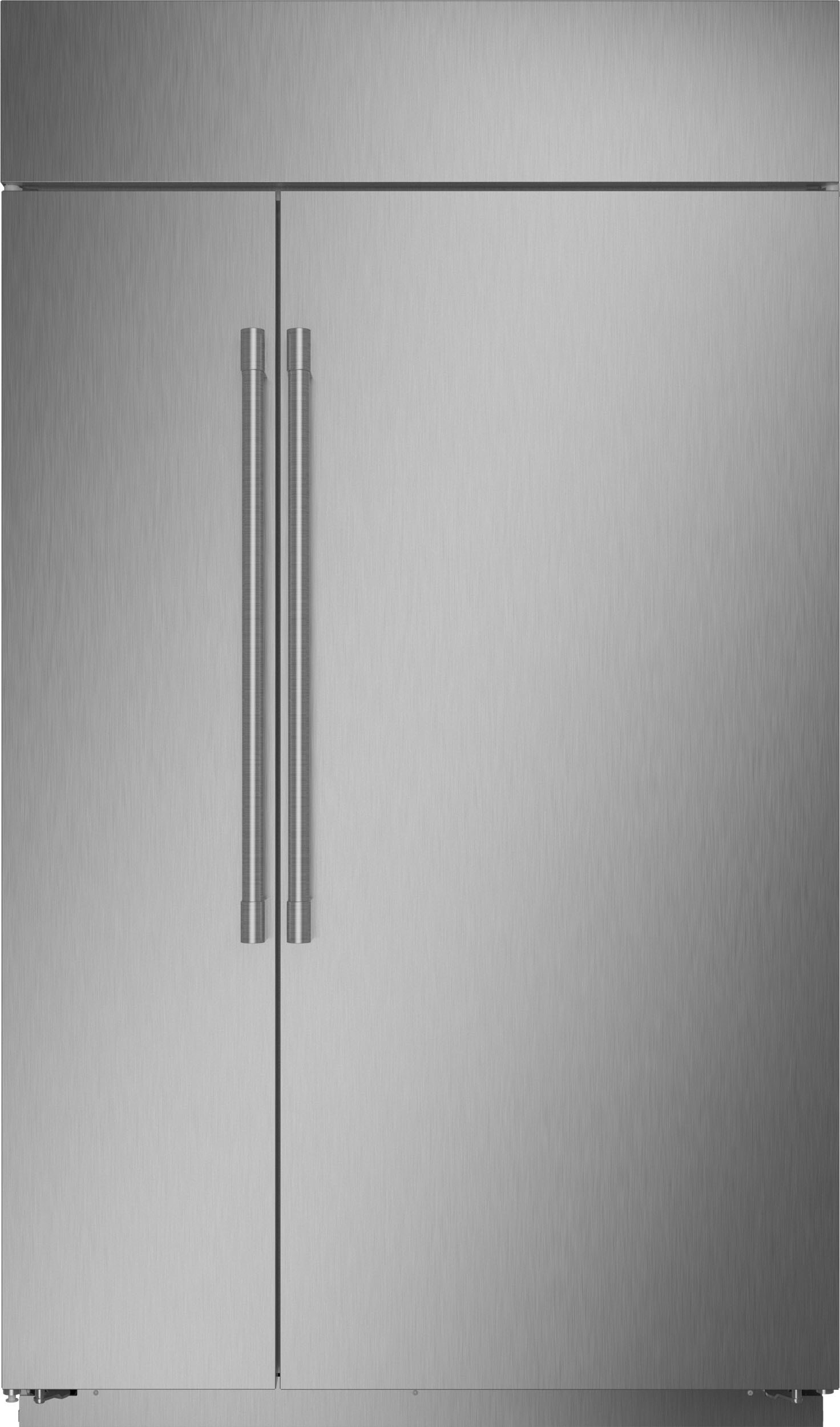
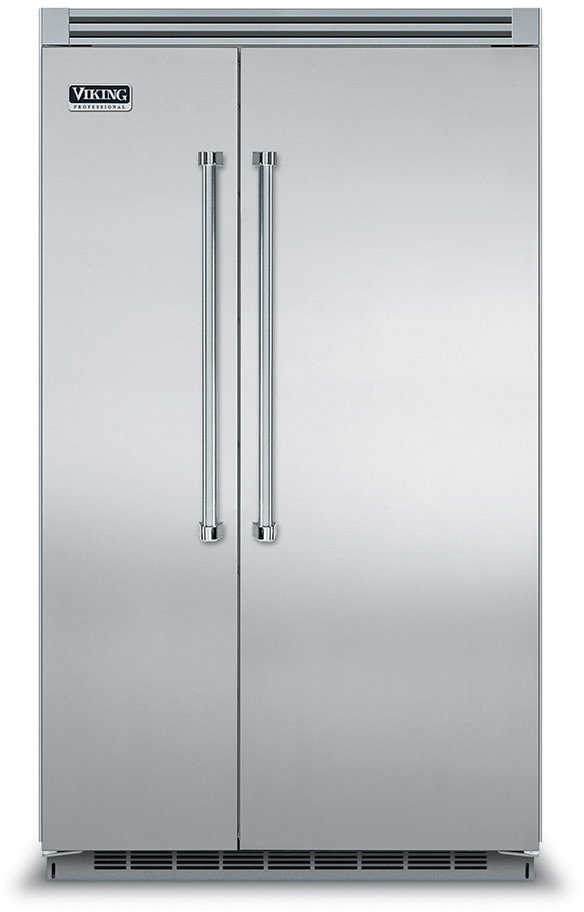
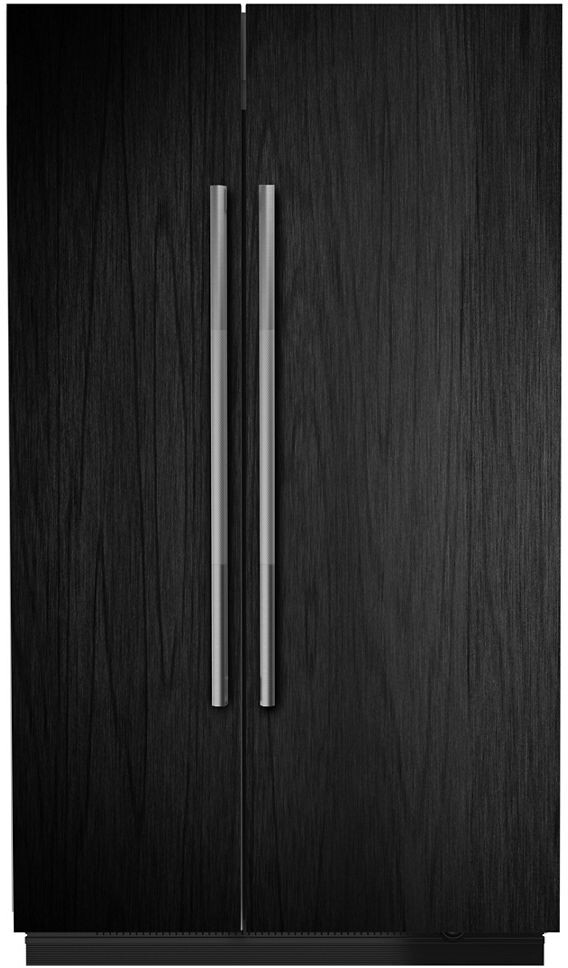
A bottom freezer refrigerator and a side-by-side refrigerator are two of the most popular full-size configurations. The bottom freezer puts the fridge on top and the freezer in a pull-out drawer below. The side-by-side splits the unit vertically — fridge on the right, freezer on the left, both running full height. Each layout has real advantages and trade-offs that affect daily use, storage capacity, and kitchen fit. This comparison covers all of them.
Layout and Access
The bottom freezer places fresh food at eye level. You open a single wide door (or two French doors on French-door bottom-freezer models) to access the full width of the refrigerator section. Shelves span the entire width of the unit — 30 to 36 inches — so platters, sheet pans, and wide containers fit flat. The freezer drawer below requires bending to reach, but since most people access the fridge 3 to 5 times more often than the freezer, the ergonomic trade-off favors this layout.
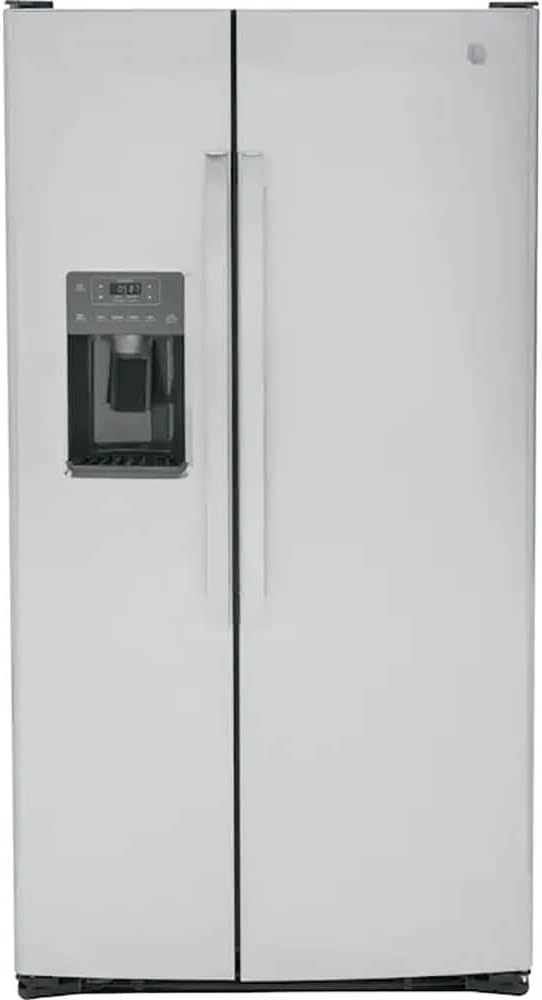
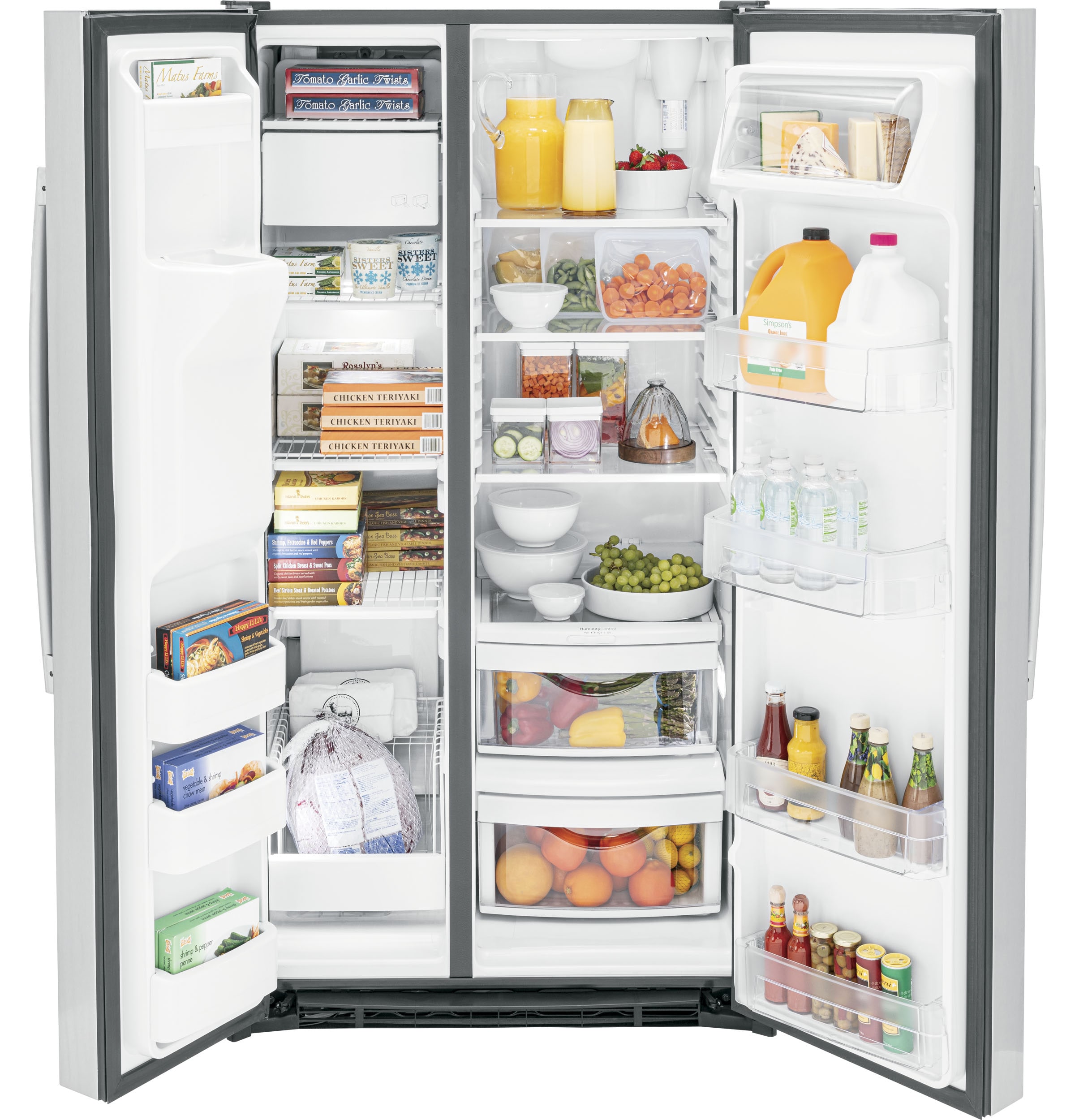
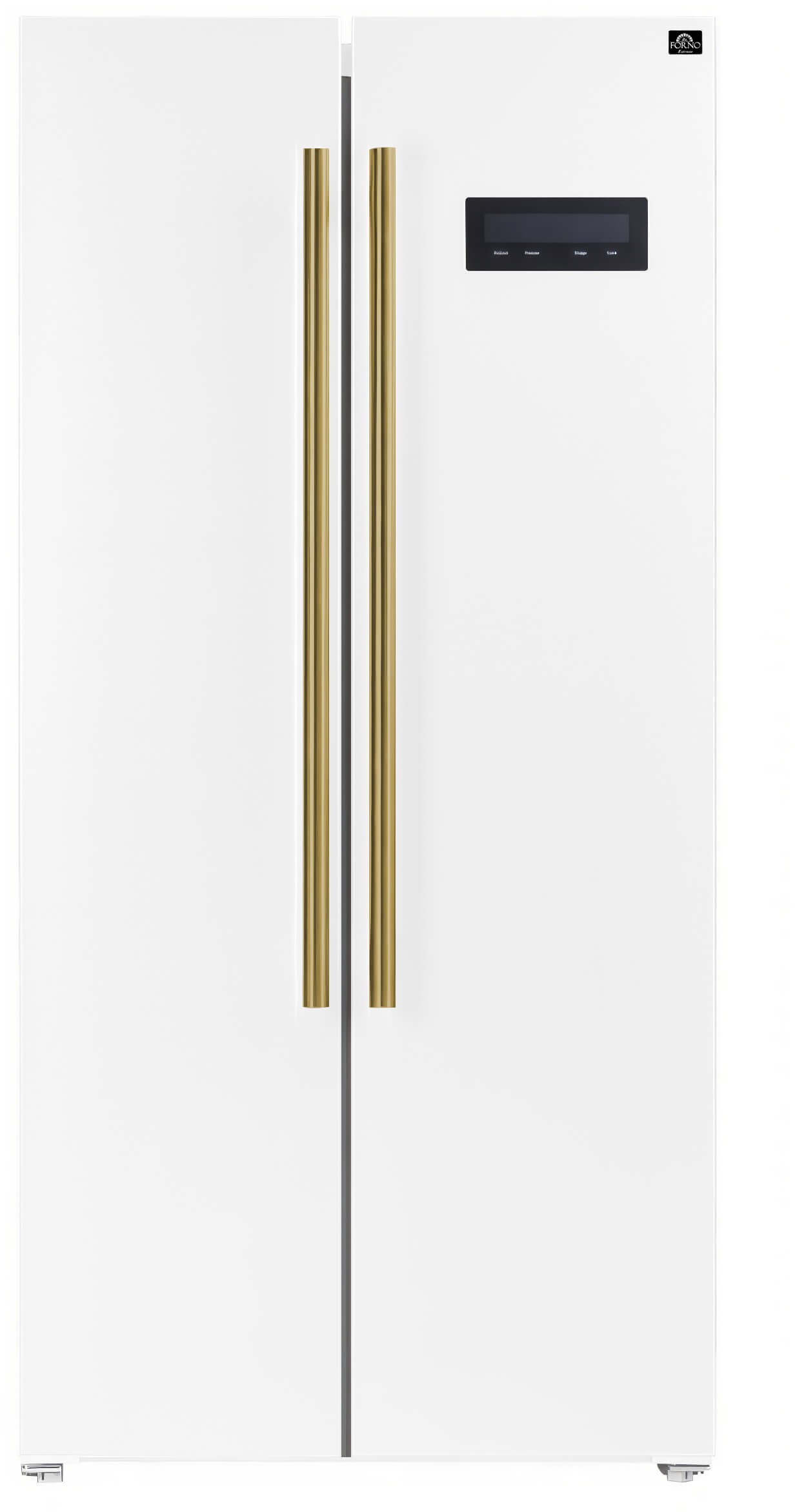
The side-by-side places both sections at full height. The fridge door on the right and freezer door on the left each open to reveal tall, narrow compartments. Frozen items sit at eye level — no bending for ice cream, frozen vegetables, or freezer meals. The trade-off is narrow shelves on both sides (typically 12 to 15 inches wide), which limits storage of wide items like party platters, pizza boxes, and baking sheets.
Shelf Width and Usable Space
| Feature | Bottom Freezer | Side-by-Side |
|---|---|---|
| Fridge Shelf Width | 30 - 36 inches (full width) | 14 - 17 inches (half width) |
| Freezer Shelf Width | 30 - 36 inches (drawer) | 12 - 15 inches (half width) |
| Can Fit Frozen Pizza Flat | Yes (in drawer) | Often no (too narrow) |
| Can Fit Party Platter | Yes (full-width shelves) | Rarely (too narrow) |
The bottom freezer wins on usable shelf width by a significant margin. Full-width shelves accommodate items that side-by-side models simply cannot hold flat. This matters for families that entertain, buy bulk items, or store wide containers regularly.
Capacity
| Type | Total | Fridge | Freezer |
|---|---|---|---|
| Bottom Freezer | 18 - 25 cu ft | 12 - 18 cu ft | 5 - 8 cu ft |
| Side-by-Side | 20 - 27 cu ft | 12 - 16 cu ft | 7 - 10 cu ft |
Side-by-side models tend to have slightly more total capacity, primarily in the freezer section. The full-height freezer provides more cubic feet than a bottom drawer freezer. If you store large quantities of frozen food, the side-by-side freezer section offers more space. If fresh food storage is the priority, the bottom freezer's wider fridge shelves make the capacity feel larger even if the cubic footage is similar.
Door Clearance
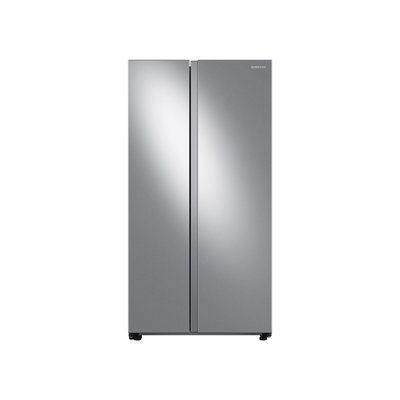
Side-by-side doors are narrower — each door is half the width of the unit, typically 15 to 18 inches. They need less clearance to swing open, making side-by-side models the better choice for narrow kitchens, galley layouts, and spaces where the fridge faces an island or wall with limited swing room.
Bottom freezer models with a single fridge door swing the full width of the unit — 30 to 36 inches. In tight spaces, this wide door can hit the island, opposite counter, or adjacent wall. French-door bottom-freezer models solve this with two narrower upper doors, each swinging half the width. If door clearance is a concern, a French-door bottom-freezer or side-by-side is the practical choice.
Ice and Water Dispensers
Side-by-side refrigerators commonly include through-the-door ice and water dispensers. The vertical split places the freezer door at the front where a dispenser mechanism integrates easily. This is one of the side-by-side's most popular features — cold filtered water and ice without opening the door.
Bottom freezer models can include ice makers inside the freezer drawer, but through-the-door dispensers are less common in this configuration. French-door bottom-freezer models from Samsung, LG, and others now offer external dispensers, but the feature is not universal. If a through-the-door ice and water dispenser is a must-have, verify the specific model includes it before purchasing.
Energy Efficiency
| Type | Annual kWh | Annual Cost |
|---|---|---|
| Bottom Freezer | 400 - 600 kWh | $50 - $75 |
| Side-by-Side | 450 - 700 kWh | $55 - $90 |
Bottom freezer models tend to be slightly more energy efficient. The bottom-mounted freezer stays cold more effectively because cold air sinks — the freezer naturally retains cold air when the drawer opens. Side-by-side models lose cold air from both the tall fridge and tall freezer sections every time either full-height door opens. The annual difference is $5 to $15.
Freezer Organization
The bottom freezer drawer is essentially a deep bin with pull-out baskets or dividers. Items stack on top of each other, and the deepest items require lifting others to reach. Organization depends on user discipline — bins, labels, and a rotation system keep things accessible.
The side-by-side freezer uses shelves and door bins at every height. Items line up at eye level in visible rows. Finding a specific frozen item is faster because you scan vertically rather than digging through layers. For households that access the freezer frequently and want immediate visibility, the side-by-side freezer is better organized out of the box.
Pricing
| Type | Budget | Mid-Range | Premium |
|---|---|---|---|
| Bottom Freezer | $800 - $1,400 | $1,400 - $2,200 | $2,200 - $3,500 |
| Side-by-Side | $800 - $1,400 | $1,400 - $2,200 | $2,200 - $3,500 |
Pricing is comparable across both configurations at every tier. The choice between them is driven by layout preference and kitchen dimensions rather than budget.
Noise
Both configurations run at 36 to 44 decibels with modern compressor systems. Inverter compressor models in both categories operate at the lower end of that range. There is no meaningful noise difference between the two layouts.
Features
Both configurations are available with full feature sets — adjustable shelving, humidity-controlled crispers, LED lighting, digital temperature controls, door alarms, and smart connectivity. Side-by-side models more commonly include through-the-door dispensers. Bottom freezer models more commonly include full-width deli drawers. At the premium tier, both layouts offer comparable technology.
Kitchen Fit
Choose a side-by-side for narrow kitchens where door swing clearance is limited — the narrow doors open without hitting nearby surfaces. Also ideal for kitchens where the refrigerator faces an island or wall at close range.
Choose a bottom freezer for kitchens with standard clearance where wide shelf access and fresh food ergonomics are priorities. French-door bottom-freezer models offer the best of both worlds — wide fridge shelves with narrow door swing.
Who Should Choose Which
Choose a bottom freezer refrigerator if you cook with fresh ingredients regularly, store wide items like platters and sheet pans, and value having the fridge section at eye level. It is the most ergonomic configuration for fresh-food-focused households.
Choose a side-by-side refrigerator if you access the freezer frequently, want eye-level freezer organization, need a through-the-door ice and water dispenser, or have a kitchen with limited door swing clearance. It is the most practical configuration for heavy freezer users in tight spaces.
Shop at Fridge.com
Compare bottom freezer refrigerators and side-by-side refrigerators at Fridge.com. Filter by capacity, width, features, and price to find the layout that fits your kitchen and cooking style.