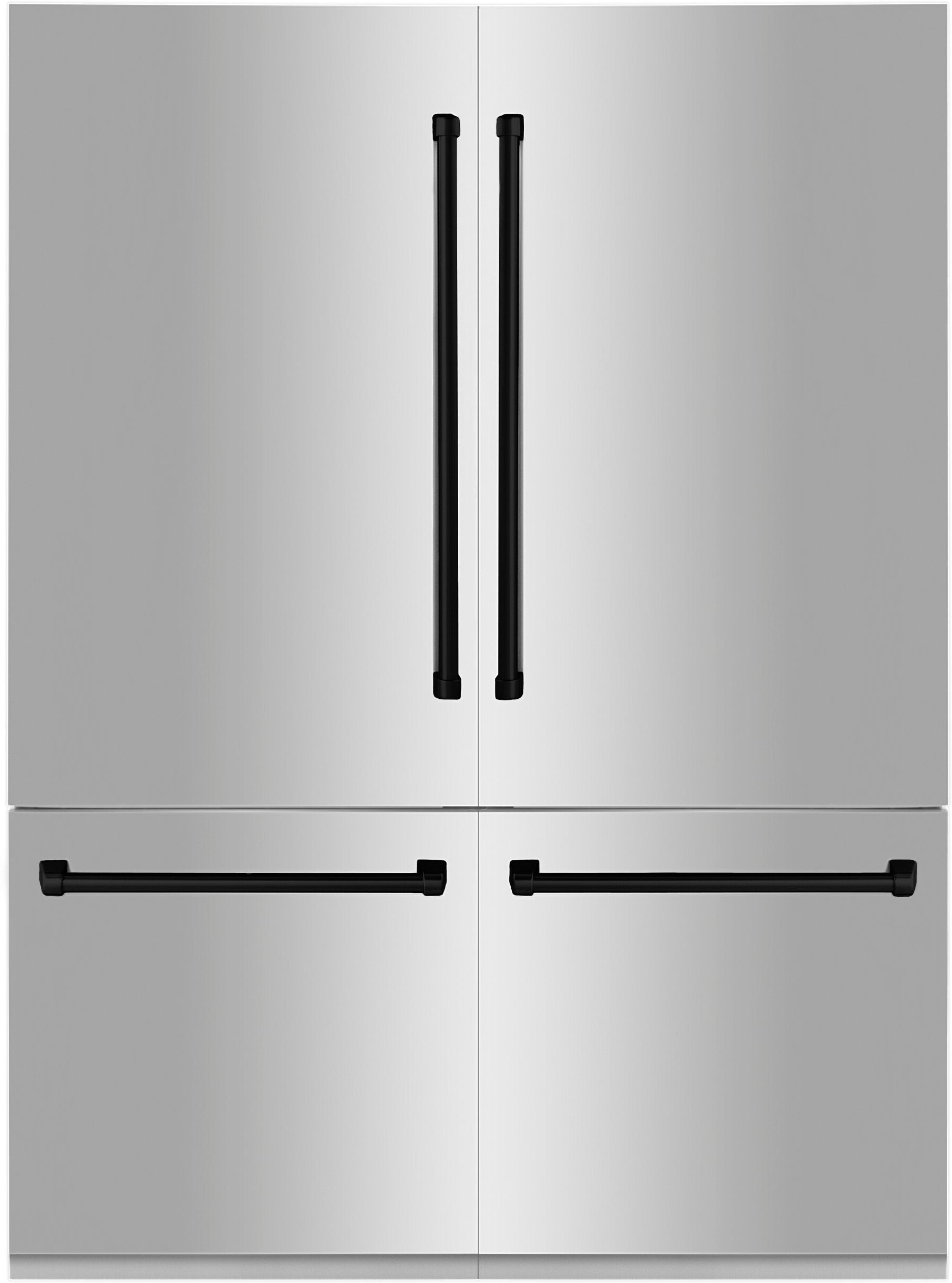
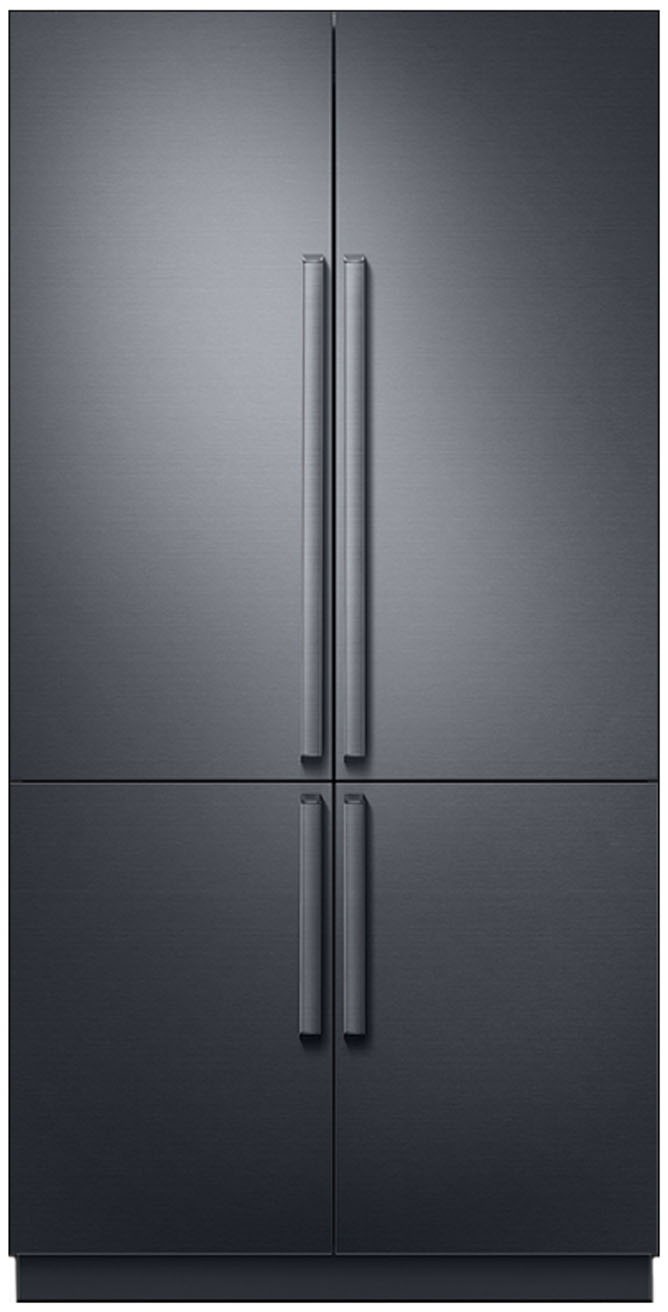
A beverage cellar and a wine chiller both keep drinks at controlled temperatures, but they target different collections and different temperature needs. A beverage cellar stores a mix of drinks — sodas, water, beer, juice, energy drinks, and wine — at standard cold beverage temperatures. A wine chiller is purpose-built for wine storage with precise temperature and humidity controls that protect aging bottles. This comparison explains the differences across every category that matters for making the right purchase.
Temperature Ranges
| Appliance | Temperature Range | Best For |
|---|---|---|
| Beverage Cellar | 34 - 50°F | Sodas, water, beer, mixed drinks |
| Wine Chiller | 45 - 65°F | White wines, red wines, sparkling wines |
A beverage cellar runs colder than a wine chiller. Most people want their sodas, beers, and water between 34 and 40 degrees — cold enough to feel refreshing immediately. The beverage cellar can also accommodate wine at the lower end of its range, but it runs too cold for most red wines and does not reach the 55 to 65 degree range that red wines need for proper storage and serving.
A wine chiller operates in a warmer window. White wines store best at 45 to 52 degrees. Red wines need 55 to 65 degrees. Dual-zone wine chillers split the interior into two independently controlled sections so you can store both whites and reds at their ideal temperatures simultaneously. The temperature stability matters more than the exact number — wine suffers from temperature swings, which a dedicated chiller minimizes through precise electronic controls and insulated construction.
Humidity Control
Beverage cellars do not prioritize humidity. Cans and plastic bottles do not need moisture control. The interior runs at whatever humidity the cooling system produces, typically 30 to 50 percent. This is fine for sealed beverages but problematic for corked wine bottles. Low humidity dries out natural corks, allowing air to seep in and oxidize the wine over weeks or months.
Wine chillers maintain 50 to 70 percent relative humidity. Some models use passive humidity trays, charcoal-filtered air circulation, or beechwood shelving that absorbs and releases moisture to stabilize the environment. This humidity range keeps corks supple and seals tight, which is critical for wines stored longer than 30 days.
Shelving Design
Beverage cellars use flat wire or glass shelves, sometimes with can dispensers or tiered racks. The shelving accommodates upright cans and bottles of varying sizes. Door bins may hold additional bottles. The layout prioritizes visibility and quick access — grab what you want, close the door.
Wine chillers use contoured racks — either wood slats or chrome wire cradles — that hold bottles on their sides. Horizontal storage keeps wine in contact with the cork, preventing it from drying out even further. Slide-out shelving makes it easy to read labels and select specific bottles. Some premium wine chillers offer display shelving that angles bottles forward for visibility while maintaining proper storage position.
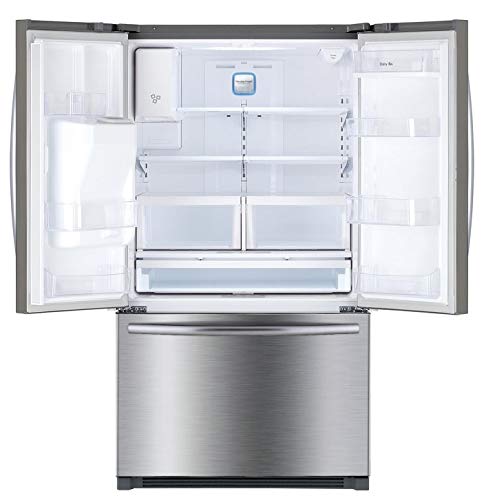
Capacity
| Type | Compact | Mid-Size | Full-Size |
|---|---|---|---|
| Beverage Cellar | 60 - 100 cans | 100 - 150 cans | 150 - 250+ cans |
| Wine Chiller | 6 - 20 bottles | 20 - 50 bottles | 50 - 200+ bottles |
Capacity is measured differently because the items stored are different shapes. A beverage cellar rated for 120 cans might hold 40 to 60 mixed cans and bottles in practice, since bottles take up more shelf space than cans. A wine chiller rated for 30 bottles assumes standard Bordeaux-size bottles — Burgundy, Champagne, and magnum bottles require more rack space and reduce the effective count.
Vibration Management
Beverage cellars use standard compressor cooling. The vibration produced by the compressor does not matter for cans and sealed bottles of beer or soda. The contents are not affected by mechanical vibration.
Wine chillers address vibration directly. Compressor-based wine chillers use rubber isolation mounts and damped shelving to minimize vibration transfer to the bottles. Thermoelectric wine chillers eliminate compressor vibration entirely — they use a solid-state Peltier cooling element with no moving parts. This matters for wine because vibration disturbs sediment in aging reds and can accelerate chemical reactions that degrade flavor over time.
UV Protection
Beverage cellars with glass doors typically use clear or lightly tinted glass. UV protection is not a priority because UV light does not damage canned or bottled sodas, beers, or water in any meaningful way during the short time they are stored.
Wine chillers use UV-resistant tinted glass — usually double-pane tempered glass with a UV-blocking coating. Direct UV exposure breaks down the organic compounds that give wine its color, aroma, and flavor. Even a few weeks of UV exposure through clear glass can noticeably affect a delicate white or rosé. The tinted glass on wine chillers filters out the most damaging wavelengths while still allowing you to see the collection inside.
Energy Use
| Type | Annual kWh | Estimated Annual Cost |
|---|---|---|
| Beverage Cellar (120-can) | 200 - 350 kWh | $25 - $45 |
| Wine Chiller (30-bottle) | 100 - 200 kWh | $12 - $25 |
| Wine Chiller (thermoelectric) | 80 - 150 kWh | $10 - $18 |
Wine chillers use less energy because they cool to a warmer target temperature. A beverage cellar working to maintain 36 degrees runs its compressor harder than a wine chiller holding 55 degrees. Thermoelectric wine chillers are the most efficient but are limited to small capacities and rooms that stay below 77 degrees ambient temperature.
Pricing
| Type | Budget | Mid-Range | Premium |
|---|---|---|---|
| Beverage Cellar | $150 - $400 | $400 - $800 | $800 - $1,800 |
| Wine Chiller | $100 - $350 | $350 - $900 | $900 - $3,000+ |
Entry-level wine chillers are slightly cheaper because the smallest thermoelectric models are simple and inexpensive. At the premium end, wine chillers command higher prices because of the specialized features — dual-zone temperature, humidity management, vibration dampening, UV glass, and wood shelving. Premium beverage cellars focus on capacity and style rather than environmental controls.
Noise
Beverage cellars with compressors run at 38 to 45 decibels. In a bar area with music and conversation, this is inaudible. In a quiet living room, the compressor cycling may be noticeable.
Thermoelectric wine chillers run at 25 to 35 decibels — nearly silent. Compressor-based wine chillers run at 35 to 42 decibels with rubber-dampened operation. For placement in a dining room, library, or bedroom, thermoelectric models are the clear choice for silence. Compressor models are better in garages, basements, and dedicated wine rooms where noise is not a concern.
Installation Options
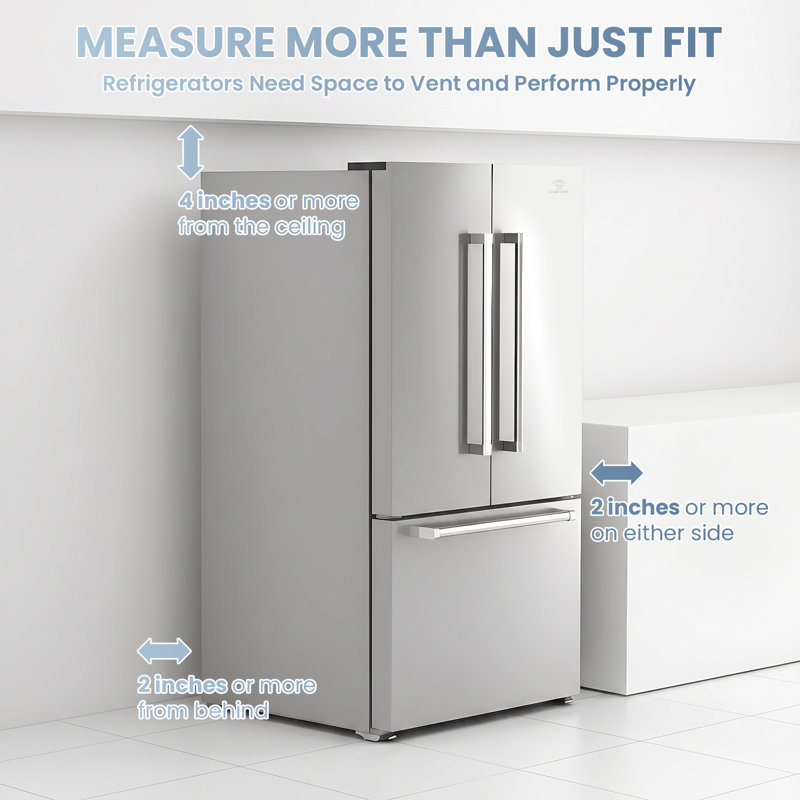
Both beverage cellars and wine chillers come in freestanding and built-in configurations. Freestanding models need clearance around the sides and back for airflow. Built-in models use front ventilation systems that exhaust heat through the toe-kick area, allowing them to slide into under-counter cabinetry for a clean integrated look.
Undercounter installation is popular for both types. A beverage cellar built into a home bar or outdoor kitchen provides easy access for entertaining. A wine chiller built into a kitchen island or dining room credenza keeps the collection visible and accessible for dinner service.
Who Should Buy Which
Buy a beverage cellar if your primary need is keeping a variety of drinks cold for entertaining — sodas, water, beer, seltzers, juices, and a few bottles of wine for immediate consumption. The beverage cellar is a hospitality appliance built for volume and variety.
Buy a wine chiller if you collect wine, store bottles for more than a week, or care about serving wine at the correct temperature. The wine chiller is a preservation appliance built for quality and consistency. Even a modest collection of 12 to 20 bottles benefits from proper storage conditions.
If you entertain frequently and collect wine, both appliances together cover the full range of drink storage needs.
Shop at Fridge.com
Compare beverage cellars and wine chillers at Fridge.com. Browse by bottle count, zone configuration, installation type, and price to find the perfect match for your space.