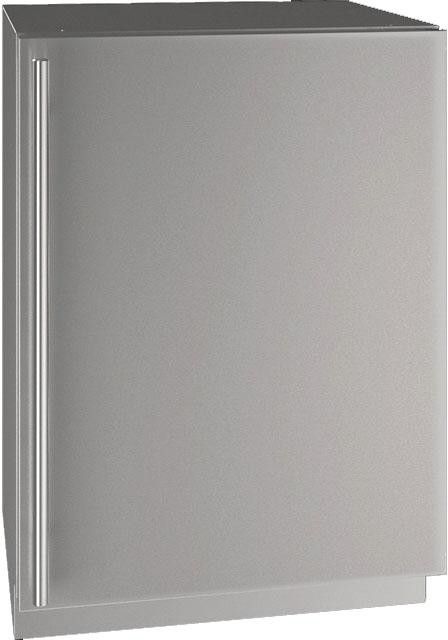
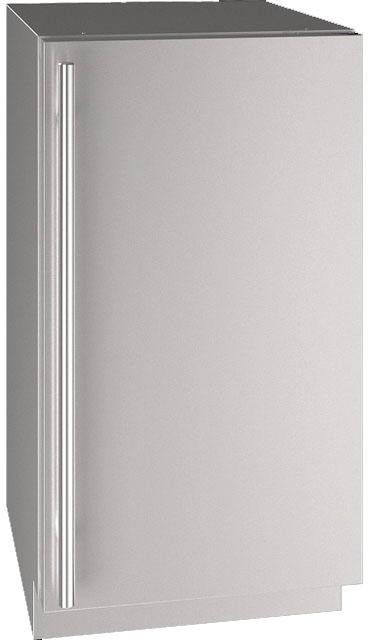
A beverage center and an ice machine both earn their place in home bars, outdoor kitchens, and entertaining spaces. One keeps drinks cold and ready to serve. The other produces a steady supply of ice on demand. They solve different problems, and the right choice depends on what bottleneck you hit most when hosting — warm drinks or running out of ice. Here is a detailed breakdown of both appliances.
What Each Appliance Does
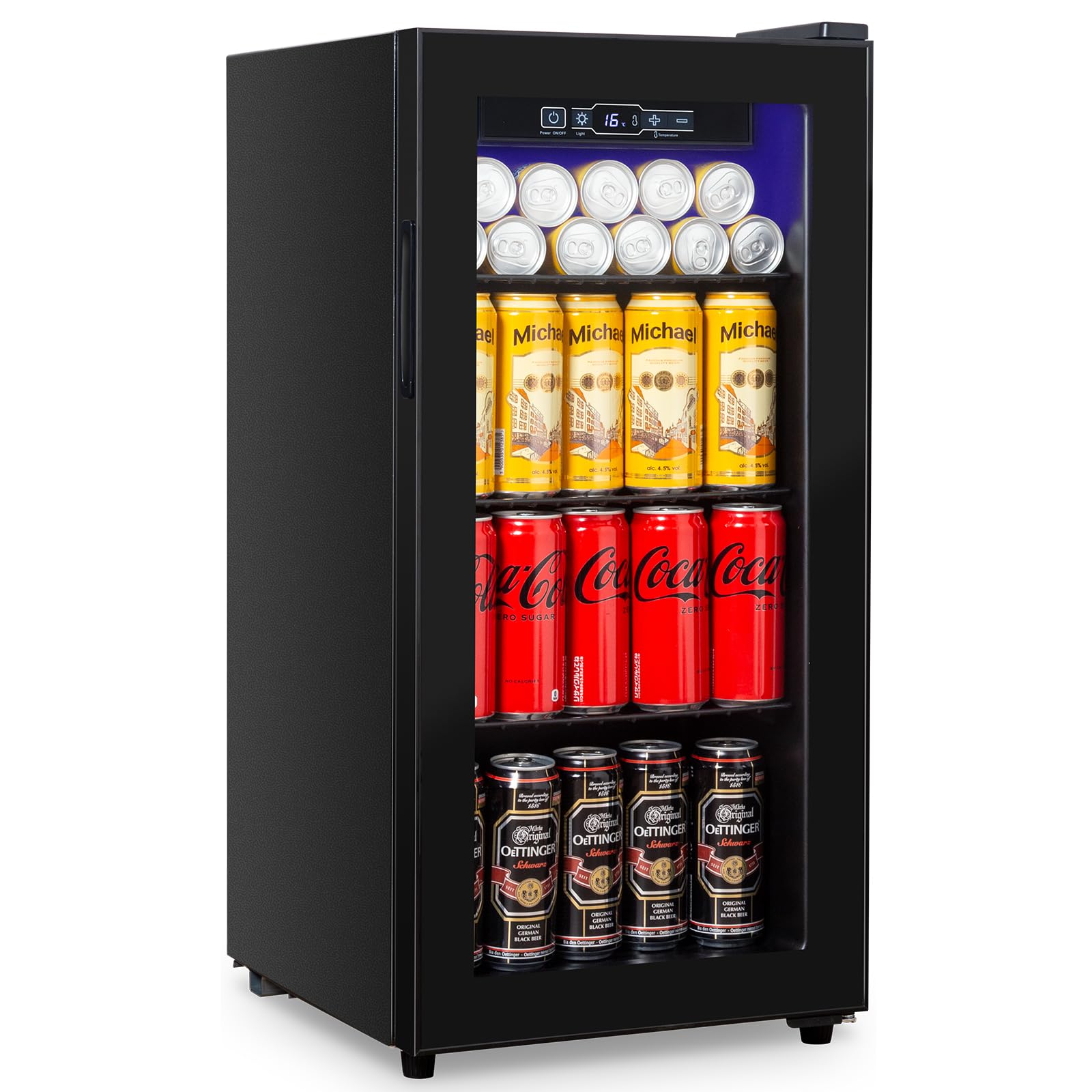
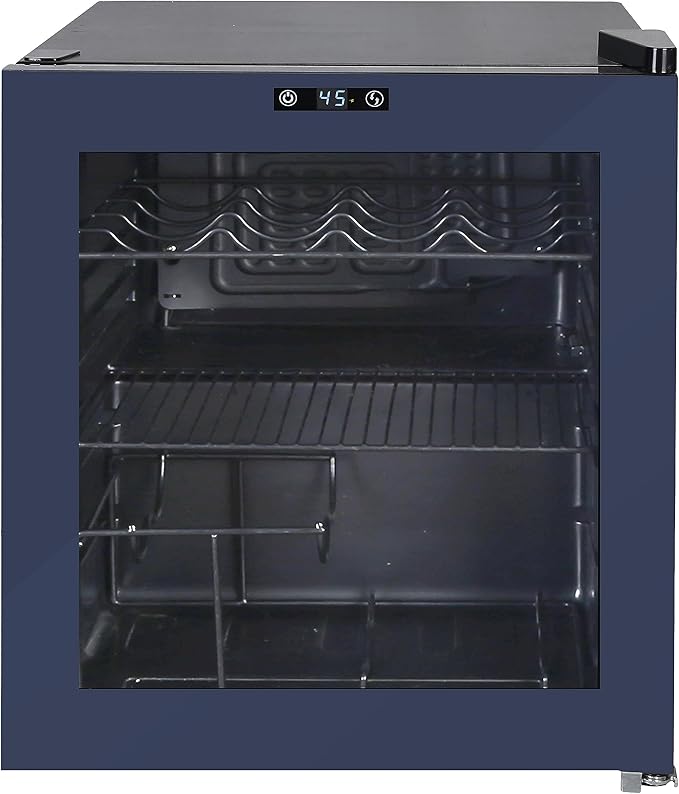
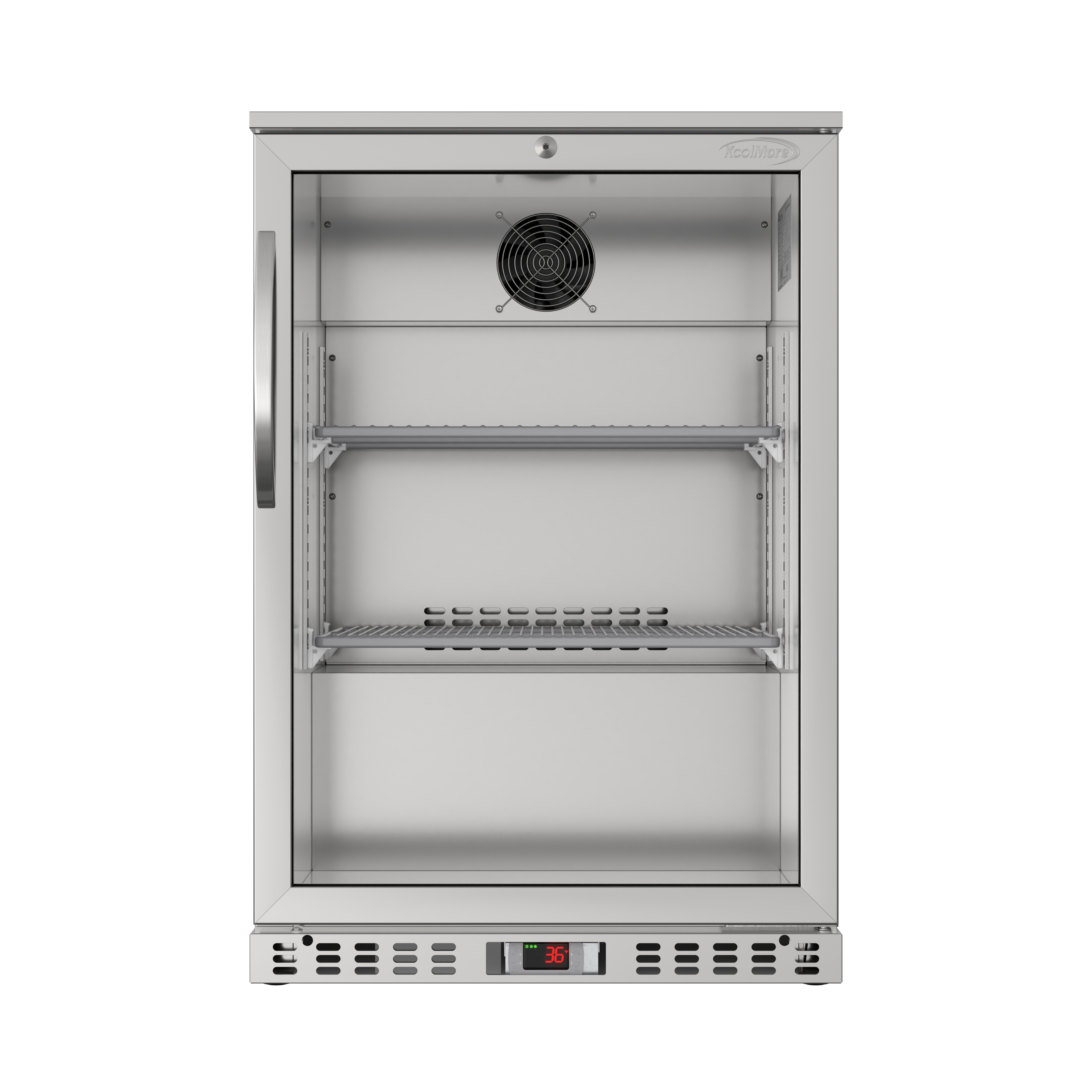
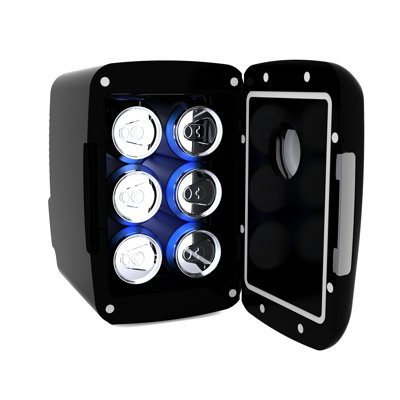
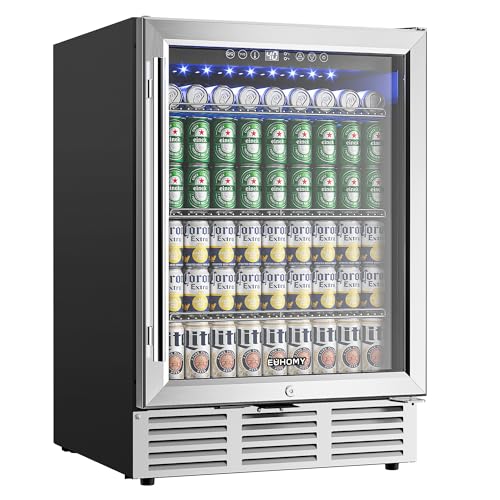
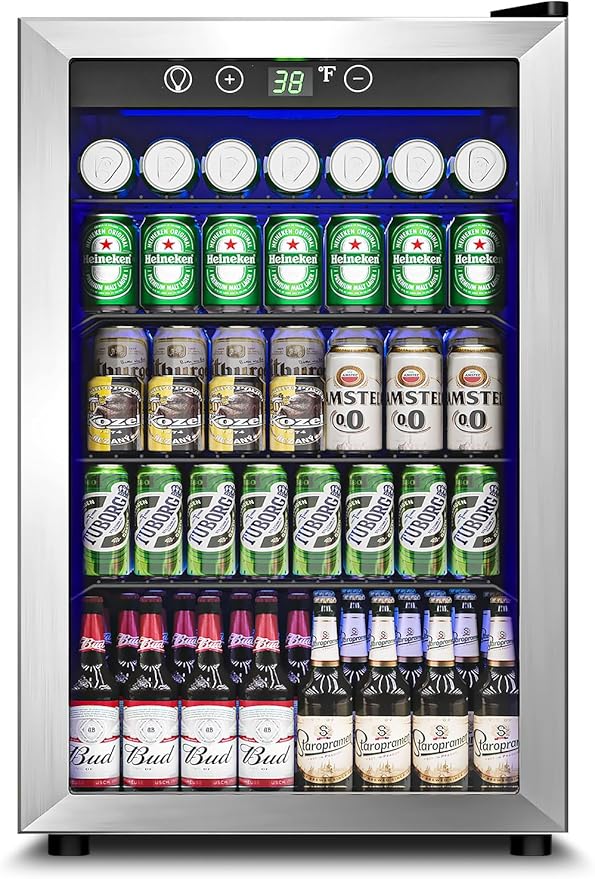
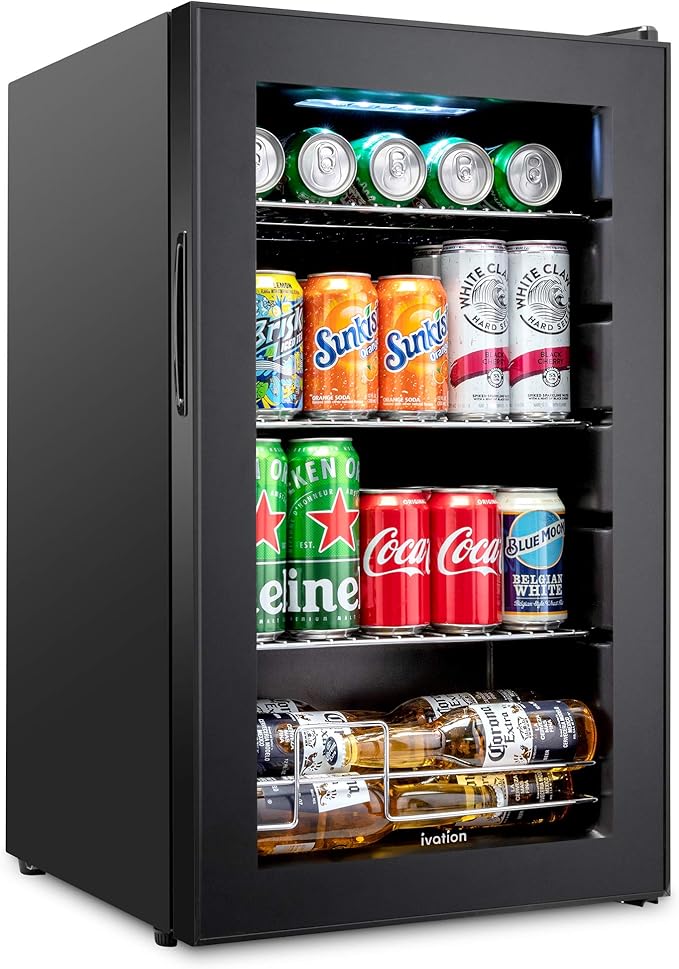
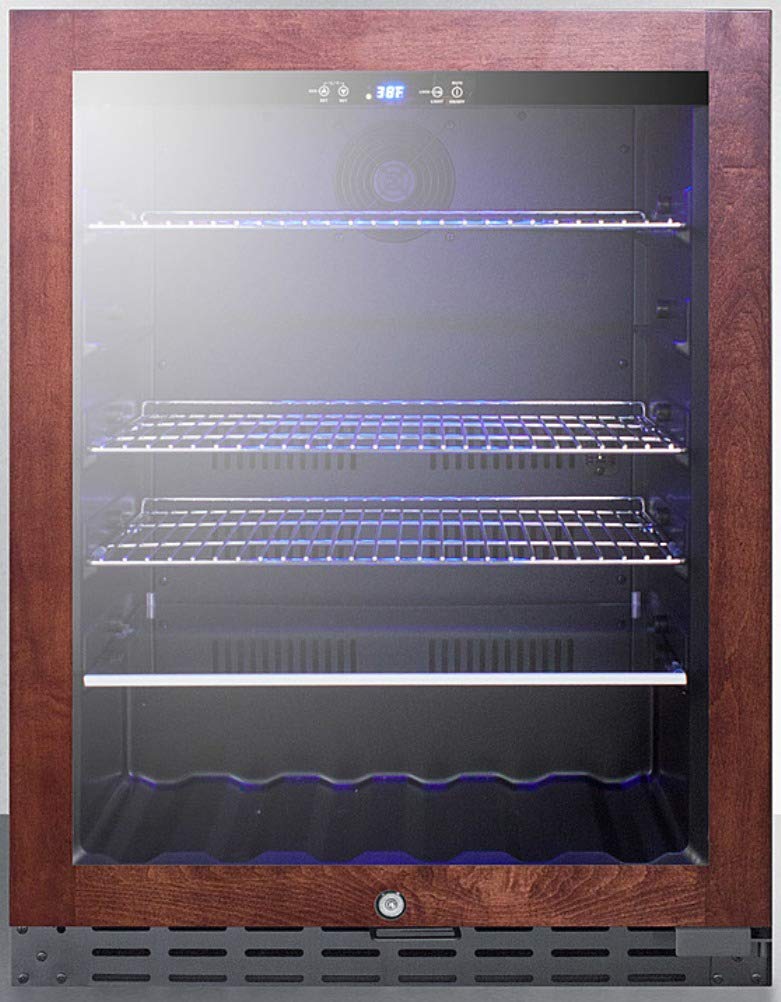
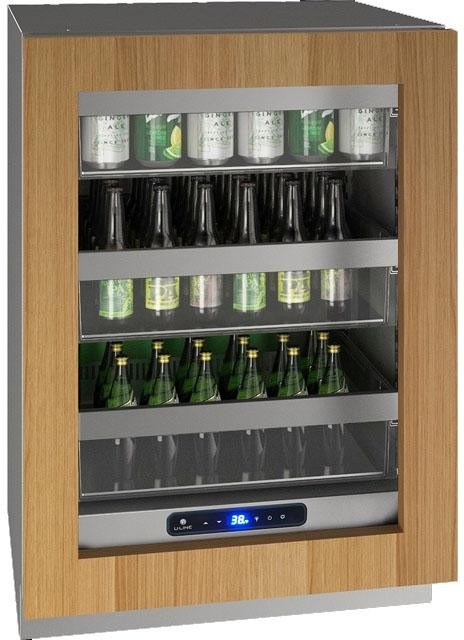
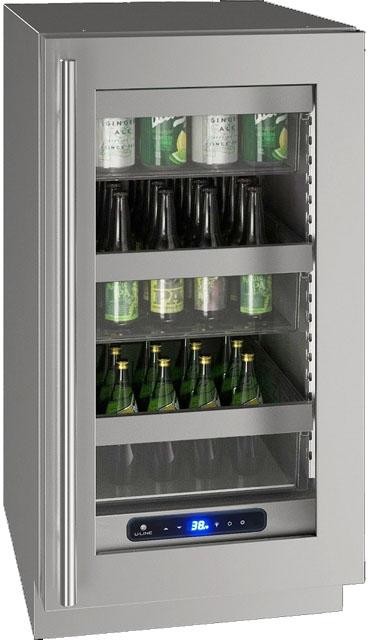
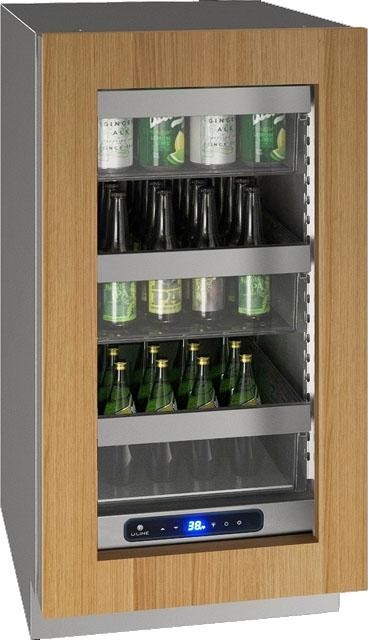
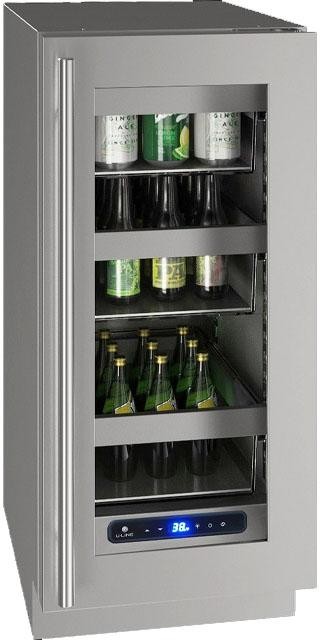
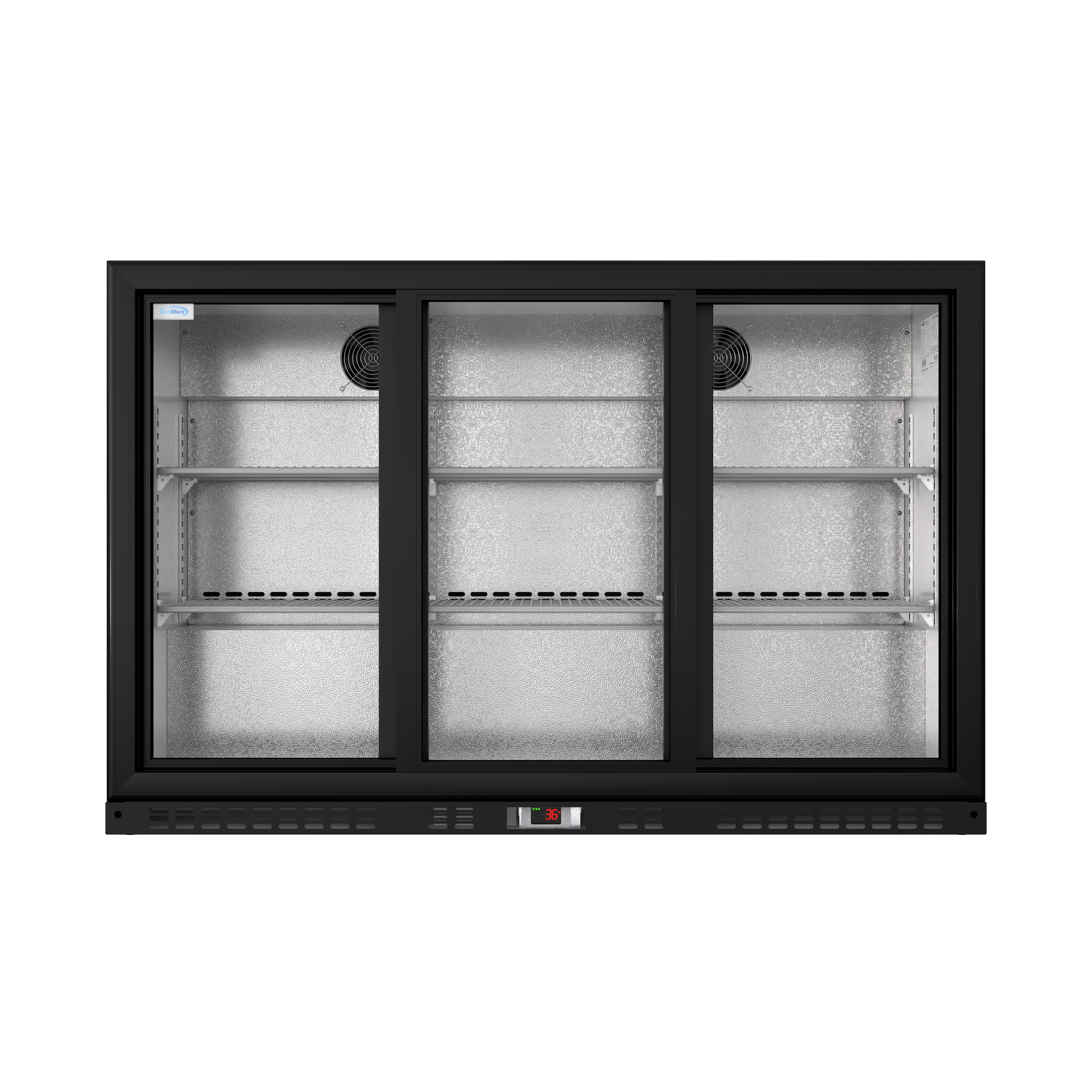
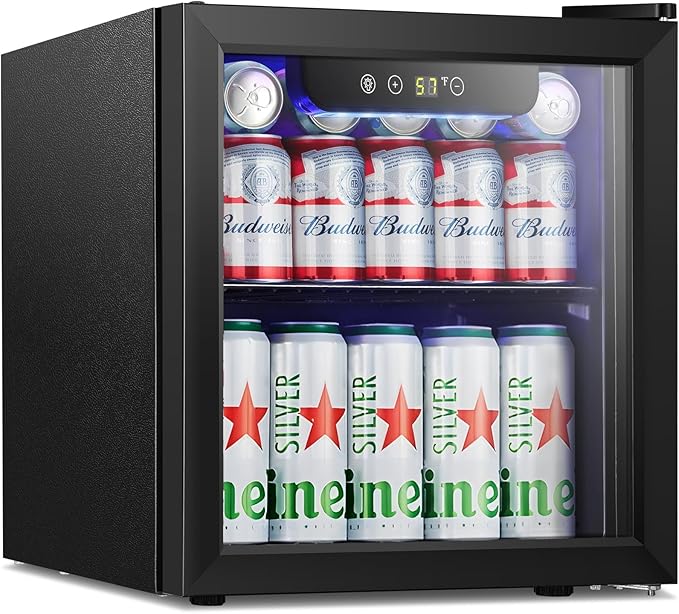
A beverage center is a compact refrigerator specifically designed for drink storage. It chills cans, bottles, and cartons at 34 to 45 degrees Fahrenheit. The interior features adjustable shelving configured for beverage sizes — tall bottle racks, can holders, and flat shelves for six-packs or wine bottles. Glass doors showcase the collection and let you see what is available without opening the door.
An ice machine — also called an ice maker or ice production unit — freezes water into ice cubes, nuggets, or crescents at a continuous rate. Residential models produce 25 to 80 pounds of ice per day and store 15 to 35 pounds at a time in an insulated bin. Commercial-style units for home use can push production above 100 pounds per day. The machine connects to a water line and drains melted overflow, making it a semi-permanent installation.
Production vs Storage
The core distinction is production versus storage. A beverage center stores what you put into it — you fill it with drinks, and it keeps them cold. An ice machine creates its product from scratch — you connect water, and it produces ice continuously until the bin is full.
A beverage center requires you to buy and stock beverages. An ice machine requires a water supply and produces ice autonomously. One is passive storage. The other is active production. Understanding this distinction matters when evaluating which solves your problem.
Capacity Comparison
| Appliance | Storage Type | Capacity Range |
|---|---|---|
| Beverage Center | Drink storage | 60 - 180 cans or 20 - 80 bottles |
| Ice Machine | Ice production | 25 - 80 lbs/day production, 15 - 35 lbs storage bin |
A well-stocked beverage center eliminates trips to the kitchen refrigerator during a party. An ice machine eliminates the need to buy bags of ice before events. For a gathering of 20 people over 4 hours, you might need 30 to 50 pounds of ice — a good residential ice machine handles that without restocking.
Installation Requirements
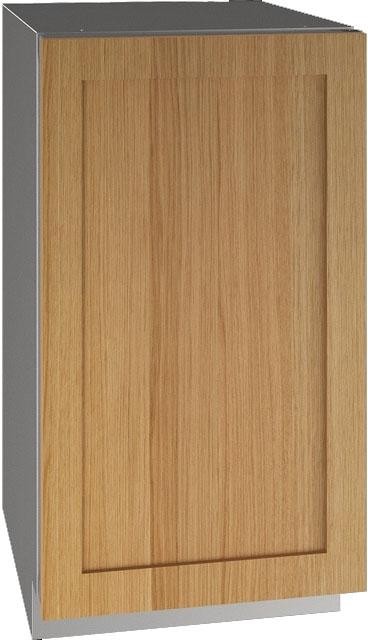
A beverage center needs a 120V electrical outlet and some ventilation clearance. Freestanding models need 2 to 3 inches of space around the sides and back. Built-in models use front-venting systems and slide into under-counter openings. No plumbing connection is needed — just plug it in and load the drinks.
An ice machine requires both electrical and plumbing connections. A water supply line feeds the machine, and a drain line removes excess melt water. Under-counter installation requires a nearby water shut-off valve and either a gravity drain or a drain pump. The installation is more involved than a beverage center and often requires a plumber for the initial hookup. Some countertop ice makers skip the plumbing by using a manual-fill water reservoir, but these produce less ice and need frequent refilling.
Size and Placement
Beverage centers range from 15 to 24 inches wide for under-counter models and up to 48 inches wide for freestanding full-size units. Standard under-counter height is 34 inches. They fit into home bars, outdoor kitchens, basement entertainment areas, man caves, and kitchen islands.
Residential ice machines come in under-counter (15 inches wide, 34 inches tall) and countertop (12 to 17 inches wide, 15 to 18 inches tall) formats. Under-counter models match standard bar cabinetry. Countertop models sit on a counter or table and are portable. For outdoor kitchens, look for models rated for outdoor use with corrosion-resistant housings and wider ambient temperature tolerances.
Ice Types and Quality
Beverage centers do not make ice. If you want ice in your drinks, you need a separate source — freezer ice trays, bags from the store, or a dedicated ice machine.
Ice machines produce specific ice types depending on the model. Clear ice machines create large, slow-melting cubes that are ideal for cocktails and spirits — the clear appearance and dense construction mean less dilution. Nugget ice machines (also called sonic ice, pellet ice, or chewable ice) produce soft, porous ice popular for soft drinks, smoothies, and crushed ice cocktails. Crescent and bullet ice are common shapes in entry-level models. The ice type affects the drink experience, so choosing the right machine means choosing the right ice format.
Energy Consumption
| Appliance | Annual kWh | Estimated Annual Cost |
|---|---|---|
| Beverage Center (120-can) | 200 - 350 kWh | $25 - $45 |
| Ice Machine (under-counter) | 350 - 700 kWh | $45 - $90 |
| Ice Machine (countertop) | 200 - 400 kWh | $25 - $50 |
Ice machines use more energy than beverage centers because they actively freeze water rather than simply maintaining a cold temperature. Under-counter models with higher production rates draw more power. If the machine runs constantly — common in households that use ice daily — annual energy costs can approach those of a full-size refrigerator.
Pricing
| Appliance | Budget | Mid-Range | Premium |
|---|---|---|---|
| Beverage Center | $150 - $400 | $400 - $900 | $900 - $2,000 |
| Ice Machine (countertop) | $100 - $250 | $250 - $500 | $500 - $800 |
| Ice Machine (under-counter) | $500 - $1,200 | $1,200 - $2,500 | $2,500 - $4,000+ |
Countertop ice makers are the most affordable entry point. Under-counter clear ice machines are a significant investment — comparable to a premium beverage center. The choice often comes down to which problem you are solving: warm drinks or missing ice.
Maintenance
Beverage centers require minimal maintenance. Wipe down shelves periodically, vacuum the condenser coils once or twice a year, and check the door gasket for a tight seal. There are no water lines or filters to manage.
Ice machines need regular cleaning and descaling — typically every 3 to 6 months depending on water hardness. Mineral buildup from hard water reduces ice production, affects ice taste, and can damage internal components. Most machines have a cleaning cycle that circulates a descaling solution. Water filters need replacement every 6 to 12 months. Drain lines should be checked for clogs. The maintenance burden is noticeably higher than a beverage center.
Noise
Beverage centers run at 35 to 42 decibels — a quiet hum from the compressor. In an entertainment space with music and conversation, it is inaudible.
Ice machines are louder, especially during the harvest cycle when ice drops from the evaporator plate into the storage bin. Expect 40 to 55 decibels during production. The water pump, compressor, and ice drop create a combined noise profile that is noticeable in quiet rooms. In an active bar or outdoor kitchen, it blends into ambient noise.
Outdoor Use
Both appliance types are available in outdoor-rated versions. Outdoor beverage centers feature weatherproof housings, UV-resistant glass, and wider operating temperature ranges (down to 38 degrees ambient). Outdoor ice machines use corrosion-resistant stainless steel, sealed electrical components, and condensers rated for heat and humidity.
If you are building an outdoor kitchen or patio bar, consider both. A beverage center stores the drinks, and an ice machine keeps the ice flowing — together they form a complete outdoor drink station.
Who Should Buy Which
Buy a beverage center if your primary issue is drink storage and display. You want cold drinks organized and accessible in a dedicated space outside your main kitchen refrigerator. This is the right move for home bars, media rooms, and guest entertainment areas.
Buy an ice machine if your primary issue is ice supply. You host gatherings where bagged ice runs out, you want premium clear ice for cocktails, or you consume enough ice daily that freezer trays cannot keep up. This is the right move for cocktail enthusiasts, frequent entertainers, and households with 4 or more people who use ice heavily.
Shop Both at Fridge.com
Browse beverage centers and ice machines at Fridge.com. Compare capacity, ice type, installation requirements, and pricing to build the perfect entertaining setup.