Many Energy Star chest freezers in the 5 cubic foot range use less than 200 kWh per year.
Budget models under $100 often last 3 to 5 years.
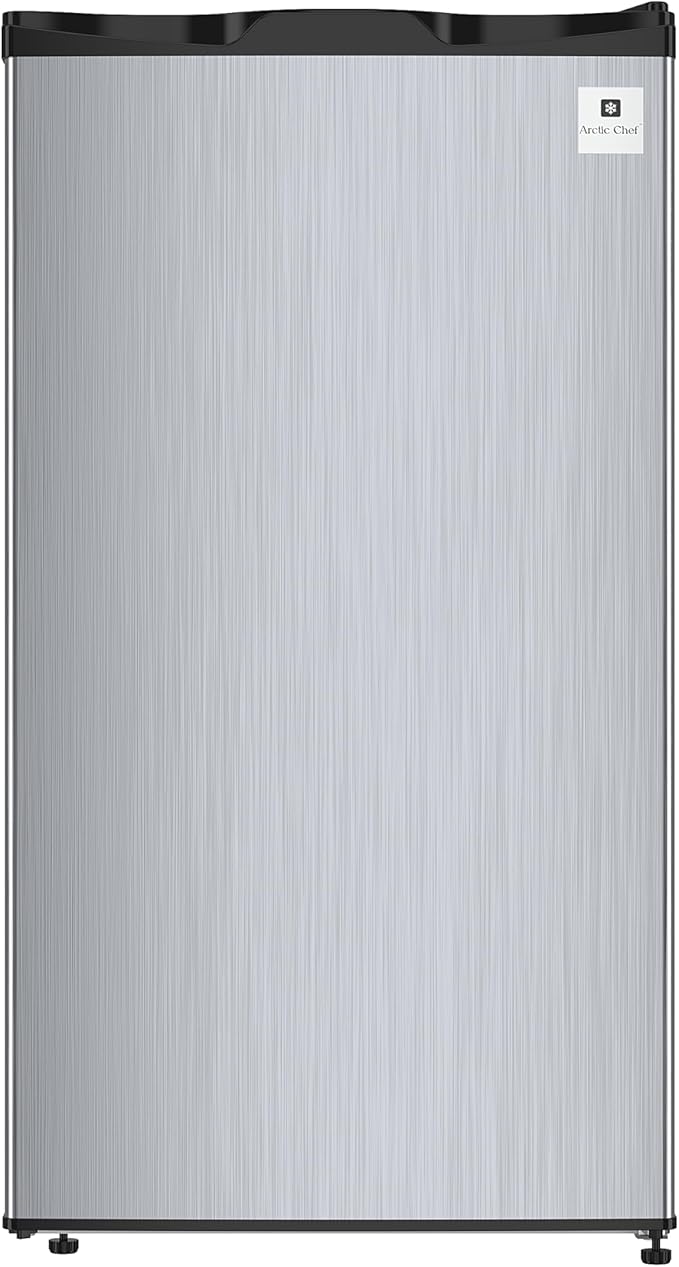
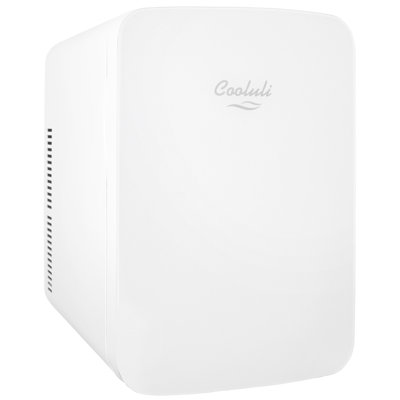
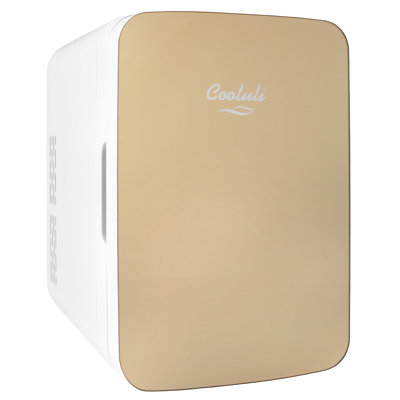
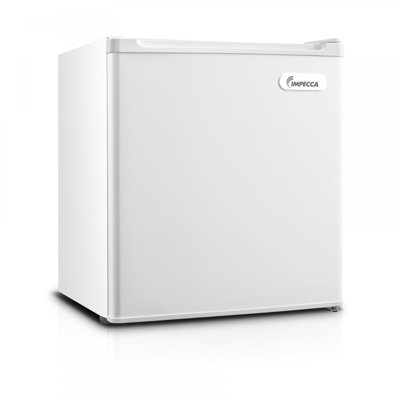
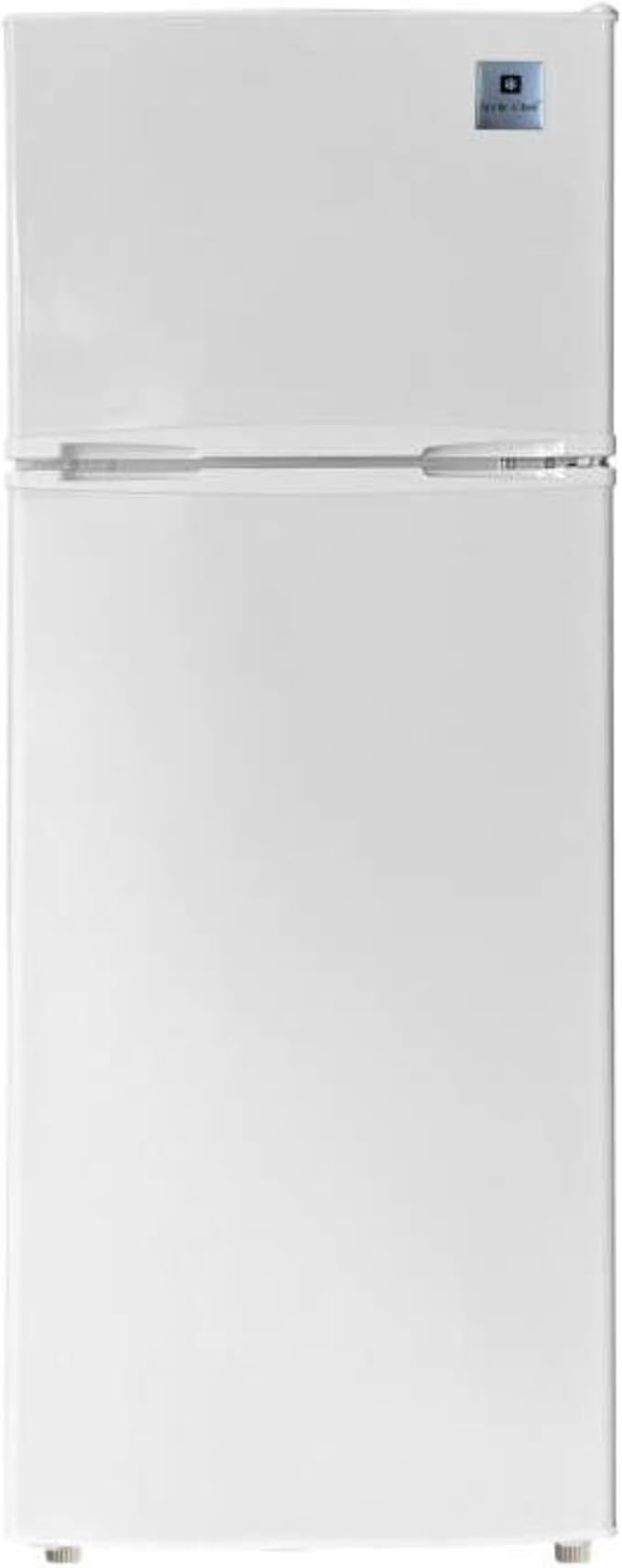
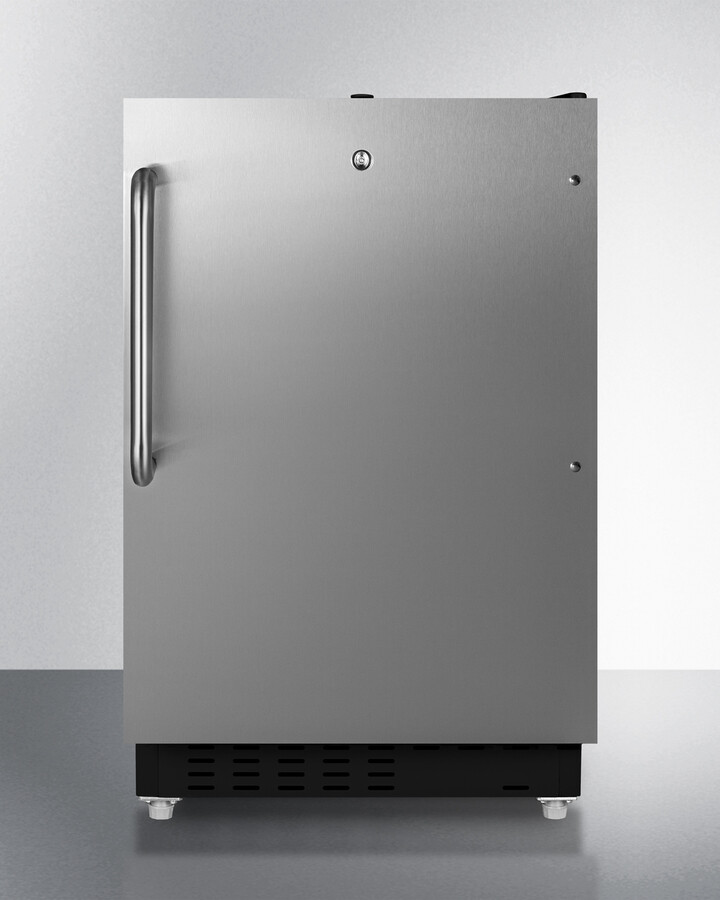
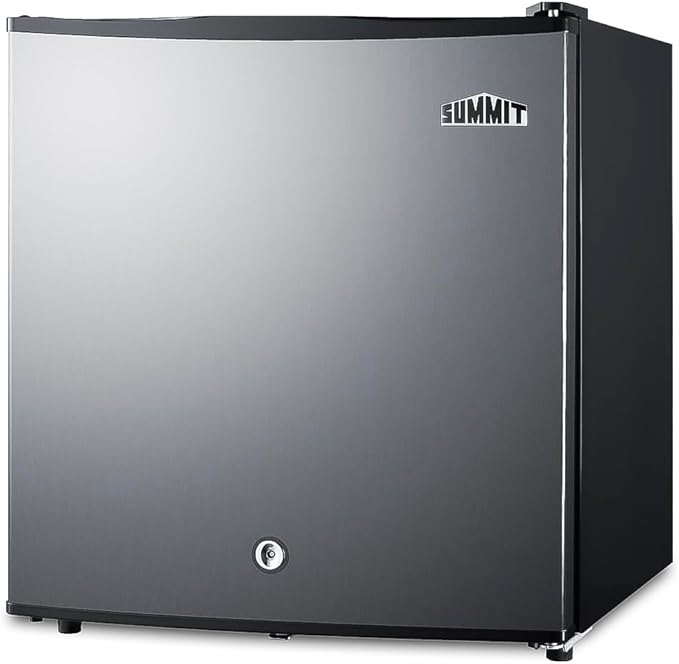
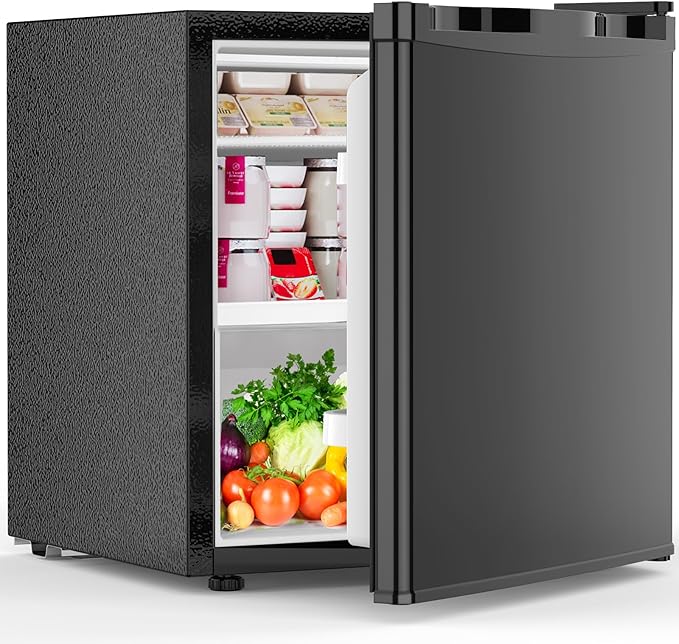
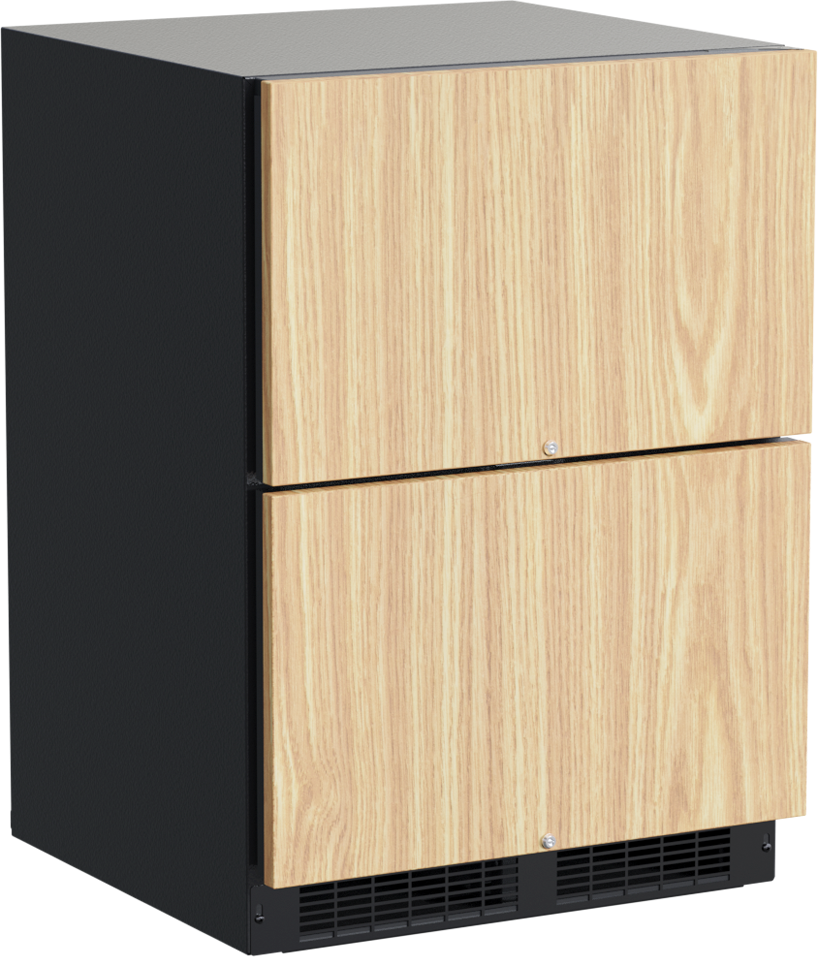
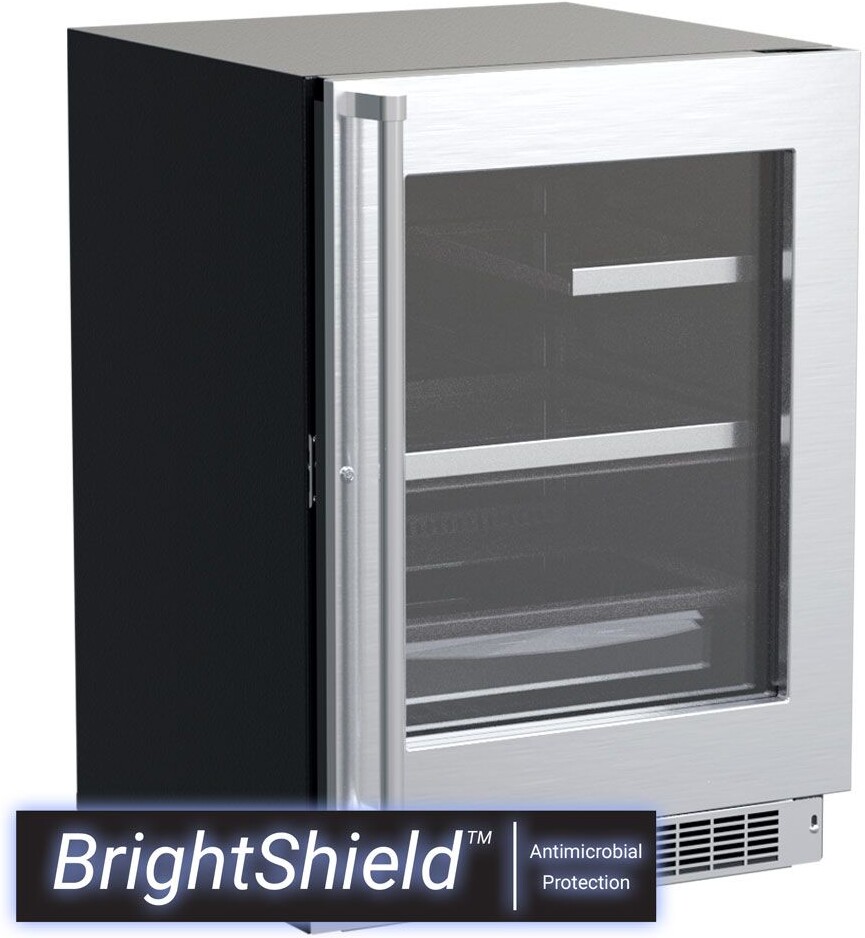
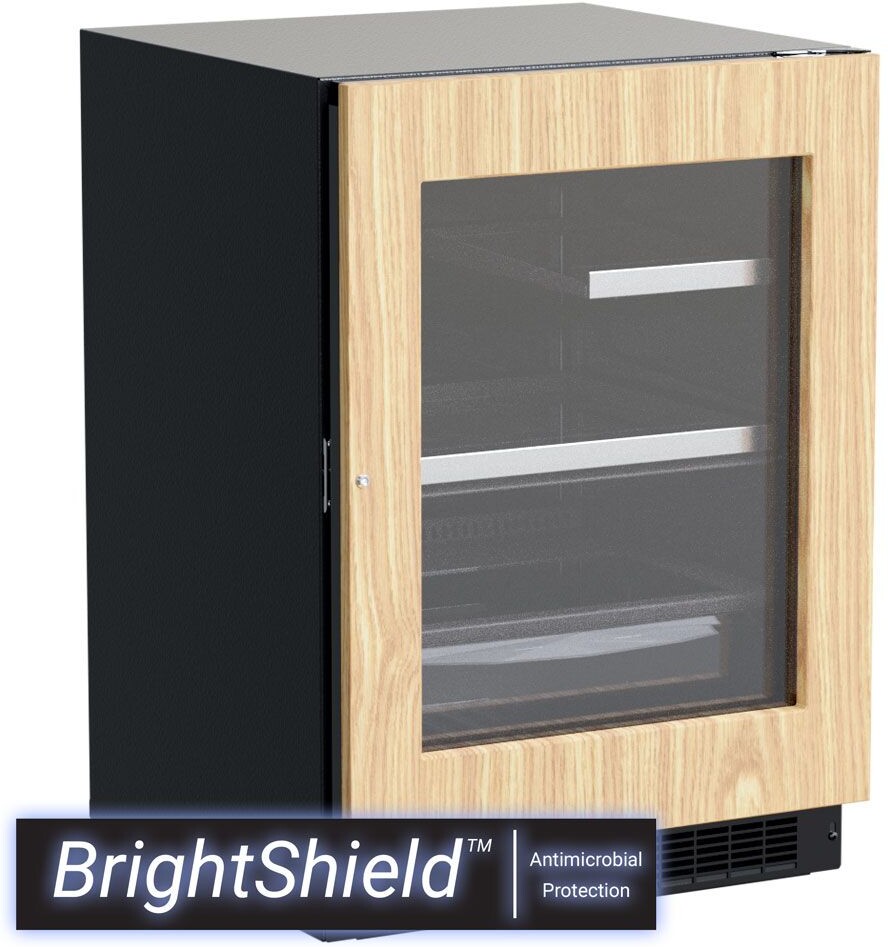
A bar fridge — also called a beverage fridge, mini bar, or compact refrigerator — operates at standard refrigerator temperatures between 34 and 40 degrees Fahrenheit.
A small chest freezer operates at 0 degrees Fahrenheit or lower.
A bar fridge and a small chest freezer handle completely different cold storage jobs. The bar fridge keeps beverages and snacks cool and accessible. The small chest freezer locks in sub-zero temperatures for long-term frozen food storage. They rarely compete for the same role, but understanding their differences helps you decide which one fills the gap in your home setup — or whether you need both.
Core Function
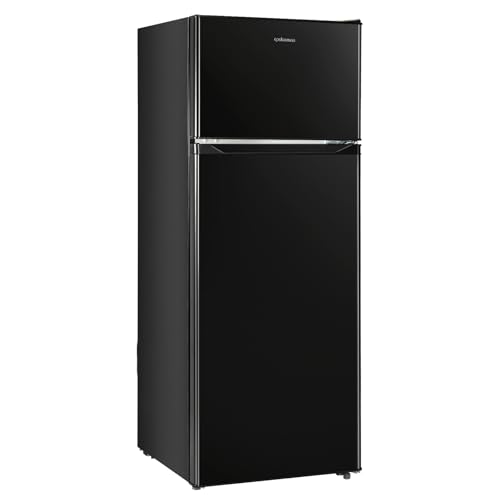
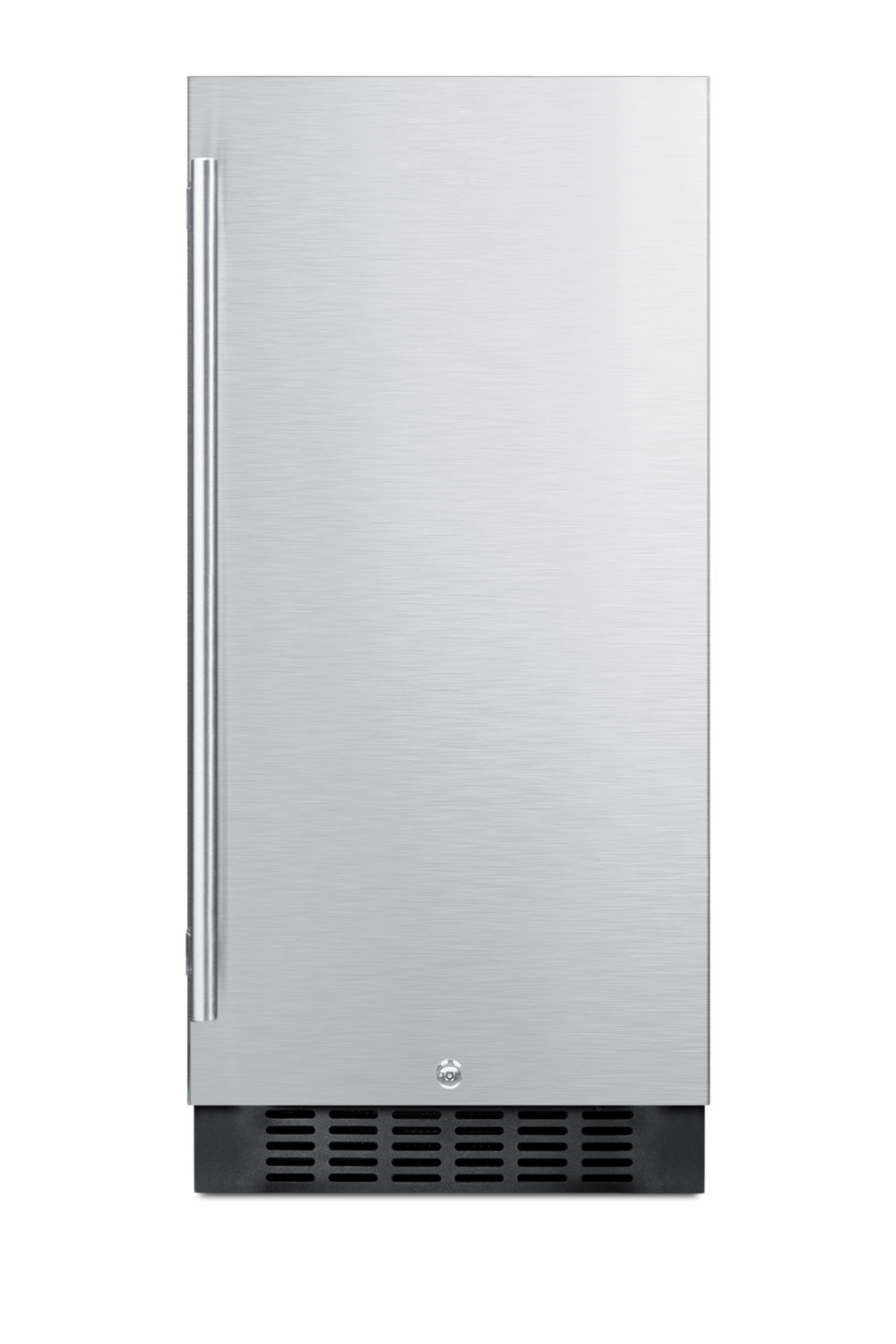
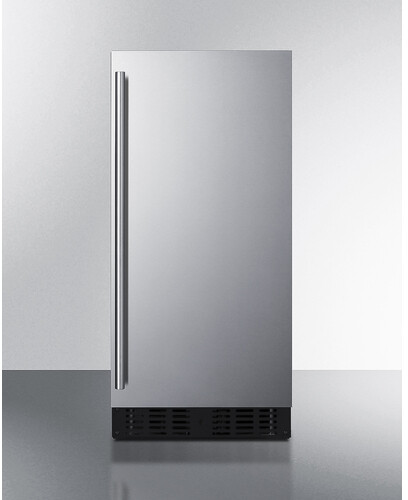
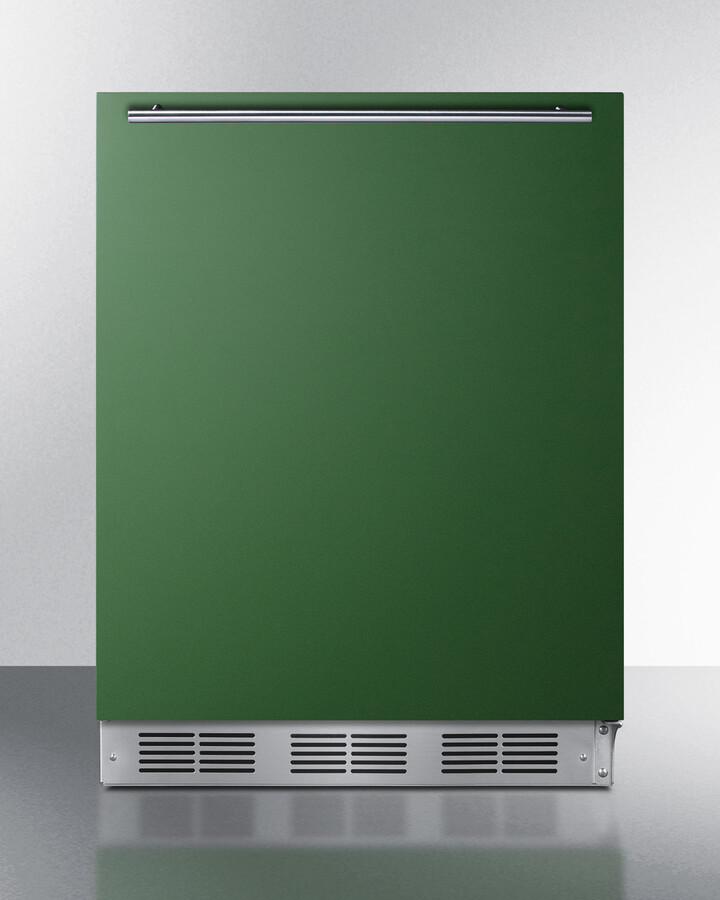
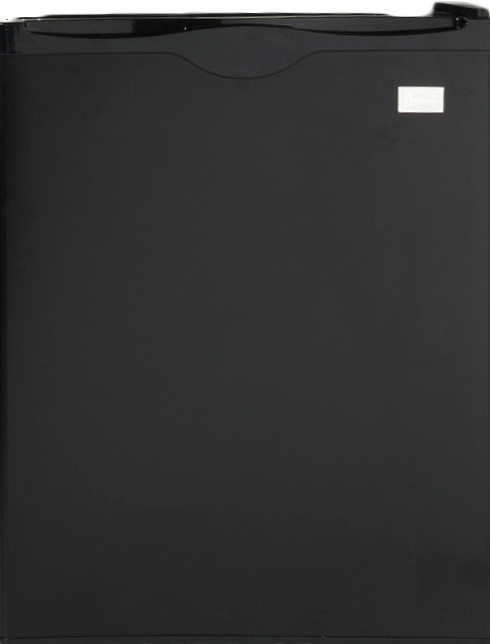
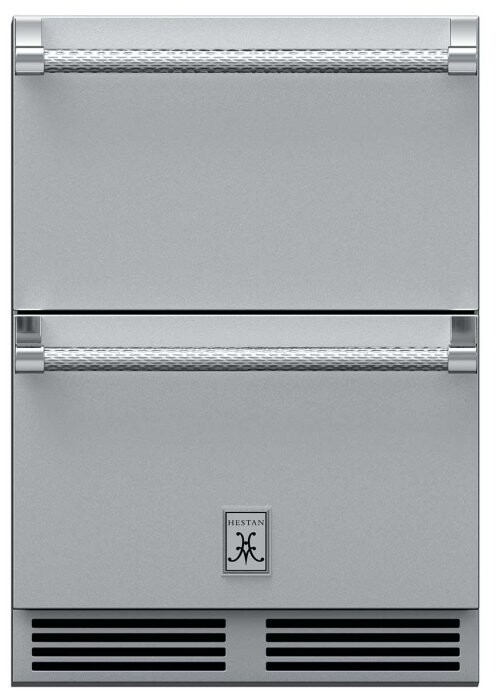
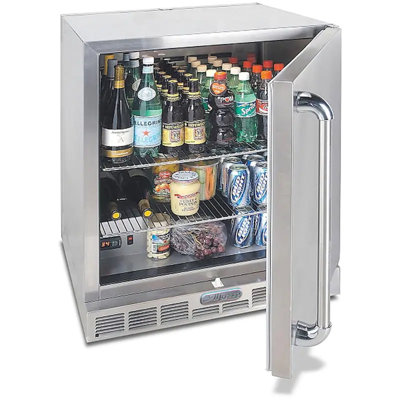
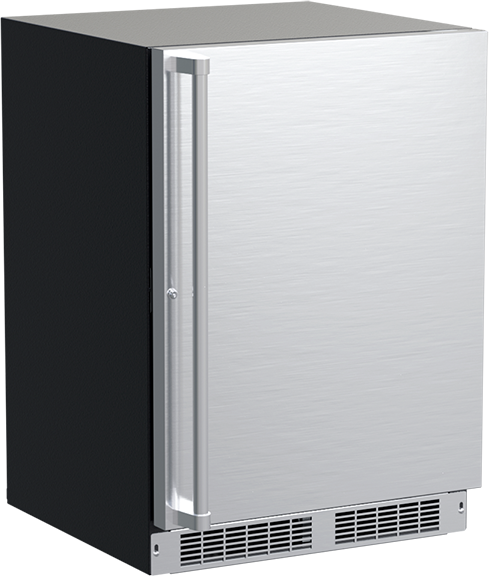
A bar fridge — also called a beverage fridge, mini bar, or compact refrigerator — operates at standard refrigerator temperatures between 34 and 40 degrees Fahrenheit. It is designed to chill cans, bottles, condiments, and small food items. The glass door or solid door swings open for quick grab-and-go access. These are the units you see in hotel rooms, home bars, entertainment spaces, man caves, and offices.
A small chest freezer operates at 0 degrees Fahrenheit or lower. It is built to freeze and preserve food for weeks or months — meats, vegetables, prepared meals, ice cream, and bulk purchases. The top-opening lid design retains cold air efficiently because cold air sinks and stays inside when the lid opens. These live in garages, basements, utility rooms, and kitchens with overflow storage needs.
A bar fridge is taller and narrower — it fits under a counter, beside a couch, or in a corner. A small chest freezer is wider and lower, occupying more floor area but less vertical space. The chest freezer typically offers more usable volume because the interior is one open cavity without the shelf dividers and door bins that reduce usable space in a bar fridge.
Bar fridges maintain 34 to 40 degrees. Some models with a small internal freezer compartment can reach 20 to 25 degrees in that section, but it is not a true freezer. The fridge temperature keeps drinks cold and perishable snacks safe.
Small chest freezers maintain minus 10 to 0 degrees. This range handles true long-term freezing — meat stays safe for 6 to 12 months, vegetables for 8 to 12 months, and prepared meals for 2 to 3 months. The temperature consistency of a chest freezer is better than an upright model because opening the top lid releases far less cold air than opening a front door.
Energy Efficiency
Type
Annual kWh
Estimated Annual Cost
Bar Fridge
150 - 300 kWh
$18 - $38
Small Chest Freezer
100 - 250 kWh
$12 - $32
Small chest freezers are among the most energy-efficient appliances in a home. The thick insulation on all sides and the top-opening design create a near-airtight cold box. Many Energy Star chest freezers in the 5 cubic foot range use less than 200 kWh per year. Bar fridges use more energy per cubic foot because thinner insulation, frequent door openings, and glass doors (on beverage models) all contribute to higher heat gain.
Bar fridges start cheaper because the smallest models are simple boxes with a compressor and a shelf. Chest freezers cost a bit more at entry level because of the heavier insulation and robust lid mechanism. At the premium end, both categories converge — a high-end bar fridge with glass shelving, digital controls, and LED lighting costs about the same as a feature-rich chest freezer with fast-freeze mode and a digital display.
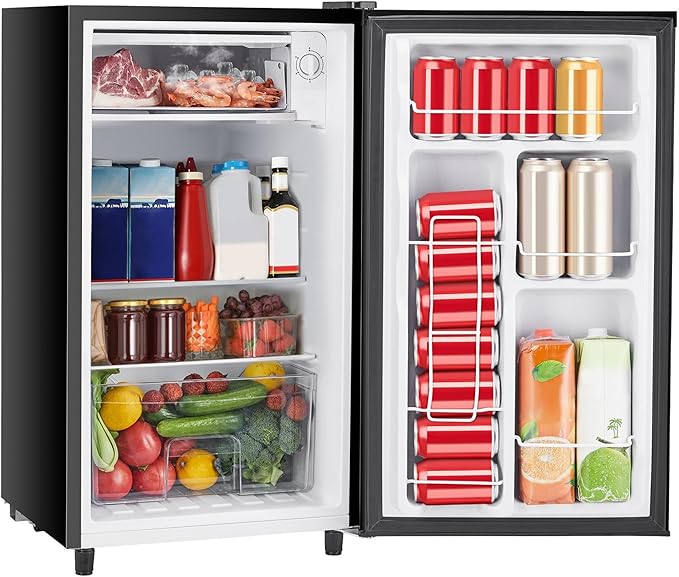
Bar fridges have structured interiors. Wire or glass shelves divide the space into layers. Door bins hold cans, small bottles, and condiments. Some models include a tiny freezer compartment at the top. The layout works well for organized access to a variety of small items — you can see everything at a glance when you open the door.
Chest freezers are open cavities. One or two hanging baskets near the top provide some organization, but most of the storage is a deep well. Stacking and layering items is the primary organization method. This works well for uniform items like frozen meat packages, ice cream containers, and bags of vegetables, but finding a specific item buried at the bottom requires digging. Labeling and strategic stacking solve this for most users.
Most bar fridges are frost-free or auto-defrost. A small heater periodically melts any ice buildup on the evaporator coil, and the water drains into an evaporation tray. You never need to manually defrost a modern bar fridge.
Most small chest freezers are manual defrost. Ice builds up on the interior walls over time and needs to be removed once or twice a year. The process involves unplugging the unit, letting the ice melt, wiping down the interior, and restarting. It takes 4 to 8 hours. Some newer chest freezers offer frost-free operation, but they cost more and use slightly more energy. The manual defrost design is actually an advantage for efficiency — it eliminates the defrost heater cycling that adds to energy consumption in frost-free models.
Noise
Bar fridges run at 35 to 45 decibels. Compressor-based models produce a noticeable hum, especially in quiet rooms like bedrooms or home offices. Thermoelectric bar fridges (no compressor) run at 25 to 35 decibels but cool less effectively and struggle in rooms above 77 degrees.
Small chest freezers run at 38 to 44 decibels. The compressor cycles less frequently because the thick insulation holds temperature well, which means the unit spends more time silent between cooling cycles. In a garage or basement, the noise is negligible. In a kitchen, it blends into the ambient sound of other appliances.
A bar fridge fits almost anywhere — under a desk, inside a cabinet, next to a home theater setup, in a dorm room, or behind a bar counter. Built-in models slide into cabinetry with front ventilation. Freestanding models need a few inches of clearance on the sides and back. The compact footprint makes placement flexible.
A small chest freezer needs a flat, stable surface and adequate airflow around the condenser coils on the exterior walls. Most people place them in garages, basements, utility rooms, or large pantries. The wider footprint means they do not fit under standard counters. Some people place them in kitchens against a wall, but the top-opening lid requires overhead clearance — do not place a chest freezer under a shelf or cabinet.
Bar fridges last 5 to 10 years. The compact compressor and thin insulation limit longevity compared to full-size appliances. Budget models under $100 often last 3 to 5 years.
Small chest freezers are built to last 10 to 20 years. The simple mechanical design — a compressor, a thermostat, and an insulated box — has few failure points. The manual defrost design eliminates the defrost timer and heater, which are common failure points in frost-free appliances. Chest freezers are among the longest-lasting home appliances available.
When You Need Each
Buy a bar fridge when you need cold beverages and snacks within arm's reach — a home bar, game room, office, guest bedroom, or dorm. It is a convenience appliance, not a food preservation tool.
Buy a small chest freezer when you need to store frozen food in bulk — a quarter cow from a local farm, weekly meal prep batches, seasonal produce, or sale-priced frozen goods from warehouse stores. It is a utilitarian appliance built for volume and efficiency.
Many households benefit from both — a bar fridge in the entertainment area and a chest freezer in the garage. They serve different needs in different parts of the home.
Browse bar fridges and small chest freezers. Filter by size, price, and features to find the right unit for your space.
Frequently Asked Questions
No. A bar fridge operates at 34 to 40 degrees, which is refrigerator temperature. Some have a small internal compartment that reaches 20 to 25 degrees, but that is not cold enough for true freezing or long-term frozen storage. For frozen food, you need a chest freezer. Fridge.com carries both.
From Fridge.com research
Figures below come from data Fridge.com builds and maintains. Each links to the record behind it.
Fridge.com Energy Index, built on U.S. EPA and DOE ENERGY STAR records
Across 5,455 ENERGY STAR certified refrigerators and freezers from 263 brands, median use is 360 kWh per year.