On the hot side, summer garages above 110°F overwork the compressor and shorten its life.
In another r/Appliances discussion, a commenter states the blunt version: modern top-freezer units generally cannot hold freezer temperatures once ambient drops below about 50°F.
This is not a defect of any one brand — it is the single-thermostat design meeting an environment it was never built for.
GE rates its garage-ready top-freezer refrigerators for 38°F to 110°F, which does not cover a garage that drops below freezing.
The "best garage refrigerator reddit" search leads to some technically detailed appliance threads, because garage fridges can fail in a specific, predictable way that many ordinary fridge reviews do not cover. Redditors on r/Appliances and r/homeowners have documented the problem, the marketing trap around the phrase "garage ready," and the setups commenters say work. We read the threads, summarized what commenters said, and linked the originals so you can check them before you buy. These are individual owners' reports, not a survey.
Many basic refrigerators have one thermostat, and it sits in the fresh-food compartment. In a cold garage, that design breaks down. As one commenter explains in an r/Appliances thread from an owner who needs a better garage-ready fridge than the one they bought: if the garage is 40°F and the fridge is set to 40°F, the fridge compartment never warms up, so the compressor never runs — and the freezer slowly thaws. A commenter in an r/preppers thread describes the same failure from the food-loss side: when the garage gets cold, "the thermostat basically gets confused" and the compressor does not stay on long enough to keep the freezer frozen. On the hot side, summer garages above 110°F overwork the compressor and shorten its life.
In another r/Appliances discussion, a commenter states the blunt version: modern top-freezer units generally cannot hold freezer temperatures once ambient drops below about 50°F. This is not a defect of any one brand — it is the single-thermostat design meeting an environment it was never built for.
"Garage Ready" Is Not One Standard — Read the Fine Print
Reddit's second lesson: the phrase "garage ready" means different things to different manufacturers. In the thread above, a commenter warns that for some brands it only means the fridge won't be damaged operating in a garage temperature range — not that it will actually hold safe food temperatures across that range. Manufacturers describe their garage-ready designs differently. Whirlpool, for example, cites controls calibrated for a wider ambient temperature range and, on certain models, separate temperature management for the freezer compartment, and it says ranges vary by product. GE rates its garage-ready top-freezer refrigerators for 38°F to 110°F, which does not cover a garage that drops below freezing. One r/Appliances commenter cites roughly 38°F to 110°F as a typical rating; whatever the label, check the stated range against your garage's coldest and hottest temperatures.
Setup
Reddit's Verdict
Why
Standard fridge in a heated/attached garage
Usually fine if the garage stays in range
Standard models need the range in the manual; GE says not below 60°F
Standard fridge in an unheated garage (cold winters)
Freezer thaws
Single thermostat stops calling for cooling
Garage-ready fridge
Works within its stated range
Designed for a wider ambient range; GE top freezers: 38-110°F
Purpose-built garage unit (e.g., Gladiator)
One commenter's top pick
Sold for garage use; check the model's stated range
All-fridge (no freezer) + separate chest freezer
A workaround commenters suggest
No freezer compartment to thaw; pair it with a garage-rated freezer
What Reddit Actually Recommends
Three answers come up in the recommendation threads we read. First, the purpose-built route: in "Most basic fridge/freezer for garage" on r/Appliances, a commenter calls Gladiator — a Whirlpool company — the maker of "the best (and truly only)" true garage refrigerator and freezer. Second, the mainstream route: buy a top-freezer model explicitly sold as garage-ready from a major brand; Frigidaire and GE are named in the r/homeowners garage fridge thread. Both label specific models garage-ready, and GE states a 38°F to 110°F range for its garage-ready top freezers. Third, the workaround route: skip the combined fridge-freezer entirely — run a freezerless refrigerator for drinks and overflow, and put frozen goods in a separate chest freezer rated for your garage's temperatures.
Garage-Ready Models You Can Compare at Fridge.com
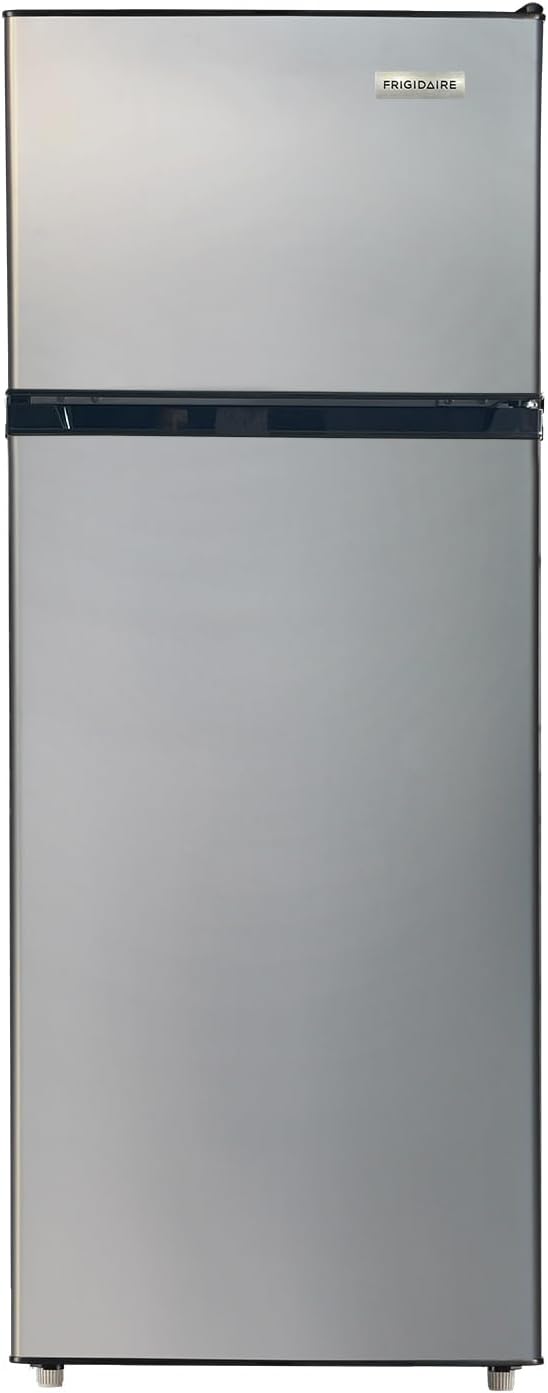
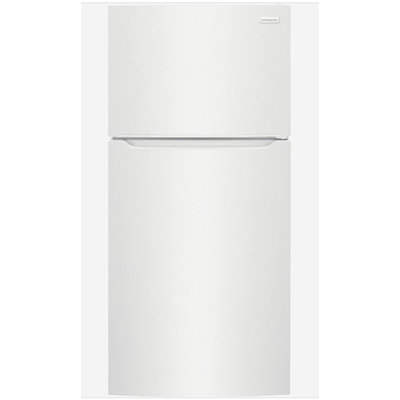
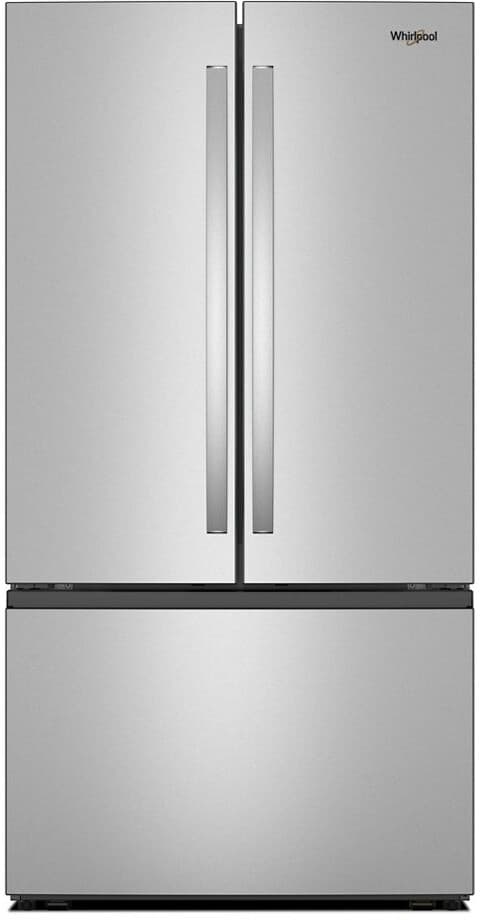
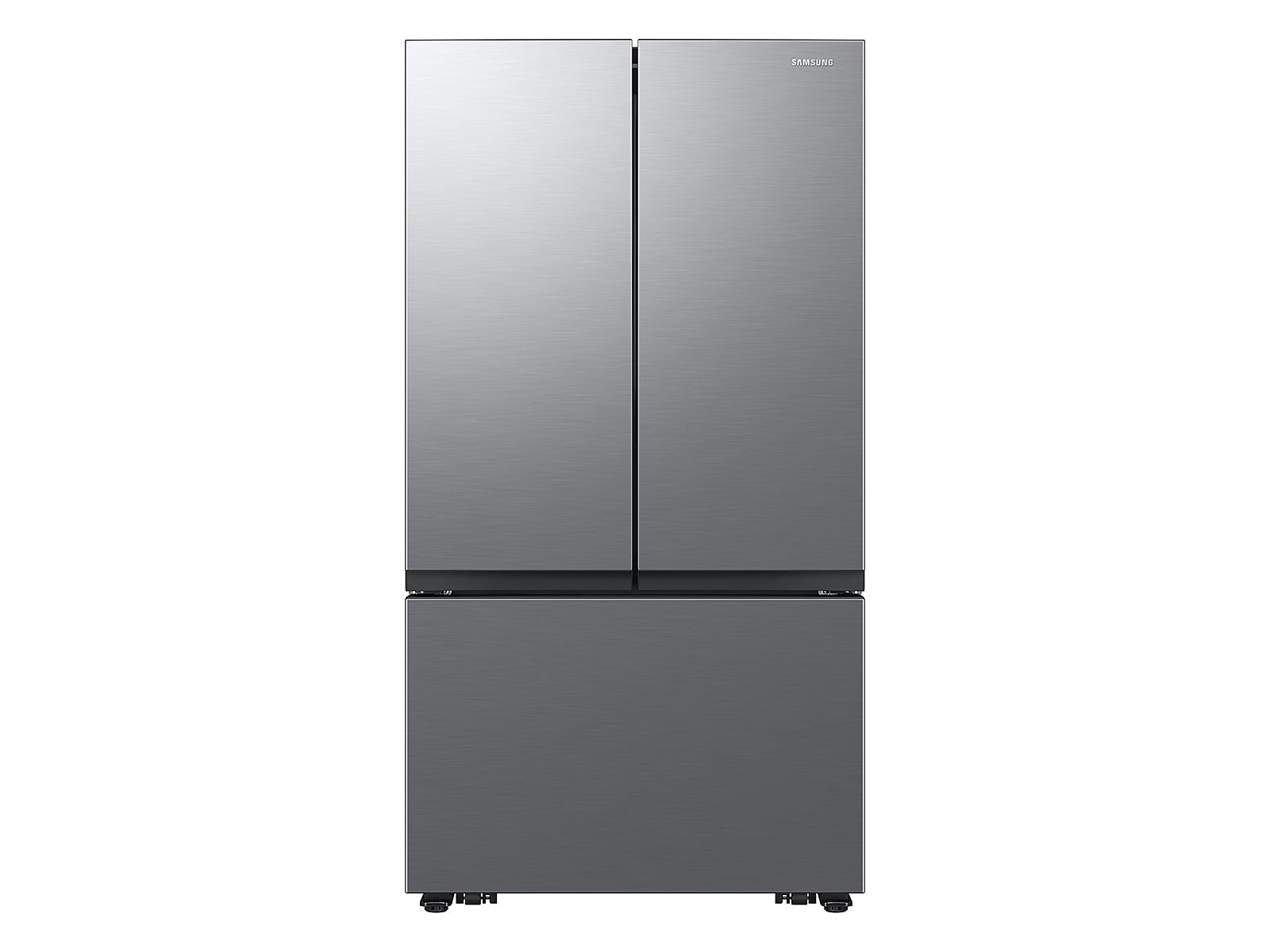
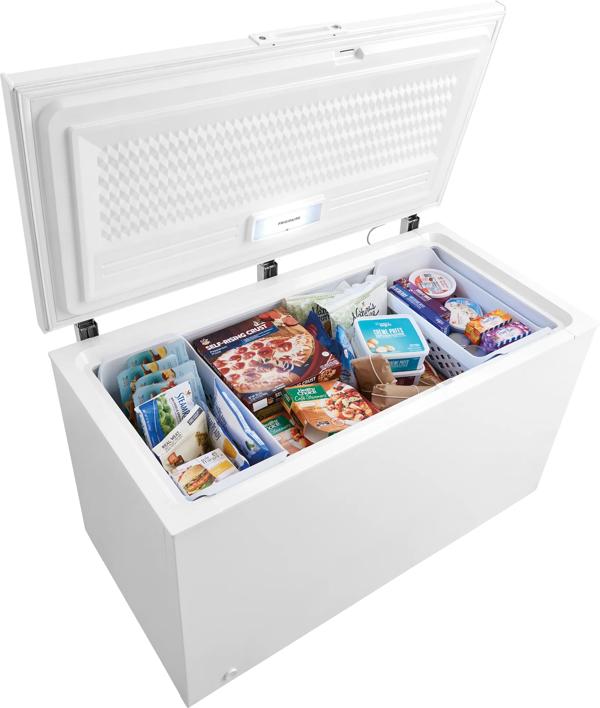
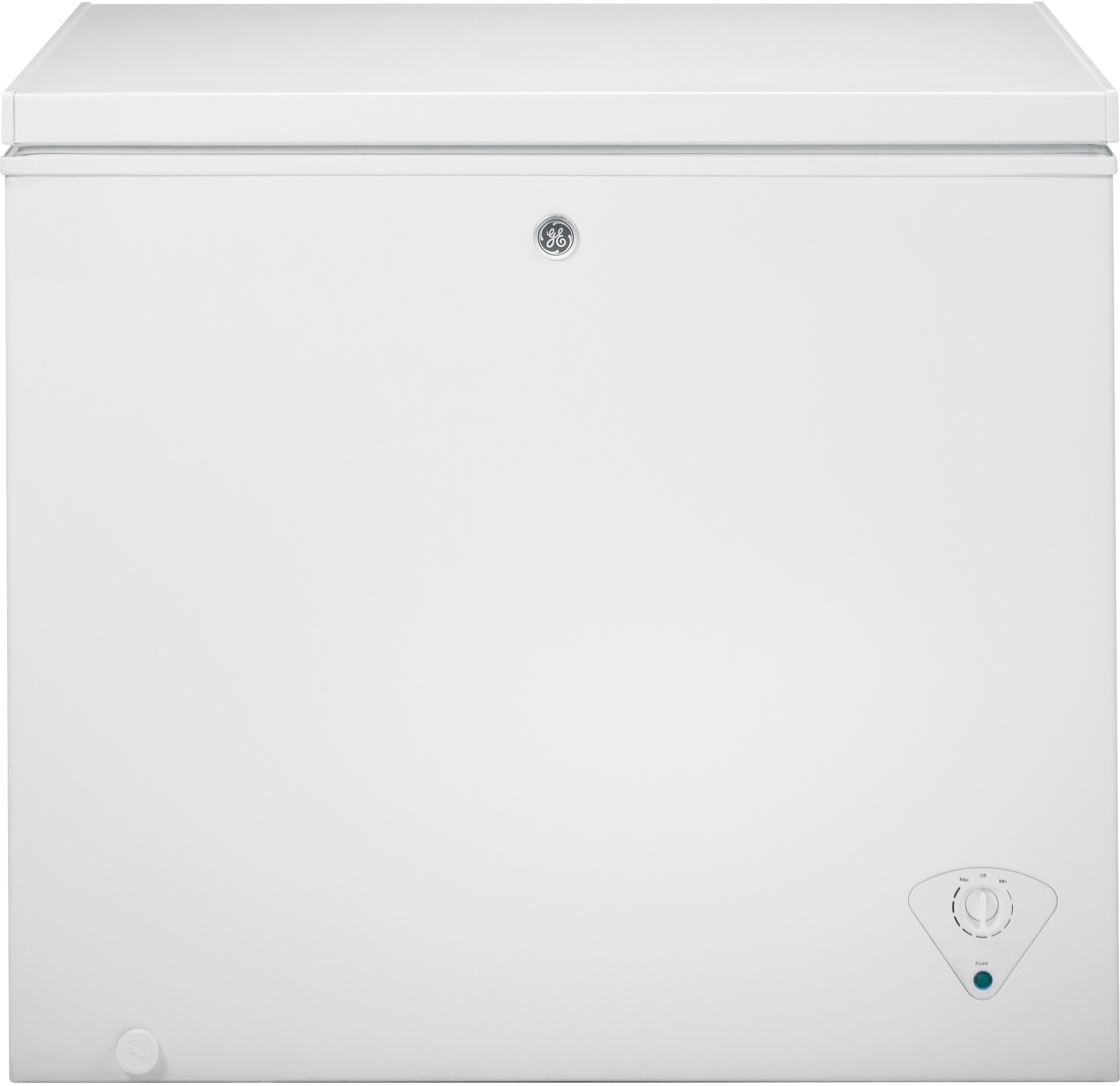
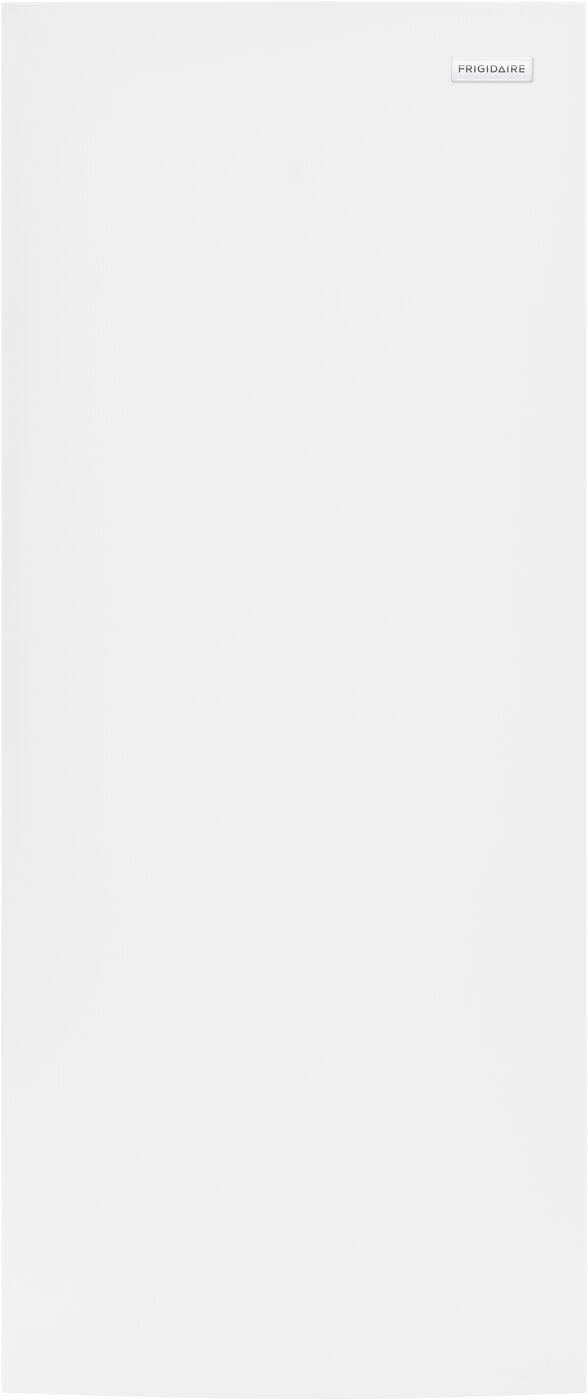
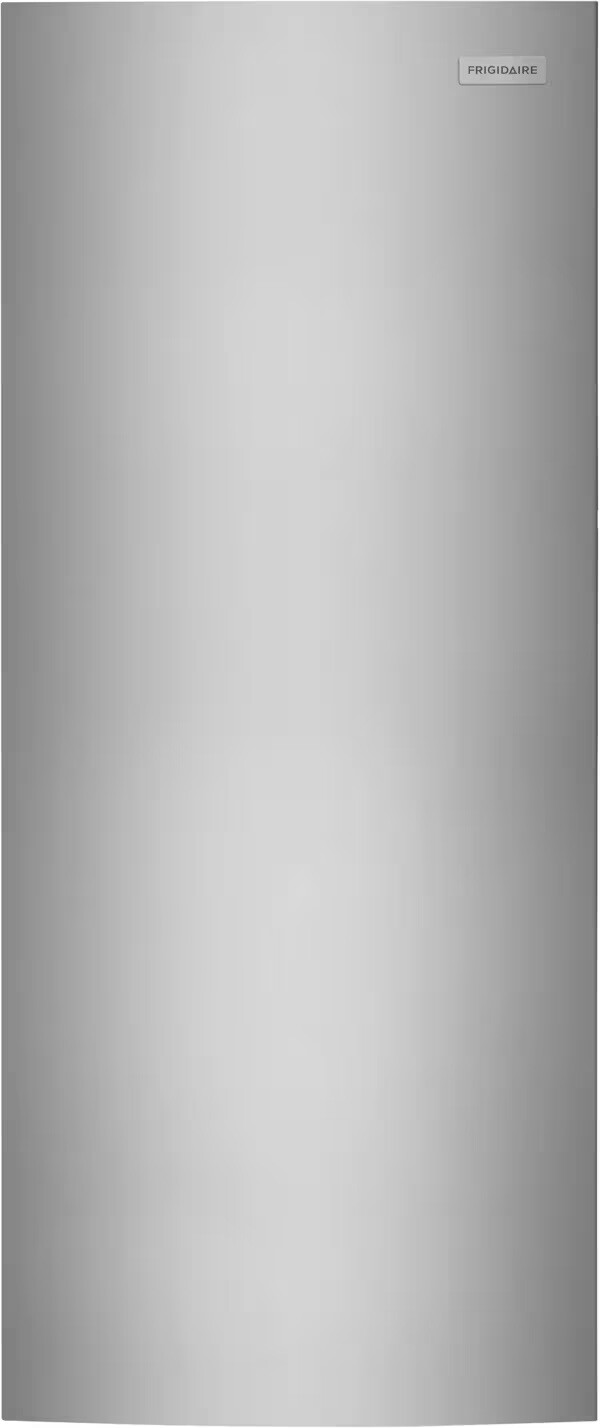
Fridge.com does not currently carry Gladiator, so if you want that specific unit, Reddit's advice stands on its own. What we do carry are models sold as garage-ready: two from Frigidaire, one of the brands those threads name, and a KoolMore convertible. Check each manufacturer's stated ambient range before relying on one in a garage; we could not find a published range for the two Frigidaire models below.
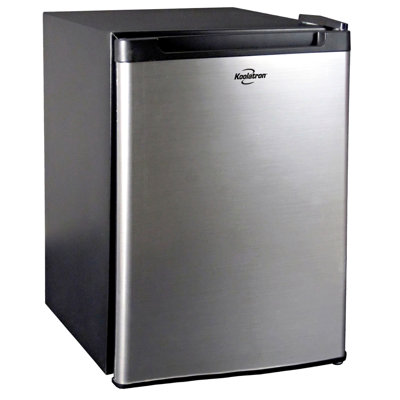
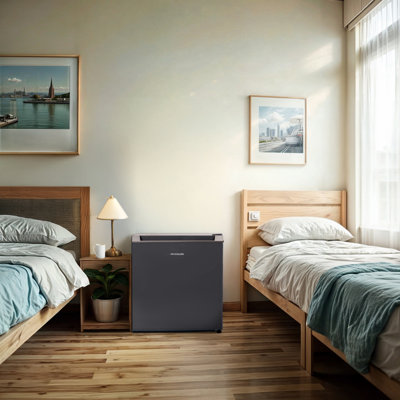
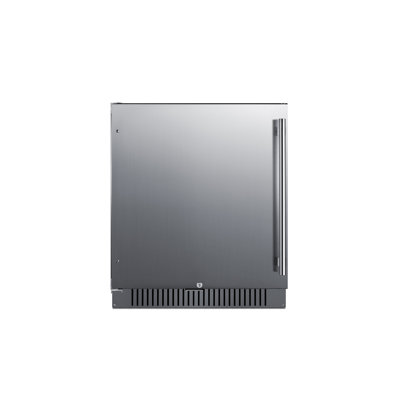
The compact option for beer-and-overflow duty. It is a 7.5 cu ft two-door with a separate freezer compartment, sized for the corner of the garage rather than a full appliance bay. It is sold as garage ready, but we could not find a manufacturer-stated ambient range for it, so confirm the range in the manual before using it in a garage that gets very cold or very hot.
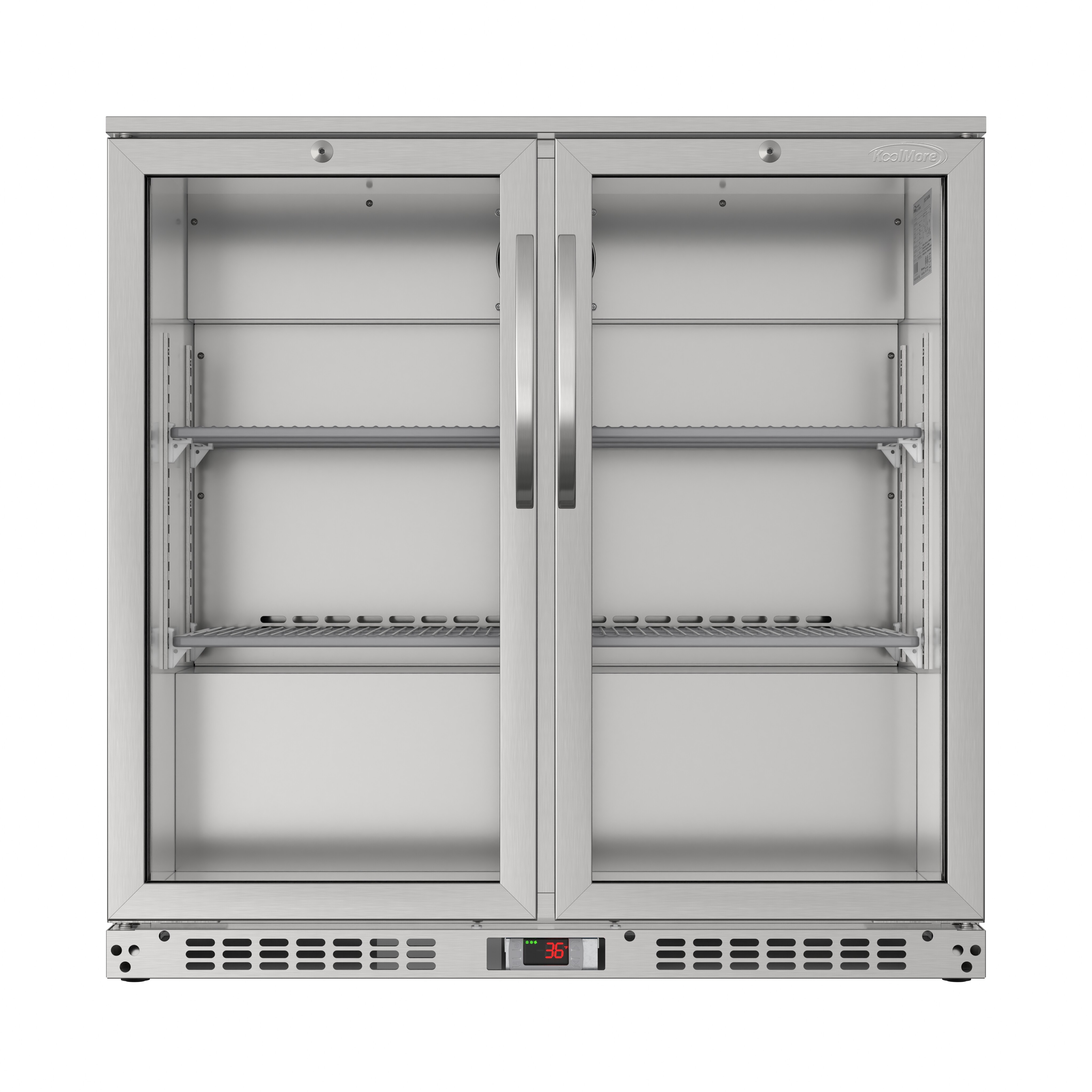
A convertible unit that runs as either all-fridge or all-freezer — which maps neatly onto Reddit's split-the-duty workaround. Run it as a freezer next to a drinks fridge, or flip it seasonally. Manual defrost. KoolMore states it is designed to function in ambient temperatures from 0°F to 110°F.
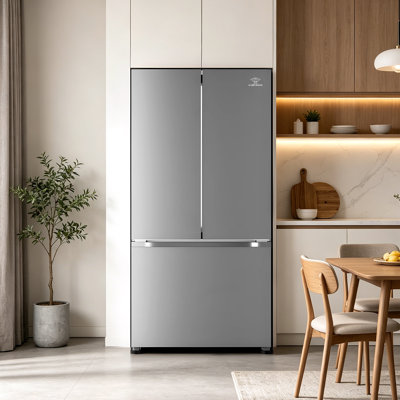
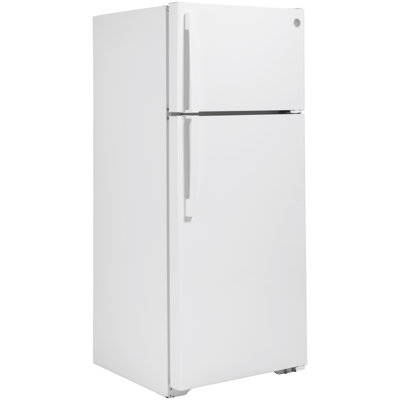
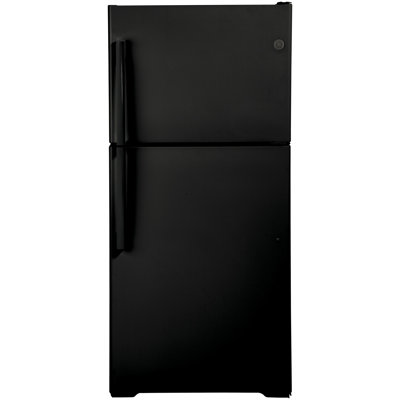
The full-size answer: an 18.3 cubic foot top freezer from Frigidaire, one of the brands named in the r/homeowners thread. Frigidaire markets this model as Garage Ready, but its spec sheet does not state an ambient operating range, so check the installation guide before relying on it in a garage. Top-freezer layout, no digital display, and no factory ice maker or water line to freeze — the kind of simple configuration commenters recommend for garage duty.
What Redditors Warn About
Trusting the phrase "garage ready" blindly. Commenters warn that for some brands it means survives-the-range, not holds-food-safe-temperatures across it. Look for the manufacturer's stated ambient operating range and compare it with your garage's coldest and hottest temperatures. Ranges vary by model: GE rates its garage-ready top freezers for 38°F to 110°F, which does not cover a garage that drops below freezing.
Putting a French door with ice and water in the garage. Commenters point out that water lines can freeze and say complex doors seal worse in temperature swings, and they recommend keeping garage fridges simple.
Ignoring your climate. An attached, insulated garage in a mild climate may never need a garage-rated unit; an unheated detached garage in the Midwest needs a unit rated for its winter lows, and some garage-ready ratings stop at 38°F.
Expecting a bargain. A commenter in an r/Costco garage fridge thread says garage-ready units cost more because of their added hardware.
Prepping the Garage Before the Fridge Arrives
The recommendation threads spend as much time on the garage as on the fridge, because commenters see placement as a large part of the outcome. The checklist that emerges: give the unit a dedicated outlet on its own circuit — garage circuits shared with power tools trip breakers, and a tripped breaker discovered a week later is a spoiled-food story that comes up in these threads. Skip extension cords entirely; refrigerator manuals commonly warn against them, and undersized cords starve the compressor. Keep the fridge off exterior south- and west-facing walls if the garage bakes in summer, leave a few inches of clearance on all sides for the condenser to breathe, and set it on a level, hard surface rather than directly against a wall it can vibrate against.
Two upgrades the threads rate as high-value for harsh climates: insulating the garage door (a weekend kit can narrow the temperature swings the fridge has to fight) and adding a cheap wireless thermometer with a phone alert inside the freezer compartment. The thermometer advice comes up in threads where someone lost a freezer full of food — the failure is rarely dramatic, and an alert turns a silent multi-day thaw into a same-day fix. Owners in humid regions add one more: expect condensation on the cabinet in summer and keep cardboard boxes from sitting against it.
Finally, match the machine to what you will actually store. If the garage fridge is mostly a drinks-and-overflow box, capacity in the fresh section matters and the freezer is a bonus — a compact two-door can be enough there. If it is hunting season storage or bulk meat, the threads say stop shopping fridges and buy a dedicated garage-rated freezer, where every cubic foot works at zero degrees and the single-thermostat problem disappears entirely.
What is the best garage refrigerator according to Reddit?
There is no single Reddit answer. In the r/Appliances thread linked above, one commenter calls Gladiator (a Whirlpool company) the maker of the best true garage refrigerator. Other commenters suggest a simple top-freezer that the manufacturer rates for garage use, from brands such as Frigidaire or GE, or splitting duties between a freezerless fridge and a chest freezer.
Why does a normal fridge fail in a cold garage?
The single thermostat sits in the fridge compartment. When the garage is as cold as the set point, the thermostat never calls for cooling, the compressor sits idle, and the freezer thaws even though the fridge section seems fine. Redditors describe this failure in more than one thread.
What does "garage ready" actually mean?
It means the manufacturer designed the unit for a wider ambient range than a standard refrigerator, but the range varies by brand and model. GE, for example, rates its garage-ready top freezers for 38°F to 110°F, and Whirlpool says ranges vary by product. Commenters warn that some brands mean only that the unit will not be damaged, so check the stated operating range against your garage's coldest and hottest temperatures.
Is a chest freezer better than a fridge-freezer for a garage?
For frozen storage, generally yes. Chest freezers use a dedicated thermostat, so they avoid a combined unit's shared-thermostat problem, but they still need a rating that covers your garage's temperatures. That is why the split setup — drinks fridge plus garage-rated freezer — comes up as an answer in these threads.
Can I put a standard refrigerator in an attached garage?
Only if the garage stays within the operating range in the refrigerator's manual all year. GE, for example, advises against installing a standard refrigerator where the temperature will go below 60°F or above 110°F unless its manual says otherwise, and Whirlpool says its standard refrigerators are intended for indoor, climate-controlled environments. Outside the stated range, buy a garage-rated model or split the duty.
Do garage-ready refrigerators cost more?
Often, according to commenters, who say the added hardware costs more. Compare the garage-ready and standard versions of similar models before you buy. Commenters consider the premium cheap insurance against a freezer full of spoiled food.
There is no single Reddit answer. In the r/Appliances thread linked above, one commenter calls Gladiator (a Whirlpool company) the maker of the best true garage refrigerator. Other commenters suggest a simple top-freezer that the manufacturer rates for garage use, from brands such as Frigidaire or GE, or splitting duties between a freezerless fridge and a chest freezer.