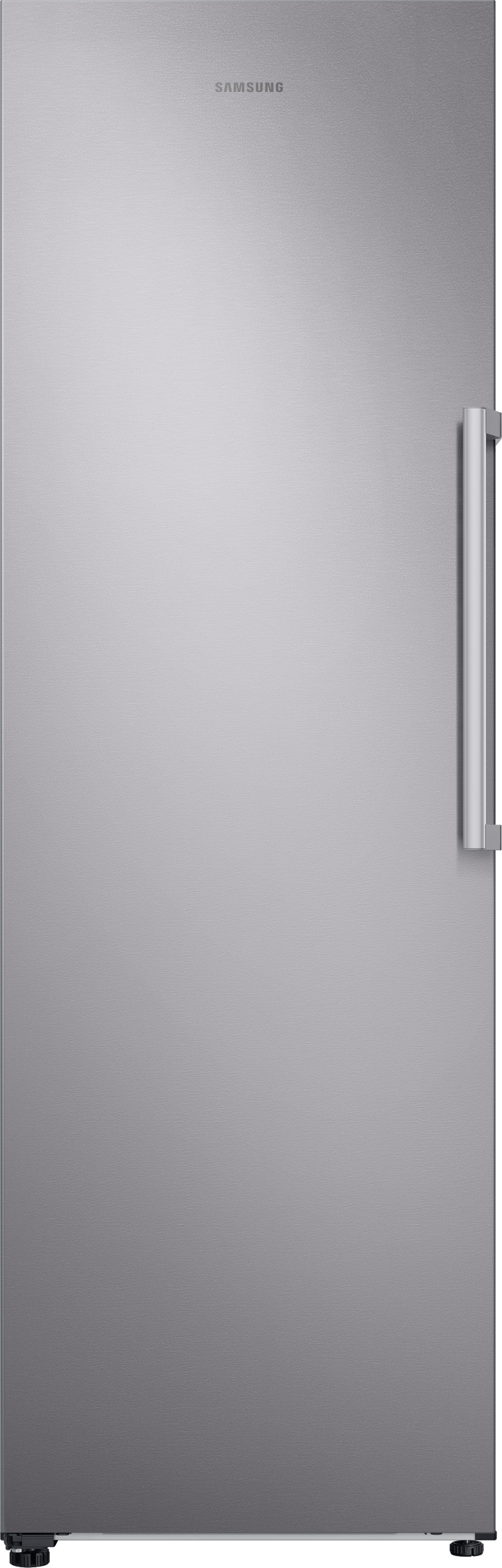
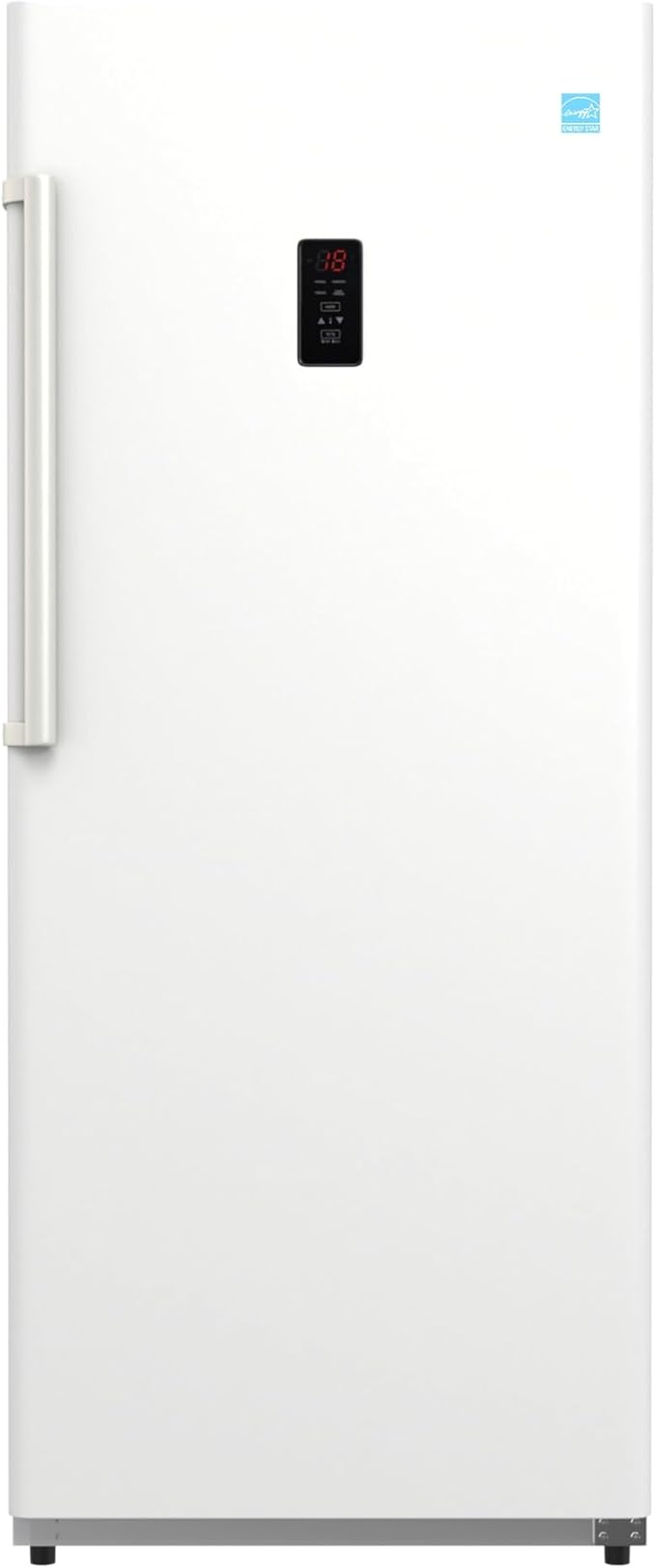
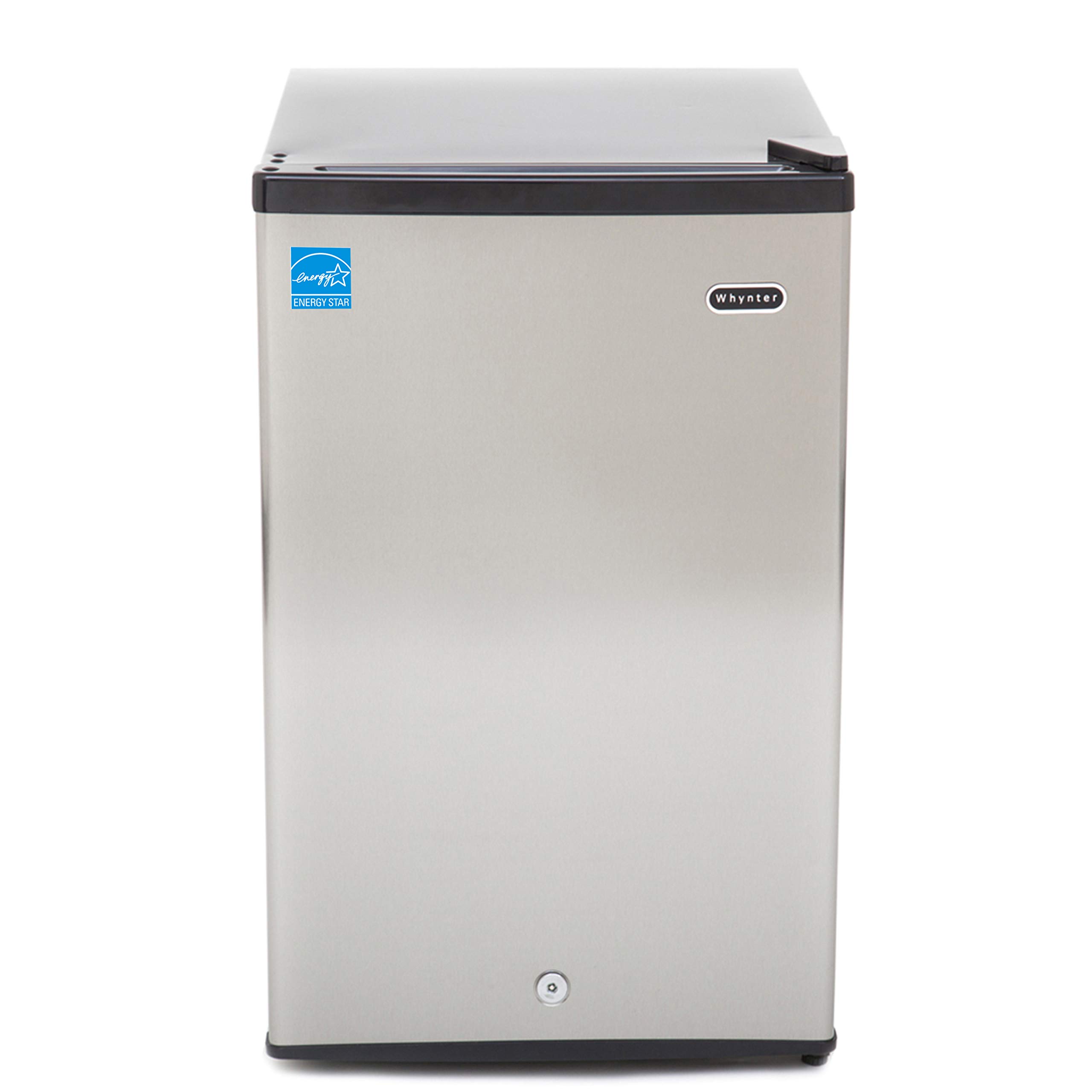
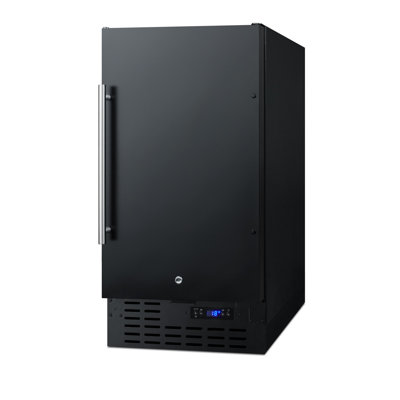
A 5 door refrigerator and a freezerless refrigerator represent opposite philosophies in kitchen cooling. The 5 door model divides storage into the most compartments available in a consumer refrigerator. The freezerless model eliminates the freezer entirely and dedicates every cubic foot to fresh food. This comparison breaks down the practical differences so you can match the right appliance to how you actually use your kitchen.
How Each Design Works
A 5 door refrigerator features two French-style upper doors for the main fridge section, a middle drawer (often a flex zone), and two lower drawers — one for additional fridge or deli storage and one dedicated freezer. Some configurations use a full-width middle drawer plus a split bottom section. Total capacity ranges from 25 to 30 cubic feet. The five access points let you reach specific items without exposing the entire interior to warm room air.
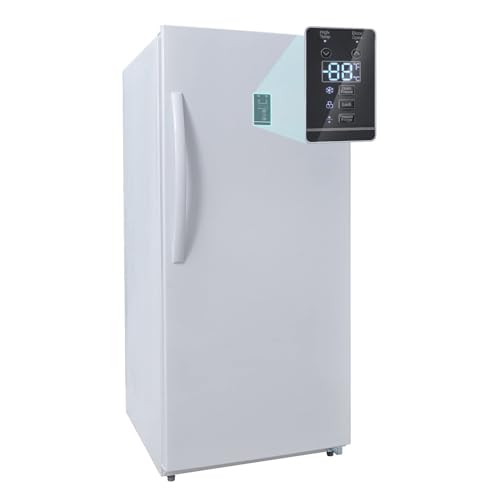
A freezerless refrigerator is a single-purpose appliance — 100 percent refrigerator with no freezer compartment at all. These range from 16 to 21 cubic feet in a full-size upright format, roughly 30 to 33 inches wide and 60 to 72 inches tall. Every shelf, drawer, and bin stores fresh food. The interior mirrors a standard top or bottom mount refrigerator but uses the space where the freezer would normally be for additional fridge shelving.
Storage Capacity Breakdown
| Compartment | 5 Door Refrigerator | Freezerless Refrigerator |
|---|---|---|
| Fresh Food Section | 14 - 18 cu ft | 16 - 21 cu ft |
| Flex/Deli Drawer | 2 - 4 cu ft | Integrated into main |
| Freezer Section | 5 - 8 cu ft | None |
| Total | 25 - 30 cu ft | 16 - 21 cu ft |
The 5 door model wins on total volume by a wide margin. But if you already own a separate chest freezer or upright freezer, the freezerless refrigerator gives you more fresh food space per inch of kitchen footprint than the fresh food section of a 5 door model. Pairing a freezerless fridge with a standalone freezer in the garage or basement is a strategy used by serious home cooks, meal preppers, and families who buy fresh produce in bulk.
Organization and Access
Five separate compartments mean five separate microclimates. The main fridge section handles everyday items. The flex drawer can switch between 29 and 42 degrees for meats, cheeses, wine, or snacks. The deli drawer maintains slightly cooler temperatures for cold cuts and prepared foods. The freezer drawer stores frozen goods with pull-out dividers. You can access any zone without opening the others, which reduces cold air loss and keeps temperatures stable.
A freezerless refrigerator uses a single-zone approach. The entire interior runs at one temperature (typically 37 degrees) with adjustable shelving, full-width drawers, crisper bins, and door storage. Organization is simpler but less specialized. Without compartment barriers, items can be arranged freely, which is an advantage for storing large or irregularly shaped items like stock pots, sheet pans, and watermelons.
Temperature Control and Performance
The 5 door refrigerator uses multi-zone cooling with independent sensors in each compartment. Some models feature triple evaporator systems that prevent odor and moisture transfer between the fridge, flex drawer, and freezer. Digital controls let you set each zone to the exact degree. The complexity of the cooling system matches the complexity of the compartment layout.
A freezerless refrigerator runs a single cooling system optimized entirely for one temperature range. Without the need to maintain a 0-degree freezer zone, the compressor runs less aggressively, which can lead to more consistent temperatures throughout the interior. Some freezerless models hold temperature within a 1-degree window across all shelves — tighter than many multi-zone systems manage in their fresh food sections.
Energy Consumption
| Type | Annual kWh | Estimated Annual Cost |
|---|---|---|
| 5 Door Refrigerator | 550 - 750 kWh | $70 - $95 |
| Freezerless Refrigerator | 300 - 450 kWh | $38 - $55 |
Eliminating the freezer section drops energy use substantially. A freezer running at 0 degrees requires the compressor to work significantly harder than maintaining a 37-degree fridge. If you pair a freezerless refrigerator with a separate chest freezer, the combined energy use may still be lower than a single 5 door model because chest freezers are extremely efficient at maintaining cold due to top-opening design and thick insulation.
Pricing
| Type | Budget | Mid-Range | Premium |
|---|---|---|---|
| 5 Door Refrigerator | $2,500 - $3,500 | $3,500 - $4,500 | $4,500 - $6,000+ |
| Freezerless Refrigerator | $700 - $1,000 | $1,000 - $1,500 | $1,500 - $2,200 |
A freezerless refrigerator costs a fraction of a 5 door model. Even when you add the cost of a separate standalone freezer ($200 to $800), the combination often comes in under the price of a 5 door unit while delivering more total cold storage.

Features Comparison
Five door refrigerators sit at the top of the feature ladder. Expect smart home integration, internal cameras, touchscreen displays, door-in-door panels, automatic ice makers, water dispensers, sabbath mode, and adjustable humidity in multiple zones. The flex drawer with adjustable temperature is the headline feature — it is essentially a customizable fifth compartment that adapts to whatever you need that week.
Freezerless refrigerators prioritize interior space over gadgets. Features include adjustable glass shelves, multiple humidity-controlled crisper drawers, gallon-size door bins, bright LED interior lighting, and digital temperature controls. There is no ice maker, no water dispenser, and no smart connectivity in most models. The design philosophy is maximum storage with minimum complexity.
Physical Dimensions
A 5 door refrigerator stands 70 to 72 inches tall, 35 to 36 inches wide, and 30 to 35 inches deep. These are among the largest consumer refrigerators available and require a generous kitchen opening.
A freezerless refrigerator stands 60 to 72 inches tall, 29 to 33 inches wide, and 28 to 34 inches deep. The narrower footprint fits into spaces that cannot accommodate a wide 5 door unit. Some models are counter-depth by default since there is no rear-mounted freezer compressor to add bulk.
Noise and Operation
A 5 door refrigerator with an inverter compressor runs at 38 to 44 decibels. The multiple cooling zones may produce slightly more cycling noise as different sections call for cooling at different times. Ice makers add occasional mechanical sounds during harvest cycles.
A freezerless refrigerator operates at 34 to 40 decibels. The single-zone cooling system cycles less frequently, and the absence of an ice maker eliminates one of the most common refrigerator noise sources. For open-concept living spaces where kitchen noise carries, the freezerless model runs quieter.
Ideal Users
A 5 door refrigerator suits large households that want everything in one appliance — fresh food, flex storage, and frozen goods. If you do not have room for a separate freezer and need the convenience of a single unit with maximum compartmentalization, the 5 door delivers.
A freezerless refrigerator suits cooks who prioritize fresh ingredients and already own or plan to buy a standalone freezer. It is popular among plant-based eaters with heavy produce consumption, home canners, CSA subscribers who receive large weekly vegetable boxes, and anyone who shops daily at farmers markets. The all-fridge interior also works well in commercial settings like offices and medical facilities that need cold storage without freezer functionality.
Shop Both at Fridge.com
Compare 5 door refrigerators and freezerless refrigerators at Fridge.com. Browse by capacity, dimensions, brand, and price to find the configuration that matches your kitchen strategy.