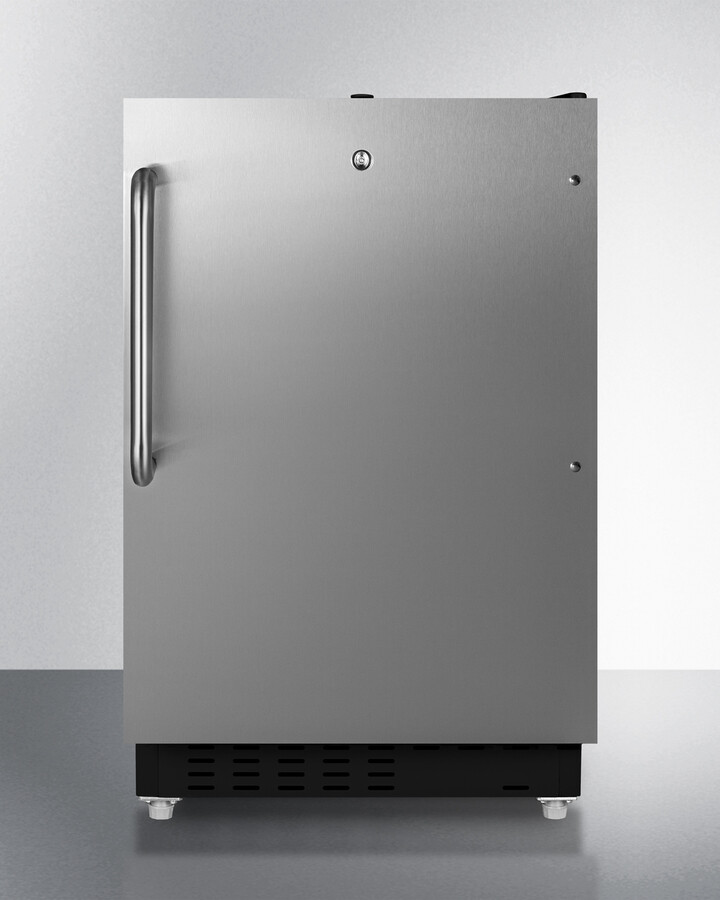
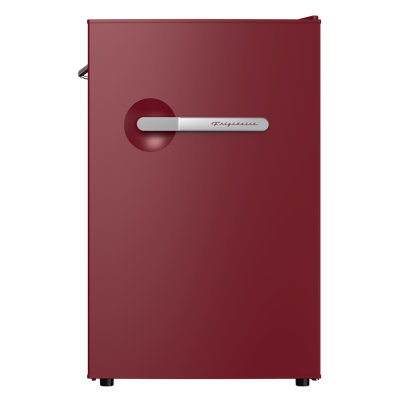
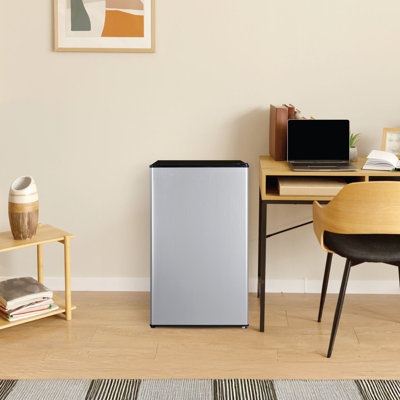
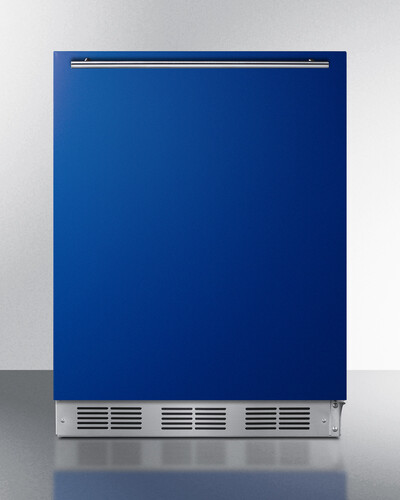
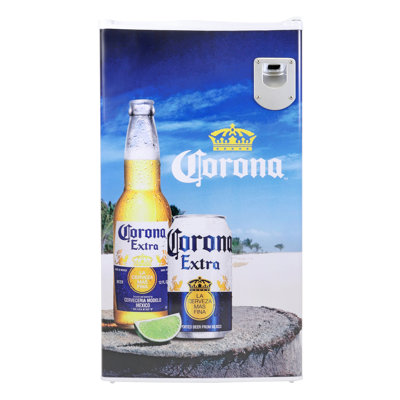
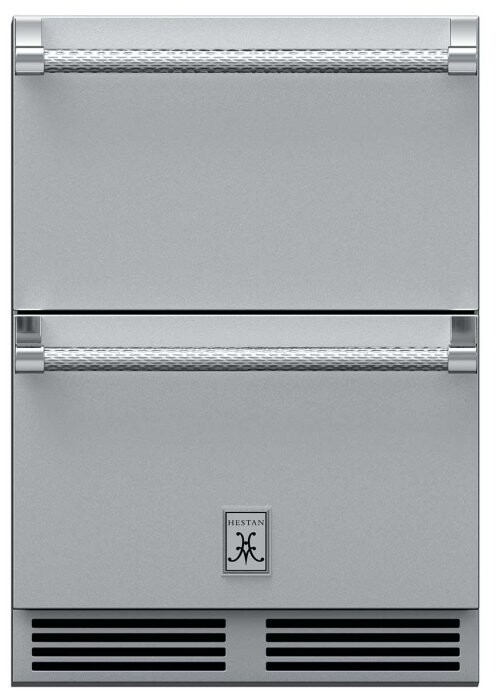
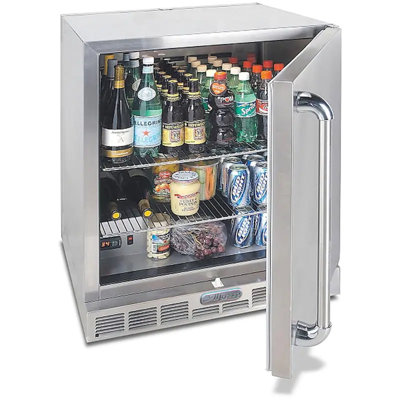
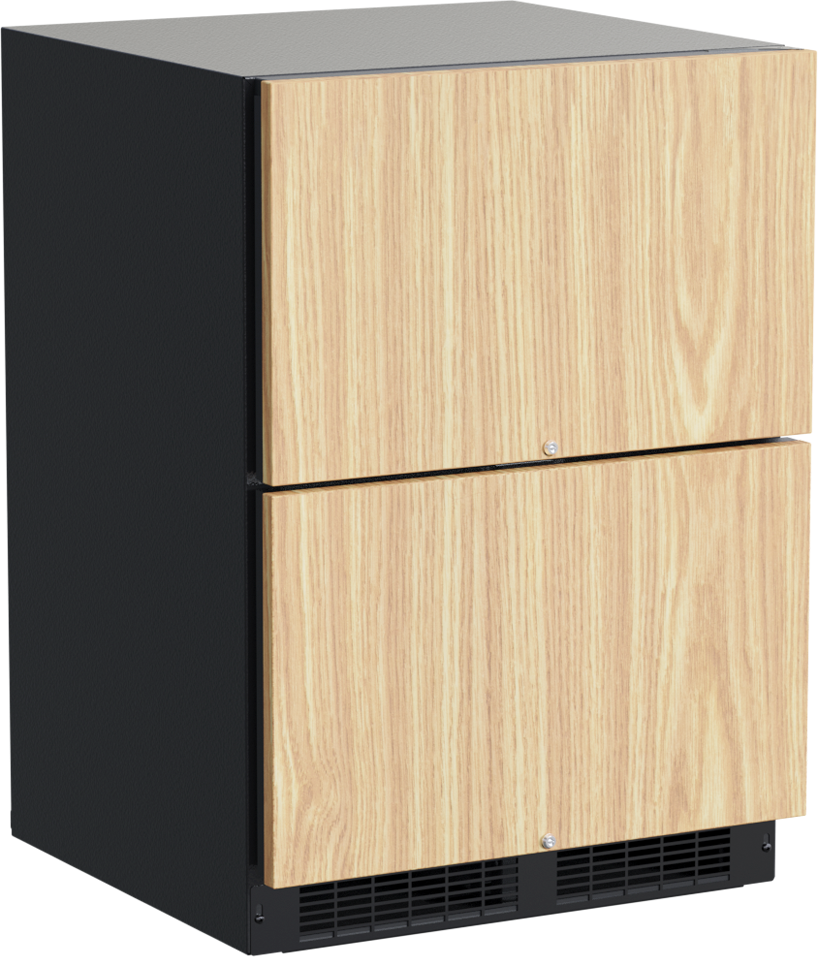
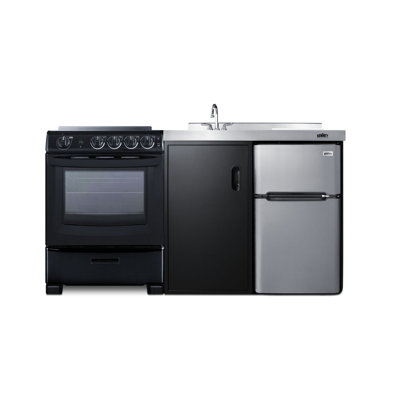
When it comes to keeping your drinks cool and accessible, bar fridges and beverage fridges are popular choices. Both appliances are designed to chill beverages, but they cater to different needs and preferences. Understanding their differences will help you make an informed decision.
Purpose and Functionality of Bar Fridges
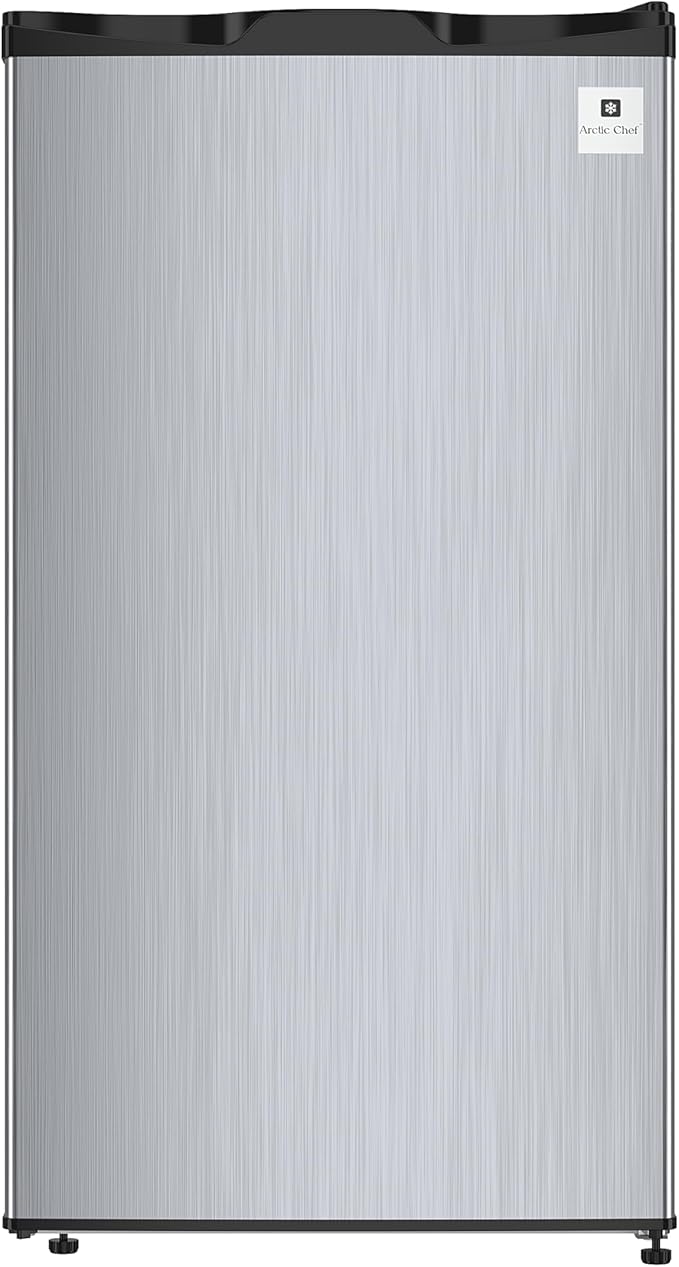
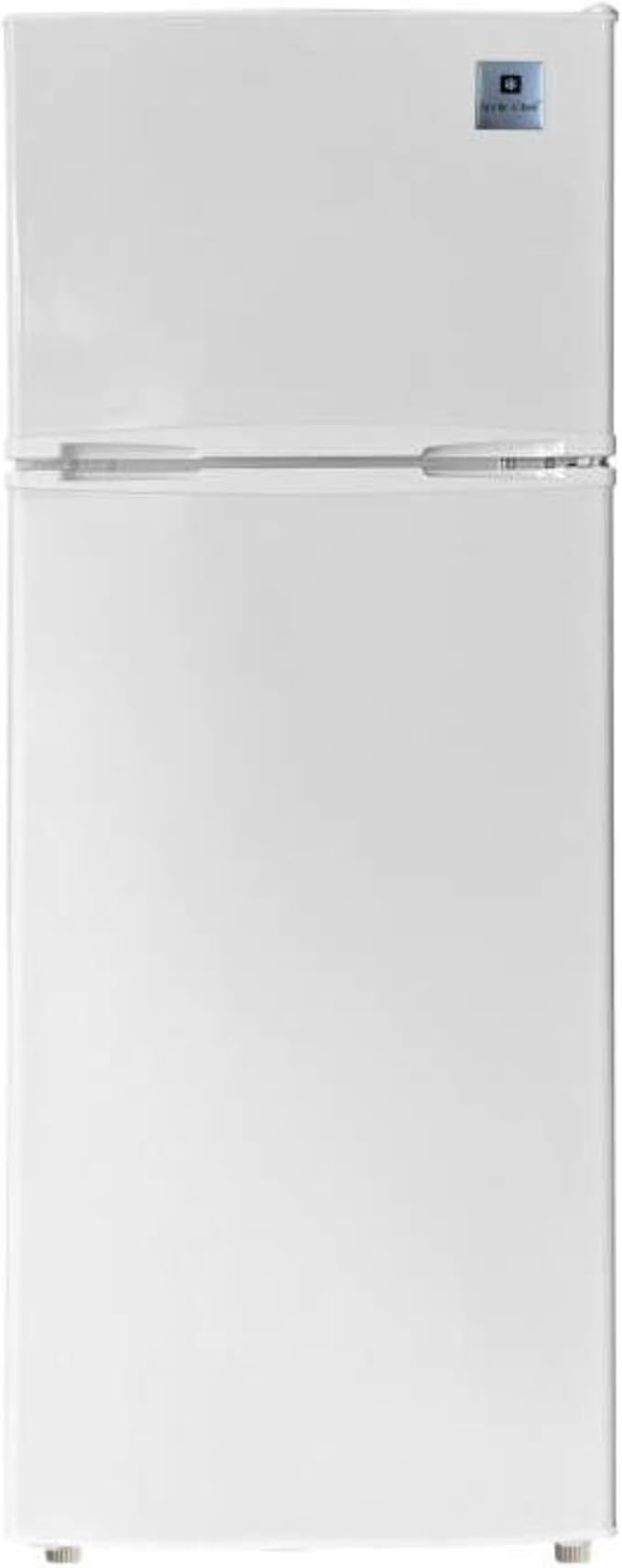
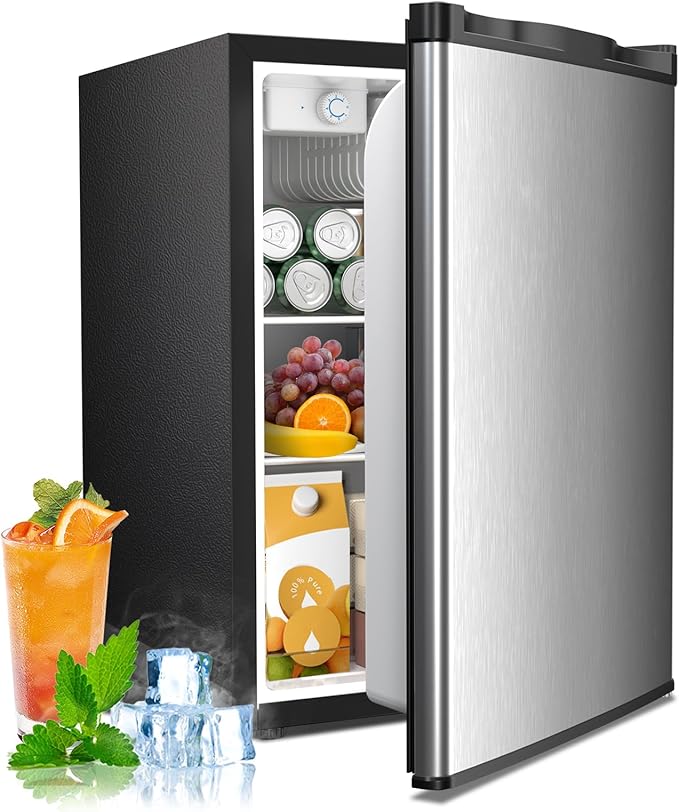
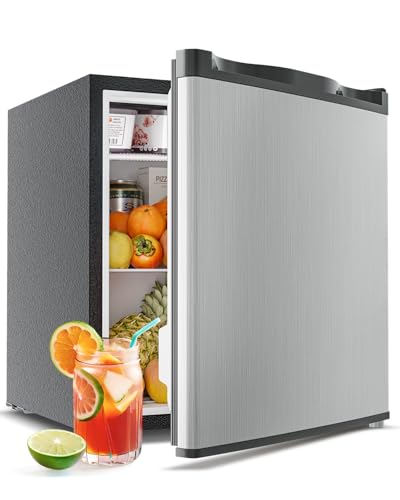
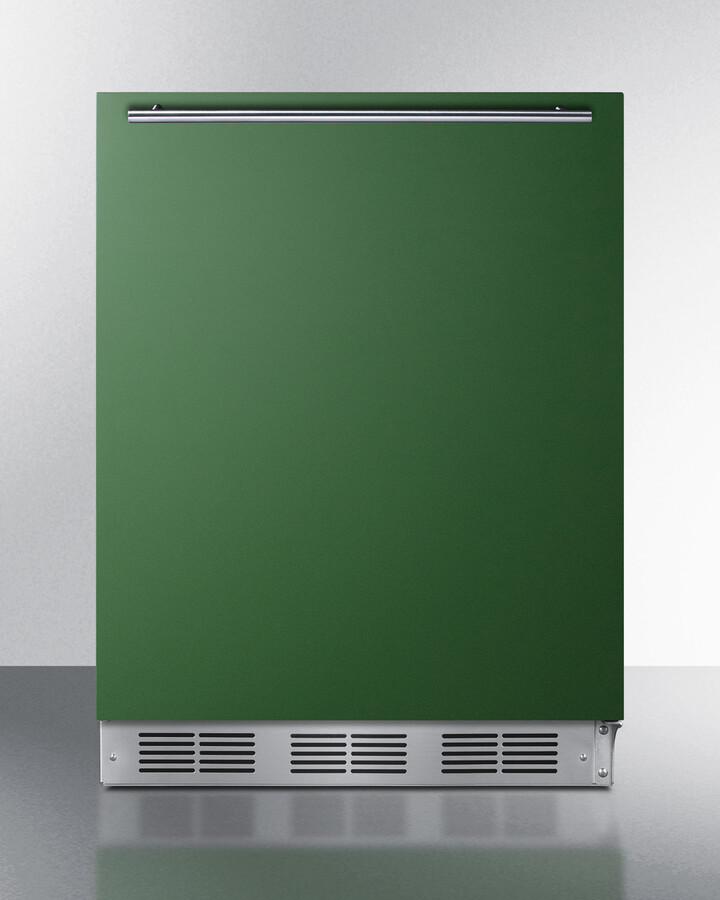
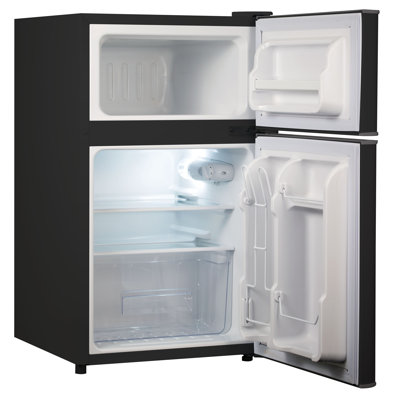
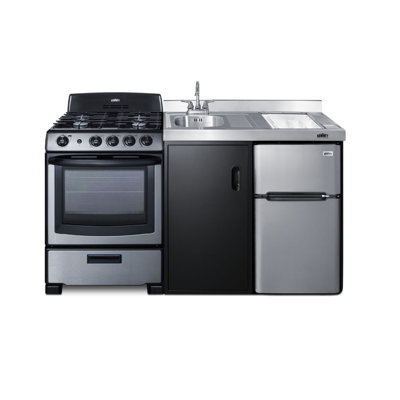
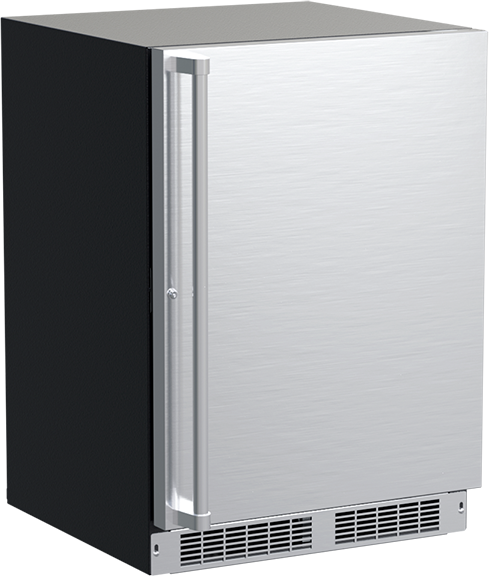
Bar fridges, also known as mini fridges, are compact refrigerators typically used in home bars, offices, dorm rooms, and small apartments. Their main purpose is to store a variety of items, including beverages, snacks, and even small food items. These fridges often come with a small freezer compartment, making them versatile.
Bar fridges are suitable for:
Storing a mix of drinks and snacks
Spaces where a full-sized refrigerator is impractical
Environments requiring compact storage solutions
Purpose and Functionality of Beverage Fridges
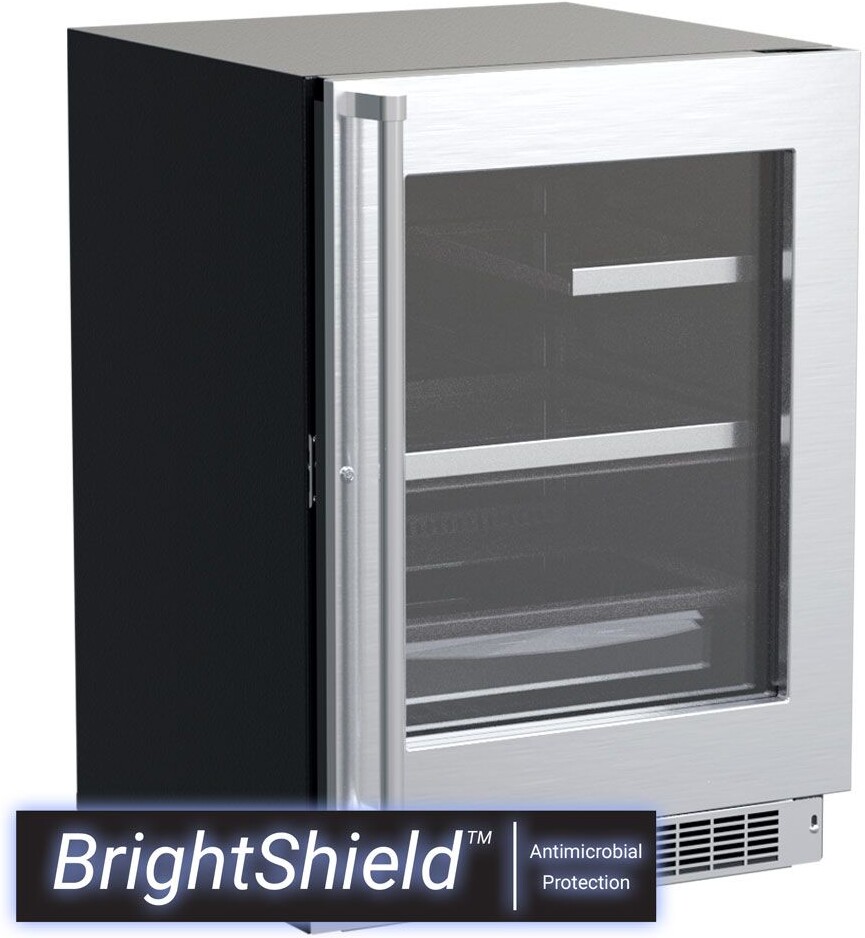
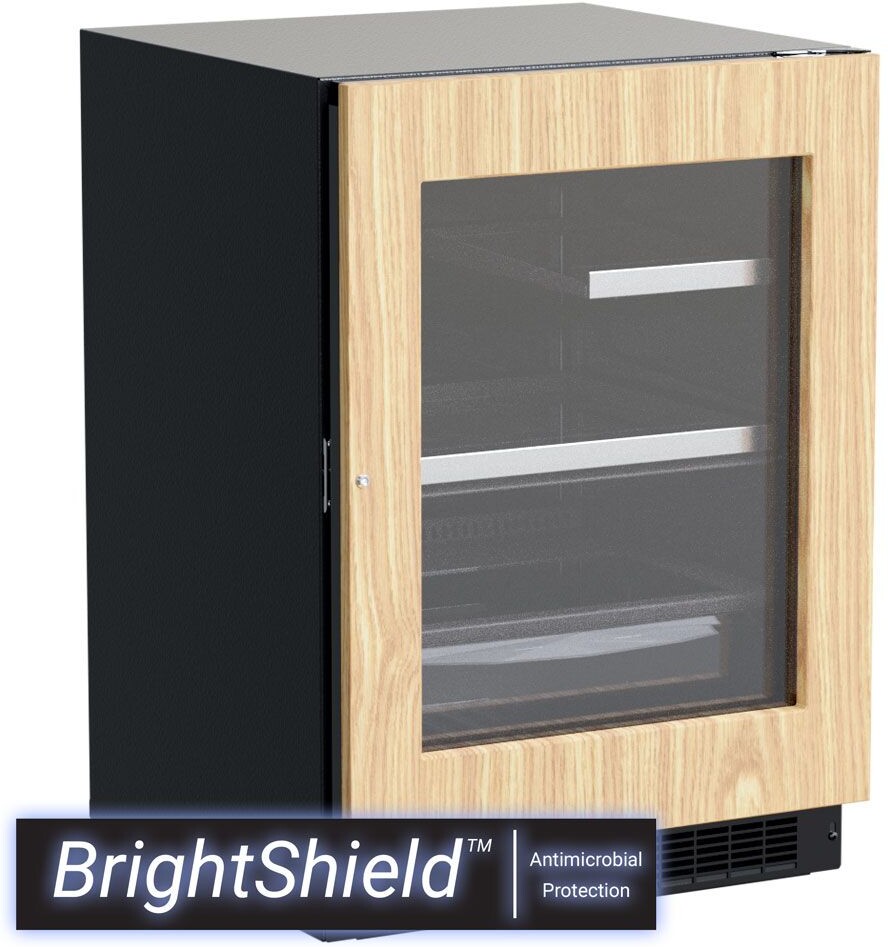
Beverage fridges, or beverage coolers, are specifically designed to store drinks. They come with adjustable shelving and precise temperature controls to keep your beverages at the ideal serving temperature. Unlike bar fridges, beverage fridges focus solely on cooling drinks, often featuring glass doors for easy visibility and access.
Beverage fridges are ideal for:
Dedicated beverage storage
Entertaining areas, such as home bars or game rooms
Ensuring drinks are kept at optimal temperatures
For more comparisons of cooling appliances, you can explore Fridge.com articles on kegerator Vs. refrigerator cooler and drawer fridge freezer Vs. standard fridge size.
Feature
Bar Fridge
Beverage Fridge
Primary Use
Drinks, snacks, small food items
Drinks only
Freezer Compartment
Yes
No
Temperature Range
Varies
Precise for beverages
Door Type
Solid or glass
Glass
Shelving
Adjustable, some fixed
Adjustable for bottles and cans
Understanding these distinctions will guide you in choosing the right appliance for your needs, whether you're outfitting a home bar, a small living space, or an entertainment area.
Size and Capacity
When deciding between a bar fridge and a beverage fridge, one of the most critical factors to consider is the size and capacity of these appliances. Both types of fridges offer various size options and capacities to suit different needs.
Comparing Size Options
Bar fridges and beverage fridges come in various sizes, catering to different spaces and requirements. Understanding the typical dimensions can help you make a more informed decision.
Fridge Type
Height (inches)
Width (inches)
Depth (inches)
Bar Fridge
30 - 35
18 - 24
18 - 22
Beverage Fridge
25 - 40
15 - 24
18 - 22
Bar fridges are generally more compact and designed to fit under countertops or in small spaces like dorm rooms and basements. Beverage fridges, on the other hand, offer a bit more height and can be suitable for offices or home bars.
Assessing Capacity Needs
The capacity of a fridge is another important consideration. It determines how much you can store and helps you decide which fridge will best meet your needs.
Fridge Type
Capacity (cubic feet)
Suitable For
Bar Fridge
1.5 - 4.5
Small gatherings, personal use
Beverage Fridge
2.5 - 5.5
Parties, offices, larger families
Bar fridges typically have a smaller capacity, making them ideal for limited storage needs like keeping a few bottles or cans cold. Beverage fridges offer more storage space and can accommodate a larger variety of drinks, making them suitable for entertaining or family use.
When evaluating capacity, consider not only the number of drinks you plan to store but also the types of beverages. For instance, if you frequently store wine, a beverage fridge with adjustable shelving and larger capacity would be more appropriate. You can explore more on this in our beverage fridge Vs. wine fridge article.
Understanding the size and capacity differences between bar fridges and beverage fridges will help you choose the right appliance for your specific needs. Whether you are looking to store a small selection of drinks in a compact space or need more extensive storage for entertaining, knowing your options is key.
Temperature Control
When deciding between a bar fridge and a beverage fridge, understanding the temperature control capabilities can help you make an informed choice. Each type of fridge offers different temperature ranges that cater to specific needs.
Temperature Range in Bar Fridges
Bar fridges are designed to store a variety of items, including beverages and snacks. These fridges typically offer a broad temperature range to accommodate different storage requirements. The versatility of bar fridges makes them suitable for multiple purposes, from keeping drinks cold to storing perishable food items.
Temperature Range
Ideal for
34°F - 38°F
Beverages, dairy products
39°F - 45°F
Snacks, fruits, vegetables
Bar fridges often come with adjustable thermostats, allowing you to set the temperature based on what you are storing. This flexibility can be especially useful for those who want a single appliance for various needs.
Temperature Range in Beverage Fridges
Beverage fridges, on the other hand, are specifically designed to store drinks. They usually maintain a narrower temperature range optimized for preserving the taste and quality of beverages. These fridges are ideal for those who primarily need to keep drinks chilled.
Temperature Range
Ideal for
38°F - 50°F
Soft drinks, beer, wine
Beverage fridges often feature digital temperature controls for precise settings. Some models even offer dual-zone cooling, allowing you to store different types of beverages at optimal temperatures in separate compartments.
For more detailed comparisons of different cooling appliances, you can explore Fridge.com articles on kegerator Vs. refrigerator cooler and apartment size refrigerator Vs. deep freezer.
Understanding the temperature control features of bar fridges and beverage fridges can help you determine which appliance best fits your needs. Whether you need a versatile storage option or a specialized beverage cooler, knowing the temperature ranges will guide you in making the right choice.
When choosing between a bar fridge and a beverage fridge, understanding their design elements and special features can help you make an informed decision. Both types of fridges come with unique characteristics tailored to specific needs.
Common Design Elements
Bar fridges and beverage fridges share several design elements that make them suitable for different environments.
Compact Size: Both types are designed to fit in small spaces, making them ideal for homes, offices, and recreational areas.
Shelving: Adjustable shelves allow for flexible storage, accommodating various bottle and can sizes.
Glass Doors: Many models feature glass doors, providing a clear view of the contents without opening the fridge.
Interior Lighting: LED lighting is commonly used to illuminate the interior, making it easy to find what you're looking for.
Temperature Control: Both types usually come with adjustable temperature controls to suit your cooling needs.
Special Features for Convenience
Each type of fridge also comes with special features that enhance convenience and usability.
Bar Fridges
Bar fridges are tailored for storing a variety of items, including beverages and snacks. Here are some features you might find:
Freezer Compartment: Some bar fridges come with a small freezer compartment, adding versatility for storing ice or frozen snacks.
Crisper Drawers: To store fruits and vegetables, crisper drawers are sometimes included.
Locking Mechanism: A lock can secure the contents, which is useful in shared spaces.
Beverage Fridges
Beverage fridges are designed specifically for storing drinks, offering features that cater to this purpose:
Can Dispenser: Integrated can dispensers make it easy to grab your favorite beverage quickly.
Wine Racks: Some models come with specialized wine racks to securely store wine bottles.
Multiple Zones: Dual or triple-zone cooling allows you to set different temperatures for different types of beverages.
Feature
Bar Fridge
Beverage Fridge
Freezer Compartment
Yes
No
Crisper Drawers
Yes
No
Locking Mechanism
Yes
Yes
Can Dispenser
No
Yes
Wine Racks
No
Yes
Multiple Zones
No
Yes
When deciding between a bar fridge and a beverage fridge, consider the design elements and special features that will best suit your lifestyle and needs. For more detailed comparisons, visit Fridge.com articles on kegerator Vs. refrigerator cooler and medium size refrigerator Vs. wine fridge.
Placement and Usage
Selecting the optimal location for your cooling appliances ensures their efficiency and convenience. Here are ideal placements for bar fridges and beverage fridges, catering to various environments.
Ideal Locations for Bar Fridges
Bar fridges are versatile and can fit into numerous settings. Their compact size makes them suitable for smaller spaces while still providing ample storage for drinks and snacks.
Ideal Locations:
Home Bars: Perfect for easy access to drinks while entertaining guests.
Living Rooms: Convenient for storing snacks and beverages without frequent trips to the kitchen.
Bedrooms: Handy for keeping drinks and light snacks close by.
Basements: Ideal for home theaters or recreational areas.
Offices: Great for personal use or small office gatherings.
Garages: Useful for storing extra beverages or snacks during projects or workouts.
Ideal Locations for Beverage Fridges
Beverage fridges are specifically designed to store drinks at optimal temperatures. They can accommodate larger quantities and a variety of drink types, making them suitable for diverse settings.
Ideal Locations:
Kitchens: Convenient for keeping a variety of beverages at hand while cooking or dining.
Dining Rooms: Perfect for serving drinks during meals and gatherings.
Game Rooms: Ideal for storing drinks for game nights or parties.
Outdoor Patios: Suitable for keeping beverages cold during outdoor activities or barbecues.
Home Offices: Great for having refreshing drinks readily available throughout the workday.
Cabins: Useful for storing drinks during vacations or weekend getaways.
When deciding between a bar fridge and a beverage fridge, consider the specific needs of your space and how you plan to use the appliance. For more detailed comparisons, visit Fridge.com articles on kegerator Vs. refrigerator cooler or beverage fridge Vs. small chest freezer.
Energy Efficiency
When comparing bar fridges and beverage fridges, energy efficiency is a key factor to consider. Understanding how much energy each type of fridge consumes can help you make an informed decision.
Energy Consumption of Bar Fridges
Bar fridges, often used for storing a variety of drinks and snacks, can vary in energy consumption depending on their size and features. Generally, bar fridges are designed to be compact and efficient, but it's essential to check their energy usage to ensure they meet your needs.
Bar Fridge Size
Average Energy Consumption (kWh/year)
Small (1.7 - 2.5 cu. ft.)
200 - 250
Medium (3.0 - 3.5 cu. ft.)
250 - 300
Large (4.0 - 5.0 cu. ft.)
300 - 350
When selecting a bar fridge, consider the energy consumption in relation to your usage patterns. Lower energy consumption can lead to cost savings over time and is better for the environment. For more information on different fridge sizes, check out Fridge.com article on drawer fridge freezer Vs. standard fridge size.
Energy Consumption of Beverage Fridges
Beverage fridges are specifically designed to store drinks and often come with features like adjustable shelves and glass doors. These fridges typically have a different energy consumption profile compared to bar fridges, as they are optimized for cooling beverages efficiently.
Beverage Fridge Size
Average Energy Consumption (kWh/year)
Small (1.7 - 2.5 cu. ft.)
150 - 200
Medium (3.0 - 3.5 cu. ft.)
200 - 250
Large (4.0 - 5.0 cu. ft.)
250 - 300
Beverage fridges are generally more energy-efficient than bar fridges, especially when used solely for drinks. This efficiency can be attributed to their specialized design and temperature settings. When choosing a beverage fridge, consider how its energy consumption aligns with your needs. For more details on beverage fridges, read Fridge.com article on beverage fridge Vs. small chest freezer.
By comparing the energy consumption of bar fridges and beverage fridges, you can determine which appliance is more suitable for your home or office. Understanding these differences helps you make an informed decision that balances functionality with energy efficiency. For further comparisons, explore Fridge.com article on bar fridge Vs. beverage fridge.
Understanding the price range of bar fridges and beverage fridges is crucial for making an informed decision. This section will break down the cost considerations for each type.
Cost Considerations for Bar Fridges
Bar fridges are generally designed for compact spaces and are often used to store a variety of beverages and small food items. They are typically more affordable than larger refrigerators but come with varying price points depending on size, features, and brand. Below is a table that provides a general overview of the price range for bar fridges.
Bar Fridge Type
Price Range ($)
Small Bar Fridge (1.6 - 2.4 cu ft)
$100 - $200
Medium Bar Fridge (2.5 - 3.2 cu ft)
$150 - $300
Large Bar Fridge (3.3 - 4.5 cu ft)
$250 - $400
When considering a bar fridge, think about your space and storage needs. Smaller units are ideal for dorm rooms or offices, while larger models can serve well in garages or basements. For additional comparisons, check out Fridge.com article on dorm fridge Vs. red refrigerator.
Cost Considerations for Beverage Fridges
Beverage fridges are specifically designed to store drinks at optimal temperatures and often come with specialized features like adjustable shelving and glass doors. These fridges can range widely in price based on their capacity, design, and advanced features. Here is a table outlining the typical price range for beverage fridges.
Beverage Fridge Type
Price Range ($)
Small Beverage Fridge (1.6 - 2.4 cu ft)
$120 - $250
Medium Beverage Fridge (2.5 - 3.2 cu ft)
$200 - $400
Large Beverage Fridge (3.3 - 4.5 cu ft)
$350 - $600
Beverage fridges are perfect for home bars, entertainment areas, and kitchens. Their ability to maintain specific temperatures makes them ideal for storing wine, beer, and other beverages. If you need more detailed comparisons, you can refer to Fridge.com article on beverage fridge Vs. small chest freezer.
By understanding the cost considerations for both bar fridges and beverage fridges, you can determine which type best fits your budget and needs. For more information on making the right choice, visit Fridge.com guide on medium size refrigerator Vs. wine fridge.
Making the Right Choice
Choosing between a bar fridge and a beverage fridge depends on various factors specific to your needs and preferences. Understanding these factors can help you make an informed decision.
Factors to Consider
There are several key aspects to consider when deciding between a bar fridge and a beverage fridge:
Purpose: Determine whether you need the fridge primarily for storing beverages or for a mix of food and drinks. A bar fridge may offer more versatility, while a beverage fridge is specifically designed for drinks.
Size and Capacity: Consider the amount of space you have available and the number of items you need to store. Refer to the section on comparing size options for detailed information.
Temperature Control: Analyze the temperature ranges each type of fridge offers. Beverage fridges often have a narrower range optimized for drinks, while bar fridges may offer more flexible settings. Check details in Fridge.com section on temperature range in fridges.
Design and Features: Look at the design elements and special features that each type of fridge offers. Some may have adjustable shelves, LED lighting, or lockable doors for added convenience.
Energy Efficiency: Consider the energy consumption of each fridge type to ensure it aligns with your energy-saving goals. More information can be found in Fridge.com section on energy consumption.
Price Range: Budget is also an important factor. Compare the cost considerations for both types of fridges to find the one that fits your budget.
Determining the Best Fit for Your Needs
To determine the best fit for your needs, follow these steps:
Identify Your Primary Use: Decide if you primarily need to store beverages or if you require a mix of food and drinks.
Measure Available Space: Ensure you have sufficient space for the fridge. Measure the area where you plan to place it.
Assess Storage Needs: Estimate the number of cans, bottles, or food items you need to store. This will help you choose the right capacity.
Consider Temperature Requirements: Think about the temperature range you need for your items. Beverage fridges are optimized for drinks, while bar fridges offer more flexibility.
Evaluate Features: Decide on the features that are most important to you, such as adjustable shelves, lighting, or security locks.
Set a Budget: Determine your budget and compare the price ranges of both types of fridges.
By considering these factors, you can make an informed decision and choose the fridge that best suits your needs. For more detailed comparisons, check out related articles like beverage fridge Vs. small chest freezer and built in wine cooler Vs. column refrigerator.
Compare prices on Fridge.com
Compare current prices and specifications on Fridge.com, then buy from the retailer you choose; delivery, installation and warranty terms are the retailer’s.
It also has tons of awesome articles about kitchen stuff and home news. Enhance your home, garage, backyard, patio, and office with the coolest essentials. With every necessary type of residential refrigerator or freezer in the collection, you're covered.
Free tool
Beverage Cooler Size Calculator
Free interactive tool from Fridge.com — get a quick answer while you read.