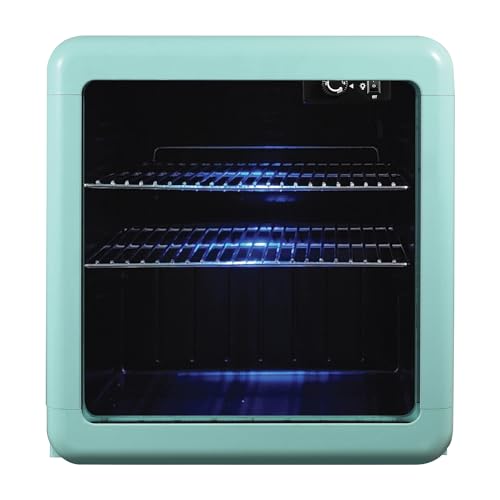
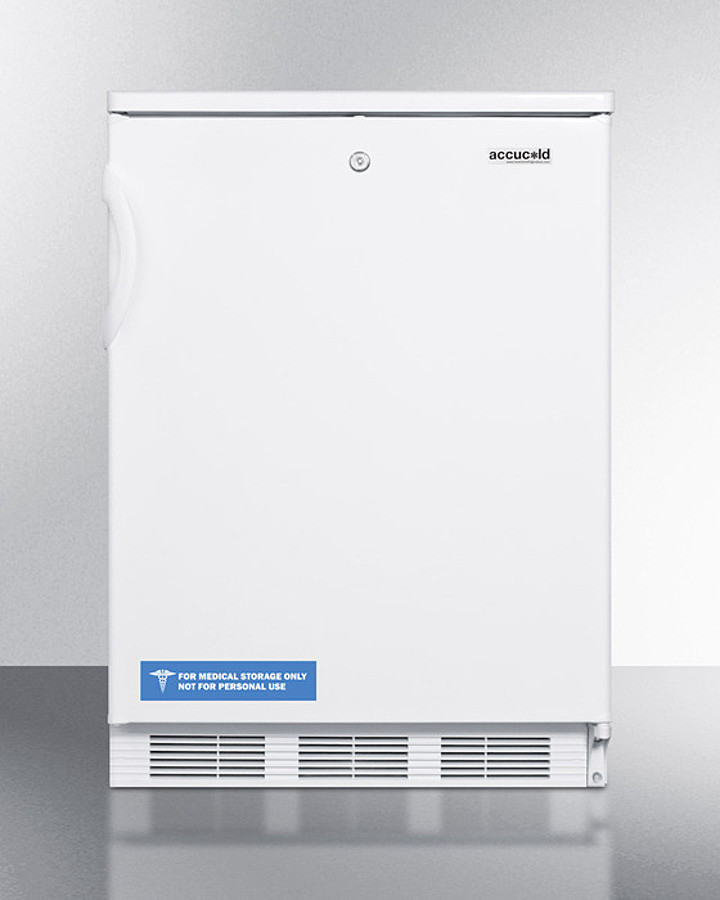
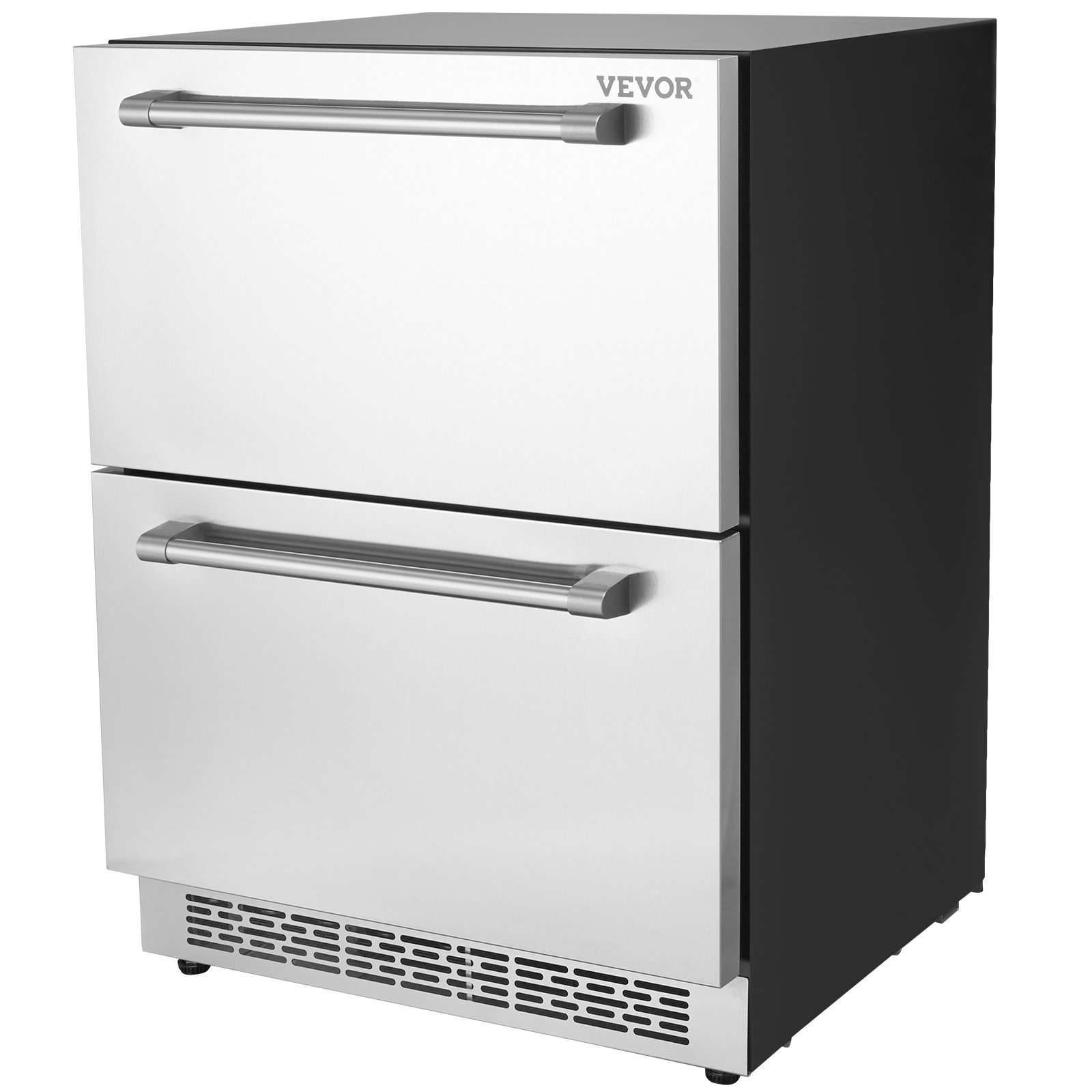
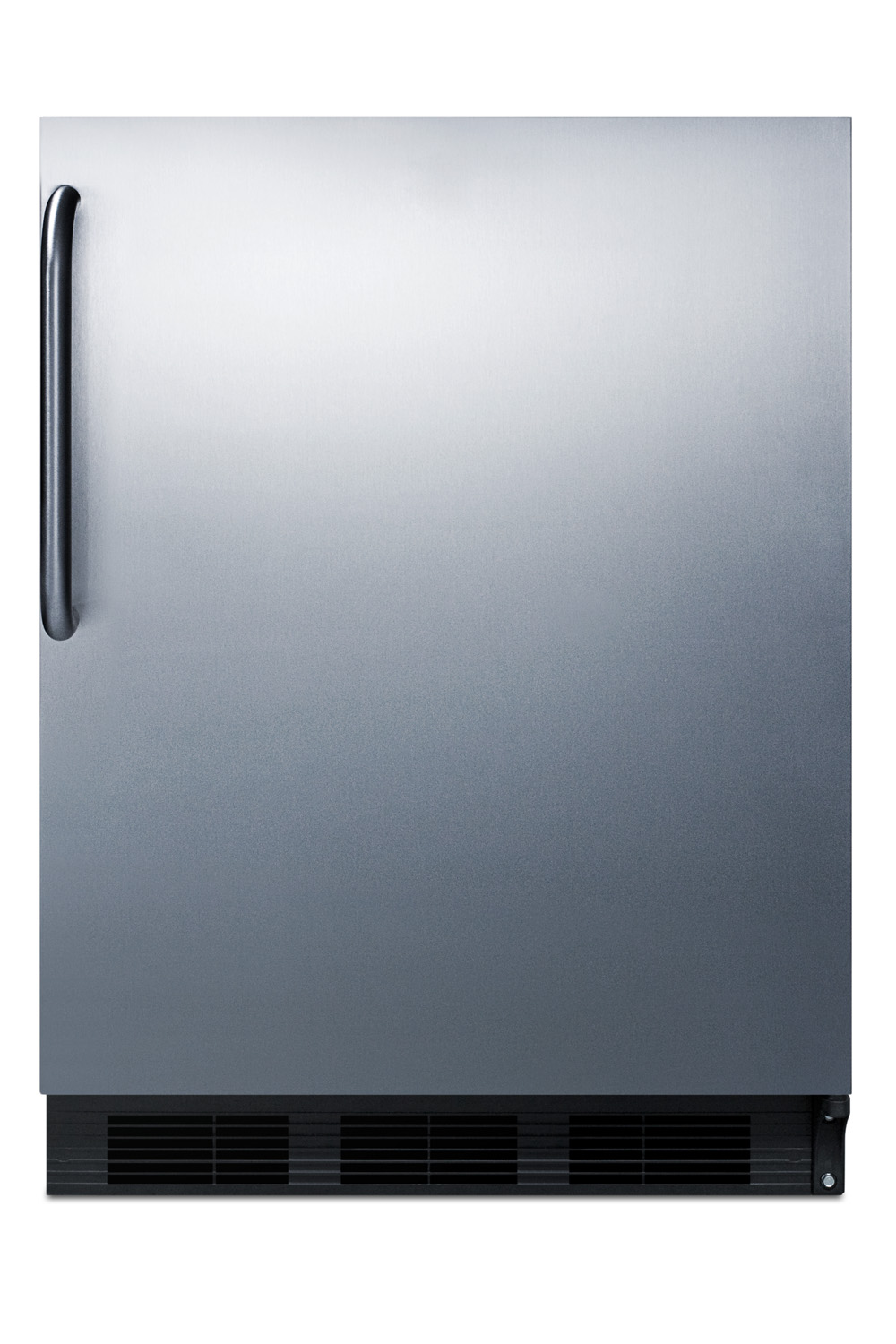
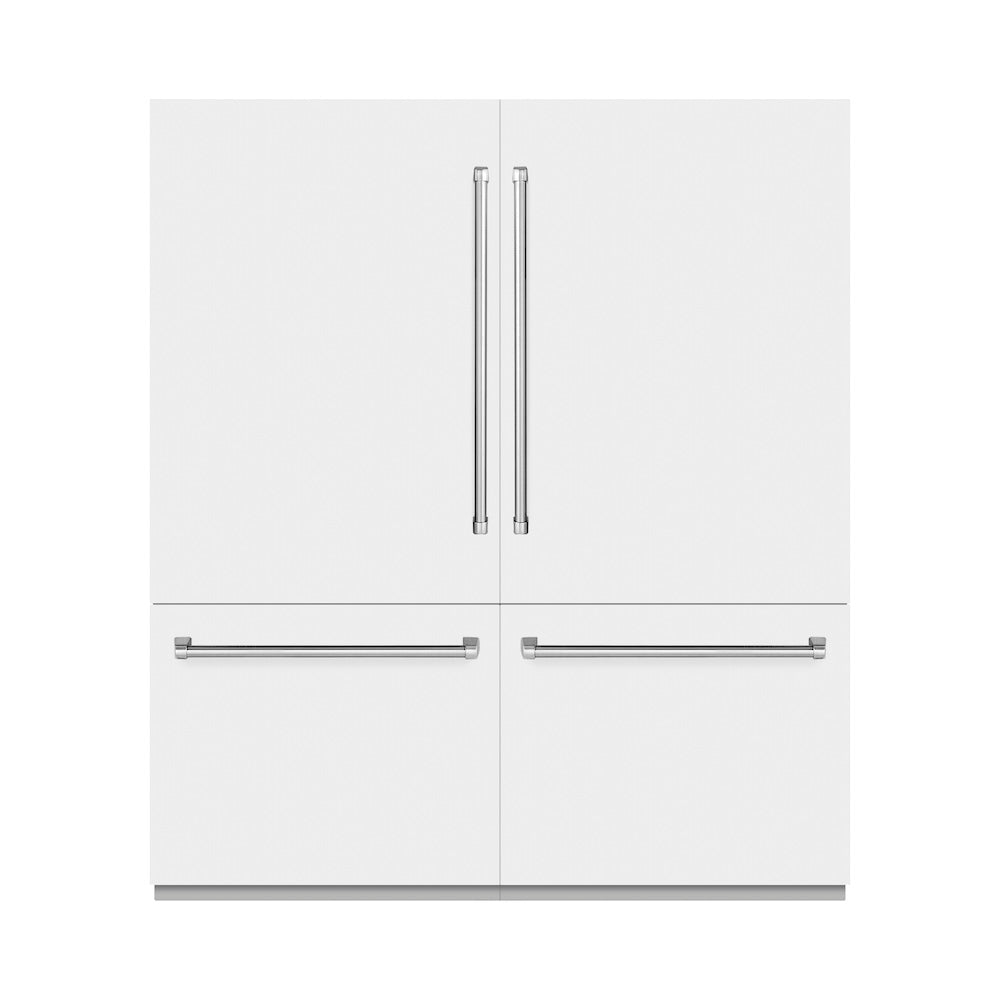
Flexible temperature controls: A wider ambient operating range — typically 38-110°F versus the standard 60-80°F — so the thermostat and compressor cycle correctly across seasonal extremes.
Their thermostat, compressor cycling, and defrost timing are optimized for the stable 60-80°F environment of a climate-controlled home.
In winter, when garage temperatures drop below 60°F, a standard refrigerator's thermostat senses that the ambient air is already close to the target temperature and reduces compressor cycling.
Below 60°F its thermostat reduces compressor cycling and the freezer can thaw; above 90°F the compressor runs continuously and can overheat and fail prematurely.
A garage refrigerator is engineered to hold food at a safe 34-42°F in unconditioned spaces where ambient temperatures swing roughly 38-110°F across the seasons, while a standard upright refrigerator is calibrated for climate-controlled rooms that stay between 60-80°F year-round. That single difference — the ambient operating range — determines which one belongs in your garage and which belongs in your kitchen. This guide compares the two across temperature performance, capacity, energy use, noise, price, installation, and lifespan.
Understanding Refrigerator Types
Garage Refrigerator Overview
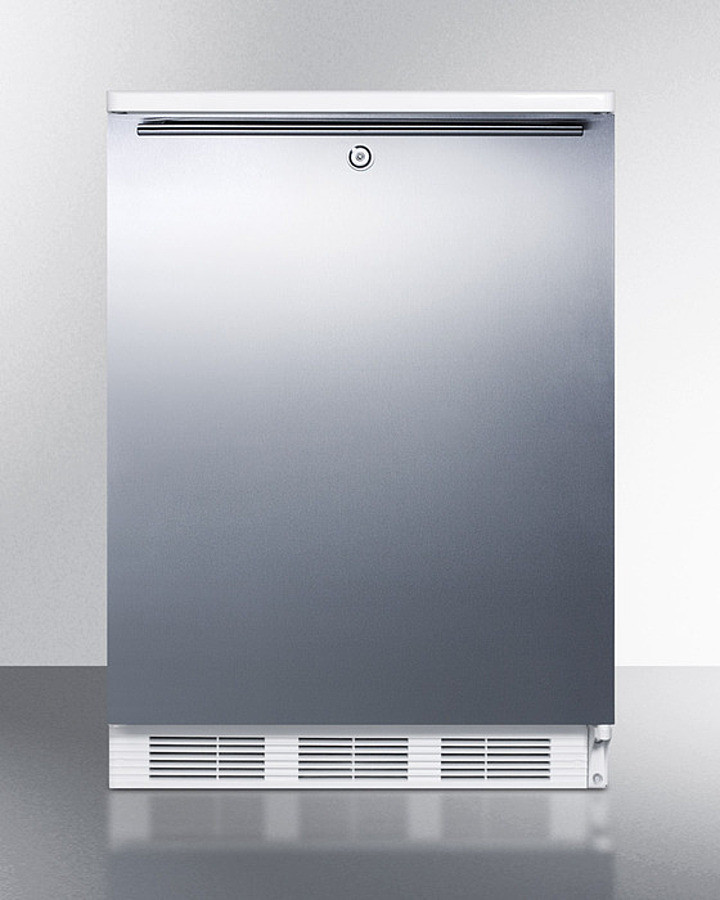
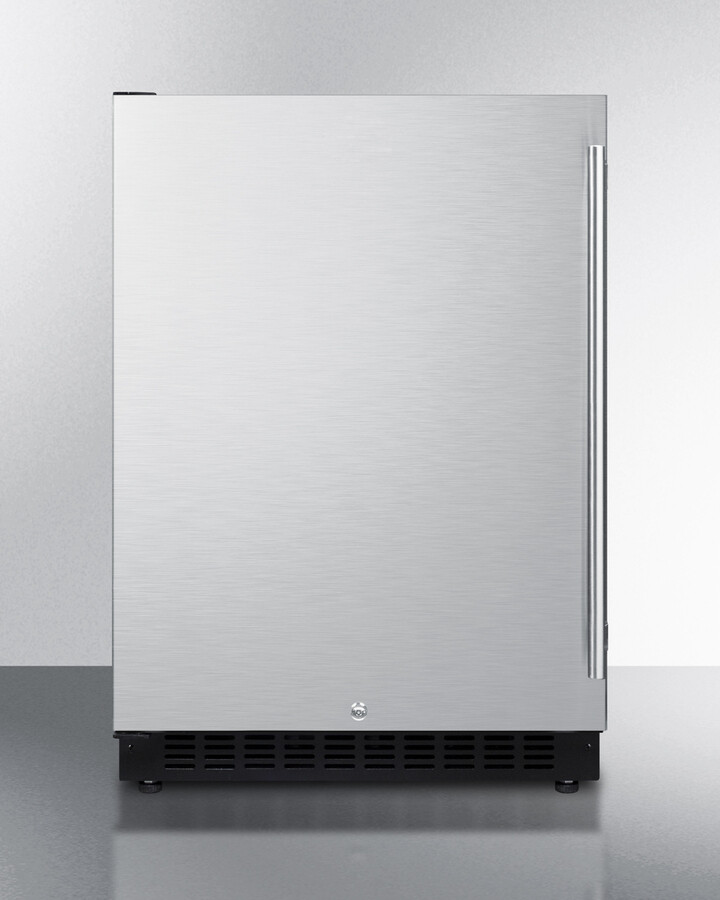
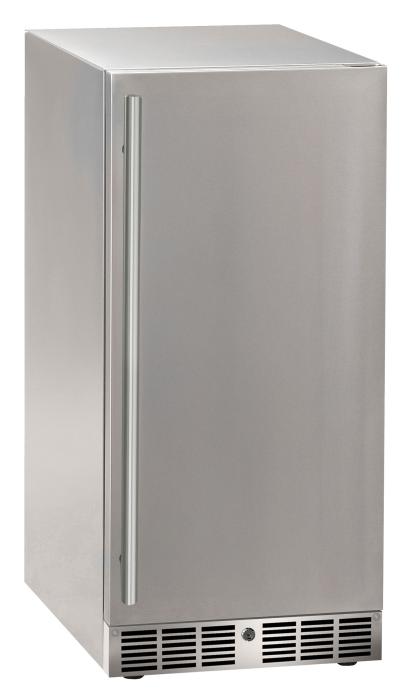
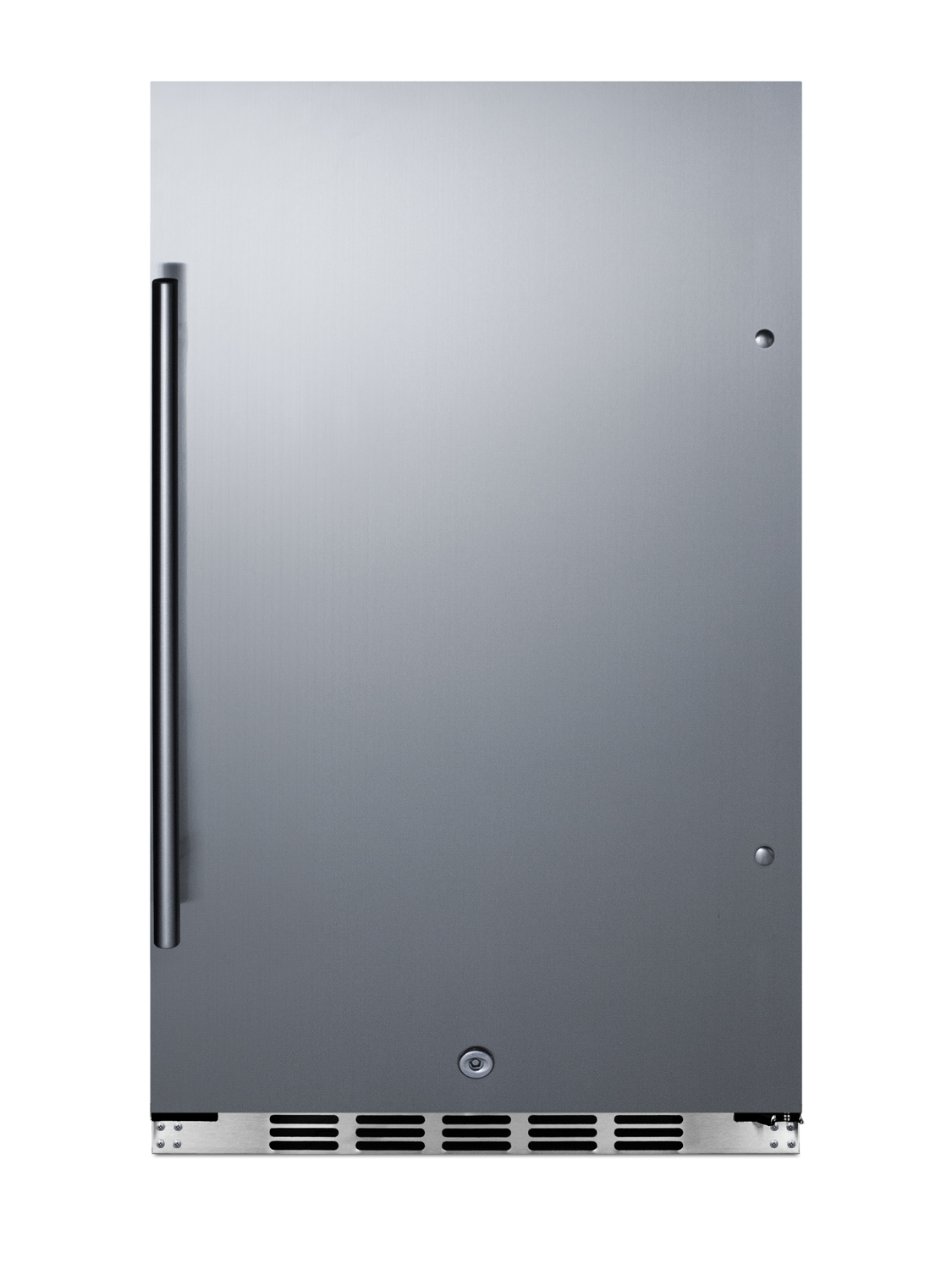
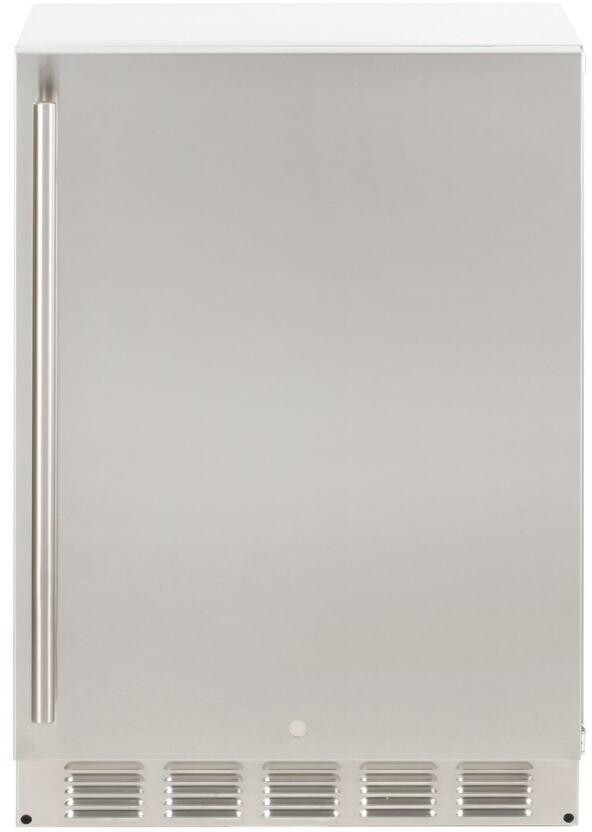
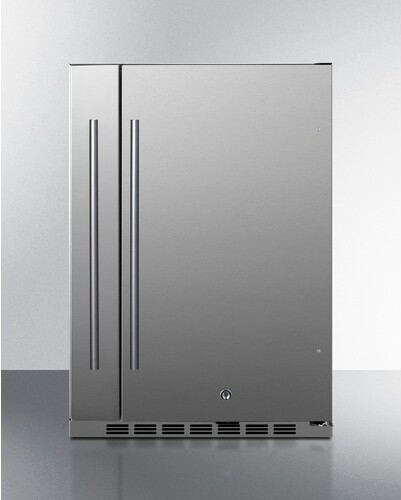
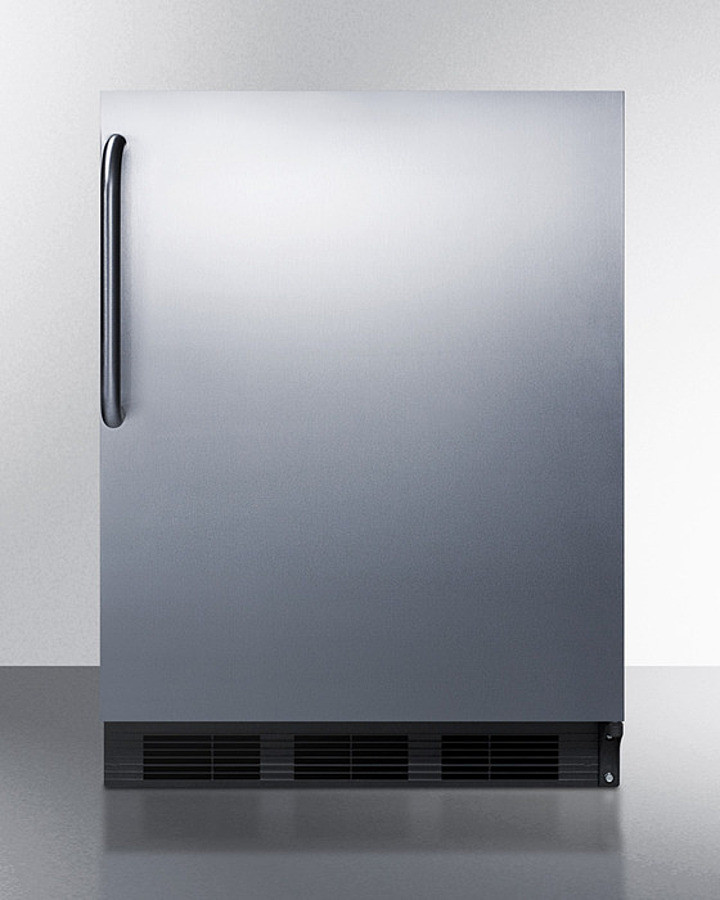
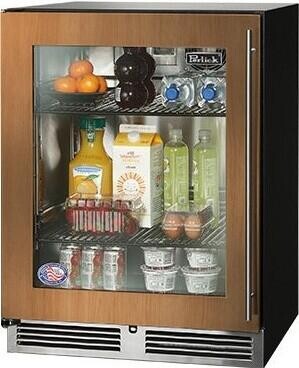
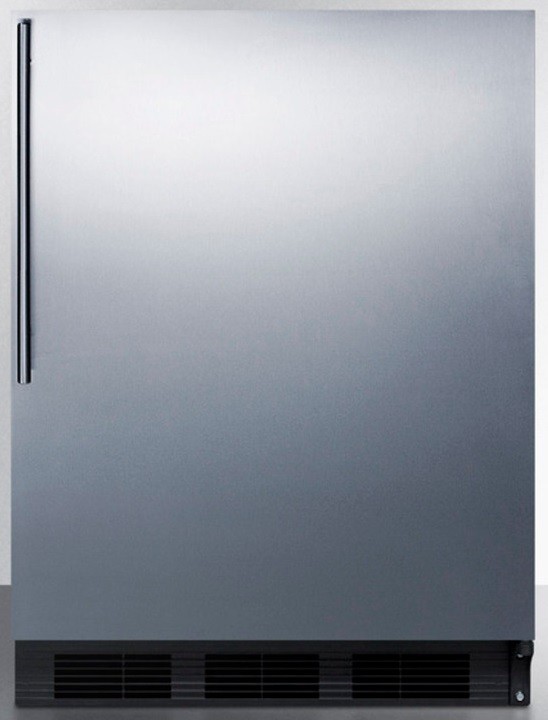
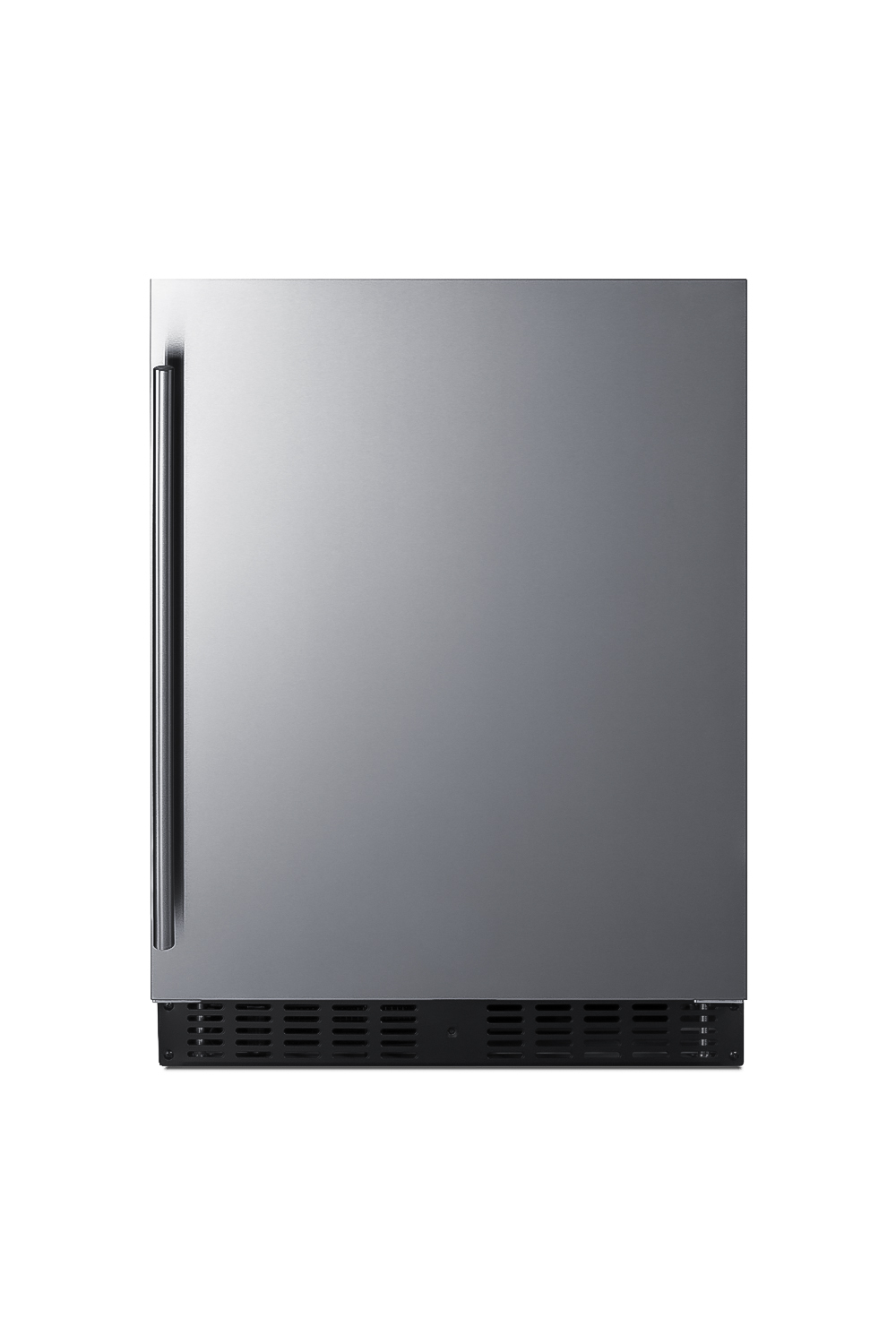
A garage refrigerator — often sold as a "garage-ready" refrigerator — is designed to operate in an environment that experiences more extreme temperature fluctuations than the inside of a home, from below-freezing winters to summer garages that exceed 100°F.
Here are the features that make a refrigerator garage-ready:
Robust insulation: Thicker insulation reduces thermal gain during heat waves and thermal loss during cold snaps.
Flexible temperature controls: A wider ambient operating range — typically 38-110°F versus the standard 60-80°F — so the thermostat and compressor cycle correctly across seasonal extremes.
Heater kit: A small heater in the freezer compartment keeps the compressor cycling during cold weather so frozen food does not thaw when the garage drops below 60°F.
Heavy-duty compressor: Sized to handle the sustained heat load of a 100°F-plus garage without overheating.
Durability: Built to withstand rugged environments, dust, and frequent door openings.
Garage refrigerators can be a great solution if you need additional storage for beverages, overflow from your main fridge, or if you require a cooling unit that can stand up to less controlled environments. They can be particularly useful for entertaining, as they often have space for larger items. For comparisons with other types of refrigerators suitable for storing beverages, see Fridge.com articles on beer keg cooler vs. red refrigerator and beverage cellar vs. small freezer chest.
Upright Refrigerator Overview
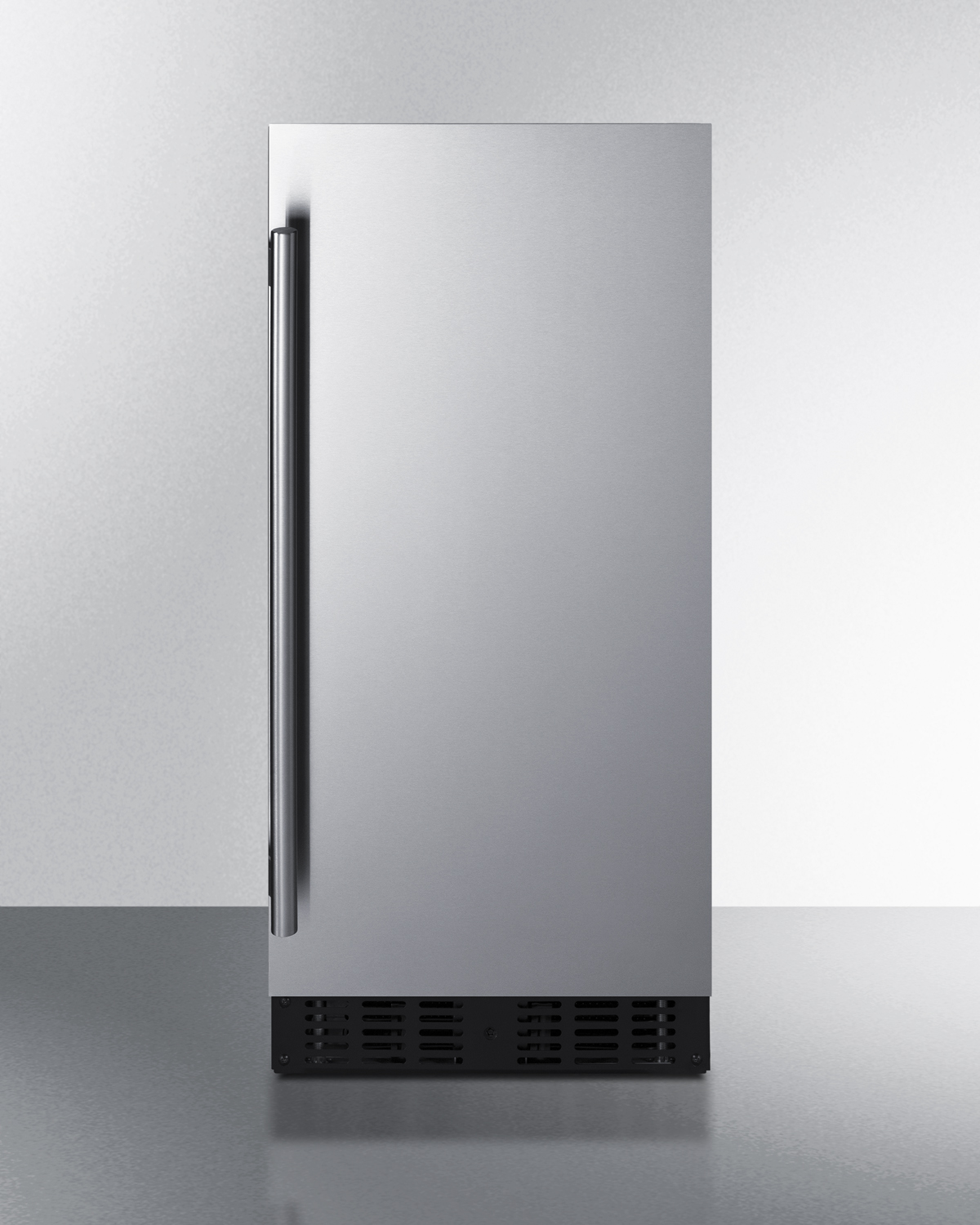
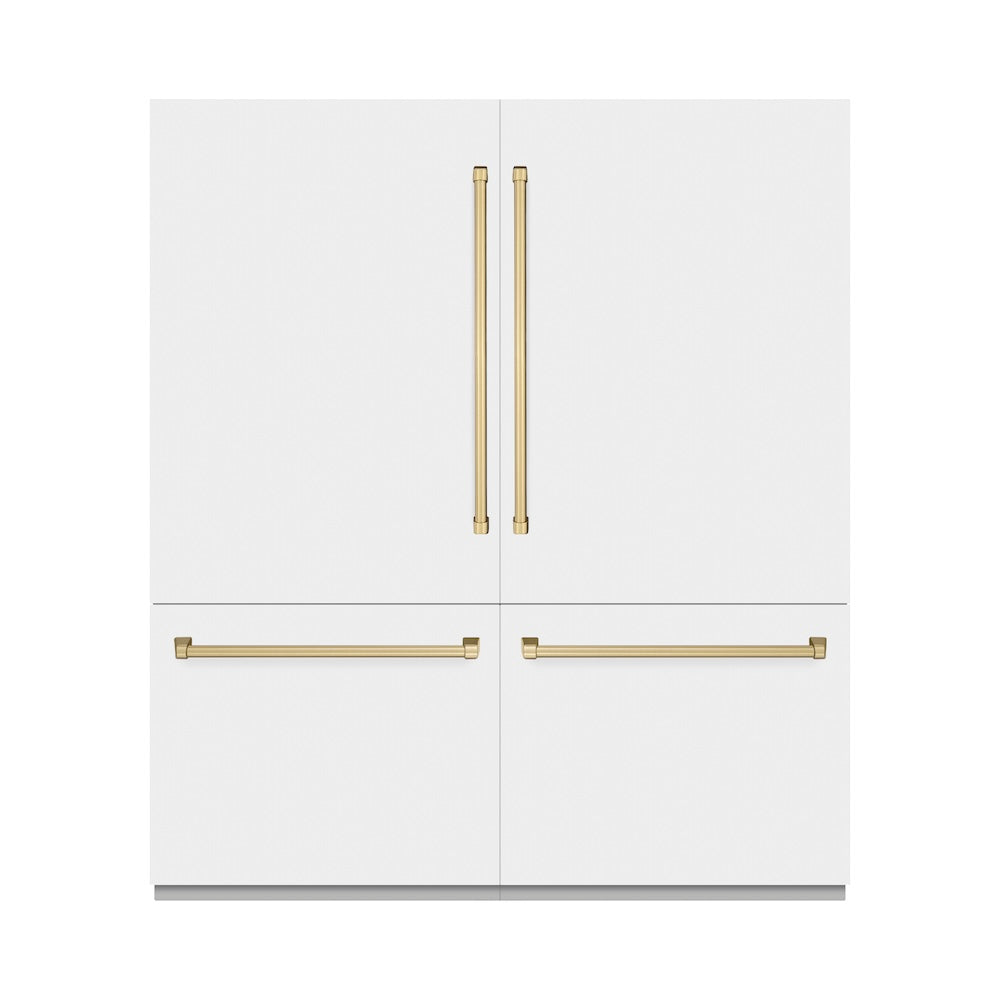
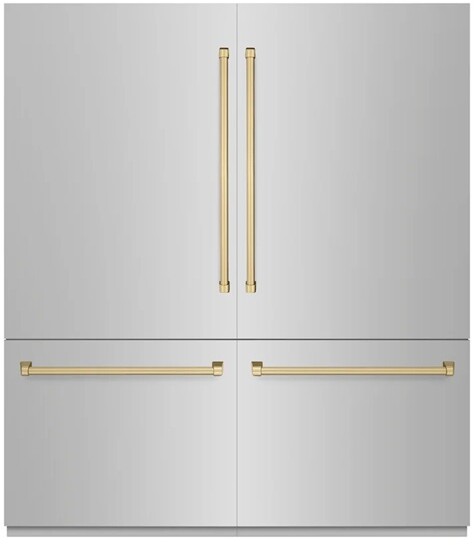
Upright refrigerators, commonly referred to as traditional refrigerators, are the most common type found in homes. They come in various styles, including top-freezer, bottom-freezer, side-by-side, and French door models, typically ranging from 18 to 28 cubic feet, and maintain 34-42°F in the fresh food compartment and 0°F in the freezer. Their thermostat, compressor cycling, and defrost timing are optimized for the stable 60-80°F environment of a climate-controlled home.
Characteristics of upright refrigerators include:
Variety of sizes and styles: From compact units to large family-sized refrigerators, there is a wide range of options.
Indoor use optimization: They are designed to work best in stable indoor temperatures.
Feature-rich options: Many come with added features such as water dispensers, ice makers, humidity-controlled crispers, LED lighting, and smart technology, in finishes from stainless steel to panel-ready.
Upright refrigerators are ideal for everyday use in your kitchen or indoor space. They are designed to keep food fresh under normal household conditions and often come with specialized compartments for fruits, vegetables, and other types of food. For those considering different indoor options, it might be helpful to compare models such as counter depth refrigerator vs. mini freezer or energy efficient refrigerator vs. freezerless refrigerator.
Ambient Temperature Performance: Why a Standard Fridge Fails in a Garage
The failure modes differ by season. In winter, when garage temperatures drop below 60°F, a standard refrigerator's thermostat senses that the ambient air is already close to the target temperature and reduces compressor cycling. The freezer compartment, which shares the same compressor system, stops receiving adequate cooling and rises above 0°F — frozen foods thaw, refreeze, and suffer quality and safety degradation. In summer, when garage temperatures exceed 90°F, the compressor runs continuously trying to overcome the extreme heat differential, which drives up energy consumption and can cause premature compressor failure. A garage-ready model's heater kit and heavy-duty compressor are engineered specifically to prevent both failures.
A garage refrigerator is particularly useful for those who require extra space for storing bulk items, beverages, or overflow from the main kitchen fridge. It's an excellent choice for:
Storing additional food and drinks when entertaining large groups.
Keeping gardening supplies or bait for fishing trips, separate from your indoor food supply.
Housing extra frozen goods or preserving seasonal harvests.
Garage refrigerators are designed to withstand fluctuating temperatures, making them suitable for garage environments which may not be climate-controlled like the rest of your home. However, ensure that your garage refrigerator is specifically built to operate within the temperature extremes of a garage setting — check the manufacturer's stated ambient operating range before buying.
For more on the differences between garage-specific refrigerators and other cooling units, you might be interested in reading about garage freezer vs. portable refrigerator.
Ideal Uses for an Upright Refrigerator
Upright refrigerators are the quintessential household appliance for daily food storage needs. They are ideal for:
Kitchen use with easy access to both fresh and frozen foods.
Smaller living spaces like apartments or condos, where space is at a premium.
Offices or secondary rooms where you might want convenient access to food and drinks.
With a variety of designs, from space-saving single-door models to larger french door versions, upright refrigerators can be seamlessly integrated into your kitchen's design. They offer a range of storage options, organization flexibility, and are generally designed for the consistent temperatures found indoors.
Understanding the differences between various refrigerator configurations can also be helpful. For instance, see how an upright compares with a compact variant in Fridge.com article on compact refrigerator vs. upright refrigerator.
Storage Capacity and Design
Differences in Storage Capacity
Garage refrigerators often cater to the storage of bulk items or overflow from your main refrigerator. They typically have a larger footprint and can offer substantial storage space. Upright refrigerators, on the other hand, are designed for everyday use within the home and may prioritize convenient organization over sheer volume.
Refrigerator Type
Average Storage Capacity (cu ft)
Garage Refrigerator
14 - 21
Upright Refrigerator
10 - 20
Note that the actual capacity will depend on the specific model you choose: premium kitchen French door and side-by-side models extend the upright range to 22-28 cubic feet, while garage-ready models cluster in the 16-21 cubic foot range and also come in all-refrigerator (no freezer) formats for dedicated overflow fresh food storage. Top-freezer configurations dominate the garage category because their straightforward design is reliable, affordable, and easy to repair. For detailed comparisons on storage capacity, you might find Fridge.com articles on fridge freezer vs. small upright freezer and small refrigerator vs. wine cellar insightful.
Design Variances
Garage refrigerators are often more robust in design, built to withstand varying temperatures and conditions that may be present in a garage setting. External finishes tend toward practical rather than premium — standard stainless or painted steel rather than fingerprint-resistant coatings — because garage environments involve more dust, humidity, and incidental contact than kitchens. Some models use industrial-grade gaskets that maintain seal integrity across wide temperature swings.
Upright refrigerators come in a variety of designs, from French door to bottom freezer configurations, and are intended to complement the interior decor of your kitchen. They often feature more sophisticated organization systems, with adjustable shelves and multiple drawers for better food separation and accessibility.
The design choice between a garage and an upright refrigerator will significantly depend on where you plan to place it and what you intend to store. If you need a unit that fits under a counter or in a specific kitchen layout, an upright model might be more appropriate, as seen in our drawer fridge freezer vs. undercounter freezer comparison. For a more rugged option that can handle less climate-controlled environments, a garage refrigerator could be more suitable, as discussed in Fridge.com article about garage freezer vs. portable refrigerator.
Garage refrigerators are designed to withstand a wider range of ambient temperatures. Since garages typically aren't climate-controlled, these refrigerators often have more robust insulation and temperature control mechanisms to keep your items cold during summer heat and winter chills.
Feature
Garage Refrigerator
Upright Refrigerator
Insulation
Enhanced
Standard
Thermostat
Wide range adjustment
Limited range adjustment
Temperature Consistency
Varies with external temps
More consistent
Climate Rating
Often rated for extreme temps
Typically for indoor use
Upright refrigerators, on the other hand, are generally intended for indoor use where the ambient temperature is more consistent. They may have more precise temperature control, which is great for culinary enthusiasts who need to keep their produce and ingredients at the perfect coolness.
For more on managing external conditions, consider reading about garage freezer vs. portable refrigerator.
Energy Efficiency Comparison
Energy efficiency is a key factor when comparing the garage refrigerator vs. upright refrigerator. Upright refrigerators are often more energy-efficient due to technology advancements and their intended use in stable indoor environments.
Type
Energy Star Rating
Average Yearly Energy Use (kWh)
Garage Refrigerator
Less common
Higher due to external temp
Upright Refrigerator
More common
Lower due to consistent indoor use
In concrete numbers: a standard upright operating in a kitchen typically uses 400-600 kWh per year, while a garage refrigerator uses 450-650 kWh in moderate climates and 600-900 kWh in extreme climates. The gap exists because a garage unit works against a much larger temperature differential — maintaining 37°F against a 100°F garage means overcoming a 63-degree gap, versus a 35-43 degree gap in a 72°F kitchen. In moderate climates with insulated garages, consumption runs only 10-15% higher than indoor operation; in extreme climates with uninsulated garages, it can increase 50-80% during peak summer months. The heater kit that prevents winter freezer failure also adds a modest energy draw during cold months.
To further understand efficiency in different models, you might explore energy efficient refrigerator vs. skincare fridge or energy efficient refrigerator vs. freezerless refrigerator.
Standard kitchen refrigerators operate at 38-46 decibels, optimized for quiet indoor spaces; premium models with variable-speed compressors achieve 38-40 decibels. Garage refrigerators run slightly louder at 40-48 decibels because larger compressors generate more noise during heavy-duty operation. In practice the difference rarely matters: garage ambient noise from HVAC systems, vehicles, and power tools masks compressor noise completely, so a unit that would sound noticeable in a quiet kitchen disappears acoustically in a garage.
Maintenance Considerations for Garage Refrigerators
Garage refrigerators are exposed to a wider range of temperatures and conditions compared to their indoor counterparts. Here are some key maintenance tips to ensure your garage refrigerator remains in good working order:
Regular Cleaning: Keep the interior and exterior of your garage refrigerator clean to prevent the build-up of dirt and grime that can affect its efficiency. Garage environments generate more dust, pet hair, and pollen than kitchens, so condenser coils need more frequent cleaning to maintain cooling efficiency.
Temperature Monitoring: As garage temperatures fluctuate, it's crucial to monitor the internal temperature of your garage refrigerator to ensure it maintains a safe and consistent cooling environment.
Gasket Checks: The door gasket is essential for maintaining the cold air inside the refrigerator. Inspect it regularly for wear and tear, and replace it if necessary to prevent energy loss.
Ventilation: Ensure there is adequate ventilation around your garage refrigerator to prevent overheating, which can lead to increased energy consumption and potential system failure.
Defrosting: Some garage refrigerators may require manual defrosting. If ice builds up, follow the manufacturer's instructions to defrost the unit safely.
For a comprehensive guide on maintaining different types of refrigeration units, you might want to explore auto defrost freezer vs. beverage refrigerator or garage freezer vs. portable refrigerator.
Maintenance Considerations for Upright Refrigerators
Upright refrigerators, commonly found indoors, also require regular maintenance to ensure efficiency and longevity:
Coil Cleaning: Dust and debris can accumulate on the condenser coils over time, reducing the refrigerator's ability to release heat. Clean these coils periodically to maintain optimal performance.
Interior Cleaning: Spills and crumbs can lead to odors and bacteria growth. Regularly wipe down shelves and bins with a mild cleaning solution to keep the interior fresh.
Temperature Settings: Keep an eye on the temperature settings to make sure they are appropriate for the contents and to avoid unnecessary energy usage.
Water Filters: If your upright refrigerator has a water dispenser or ice maker, replace the water filter according to the manufacturer's recommendations.
Door Seals: Just like with garage refrigerators, check the door seals for any leaks or damage to ensure that the cold air stays inside.
For more detailed information on freezer and refrigerator maintenance, consider reading about compact refrigerator vs. upright refrigerator or small upright freezer vs. standard fridge size.
Expected Lifespan
A standard upright refrigerator lasts 10-15 years in a climate-controlled kitchen, where the stable environment minimizes compressor stress. A garage refrigerator's harder duty cycle shortens component life: expect 8-12 years in moderate climates and 6-10 years in extreme environments. That gap makes garage-rated engineering even more important — a standard refrigerator placed in a garage would fail sooner still due to compressor overwork.
Cost Comparison
Initial Cost Differences
The initial cost of a refrigerator can vary widely depending on the type, size, and features. Generally, upright refrigerators tend to be more expensive upfront due to their larger size and additional features designed for indoor use. In contrast, garage refrigerators are often less costly, as they are typically simpler in design and may lack some of the advanced features found in upright models.
Refrigerator Type
Average Initial Cost Range
Garage Refrigerator
$500 - $1,500
Upright Refrigerator
$800 - $3,000
Within those ranges, the garage-ready rating itself typically adds $100-$300 over a comparably sized standard top-freezer model — the premium buys the wider ambient operating range, heater kit, and enhanced compressor. That premium is easily justified: a standard refrigerator that fails in a garage during the first winter can ruin hundreds of dollars of frozen food, costing more than the garage-ready upgrade. Premium kitchen French door models run well beyond these ranges, from $2,000 to $6,000. For a more detailed comparison of features and prices, consider reading Fridge.com articles on compact refrigerator vs. upright refrigerator and garage freezer vs. portable refrigerator.
Long-Term Cost Analysis
The long-term costs of owning a refrigerator include energy consumption, maintenance, and potential repairs. Upright refrigerators, especially newer models, are often more energy-efficient compared to garage refrigerators, which could lead to lower electricity bills over time. Additionally, because garage refrigerators have to work harder to maintain the proper temperature in fluctuating garage environments, they may require more frequent maintenance.
Refrigerator Type
Estimated Annual Energy Cost
Maintenance Cost
Garage Refrigerator
$50 - $80
Varies by model and usage
Upright Refrigerator
$30 - $60
Varies by model and usage
In extreme climates with uninsulated garages, a garage refrigerator's annual energy cost can climb to roughly $120 during heavy-use years, while mild climates keep it near the bottom of the range. Bear in mind that energy-efficient models could save you more money in the long run. You can find more information about energy efficiency in Fridge.com article on energy efficient refrigerator vs. freezerless refrigerator and energy efficient refrigerator vs. skincare fridge.
A standard upright refrigerator installs in a dedicated kitchen alcove with precise dimensional tolerances, an electrical connection, and often a water line for the ice maker and dispenser. Counter-depth models align flush with cabinetry, and built-in models integrate with panel-ready designs.
A garage refrigerator installs with minimal requirements: a level floor, a dedicated 15 or 20-amp outlet, and adequate ventilation clearance on the sides and back. No water line is needed unless you specifically want an ice maker in the garage. Position the unit away from direct sunlight through garage windows and away from heat sources like water heaters and furnaces, which raise the ambient temperature the compressor must overcome.
The most expensive mistake is placing a standard kitchen refrigerator in an unheated garage and losing a freezer full of food during the first cold snap. Standard refrigerators lack the heater kit that keeps the freezer cycling in cold ambient temperatures, so a family that stocks $300-$500 worth of frozen food in a standard fridge moved to the garage risks total loss when winter arrives.
The second common mistake is buying a premium French door refrigerator for the garage. Its complex ice maker, water dispenser, touchscreen, and dual-compressor systems are designed for kitchen use and add cost and failure points that provide no benefit in a garage. A simple, reliable top-freezer or bottom-freezer garage-ready model delivers better performance at lower cost with fewer things that can break in a demanding environment.
Factors to Consider Before Choosing
Space and Location
The location where you plan to install your refrigerator plays a significant role in determining which type to choose. A garage refrigerator is specifically designed to withstand fluctuating temperatures often found in a garage setting, while an upright refrigerator is generally intended for indoor use, where temperature conditions are stable — kitchens, offices, and similar areas where the ambient temperature is consistent.
Before making a choice, consider the following factors:
Available Space: Measure the area where you plan to place the fridge to ensure a proper fit.
Location Temperature: Assess whether the location is prone to extreme temperature changes.
Ease of Access: Think about how often you'll need to access the fridge and whether the location is convenient for your lifestyle.
Usage Patterns and Needs
Garage refrigerators are well-suited for:
Bulk Storage: Ideal for storing extra groceries, bulk purchases, or overflow from your main fridge.
Beverage and Party Supplies: A great option for chilling drinks and storing party food in large quantities.
Outdoor Entertainment: Convenient for garage parties or as an additional resource during outdoor events.
Upright refrigerators cater to everyday use with features that are beneficial for:
Food Preservation: Often equipped with advanced technology to keep food fresh longer.
Frequent Access: Designed for ease of use and accessibility in a kitchen or indoor setting.
Variety of Foods: Offers compartmentalized storage for a diverse assortment of food items.
The bottom line: buy a standard upright refrigerator for your climate-controlled kitchen where it serves as the household's primary food storage appliance, and buy a garage refrigerator if you need overflow cold storage in an unconditioned garage, workshop, or utility space where garage-ready engineering ensures reliable year-round operation. Whether you're storing a large haul from the wholesale club in a garage freezer or keeping your culinary ingredients fresh in an upright refrigerator, ensure that the appliance you select fits seamlessly into your life.
Can you put a regular upright refrigerator in the garage?
It is not recommended unless your garage is climate-controlled. A standard upright refrigerator is calibrated for 60-80°F ambient temperatures. Below 60°F its thermostat reduces compressor cycling and the freezer can thaw; above 90°F the compressor runs continuously and can overheat and fail prematurely. If your garage sees temperature extremes, choose a garage-ready model rated for roughly 38-110°F.
What does "garage-ready" mean on a refrigerator?
A garage-ready refrigerator carries a wider ambient operating range (typically 38-110°F), a heater kit in the freezer compartment that keeps the compressor cycling in cold weather, a heavier-duty compressor for extreme heat, and enhanced insulation. These features let it maintain safe food temperatures through seasonal extremes that would disable a standard indoor model.
Does a garage refrigerator use more electricity than an upright refrigerator?
Yes. A garage refrigerator uses roughly 450-650 kWh per year in moderate climates and 600-900 kWh in extreme climates, versus 400-600 kWh for a standard upright in a kitchen. In an insulated garage in a moderate climate the difference is only 10-15%; in an uninsulated garage in an extreme climate, summer consumption can run 50-80% higher.
How much more does a garage refrigerator cost?
The garage-ready rating typically adds $100-$300 over a comparably sized standard top-freezer model. Garage refrigerators generally run $500-$1,500, while upright kitchen models range from $800 to $3,000 and premium French door models can reach $6,000.
How long does a garage refrigerator last?
Expect 8-12 years in moderate climates and 6-10 years in extreme environments, versus 10-15 years for a standard upright in a climate-controlled kitchen. Regular condenser coil cleaning — needed more often in dusty garages — and gasket checks help extend lifespan.
Is a garage refrigerator louder than an upright refrigerator?
Slightly. Garage refrigerators run at 40-48 decibels versus 38-46 decibels for standard kitchen models, but garage ambient noise from vehicles, tools, and HVAC masks the difference completely in practice.
What does a garage refrigerator need for installation?
A level floor, a dedicated 15 or 20-amp outlet, and ventilation clearance on the sides and back. Keep it out of direct sunlight and away from heat sources like water heaters and furnaces. No water line is required unless you want an ice maker.
It also has tons of awesome articles about kitchen stuff and home news. Enhance your home, garage, backyard, patio, and office with the coolest essentials. With every necessary type of residential refrigerator or freezer in the collection, you're covered.
Energy efficiency is a key factor when comparing the garage refrigerator vs. upright refrigerator. Upright refrigerators are often more energy-efficient due to technology advancements and their intended use in stable indoor environments. Type.
Energy Star Rating.
Average Yearly Energy Use (kWh).
.
Garage Refrigerator.
Less common.
Higher due to external temp.
.
Upright Refrigerator.
More common.
Lower due to consistent indoor use.
. In concrete numbers: a standard upright operating in a kitchen typically uses 400-600 kWh per year, while a garage refrigerator uses 450-650 kWh in moderate climates and 600-900 kWh in extreme climates. The gap exists because a garage unit works against a much larger temperature differential — maintaining 37°F against a 100°F garage means overcoming a 63-degree gap, versus a 35-43 degree gap in a 72°F kitchen. In moderate climates with insulated garages, consumption runs only 10-15% higher than indoor operation; in extreme climates with uninsulated garages, it can increase 50-80% during peak summer months. The heater kit that prevents winter freezer failure also adds a modest energy draw during cold months. To further understand efficiency in different models, you might explore energy efficient refrigerator vs. skincare fridge or energy efficient refrigerator vs. freezerless refrigerator.