The fresh food door below opens to ten to sixteen cubic feet of refrigerated storage with three to four adjustable shelves, two crisper drawers, and multiple door bins.
Top freezer refrigerators typically range from fourteen to twenty-two cubic feet of total capacity, making them best suited for households of one to four people.
The wider shelves accommodate items that simply cannot fit in a top freezer model, including large party platters, full sheet pans, wide casserole dishes, and multiple gallon jugs side by side.
French door refrigerators produce between thirty-six and forty-six decibels due to larger compressors, multiple fans, ice maker mechanisms, and water dispenser components.
The top freezer refrigerator and the French door refrigerator represent opposite ends of the full-size refrigerator spectrum in terms of price, features, and design philosophy. A top freezer model places the freezer above the fresh food section behind two separate doors in a classic layout that has served American kitchens since the nineteen fifties, while a French door model puts a wide fresh food section behind two narrow doors at eye level with a pull-out freezer drawer below. Both configurations preserve food safely and reliably, but they differ dramatically in ergonomics, capacity, features, energy use, and cost. This comprehensive comparison helps you choose the configuration that fits your kitchen, household size, and budget.
Design and Layout
A top freezer refrigerator uses a straightforward two-door vertical layout with the smaller freezer compartment on top and the larger fresh food section below. The freezer door is a single full-width panel that opens to reveal three to six cubic feet of frozen storage with one or two shelves, a door bin, and an ice tray. The fresh food door below opens to ten to sixteen cubic feet of refrigerated storage with three to four adjustable shelves, two crisper drawers, and multiple door bins. This layout places frozen items at eye level or slightly above for average-height adults, while fresh food requires bending to access lower shelves and crisper drawers.
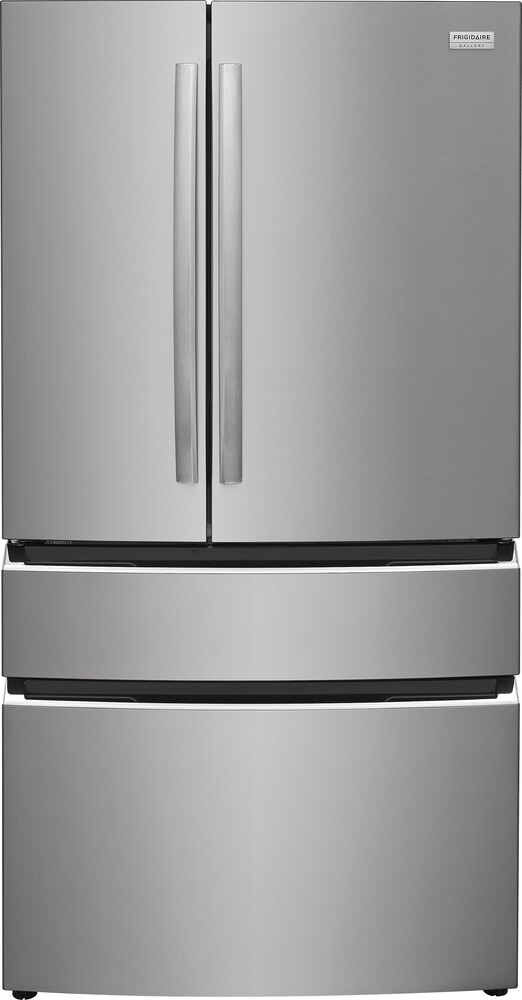
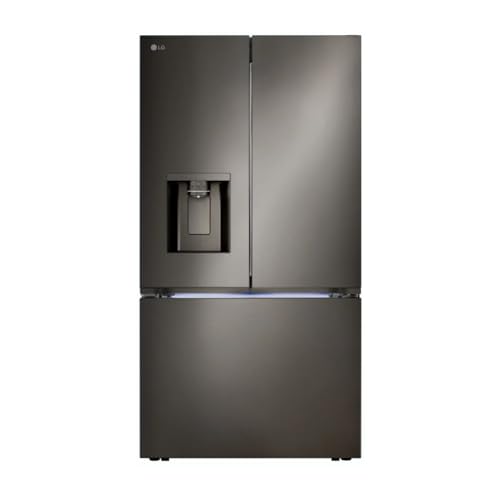
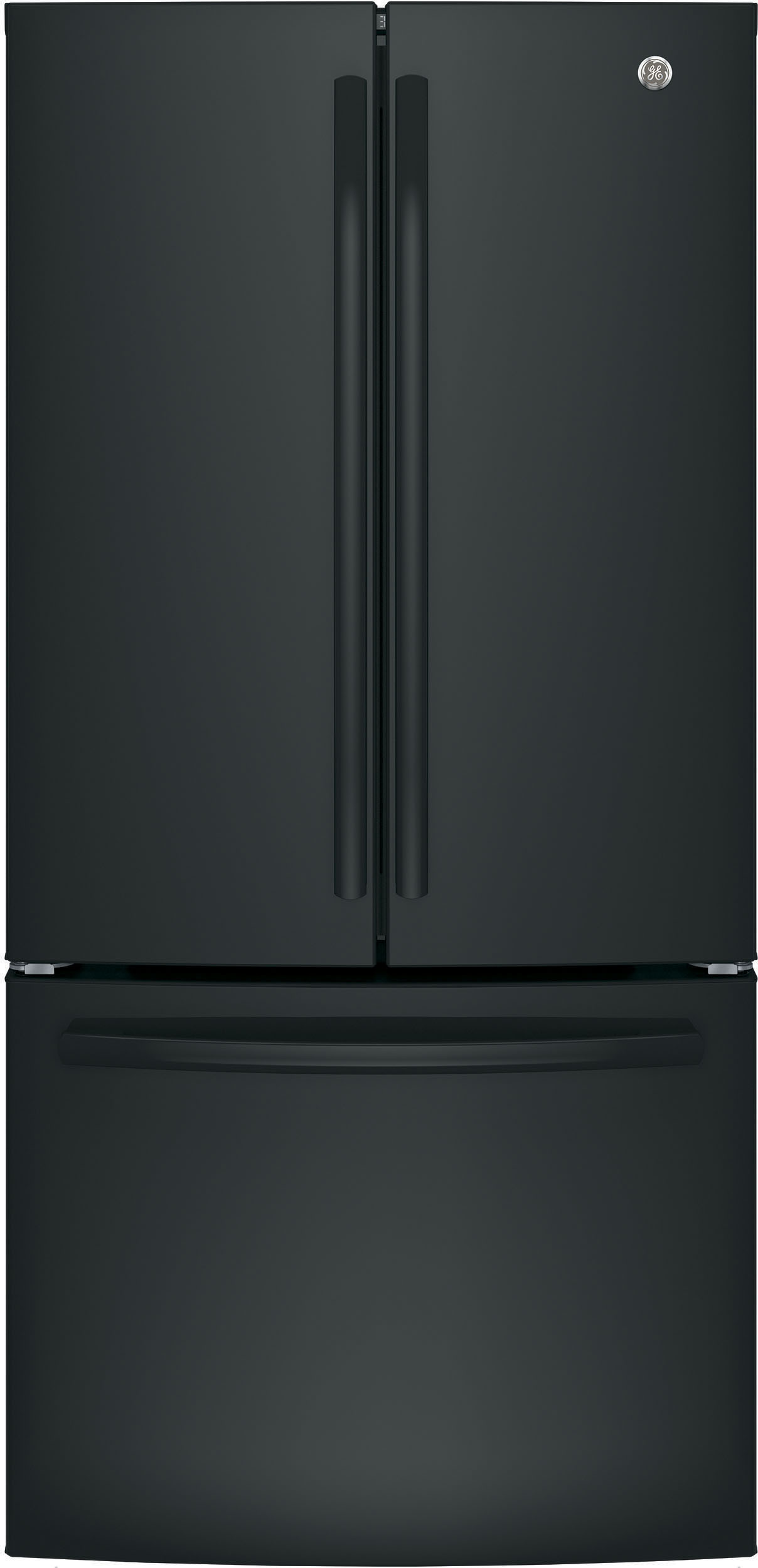
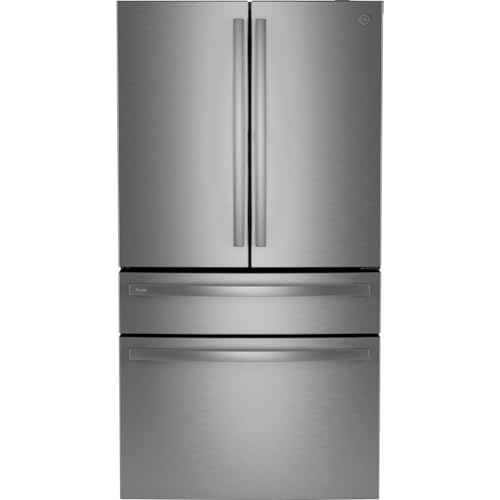
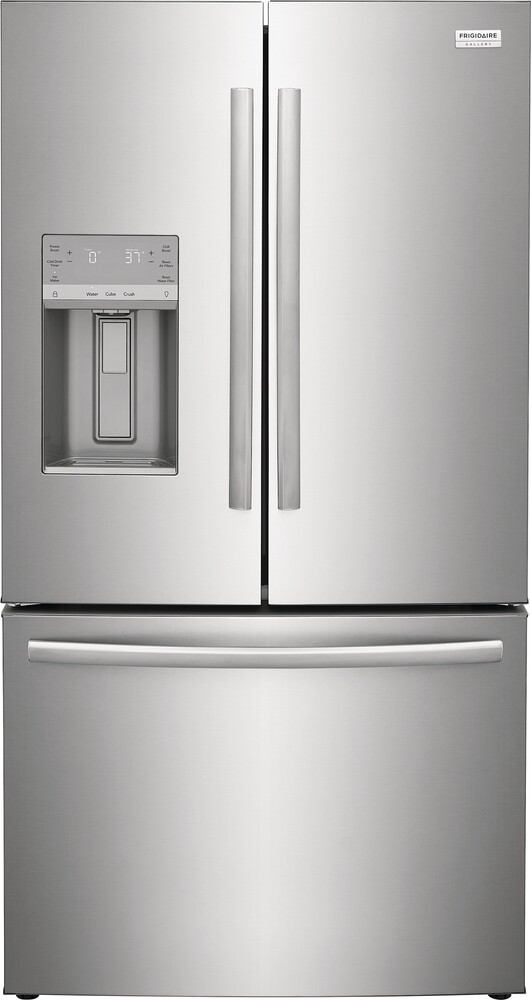
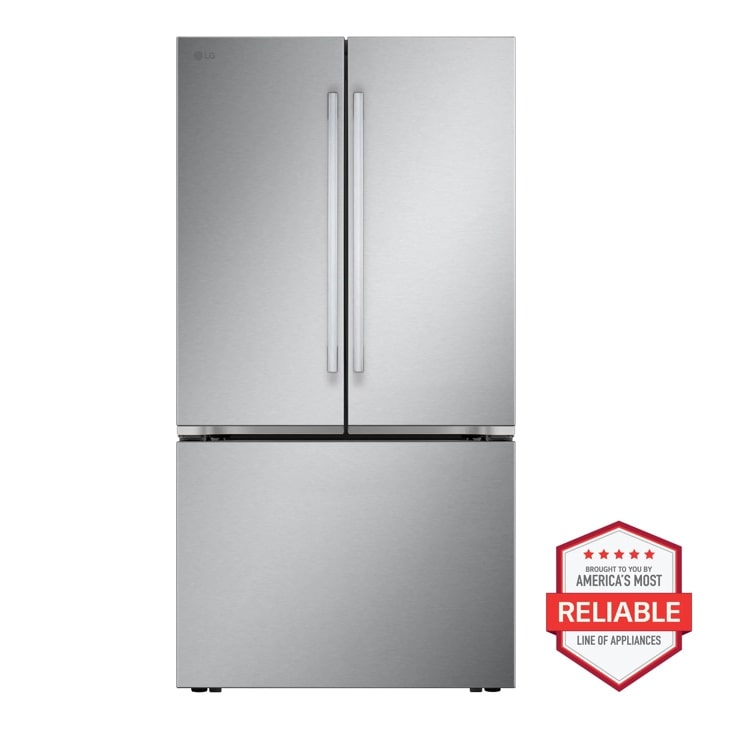
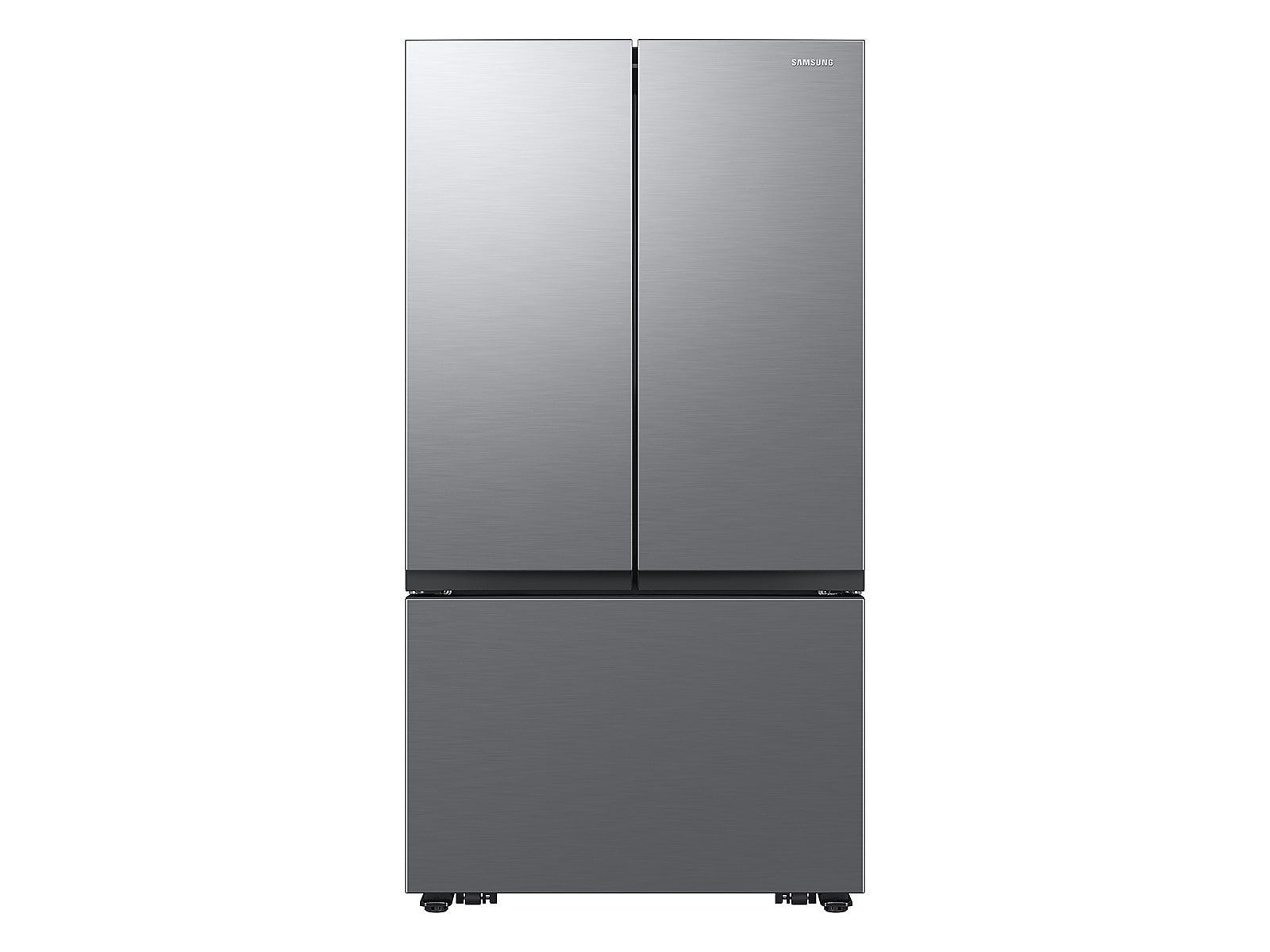
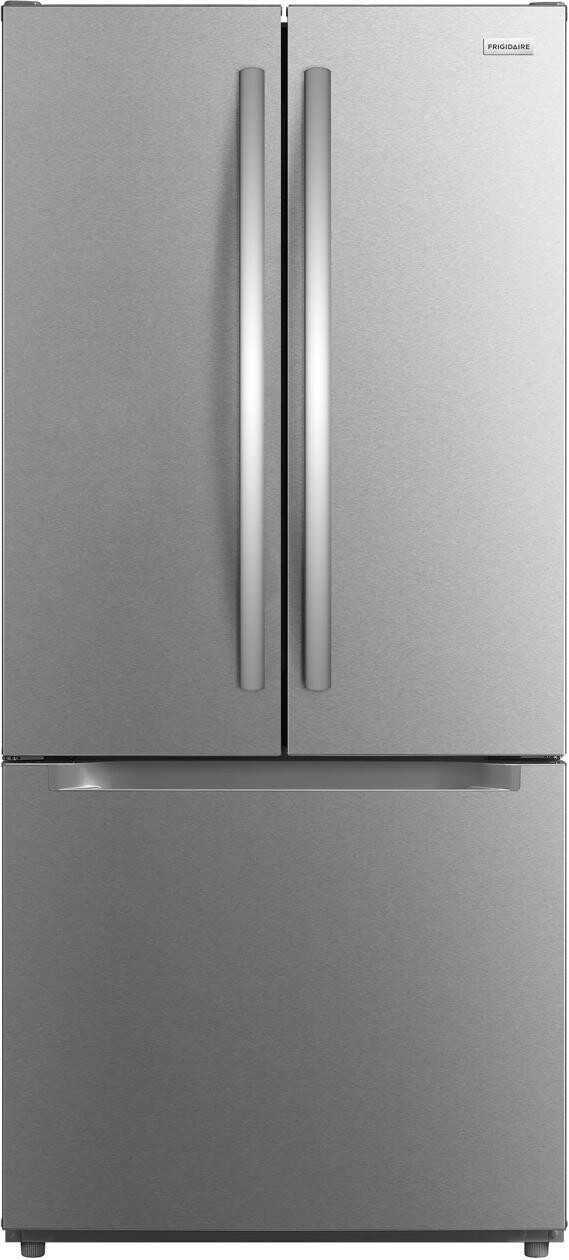
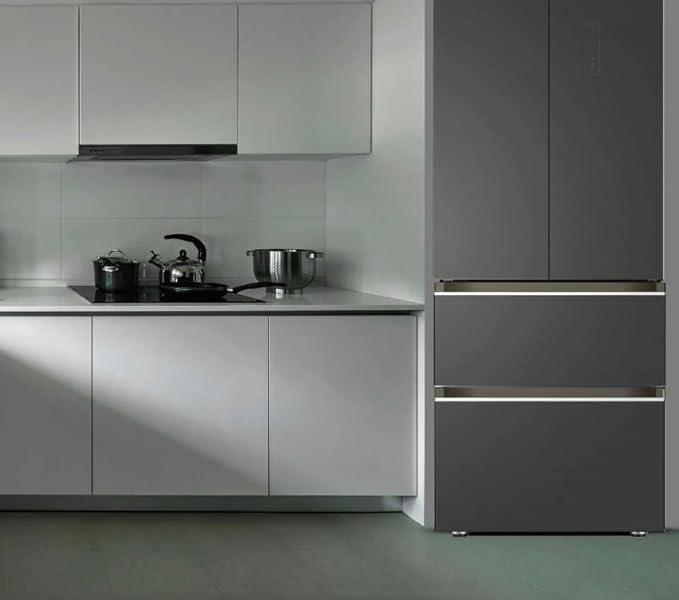
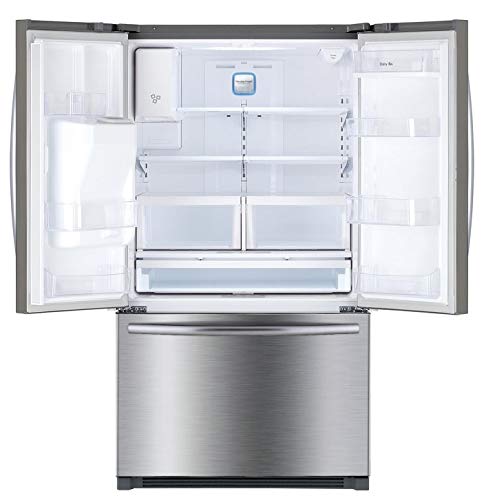
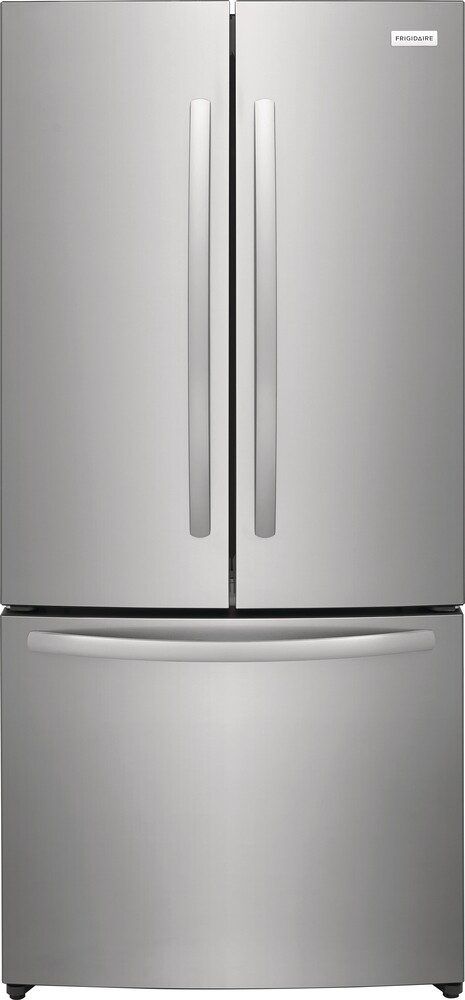
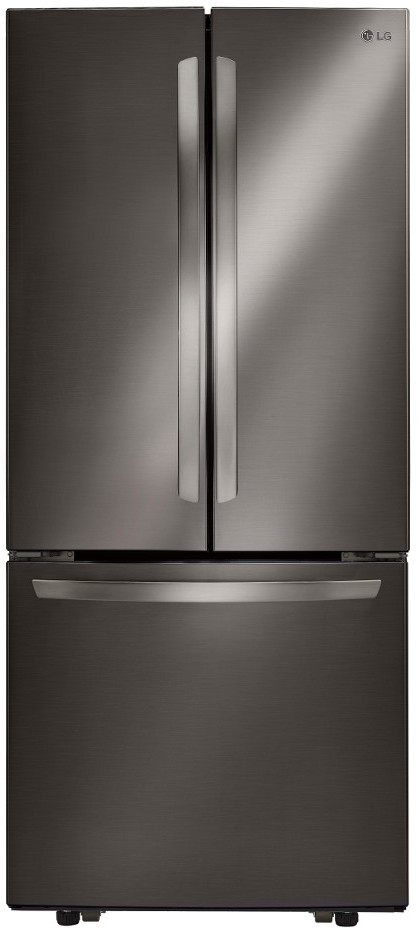
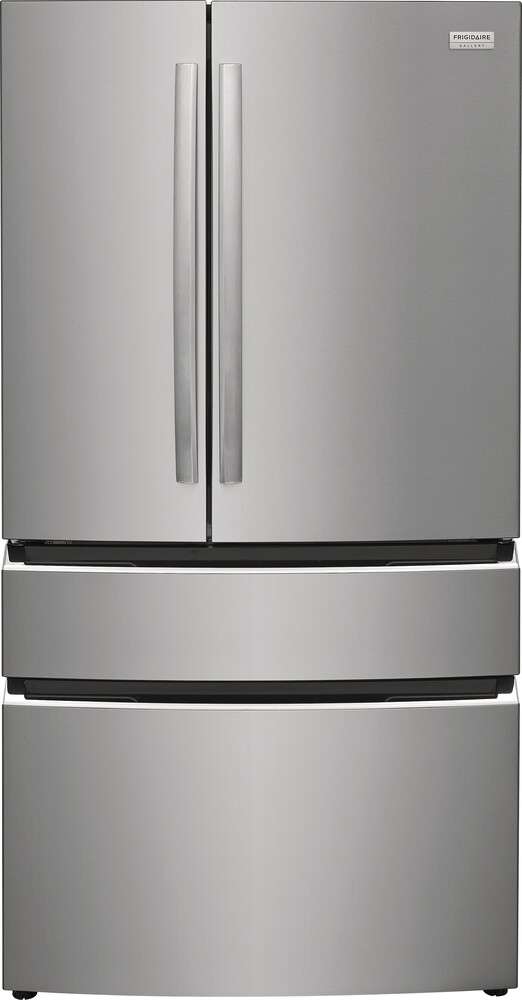
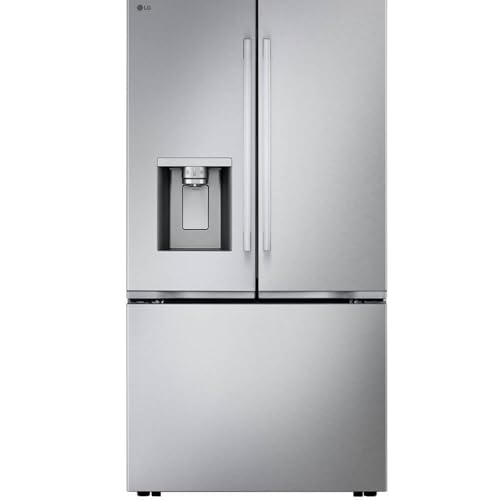
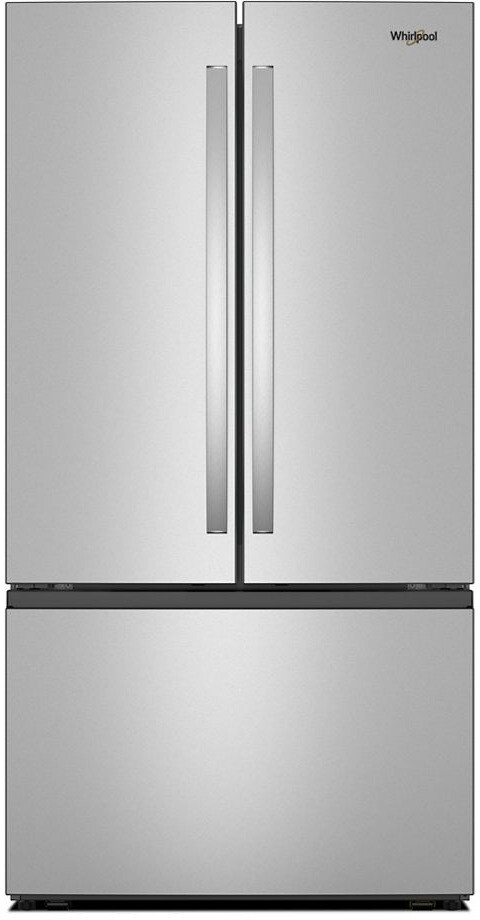
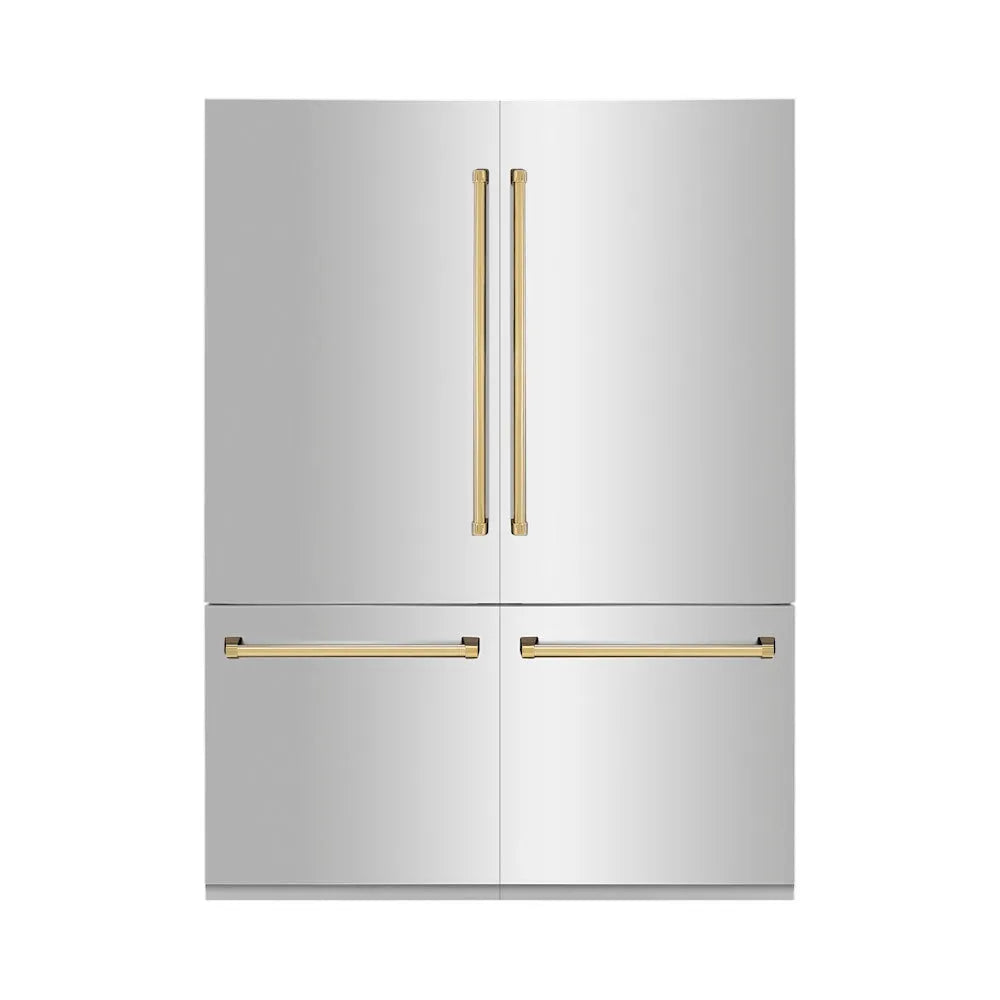
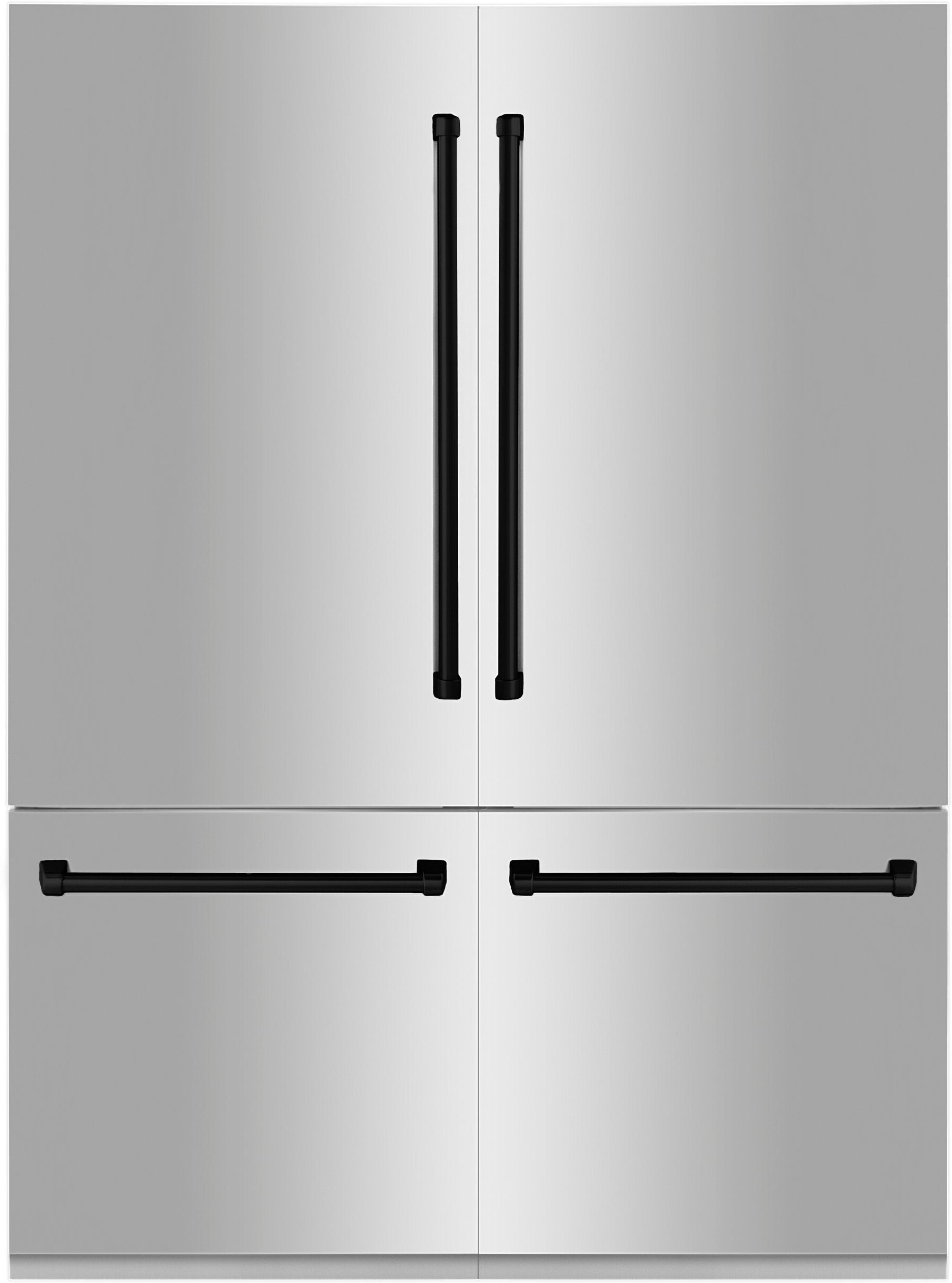
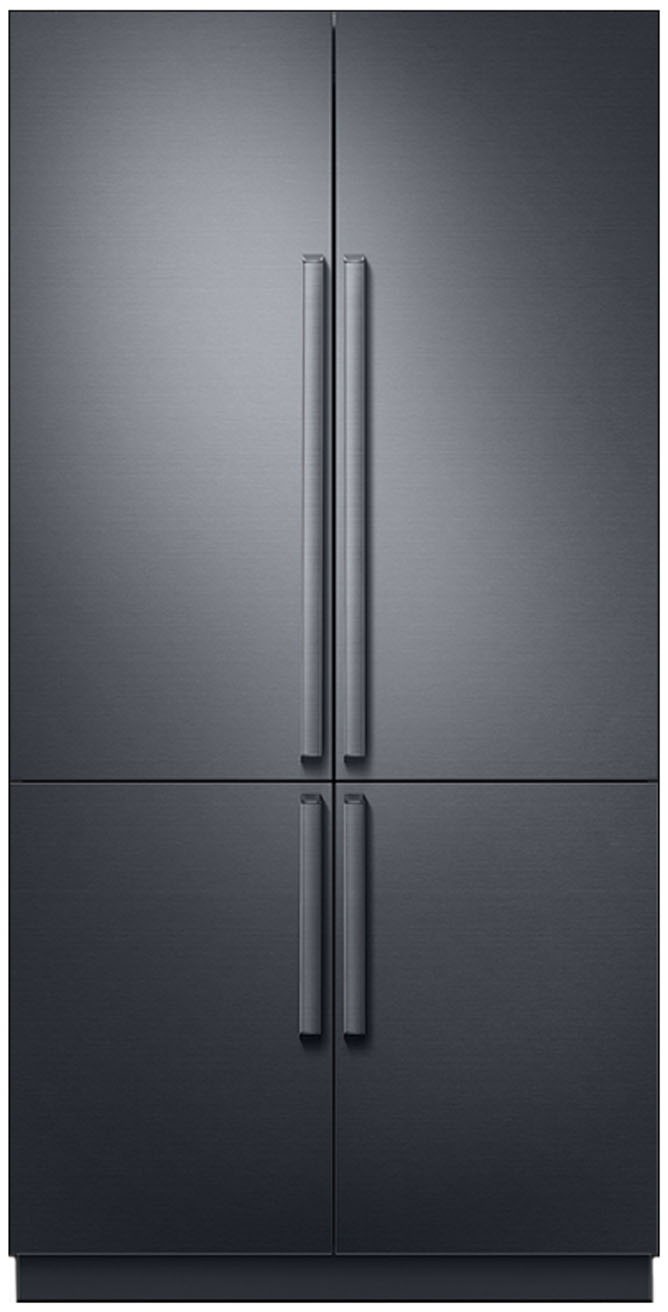
A French door refrigerator reverses this relationship by placing the fresh food section at eye and chest level behind two narrow doors that open from the center, with a pull-out freezer drawer at the bottom. The wide fresh food section provides sixteen to twenty-one cubic feet of storage with five to six adjustable shelves wide enough to hold full-size platters and sheet pans, multiple crisper drawers with independent humidity controls, a dedicated deli drawer, and deep door bins on every level. The bottom freezer drawer provides seven to ten cubic feet of frozen storage with pull-out bins and dividers. This layout puts the most frequently accessed fresh food at the most convenient height, eliminating constant bending for everyday items.
Top freezer refrigerators typically range from fourteen to twenty-two cubic feet of total capacity, making them best suited for households of one to four people. The fresh food section provides enough room for a standard weekly grocery haul including produce, dairy, proteins, beverages, and leftovers. The freezer holds a moderate supply of frozen meals, vegetables, meats, and ice without the depth or organization features to accommodate serious bulk frozen storage. The compact overall dimensions fit standard thirty-inch kitchen cutouts found in most American homes.
French door refrigerators range from twenty to twenty-eight cubic feet of total capacity, serving households of three to six people with room for extensive grocery inventories. The wider shelves accommodate items that simply cannot fit in a top freezer model, including large party platters, full sheet pans, wide casserole dishes, and multiple gallon jugs side by side. The bottom freezer drawer provides organized frozen storage with pull-out bins that allow you to see and access items without the blind stacking that occurs in top freezer compartments. For families that shop in bulk, cook large meals, or entertain regularly, the French door's expanded capacity eliminates the constant reorganization and space compromise that smaller refrigerators demand.
The ergonomic difference between these configurations is the single most impactful factor for daily satisfaction. In a top freezer model, the items you access most frequently—milk, produce, beverages, leftovers—sit in the lower refrigerator section at waist level and below, requiring you to bend dozens of times per day. The freezer at the top provides easy access to frozen items but is used far less frequently in most households, meaning the most ergonomic position serves the least-accessed section.
A French door refrigerator corrects this mismatch by placing fresh food at eye and chest level where you can see everything without bending and reach items on every shelf without stooping. The freezer drawer at the bottom requires bending to access, but since most households open the freezer only a few times per day compared to dozens of refrigerator openings, this trade-off improves overall daily comfort significantly. The two narrow French doors require only twelve to eighteen inches of swing clearance each, which benefits kitchens with islands or adjacent countertops where a full-width single door would not open fully.
Energy Efficiency
Top freezer refrigerators rank as the most energy-efficient full-size configuration available. Typical models consume three hundred fifty to four hundred fifty kilowatt-hours annually, costing forty-two to fifty-four dollars per year. The simple mechanical design with a single compressor, straightforward airflow management, and minimal electronic controls keeps energy consumption low. The top freezer position allows natural cold air convection from the freezer downward into the fresh food section, which the compressor leverages to reduce cycling. Energy Star certified top freezer models regularly achieve consumption levels thirty percent below federal minimum standards.
French door refrigerators consume significantly more energy, typically five hundred to seven hundred kilowatt-hours annually, costing sixty to eighty-four dollars per year. The larger interior volume requires more compressor output, the two-door design allows more cold air loss during access, and features like ice makers, water dispensers, and digital controls add electronic energy overhead. Many French door models use dual evaporator systems that improve temperature and humidity management but consume more energy than the single evaporator systems common in top freezer models. The annual energy cost difference of eighteen to thirty dollars compounds over a twelve to fifteen year lifespan to a total difference of two hundred sixteen to four hundred fifty dollars.
Top freezer refrigerators prioritize simplicity and reliability over feature richness. Most models include basic adjustable shelves, two crisper drawers, door bins, and a manual or automatic defrost system. Ice makers are available on some models but are less common than in other configurations. Digital temperature controls appear on mid-range and premium top freezer models, replacing the simpler dial thermostats found on budget units. The limited feature set keeps purchase prices low and reduces the number of components that can require service or repair over the appliance's lifespan.
French door refrigerators feature extensive technology and convenience options. Standard features on mid-range models include through-the-door ice and water dispensers, digital temperature controls with LED displays, adjustable-temperature deli drawers, spillproof glass shelves, and gallon-sized door bins. Premium French door models add smart connectivity with Wi-Fi, touchscreens, internal cameras, flex-zone compartments that convert between refrigerator and freezer temperatures, and hands-free autofill water dispensers. These features add genuine daily convenience but also increase purchase price, energy consumption, and the potential for repair needs.
Top freezer refrigerators operate between thirty and thirty-eight decibels, making them among the quietest full-size refrigerator configurations. The compact compressor cycles at moderate intervals, and the absence of ice makers, water dispensers, and complex fan systems on most models means the only sound sources are the compressor and a basic circulation fan. For quiet kitchens and open-concept spaces, the subdued noise profile of a top freezer model is a genuine comfort advantage.
French door refrigerators produce between thirty-six and forty-six decibels due to larger compressors, multiple fans, ice maker mechanisms, and water dispenser components. The ice maker creates intermittent sounds from water filling, freezing, and ice harvesting throughout the day and night. Water dispensers add brief motor and valve sounds during use. Dual evaporator models run two separate fan systems. Premium models with inverter compressors reduce overall noise significantly, but even the quietest French door refrigerators generate more total sound than typical top freezer models.
Top freezer refrigerators have earned the strongest reliability reputation of any configuration based on decades of service data. The simple mechanical design with fewer electronic components, a single compressor, and minimal specialty features means there are fewer parts that can fail. The average lifespan of fourteen to eighteen years is the longest in the refrigerator market. When repairs are needed, parts are widely available, inexpensive, and familiar to virtually every appliance technician. A compressor replacement costs one hundred fifty to three hundred dollars, a thermostat replacement runs seventy-five to one hundred fifty dollars, and a door gasket replacement costs fifty to one hundred dollars.
French door refrigerators have shorter average lifespans of ten to fifteen years and higher repair rates driven by their greater mechanical and electronic complexity. Dual evaporator systems, electronic control boards, ice makers, water dispensers, motorized drawers, and smart technology components all represent potential failure points. Repair costs are higher because parts are larger, more specialized, and sometimes proprietary. A compressor replacement costs three hundred to six hundred dollars, an electronic control board costs two hundred to four hundred dollars, and ice maker repairs run one hundred fifty to three hundred dollars. Extended warranties are worth considering for French door models given the higher repair probability and cost.
Pricing
The price gap between these configurations is the starkest practical difference for budget-conscious buyers. Top freezer models start at four hundred fifty to five hundred dollars for basic models with manual features and white finishes. Mid-range models with adjustable glass shelves, LED lighting, and stainless steel finishes cost six hundred to eight hundred dollars. Premium top freezer refrigerators with the most advanced shelving, ice makers, and digital controls top out at approximately one thousand dollars. This narrow price band makes top freezer models the most accessible full-size refrigerator for every budget level.
French door models start at approximately one thousand dollars for basic units with standard features and reach five thousand dollars or more for premium models with smart technology, custom panels, and the full suite of convenience features. The sweet spot for most families falls between one thousand five hundred and two thousand five hundred dollars, where you get a well-equipped French door with reliable performance, through-the-door ice and water, and quality construction. This mid-range French door price represents three to four times the cost of a quality top freezer model, making the configuration choice a significant financial decision.
Top freezer refrigerators fit standard thirty-inch kitchen cutouts and work in virtually any kitchen layout without modification. The single full-width door requires twenty-four to thirty inches of swing clearance in front, which is usually available in standard kitchen configurations. The moderate height of sixty-one to sixty-eight inches leaves room for overhead cabinets in kitchens with standard eight or nine-foot ceilings. Installation is straightforward and rarely requires any adjustment to surrounding cabinetry or countertops.
French door refrigerators need wider openings of thirty to thirty-six inches depending on the model, and their greater height of sixty-eight to seventy-two inches may require removing or repositioning overhead cabinets in some kitchens. Counter-depth French door models sit flush with standard cabinetry for a built-in appearance but sacrifice three to five cubic feet of interior capacity compared to standard-depth equivalents. The narrow French doors require less swing clearance per door than a top freezer's single wide door, which can actually benefit tight kitchens with islands or peninsula countertops where door swing space is limited.
The most common top freezer mistake is choosing this configuration solely to save money when your household genuinely needs the capacity and features of a larger refrigerator. A family of five that regularly overstuffs a twenty-cubic-foot top freezer will experience daily frustration that a French door's additional capacity would resolve. If budget allows and your kitchen accommodates the larger footprint, the ergonomic and capacity advantages of a French door model may justify the investment for larger households.
The most common French door mistake is spending two to three thousand dollars on a premium model for a household that does not need or use the extra capacity, smart features, or specialized compartments. A couple or small household that shops for fresh groceries twice per week rarely fills even a standard-size refrigerator, making the French door premium an expense that delivers no practical benefit. Buy based on your actual grocery patterns and household size, not on showroom impressions.
Who Should Buy Which
A top freezer refrigerator is the right choice for budget-focused buyers, small to medium households of one to three people, renters who move periodically, vacation home owners, and anyone who values proven reliability and the lowest lifetime ownership cost. It delivers solid food preservation in the most affordable, dependable package available. Browse top freezer refrigerators at Fridge.com for reliable options from every major brand.
A French door refrigerator is the right choice for families of three or more, serious home cooks, frequent entertainers, and households that want maximum fresh food capacity with the best ergonomic access. The wider shelves, organized freezer drawer, and available features make daily kitchen use significantly more comfortable and efficient for households that fully utilize the larger capacity. Explore French door refrigerators at Fridge.com to find the perfect model for your family kitchen.
Fridge.com carries both top freezer refrigerators and French door refrigerators from every major brand at competitive prices. Whether you prioritize affordability and reliability or capacity and convenience, Fridge.com has the right model for your kitchen. Compare configurations, features, and prices across Fridge.com full collection. Every purchase includes free shipping and expert customer support.
Frequently Asked Questions
$750 to $3,200+ cheaper — top freezer at $450-$1,800 versus French door at $1,200-$5,000+. The gap reflects the French door's premium features, larger capacity, and modern design. Compare at Fridge.com.
From Fridge.com research
Figures below come from data Fridge.com builds and maintains. Each links to the record behind it.
Fridge.com Appliance Price Index
Median listed price for French door refrigerators was $2,000 across 146 tracked listings in June 2026.