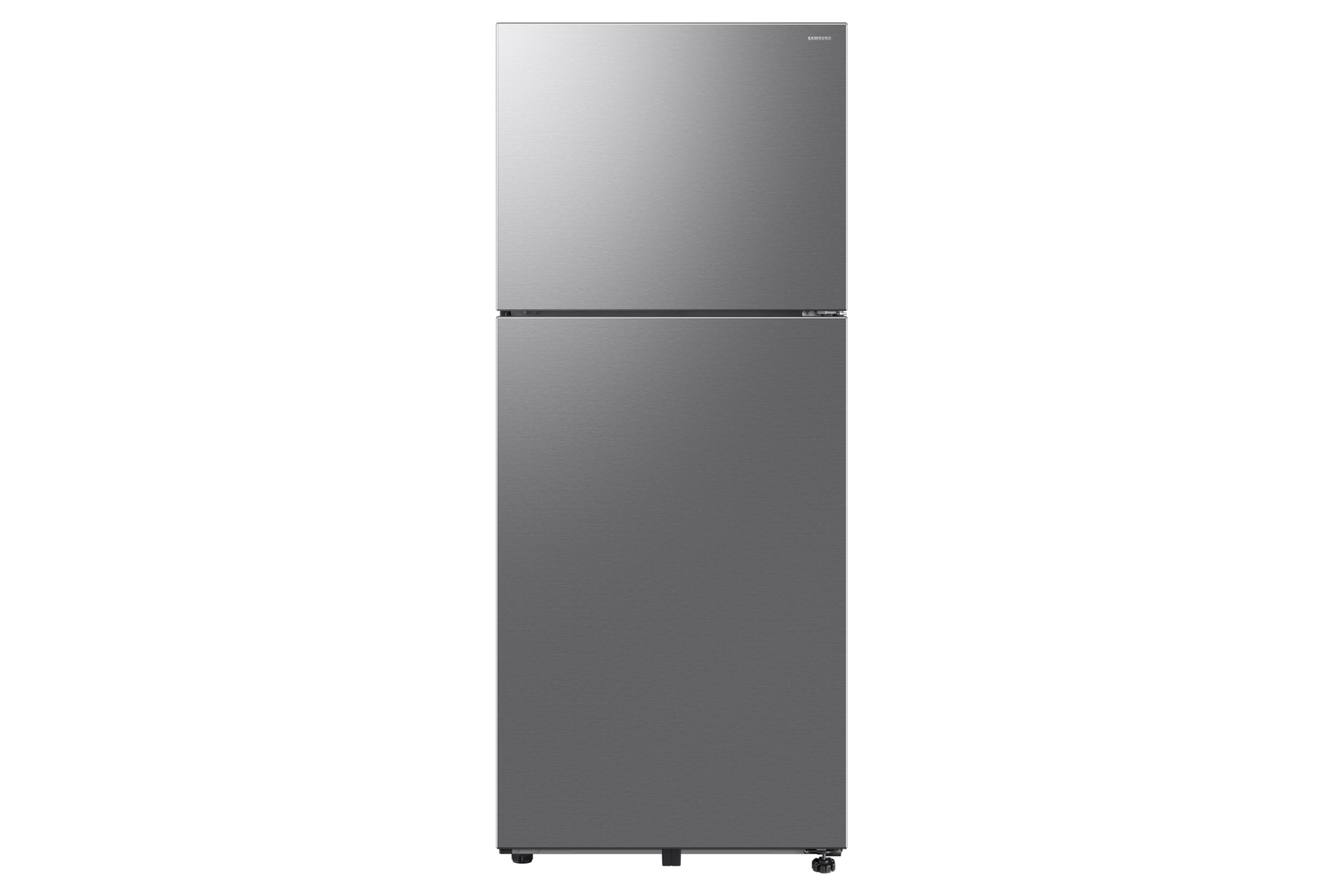
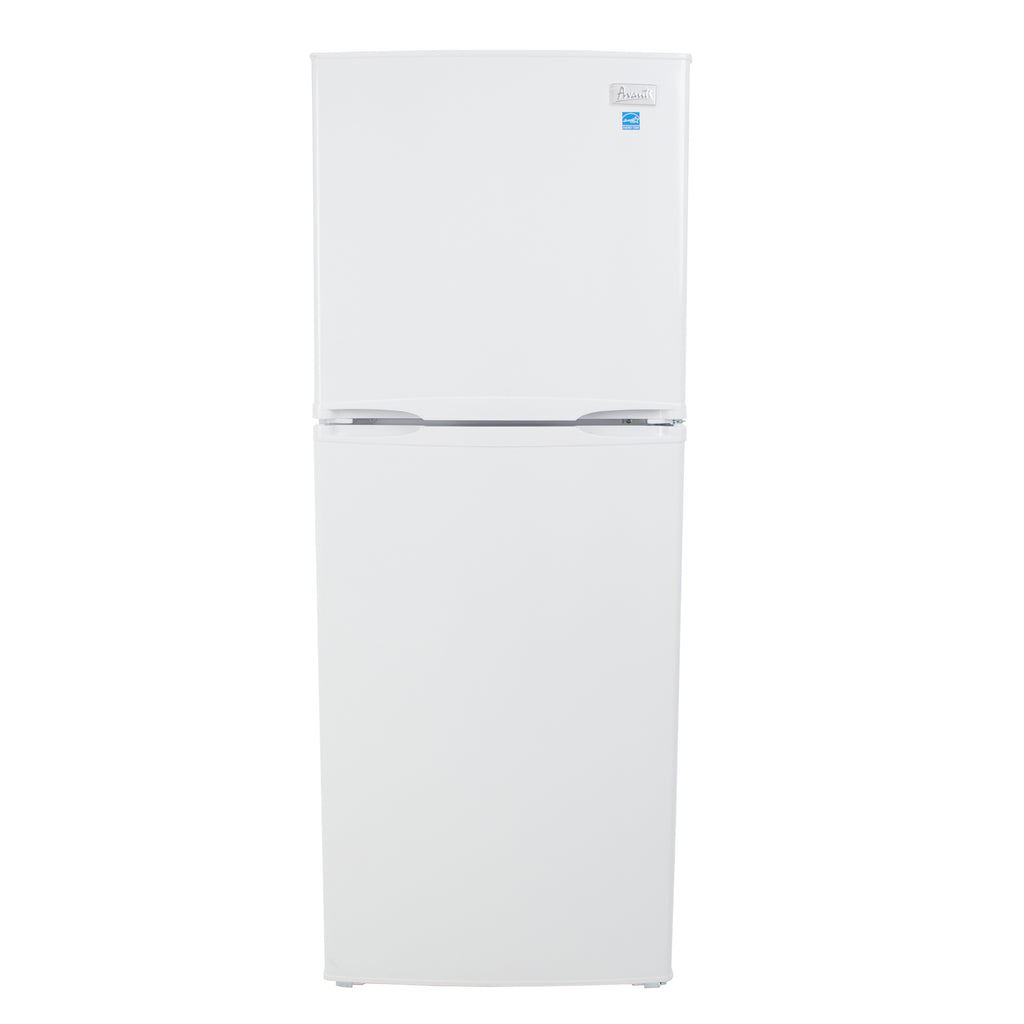
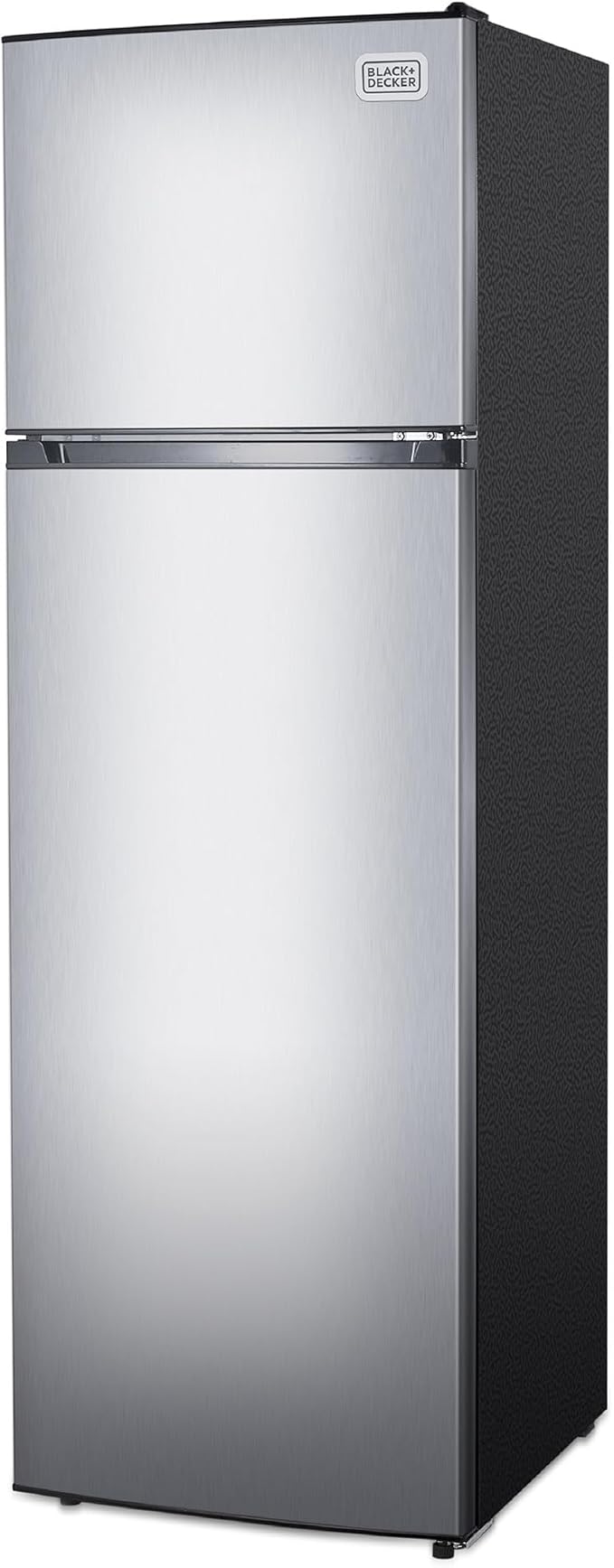
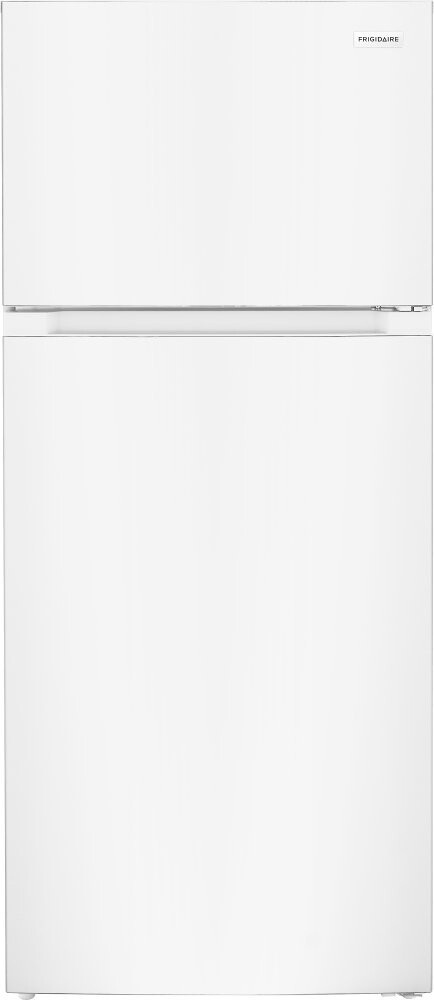
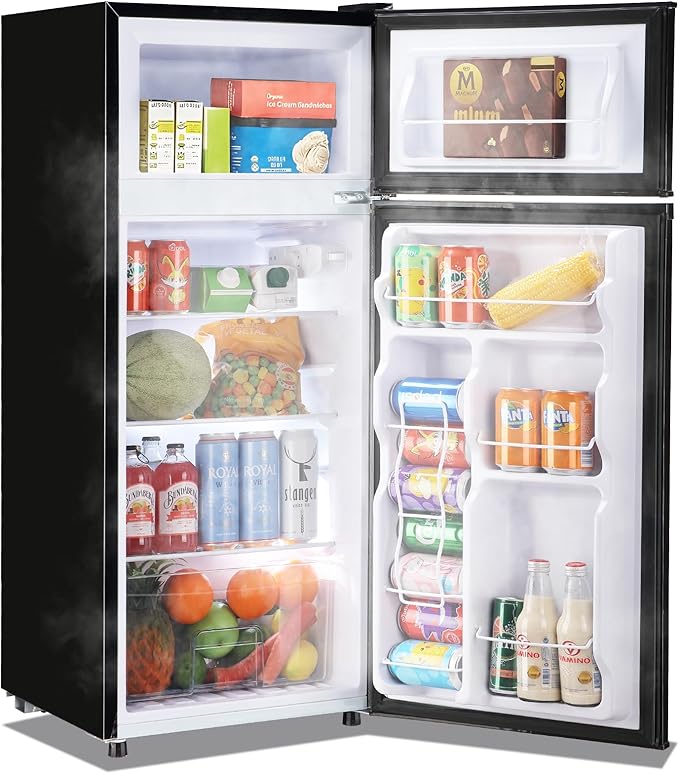
The fresh food section offers ten to sixteen cubic feet with three to four adjustable shelves, two crisper drawers, and multiple door bins.
Understanding how a top freezer model compares to these alternative configurations helps you identify which layout best matches your kitchen space, storage habits, and budget.
This classic design has been the default American kitchen refrigerator since the nineteen fifties and continues to outsell most other configurations in terms of total units shipped.
The top freezer layout puts frozen food at eye level or slightly above for most adults, while fresh food sits at waist level and below, requiring bending to access crisper drawers and lower shelves.
The top freezer fridge remains one of the most popular refrigerator configurations on the market, but it faces stiff competition from French door, bottom freezer, and side-by-side designs that each offer distinct advantages. Understanding how a top freezer model compares to these alternative configurations helps you identify which layout best matches your kitchen space, storage habits, and budget. Each design places the freezer and fresh food sections in different positions, affecting everything from daily ergonomics to energy efficiency and purchase price.
What Is a Top Freezer Fridge
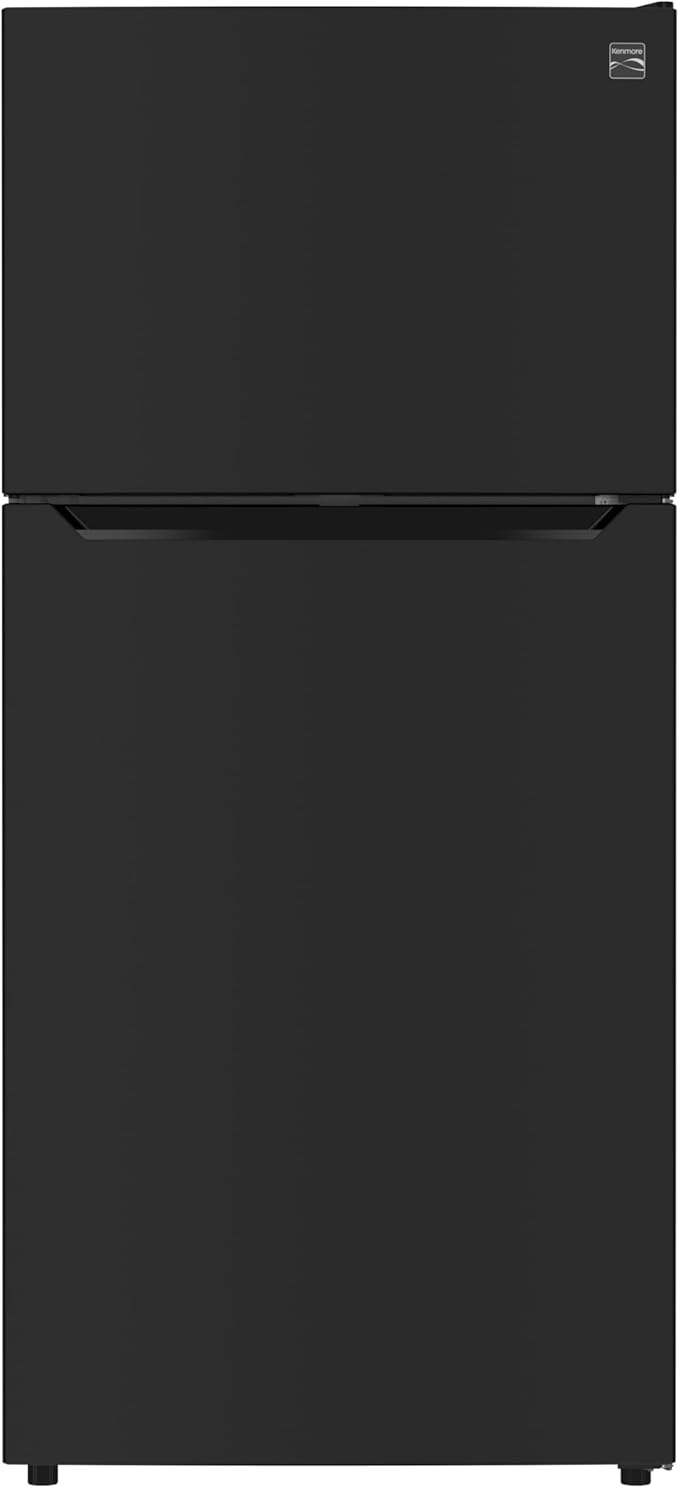
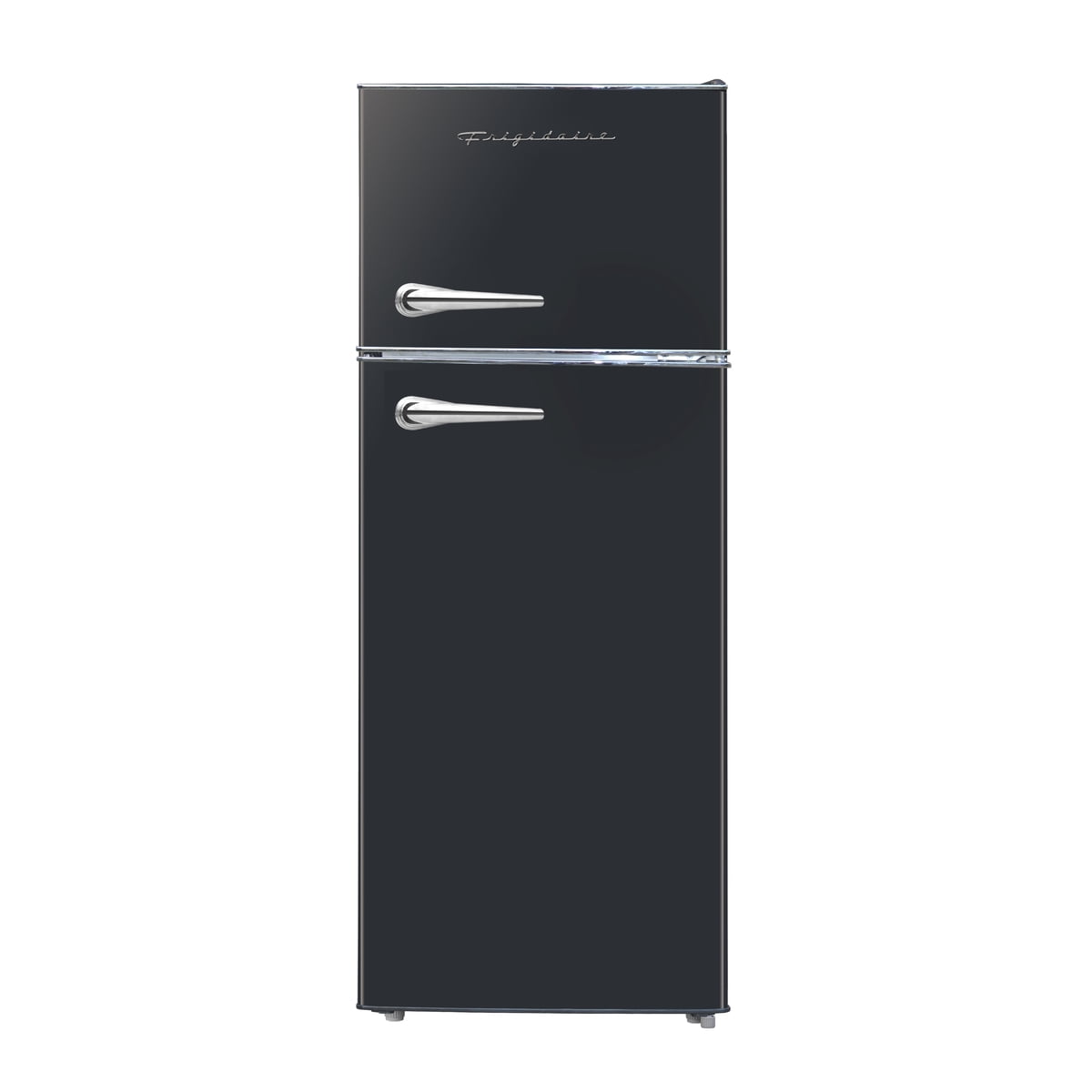
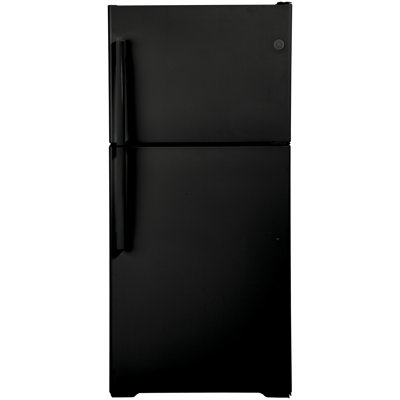
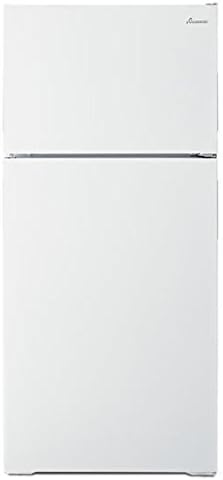
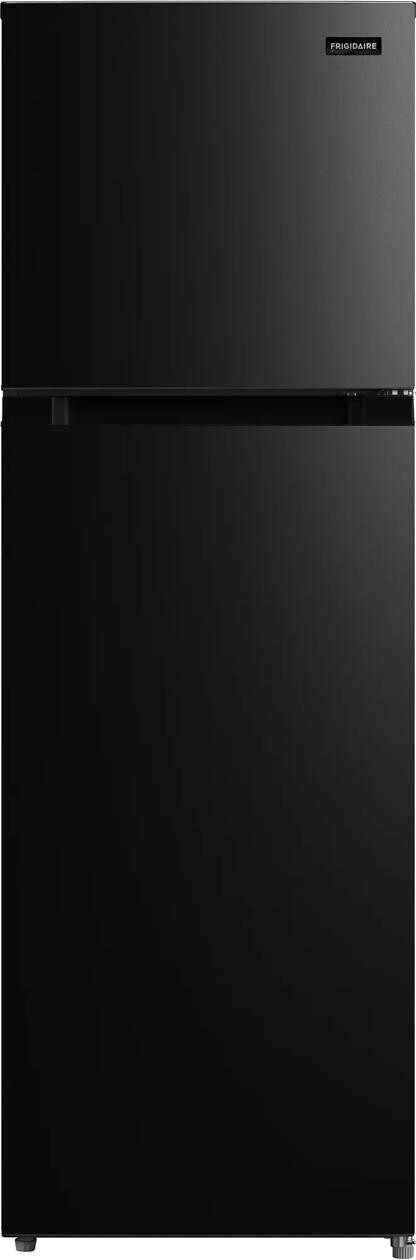
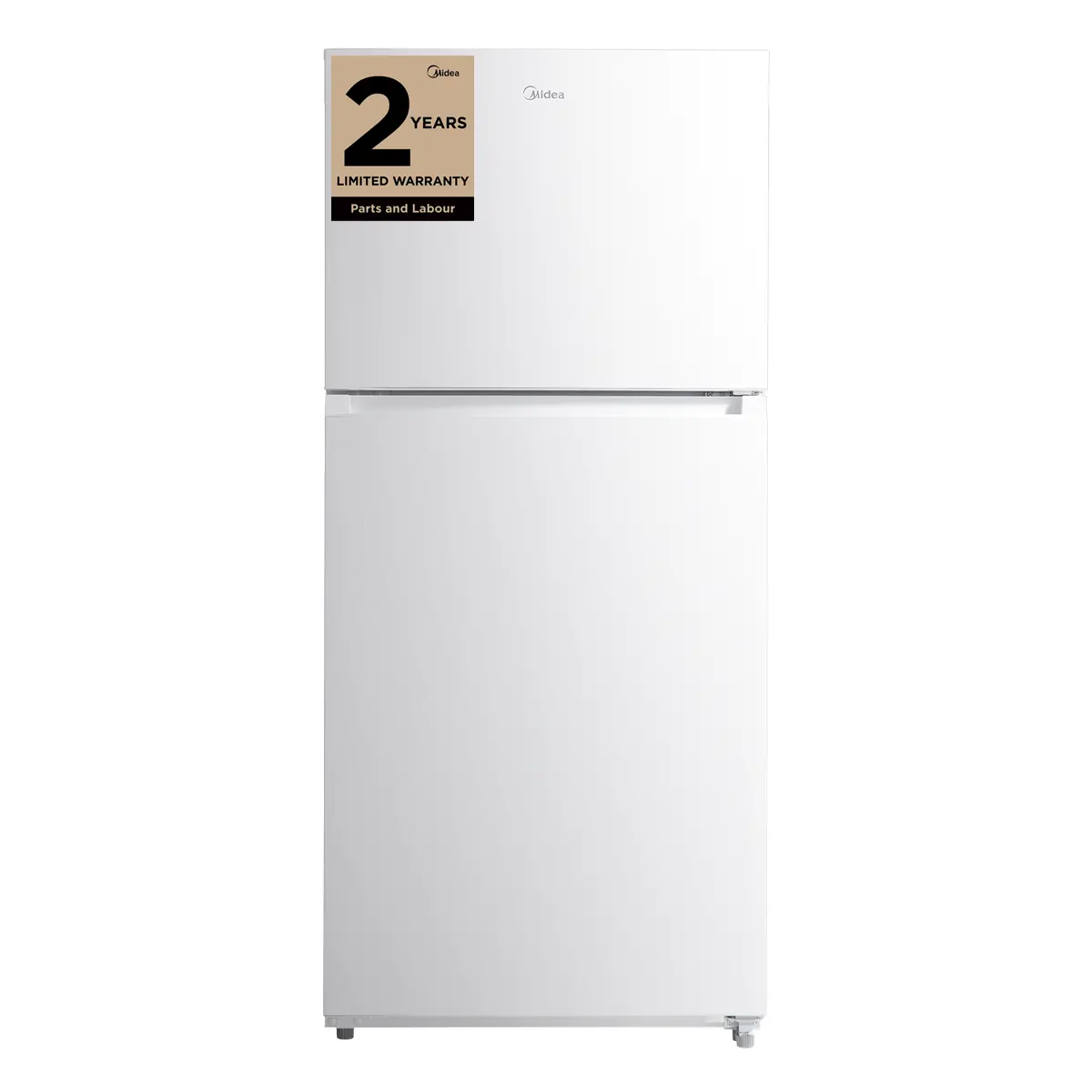
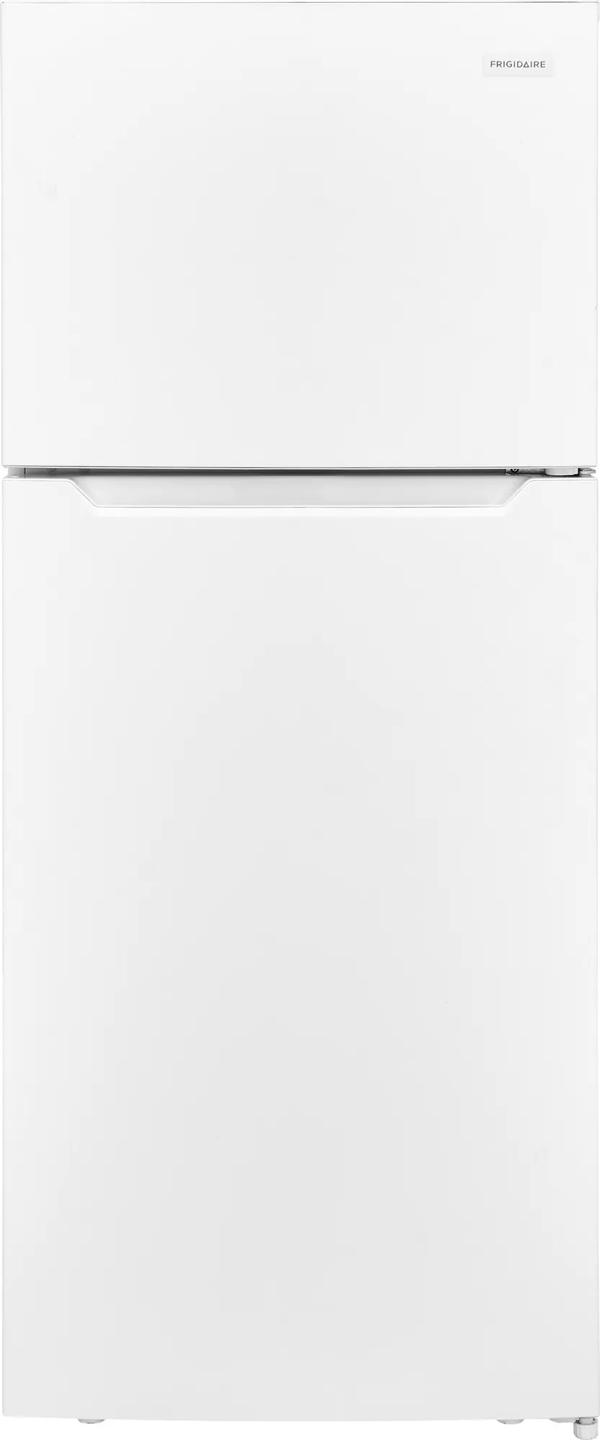
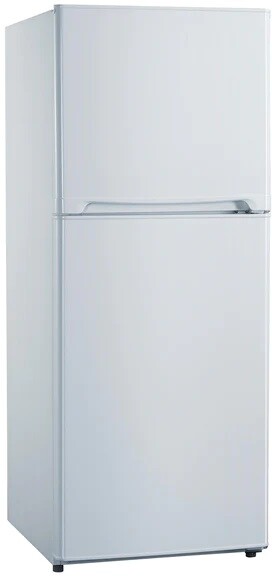
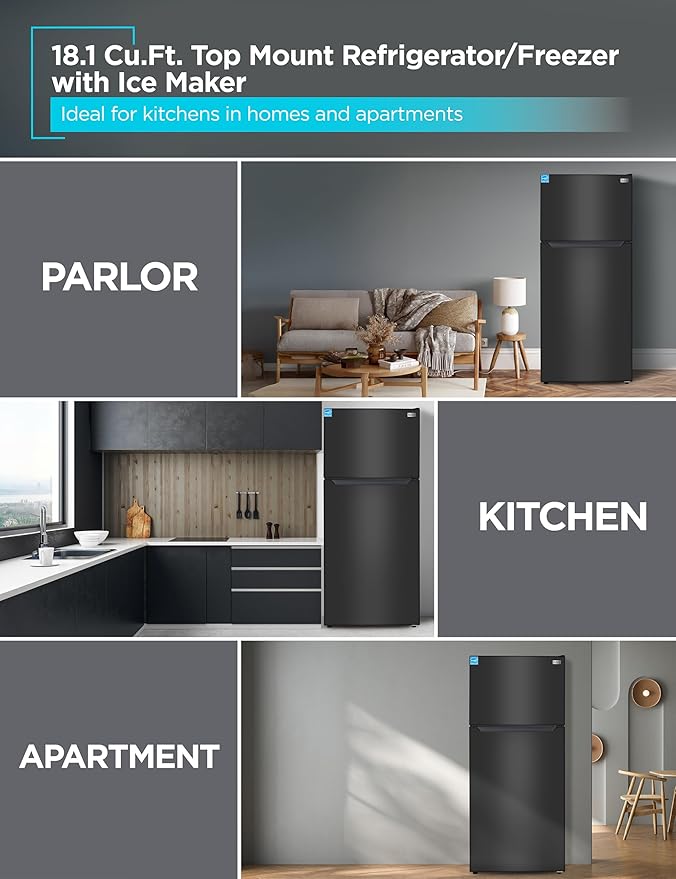
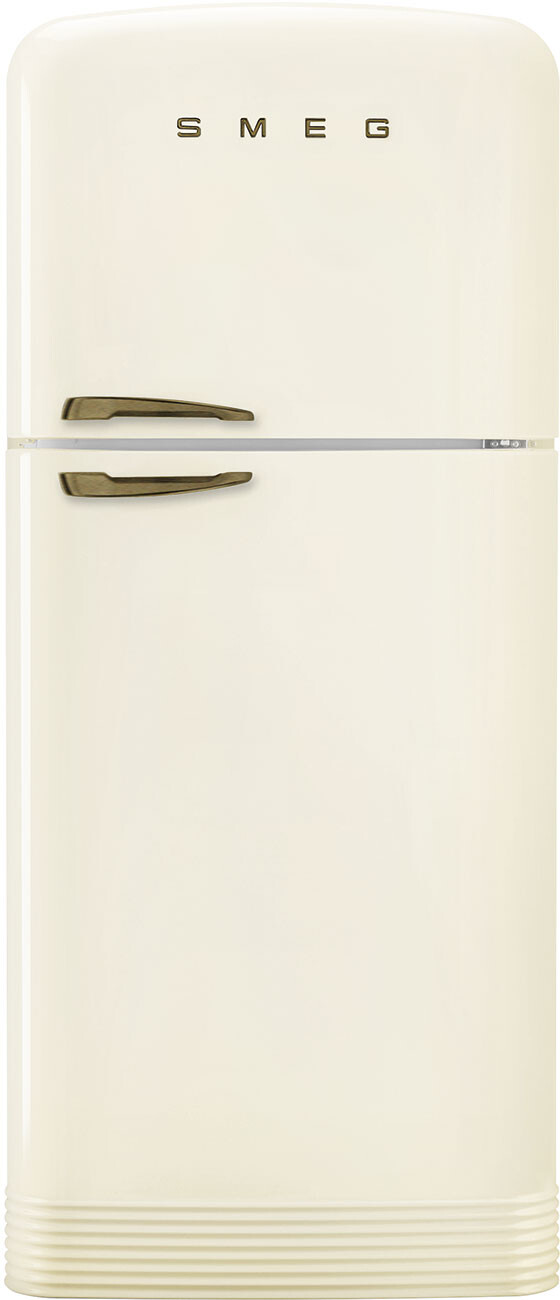
A top freezer fridge places the freezer compartment above the fresh food section in a two-door cabinet, with the freezer door on top and the refrigerator door below. This classic design has been the default American kitchen refrigerator since the nineteen fifties and continues to outsell most other configurations in terms of total units shipped. Models typically range from fourteen to twenty-two cubic feet of total capacity, measuring twenty-eight to thirty-two inches wide, sixty-one to sixty-eight inches tall, and twenty-eight to thirty-four inches deep.
The top freezer layout puts frozen food at eye level or slightly above for most adults, while fresh food sits at waist level and below, requiring bending to access crisper drawers and lower shelves. The freezer section usually provides three to six cubic feet with one or two wire shelves, a door bin, and an ice tray. The fresh food section offers ten to sixteen cubic feet with three to four adjustable shelves, two crisper drawers, and multiple door bins. This design offers the most affordable entry point into full-size refrigeration with proven reliability and the lowest average repair costs across all configurations.
Top Freezer vs. French Door
French door refrigerators place a large refrigerator section behind two narrow doors at eye level, with a pull-out freezer drawer below. This layout addresses the primary ergonomic complaint about top freezer models by putting the fresh food you access most frequently at the most convenient height, eliminating constant bending for daily items like milk, produce, and leftovers. French door models typically offer twenty to twenty-eight cubic feet of total capacity, significantly more than most top freezer units, with wider shelves that accommodate full-size platters and sheet pans.
The trade-off is cost. French door refrigerators start around one thousand dollars for basic models and range up to five thousand dollars for premium units with smart features, while comparable top freezer models start at five hundred dollars and rarely exceed one thousand. French door units also consume more energy, typically five hundred to seven hundred kilowatt-hours annually versus three hundred fifty to four hundred fifty for top freezer models, and their more complex mechanical systems result in higher repair costs and shorter average lifespans. The narrow French doors require less clearance to open than a single full-width door, which benefits tight kitchen layouts, but the bottom freezer drawer can be difficult for people with back or knee issues to access when fully loaded.
Top Freezer vs. Bottom Freezer
Bottom freezer refrigerators flip the top freezer layout by placing the freezer section below the fresh food compartment. This design puts the refrigerator section at eye and chest level, making daily items easier to see and reach without bending. The freezer sits at floor level, accessible via either a swing door or a pull-out drawer depending on the model. Capacities range from eighteen to twenty-four cubic feet, overlapping closely with the top freezer category and making these two configurations the most direct competitors for moderately sized kitchen spaces.
Bottom freezer models cost slightly more than top freezer equivalents, typically starting around seven hundred dollars and ranging to one thousand five hundred dollars, but the price premium is modest compared to French door designs. Energy consumption is comparable to top freezer models, with most bottom freezer units using four hundred to five hundred fifty kilowatt-hours annually. The practical advantage of easier refrigerator access at standing height is meaningful for households where fresh food is accessed dozens of times daily while the freezer is opened only a few times. The disadvantage is that the freezer at floor level requires bending or kneeling to find items, which can be uncomfortable for anyone with mobility limitations, particularly when searching through stacked items in a deep bottom drawer.
Top Freezer vs. Side-by-Side
Side-by-side refrigerators split the cabinet vertically into two full-height columns: a narrow freezer on the left and a narrow refrigerator on the right, each with its own door. This layout puts both fresh and frozen food at every height level from floor to eye level, eliminating the need to bend for either section. Side-by-side models range from twenty-two to twenty-eight cubic feet of total capacity, measuring thirty-two to thirty-six inches wide, and are popular in kitchens where narrow door clearance is needed because neither door swings very far from the cabinet.
The narrow column width is both the greatest advantage and the biggest limitation of side-by-side designs. Each door swings only twelve to eighteen inches, perfect for kitchens with island countertops or walls close to the refrigerator where a full-width door cannot open fully. However, the narrow interior width of each column, typically only twelve to sixteen inches, cannot accommodate wide items like large pizza boxes, full-size party platters, or sheet pans that fit easily on the wider shelves of top freezer and French door models. Side-by-side units also cost more than top freezer models, starting around one thousand dollars, and consume more energy due to their larger total volume and the increased cold air loss from two frequently opened doors.
Top freezer refrigerators consistently rank as the most energy-efficient full-size configuration. Their simple mechanical design with a single compressor, straightforward airflow management, and minimal electronic controls keeps energy consumption at three hundred fifty to four hundred fifty kilowatt-hours annually, costing forty-two to fifty-four dollars per year. The top freezer position allows natural cold air flow downward from the freezer into the fresh food section, which the compressor can leverage to reduce cycling frequency.
French door and side-by-side models consume twenty to fifty percent more energy than comparable top freezer units. Their larger interiors require more compressor output, their dual-door designs lose more cold air during access, and their advanced features like ice makers, water dispensers, and digital controls add electronic energy overhead. Bottom freezer models split the difference, consuming roughly ten to twenty percent more than top freezer equivalents while remaining more efficient than French door or side-by-side configurations. For buyers who prioritize the lowest possible operating costs, the top freezer design delivers the best energy economy in the full-size refrigerator market.
Top freezer refrigerators produce between thirty and thirty-eight decibels during normal operation, making them among the quietest full-size options. The compact compressor and simple fan system create a consistent low hum without the intermittent sounds that more complex configurations produce. The absence of ice makers and water dispensers on most top freezer models eliminates the filling, freezing, and harvesting sounds that add to the noise profile of other types.
French door and side-by-side models typically operate at thirty-six to forty-six decibels, with ice makers, water dispensers, and larger compressors contributing to higher and more variable noise output. Bottom freezer models fall between the two extremes at thirty-two to forty-two decibels. For open-concept kitchens where the refrigerator is close to living and dining areas, the noise difference between a quiet top freezer and a feature-rich French door can be noticeable during meals and conversations.
Top freezer refrigerators have earned a reputation as the most reliable configuration over decades of market data. Their simple mechanical design means fewer components that can fail, and the high volume of units in service ensures that replacement parts are widely available and affordable. A compressor replacement on a top freezer model typically costs one hundred fifty to three hundred dollars, while the same repair on a French door model can run three hundred to six hundred dollars due to larger and more specialized components.
French door refrigerators have the highest average repair frequency among major configurations, driven by their more complex dual-evaporator systems, ice maker mechanisms, water filtration components, and electronic controls. Side-by-side models fall in the middle with moderate complexity and repair rates. Bottom freezer models are slightly more complex than top freezer units but significantly simpler than French door or side-by-side designs, making them a reasonable middle ground between affordability and ergonomic improvement over the basic top freezer layout.
Pricing Breakdown
The cost difference across configurations is significant and represents the clearest practical distinction for budget-conscious buyers. Top freezer models start at four hundred fifty to five hundred dollars for basic models and top out at approximately one thousand dollars for premium versions with stainless steel finishes and advanced shelving. This narrow price range makes the top freezer configuration the most accessible entry point for any household needing a full-size refrigerator.
Bottom freezer models start around seven hundred dollars, positioning them as a moderate step up from top freezer pricing with the ergonomic benefit of eye-level fresh food access. Side-by-side models start at approximately one thousand dollars, offering the narrow-door advantage for tight kitchens at a meaningful premium over top freezer and bottom freezer options. French door models command the highest prices, starting around one thousand dollars for basic units and extending to five thousand dollars or more for premium models with the latest features, making them three to ten times the cost of entry-level top freezer refrigerators.
Top freezer refrigerators fit the standard thirty-inch kitchen cutout found in most American homes. Their moderate height of sixty-one to sixty-eight inches leaves room for overhead cabinets, and their single full-width doors require twenty-four to thirty inches of swing clearance. This configuration works well in galley kitchens, apartment kitchens, and any layout where the refrigerator sits against a wall with no obstruction in the door swing path.
French door and side-by-side models require wider kitchen openings of thirty-three to thirty-six inches and may not fit standard cutouts without cabinet modification. French doors require less swing clearance per door than a single full-width door, which benefits kitchens with islands or adjacent appliances. Side-by-side narrow doors offer the best clearance profile for very tight spaces. Bottom freezer models fit standard thirty-inch openings and offer door clearance comparable to top freezer units, making them the easiest upgrade from a top freezer layout without requiring kitchen modifications.
The most common mistake is choosing a configuration based on appearance rather than practical daily use. French door refrigerators look impressive in showrooms, but if your household is one or two people with modest grocery needs, you end up paying a significant premium for capacity and features you do not use. Conversely, choosing the cheapest top freezer available when your household of five generates large weekly grocery hauls leads to frustration with insufficient space and constant reorganization.
Another frequent error is ignoring the ergonomic implications of freezer position. Households that access the freezer frequently throughout the day may find a top freezer layout more comfortable than a bottom freezer or French door design where the freezer requires bending. Households that access fresh food far more often than frozen food benefit from configurations that place the refrigerator section at standing height. Match the configuration to your actual access patterns rather than assuming one layout universally superior to another.
Buyers also commonly overlook door clearance requirements. A beautiful French door refrigerator that cannot open its doors fully because an island countertop blocks the swing becomes a daily frustration. Measure all clearance paths before committing to any configuration, and consider side-by-side models specifically when tight clearance is unavoidable.
Who Should Choose Each Type
A top freezer fridge is the right choice for budget-conscious buyers, small to medium households, renters, vacation home owners, and anyone who values reliability and low operating costs above ergonomic luxury. It delivers the most refrigeration value per dollar and the lowest lifetime ownership cost of any full-size configuration.
A French door refrigerator suits families of four or more, serious home cooks, frequent entertainers, and buyers who want maximum capacity with the most ergonomic fresh food access. A bottom freezer model suits buyers who want the fresh food ergonomic benefits at a lower price than French door models. A side-by-side model suits kitchens with tight door clearance and households that want full-height access to both fresh and frozen foods. Browse every refrigerator configuration at Fridge.com to compare layouts, capacities, and prices side by side.
Fridge.com carries top freezer refrigerators, French door models, bottom freezer units, and side-by-side refrigerators from every major brand at competitive prices. Compare configurations, features, and capacities across Fridge.com full collection to find the perfect refrigerator for your kitchen and lifestyle. Every purchase includes free shipping and expert customer support.
Frequently Asked Questions
Yes — starts at $450. French door starts at $1,200. Side-by-side starts at $800. The top freezer delivers the most cold storage per dollar at every price tier. Compare at Fridge.com.
Free tool
Food Storage Calculator
Free interactive tool from Fridge.com — get a quick answer while you read.