Always measure doorways, hallways, and the installation space before purchasing, and consider whether a compact 24-inch-wide apartment-size model better fits your constraints.
Most mini fridge freezer compartments reach only 10 to 15°F — too warm for safe long-term frozen storage.
Small refrigerators typically cost $100 to $500.
A two-person household should aim for at least 7 to 10 cubic feet; a 3.5-cubic-foot mini fridge is too small for primary use beyond a single person.
A small refrigerator measures under 24 inches wide and holds 1.7 to 10 cubic feet, while a standard refrigerator size runs 24 to 36 inches wide, 65 to 70 inches tall, and holds 18 to 28 cubic feet. That single spec gap drives every other difference between the two: a standard model is a household's primary food-storage appliance for two to six people, while a small refrigerator delivers essential cold storage in dorm rooms, offices, studios, and secondary spaces where a full-size unit is too large or unnecessary. This guide compares dimensions, capacity, freezer performance, energy use, noise, price, and maintenance so you can match the right unit to your space and household.
What Is a Standard Refrigerator Size?
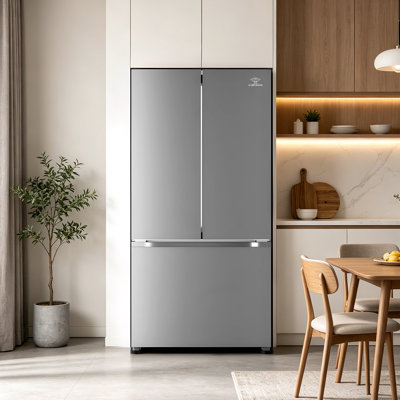
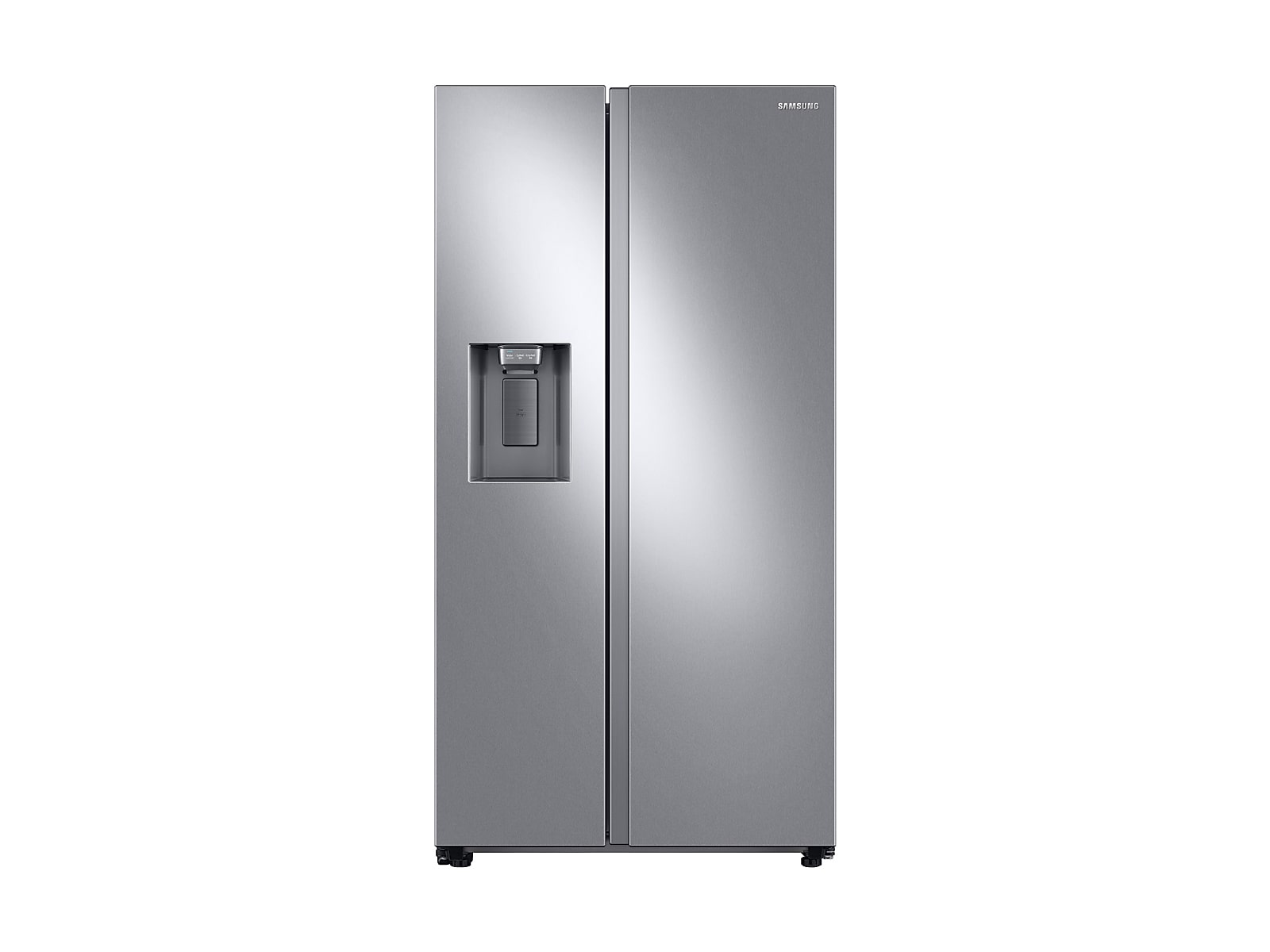
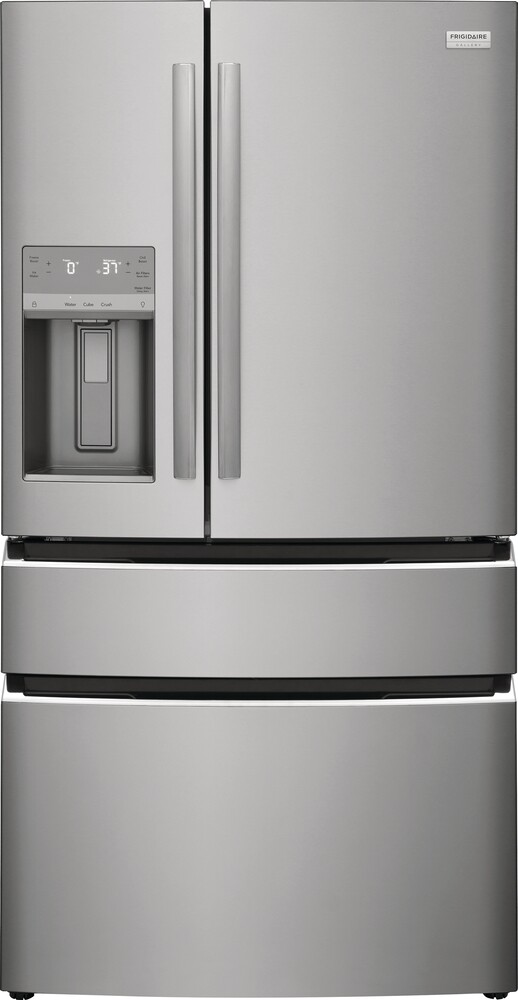
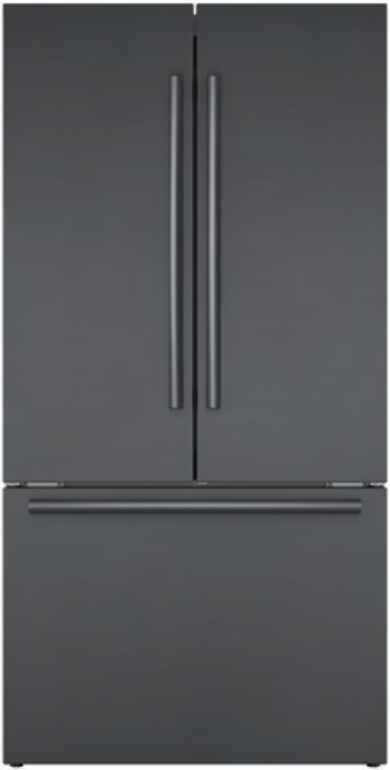
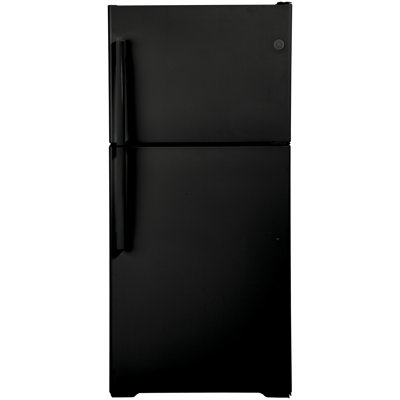
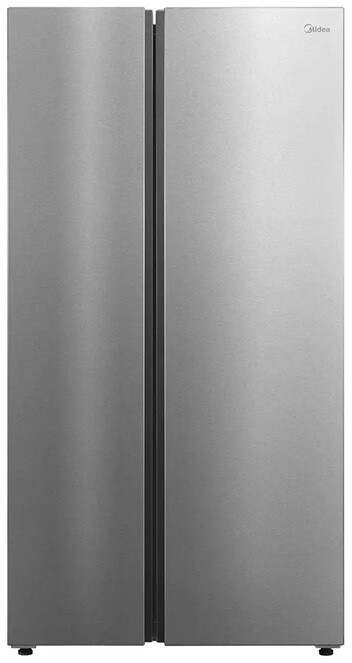
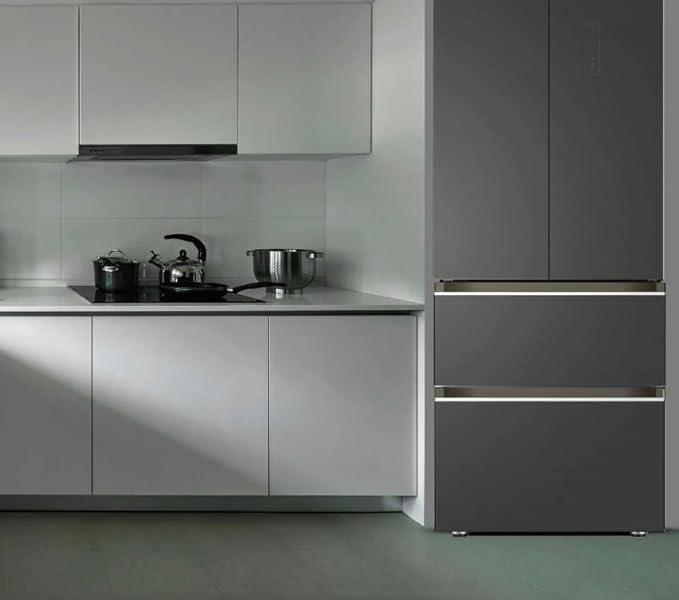
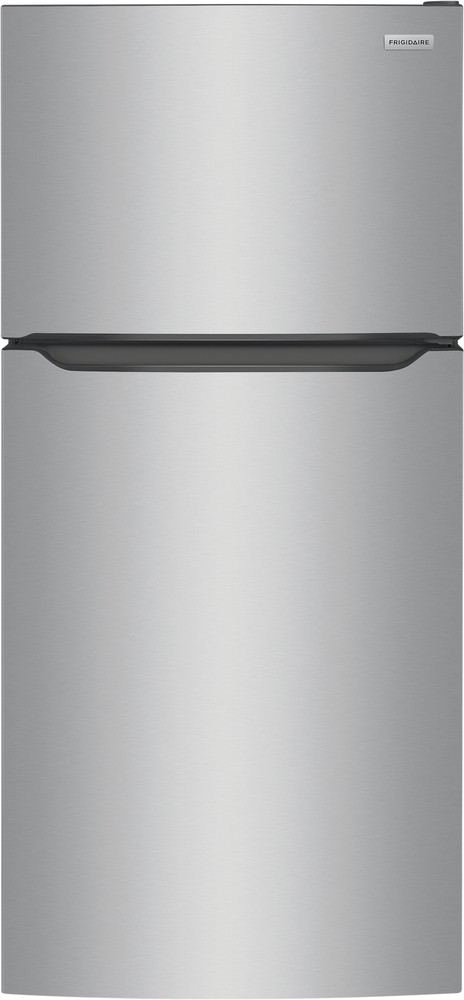
A standard refrigerator is the full-height kitchen appliance found in most households — 24 to 36 inches wide, 65 to 70 inches tall, and 29 to 35 inches deep, with a total capacity of 18 to 28 cubic feet split between a fresh food compartment and a freezer. The fresh food section operates at 34 to 40°F and the freezer at 0°F. Standard refrigerators come in four primary configurations: top-freezer (most affordable), bottom-freezer (ergonomic fridge access), side-by-side (equal vertical columns), and French door (two fridge doors with a freezer drawer below).
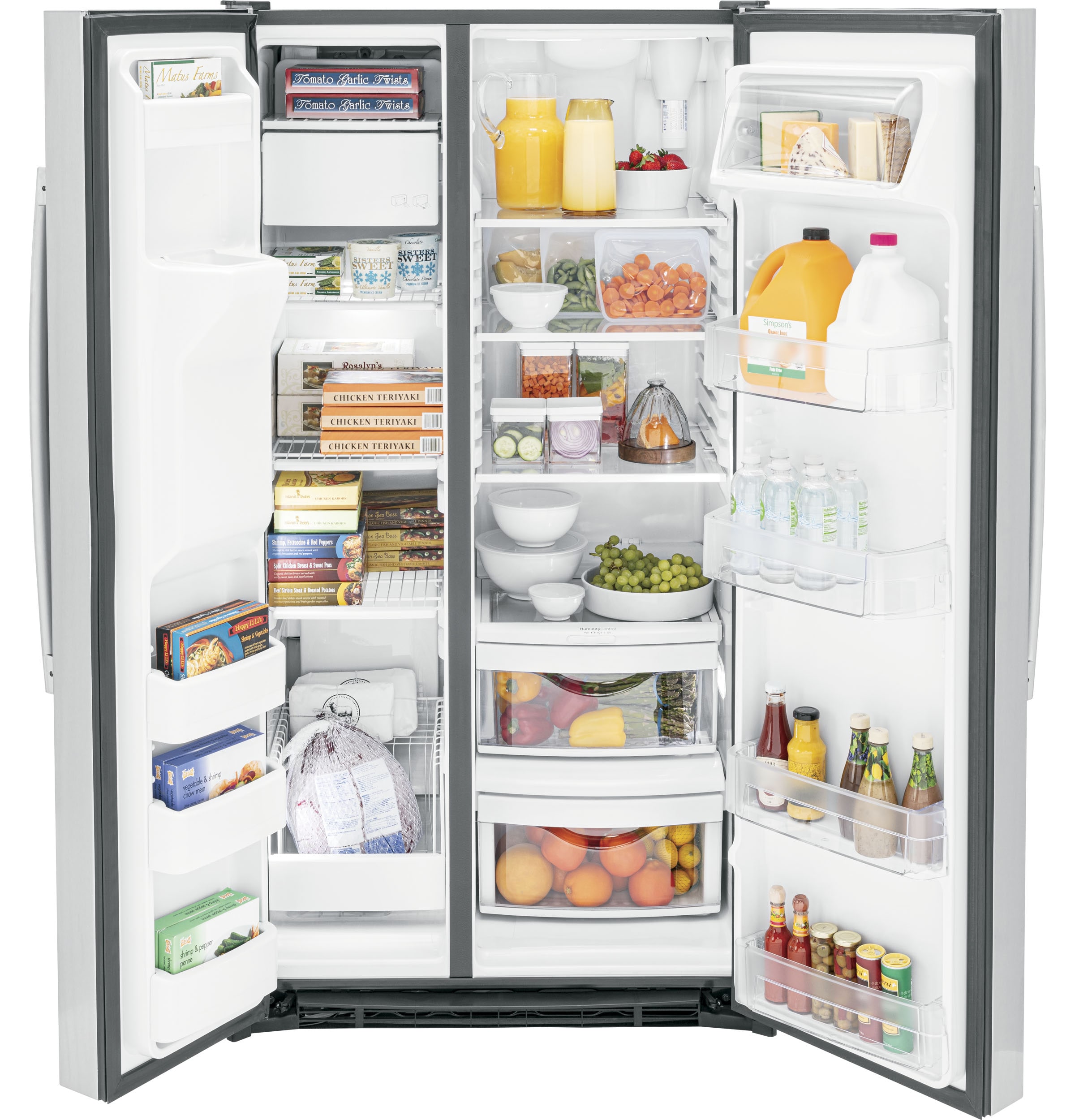
Standard models carry the features that define a modern kitchen — adjustable glass shelves, humidity-controlled crisper drawers, gallon-capacity door bins, built-in water and ice dispensers, LED lighting, and digital temperature controls. Premium units add Wi-Fi connectivity, touchscreen displays, and internal cameras. This is the central hub of daily cooking, meal planning, and grocery management for a family.
What Is the Size of a Small Fridge?
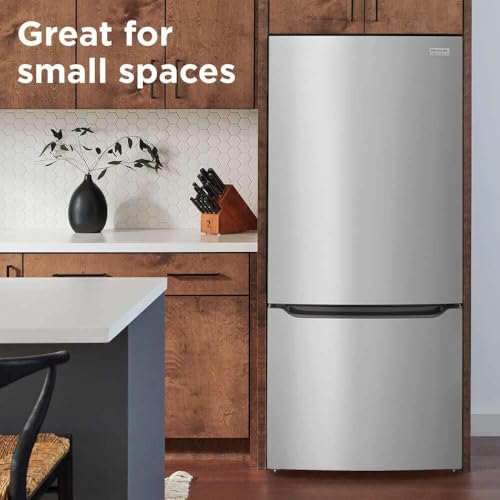
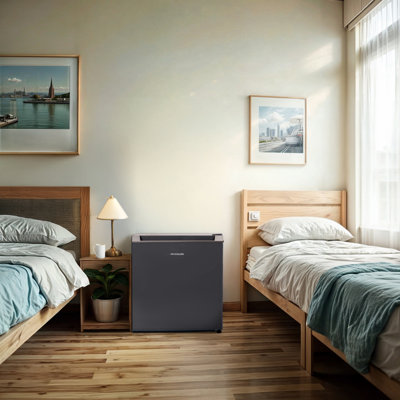
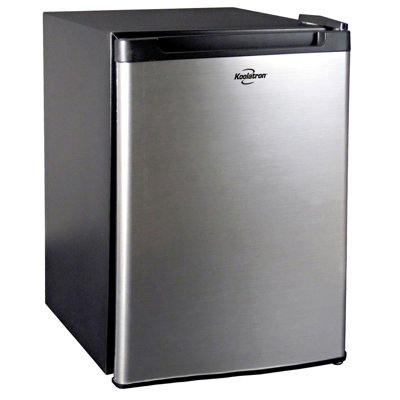
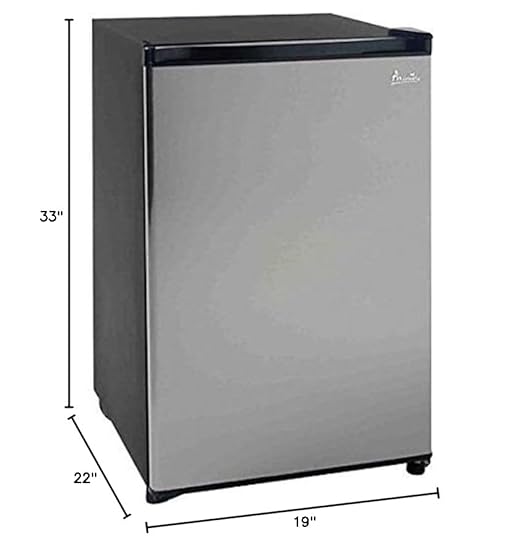
A small refrigerator — also called a compact refrigerator, mini fridge, or apartment-size refrigerator — is generally under 24 inches in width, 18 to 48 inches tall, and 17.5 to 26 inches deep, with a capacity of 1.7 to 10 cubic feet. Small refrigerator width is the defining constraint: the narrowest true mini fridges start around 17 to 20 inches, mid-size compact units run 20 to 24 inches, and the largest compact models still stay under the 24-inch line that separates them from standard kitchen appliances.
Capacity splits into three practical tiers. The smallest models (1.7 to 4.5 cubic feet) are true mini fridges for dorm rooms, bedrooms, and offices, storing beverages, snacks, and a limited amount of perishables. Mid-size models (4.5 to 7 cubic feet) serve as apartment-size primary refrigerators for studios and small one-bedroom layouts. Larger compact models (7 to 10 cubic feet) work as full apartment refrigerators or substantial secondary units in home bars, guest suites, and in-law apartments. Small refrigerators offer simplified features — one or two adjustable shelves, a small freezer compartment, one or two door bins, and a small crisper or produce bin. Most lack ice makers, water dispensers, and smart features.
Small Refrigerator Sizes and Dimensions vs. Standard
To grasp the physical and storage differences between small and standard refrigerators, compare typical dimensions and capacities side by side:
Refrigerator Type
Width (inches)
Height (inches)
Depth (inches)
Capacity (cubic feet)
Small Refrigerator
< 24
18 - 34
17.5 - 26
1.7 - 10
Standard Refrigerator
24 - 36
65 - 70
29 - 35
18 - 28
For a finer breakdown by class, the table below maps each tier to the household it serves and its typical width:
Category
Capacity Range
Serves
Typical Width
Mini Fridge
1.7 - 4.5 cu ft
1 person (beverages and snacks)
17 - 20 inches
Compact / Apartment
4.5 - 7 cu ft
1 person (primary fridge)
20 - 24 inches
Large Compact
7 - 10 cu ft
1 - 2 people (primary fridge)
22 - 24 inches
Standard Top-Freezer
18 - 21 cu ft
2 - 4 people
28 - 32 inches
Standard French Door
22 - 28 cu ft
3 - 6 people
33 - 36 inches
Always measure the space where you plan to place your refrigerator, allowing clearance on all sides for ventilation and full door swing. Your choice isn't limited to just small or standard sizes — there are also specialty refrigerators such as drink fridges, bottom freezer models, and dorm fridges. Explore comparisons like mini freezers Vs. small refrigerators to find which appliance best suits your requirements.
Space is a primary factor — not just the footprint the appliance occupies, but how it integrates into your kitchen layout or designated area. Before deciding, measure height, width, and depth, accounting for obstructions like countertops, cabinetry, or door swings, and leave clearance for ventilation and access.
Refrigerator Type
Average Width
Average Height
Average Depth
Small Refrigerator
17 - 24 inches
18 - 34 inches
18 - 26 inches
Standard Refrigerator
29 - 36 inches
66 - 70 inches
29 - 34 inches
A 36-inch French door model occupies roughly 9 square feet of floor space including door swing and stands nearly 6 feet tall — a footprint that is essentially irreducible without sacrificing the capacity that defines the category. A 3.5-cubic-foot mini fridge occupies roughly 2.5 square feet, less than one-third of that, and fits under counters at 34 inches tall, beside desks at 20 inches wide, and in closets or alcoves with no dedicated kitchen infrastructure. Should space be a constraint, you might find useful alternatives in Fridge.com articles on mini freezer Vs. small refrigerator or undercounter beverage cooler.
The Impact of Size on Kitchen Layout
Refrigerator size significantly affects the flow and functionality of your kitchen:
Traffic Flow: A larger refrigerator in a tight space can obstruct walkways or interfere with the opening of cabinets and other appliances.
Aesthetic: Oversized refrigerators in small kitchens can overwhelm the space, whereas small refrigerators may look disproportionate in large kitchens.
Accessibility: In smaller kitchens, a compact refrigerator frees up space, making it easier to navigate and reach other essentials.
For more on optimizing kitchen space, explore Fridge.com articles on bottom freezer refrigerator Vs. energy efficient refrigerator and standard fridge size Vs. upright refrigerator.
Storage Needs
To estimate your storage needs, consider your shopping habits, household size, and the items you typically store. A smaller refrigerator suits people who live alone or with a partner and dine out or buy fresh often; a standard refrigerator suits larger households or those who buy in bulk and cook at home.
Household Size
Suggested Refrigerator Size (cu. ft.)
1-2 members
4-14 cu. ft.
3-4 members
14-18 cu. ft.
5+ members
18+ cu. ft.
The capacity gap changes how you shop. Standard-refrigerator households shop weekly and store multiple days of cooking. Mini fridge households shop every two to three days and keep only immediate-need items — a few beverages, deli items, a carton of milk, and a day's worth of leftovers. For more on choosing the right type of cold storage, explore the comparison between a drink fridge Vs. small freezer.
Maximizing Refrigerator Storage Efficiency
Regardless of size, these strategies help you get the most from your refrigerator space:
Use organizational tools like bins and dividers to group similar items together.
Adjust shelves to accommodate items of different heights, making better use of vertical space.
Regularly declutter and dispose of expired or unnecessary items to free up space.
For those with a small refrigerator, these tips help make every square inch count. Also consider models with adjustable shelving and multiple drawers to tailor the space to your needs. Those interested in specialized storage might find the comparison between a beverage center Vs. small deep freezer helpful.
Freezer Capacity
Freezer capacity is where the two categories diverge most sharply. Standard refrigerators allocate 5 to 10 cubic feet to the freezer — enough for frozen meals, bulk meats, ice cream, frozen vegetables, and bags of ice. A top-freezer model provides full-width shelves and door storage; a French door freezer drawer offers pull-out organization.
Small refrigerators provide minimal freezer space — typically 0.5 to 1.5 cubic feet behind a small door or flap inside the refrigerator compartment, holding a few ice trays, one or two frozen meals, and perhaps a small container of ice cream. Critically, many mini fridge freezer compartments struggle to maintain a true 0°F, achieving only 10 to 15°F — cold enough for ice cubes but inadequate for long-term frozen food safety. Ice cream softens, frozen meats sit in a partial-thaw state, and safety cannot be guaranteed above the 0°F standard. If reliable frozen storage matters to your routine, choose a compact model with a true separate freezer compartment or add a small standalone freezer alongside a mini fridge.
A smaller refrigerator consumes less total electricity than a larger one because it cools less volume, though modern units of any size carry energy-efficient features that affect overall consumption. The table below shows average annual energy use by size:
Refrigerator Size
Average Annual Energy Consumption (kWh)
Small (< 18 cu. ft.)
350 - 600
Standard (18 - 21 cu. ft.)
600 - 800
Large (> 21 cu. ft.)
800 - 1000
There is an important efficiency nuance: small refrigerators use less energy in absolute terms but are far less efficient per cubic foot. A mini fridge uses roughly 57 to 94 kWh per cubic foot annually, while a standard French door uses only about 20 to 28 kWh per cubic foot, thanks to its larger, better-insulated cabinet and more efficient compressor. For a single-person household that only needs 3 to 5 cubic feet of cold storage, the mini fridge's lower absolute consumption still delivers genuine savings; for a family, the standard model's per-unit efficiency is the better value.
Tips for Reducing Your Refrigerator's Energy Footprint
Maintain the correct internal temperature: set your refrigerator between 35°F and 38°F and your freezer at 0°F.
Ensure proper ventilation: leave space between your refrigerator and walls for air circulation.
Regularly defrost: if your refrigerator is not frost-free, defrosting prevents ice buildup that increases energy use.
Minimize door opening: keep the door closed as much as possible to maintain the internal temperature.
Keep it full: a full refrigerator retains cold better than an empty one, but avoid overpacking.
Perform regular maintenance: clean the coils and check door seals to ensure maximum efficiency.
Use energy-saving modes: if your refrigerator has an energy-saving feature, make use of it.
Upgrade to an energy-efficient model that meets or exceeds government standards.
Standard refrigerators operate at 38 to 46 decibels — acceptable in a kitchen where ambient cooking and conversation noise provides masking. Small refrigerators vary widely: quality compact models run at 35 to 42 decibels, comparable to standard units, while budget mini fridges can reach 42 to 48 decibels because their smaller, less refined compressors cycle more aggressively. Because small refrigerators often sit in bedrooms, dorm rooms, and offices where nighttime quiet matters, compressor noise is a bigger concern than for kitchen-bound standard models. For bedroom placement, spending slightly more for a quiet compact model is a worthwhile investment.
Cost Implications
The initial purchase price largely tracks size, capacity, and features. Small refrigerators are typically less expensive than standard-sized counterparts:
Refrigerator Type
Average Price Range
Small Refrigerator
$100 - $500
Standard Refrigerator
$500 - $2,000+
Broken out by class and quality tier, the ranges look like this — useful if you are shopping for a mini refrigerator under $2,000 or comparing an inexpensive compact unit against a full-size model:
Category
Budget
Mid-Range
Premium
Mini Fridge (1.7 - 4.5 cu ft)
$80 - $150
$150 - $300
$300 - $500
Compact Fridge (7 - 10 cu ft)
$200 - $400
$400 - $700
$700 - $1,200
Standard Top-Freezer
$500 - $800
$800 - $1,200
$1,200 - $1,800
Standard French Door
$1,200 - $2,000
$2,000 - $3,500
$3,500 - $6,000
Price is also influenced by brand, energy efficiency ratings, and extras like smart technology or built-in ice makers. For more comparisons on specific types, explore articles such as mini freezer Vs. small refrigerator or standard fridge size Vs. upright refrigerator.
Long-term Cost Savings
Long-term costs are driven mainly by energy consumption and maintenance. Standard refrigerators, being larger, tend to consume more energy, though energy-efficient models mitigate this over time:
Refrigerator Type
Average Annual Energy Usage
Small Refrigerator
200 - 400 kWh
Standard Refrigerator
400 - 800 kWh
Consider the Energy Star rating when selecting a refrigerator. For insights into energy-efficient options, read energy efficient refrigerator Vs. glass door refrigerator or beverage cooler Vs. energy efficient refrigerator
. Smaller refrigerators also have fewer components that can break down, potentially lowering repair costs over the appliance's lifespan. Balance the immediate outlay against ongoing expenses to make a financially sound decision.
Standard refrigerators require ongoing maintenance — condenser coil cleaning, water filter replacement, ice maker servicing, gasket inspection, and interior cleaning across multiple compartments. Smart features, ice systems, and dual cooling zones create more potential failure points. Expected lifespan is 10 to 15 years, with repairs averaging $200 to $500 per incident.
Small refrigerators require minimal maintenance — basic coil cleaning, gasket inspection, and interior wiping. Many compact models use manual-defrost systems that need periodic defrosting when frost builds up in the small freezer section. The simpler mechanical design means fewer things to break, but budget construction limits lifespan to 4 to 8 years for entry-level models and 8 to 12 years for quality compact units. At their lower price points, many owners replace a small refrigerator rather than repair it.
Small refrigerators, often known as compact or mini-fridges, come with features designed for convenience and specific uses — some have built-in can dispensers, while others offer a small freezer compartment suitable for ice trays or a few frozen items.
Feature
Common in Small Refrigerators
Can Dispenser
Yes
Small Freezer Compartment
Yes
Reversible Door
Yes
Adjustable Shelves
Varies
For more specialized uses, such as storing beverages or chilling wine, a beverage fridge or wine cooler might be more suitable.
Standard-sized refrigerators provide a broader range of features due to their larger size — water and ice dispensers, temperature-controlled drawers, and customizable shelving. Smart technology such as Wi-Fi connectivity and touchscreen interfaces is increasingly common.
Feature
Common in Standard Refrigerators
Water/Ice Dispenser
Yes
Temperature-Controlled Drawers
Yes
Customizable Shelving
Yes
Smart Technology
Varies
Flexibility in Placement and Use Cases
The compact nature of small refrigerators offers flexibility in placement, making them ideal beyond the kitchen — under counters in a home bar, in a dorm room, within a home office, or in a garage as secondary storage.
Placement
Suitable for Small Refrigerators
Under Counters
Yes
Dorm Rooms
Yes
Home Offices
Yes
Garages
Yes
For specific applications, there are fridges designed for unique needs, such as an outdoor refrigerator for your patio or a drawer fridge freezer for easy access.
Standard refrigerators, due to their size, are less versatile in placement but offer a comprehensive range of use cases within the kitchen, built to handle family life from meal prep to storing large quantities of groceries.
The most frequent mistake is buying a mini fridge as the primary refrigerator for a two-person household and expecting it to handle normal grocery shopping. A 3.5-cubic-foot mini fridge fills up after a single shopping trip with milk, eggs, produce, deli items, and condiments, leaving no room for leftovers. Two-person households need at least 7 to 10 cubic feet for comfortable primary use, placing them in the large-compact or small-standard tier rather than the mini fridge tier.
The second common mistake is buying a full-size standard refrigerator for a studio apartment without measuring carefully. A 36-inch-wide French door model will not fit through many apartment doorways, which are typically 28 to 32 inches wide, and may not fit a studio's kitchen alcove. Always measure doorways, hallways, and the installation space before purchasing, and consider whether a compact 24-inch-wide apartment-size model better fits your constraints.
A third error is assuming a small refrigerator's freezer works like a standard freezer. Most mini fridge freezer compartments reach only 10 to 15°F — too warm for safe long-term frozen storage. If you need reliable frozen storage, choose a compact model with a true separate freezer compartment or add a small standalone freezer.
Choosing the right refrigerator means balancing size against efficiency, cost, and suitability for your space and lifestyle.
Weighing Pros and Cons
Small Refrigerator
Pros
Cons
Fits in tight spaces
Limited storage capacity
Lower initial cost
May not meet the needs of larger households
Less energy consumption
Fewer features and compartments
Ideal for secondary spaces like offices or dorms
Frequent grocery shopping required
Standard Refrigerator
Pros
Cons
Ample storage capacity
Higher initial cost
Variety of models and features
Takes up more space
Better for meal prep and larger families
Potentially higher energy consumption
Less frequent grocery shopping
May be excessive for small households or single users
Key Factors to Consider
Space: Measure the area where you plan to place your refrigerator and ensure there's room for the doors to open. Review Fridge.com comparison of drink fridge Vs. small freezer for space-saving ideas.
Storage: Estimate your weekly grocery volume and the types of items you store. Fridge.com article on dorm fridge Vs. fridge freezer can help you understand storage capabilities.
Energy Efficiency: Larger refrigerators generally consume more energy, though many standard sizes are now just as efficient. Look for energy-saving tips in our energy efficient refrigerator Vs. glass door refrigerator guide.
Cost: Assess both upfront cost and long-term savings from efficiency. A smaller fridge saves money upfront, but a second fridge later can add up.
Lifestyle: If you dine out often or live alone, a small refrigerator may suffice. For regular cooking and entertaining, a standard size is more practical.
Features: Ice makers, water dispensers, and smart technology can influence your choice. Check our ice maker Vs. reach in refrigerator comparison to see if a compact option can meet your needs.
Flexibility: Think about future changes. A small refrigerator may be perfect for an apartment but insufficient if you move to a larger home; a standard model might be too large if you downsize.
Who Should Buy Which
Buy a standard-size refrigerator if you have a kitchen designed for a full-size appliance and a household of two or more who cook regularly — it provides the capacity, features, and organization that daily family meal prep requires. Buy a small refrigerator if you live in a space that cannot accommodate a full-size unit — a dorm room, studio apartment, tiny home, RV, or home office — or if you need secondary cold storage in a guest room, bar area, or entertainment space. Whether you opt for a small refrigerator or a standard refrigerator size, ensure it aligns with your culinary habits and the demands of your household. For further reading, see standard fridge size Vs. upright refrigerator or beverage fridge Vs. mini freezer.
Frequently Asked Questions
What is a standard refrigerator size?
A standard refrigerator is 24 to 36 inches wide, 65 to 70 inches tall, and 29 to 35 inches deep, with 18 to 28 cubic feet of capacity. Top-freezer models tend toward the 28 to 32-inch width and 18 to 21 cubic feet, while French door models run 33 to 36 inches wide and 22 to 28 cubic feet.
What is the size of a small fridge?
A small fridge is generally under 24 inches wide, 18 to 34 inches tall, and 17.5 to 26 inches deep, holding 1.7 to 10 cubic feet. Mini fridges cover 1.7 to 4.5 cubic feet, compact apartment models 4.5 to 7 cubic feet, and large compact units 7 to 10 cubic feet.
How wide is a small refrigerator?
Small refrigerator width ranges from about 17 to 24 inches. The narrowest mini fridges start near 17 to 20 inches, mid-size compact models are 20 to 24 inches, and any unit at or under 24 inches wide is classed as small rather than standard.
How much does a small refrigerator cost?
Small refrigerators typically cost $100 to $500. Budget mini fridges run $80 to $150, mid-range models $150 to $300, and premium compacts $300 to $500. Larger compact fridges of 7 to 10 cubic feet range from $200 to $1,200. Every small refrigerator sits well under the $2,000 mark, while standard models range from $500 to $6,000 depending on configuration and features.
Does a mini fridge freezer keep food frozen?
Not reliably. Many mini fridge freezer compartments reach only 10 to 15°F rather than the 0°F needed for safe long-term frozen storage. They handle ice cubes and short-term storage, but for dependable freezing, choose a compact model with a true separate freezer or add a standalone freezer.
Can a small refrigerator be a primary fridge?
Yes, for one person or a couple who shop frequently. A 4.5 to 10-cubic-foot compact model works as a primary refrigerator for one to two people. A two-person household should aim for at least 7 to 10 cubic feet; a 3.5-cubic-foot mini fridge is too small for primary use beyond a single person.
Which uses less energy, a small or standard refrigerator?
A small refrigerator uses less total energy — roughly 200 to 400 kWh per year versus 400 to 800 kWh for a standard model. However, standard refrigerators are more efficient per cubic foot, so the savings only apply when you genuinely need less storage.
Will a standard refrigerator fit through a doorway?
Not always. A 36-inch-wide French door model will not fit through many apartment doorways, which are typically 28 to 32 inches wide. Measure doorways, hallways, and the installation alcove before buying, and consider a 24-inch-wide apartment-size model if clearance is tight.
Compare prices on Fridge.com
Compare current prices and specifications on Fridge.com, then buy from the retailer you choose; delivery, installation and warranty terms are the retailer’s.
It also has tons of awesome articles about kitchen stuff and home news. Enhance your home, garage, backyard, patio, and office with the coolest essentials. With every necessary type of residential refrigerator or freezer in the collection, you're covered.
Frequently Asked Questions
A standard refrigerator is the full-height kitchen appliance found in most households — 24 to 36 inches wide, 65 to 70 inches tall, and 29 to 35 inches deep, with a total capacity of 18 to 28 cubic feet split between a fresh food compartment and a freezer. The fresh food section operates at 34 to 40°F and the freezer at 0°F. Standard refrigerators come in four primary configurations: top-freezer (most affordable), bottom-freezer (ergonomic fridge access), side-by-side (equal vertical columns), and French door (two fridge doors with a freezer drawer below). Standard models carry the features that define a modern kitchen — adjustable glass shelves, humidity-controlled crisper drawers, gallon-capacity door bins, built-in water and ice dispensers, LED lighting, and digital temperature controls. Premium units add Wi-Fi connectivity, touchscreen displays, and internal cameras. This is the central hub of daily cooking, meal planning, and grocery management for a family.