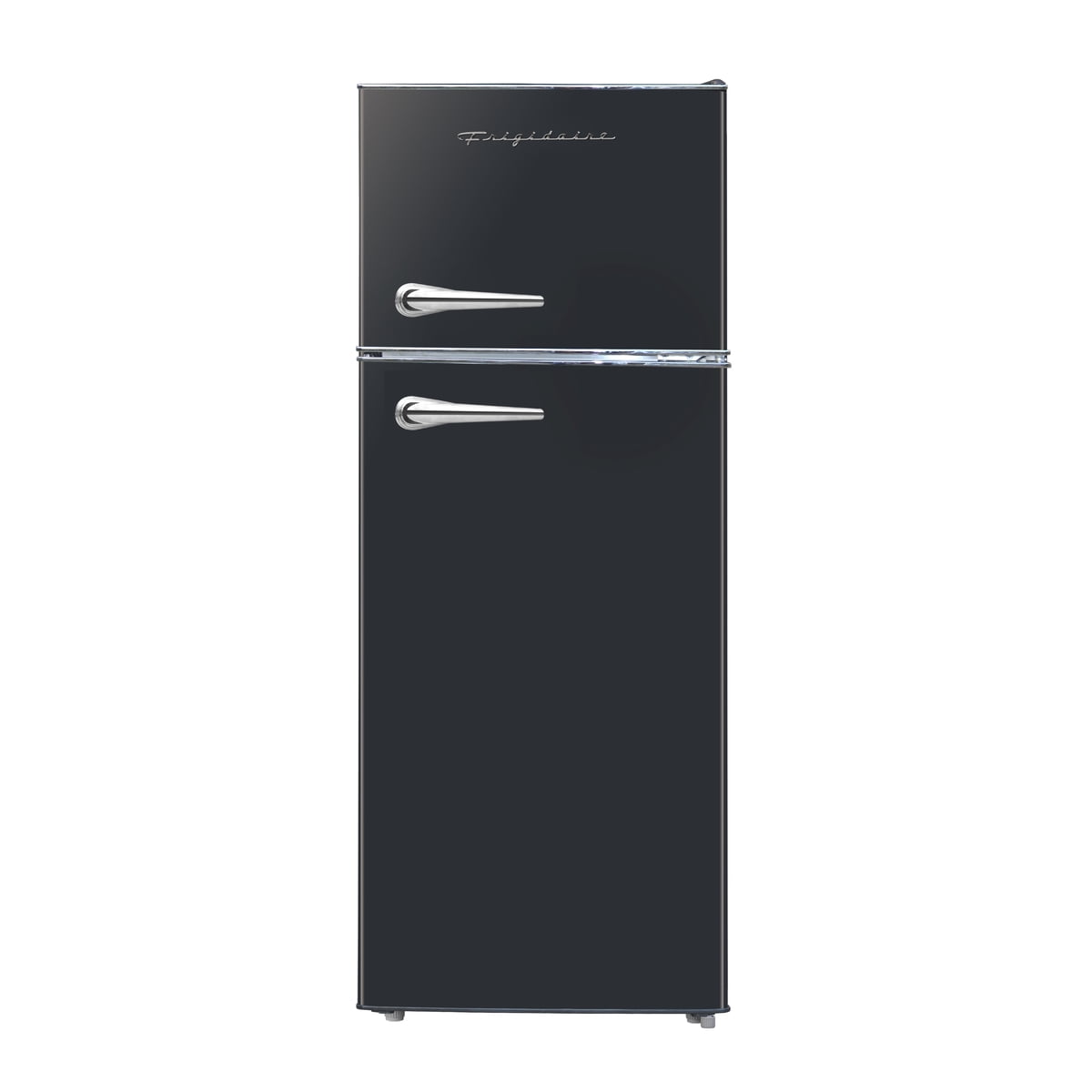
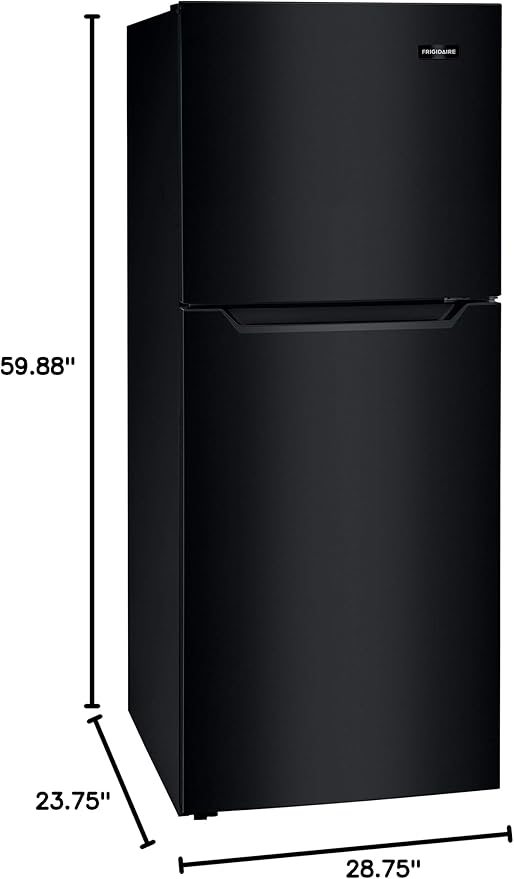
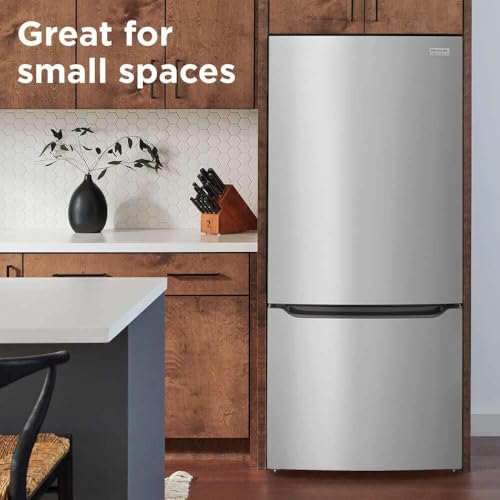
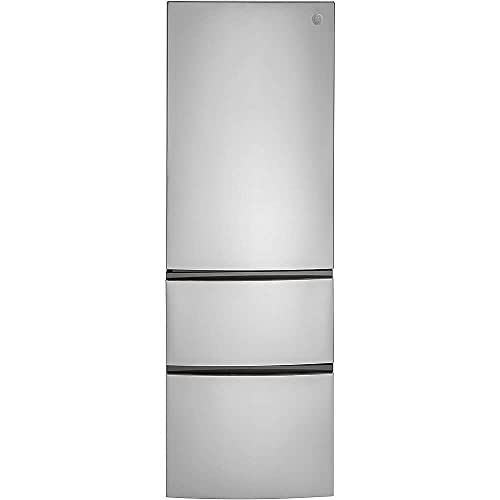
An oversized refrigerator that operates at half capacity wastes energy cooling empty air and costs more upfront for space you never use.
Compare dimensions, features, and capacities across Fridge.com full collection to find the ideal fit for your space and lifestyle.
This size category encompasses top freezer, bottom freezer, and some French door models, and it represents the most common refrigerator footprint found in American homes.
This category includes most French door models, side-by-side refrigerators, and four-door configurations designed for households that demand maximum storage flexibility.
When shopping for a new refrigerator, the choice between a standard refrigerator size and a large refrigerator comes down to kitchen dimensions, household size, grocery habits, and budget. A standard-size refrigerator typically offers between eighteen and twenty-two cubic feet of total capacity and fits most kitchen layouts without modification, while a large refrigerator provides twenty-five to thirty cubic feet or more and caters to bigger households that store greater volumes of fresh and frozen food. Understanding the practical differences between these two size categories helps you invest in the right appliance without wasting money on unused space or cramping your kitchen with an oversized unit.
Defining Standard Refrigerator Size
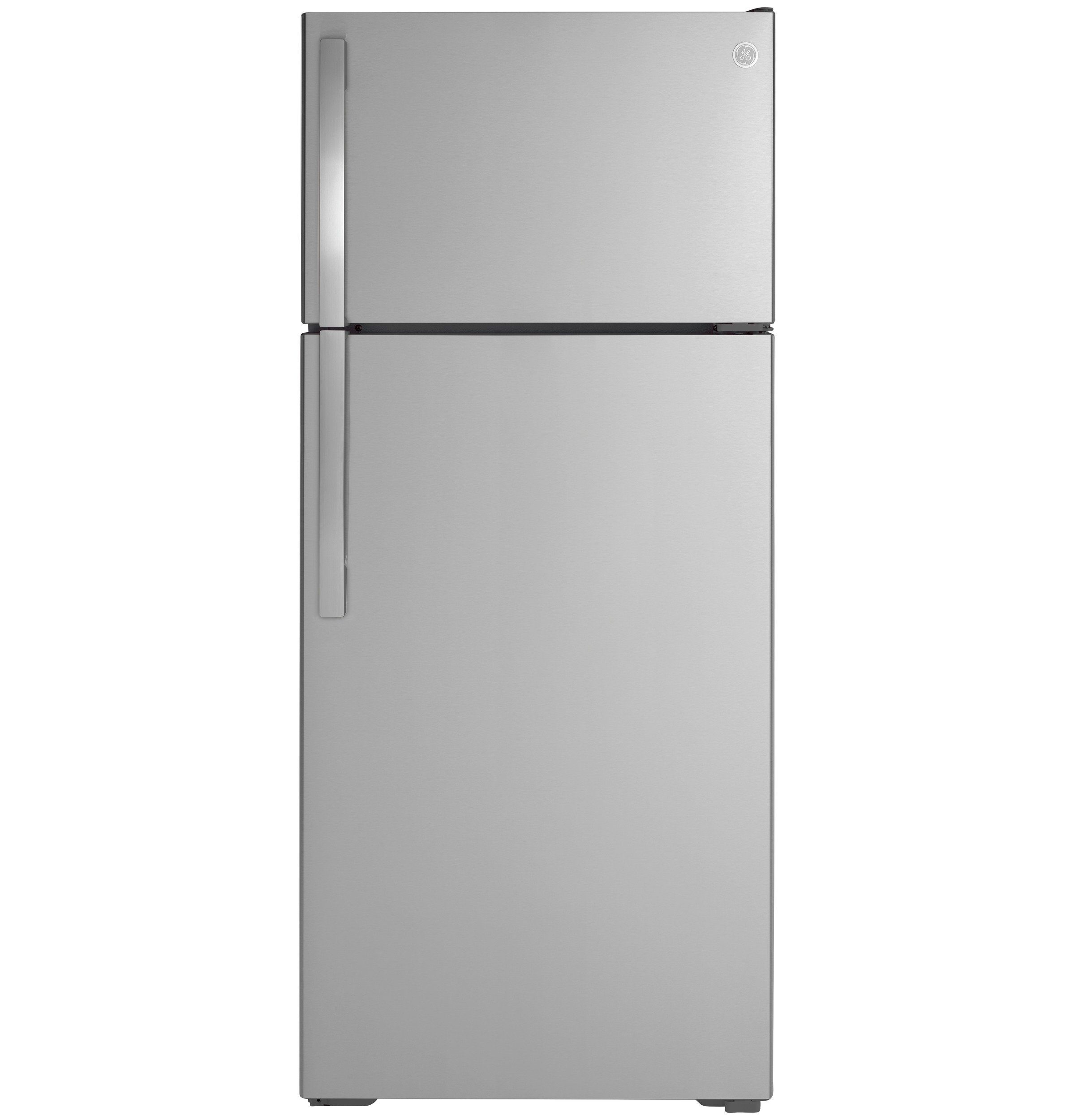
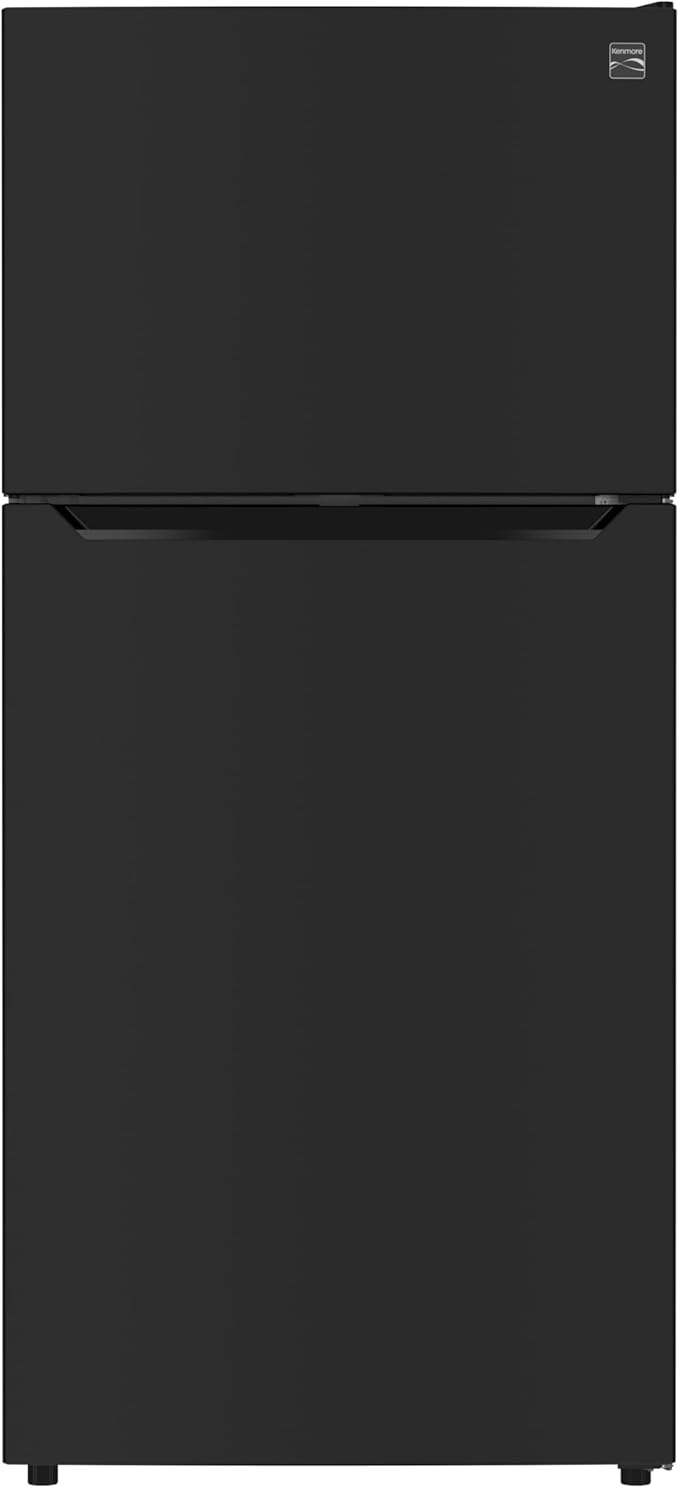
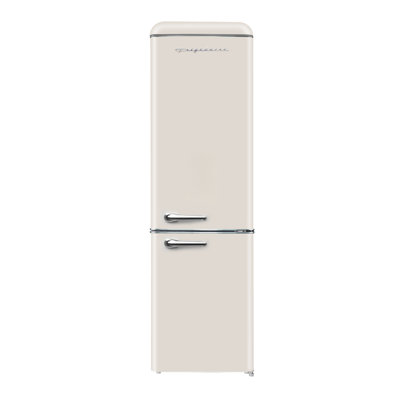
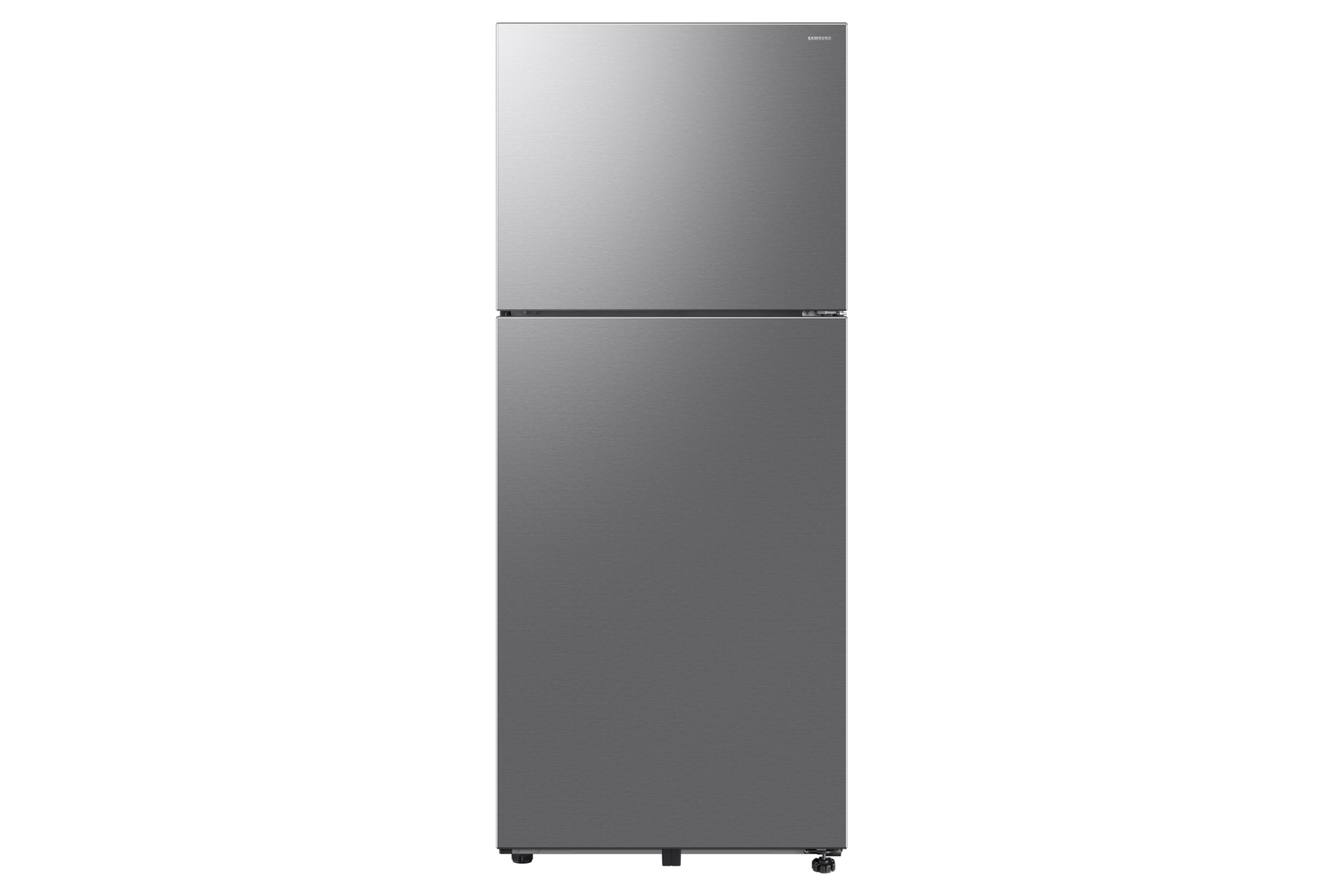
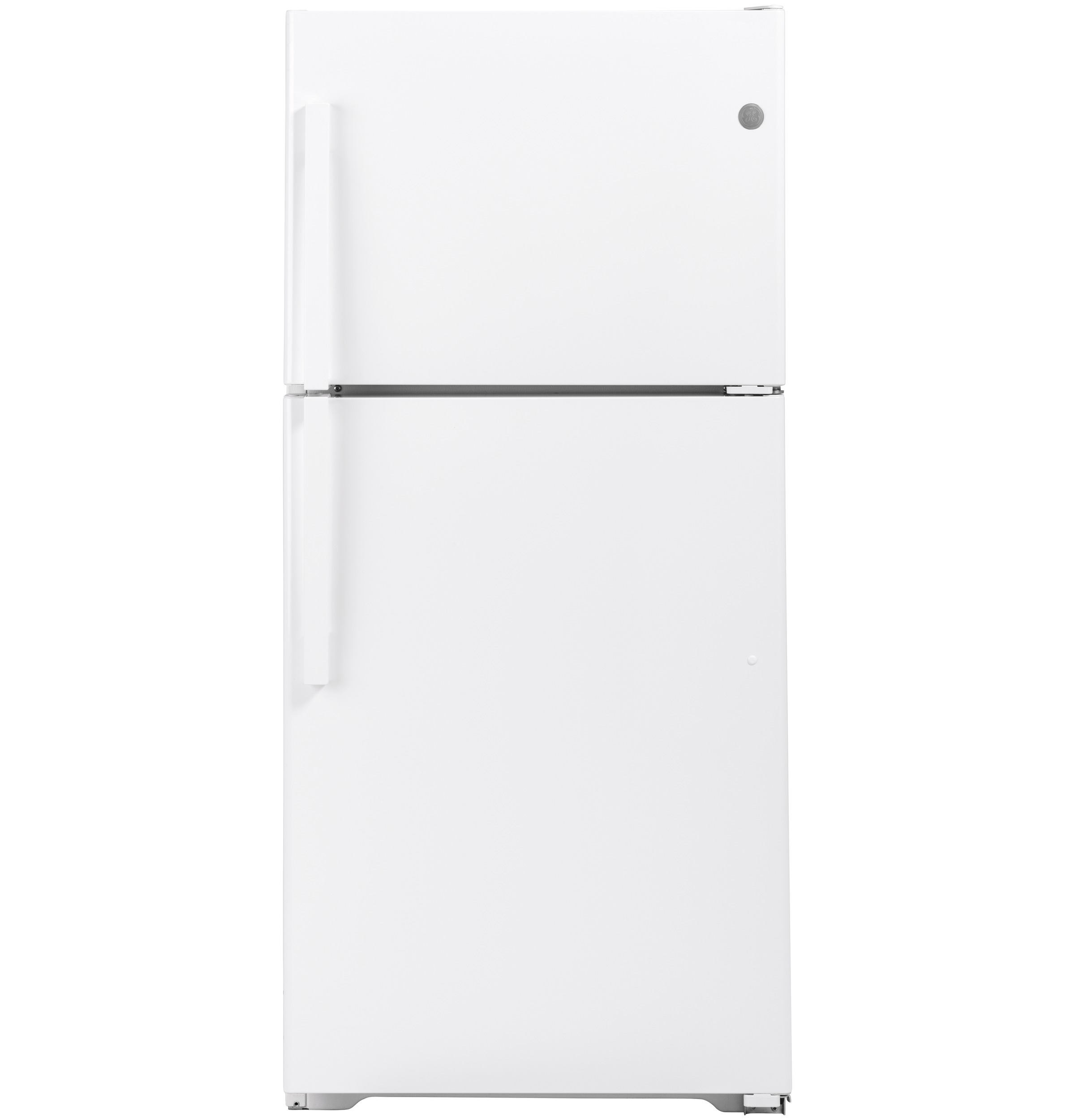
A standard-size refrigerator generally falls between eighteen and twenty-two cubic feet of total interior capacity, measuring roughly twenty-nine to thirty-two inches wide, sixty-six to sixty-nine inches tall, and thirty to thirty-four inches deep including handles. This size category encompasses top freezer, bottom freezer, and some French door models, and it represents the most common refrigerator footprint found in American homes. Standard-size units fit most existing kitchen cutouts without requiring cabinet modifications, electrical upgrades, or floor reinforcement, making them the default replacement choice when an older refrigerator needs updating.
For households of one to three people, a standard-size refrigerator provides ample room for a week's worth of groceries including fresh produce, dairy, beverages, condiments, leftovers, and a reasonable amount of frozen items. The fresh food section typically offers twelve to sixteen cubic feet with three to four adjustable shelves, two crisper drawers, and multiple door bins, while the freezer section provides four to six cubic feet for frozen staples. This capacity strikes a balance between having enough storage to avoid frequent grocery trips and avoiding the energy waste of cooling unused space.
Defining Large Refrigerator Size
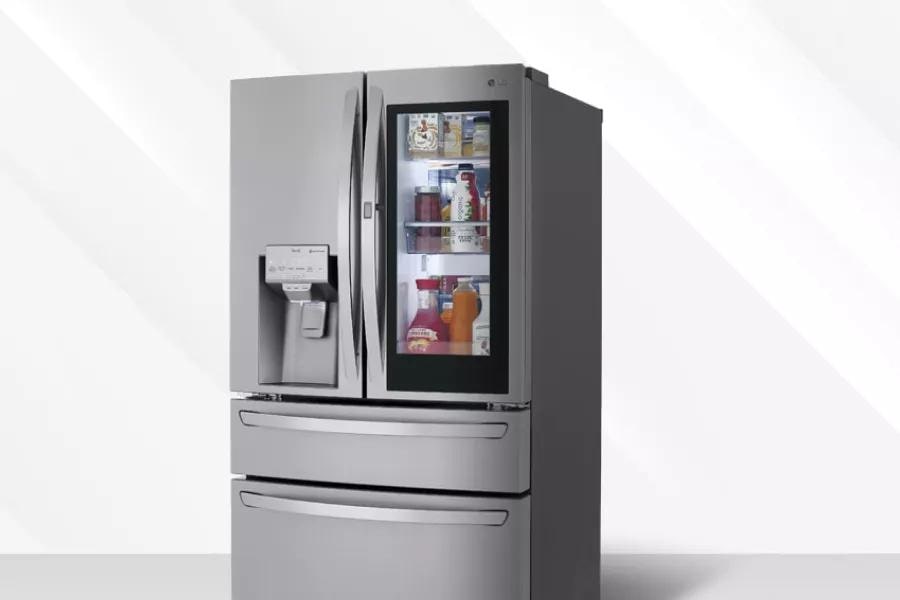
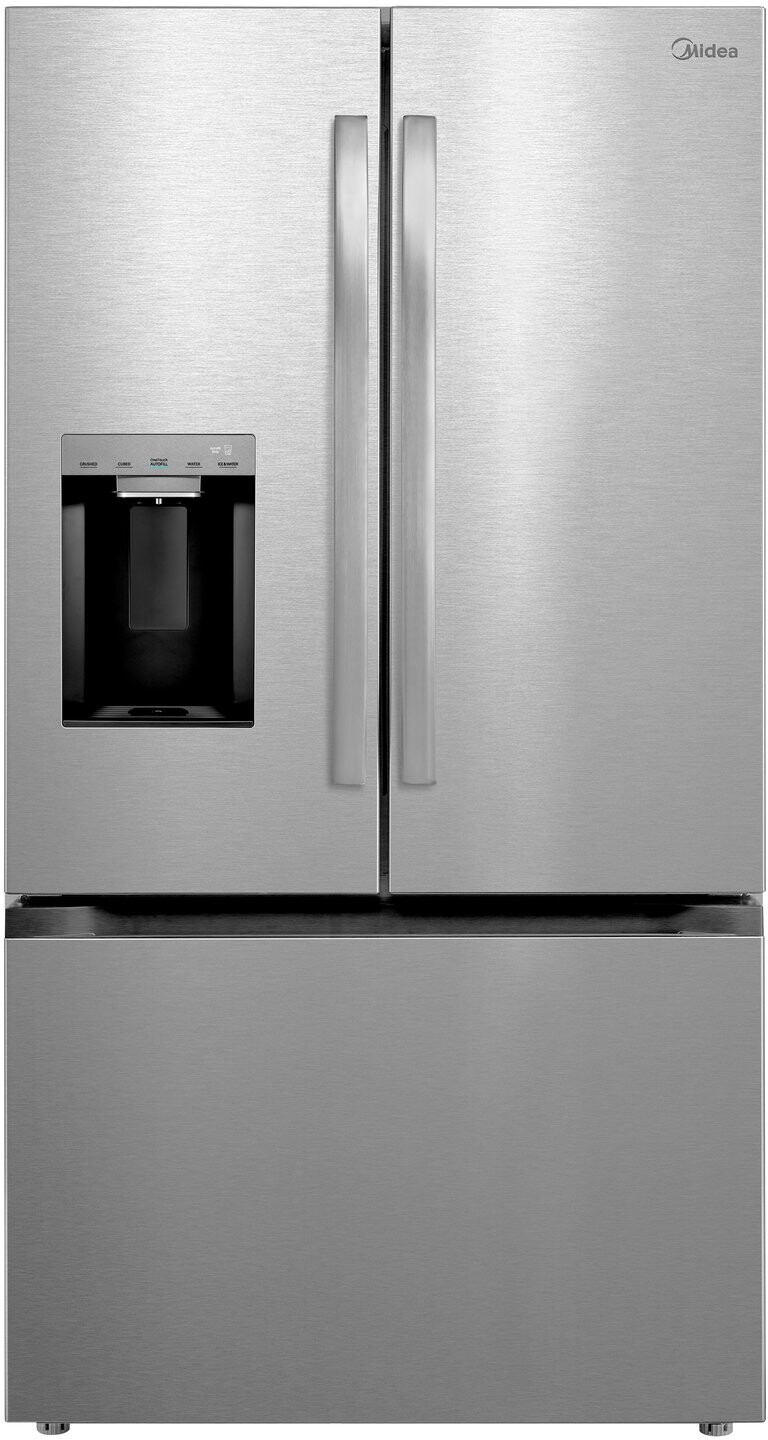
A large refrigerator ranges from twenty-five to thirty or more cubic feet of total capacity, measuring thirty-three to thirty-six inches wide, sixty-eight to seventy-two inches tall, and thirty to thirty-six inches deep. This category includes most French door models, side-by-side refrigerators, and four-door configurations designed for households that demand maximum storage flexibility. Large refrigerators often feature counter-depth or standard-depth options, with standard-depth models protruding further from cabinetry but offering more interior room per dollar spent.
Households of four or more people, families with teenagers, frequent entertainers, and anyone who buys groceries in bulk benefit most from the expanded capacity of a large refrigerator. The fresh food section typically provides sixteen to twenty-one cubic feet with five to six adjustable shelves, multiple crisper drawers with independent humidity controls, a dedicated deli drawer, and wide door bins that accommodate gallon-sized containers on every level. The freezer section offers seven to ten cubic feet with pull-out drawers, ice makers, and sometimes separate compartments for different frozen food categories.
The physical dimensions of your kitchen cutout and the surrounding clearances determine which size category you can realistically install. A standard-size refrigerator fits the thirty-inch-wide openings found in most kitchens built since the nineteen sixties. It typically requires two inches of clearance on each side for air circulation, one inch above for ventilation, and enough space behind for the water line and electrical cord. Most kitchens can accommodate a standard-size unit without any modifications to countertops, cabinets, or flooring.
A large refrigerator requires a wider opening of thirty-three to thirty-six inches and may necessitate cabinet modifications, countertop trimming, or removal of adjacent fixtures to fit properly. Measure your existing space carefully before committing to a large unit, including doorway widths along the delivery path from your front door to the kitchen. Many large refrigerators cannot fit through standard thirty-two-inch doorways without removing the refrigerator doors during delivery, which adds time and complexity to installation. Counter-depth large refrigerators sit flush with standard twenty-five-inch-deep countertops but sacrifice several cubic feet of interior capacity compared to standard-depth models of the same width.
Larger refrigerators consume more electricity simply because they have more interior volume to cool and maintain at target temperatures. A standard-size refrigerator typically uses between four hundred and five hundred fifty kilowatt-hours annually, costing roughly forty-eight to sixty-six dollars per year in electricity. These units benefit from decades of efficiency optimization in their size category, and most models earn Energy Star certification with comfortable margins.
A large refrigerator consumes between five hundred and seven hundred fifty kilowatt-hours annually, costing approximately sixty to ninety dollars per year. The additional energy expense amounts to twelve to twenty-four dollars more per year compared to a standard-size unit, which adds up to one hundred eighty to three hundred sixty dollars over a fifteen-year lifespan. However, large refrigerators with inverter compressors and advanced insulation close this gap significantly. If energy cost is a primary concern but you need more capacity, look for Energy Star certified large models with inverter technology rather than settling for a smaller unit that does not meet your storage needs.
Storage Organization and Features
Standard-size refrigerators offer practical storage for everyday needs with straightforward interior layouts. Most models include three to four adjustable shelves that can be repositioned to accommodate tall bottles or large platters, two crisper drawers for produce storage, and door bins that hold condiments, beverages, and small containers. The freezer section typically includes one or two shelves or wire baskets plus a door bin. While the organizational options are more limited than large models, the smaller interior makes items easier to see and reach, reducing the likelihood of food waste from forgotten items pushed to the back of deep shelves.
Large refrigerators offer significantly more sophisticated storage systems. French door models feature wide shelves that accommodate full-size party platters and sheet pans, multiple crisper drawers with independent humidity controls for separating fruits and vegetables, dedicated temperature-controlled drawers for deli meats and cheeses, and door bins deep enough for gallon milk jugs on multiple levels. Freezer sections in large models often use pull-out drawer systems rather than shelves, providing better visibility and access to frozen items. Some premium large refrigerators include FlexZone compartments that can switch between refrigerator and freezer temperatures depending on your current needs, adding versatility that standard-size units cannot match.
Standard-size refrigerators typically operate between thirty-two and forty decibels, producing a quiet background hum that blends into typical household noise. Their smaller compressors cycle on and off less dramatically than larger units, and the lower total cooling demand means less fan noise from air circulation systems. For open-concept kitchens where the refrigerator sits near living and dining areas, a standard-size unit's quieter operation provides a noticeable comfort advantage during meals and conversations.
Large refrigerators generate between thirty-six and forty-six decibels due to their larger compressors, more powerful circulation fans, and additional components like ice makers and water dispensers. The ice maker alone can produce intermittent sounds from water filling, freezing cycles, and ice harvesting that add to the overall noise profile. Premium large models with inverter compressors reduce noise significantly by adjusting compressor speed gradually rather than cycling between full power and off states, but even the quietest large refrigerators produce more ambient sound than most standard-size units.
Standard-size refrigerators offer strong value across the price spectrum. Top freezer models in this size range start as low as five hundred dollars, bottom freezer models begin around seven hundred dollars, and French door models in the standard-size category range from nine hundred to one thousand five hundred dollars. This pricing makes standard-size units the most accessible full-feature refrigerator category for budget-conscious buyers. The lower purchase price combined with lower energy costs and fewer potential repair points makes standard-size units the most economical choice for households that do not need the extra capacity.
Large refrigerators command higher prices that reflect their greater material costs, more complex features, and larger compressor systems. Entry-level large side-by-side models start around one thousand dollars, mid-range French door models fall between one thousand five hundred and two thousand five hundred dollars, and premium large refrigerators with smart features, custom panels, and advanced storage systems range from two thousand five hundred to five thousand dollars or more. The investment is justified for households that will use the additional capacity daily, but overspending on a large refrigerator that runs half-empty wastes both purchase dollars and ongoing energy costs.
Standard-size refrigerators typically last thirteen to seventeen years with regular maintenance. Their simpler mechanical systems with fewer electronic controls and smaller compressors mean fewer components that can fail over the unit's lifetime. Routine maintenance involves cleaning condenser coils twice per year, replacing water filters every six months if equipped, inspecting door gaskets for proper seal annually, and defrosting the freezer section if the model uses manual defrost. Parts for standard-size models are widely available and generally affordable because these units share common components across many manufacturers and model years.
Large refrigerators last twelve to sixteen years on average, with the slight reduction in expected lifespan reflecting the greater mechanical complexity of these units. Larger compressors work harder to cool more volume, advanced electronic controls and sensors introduce additional potential failure points, and features like ice makers, water dispensers, and motorized drawers all add components that may require service. Repair costs for large refrigerators tend to be higher than for standard units because parts are larger, more specialized, and sometimes proprietary to specific model lines. Extended warranties are worth considering for premium large refrigerators given the higher potential repair costs.
Common Sizing Mistakes
The most frequent mistake is buying a large refrigerator for a household that does not generate enough groceries to fill it. An oversized refrigerator that operates at half capacity wastes energy cooling empty air and costs more upfront for space you never use. A helpful guideline is to allocate roughly four to six cubic feet of refrigerator space per household member, so a family of two or three comfortably fits within the standard-size range while a family of five or more benefits from a large unit.
Another common error is measuring only the kitchen opening without checking the delivery path. Large refrigerators must physically fit through every doorway, hallway, and turn between the delivery truck and the kitchen. Measure all passage points and compare them to the refrigerator's dimensions with the doors removed, which is the configuration used for tight-clearance delivery. Many delivery disappointments stem from a refrigerator that fits the kitchen cutout perfectly but cannot navigate the thirty-two-inch hallway leading to the kitchen.
Buyers also sometimes choose counter-depth large models expecting them to hold the same volume as standard-depth equivalents. Counter-depth units typically sacrifice four to six cubic feet of interior capacity compared to same-width standard-depth models. If you need every cubic foot of a large refrigerator's capacity, a standard-depth model is the better choice despite protruding slightly past the countertop edge. If a flush, built-in appearance matters more than maximum capacity, counter-depth is the right trade-off.
A standard-size refrigerator is the right choice for households of one to three people, apartments and condos with standard kitchen layouts, budget-conscious buyers who want proven reliability at the lowest cost, and anyone replacing an existing standard-size unit without wanting to modify their kitchen. It provides ample storage for typical grocery needs while keeping purchase prices, energy costs, and repair expenses at their most manageable levels.
A large refrigerator is the right choice for families of four or more, households that cook extensively and store large quantities of fresh ingredients, frequent entertainers who need space for party platters and beverages, and bulk shoppers who stock up on groceries biweekly or monthly. The additional capacity reduces the frequency of grocery trips and provides the organizational flexibility to store diverse food types in dedicated compartments. Browse the full range of refrigerators at Fridge.com to find the perfect size for your household.
Compare prices on Fridge.com
Whether you need a reliable standard-size refrigerator for your apartment or a spacious large French door refrigerator for your family kitchen, Fridge.com carries trusted brands at competitive prices in every size category. Compare dimensions, features, and capacities across Fridge.com full collection to find the ideal fit for your space and lifestyle. Every purchase includes free shipping and expert support to help you make the right choice.
Frequently Asked Questions
22 to 26 cu ft — in the large tier. Two adults (10-12 cu ft) plus 2 children (4-6 cu ft) plus 2 cu ft general = 16-20 minimum, plus buffer for weekly shopping. The large tier handles this comfortably. Compare at Fridge.com.
From Fridge.com research
Figures below come from data Fridge.com builds and maintains. Each links to the record behind it.
Fridge.com Energy Index, built on U.S. EPA and DOE ENERGY STAR records
Across 5,455 ENERGY STAR certified refrigerators and freezers from 263 brands, median use is 360 kWh per year.