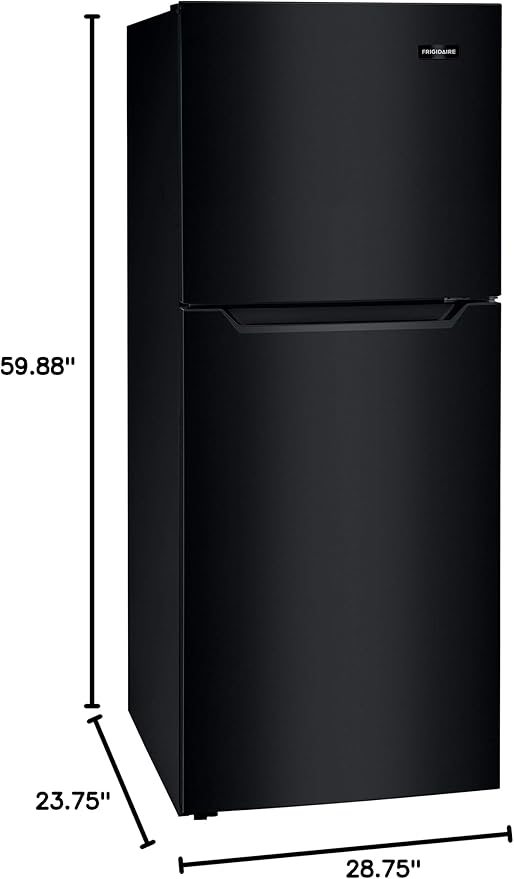
A smart fridge with a touchscreen, cameras, and full connectivity typically costs $2,500 to $4,500 — roughly $1,000 to $2,000 more than an equivalent traditional fridge without smart features.
The total investment for a comprehensive smart monitoring setup around a standard fridge is typically $80 to $200 — less than one-tenth the premium of a smart fridge.
You can set timers, add items to shopping lists, check recipes, and manage calendars using a smart speaker that costs $30 to $100 instead of the $1,500 to $2,000 premium built into a smart fridge.
A smart fridge with built-in intelligence and a traditional fridge enhanced through smart home integration offer two distinct paths to a connected kitchen. A smart fridge comes with Wi-Fi, touchscreens, cameras, and apps pre-installed from the factory. Smart home integration, on the other hand, uses external devices like smart plugs, temperature sensors, leak detectors, and voice assistants to add connected functionality to a standard refrigerator. Both approaches give you remote monitoring and automation, but they differ significantly in cost, flexibility, reliability, and how deeply they connect with the rest of your home ecosystem. This guide compares every angle so you can decide which approach makes more sense for your household.
What a Smart Fridge Offers Out of the Box
A smart refrigerator is a self-contained connected appliance. Models from Samsung, LG, and other major manufacturers include built-in Wi-Fi, a touchscreen display on the door, interior cameras that photograph the contents each time the door closes, and a companion smartphone app. The touchscreen typically runs a lightweight operating system that supports widgets for calendars, weather, recipes, streaming music, and family notes. Some models include voice assistant support through Amazon Alexa or Google Assistant, allowing you to interact with the fridge using voice commands.
The built-in cameras enable you to check what is inside the fridge remotely from your phone, which is useful when you are at the grocery store trying to remember whether you need milk. Diagnostic features can alert you when the door is left open, when the water filter needs replacing, or when internal temperatures fall outside safe ranges. Everything is designed to work together as a unified system controlled through the manufacturer's app, with no additional hardware or setup required beyond connecting to your home Wi-Fi network.
What Smart Home Integration Adds to a Standard Fridge
Smart home integration takes a modular approach. Instead of buying an appliance with built-in intelligence, you add smart capabilities to any standard refrigerator using external devices. A smart plug monitors energy consumption and can alert you if the fridge loses power. A wireless temperature sensor placed inside the fridge sends real-time temperature data to your phone and triggers alerts if temperatures rise above safe levels. A water leak sensor placed beneath the fridge detects leaks before they cause floor damage. A smart power strip can cycle the fridge off and on remotely in rare troubleshooting scenarios.
Voice assistants like Amazon Echo or Google Home add hands-free control to your kitchen without requiring a touchscreen on the fridge itself. You can set timers, add items to shopping lists, check recipes, and manage calendars using a smart speaker that costs $30 to $100 instead of the $1,500 to $2,000 premium built into a smart fridge. Smart home platforms like SmartThings, Home Assistant, or Apple HomeKit can tie all these devices together with automated routines — for example, sending you a notification if the temperature sensor reads above 42 degrees for more than 15 minutes.
The cost difference between these approaches is dramatic. A smart fridge with a touchscreen, cameras, and full connectivity typically costs $2,500 to $4,500 — roughly $1,000 to $2,000 more than an equivalent traditional fridge without smart features. That premium buys you an integrated experience, but the features are locked to that specific appliance and cannot be transferred if you replace the fridge.
Smart home integration costs a fraction of that amount. A quality smart plug costs $15 to $25. A wireless temperature sensor runs $20 to $40. A water leak sensor is $15 to $30. A smart speaker for voice control costs $30 to $100. The total investment for a comprehensive smart monitoring setup around a standard fridge is typically $80 to $200 — less than one-tenth the premium of a smart fridge. You can also upgrade or replace individual components without replacing the entire appliance, and you can move these devices to a new fridge when you eventually upgrade.
Smart fridges offer a fixed set of features determined by the manufacturer. You get what comes pre-installed, and customization options are limited to the apps and widgets available on the manufacturer's platform. If Samsung discontinues a feature or LG stops supporting a particular integration, you lose that functionality with no alternative. The touchscreen interface is designed for general use and may not align with your specific needs or preferences.
Smart home integration is infinitely more flexible. You choose exactly which sensors and devices to deploy based on what matters to you. If temperature monitoring is your priority, you can install multiple sensors at different shelf positions for granular data. If energy tracking matters, you can pair a smart plug with detailed analytics software. Home automation platforms like Home Assistant allow you to create custom routines that no manufacturer's built-in software would offer — for example, automatically turning on the kitchen light when the fridge door opens after 10 PM, or logging temperature data to a spreadsheet for long-term analysis.
Reliability and Longevity
Smart fridge software depends on continued manufacturer support. When a company discontinues a product line or stops updating the operating system, smart features can stop working even though the fridge itself still cools food perfectly. There are documented cases of smart fridge touchscreens becoming unresponsive after software updates, camera features being discontinued, and apps being removed from app stores. A smart fridge with dead software becomes an expensive traditional fridge with a useless screen on the door.
Smart home devices have a different longevity profile. Individual devices may fail or become obsolete, but replacing a $20 sensor is trivial compared to dealing with a malfunctioning $4,000 appliance. Open-source platforms like Home Assistant are community-maintained and not subject to corporate decisions about product support. If one brand of temperature sensor is discontinued, you can switch to a different brand that uses the same wireless protocol. The modular approach means no single point of failure can take down your entire smart kitchen setup.
Interior cameras are one of the most marketed features of smart fridges. They photograph the contents automatically and let you view the images on your phone. This is genuinely useful for checking what you need while shopping. However, the cameras are fixed in position — usually at the top of the fridge pointing down — and may not capture items hidden behind other containers or stored in drawers and door bins.
Smart home integration does not offer a direct equivalent to built-in cameras, but there are alternatives. Some users mount a small wireless camera inside the fridge on a magnetic base, achieving similar functionality for $20 to $40. Inventory management apps that use manual input or barcode scanning can track contents more accurately than a camera that only captures what is visible from one angle. For most households, the simpler solution is keeping a running shopping list on a smart speaker — saying "Alexa, add milk to my shopping list" takes two seconds and does not require any camera hardware.
The touchscreen on a smart fridge is convenient because it is built into the door at eye level. You can glance at your calendar, follow a recipe, or watch a video while cooking. However, these screens are typically 21 to 32 inches and add significant cost and complexity to the appliance. If the screen fails, repair can cost $500 to $1,000 or more.
A standalone smart display like an Amazon Echo Show or Google Nest Hub provides nearly identical functionality for $80 to $250. You can mount it on the wall, place it on the counter, or position it wherever is most convenient — not limited to the fridge door. If the screen breaks or a better model comes out, you replace just the display for a fraction of the cost. The content ecosystem is also broader on standalone displays, with access to more apps, skills, and streaming services than most smart fridge platforms offer.
Most smart fridges provide basic energy consumption data through their companion apps, showing daily or monthly electricity usage. This information is useful for understanding your appliance's efficiency but is typically limited to the data the manufacturer chooses to display.
Smart plugs with energy monitoring capabilities provide more detailed and customizable data. Products like the TP-Link Kasa or Emporia Vue track real-time wattage, daily consumption, monthly trends, and cost estimates based on your local electricity rate. You can set alerts if consumption spikes — which might indicate a failing compressor or a door gasket that is not sealing properly — and export data for analysis. The granularity and flexibility of external energy monitoring typically exceeds what smart fridge apps provide.
A smart fridge makes the most sense for buyers who want a seamless, all-in-one experience without configuring multiple devices. If you prefer a single manufacturer's ecosystem, enjoy having a large touchscreen on the fridge door, and do not mind the premium price, a smart fridge delivers convenience straight out of the box. It is also a good choice for households where no one wants to manage separate smart home devices and just wants things to work with minimal setup.
Smart home integration is the better choice for budget-conscious buyers, tech enthusiasts who enjoy customizing their setups, and anyone who already has a smart home ecosystem with speakers, hubs, and sensors. It is also the smarter long-term investment — you keep the flexibility to upgrade individual components without replacing the entire refrigerator, and your smart features are not tied to a single manufacturer's continued software support. If you want connected kitchen functionality without a $2,000 appliance premium, smart home integration delivers more capability per dollar.
Common Mistakes When Deciding
The most common mistake is buying a smart fridge purely because it looks impressive in the showroom. Many buyers stop using the touchscreen and camera features within months, leaving them with an overpriced traditional fridge. Another mistake is assuming smart home integration is too complicated — modern smart plugs and sensors set up in minutes through intuitive phone apps. On the integration side, the biggest error is buying too many devices at once and creating a confusing setup. Start with one or two key devices — a smart plug and a temperature sensor — and add more only as you identify genuine needs.
Smart fridges send data to the manufacturer's cloud servers — door open frequency, camera images of your food, usage patterns, and potentially voice recordings if the assistant is active. You have limited control over how this data is stored, shared, or used for marketing purposes. With smart home integration, you have more control. Open-source platforms like Home Assistant keep all data local on your own hardware. Even cloud-based smart home platforms typically collect less detailed data than a smart fridge manufacturer, since each device only transmits its specific sensor readings rather than comprehensive usage analytics and photographs.
Compare prices on Fridge.com
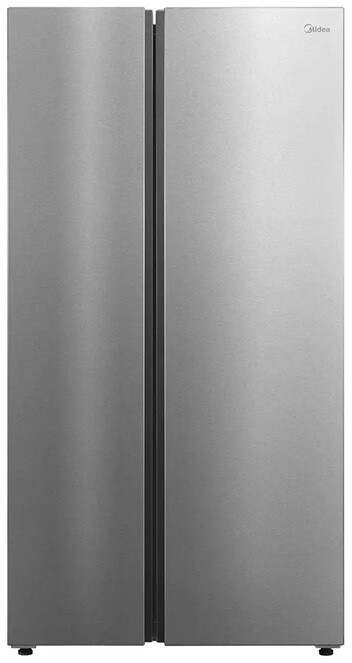
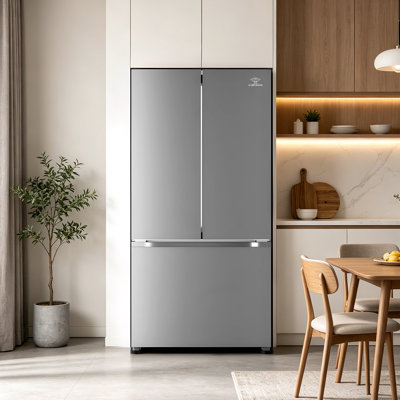
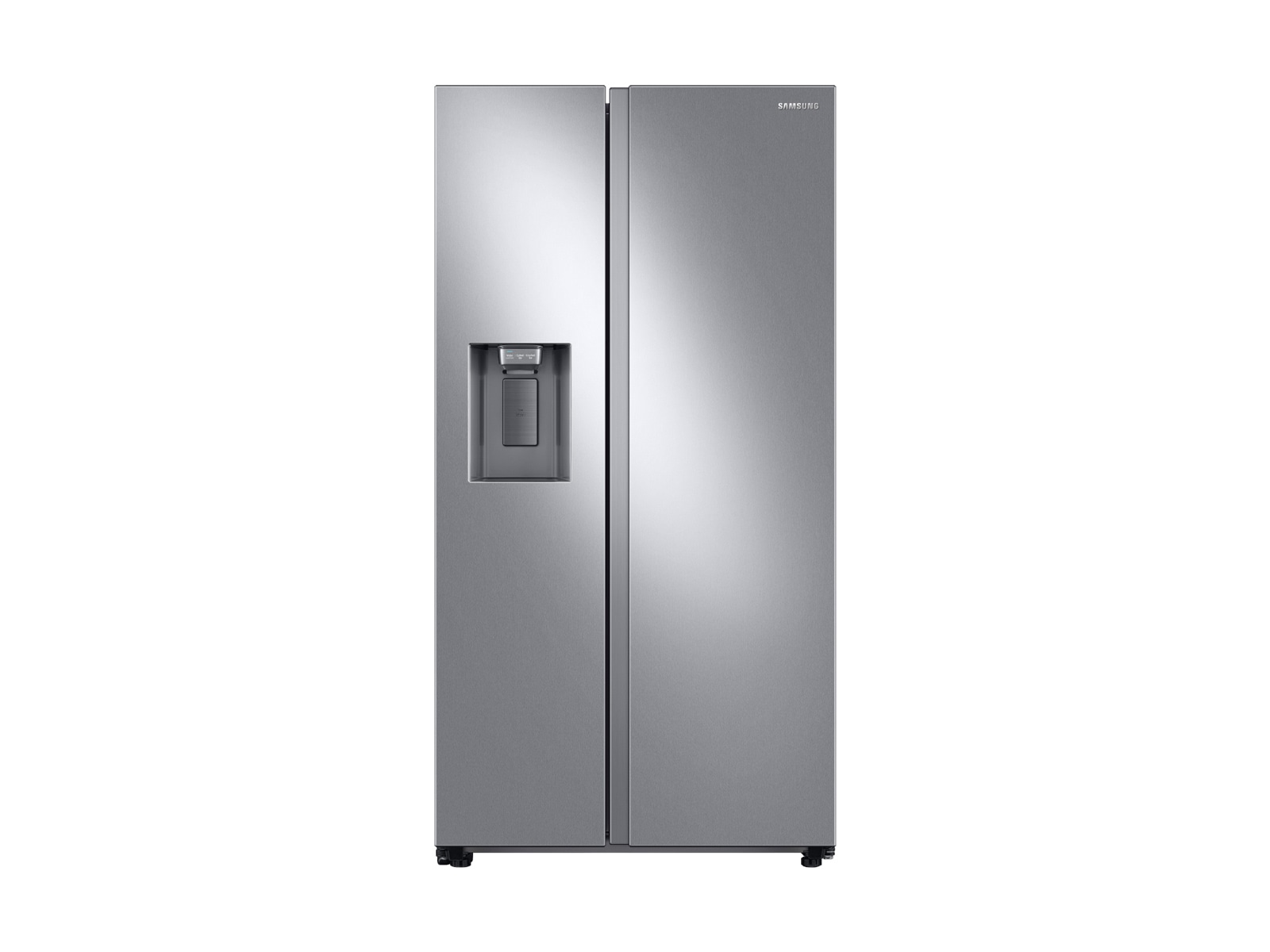
Whether you want a connected smart fridge or a reliable traditional model ready for smart home integration, Fridge.com has the right option. Browse our full refrigerator collection to find the perfect fit for your kitchen. Explore our French door refrigerators for spacious options or check out our side-by-side refrigerators for classic configurations. Free shipping and price-match guarantee on every purchase.
Frequently Asked Questions
Interior cameras — checking fridge contents from your phone at the grocery store requires cameras physically inside the fridge. No external accessory achieves this. If this feature matters, buy a built-in smart fridge. Compare at Fridge.com.
Free tool
Refrigerator Carbon Footprint Calculator
Free interactive tool from Fridge.com — get a quick answer while you read.